
10 Florida Food Sayings That Outsiders Have No Idea What They Mean
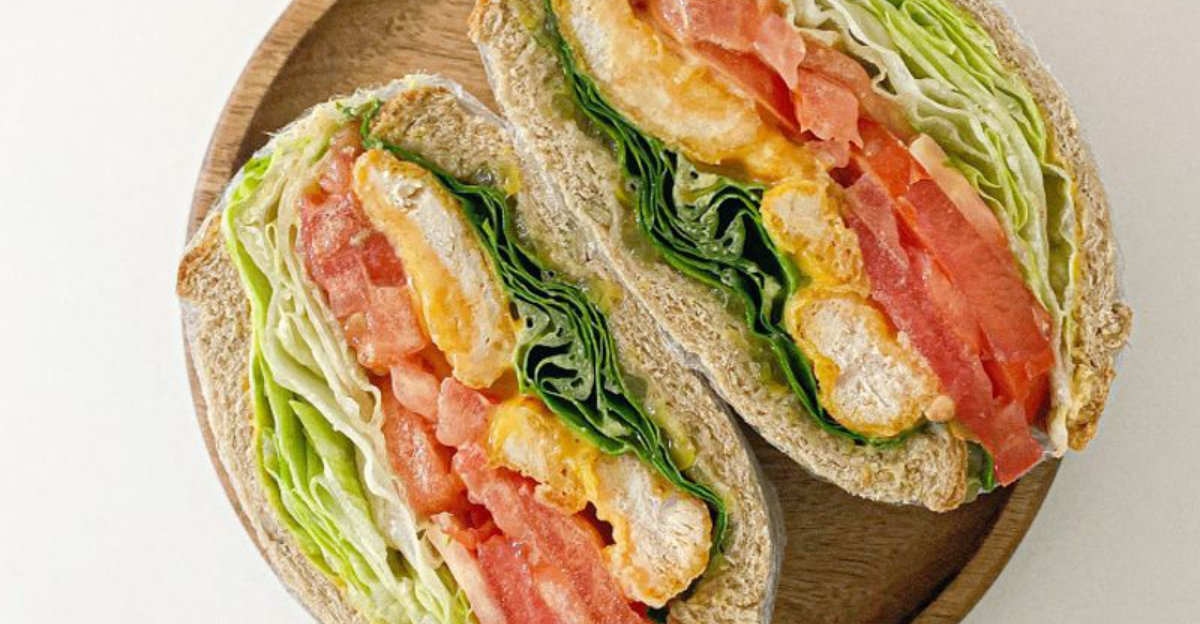
Florida has its own language when it comes to food, and if you were not raised here, you might feel like you need a translator at the local Cuban cafe or seafood shack.
I grew up in Central Florida, where the grocery store deli counter was sacred ground.
I didn’t realize how strange our food culture was until I moved away and tried to order my usual-a simple request that was met by a blank stare.
The local culinary landscape, driven by fresh coastal catches and the pervasive influence of Havana, is deeply personal.
These phrases aren’t just regional terms, they are cultural touchstones.
To use them is to demonstrate that you understand this strange, sun-baked identity.
If you’re ready to graduate from tourist to seasoned Floridian eater, master these 10 essential food sayings.
1. Make It Cuban Strong

Walk into any Florida cafeteria and ask for coffee, and someone will inevitably say this phrase.
Cuban espresso, known locally as cafecito, is not your average morning brew.
When a local requests it Cuban strong, they want it brewed extra dark, loaded with sugar, and capable of launching them into another dimension.
Outsiders hear this and assume it just means a large size or maybe an extra shot. Wrong.
This is coffee so potent it could power a small generator.
The sugar gets whipped into the espresso until it forms a sweet, frothy layer called espuma, and the result is a tiny cup that packs more punch than three regular coffees combined.
Floridians do not sip this casually.
They knock it back like a shot and go about their day with the energy of someone who just licked a lightning bolt.
If you order this without knowing what you are getting into, prepare to vibrate through time and space.
2. I’ll Take It Dolphin, Not Dolphin
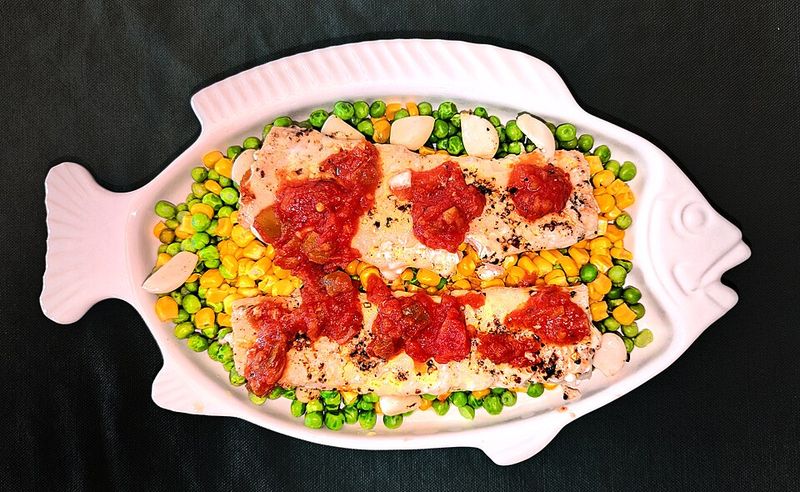
Florida menus love to confuse people, and nothing does it better than the word dolphin.
When you see it listed under seafood, tourists immediately panic and wonder if they accidentally wandered into some illegal marine mammal market.
Locals, however, know exactly what is going on. Dolphin on a Florida menu means mahi-mahi, a delicious fish with firm, flaky meat.
The confusion comes from the fact that mahi-mahi is also called dolphinfish, but it has absolutely nothing to do with the intelligent, friendly mammals that jump through waves.
Mahi-mahi swims like it owes someone money, darting around the ocean at high speed. Floridians have been saying this phrase for decades to clarify their order without sounding like eco-villains.
So when someone says they will take it dolphin, not dolphin, they mean the fish, not Flipper.
It is a necessary distinction in a state where both creatures share the same waters and occasionally the same nickname.
3. Run It Through The Sauce
Cuban cafeterias in Florida operate on their own set of rules, and this phrase is one of the most useful insider hacks.
When you order roasted pork, rice, or chicken, you can ask them to run it through the sauce, which means they will ladle extra mojo, gravy, or garlic sauce over your entire plate.
It transforms a standard meal into a flavor bomb that soaks into every grain of rice.
Outsiders hear this and think it is some kind of cooking instruction, like you are telling the chef how to prepare the dish.
Nope.
This is pure customer customization.
The sauce is already made and sitting in a giant ladle-ready pot, waiting to drown your food in citrusy, garlicky goodness.
Floridians know this move well. It is the difference between a good meal and a legendary one.
If you do not ask for it, you are missing out on one of the best-kept secrets of Florida Cuban cuisine.
4. Is This Grouper Real Grouper
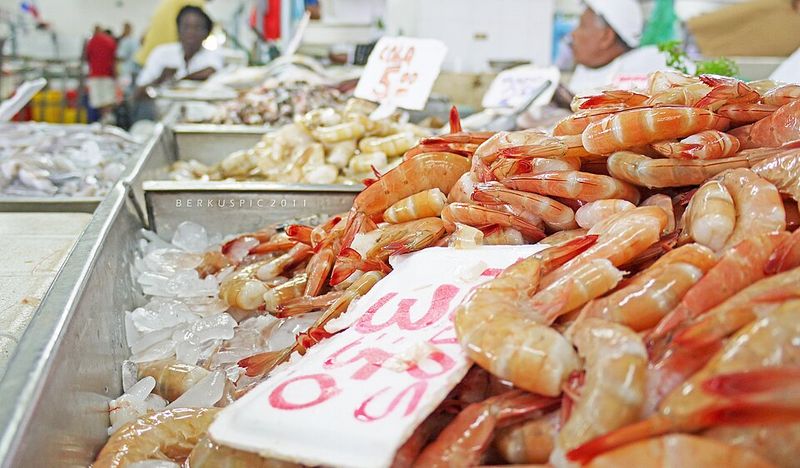
Ordering grouper in Florida should be simple, but thanks to years of seafood fraud scandals, locals have developed a healthy sense of suspicion.
Restaurants have been caught swapping cheaper fish like tilapia or catfish and calling it grouper, so now Floridians approach their seafood orders like detectives on a case.
This question is not rude.
It is survival.
Real grouper has a mild, sweet flavor and a firm texture that flakes beautifully when cooked.
Fake grouper tastes like disappointment and lies.
Locals know the difference, and they are not afraid to ask the server point-blank if what they are about to eat is the real deal.
Some restaurants even advertise that their grouper is certified genuine just to avoid the interrogation.
I once watched my uncle grill a waiter for five minutes about the grouper source before finally ordering.
The waiter respected it.
Outsiders think this is paranoia. Floridians call it due diligence.
5. Do You Want It Wet Or Dry
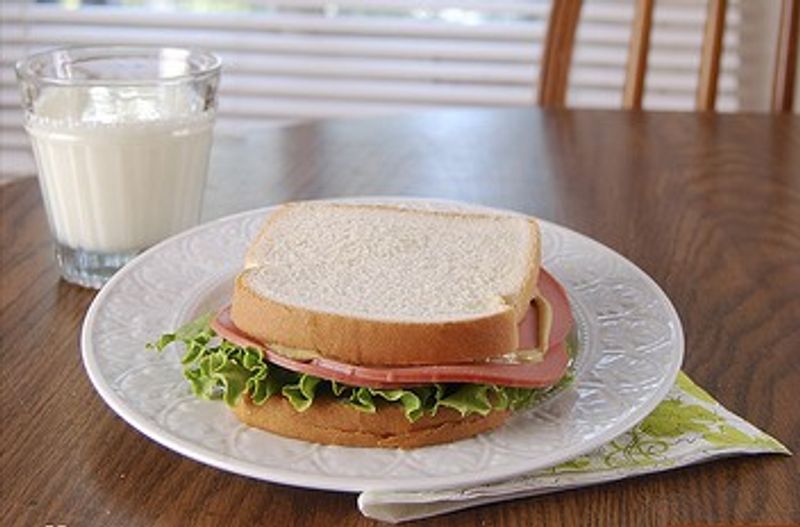
This phrase pops up at Publix sub counters, barbecue joints, and seafood shacks across Florida, and it always catches newcomers off guard.
Wet means your sandwich, fries, or seafood will be drenched in sauce, dressing, or melted butter.
Dry means the sauce comes on the side, so you can control the moisture level and avoid soggy disasters.
Publix subs are legendary in Florida, and the wet versus dry debate is serious business.
Wet subs are messy, glorious, and require multiple napkins.
Dry subs let you customize every bite without turning your bread into mush. Barbecue lovers face the same choice with ribs and pulled pork.
Outsiders hear this question and assume Florida is just being weird again.
Locals know it is a matter of personal preference and sandwich integrity.
Choose wisely, because once you go wet, there is no turning back.
Your hands will be sticky, your shirt will have stains, and you will regret nothing.
6. Get The Chicken Tender Pub Sub Before Hurricane Panic Hits
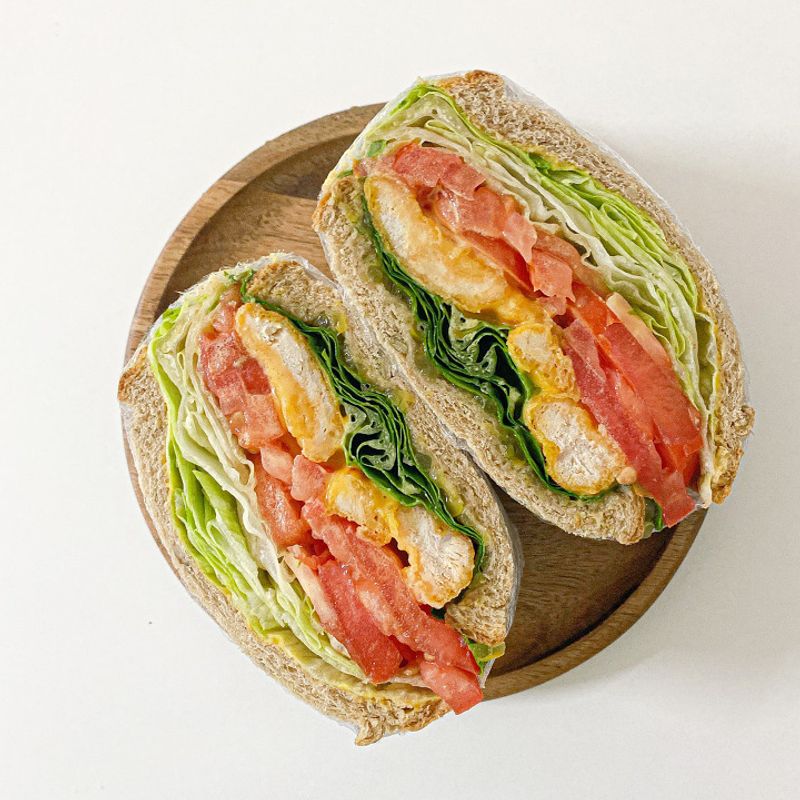
Hurricane season in Florida brings two things: weather alerts and a mad rush to Publix.
While outsiders stock up on water, batteries, and canned goods, Floridians have a different priority.
They sprint to the deli counter and order as many chicken tender Pub Subs as they can carry.
These sandwiches are so beloved that they vanish from stores faster than bottled water when a storm approaches.
The phenomenon is so real that social media explodes with memes every time a hurricane enters the Gulf.
People post pictures of empty deli cases and joke about surviving the storm on nothing but Pub Subs and sweet tea. It is not just hunger.
It is tradition.
Locals know that if you wait until the day before landfall, you are out of luck.
The chicken tenders will be gone, the bread will be gone, and you will be stuck eating canned tuna like a chump.
This saying is both a warning and a survival strategy.
7. We’re Tailgating With Swamp Cabbage
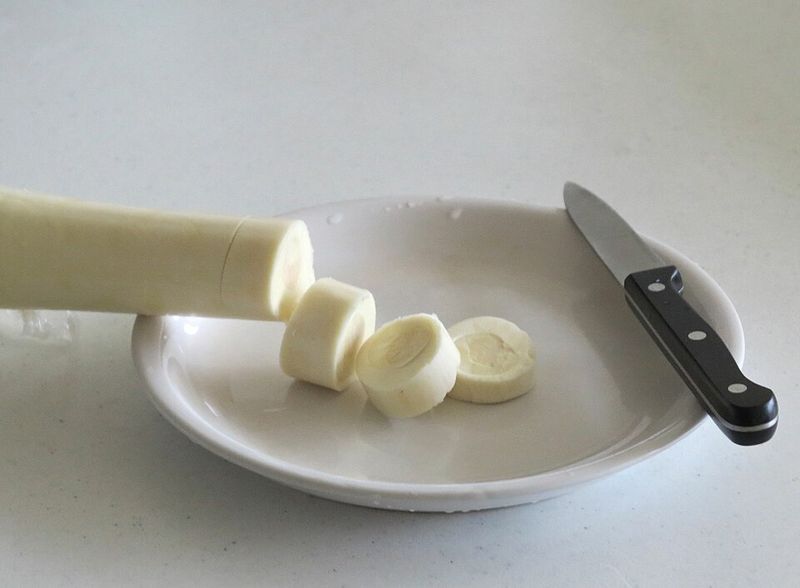
Swamp cabbage sounds like something you would find in a horror movie, but in Florida, it is a delicacy.
This phrase refers to hearts of palm, the state’s official vegetable, which comes from the sabal palm tree.
Outsiders imagine something slimy and terrifying pulled from a swamp, but locals know it is tender, mild, and delicious when prepared right.
Swamp cabbage is often stewed with bacon, onions, and spices, creating a dish that tastes nothing like actual cabbage.
It is a staple at festivals, tailgates, and family gatherings across the state.
Some people eat it in salads, while others prefer it cooked low and slow until it becomes melt-in-your-mouth tender.
If someone invites you to a tailgate and mentions swamp cabbage, do not panic.
You are not about to eat pond scum.
You are about to experience a uniquely Floridian tradition that has been passed down for generations.
Just do not call it by its fancy name, or people will know you are not from around here.
8. Be Careful, The Key Lime Pie Here Is Green
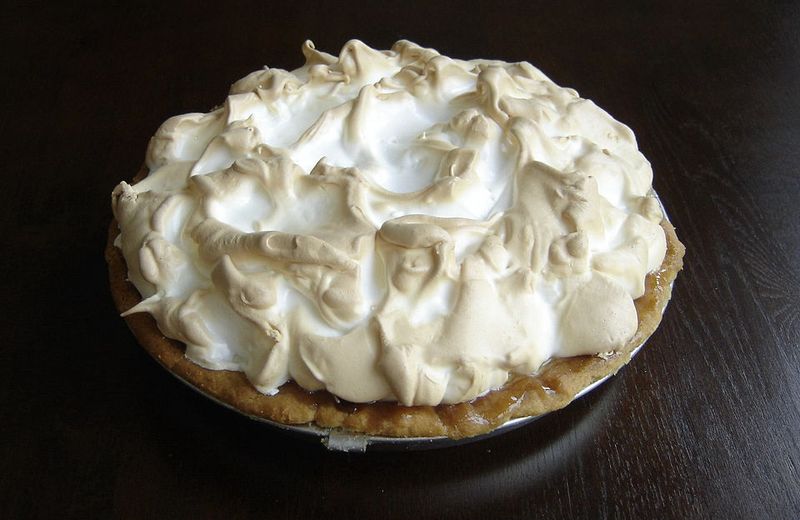
Key lime pie is sacred in Florida, and locals take it seriously.
Authentic key lime pie is pale yellow, made with real key lime juice, sweetened condensed milk, and a graham cracker crust. If you see a slice that glows neon green, you are looking at a fraud.
That color comes from food dye, not actual limes, and it is a dead giveaway that the restaurant cut corners.
Floridians use this phrase as a warning to each other when they spot fake pie on a menu.
Tourists see the green version and think it looks fun and tropical, but locals know better.
Real key lime pie tastes tangy, creamy, and perfectly balanced. Fake key lime pie tastes like sugar and regret.
Some bakeries still insist on making it green because they think customers expect it.
Wrong.
Customers expect authenticity, and Florida does not play games with its state pie.
If the color is off, walk away.
Your taste buds will thank you later.
9. Grab Me A Bag Of Boiled Peanuts, The Gas Station Ones
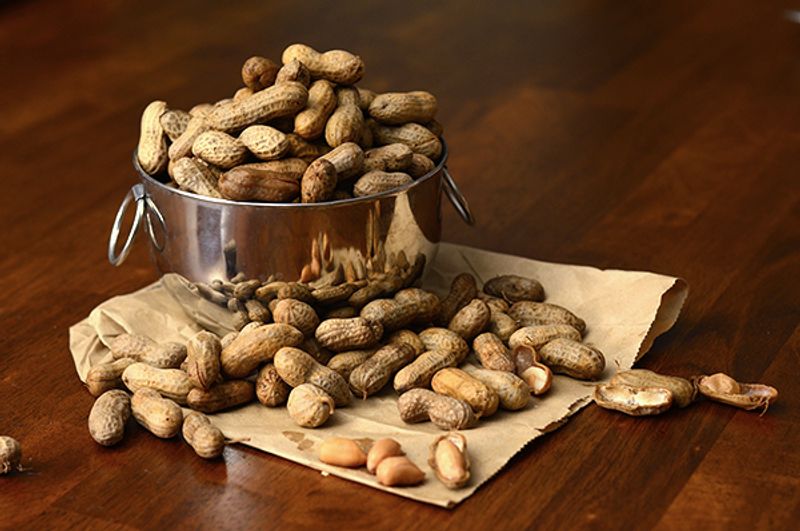
Boiled peanuts are a Southern tradition, but Florida takes them seriously.
The best ones do not come from fancy restaurants or farmers markets.
They come from gas station crockpots on rural roadsides, sitting in salty, steaming brine for hours until they reach peak softness.
Outsiders think this sounds like a trap or a health hazard. It is neither.
It is the law of the land.
Gas station boiled peanuts have a cult following in Florida.
People will drive miles out of their way to hit a specific station known for its perfect batch.
The peanuts are soft, salty, and slightly addictive, with a texture that surprises anyone expecting the crunchy roasted kind.
I have seen tourists hesitate at the sight of a questionable crockpot on a counter, only to leave with three bags after tasting one.
The saying exists because Floridians know that the sketchier the location looks, the better the peanuts taste.
Trust the process.
Embrace the roadside snack life.
10. Watch The Seagulls
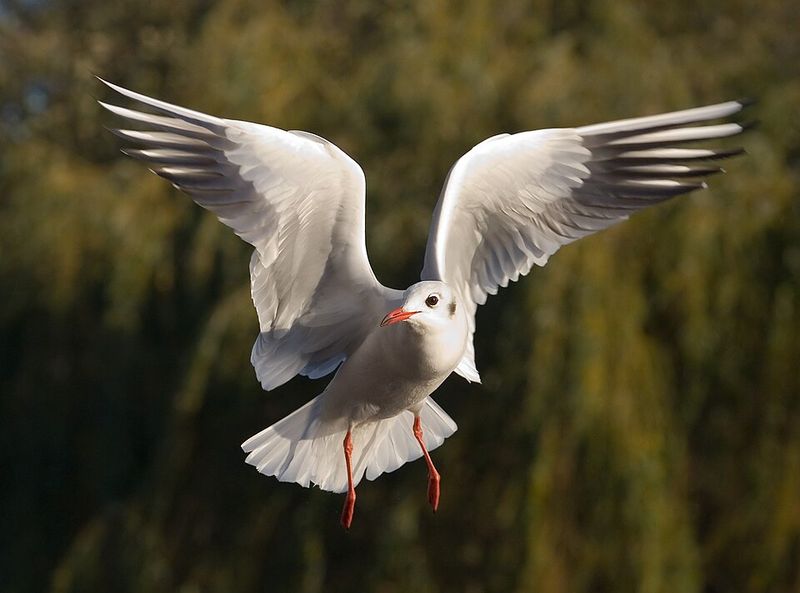
Florida seagulls are not cute beach birds.
They are fearless criminals with wings and zero respect for personal property.
This phrase is a real warning that locals give each other, especially when eating outdoors near the water.
Conch fritters, fried seafood, and sandwiches are prime targets for these aerial thieves, and they will swoop in mid-bite if you are not paying attention.
Tourists laugh at this advice until they experience it firsthand.
One second you are enjoying a perfectly golden conch fritter, and the next second a gull has snatched it from your hand and flown off like a feathered bandit.
There is no negotiating with them.
They are faster, bolder, and hungrier than you.
Floridians have learned to guard their food aggressively, keeping one eye on their plate and one eye on the sky.
Some people eat inside just to avoid the hassle.
If you ignore this warning, you will learn the hard way that Florida wildlife does not play fair.