
Explore Vanishing Streams, Hidden Caverns And Massive Sinkholes On This Surreal 5-Mile Florida Trail
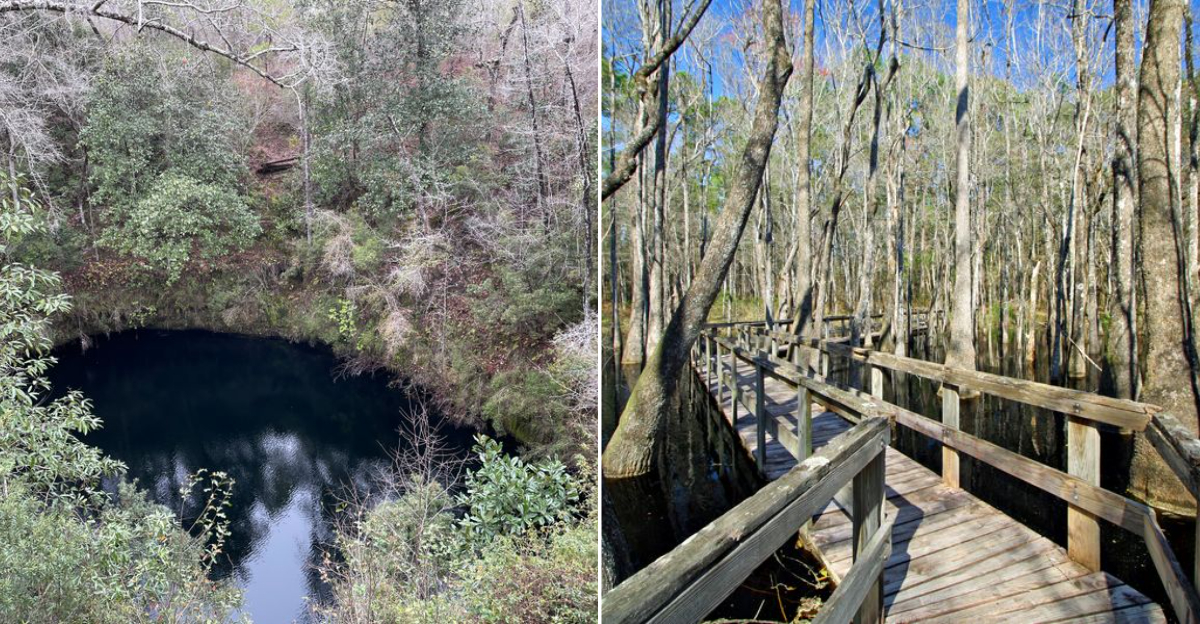
Florida hides a secret world beneath its surface, where limestone caves swallow entire streams and sinkholes open like portals to another dimension.
The Leon Sinks Geological Area near Tallahassee offers adventurers a chance to witness these mind-bending natural wonders up close on a 5-mile trail system that feels more like exploring an alien planet than hiking through the Sunshine State.
This remarkable park sits atop one of the largest underwater cave systems on Earth, connecting all the way to Wakulla Springs, and every turn reveals another geological surprise that will make you question everything you thought you knew about Florida landscapes.
I remember the first time I stumbled upon the Leon Sinks Geological Area.
I’d expected another pretty Florida hike, maybe some cypress knees and a quiet pond.
What I found instead was an otherworldly realm, a place that felt more like a scene from a fantasy novel than a real-world trail
Big Dismal Sink: The Crown Jewel Of Karst Formations
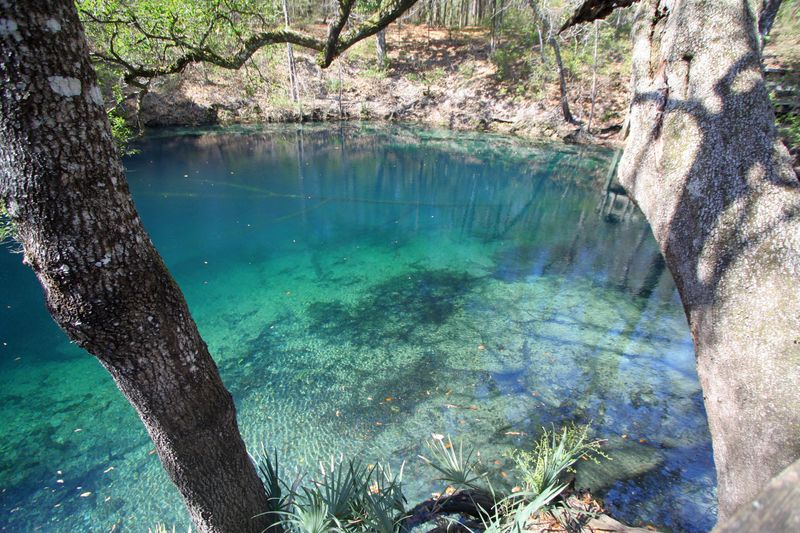
Standing at the edge of Big Dismal Sink feels like peering into the earth’s secret diary.
This massive wet sinkhole stretches 130 feet across and plunges over 100 feet deep, making it the star attraction along the Sinkhole Trail.
The crystal-clear water at the bottom reflects the sky like a giant mirror, creating an optical illusion that messes with your depth perception in the best possible way.
Limestone bedrock eroded over thousands of years created this natural amphitheater, and the process continues today as slightly acidic rainwater slowly dissolves the rock.
Certified cave divers explore the underwater passages that connect this sink to a vast subterranean network stretching for miles.
You can peer down from multiple viewing platforms that offer different perspectives of this geological masterpiece.
The surrounding forest creates a natural frame that makes photography here absolutely spectacular.
Plan to spend at least 15 minutes just taking in the view and letting your brain process the sheer scale of what nature carved out of solid rock.
The Vanishing Act Of Fisher Creek
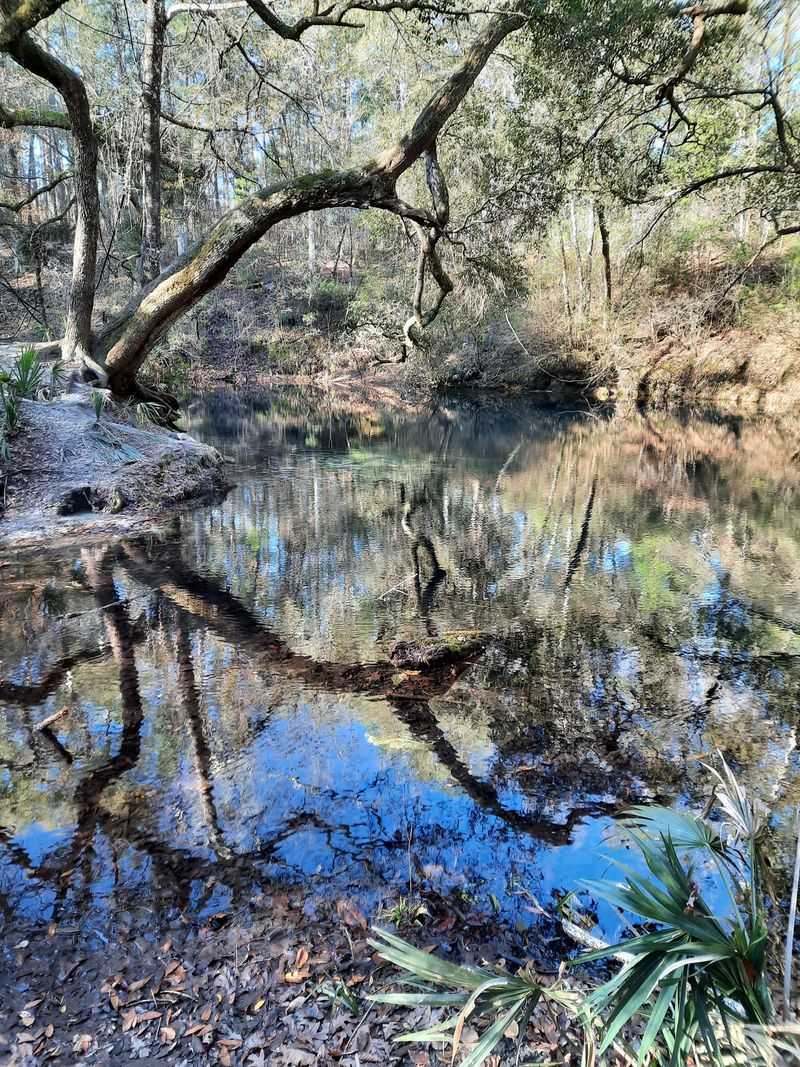
Fisher Creek performs the ultimate disappearing trick right before your eyes, flowing merrily along until it suddenly vanishes into a gaping hole in the ground.
The Lost Stream viewing area lets you watch this hydrological magic show where surface water transitions to underground river in seconds flat.
Water that enters here travels through dark limestone passages before eventually emerging at Wakulla
Springs three miles away, though the journey underground takes considerably longer than a straight line would suggest.
During rainy season, the creek rushes into the sinkhole with impressive force, creating a small waterfall effect that echoes through the cavern below.
Drier months slow the flow to a gentle trickle, but the phenomenon remains equally fascinating regardless of volume.
Geologists call this a swallet, which sounds way fancier than disappearing stream but means essentially the same thing.
Informative plaques explain the underground journey and the karst processes at work.
Bring your curiosity and maybe a stick to toss into the current and watch it get sucked into the earth.
Hammock Sink: The Blue Jewel Half A Mile In
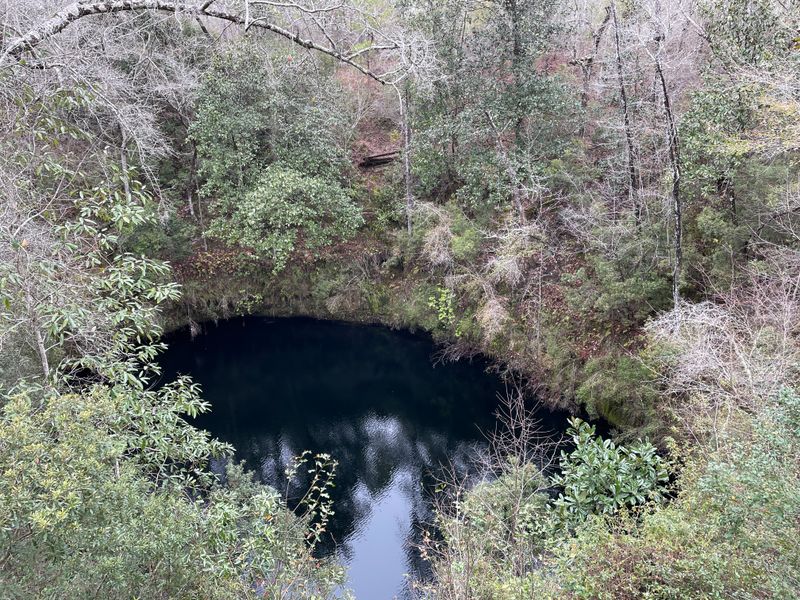
Hammock Sink rewards early effort with a stunning display of nature’s color palette, showcasing water so blue it looks like someone dumped food coloring into a forest pond.
Located just half a mile from the trailhead, this wet sink offers the perfect payoff for hikers who want geological wonders without committing to the full loop.
The vibrant turquoise hue comes from the way sunlight interacts with limestone particles suspended in the crystal-clear water, creating an almost tropical appearance that seems wildly out of place in a North Florida forest.
Last summer, my nephew insisted the water was fake because nothing in nature could be that blue, which sparked a 20-minute discussion about geology and light refraction.
The surrounding hammock vegetation creates a lush green border that makes the blue water pop even more dramatically.
Photographers go absolutely bonkers here during golden hour when the light filters through the canopy.
Benches near the viewing area provide a perfect spot to rest and contemplate the underground cave system lurking beneath that pretty surface.
Gopher Hole Cave: The Close Encounter Experience
Gopher Hole Cave delivers the most intimate encounter with the underground world, letting visitors peer directly into a genuine cave entrance without needing scuba gear or spelunking equipment.
Just 0.2 miles from the parking area, this dry sink features an opening you can walk right up to and stick your head into, though venturing further requires cave diving certification and a healthy respect for your own mortality.
The name comes from the resemblance to a gopher tortoise burrow, though this particular hole goes way deeper than any tortoise would ever dig.
Cool air wafts from the entrance year-round, providing natural air conditioning that feels amazing on humid Florida days.
Sharp-eyed visitors sometimes spot rare white crayfish near the entrance, blind creatures that evolved in perpetual darkness and look like tiny albino lobsters.
The cave connects to the same massive underwater system that links all the sinks in this area.
Informative signs explain the cave ecology and why entering without proper training is a spectacularly bad idea that could end very poorly.
The Sinkhole Trail System: Your 5-Mile Geological Classroom
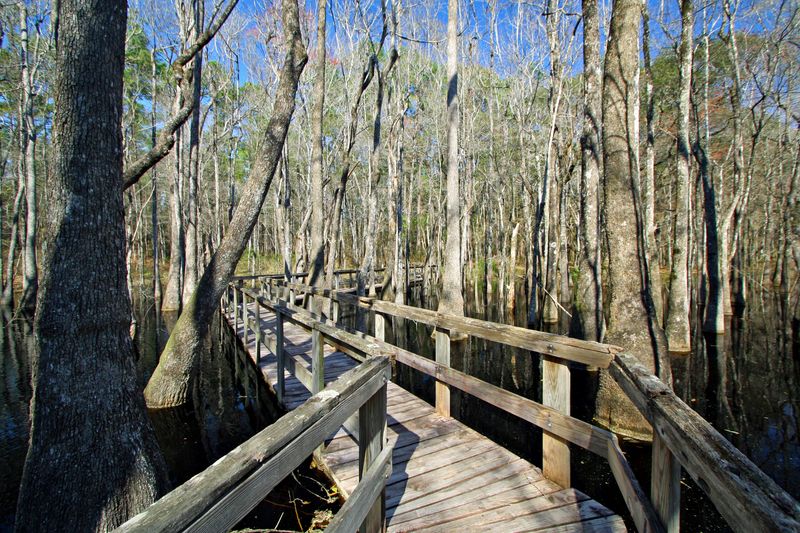
The main Sinkhole Trail weaves through the geological area like a nature documentary come to life, connecting over a dozen different karst features into one comprehensive hiking experience.
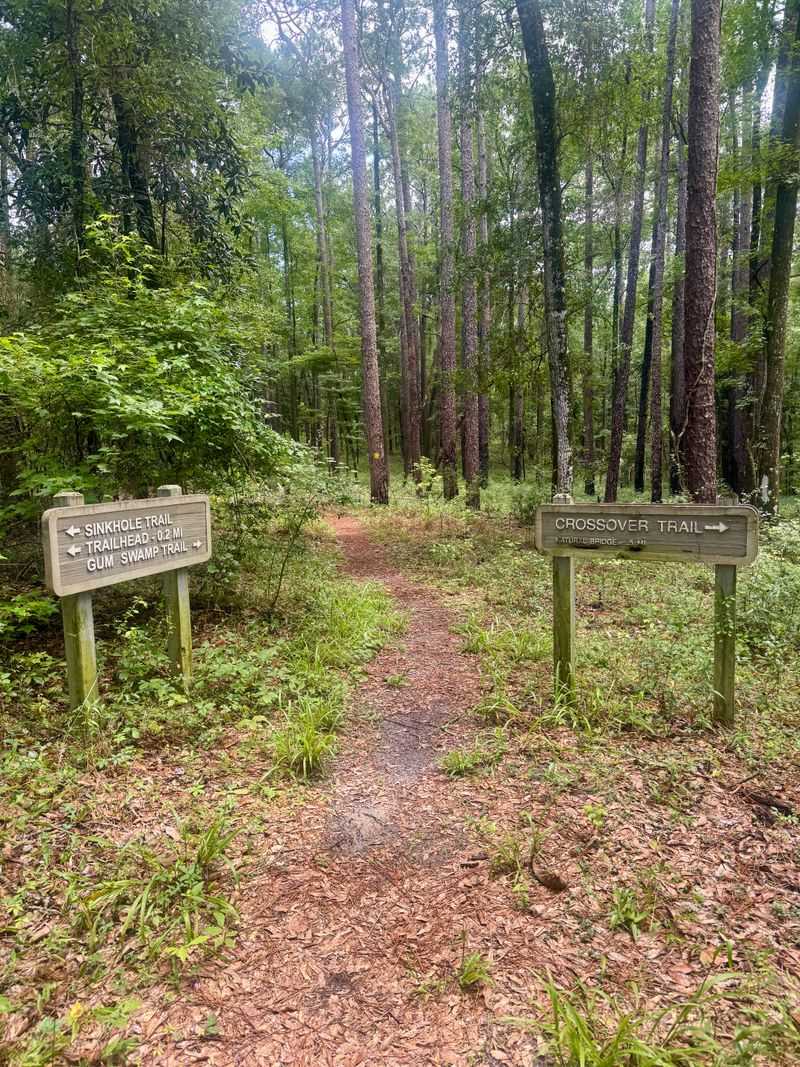
Well-marked paths make navigation straightforward even for directionally challenged hikers, with numbered posts corresponding to a trail guide that explains what you are seeing at each stop.
The northern section gets the most traffic because it features the most dramatic wet sinks, but the entire loop deserves your attention and energy.
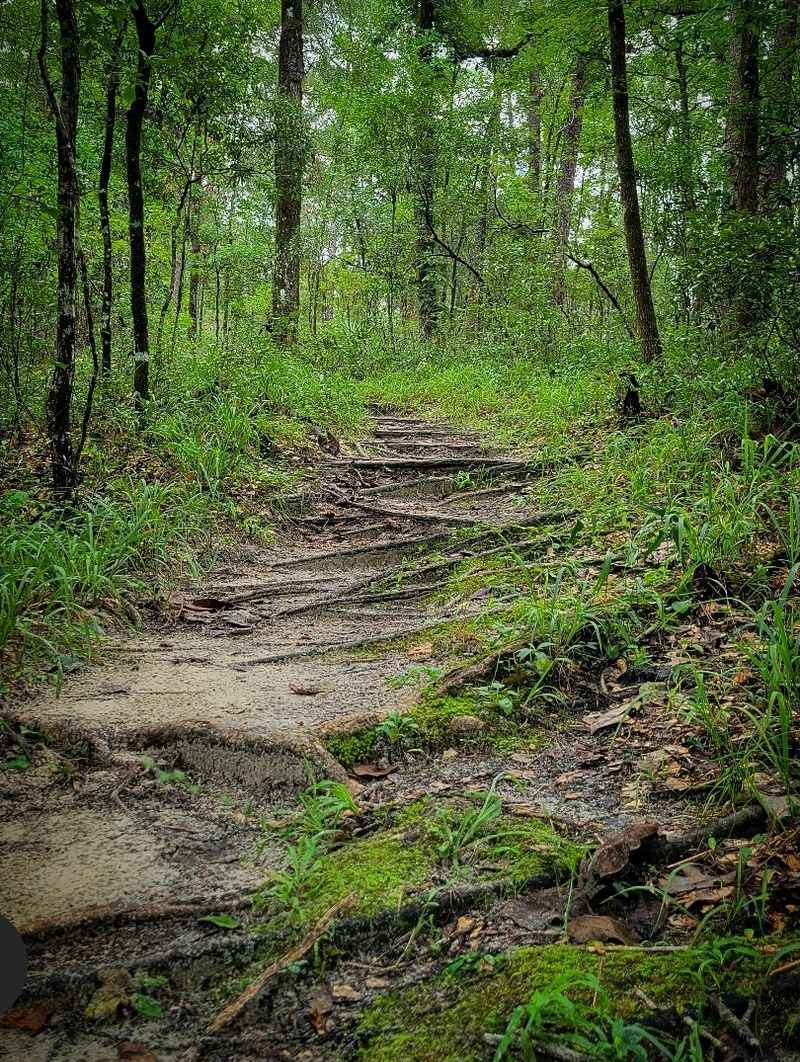
Terrain stays relatively flat with occasional root systems and gentle hills that might challenge very young kids but pose no serious obstacles for average fitness levels.
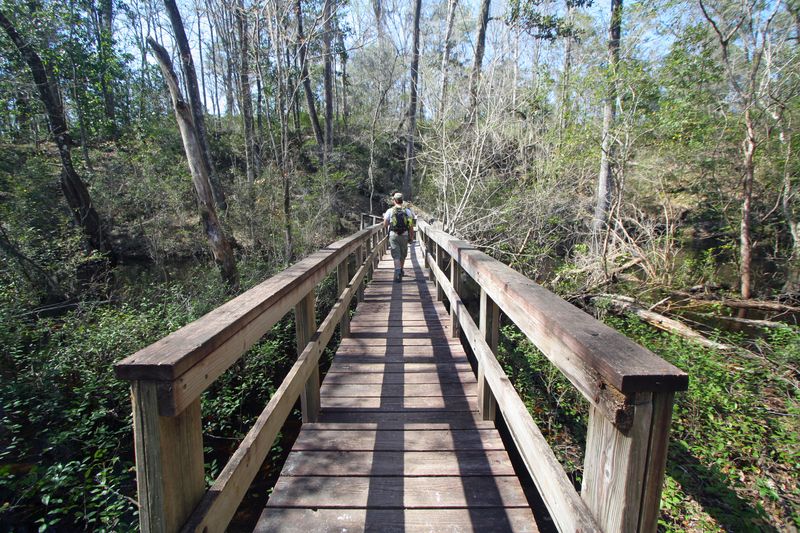
Wooden boardwalks span the wettest sections, keeping your feet dry while providing excellent views of swamp ecology.
The trail takes most hikers between two and three hours to complete, though you could easily stretch that to four if you stop to really examine each feature.
Benches appear at strategic intervals for rest breaks and contemplation of the amazing geology unfolding around you.
Gum Swamp Trail: The Wet And Wild Alternative Route
Gum Swamp Trail branches off the main route like a choose-your-own-adventure option for hikers who want a wetter, wilder experience.
This loop section trades dramatic sinkholes for intimate swamp ecosystems where cypress knees poke through standing water and the air hangs thick with humidity.
During rainy season, portions of this trail transform into shallow wading experiences that require either waterproof boots or a willingness to embrace soggy socks.
The western end floods most reliably, sometimes submerging the trail under several inches of water for 50 meters or more.
Wildlife sightings increase along this section because the swamp habitat supports different species than the drier sinkhole areas, including various wading birds and the occasional startled turtle.
The trail adds about a mile to your total distance and feels less maintained than the main Sinkhole Trail, giving it a more adventurous character.
Mosquitoes consider this trail prime real estate during summer months, so bug spray becomes less optional and more mandatory for maintaining sanity and blood volume.
The Underground Connection To Wakulla Springs
Beneath your hiking boots lies one of the most extensive underwater cave systems on the planet, a labyrinth of limestone passages connecting Leon Sinks to Wakulla Springs and beyond.
Cave divers have mapped over 30 miles of underwater tunnels, though experts believe many more miles remain unexplored in this subterranean wonderland.
Water that vanishes into the sinkholes here travels through these passages at varying speeds, sometimes taking days or weeks to complete the three-mile journey to where it resurfaces.
The Woodville Karst Plain contains this remarkable system, formed over millions of years as slightly acidic water dissolved the limestone bedrock like a very slow-motion acid trip.
Temperature stays constant at 70 degrees year-round in these passages, creating a stable environment for unique cave-adapted species.
Only certified cave divers with specialized training can explore these passages because the risks include getting lost, running out of air, and disturbing delicate formations.
Surface hikers get to imagine the hidden world below while enjoying the parts visible from above.
Practical Tips For Your Geological Adventure
Planning ahead transforms a good hike into a great one, starting with bringing five dollars cash for the day-use fee paid via honor system envelope at the entrance.
The parking lot accommodates regular vehicles plus longer spots for RVs, and clean restrooms provide necessary facilities though they lack air conditioning and get toasty during summer months.
Gates open at 8 AM and close at 6 PM, giving you a solid 10-hour window for exploration.
Wear closed-toe shoes with decent tread because roots, rocks, and occasional muddy patches make flip-flops a recipe for twisted ankles and regret.
Long pants and insect repellent protect against ticks and mosquitoes that consider hikers mobile buffets, especially during warmer months.
Bring more water than you think you need because Florida humidity saps energy faster than you expect.
Dogs are welcome but must stay leashed, and banana spiders string webs across the trail after rain so leading with a stick prevents face-full-of-web situations that nobody enjoys.