
13 Best Hidden Islands In Hawaii You Have To Visit In 2026
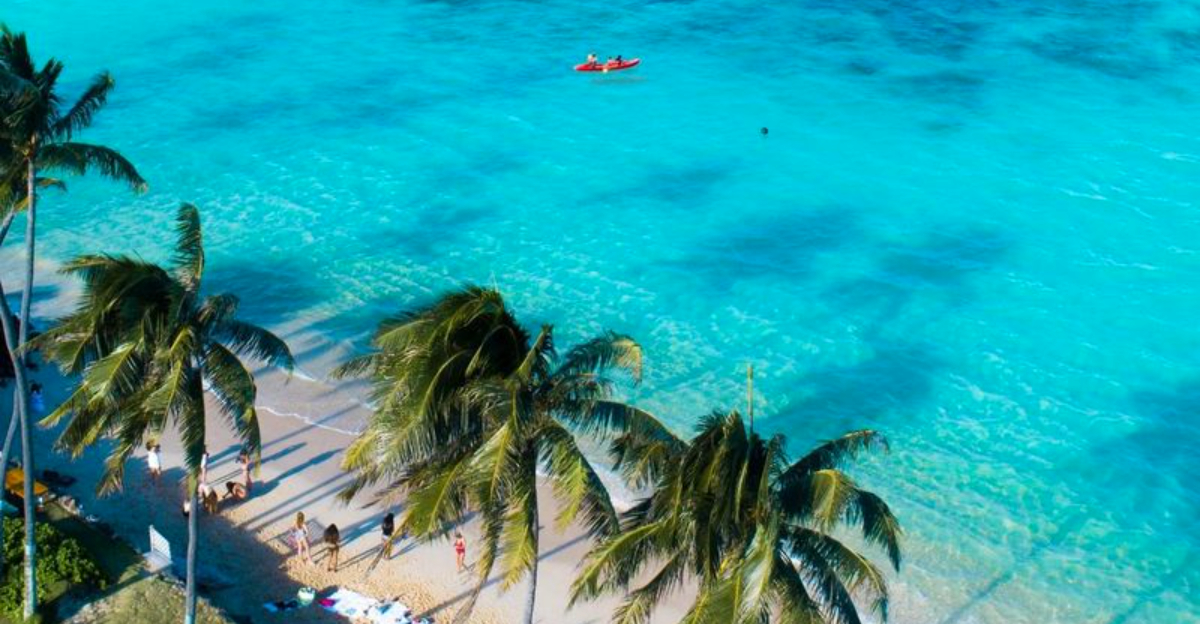
Most people think Hawaii stops at Maui, Oahu, and the Big Island, but tucked between tourist trails and off the beaten ferry routes are smaller islands that refuse to show up on most vacation planners.
Some sit just offshore from crowded beaches, others float in channels only reached by kayak or chartered boat, and a few remain so protected that getting there requires permits, patience, and a willingness to follow strict rules.
In 2026, these hidden islands offer something the main resorts cannot quite match: quiet water, fewer footprints, and the feeling that you stumbled onto a secret Hawaii forgot to advertise.
I have chased down sea stacks, paddled to bird sanctuaries, and stood on cliffs watching islets that exist mostly for seals and shearwaters, and every single trip reminded me that the best islands are often the ones you have to work a little to reach.
1. Lānaʻi – Hawaii’s Quiet Island That Feels Almost Private
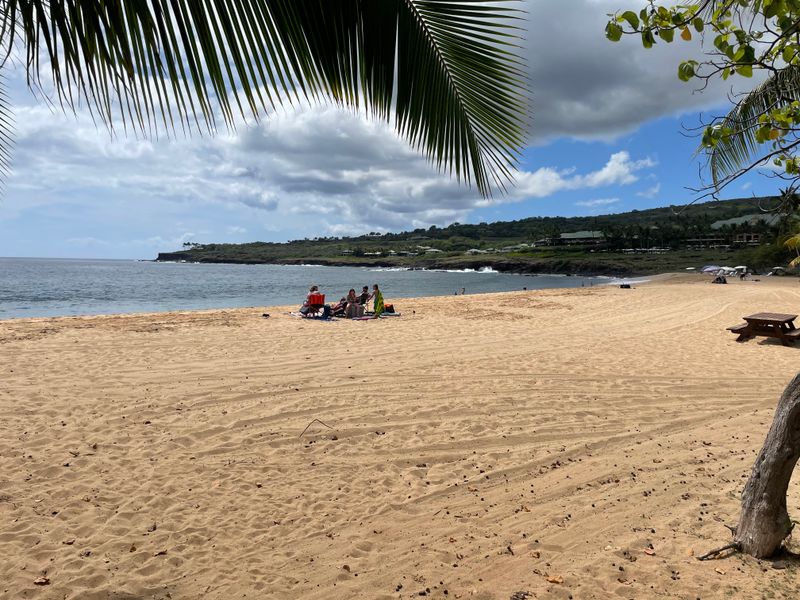
The first time I rode the ferry into Mānele Harbor on Lānaʻi, it felt like arriving at a secret level of Hawaii.
This is the state’s smallest inhabited island that welcomes visitors, with no stoplights, very few paved roads, and a slow rhythm that makes my shoulders drop instantly.
I usually base myself in Lānaʻi City, a compact plantation town where I can walk between cafés, galleries, and the tiny central park under tall Cook pines.
Hulopoʻe Beach on the south shore is my daytime base, a protected marine preserve perfect for snorkeling, tide pooling, and spotting sea turtles from shore.
Getting here is part of the fun, with daily ferries from Maui’s Māʻalaea Harbor that feel more relaxed than an airport line.
When the sun sinks behind Kahoʻolawe and the sky turns pastel, Lānaʻi really leans into its reputation as a place to unplug.
2. Molokaʻi – The Island Where The Crowds Never Quite Arrive
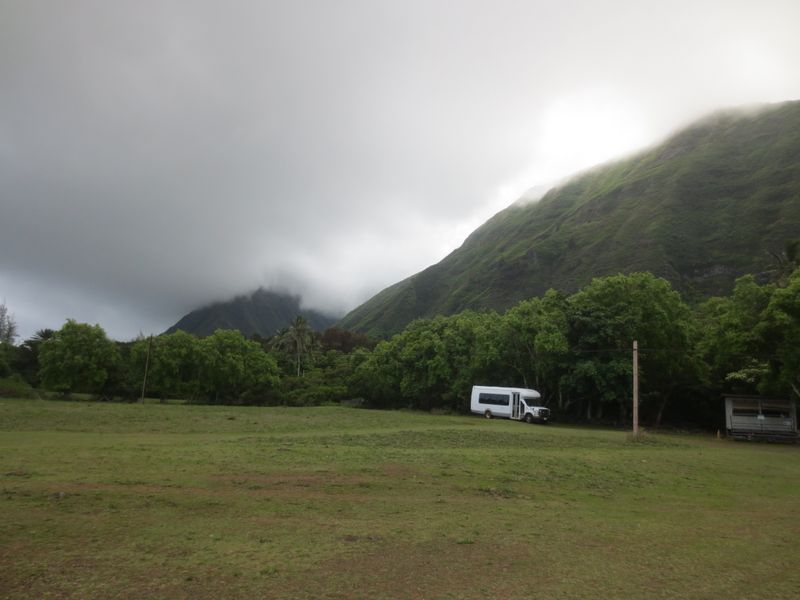
Every time I step off the small plane onto Molokaʻi, I feel like I have just walked into a neighborly backyard instead of a busy destination.
This is Hawaii’s fifth-largest island, yet it has no traffic lights and some of the lowest visitor numbers in the state, which keeps things quiet in a very real way.
Locals often say they prefer travelers who come to listen and support, not to turn the island into a checklist, so I plan slow days around Halawa Valley hikes and empty beaches.
Along the north shore, helicopter or boat tours reveal the towering sea cliffs that hold a world record for height and look almost unreal from above.
By 2026, Kalaupapa National Historical Park tours will again offer carefully managed access by plane, telling a story that demands quiet attention and respect.
At night, when the island settles into deep calm, I always feel grateful I left my rush at home.
3. Niʻihau – The Forbidden Island You Visit On Its Terms
The day I finally booked a Niʻihau trip from Kauaʻi, I felt a little like I had managed to RSVP to Hawaii’s most selective beach day.
Niʻihau is privately owned and generally closed to independent visitors, yet licensed helicopter and boat tours offer rare half-day excursions that land you on an isolated shoreline.
Most tours start on Kauaʻi’s west side, cross the Kaulakahi Channel, circle sea cliffs and remote valleys, then give you hours to snorkel, beachcomb, and wander along the sand under careful supervision.
You never visit the inland community, and the island’s privacy rules stay front and center, which I actually find refreshing in a world that overshares.
Between the clear water, the sense of distance from everything, and the requirement to arrive with a guided group, Niʻihau feels less like a typical outing and more like a privilege you try not to squander.
4. Lehua Crater – A Crescent Of Rock That Hides Wild Underwater Life

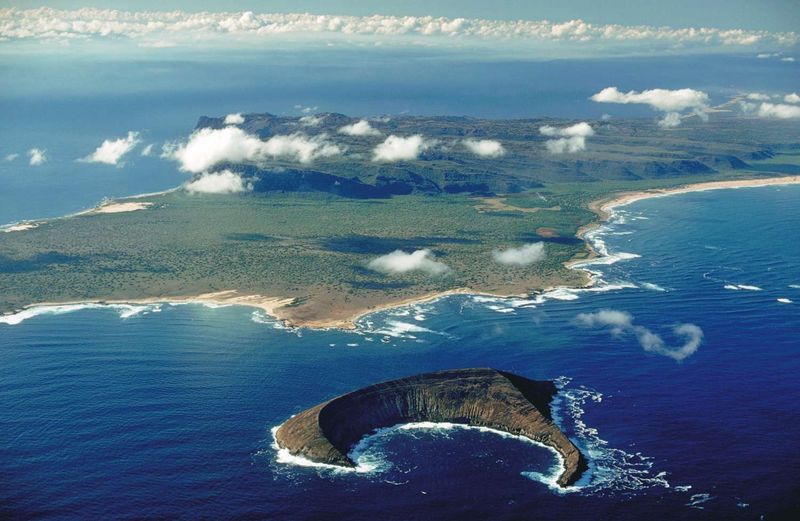
My first glimpse of Lehua Crater from the boat felt like someone had taken a bite out of the Pacific and left a perfect crescent behind.
This uninhabited tuff cone just north of Niʻihau is a protected bird sanctuary, which means landings are off limits, but snorkel tours are allowed to explore the surrounding waters.
Operators out of Kauaʻi combine Lehua with Niʻihau, giving you a full day that swings from towering Napali cliffs to dramatic sea caves and lava arches.
When I slide into the water here, the visibility feels almost endless, and fish traffic moves in every direction at once.
Back on deck, birds wheel along the crater walls, reminding me why everyone is so strict about keeping feet off the rock itself.
By the time the boat turns back toward Kauaʻi, I usually feel like I just borrowed a corner of the monument and now owe it extra respect.
5. Kahoʻolawe – The Island You Mostly Honor From A Distance
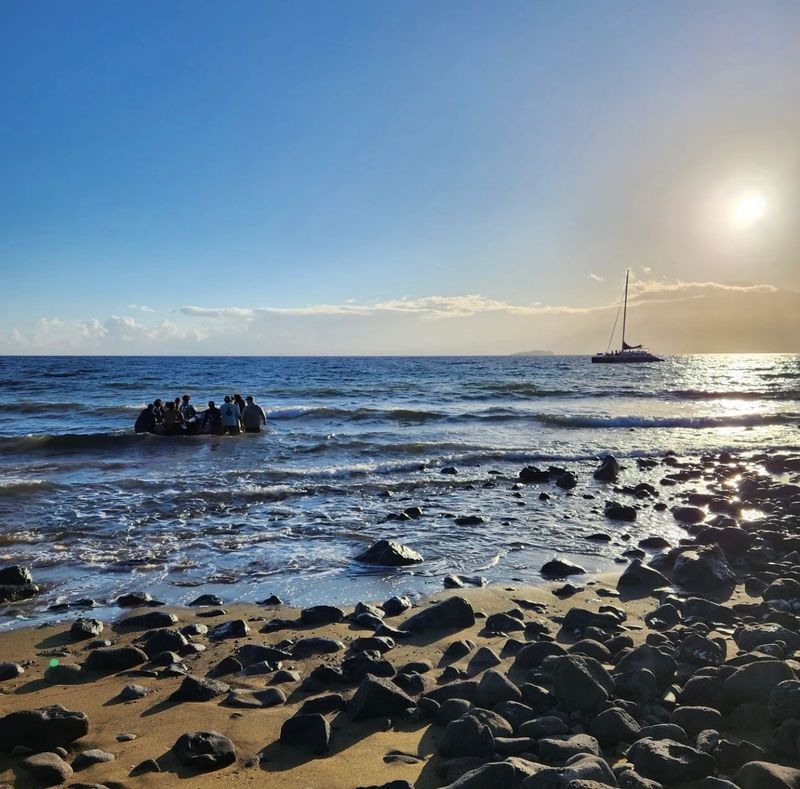
Kahoʻolawe is the island that always catches my eye from Maui’s south shore, a reddish silhouette that carries more history than resort brochures.
Once used as a bombing range, it is now held in trust for Native Hawaiian cultural and environmental restoration, not for standard tourism.
Access is controlled by the Kahoʻolawe Island Reserve Commission, which issues permits mainly for volunteer work trips, research, cultural practices, and limited ocean activities like permitted trolling on specific dates.
If I ever sign up for one of those restoration projects, I know I will be trading hotel buffets for clearing invasives and listening to people who have been fighting for this island for decades.
For most travelers in 2026, the right way to visit Kahoʻolawe is from responsible boat tours or lookouts on Maui and Lānaʻi, treating it as a living classroom rather than a playground.
6. Moku Nui – The Kayakable Islet Off Lanikai You See On Postcards
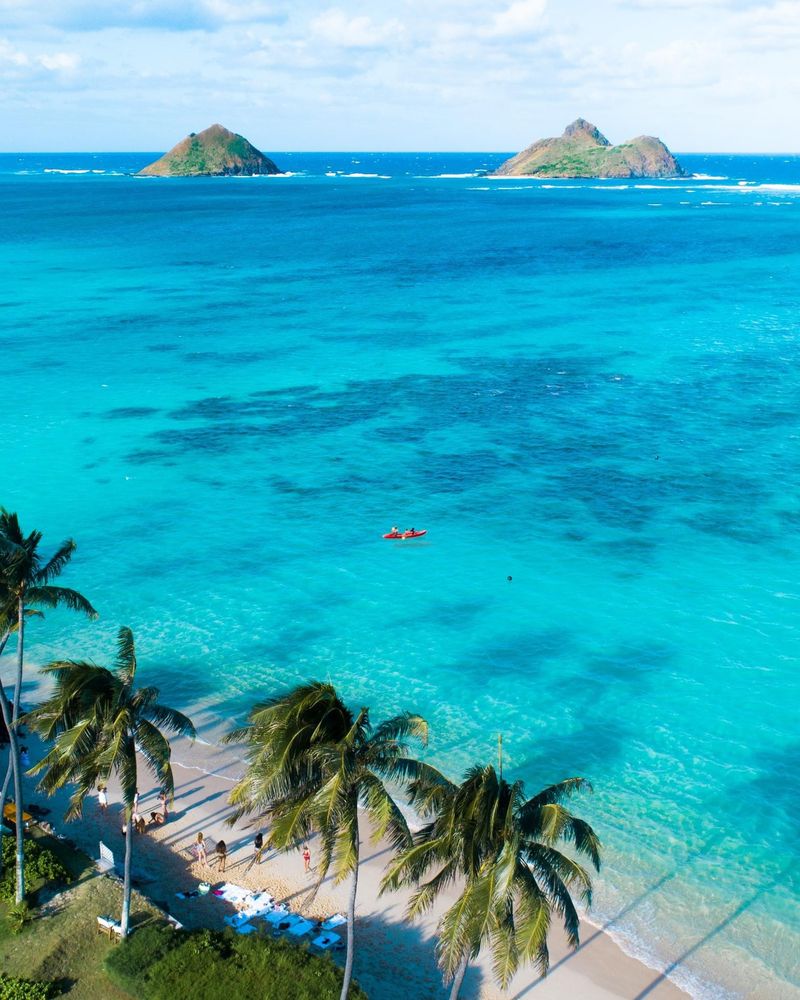
The first time I paddled out from Kailua toward the twin islets of Nā Mokulua, I realized those famous calendar photos barely hint at how good it feels to arrive under your own power.
Moku Nui is the larger of the two and the only one where visitors are allowed to land, but even here, you are restricted to the sandy beach and areas below the high water mark.
The interior remains off limits to protect ground-nesting seabirds, and the strict wildlife rules and limited landing area keep things from feeling crowded, so I always follow local outfitters’ guidance on where to park my kayak and where not to wander.
On calm days, the paddle from Kailua or Lanikai takes less than an hour, but the sense of crossing a gap from suburb to sanctuary feels much bigger.
I like to pack out every crumb, watch for resting monk seals, and leave the islet looking exactly the way I found it.
7. Mokoliʻi – The Little Hat That Rewards A Big Effort

On Oʻahu’s windward side, Mokoliʻi sits in Kāneʻohe Bay like a tiny volcanic punctuation mark that keeps calling my name.
Locals know it by its Hawaiian name, though many visitors still say Chinaman’s Hat, and reaching it means crossing a shallow channel from Kualoa Regional Park by kayak, paddleboard, or at low tide on foot.
The island is owned by the City and County of Honolulu and is open from dawn to dusk, so I always start early to dodge the afternoon wind.
Once on shore, a short but steep scramble leads to a summit with huge views over the Koʻolau Range and the bay.
Coming back, shoes full of sand and arms pleasantly tired, I usually promise myself a slow picnic on the grass before facing Honolulu traffic again.
8. Sand Island – Honolulu’s Underrated Island Park With Harbor Views

When I need a break from Waikīkī’s hotel towers, I often end up driving over the causeway to Sand Island and wondering why more visitors are not here.
Technically an island in Honolulu Harbor, this 14-acre state recreation area offers an uncrowded stretch of sand, picnic tables, shore fishing, camping by permit, and long views of container ships slipping past at sunset.
The vibe is more local park than polished resort, with families grilling, kids riding bikes, and surfers watching the break.
I like to come here with a simple plan to walk, watch planes and ships, and let the city glow across the water instead of around me.
For a hidden island that sits minutes from downtown, Sand Island feels surprisingly off the radar, especially if you show up on a weekday afternoon.
9. Ford Island (Mokuʻumeʻume) – History In The Middle Of Pearl Harbor
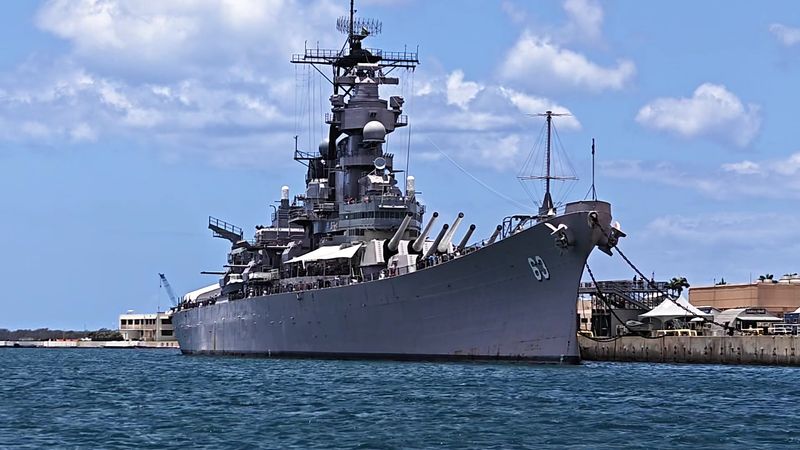
The first time I rode the shuttle across to Ford Island, I realized this was one of Hawaii’s most unusual neighborhoods, a mix of active military base, family housing, and major historic sites.
Known traditionally as Mokuʻumeʻume, the islet sits in the middle of Pearl Harbor and is reachable only by bridge for authorized drivers or by shuttle bus from the Pearl Harbor Visitor Center for museum guests.
Most visitors experience the island through the Battleship Missouri Memorial and the Pearl Harbor Aviation Museum, both of which turn the runway and harbor views into a very tangible history lesson.
Walking between exhibits, I like to pause along the waterfront and imagine the quiet of the loch before and after the events people come here to learn about.
Ford Island may not be tropical in the palm tree sense, but as a small island with a huge story, it earns its spot on any 2026 itinerary.
10. Puʻu Pehe Islet – Sweetheart Rock Off Lānaʻi’s Coast
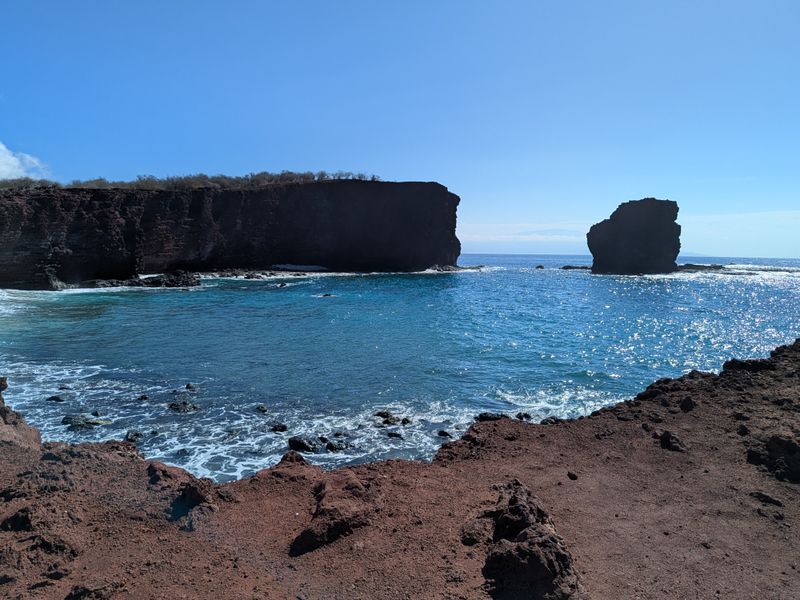
On Lānaʻi’s south shore, Puʻu Pehe is the sea stack that keeps stealing my attention every time I wander the cliffs between Mānele and Hulopoʻe Bays.
Rising roughly 80 to 100 feet from the water just offshore, this red lava islet sits in its own cove with sheer walls on one side and a sand pocket on the other.
The trail from Hulopoʻe Beach is short but scenic, passing tide pools and lookout points that make it easy to stall for photos.
Officially, Puʻu Pehe itself forms part of a seabird sanctuary, so I keep my feet on the mainland cliffs and let my eyes do the island hopping.
When the light hits just right, and waves crash below, the rock feels both delicate and solid, a reminder that some of Hawaii’s best island moments sit just a short walk from your towel.
11. Mokuhoʻoniki – Elephant Rock For Hardcore Divers
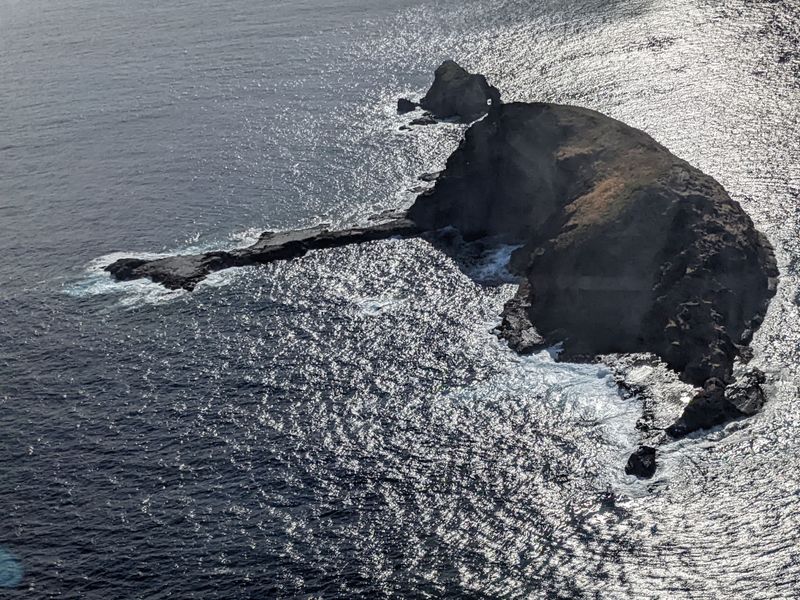
I still remember the first time a dive operator casually mentioned hammerheads at Mokuhoʻoniki and watched my eyebrows try to leave my forehead.
This small islet, nicknamed Elephant Rock, sits in the Pailolo Channel about a mile off Molokaʻi’s east end and is reachable only by boat on advanced dive charters from Maui or Molokaʻi.
The crossing can be rough, which keeps casual snorkelers away and preserves a feeling of real remoteness even though the main islands are in sight.
Underwater, the site is known for dramatic walls, strong current, and frequent sightings of grey reef sharks, other pelagics, and occasionally those schooling hammerheads.
If you plan to visit this hidden island in 2026, treat it as a serious dive objective, not a casual first outing, and go only with experienced local pros.
12. Mānana (Rabbit Island) – A Sanctuary Best Enjoyed From Shore
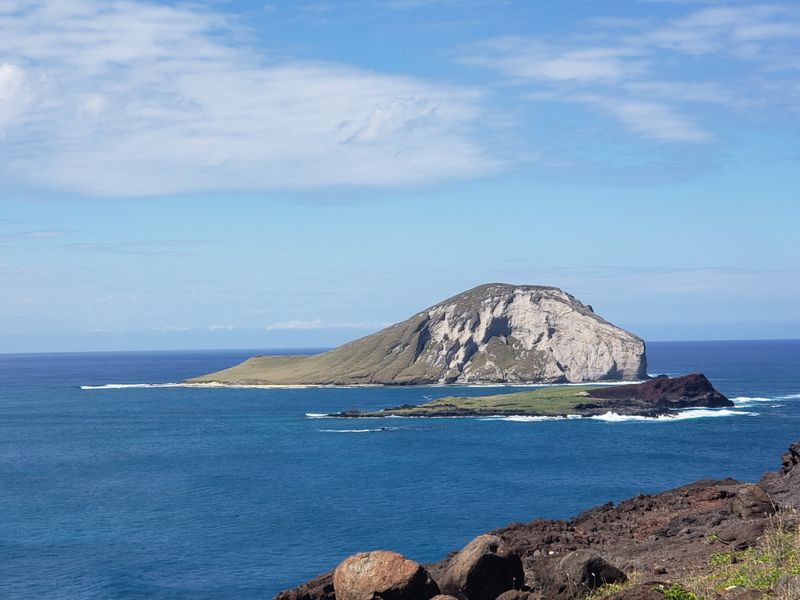
Driving around the southeastern tip of Oʻahu, I always pull over near Makapuʻu to stare at Mānana and its neighbor Kāohikaipu, bobbing offshore like two quiet guardians.
Mānana, better known as Rabbit Island, is a state seabird sanctuary with tens of thousands of nesting seabirds and strict rules that prohibit landings without a special permit.
The best way to experience it is from viewpoints such as Makapuʻu Lookout or from responsible boat tours that keep a respectful distance from the cliffs and surf breaks.
From shore, I like to bring binoculars, scan for seabirds and resting monk seals, and let the sound of waves do the talking.
It is the kind of hidden island where you never touch the sand, yet you still leave with a strong memory of place and purpose.
13. Mokuʻaeʻae – The Tiny Speck Below Kīlauea Lighthouse

On Kauaʻi’s north shore, Mokuʻaeʻae is so small that I almost missed it the first time I stood at Kīlauea Point staring out to sea.
This little offshore island sits just below the Kīlauea Point National Wildlife Refuge, where visitors follow a paved path to viewpoints over cliffs, lighthouse, and a whole congregation of seabirds.
From the overlook, Mokuʻaeʻae looks like a rocky punctuation mark dotted with birds and, if you are lucky, a Hawaiian monk seal basking on the edge.
You cannot land here, but watching the island from the refuge feels surprisingly intimate, especially when the wind picks up and the birds ride it like seasoned commuters.
I always leave Kīlauea Point with camera card full, hair slightly chaotic, and a renewed respect for just how many of Hawaii’s hidden islands exist mostly for the birds, with humans granted only a viewing pass.