
The California Deli Counter That’s Tougher To Score A Spot At Than A Steakhouse
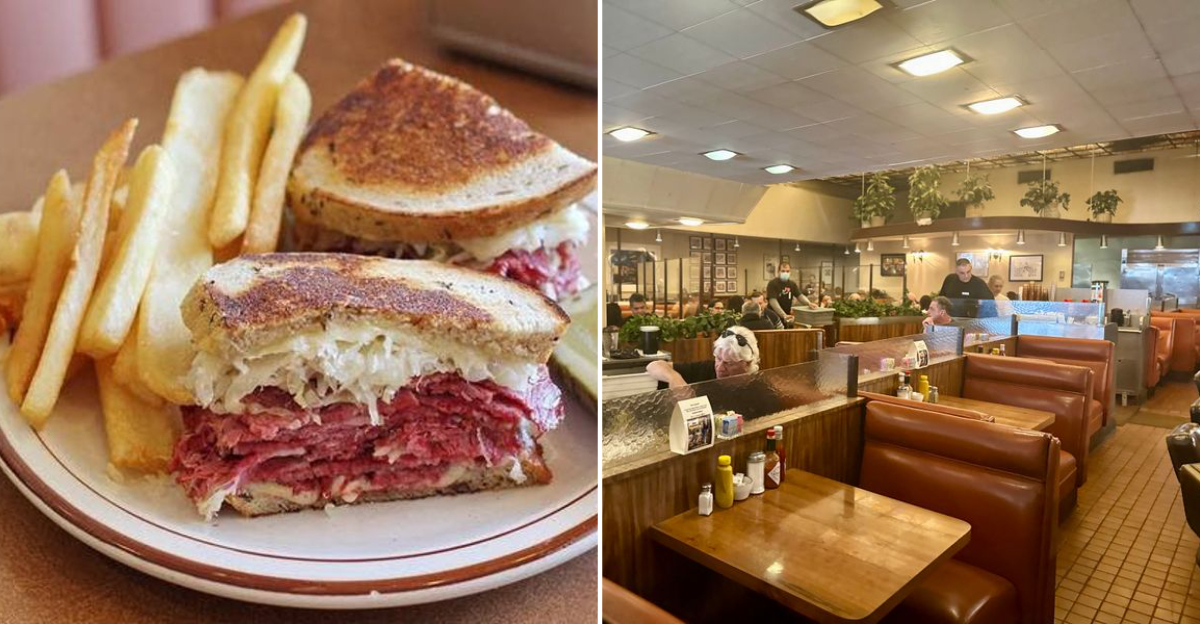
Trying to snag a table at Canter’s Deli in Los Angeles feels like attempting to win a golden ticket to a Hollywood premiere.
This legendary deli on Fairfax Avenue has been serving up pastrami perfection and matzo ball soup since 1931, drawing crowds that rival the most exclusive steakhouses in town.
While fancy restaurants might require reservations weeks in advance, Canter’s operates on a first-come, first-served basis that can test even the most patient foodie’s resolve.
Nearly A Century Of Culinary Legacy
Canter’s Deli opened its doors in 1931, making it one of the oldest continuously operating delis in California.
The Canter family brought their deli traditions from New Jersey to the West Coast, establishing what would become a Los Angeles institution.
Over nine decades, this family-owned establishment has witnessed Hollywood’s golden age, the counterculture movement of the 1960s, and countless cultural shifts.
Yet the recipes and traditions have remained remarkably consistent, creating a living time capsule of Jewish deli culture.
That rich history attracts not just hungry diners but also history buffs and nostalgia seekers who want to taste authentic old-school California.
The walls practically whisper stories of famous patrons, late-night conversations, and generations of families who’ve made Canter’s their go-to spot.
When a restaurant survives and thrives for nearly a century, people take notice.
The legacy alone draws crowds who want to experience a piece of Los Angeles history, making every meal feel like participating in something bigger than just dinner.
This historical significance transforms a simple deli visit into a pilgrimage for food lovers and culture enthusiasts alike.
24-Hour Weekend Service Creates Perfect Storm
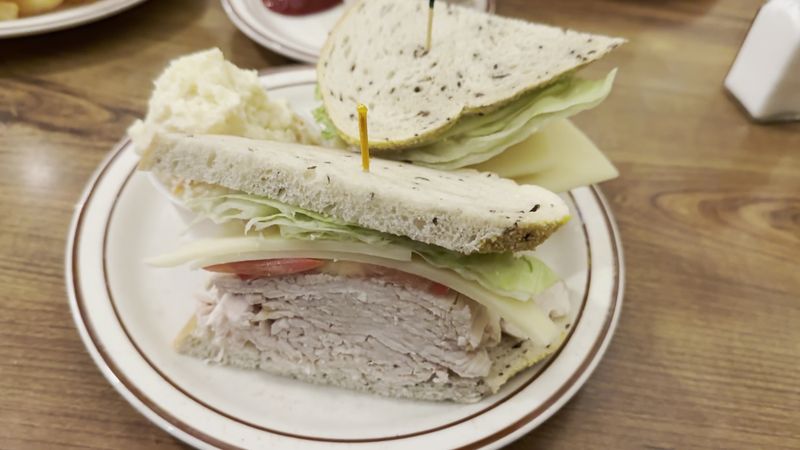
Most restaurants close their doors by 10 or 11 PM, but Canter’s throws convention out the window every Friday and Saturday.
The deli stays open around the clock during weekends, becoming the ultimate destination for night owls, club-goers, and insomniacs craving real food.
This 24-hour policy creates waves of customers at unconventional times.
At 3 AM on a Saturday, you might find yourself waiting behind people in cocktail dresses and suits fresh from Hollywood parties, musicians finishing late gigs, and early-morning workers grabbing breakfast.
The weekend schedule essentially doubles the potential customer base.
Instead of serving lunch and dinner crowds, Canter’s accommodates post-midnight munchies, sunrise breakfasts, and everything in between without ever locking the doors.
Bar closures at 2 AM send hungry revelers streaming toward Fairfax Avenue.
Concert venues empty out, comedy clubs finish their last shows, and suddenly everyone wants pastrami sandwiches and matzo ball soup simultaneously.
This extended availability paradoxically makes the restaurant harder to access because there’s never a quiet moment.
The constant flow of customers means you’re competing for seats with literally anyone awake in Los Angeles at any hour.
Prime Fairfax District Location
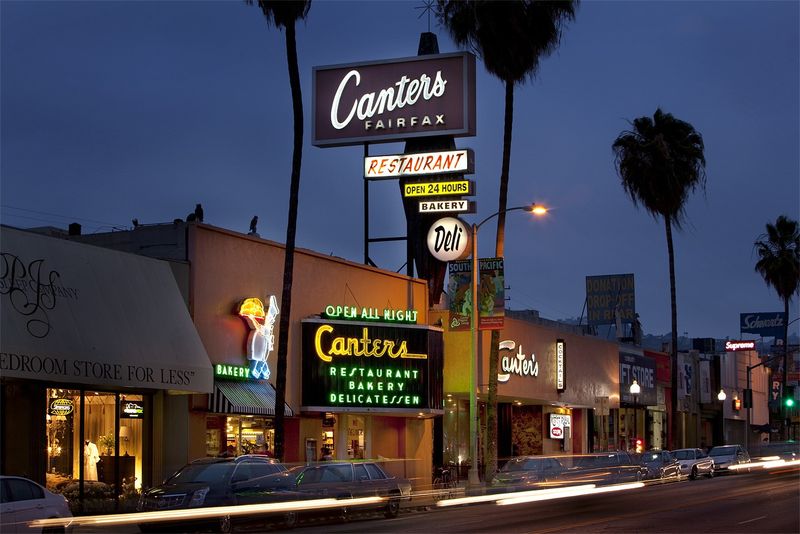
Situated at 419 North Fairfax Avenue, Canter’s occupies premium real estate in one of LA’s most vibrant neighborhoods.
The Fairfax District pulses with energy, hosting vintage clothing shops, art galleries, comedy clubs, and music venues all within walking distance.
This central location places the deli at the crossroads of multiple communities.
Orthodox Jewish families from the neighborhood mix with hipsters exploring vintage stores, tourists visiting the nearby Grove shopping center, and entertainment industry professionals working in the area.
CBS Television City sits just blocks away, sending employees and studio audience members toward Canter’s during breaks and after tapings.
The proximity to entertainment venues means pre-show dinners and post-performance meals funnel crowds directly to the deli’s doors.
Public transportation accessibility adds another layer of convenience.
Bus lines run along Fairfax Avenue, and the location sits between major east-west corridors, making it reachable from throughout Los Angeles without the nightmare of freeway navigation.
Being in the heart of everything means constant foot traffic from multiple directions.
Residents can walk over, tourists can easily find it, and drivers passing through the area spot the iconic signage and decide to stop spontaneously, creating perpetual demand.
Celebrity Magnet And Hollywood Connection
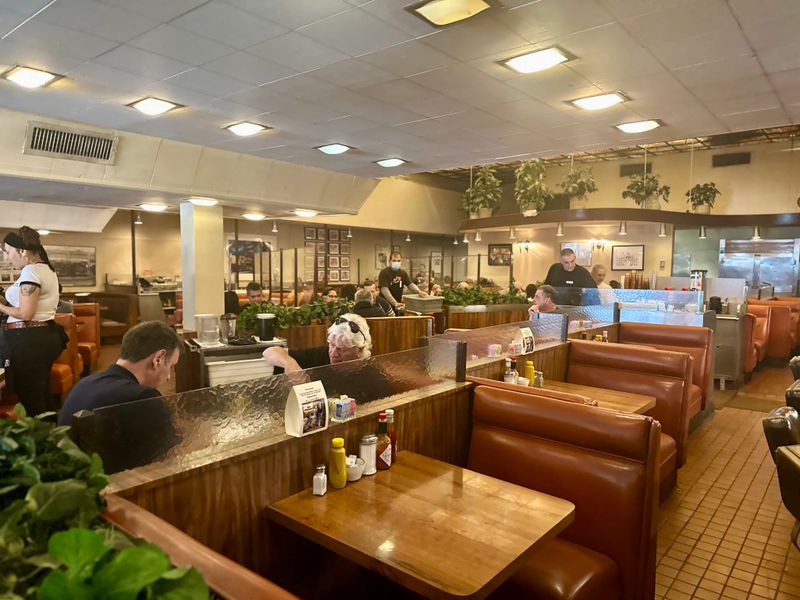
Walk into Canter’s and you might spot a familiar face from last night’s streaming show or that indie film everyone’s talking about.
The deli has served as Hollywood’s unofficial commissary for generations, attracting actors, directors, musicians, and industry insiders who appreciate good food without pretension.
Photographs covering the walls showcase decades of celebrity visitors, from golden age stars to contemporary A-listers.
These aren’t carefully staged publicity shots but candid moments of famous people simply enjoying a meal, which adds authentic charm to the space.
The restaurant’s appearance in numerous films, TV shows, and music videos has cemented its pop culture status.
Fans of particular shows or movies make pilgrimages to sit where their favorite characters ate, adding tourism to the already substantial local traffic.
Unlike exclusive celebrity hotspots with velvet ropes and paparazzi, Canter’s maintains democratic seating.
Famous faces wait in line like everyone else, creating occasional surreal moments where you’re standing behind someone you just watched on screen.
This celebrity connection creates a subtle thrill for diners hoping to spot someone recognizable.
Even if you don’t see anyone famous, the possibility adds excitement to the experience, making the wait feel more worthwhile.
Legendary Pastrami That Justifies The Wait
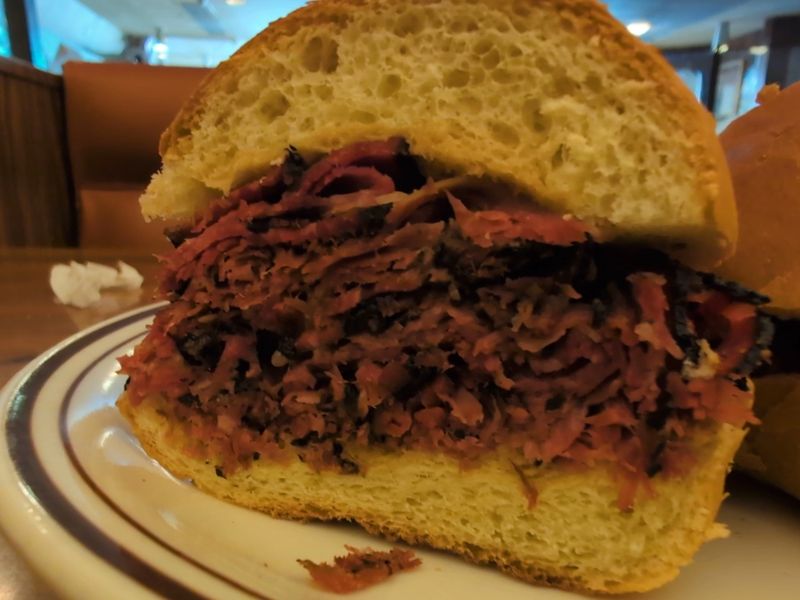
Some restaurants serve pastrami; Canter’s has perfected it into an art form.
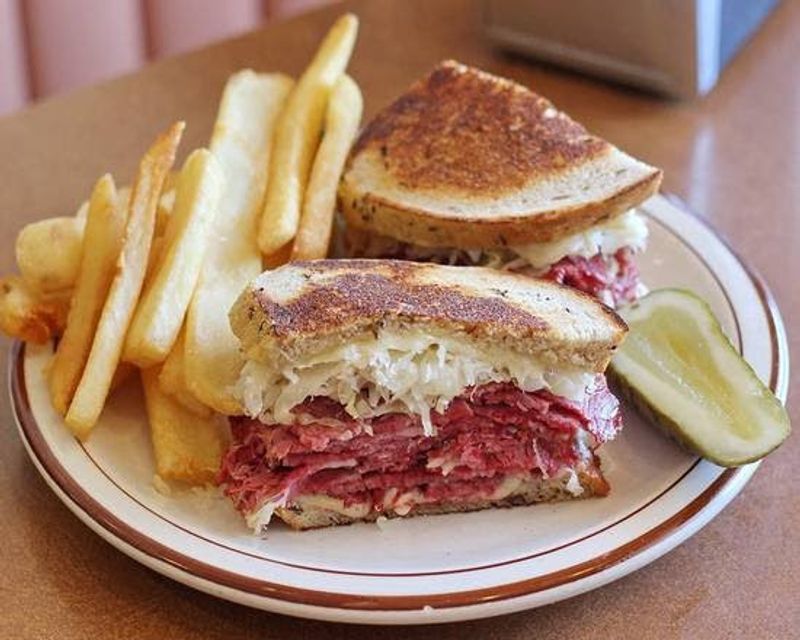
Their hand-cut pastrami arrives piled impossibly high between slices of fresh rye bread, each bite delivering smoky, peppery perfection that explains why people willingly wait for tables.
The meat undergoes a meticulous preparation process involving brining, seasoning with a secret spice blend, and slow smoking to achieve optimal tenderness.
Sliced thick enough to provide substantial texture but thin enough to remain tender, each portion represents generations of refined technique.
First-time visitors often express shock at the sandwich’s sheer size.
What arrives at the table looks more like an edible skyscraper than a typical sandwich, requiring strategic planning to actually bite into without architectural collapse.
The flavor profile hits multiple notes simultaneously: the peppery crust contrasts with the tender interior, while the fat marbling throughout adds richness without greasiness.
Paired with tangy mustard and crunchy pickles, every component serves a purpose in the overall experience.
Word-of-mouth about this signature dish has created a self-perpetuating cycle.
People hear about the pastrami, come to try it, love it, and tell their friends, who then add themselves to the waiting list for tables.
No Reservation Policy Levels The Playing Field
Canter’s operates on a beautifully democratic principle: no reservations accepted, ever.
Whether you’re a regular who visits weekly or a tourist making your first pilgrimage, everyone waits their turn in the same line without special treatment or advance booking privileges.
This policy means you cannot plan your visit with certainty.
Unlike steakhouses where reservations guarantee your 7 PM table, Canter’s requires you to show up and take your chances, adding an element of unpredictability to every visit.
The first-come, first-served system creates bottlenecks during peak hours.
Lunch rushes, dinner times, and especially those post-midnight weekend hours see crowds gathering at the entrance, all hoping their wait won’t stretch too long.
Ironically, the inability to reserve actually increases demand.
Scarcity psychology kicks in when people realize they cannot guarantee access, making the experience feel more exclusive despite the egalitarian approach.
This policy also prevents the restaurant from managing crowd flow.
They cannot spread out reservations or limit the number of people arriving at once, resulting in unpredictable surges that can overwhelm seating capacity and extend wait times significantly beyond what you’d experience at reservation-based establishments.
Massive Menu Creates Decision Paralysis
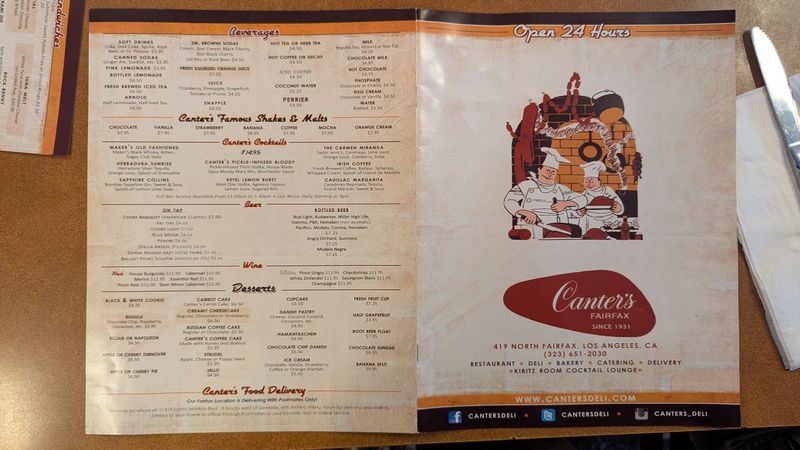
Canter’s menu reads like a novel, spanning multiple oversized pages packed with hundreds of options.
From traditional Jewish deli fare to American classics, breakfast served all day, and everything in between, the sheer variety can freeze decision-making processes for newcomers and regulars alike.
This extensive selection means parties often spend extra time debating their choices.
One person wants breakfast, another craves a sandwich, someone else eyes the dinner entrees, and suddenly your group has occupied the table longer than anticipated.
The decision difficulty begins even before you’re seated.
People waiting in line study menus, change their minds multiple times, and arrive at their table still uncertain, extending the time each party occupies valuable seating space.
Everything sounds appealing because the descriptions evoke classic comfort food done right.
Do you choose the Reuben or the pastrami?
Matzo ball soup or split pea? Blintzes or pancakes? Each option competes for your attention with equal appeal.
This menu-induced slowdown affects table turnover rates.
When diners take longer to order and often order multiple courses because they cannot choose just one item, tables stay occupied longer, reducing the number of parties the restaurant can serve during peak hours.
The Bakery Counter Adds Another Layer
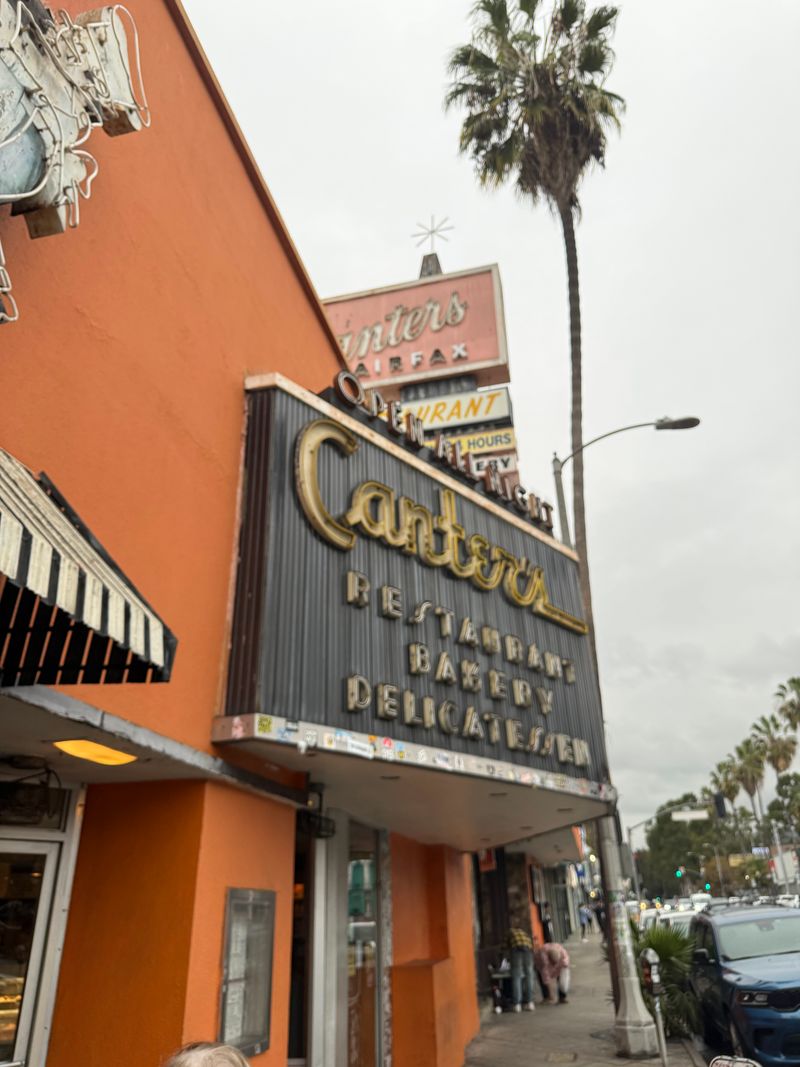
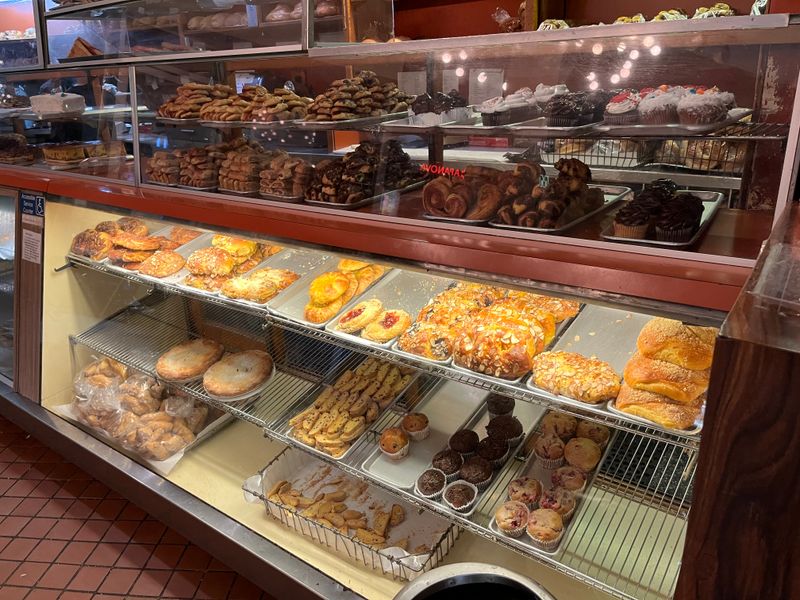
Adjacent to the main restaurant, Canter’s operates a full-service bakery that produces fresh breads, bagels, pastries, and desserts daily.
The aroma of baking bread wafts through the entire establishment, simultaneously enhancing the dining experience and creating additional foot traffic.
Many customers visit specifically for bakery items, creating a separate line that intersects with restaurant traffic.
People picking up a dozen bagels for weekend brunch mingle with those waiting for restaurant tables, adding congestion to the entrance area.
The bakery’s reputation rivals that of the restaurant itself.
Their rye bread, used in those famous sandwiches, can be purchased by the loaf, along with challah, pumpernickel, and specialty items that draw dedicated followings.
Smart diners have discovered they can order bakery items to go while waiting for tables, but this creates its own complications.
The bakery counter gets backed up during busy times, and navigating between restaurant seating and bakery pickup requires spatial awareness.
This dual-purpose operation essentially means Canter’s serves two distinct customer bases simultaneously.
Restaurant diners and bakery customers compete for parking, entrance space, and staff attention, multiplying the challenges of accessing either service during popular hours and making the entire operation feel perpetually busy.
Social Media Fame Amplifies The Crowds
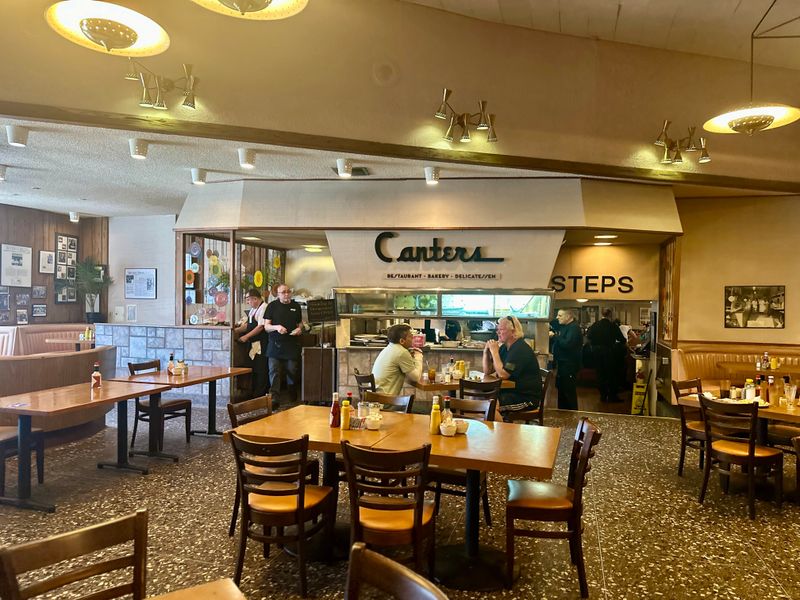
In the age of food photography and location check-ins, Canter’s has become Instagram gold.
The vintage signage, towering sandwiches, and retro interior provide endless photo opportunities that flood social media feeds, essentially providing free advertising that reaches millions.
Food influencers regularly feature Canter’s in their content, showcasing the pastrami sandwiches, documenting late-night visits, and praising the authentic deli experience.
Each post introduces the restaurant to new audiences who add it to their Los Angeles must-visit lists.
Younger generations discover Canter’s through TikTok videos and Instagram reels rather than traditional word-of-mouth.
This digital discovery brings waves of visitors who might never have known about the deli through conventional means, expanding the customer base exponentially.
The photogenic quality of the food encourages longer table occupancy.
Diners photograph their meals from multiple angles, wait for perfect lighting, and curate their shots before eating, extending the time between ordering and finishing.
This social media phenomenon creates self-perpetuating popularity.
More posts lead to more visitors, who create more posts, attracting even more people in an endless cycle that keeps the restaurant consistently packed with people seeking both delicious food and shareable content.
Unbeatable Value In Expensive Los Angeles
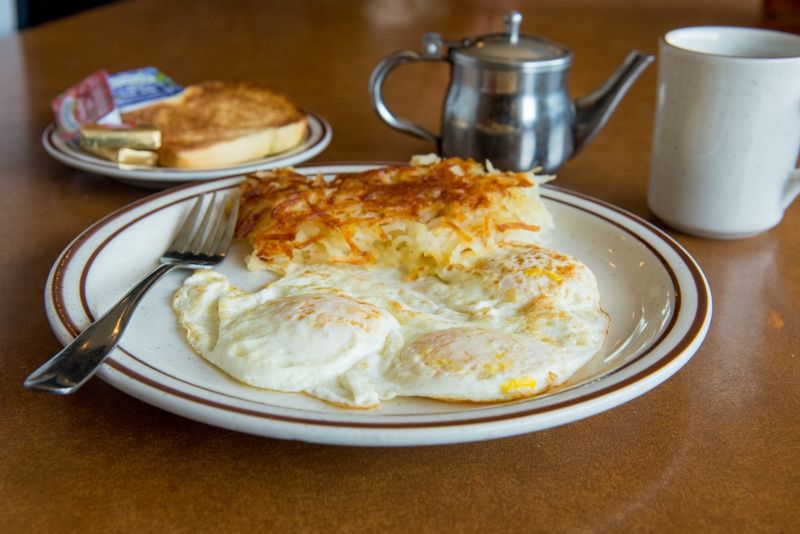
In a city where dining out regularly exceeds fifty dollars per person, Canter’s offers substantial meals in the $20-30 range.
This pricing feels almost anachronistic in modern Los Angeles, where even casual restaurants charge premium prices for modest portions.
The value proposition extends beyond just low prices to include portion sizes that often provide leftovers.
A single sandwich can easily feed two people, or provide lunch the next day, effectively halving the per-meal cost for budget-conscious diners.
Families particularly appreciate the affordability.
Parents can feed multiple children without financial stress, making Canter’s a popular choice for family outings where other restaurants would require taking out a small loan.
This value attracts price-sensitive customers who might otherwise cook at home.
When restaurant quality food costs barely more than groceries and requires no cooking or cleanup, the decision to visit Canter’s becomes easy, adding another demographic to the customer mix.
The combination of reasonable prices, generous portions, and quality food creates exceptional value that draws crowds specifically seeking affordable dining.
In expensive Los Angeles, finding this pricing sweet spot makes
Canter’s not just popular but essential for people watching their budgets while refusing to sacrifice food quality.