
13 Backroad North Carolina Seafood Shacks I Stumbled Into (And 8 Deserved A Second Trip)
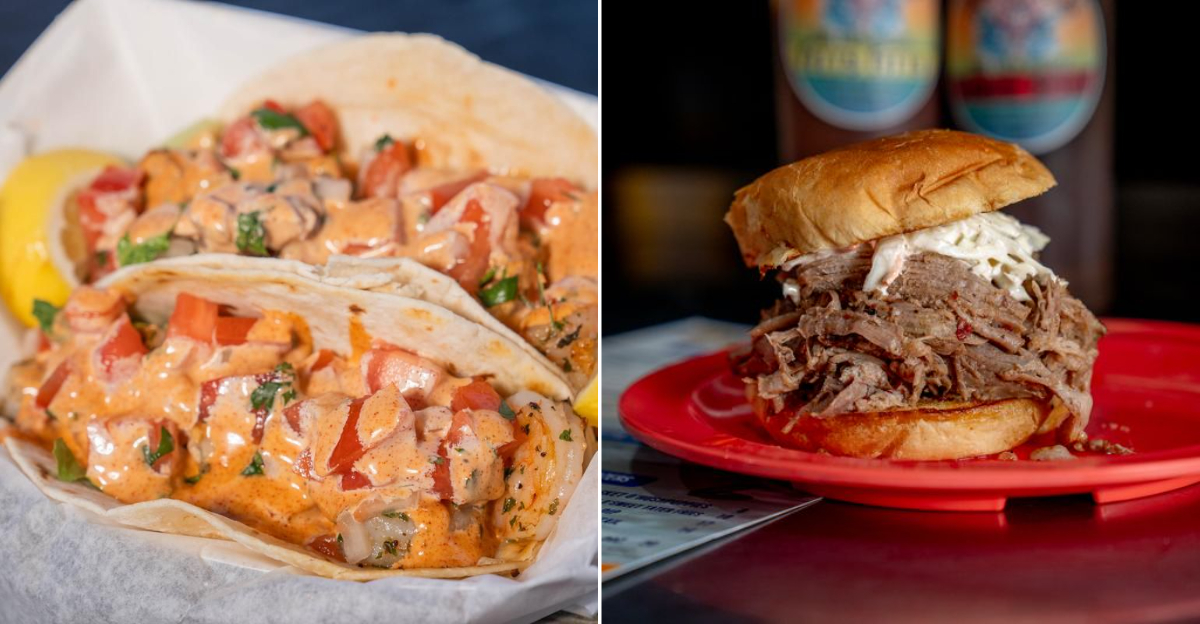
Back roads in North Carolina have a habit of sneaking salt air into your plans even when the map insists you’re well inland, bending your sense of direction until the day starts organizing itself around fry oil, breeze, and whatever the tide decided earlier that morning.
Away from neon signs, reservation systems, and polished dining rooms, these seafood shacks operate on an older clock, cooking like the water is still setting the schedule and nothing important needs explaining.
You pull into gravel lots or low-slung roadside buildings, order at a window or a counter, and receive your meal on paper plates that already know what’s coming next.
What settles in quickly is the confidence.
Fryers hum steadily instead of loudly, baskets rise when they’re ready rather than when a timer demands it, and the seafood tastes unmistakably of the coast doing its best work without embellishment.
Shrimp snap, fish flakes cleanly under heat, hush puppies arrive hot enough to demand respect, and nobody wastes time pretending this needs a backstory to be good.
The room stays simple, open to the air, open to anyone who wandered in hungry.
Keep your napkins close and your expectations flexible, because these stops prove, again and again, that the most assured plates often come from the least assuming corners, served with very little ceremony and absolutely no doubt about what they are.
1. Waterfront Seafood Shack, Calabash
Weathered blue crab crates stacked near the water quietly announce that this stop revolves around workboats and tides rather than decoration or storytelling designed for tourists.
A narrow counter hums with continuous motion while shrimp boats idle just offshore, creating a sense that lunch is taking place inside a working harbor rather than beside one.
Picnic tables catch crosswinds rolling off the water, forcing diners to manage napkins and baskets the same way generations before them learned to do instinctively.
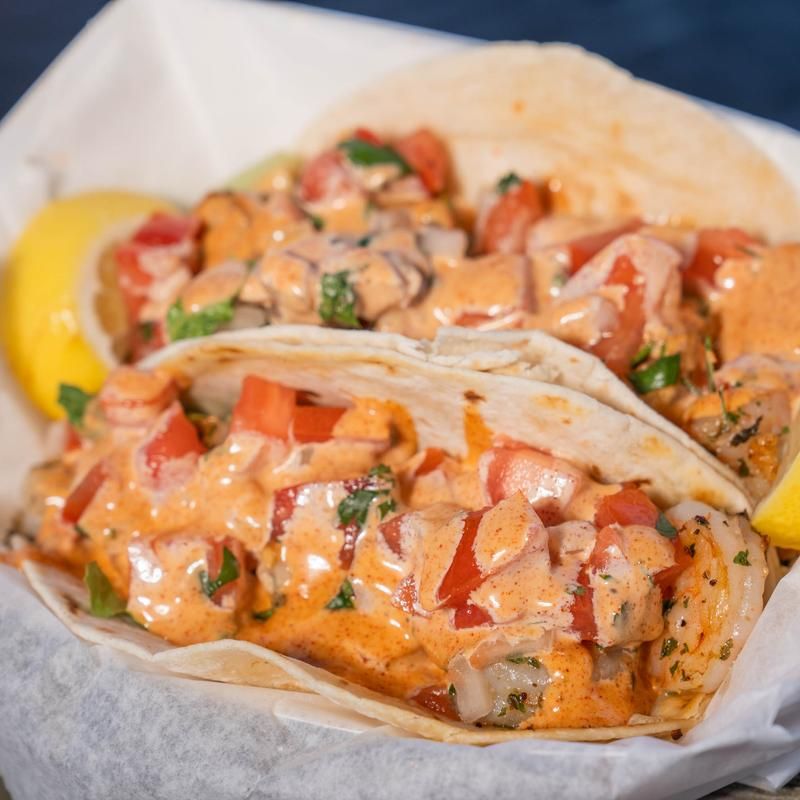
The Calabash-style shrimp arrives coated in a batter so thin it clings more like morning dew than breading, frying crisp while preserving the shrimp’s snap and sweetness.
Simple sides of slaw and fries appear almost understated but disappear quickly, doing exactly what is expected without calling attention to themselves.
Early arrival matters here, because the line grows fast and waterside seating feels like a small victory once the crowd forms.
A squeeze of lemon and splash of vinegar finishes the plate with clarity, confirming why people talk about this corner long after the gulls scatter.
2. Seafood Hut, Calabash
A glowing neon fish sign flickers like an insider’s signal, hinting that what happens inside has been refined through repetition rather than trend-chasing.
The dining room stays loud but calm, fryers forming a steady background rhythm while orders move efficiently through a staff operating on muscle memory.
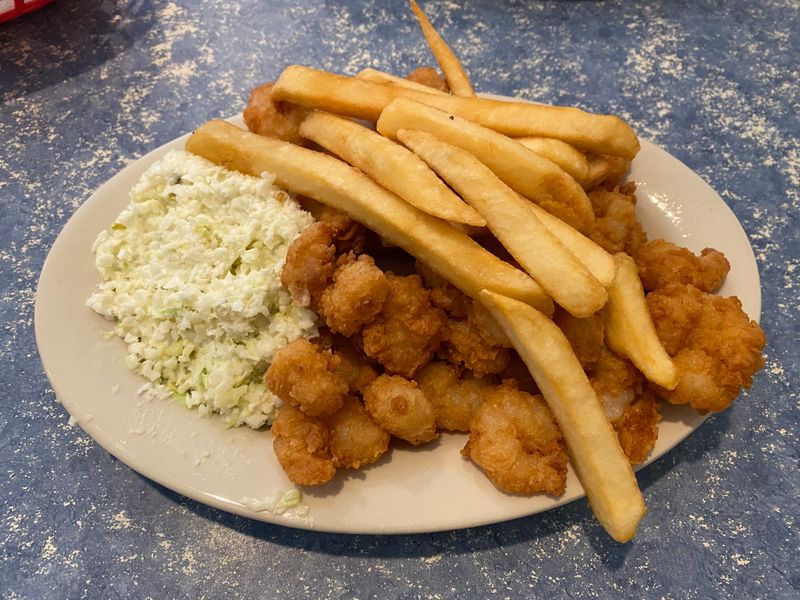
Flounder fillets develop fragile, lacy edges that fracture at first bite, delivering crunch without weight and allowing the fish itself to remain unmistakably delicate.
Oysters carry briny fullness beneath their light crust, releasing sweetness instead of oil as soon as they open.
Decades of repetition shaped this house style, helping define the broader Calabash approach to seafood that favors restraint over heaviness.
Peak hours tighten parking and compress patience, making cash and attentiveness practical tools rather than minor preferences.
When the pickup bell rings, moving fast becomes essential, because that perfect crust waits for no one.
3. Swain’s Seafood And Cut Restaurant, Oak Island (Deserved A Second Trip)
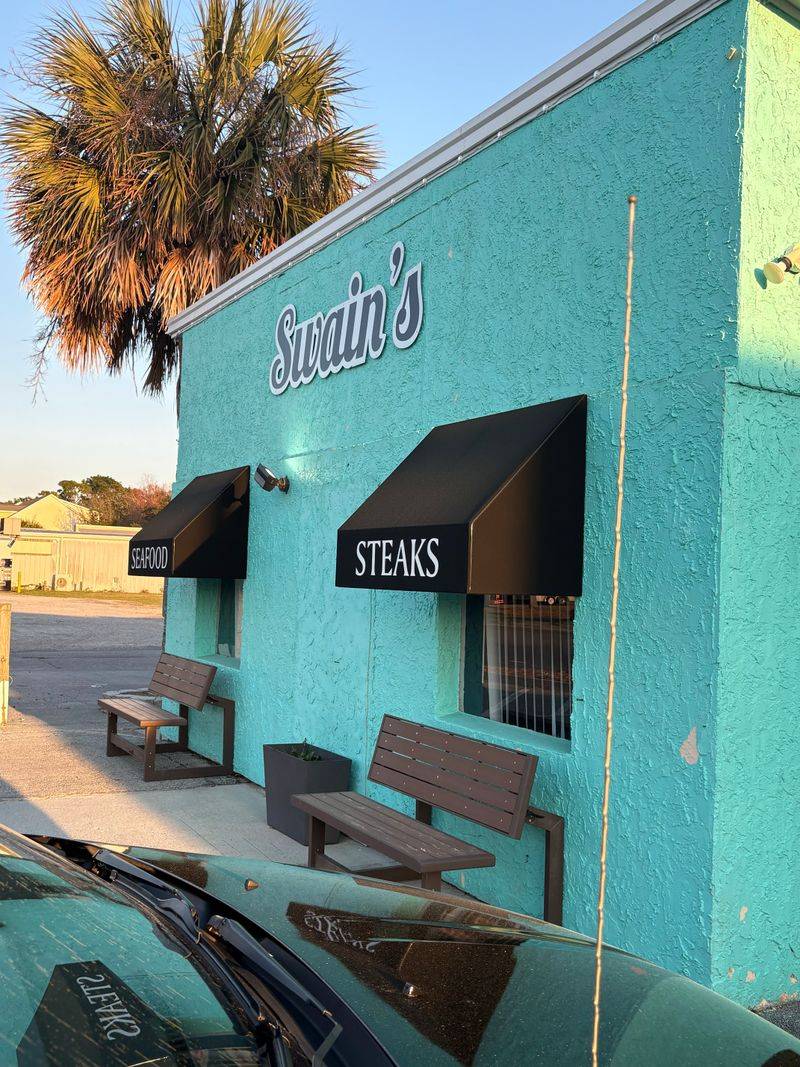
A butcher case near the entrance quietly telegraphs how seriously ingredients are treated, grounding the experience in trust before menus even enter the conversation.
Families settle into booths while beach traffic hums past the windows, creating a calm midpoint between working food shop and coastal restaurant.
Grilled grouper arrives with clean char marks and minimal seasoning, allowing fish quality to stay readable rather than hidden.
Butter and lemon finish the plate gently, while hushpuppies supply soft sweetness that never drifts into dessert territory.
The dual identity as seafood restaurant and meat market builds confidence, suggesting selection starts long before cooking begins.
Crowds expand quickly on weekends, making advance planning useful for larger parties hoping to stay relaxed.
A side of collards strengthens the plate’s backbone, keeping salt in balance and confirming the kitchen’s steady hand.
4. Lewis Seafood Shack, Topsail Beach (Deserved A Second Trip)
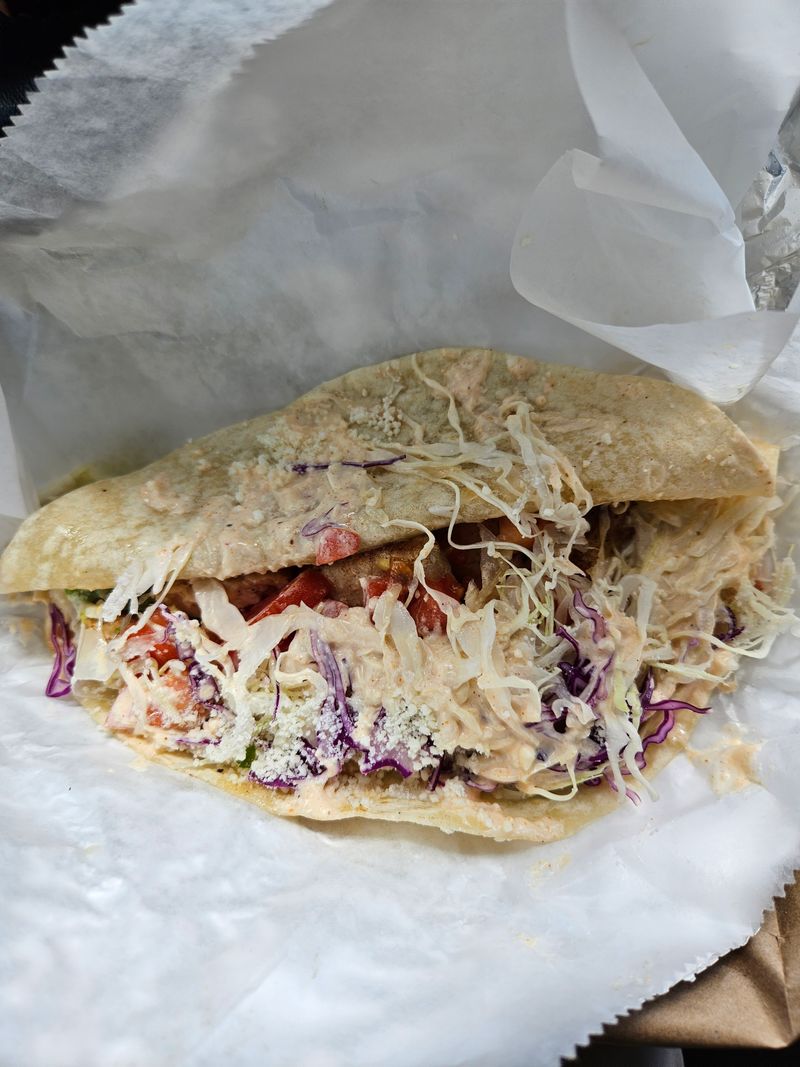
A handwritten sign and a handful of picnic tables settle into the sand like they have always belonged there, signaling a place that survives on rhythm and season rather than polish.
Salt-heavy wind arrives first, followed immediately by fryer heat, creating that unmistakable coastal pairing that prepares your appetite before you ever touch a menu.
Soft shell crab season turns this stop into a quiet obsession, because the crab is dredged sparingly and fried to a snap that announces itself with confidence rather than grease.
The sandwich holds together just long enough to register sweet shellfish, crisp coating, and a tang of tartar before demanding full attention.
Skin-on fries carry assertive salinity and disappear fast, never trying to steal focus from the crab resting beside them.
Seasonality rules the board here, so asking what came in that day becomes part of the exchange rather than small talk.
When the crunch lands clean and the sweetness follows, the ocean suddenly feels closer than the map suggested.
5. Fatcrabs Rib Company & Seafood Shack, Corolla (Deserved A Second Trip)
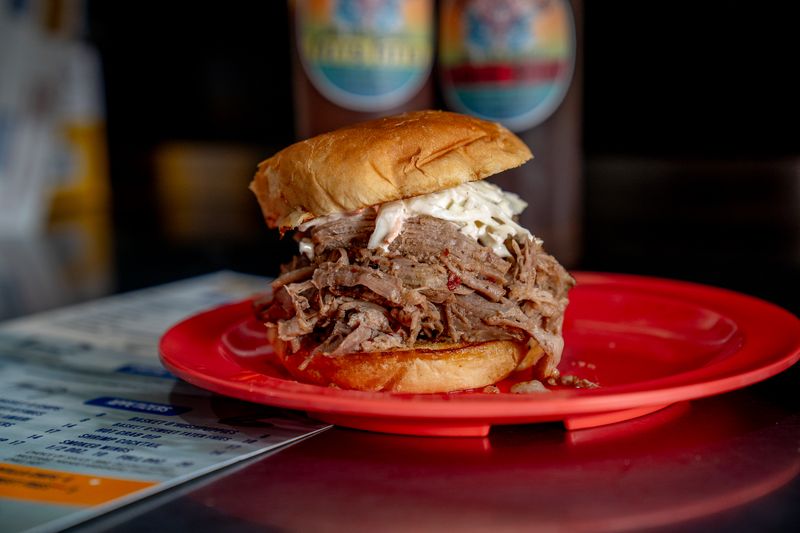
Smoke from a rib pit drifts into the steam of cracked crab shells, creating a mingled aroma that sounds contradictory until you realize how naturally it works.
Families arrive sandy and loud, spreading paper over tables like permission slips to relax and get messy without concern.
A mixed seafood boil turns the table into a slow ritual, with blue crabs cracking easily and shrimp pulling spice deep into their shells.
Corn absorbs butter and seasoning patiently, acting as both side dish and relief between bites of shellfish.
Ribs tempt without overwhelming, offering a smoky anchor that surprisingly complements the maritime focus rather than pulling focus away.
The place settled into its Outer Banks role decades ago, becoming a repeat stop for visitors who measure years by summer returns.
Armed with a mallet and a bib, the table transforms into small chaos worth recreating.
6. Sugar Shack, Nags Head (Deserved A Second Trip)
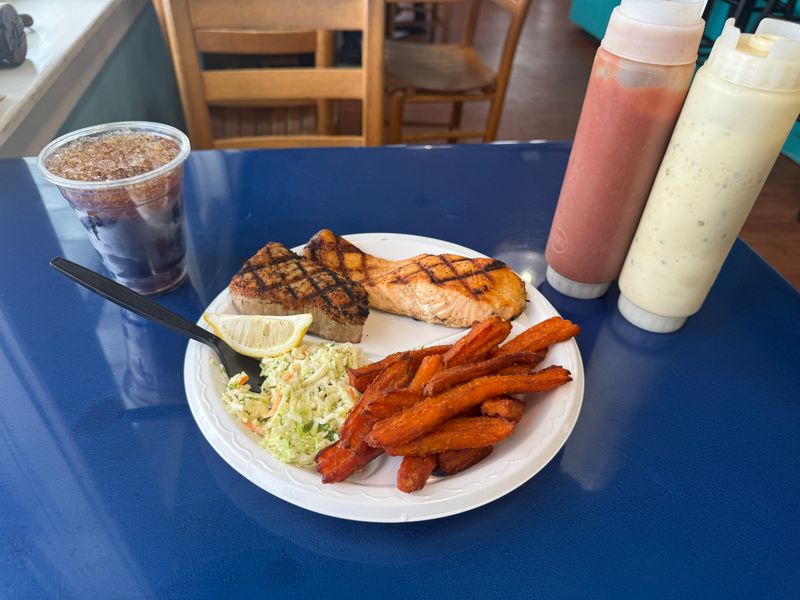
Bright Caribbean colors meet Outer Banks pragmatism here, creating a visual cue that warmth and ease guide the kitchen’s decisions.
Umbrellas snap lightly in crosswinds as music drifts across the patio, staying upbeat without ever competing for attention.
Jerk-spiced shrimp arrive carrying heat with discipline, letting sweetness lead while spice follows instead of overpowering.
Crunchy slaw and lime sharpen each bite, providing structure beneath flavors that could otherwise wander.
Conch fritters, when available, bring tender chew and peppery depth that reward unhurried eating.
Island-rooted ownership explains the menu’s gentle tropical bend, which feels natural rather than themed.
When sunset cooperates, plates seem brighter and time stretches just enough to justify planning tomorrow’s return before dessert thoughts even form.
7. Whalebone Seafood Market And Restaurant, Nags Head
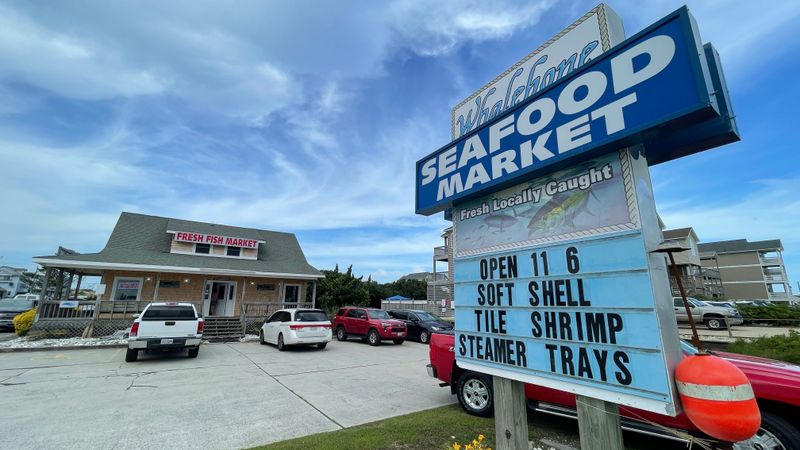
The moment you step inside, the clean, briny smell of the market side mixes with fryer heat in a way that immediately signals you are dealing with seafood handled by people who know how quickly freshness can disappear if disrespected.
Glass cases shine with local tuna, drum, and scallops resting on disciplined ice, while diners hover nearby, mentally juggling lunch orders against what they might take home for dinner.
Ordering feels purposeful rather than rushed, because the menu follows the logic of whatever the coast offered that morning rather than forcing consistency onto nature.
A blackened tuna sandwich arrives with a pepper-crusted sear that gives way to a center still moist and ruby-toned, balanced by just enough wasabi mayonnaise to sharpen rather than dominate.
Tomato and bread stay secondary, behaving like responsible supports instead of distractions pretending to be stars.
The space operates halfway between fish market and lunch counter, which keeps expectations honest and movements efficient.
Watching coolers leave the door full while plates land hot reinforces why restraint often tastes better than ambition.
8. Captain Stanley’s Seafood, Raleigh (Deserved A Second Trip)
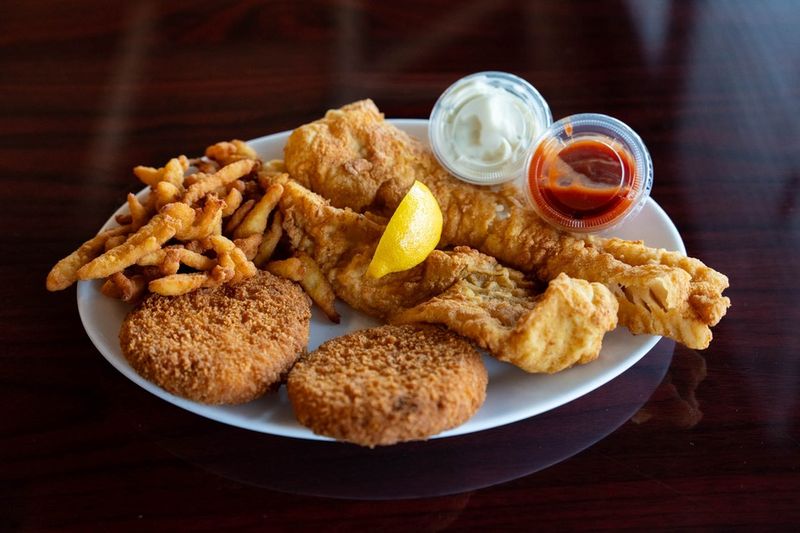
Far from the shoreline, this long-running Raleigh spot fries with the steady confidence of someone who solved the recipe decades ago and never felt the urge to revisit it unnecessarily.
Red booths, checkerboard nostalgia, and the steady movement of servers give the dining room a rhythm built for families who know exactly what they came to eat.
Deviled crab arrives generously portioned, baked to a pepper-dotted crust that holds moisture beneath while releasing aroma with every forkful.
Sea trout beside it flakes easily under a delicate fry, proof that inland seafood does not automatically mean compromised seafood when sourcing and timing align.
Hushpuppies come hot and lightly sweet, demanding malt vinegar by instinct rather than instruction.
Opened in the 1970s, the restaurant became a bridge between coast and capital, teaching multiple generations what Carolina seafood tastes like away from salt marshes.
By the time baskets clear, you realize this place exists not to impress but to anchor memory, which is far harder work.
9. Sunnyside Oyster Bar, Williamston (Deserved A Second Trip)
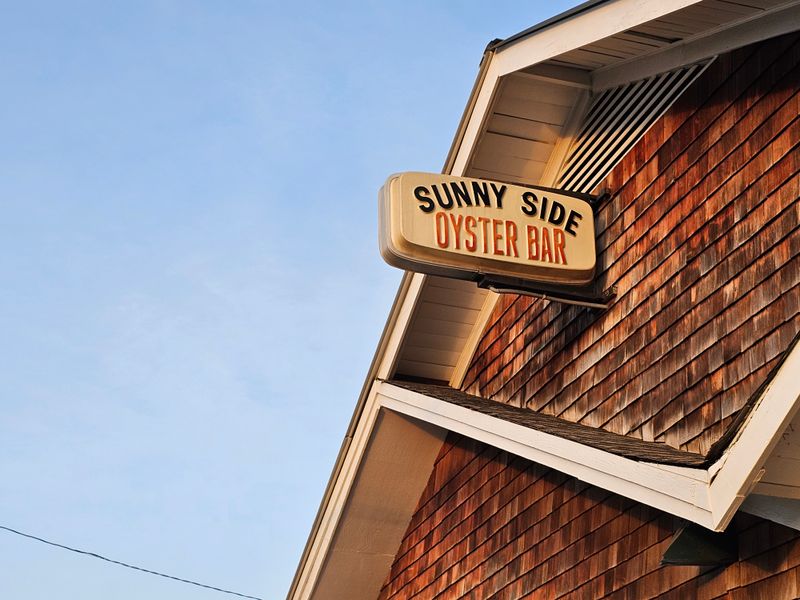
Steam rises continuously from battered pots behind the bar like a living presence, filling the room with warmth that counters winter and draws people inward without ceremony.
Shuckers work at a measured pace that encourages conversation rather than spectacle, their hands moving faster than your eyes after the first few oysters.
Buckets of steamed oysters arrive plump and briny, opened cleanly and passed along with quiet competence rather than flourish.
Butter, lemon, hot sauce, and saltines orbit the plate, each offering choice rather than instruction, letting you find rhythm bite by bite.
The building carries nearly a century of practice, which shows in how nothing feels explained because nothing needs to be.
Cold nights bring waits, but patience becomes part of the ritual rather than a burden, especially when steam fogs the glasses and laughter fills the gaps.
When a shucker slides one over perfectly, you thank them, swallow salt and heat together, and understand why simplicity endures.
10. T & W Oyster Bar, Pelletier
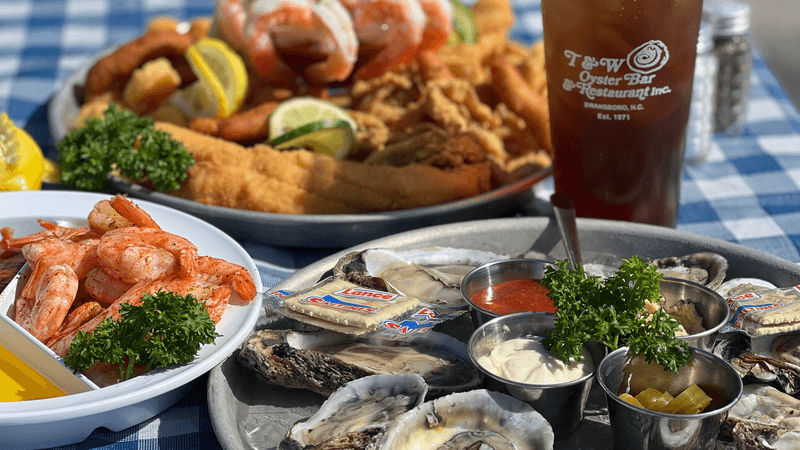
Walking into the room feels like stepping into a conversation already in progress, where wood paneling, neon glow, and the comfortable noise of regulars establish trust before you ever see a menu.
Plates slide across tables quickly, driven by a kitchen that knows exactly what it does well and spends no energy trying to prove it to anyone new.
Oysters Rockefeller arrive bubbling and fragrant, the spinach and cheese layered just thick enough to support the shellfish without burying its salinity.
A fried seafood platter follows the coastal logic of restraint, with shrimp, flounder, and scallops dressed in a light coat that cracks without soaking oil.
Slaw crunches honestly and hushpuppies come properly hot, which sounds basic until you realize how rarely it is done without shortcuts.
Decades of family stewardship show up not in décor but in timing, portion control, and a refusal to complicate what already works.
By the time the plates clear, the room feels less like a stop and more like a held note, one you remember later while passing exits you did not take.
11. Full Moon Oyster Bar, Morrisville
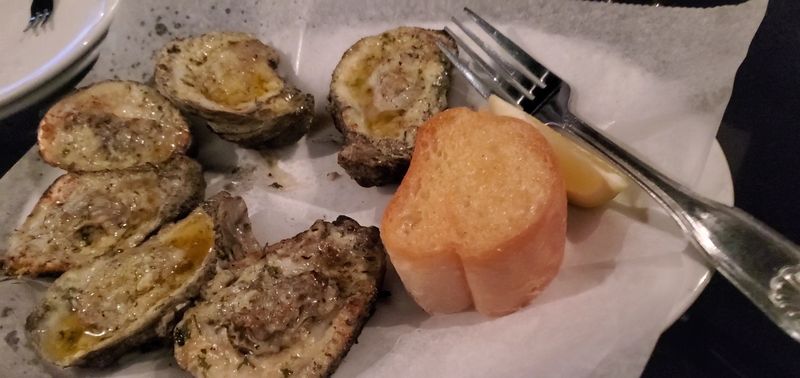
The first impression is kinetic, with shells flying into buckets, shuckers trading jokes, and the bar functioning like low-stakes theater that draws you in without demanding attention.
Industrial lighting and reclaimed surfaces polish the scene just enough to signal care, while keeping the energy loose and slightly loud in a way that suits oysters cracking open.
Chargrilled oysters arrive sizzling, garlic butter and Parmesan bubbling into the shells, edges kissed by flame without tipping into bitterness.
Peel-and-eat shrimp follow close behind, firm and warm, dusted in seasoning that respects the shellfish instead of masking it.
The shucking program rotates regional beds with precision, allowing the staff to steer curious eaters toward oysters that are sweet, briny, or metallic depending on the night.
Crowds swell quickly during happy hour, not out of hype but because repetition has done its quiet work.
When you finish standing at the bar with shells piled and fingers slick, the experience reads less like dining and more like a shared moment that briefly rearranged the evening.
12. The Crab Shack, Salter Path (Deserved A Second Trip)
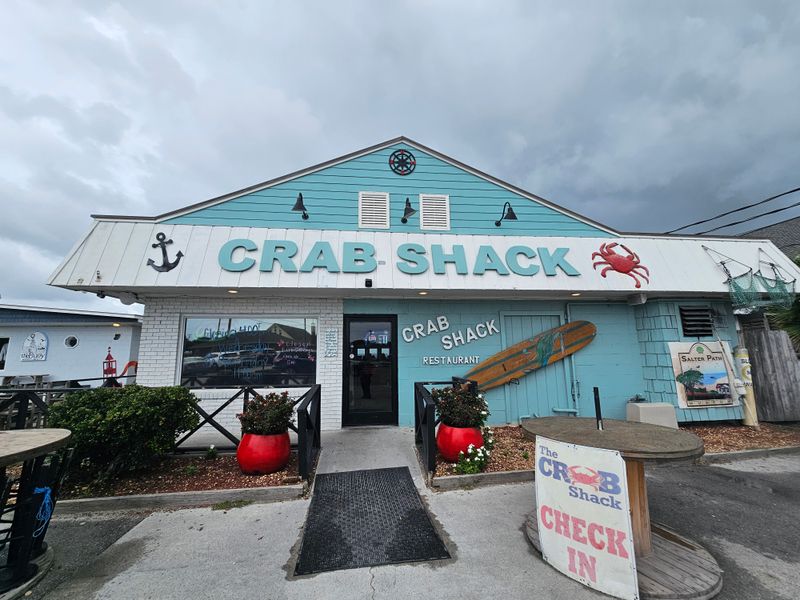
Sound becomes part of the meal as mallets tap, shells crack, and windows frame the water like a moving backdrop rather than static decoration.
Brown paper covers the tables not for novelty but necessity, clearing permission for mess without apology or control.
She-crab soup arrives silky and gently fortified with sherry, warming the chest in a way no heater could manage.
A crab steamer lands moments later, bright shells perfumed with spice, inviting hands instead of utensils to do the work properly.
The proximity to Bogue Sound asserts itself in every bite, reminding you that distance from water is not theoretical here but measured in footsteps.
Arriving mid-afternoon softens crowds and sharpens viewlines, letting the light stretch across the room as conversations slow.
As the last claw yields cleanly, the table narrows to buttered fingers, laughter, and the unmistakable sense that nothing fancy could improve this moment.
13. Pisgah Fish Camp, Pisgah Forest (Deserved A Second Trip)
Mountain air sharpens the appetite before you step inside, and the room’s brightness, framed trout prints, and steady porch traffic immediately establish a mood where inland seafood feels not ironic but patiently earned.
The dining space operates like a community checkpoint after hikes and long drives, with locals greeting staff by name and newcomers quietly recalibrating their expectations of what belongs in a fish camp far from salt spray.
Plates of pan-fried mountain trout arrive ringed with lemon and dusted in cornmeal that provides just enough structure to support flesh that flakes cleanly and tastes unmistakably fresh rather than freighted with grease.
Hushpuppies land alongside slaw and sweet tea in a configuration that reads like ritual rather than menu choice, reinforcing a rhythm that has been repeated with minor variations for decades.
What makes the place work is not novelty but calm confidence, a refusal to explain itself beyond putting consistent food on the table night after night.
Opened in the 1960s, the camp preserves a Western North Carolina version of coastal comfort that survives on loyalty and timing rather than trend cycles.
Walking back outside with lingering lemon on your fingers and cool mountain air resetting your senses, the experience settles into memory as something quietly improbable that now feels absolutely necessary.