
Ohio’s Wonderfully Weird Toy Museum Most People Don’t Know Exists
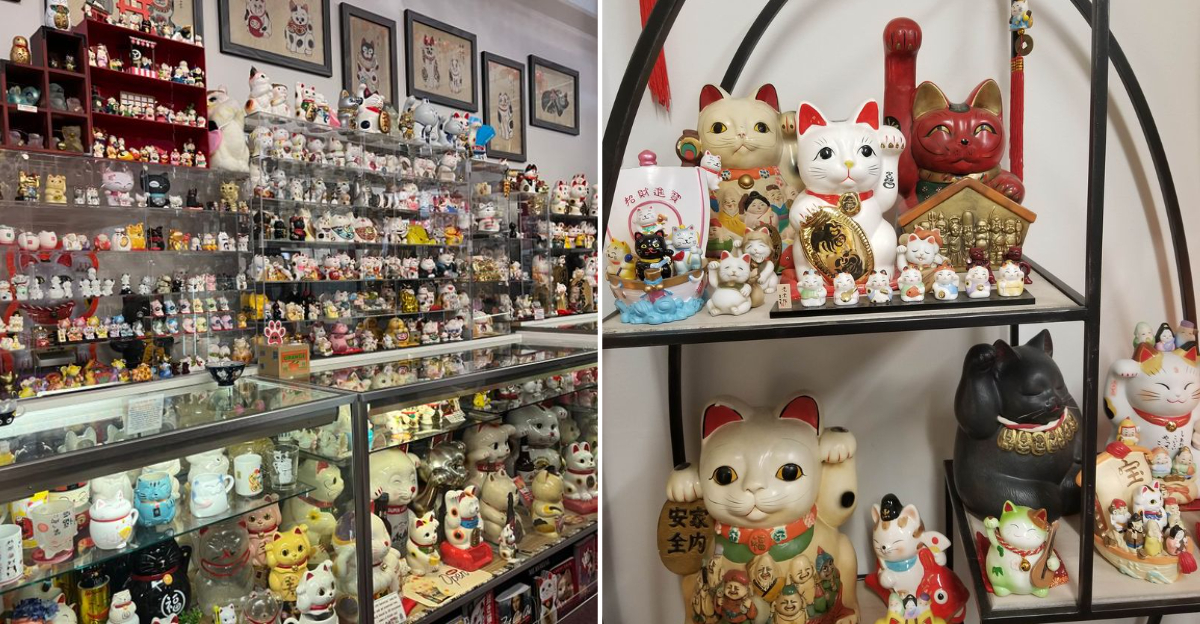
Step into a pocket universe where paws wave, bells tinkle, and good fortune seems to hum through the air.
The Lucky Cat Museum in Cincinnati hides inside Essex Studios like a cheerful secret, yet it overflows with thousands of maneki neko and quirky cat treasures.
You will meet a curator who treats every figurine like a story with whiskers, and you will leave grinning like you found a lucky penny.
Ready to wander a place where charm multiplies in every direction and curiosity is rewarded with a wink.
A Hidden Gem Inside Essex Studios
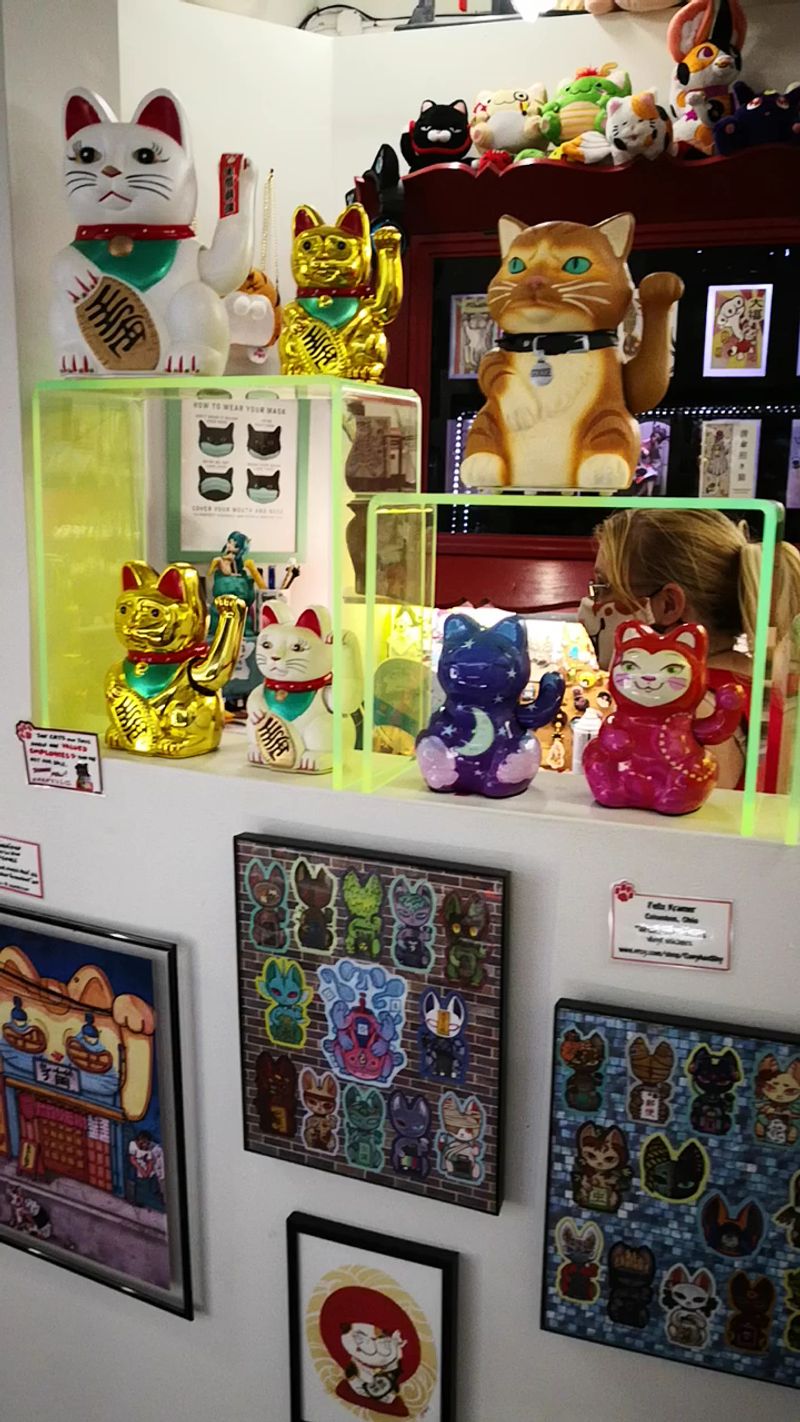
You find it by drifting through the artist hive at Essex Studios, where paint smells mingle with hallway echoes and doors are tagged with inventive names.
The Lucky Cat Museum sits tucked inside, modest and glowing, like a lantern in a quiet alley. The sign is small, the welcome is big, and the vibe feels like you just stumbled into a treasure vault.
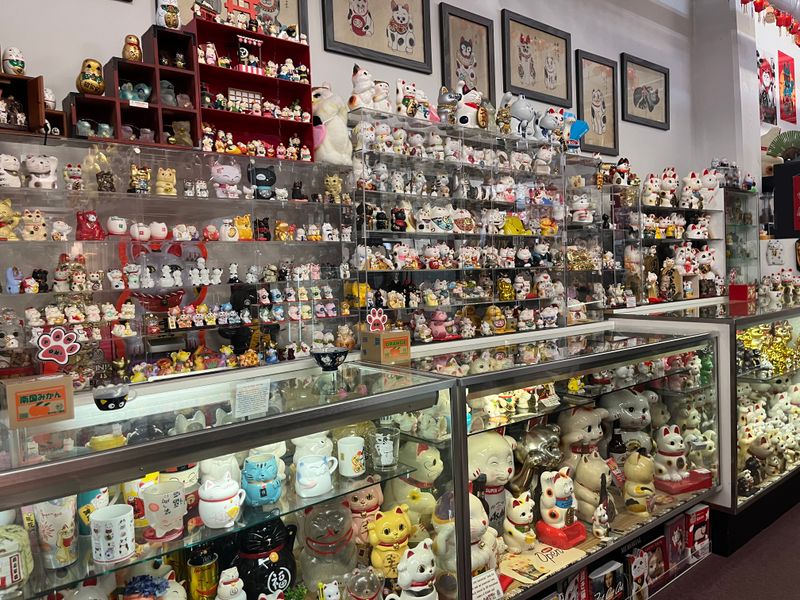
Light spills across glass cases packed with maneki neko that wiggle their paws in near unison.
Tiny bells and glossy ceramics create a soft shimmer that draws you closer.
This is not a giant museum, but it feels expansive because every shelf radiates personality.
Getting there is simple if you map to 2511 Essex Pl and follow the internal signage toward the studios. Parking is typically street-based with room along the block, but always check signs for restrictions, especially during busier times.
The complex has multiple doors, so pay attention to posted maps and follow the trail of paws.
An Appointment With Good Fortune
Hours are intentionally compact, often Wednesday through Saturday from about 3 to 6 PM, and some days require appointments. I
t’s highly recommended to reserve ahead, especially on weekends or during special events, as walk-ins are not always available.
A quick check of the online scheduler makes everything easy and saves you the heartbreak of arriving to a closed door.
The limited window creates a cozy buzz because everyone there truly wants to be there. Conversations bloom faster when time feels precious.
You will feel like part of a small club, invited to peek at a personal obsession that became a public delight.
Admission has often been free or donation-based, but bring a few dollars to support the collection and the upkeep.
If hours shift seasonally or for special events, verify the schedule on the museum’s website before you visit. The museum’s friendly approach turns logistics into a simple ritual, like knocking before entering a friend’s studio.
A Thousand Paws Waving Hello
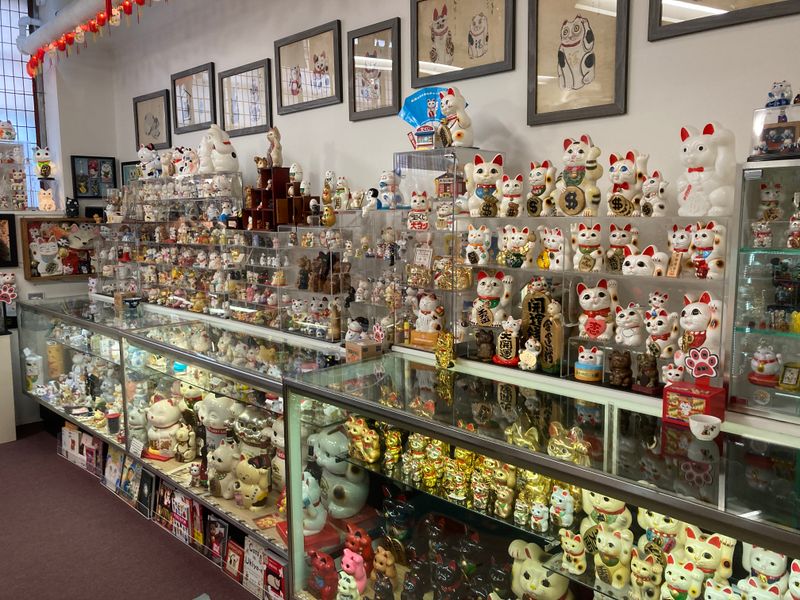
Walk in and your eyes skip across a galaxy of cats, each paw lifted in mid welcome.
Colors bounce from lacquer reds to pearly whites, while gold foils flash like confetti.
The effect is mesmerizing, as if luck itself learned choreography.
Labels tell stories rather than just materials or dates.
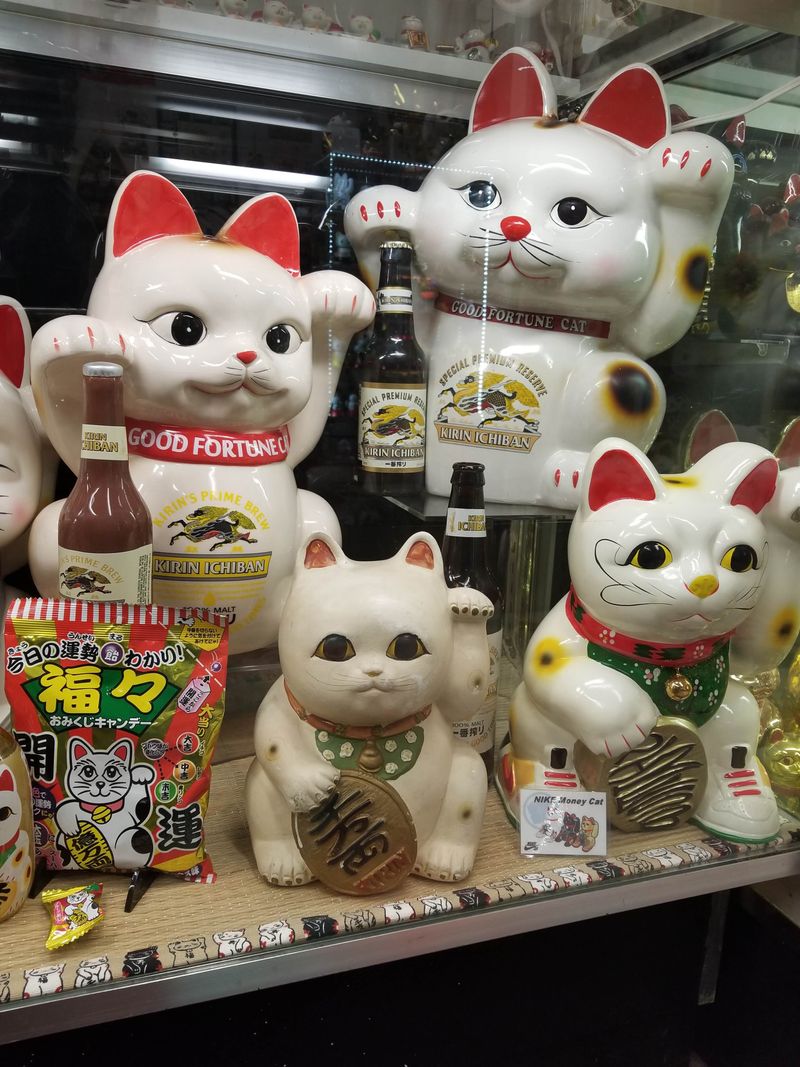
Origins jump from Japan to global remixes, with brand tie ins, indie artist takes, and playful toys stacked like a purr pyramid. You will start connecting dots that stretch across decades and pop culture.
Kids gravitate to the animated pieces, while design lovers linger on minimalist silhouettes and rare editions. The more you look, the more you find hidden motifs, tiny beckoning paws tucked behind bigger ones.
It is intimate, dense, and gloriously overstuffed in the best possible way.
Meet the Curator Who Knows Every Cat
Visitors rave about the owner’s warmth, and for good reason. She greets you like an old friend and then quietly becomes your best tour guide.
Stories tumble out about artists, materials, and oddball finds, and each tale lands with a satisfying click.
Ask about a single piece and you might hear a life story with whiskers.
The conversation adapts to you, whether you want children’s illustrators, horror manga nods, or vintage ceramic trivia.
You will leave smarter and oddly soothed, as if someone arranged your curiosity into neat display cases.
Two mellow shop kitties sometimes pad through like furry docents, adding comic timing to the experience. The curator respects space, giving you room to wander and then reappearing with just the right anecdote.
By the end, you will feel like you met a person who turned passion into a navigable universe.
From Edo Echoes to Pop Culture Mashups
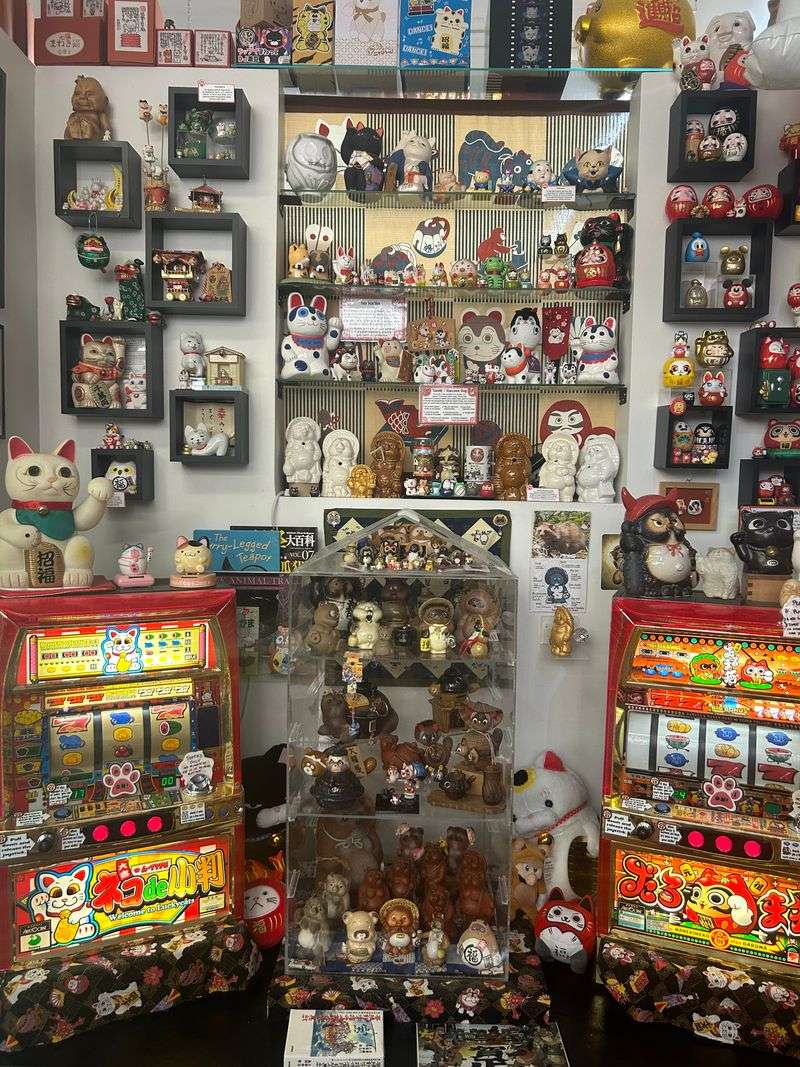
Maneki neko did not start as mainstream souvenirs. Their roots echo back to Japan, with temple tales and merchant doorways where beckoning paws symbolized prosperity.
The museum traces these threads without getting dusty, layering context with charm.
You will see shifts from porcelain to plastic, from hand painted eyes to glossy machine finishes.
Brands borrow the silhouette, artists twist it into satire, and designers play with negative space and neon.
The timeline reads like pop culture karaoke, familiar yet constantly remixed.
Historical certainty has limits, and the museum never fakes it. When a date is fuzzy, the label says so and moves on, which feels refreshingly honest.
By the time you loop back, you can spot an era by glaze, posture, or cheeky advertising.
Small Rooms, Big Wonder
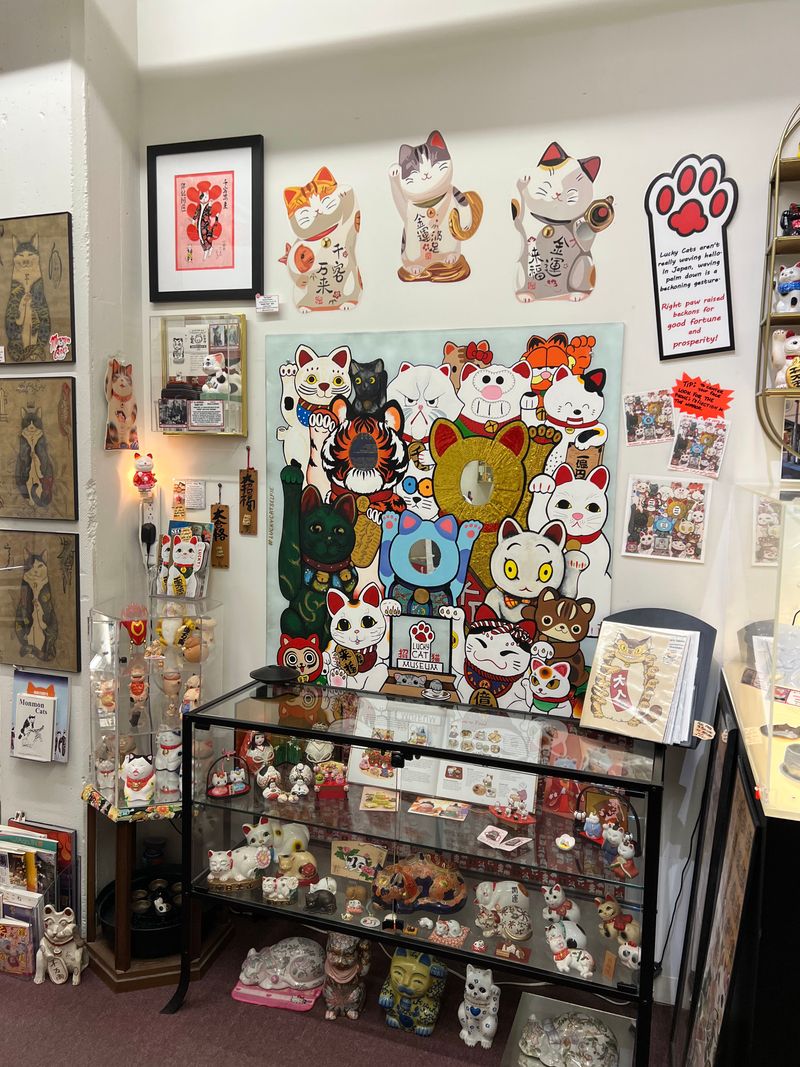
The museum is famously compact, sometimes described as two rooms packed like a jewel box. Do not mistake small for slight.
Every shelf is a new street in a tiny city where paws wave like traffic signals.
Because the scale is intimate, details jump forward.
You will notice brush strokes, faded stickers, and even tiny repair seams where love stitched a favorite back together. The closeness creates a feeling of conversation rather than spectacle.
Plan 45 to 60 minutes for a relaxed visit, though enthusiasts could float longer. Weekday afternoons usually feel calm, and the golden hour light can make the cats gleam like trophies.
If you only have half an hour, it still works because this place compresses delight beautifully.
Hands On Joy and Kid Friendly Moments
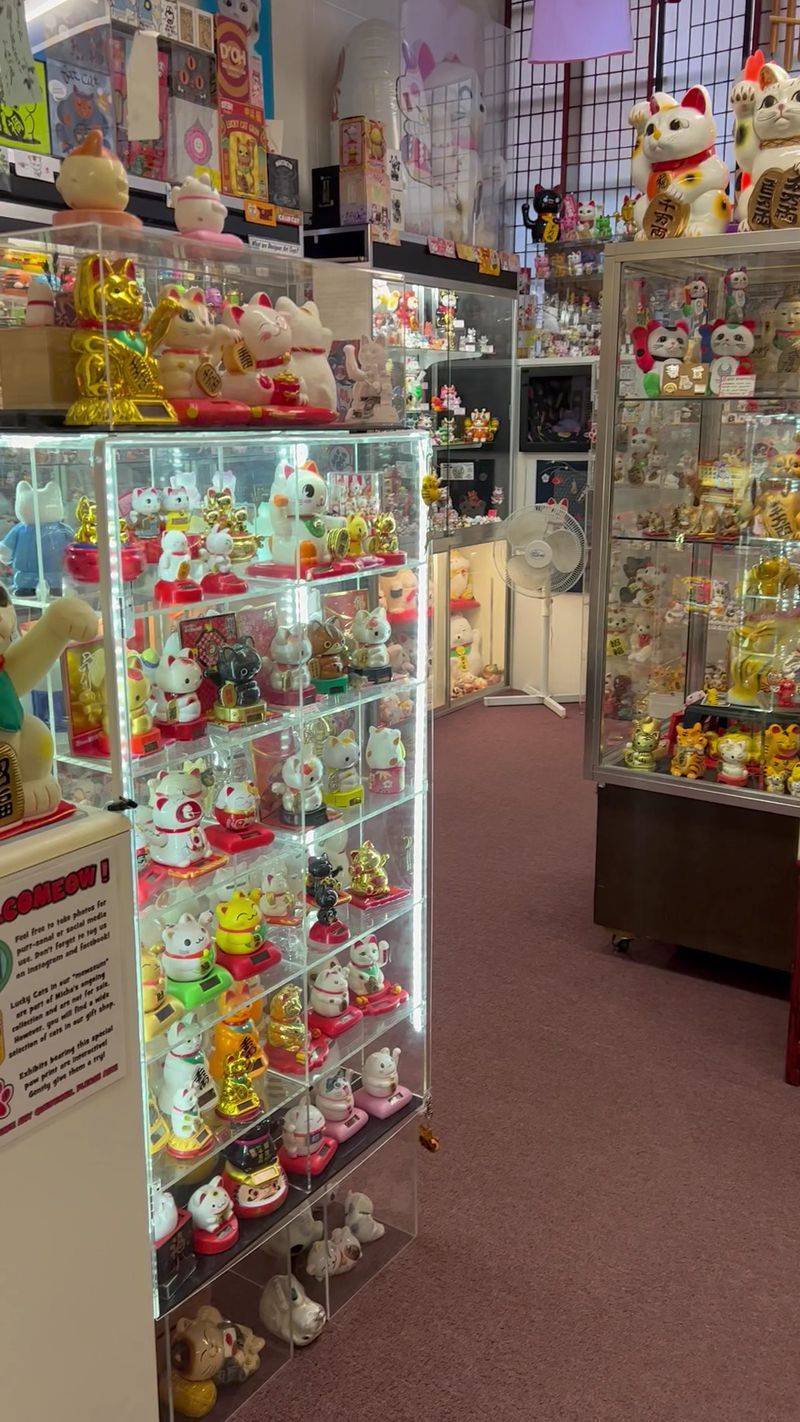
Families report hands on moments that keep younger visitors engaged without overwhelming the space. Look for simple interactive touches, playful explanations, and pieces that invite counting paws or spotting colors.
Kids beam when they recognize familiar shapes in unexpected costumes.
Parents appreciate the scale because supervision feels easy.
The curator reads the room and tailors conversation so children feel welcomed, not shushed. It is the kind of place where a fun fact can turn into a miniature scavenger hunt.
No one promises a full-blown play zone, but there is room for gentle discovery.
If bringing a stroller, call ahead to ensure it’s a comfortable fit or prepare to navigate close aisles with care.
The reward is seeing a kid connect art and luck in a way that might stick forever.
Practical Tips: Parking, Access, and Timing
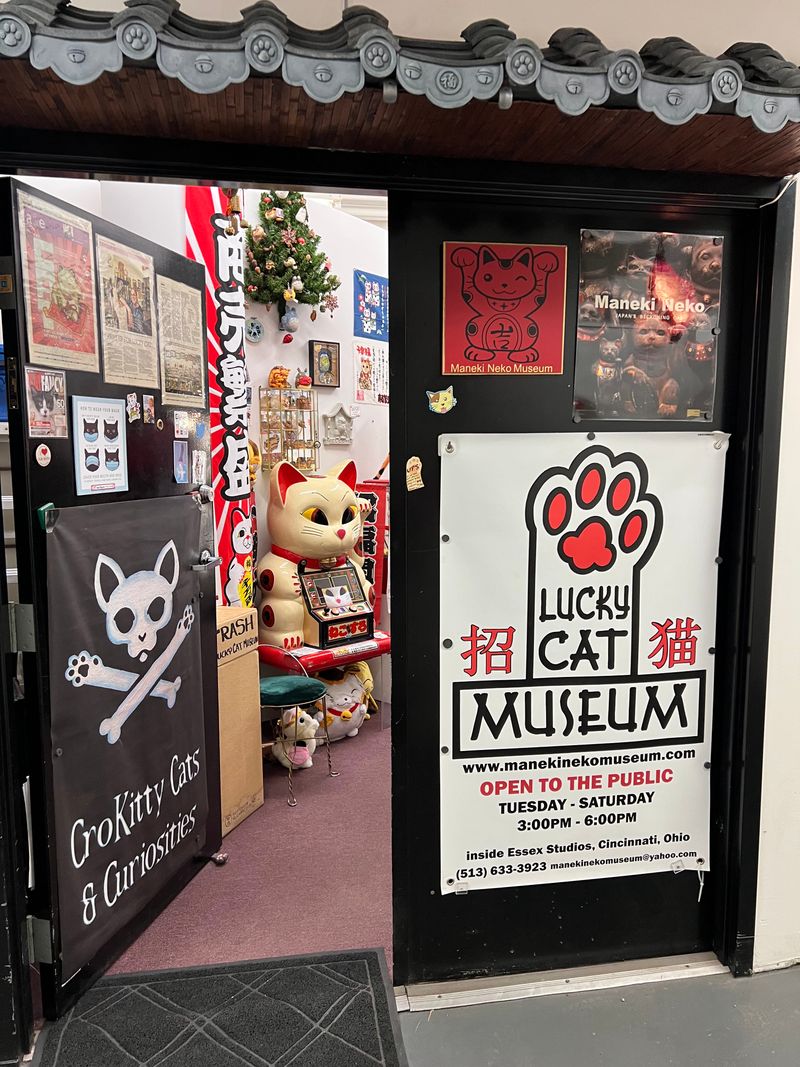
Essex Studios sits in Walnut Hills, a neighborhood with that creative energy you can almost taste.
Street parking around Essex Pl is typically fine, but always read signs for any restrictions.
The complex has multiple doors, so pay attention to posted maps and follow the trail of paws.
The museum’s hours cluster in late afternoons, roughly 3 to 6 PM on select days, and closures happen early in the week.
Accessibility can involve tight turns between cases, so reach out if mobility is a concern, and the staff can advise accordingly. Expect a brief check-in, smiles included.
Best strategy is to book the first time slot of the day for breathing room.
Arrive a hair early, donate if you can, and save a few minutes for the charming gift nook. You will walk out with a talisman and a new favorite Cincinnati memory.
Gift Shop Treasures and Souvenir Luck
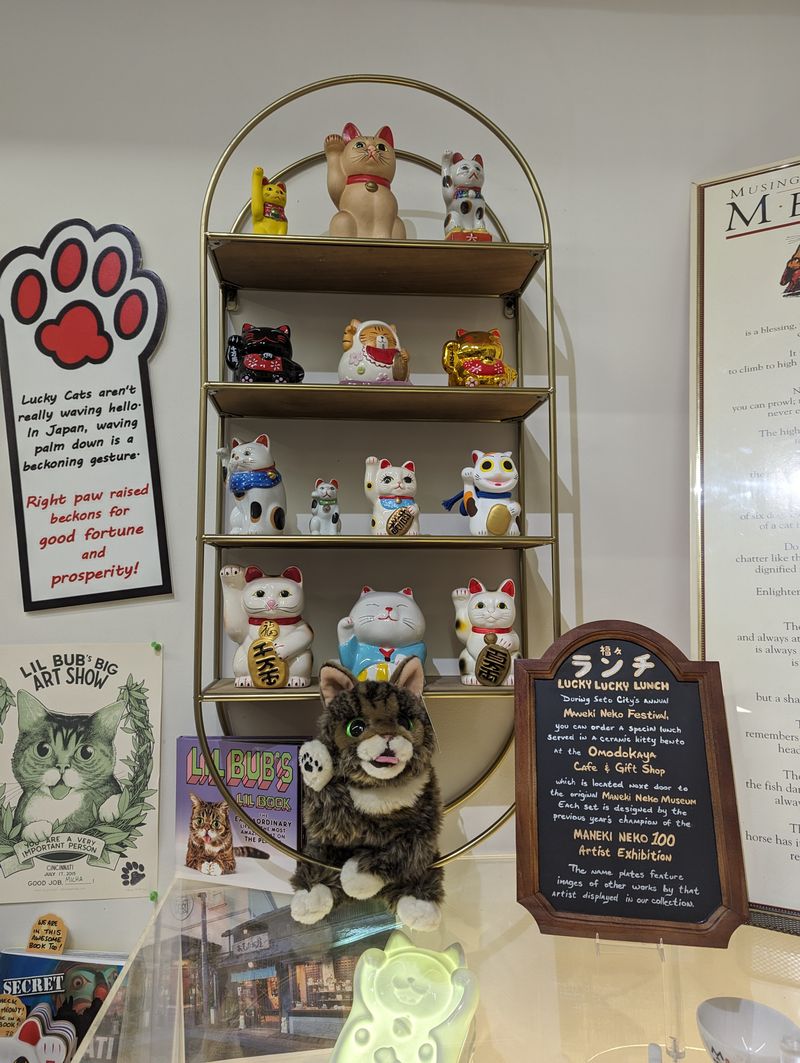
The gift area is small but mighty, a final sparkle before you exit back to regular life. Expect pins, postcards, little figurines, and rotating curios that feel personal rather than generic.
Prices are reasonable, which makes supporting the museum feel like a treat, not a chore.
You will want to grab something that mirrors the room that made you smile. A tiny wave on your desk turns deadlines into friendly nudges.
Even a sticker becomes a portable wink that keeps the day light.
Bring cash for donations and quick buys, though cards may also be accepted, depending on the setup when you visit. Inventory changes, so do not wait if a piece calls to you.
The best souvenir might be a story the curator slips in between shelves.
Why This Place Sticks With You
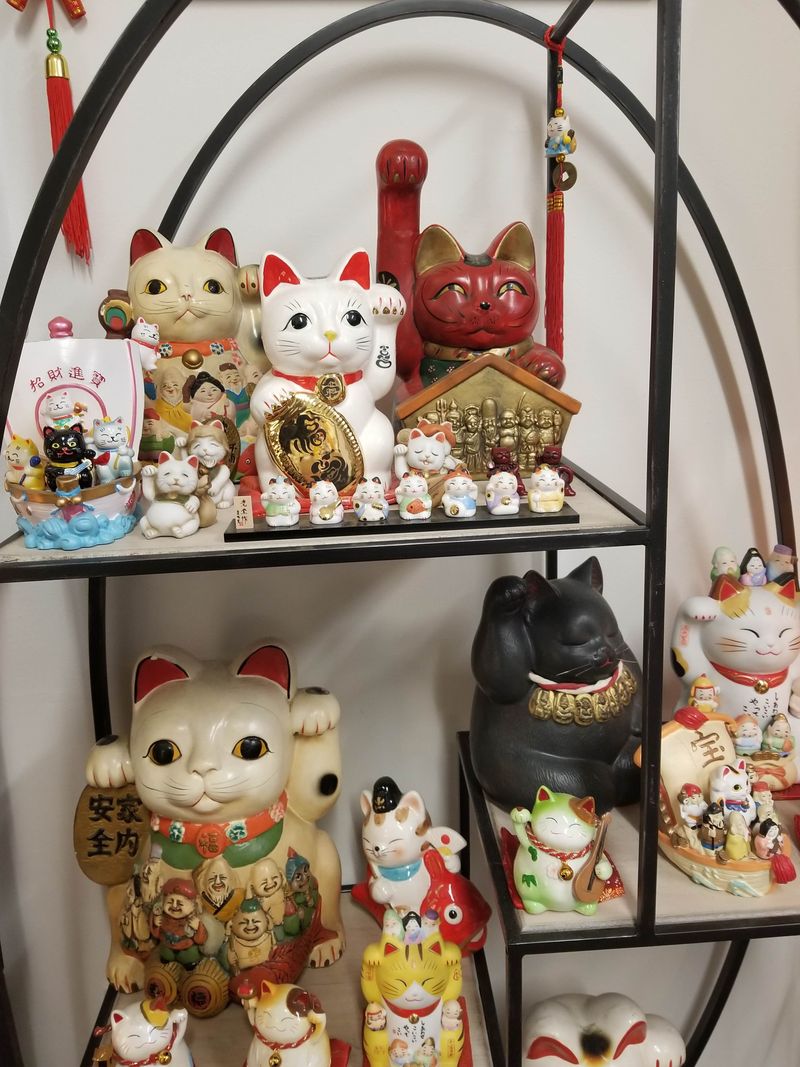
The Lucky Cat Museum lingers because it treats delight as serious business. You are not rushed, you are invited.
The wave of a hundred paws becomes a chorus that hums all the way home.
Memory works in layers here. First the colors, then the stories, then the feeling that luck is not scarce at all. You will catch yourself smiling at red lights, replaying a label about glaze or a rumor about origins.
Some museums impress you with scale, but this one wins with intimacy and heart. It is a love letter to collecting, to curiosity, to the joy of noticing.
When the door closes behind you, the echo is soft, and it feels like the city just got kinder.