
Top 12 Cultural Hotspots In Michigan You Can’t Miss
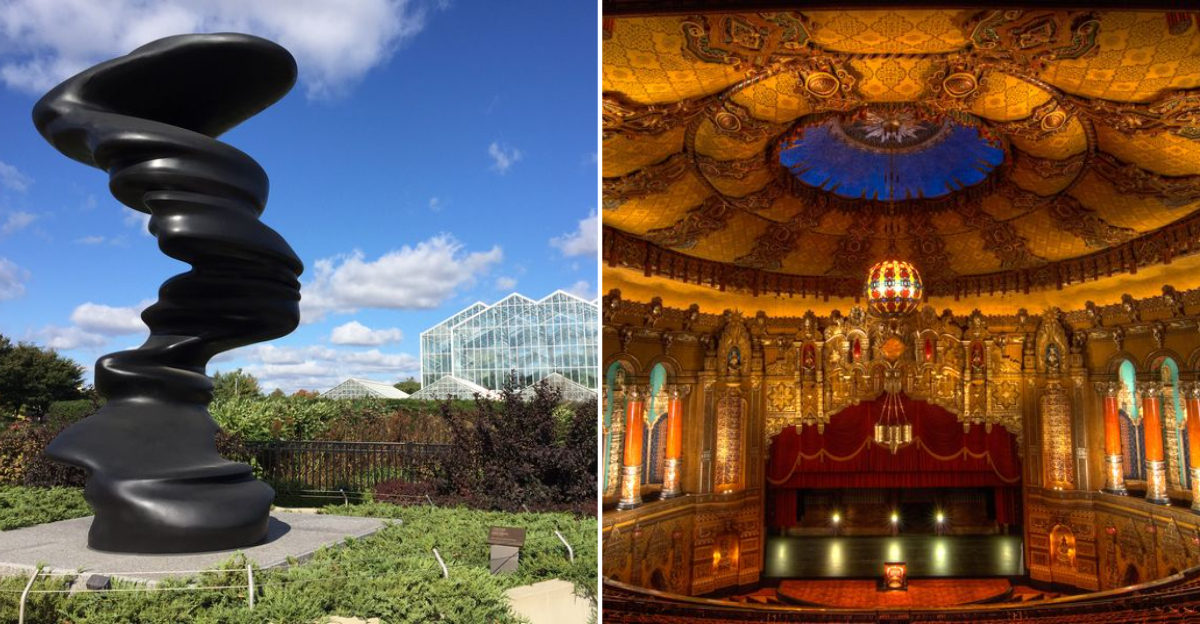
When it comes to cultural destinations, Michigan often flies under the radar – but not for long.
This incredible state is packed with unexpected delights, from the street art scene in Grand Rapids to the historic lighthouses of the Lake Michigan shoreline.
Whether you’re interested in music, art, history, or food, Michigan has a wealth of cultural attractions that will surprise and delight you.
And yet, despite its many charms, Michigan remains a bit of a hidden gem – a secret known only to those who’ve experienced its warm hospitality, stunning natural beauty, and vibrant cultural scene.
In this article, we’ll let you in on the secret, as we reveal the top 12 cultural hotspots in Michigan that will make you wonder how you ever missed them in the first place.
1. Detroit Institute of Arts (DIA) – Detroit
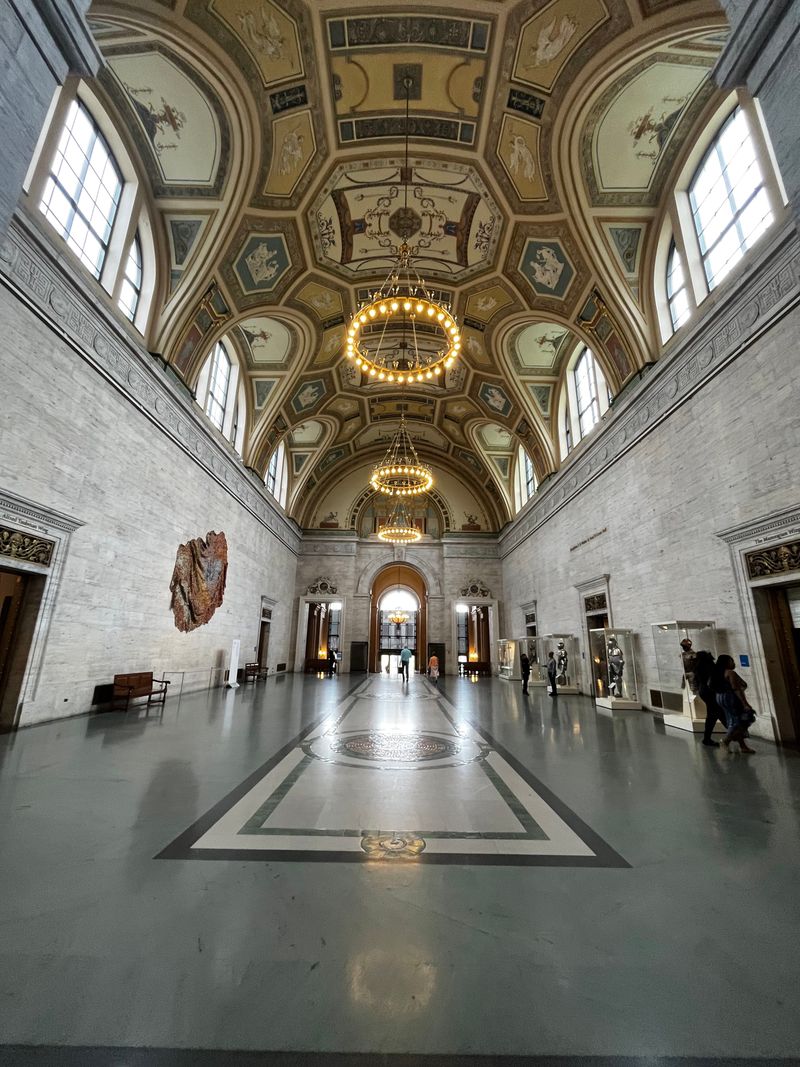
Walking through the doors at 5200 Woodward Avenue felt like stepping into a treasure chest of human creativity.
The DIA houses more than 65,000 artworks spanning centuries and continents, making it one of the most impressive art collections in the entire country.
I stood speechless in front of Diego Rivera’s Detroit Industry Murals, which wrap around an entire courtyard and tell the story of Detroit’s manufacturing power.
Every gallery offers something different, from ancient Egyptian artifacts to contemporary pieces that challenge how you see the world.
The museum’s architecture alone is worth the trip, with soaring ceilings and natural light that makes the art glow.
Admission is surprisingly affordable, and residents of certain counties can even enter for free.
Plan to spend at least half a day here because rushing through would be a crime against culture.
This place reminds you why art matters and why Detroit remains a cultural powerhouse.
2. The Henry Ford Museum & Greenfield Village – Dearborn

History came roaring to life when I visited 20900 Oakwood Boulevard in Dearborn.
The Henry Ford Museum is massive, filled with iconic pieces of American history like the bus Rosa Parks rode and the presidential limousine from that tragic day in Dallas.
Greenfield Village next door lets you wander through actual historic buildings, including Thomas Edison’s laboratory and the Wright Brothers’ bicycle shop.
I rode in a Model T and watched craftspeople demonstrate skills from centuries past, which felt like time travel without the sci-fi complications.
The sheer variety keeps you engaged for hours, whether you’re into transportation, innovation, or social history.
Kids and adults alike find something to marvel at, making it perfect for families or solo explorers.
Wear comfortable shoes because you’ll be covering serious ground.
This spot proves that learning about the past can be thrilling and fun.
3. Motown Museum (Hitsville U.S.A.) – Detroit
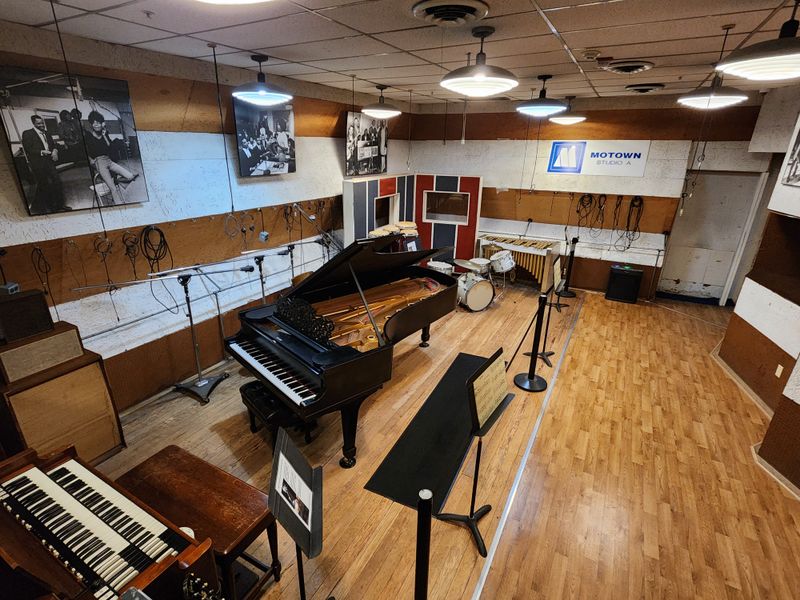
The small blue house at 2648 West Grand Boulevard holds an outsized place in music history.
Standing in Studio A, where legends like Stevie Wonder and The Supremes recorded their hits, gave me goosebumps that lasted the entire visit.
The Motown Museum preserves the original recording studio, complete with instruments and equipment from the golden era of soul music.
You can see the actual apartment upstairs where Berry Gordy lived while building his empire, which shows how humble beginnings can lead to worldwide influence.
The tour guides share stories that bring the music to life, explaining how the Motown sound changed American culture forever.
I found myself humming classic tunes for days after leaving.
The museum is small but mighty, packing incredible history into every room.
Music fans absolutely cannot skip this spot when visiting Detroit.
4. Fox Theatre – Detroit
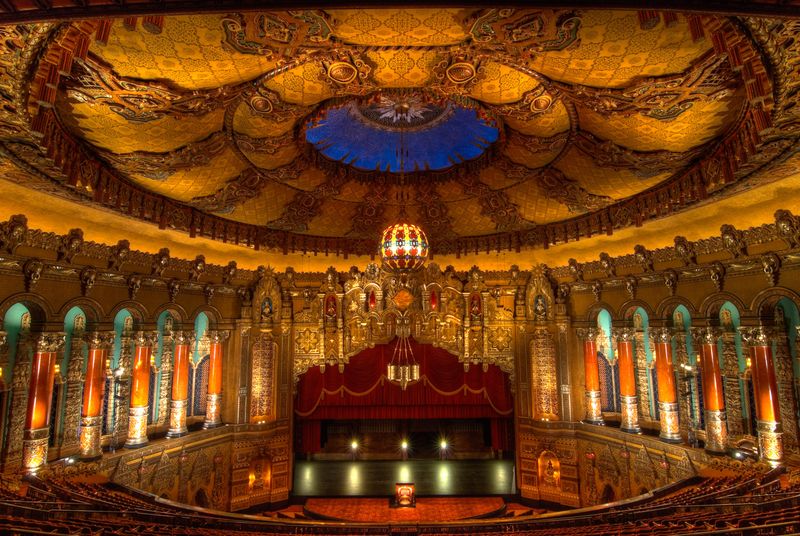
Opulence smacked me in the face the moment I entered 2211 Woodward Avenue.
The Fox Theatre is a 1928 movie palace that’s been restored to jaw-dropping glory, with gold leaf, intricate plasterwork, and a ceiling that looks like a starry night sky.
I caught a Broadway show here, and the acoustics were so perfect that every whisper on stage reached the back rows.
The architecture blends Asian, Egyptian, and Art Deco influences in ways that shouldn’t work together but somehow create magic.
Even if you’re not seeing a performance, the building tour alone is worth your time and money.
The Fox hosts everything from concerts to comedy shows, so there’s always something happening.
Sitting in those plush seats made me feel like royalty from a bygone era.
Detroit’s entertainment scene shines brightest in this stunning venue.
5. Frederik Meijer Gardens & Sculpture Park – Grand Rapids
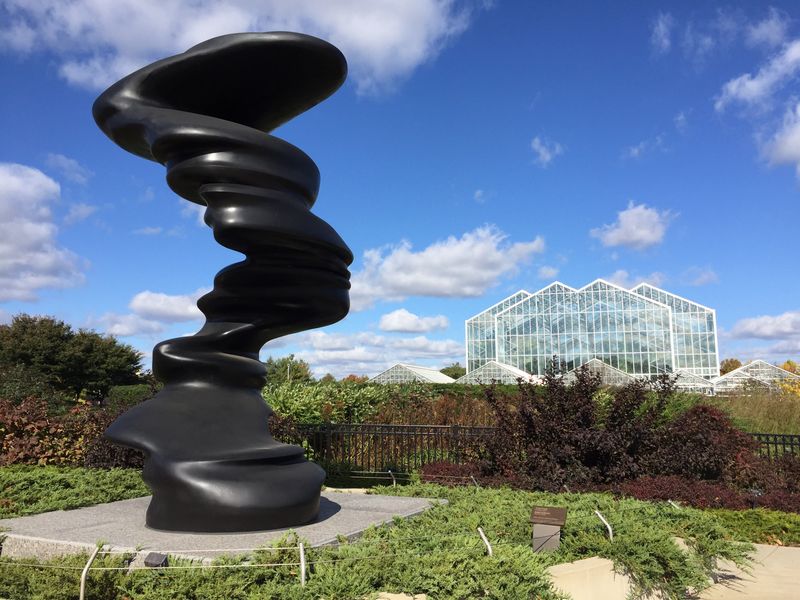
Nature and art hold hands beautifully at 1000 East Beltline Avenue Northeast in Grand Rapids.
Frederik Meijer Gardens spans 158 acres of meticulously designed landscapes dotted with world-class sculptures that range from whimsical to thought-provoking.
I wandered through the tropical conservatory in February, surrounded by butterflies and exotic plants while snow fell outside.
The outdoor sculpture collection includes works by famous artists like Auguste Rodin and Henry Moore, casually placed among flowers and trees.
One afternoon, I got slightly lost in the Japanese Garden, which turned out to be the highlight of my day.
Seasonal exhibits keep the experience fresh, so repeat visits never feel repetitive.
The combination of horticulture and sculpture creates a peaceful atmosphere that soothes your soul.
This garden proves that Grand Rapids has cultural depth beyond what most people expect.
6. Pewabic Pottery – Detroit
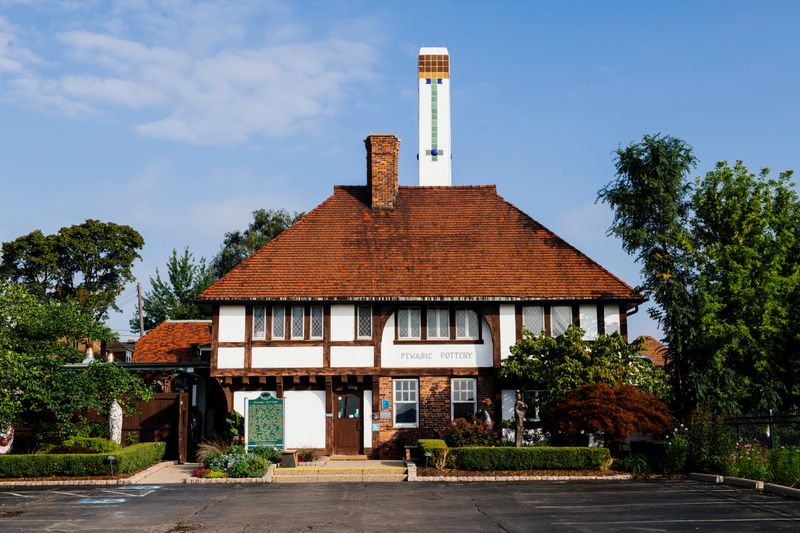
Ceramic magic happens daily at 10125 East Jefferson Avenue.
Pewabic Pottery has been creating stunning glazed tiles and vessels since 1903, and the building itself is covered in examples of their gorgeous iridescent work.
I took a tour and watched artisans shape clay with skills passed down through generations, which reminded me how important handmade craftsmanship remains.
The signature Pewabic glaze shimmers with colors that seem to change as you move around them, creating an almost mystical effect.
You’ll spot Pewabic tiles in buildings throughout Detroit and across the country, including churches, libraries, and private homes.
The gift shop offers beautiful pieces you can actually take home, from small tiles to full dinnerware sets.
Classes and workshops let visitors try their hand at pottery, though my attempts looked more abstract than intended.
This place celebrates Detroit’s artistic heritage in the most tangible way possible.
7. Ford Piquette Avenue Plant (Model T Heritage Site) – Detroit

Automotive history whispers from every corner of 461 Piquette Avenue.
The Ford Piquette Avenue Plant is where Henry Ford designed the Model T, the car that literally put America on wheels and changed transportation forever.
Walking through the original factory floor, I could almost hear the hammers and see the workers assembling those revolutionary vehicles.
The building has been preserved rather than overly restored, giving it an authentic feel that polished museums sometimes lack.
Vintage cars fill the space, showing the evolution of early automotive design in fascinating detail.
Knowledgeable guides share stories about Ford’s innovations and the workers who made it all possible.
The wooden floors creak beneath your feet, adding to the time-travel sensation.
Car enthusiasts and history buffs both find plenty to love at this underappreciated gem.
8. Detroit Opera House – Detroit
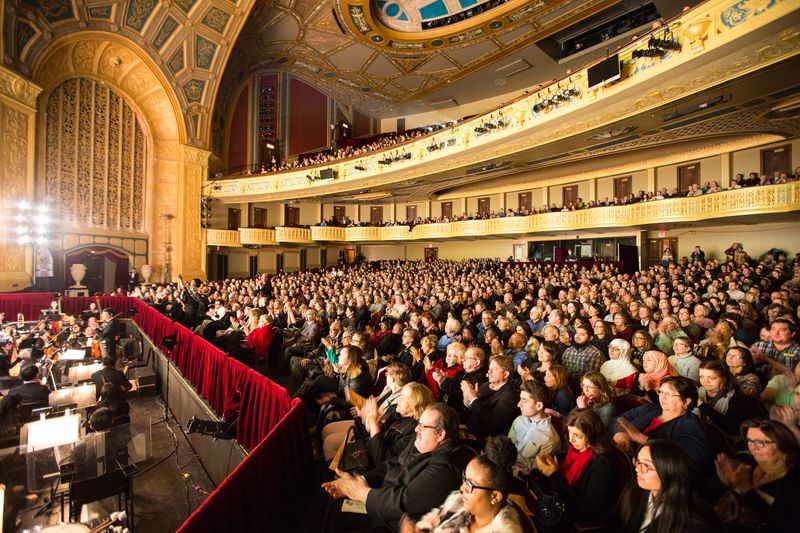
Elegance and artistry collide spectacularly at 1526 Broadway Street.
The Detroit Opera House opened in 1922 and has hosted countless performances that showcase the highest levels of human vocal and dramatic talent.
I attended an opera here without knowing much about the art form, and the experience converted me into a fan.
The Italian Renaissance-style interior features elaborate moldings, chandeliers, and a color scheme that makes you feel fancy just by sitting there.
The acoustics are engineered so perfectly that even the softest sung notes reach every seat with crystal clarity.
Beyond opera, the venue hosts ballet, Broadway tours, and special events throughout the year.
The restoration work done in the 1990s brought the building back from near-ruin to its current glory.
Experiencing live performance in this historic space reminds you why theater matters to communities.
9. Charles H. Wright Museum of African American History – Detroit

Powerful stories unfold throughout 315 East Warren Avenue.
The Charles H. Wright Museum is the largest institution dedicated to African American history and culture, with exhibits that educate, challenge, and inspire.
The core exhibit, “And Still We Rise,” takes you on a chronological journey from Africa through slavery, civil rights, and contemporary achievements.
I spent over three hours there and still felt like I’d only scratched the surface of what the museum offers.
Interactive displays and multimedia presentations make the experience engaging for all ages and learning styles.
The museum doesn’t shy away from difficult topics, presenting history with honesty and respect.
Special exhibitions rotate regularly, covering everything from music to sports to social movements.
Leaving this place, I felt both sobered by the struggles and uplifted by the resilience and contributions documented inside.
10. Great Lakes Shipwreck Museum & Whitefish Point Light Station – Upper Peninsula
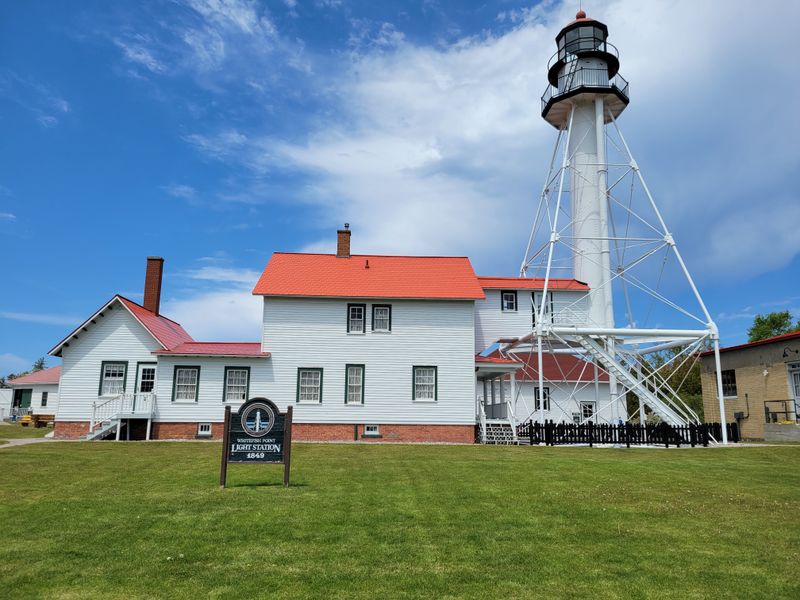
The haunting beauty of Lake Superior surrounds 18335 North Whitefish Point Road in Paradise.
The Great Lakes Shipwreck Museum sits at Whitefish Point, where countless vessels met their fate in the treacherous waters known as the “Graveyard of the Great Lakes.”
The museum displays artifacts recovered from shipwrecks, including the bell from the Edmund Fitzgerald, which gives you chills when you see it.
Standing at the lighthouse, I watched waves crash against the shore and understood why sailors both loved and feared these waters.
Exhibits explain the science of shipwrecks, the history of maritime commerce, and the brave efforts of rescue teams.
The remote location adds to the atmosphere, making you feel connected to the rugged spirit of the region.
Bird watchers also flock here because Whitefish Point is a major migration stopover.
This museum honors those lost at sea while celebrating Great Lakes maritime heritage.
11. Cranbrook Art Museum – Bloomfield Hills
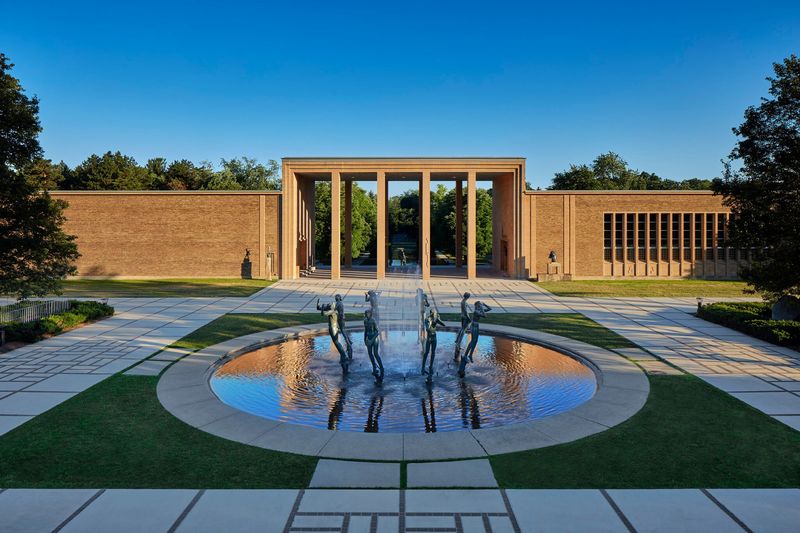
Contemporary creativity thrives at 39221 Woodward Avenue in Bloomfield Hills.
Cranbrook Art Museum sits on a stunning campus that’s also home to prestigious schools, gardens, and architecture that’s art in itself.
The museum focuses on modern and contemporary works, with rotating exhibitions that push boundaries and make you think differently about art.
I visited during a fiber arts show and discovered that textiles could be just as powerful as paintings or sculptures.
The building’s design complements the art perfectly, with clean lines and natural light that enhance rather than compete with the displays.
Cranbrook’s connection to the Arts and Crafts movement gives it historical significance beyond its current exhibitions.
The grounds invite exploration, with fountains, sculptures, and buildings designed by renowned architects.
This cultural oasis offers a sophisticated art experience in a serene suburban setting.
12. Fallasburg Historic Village & Covered Bridge – Lowell
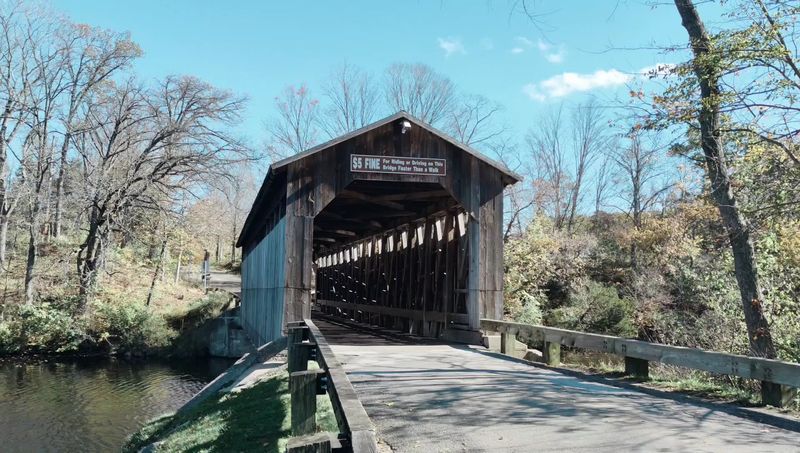
Rural Michigan charm radiates from every weathered board in Fallasburg.
The covered bridge, built in 1871, spans the Flat River near Lowell and remains one of the oldest functioning covered bridges in the state.
Walking through the bridge, I felt transported to a simpler time when communities gathered at places like this for connection and commerce.
The historic village includes a schoolhouse, church, and other preserved buildings that show how people lived in 19th-century rural Michigan.
Volunteers maintain the site with obvious love and dedication, keeping history accessible for future generations.
The surrounding park offers picnic areas and trails, making it perfect for a leisurely afternoon.
Photographers adore this spot because the bridge and river create picture-perfect compositions in every season.
This hidden treasure proves that cultural significance doesn’t always come with big-city addresses.