
10 Quirky Florida Destinations Perfect For An Offbeat Adventure
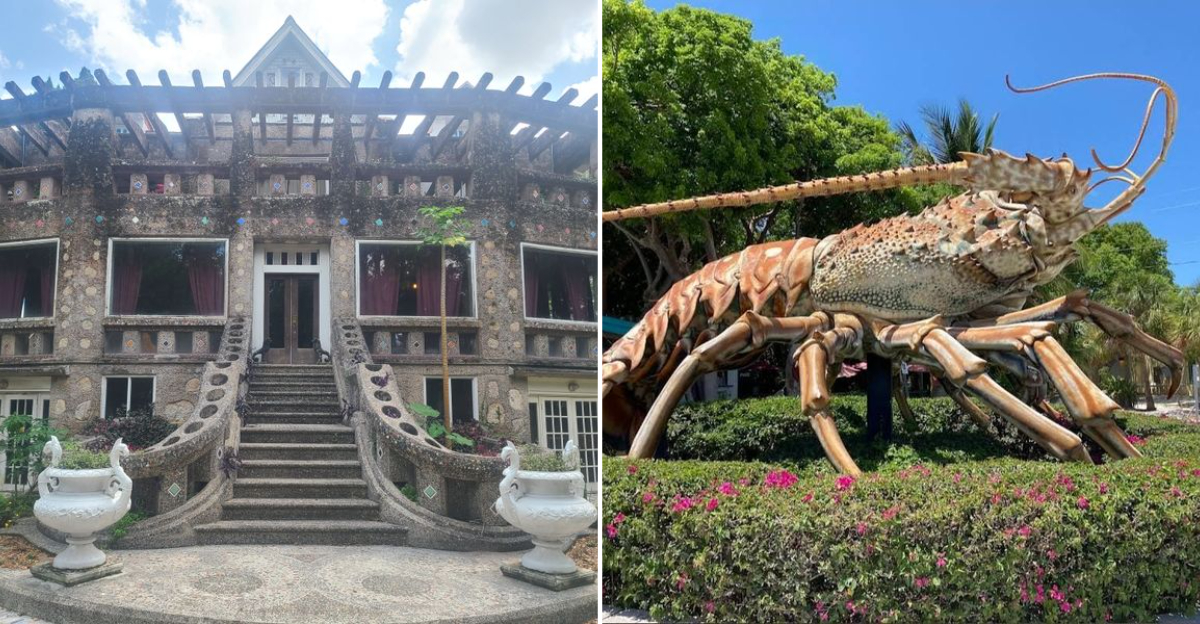
Florida isn’t just about theme parks and sandy beaches, there’s a wonderfully weird side waiting to be explored.
From mermaids swimming in crystal-clear springs to gravity-defying hills and gigantic roadside alligators, the Sunshine State serves up some seriously strange attractions.
If you’re tired of the typical tourist traps and crave something genuinely unusual, these offbeat destinations will deliver unforgettable memories and plenty of stories to share.
Get ready to discover a Florida that’s stranger, funnier, and far more fascinating than you ever imagined.
1. Weeki Wachee Springs State Park: Mermaids & Spring Fun – Spring Hill
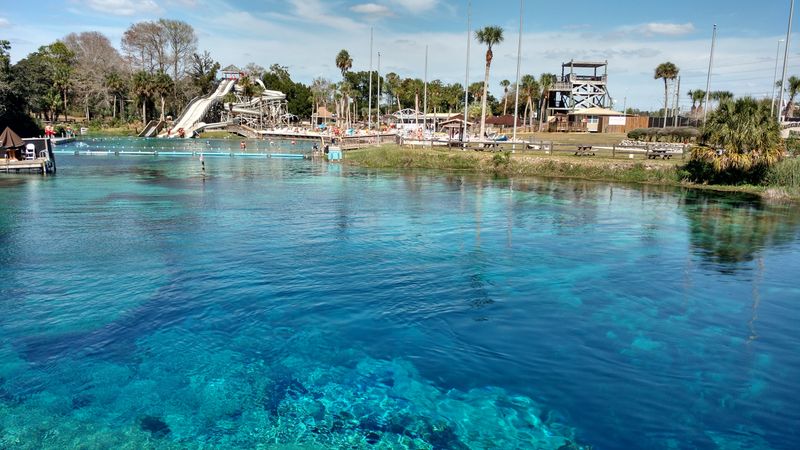
Ever wondered what mermaids do for a living? At Weeki Wachee Springs State Park (6131 Commercial Way, Spring Hill, FL 34606), they’ve been putting on shows since 1947, making this one of Florida’s oldest roadside attractions that refuses to grow old.
Real women transform into mythical creatures, performing underwater ballet in a natural spring that pumps out 117 million gallons of fresh water daily.
The clarity is so remarkable you can count the bubbles rising from their air hoses (because even mermaids need oxygen, sadly).
These aquatic acrobats eat bananas underwater, sip Grapette, and somehow manage to smile continuously while holding their breath for impressive stretches.
The park offers more than just mermaid magic, though.
You can kayak down the pristine Weeki Wachee River, spotting manatees, turtles, and fish in water so clear it feels like floating through liquid glass.
Buccaneer Bay water park provides slides and a lazy river-like float experience, but some features operate seasonally or on limited days, so it’s smart to check the current schedule before you go.
The whole experience feels delightfully retro, like stepping into a 1950s postcard where mermaids were peak entertainment.
Families adore this place because it combines natural beauty with campy fun. Kids leave absolutely convinced mermaids exist, and honestly, who are we to argue?
2. Spook Hill – Lake Wales
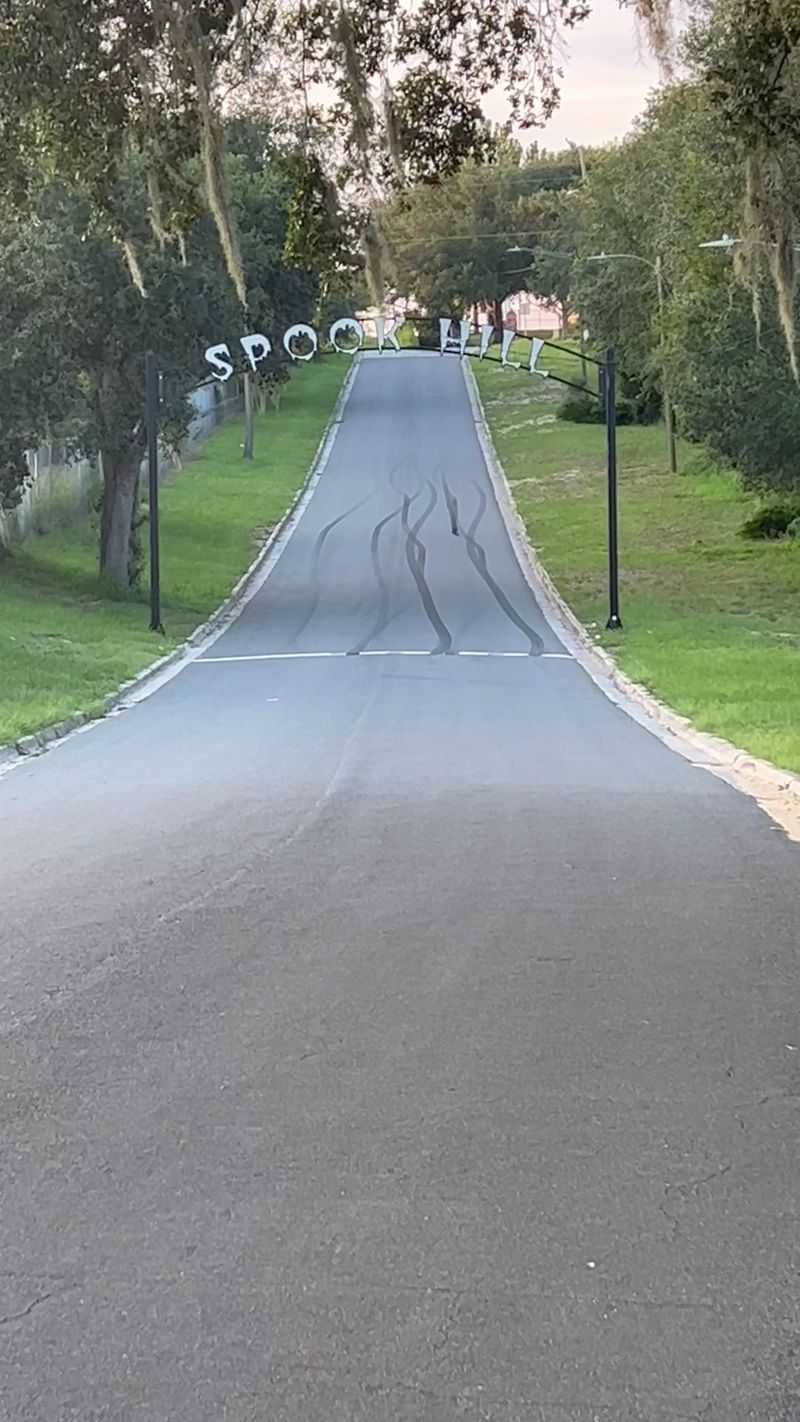
Physics teachers everywhere cringe when visitors experience Spook Hill (600 N Wales Dr, Lake Wales, FL 33853), where cars seemingly defy gravity by rolling uphill.
This isn’t some elaborate theme park trick—it’s a genuine optical illusion created by the surrounding landscape’s peculiar slopes.
Legend claims a giant alligator once terrorized the area until a brave Native American chief battled the beast. The chief won, but locals believe the gator’s ghost now pushes cars up the hill, apparently having nothing better to do in the afterlife.
Visiting requires zero admission fee and takes about five minutes, making it possibly the most efficient tourist attraction in Florida.
You simply park at the white line, shift into neutral, and watch your vehicle mysteriously roll backward up the incline.
The surrounding neighborhood has embraced its strange claim to fame, with Spook Hill Elementary School nearby featuring a ghost logo.
Street signs warn drivers about the phenomenon, though most are too busy filming their rolling cars to notice.
Skeptics explain it as a gravity hill, where the horizon line tricks your brain into perceiving downhill as uphill. Believers prefer the alligator ghost theory because it’s infinitely more entertaining.
Either way, this free oddity delivers maximum weirdness with minimum time investment, perfect for road-trippers seeking quick quirky stops.
3. Rain Barrel Village – Islamorada
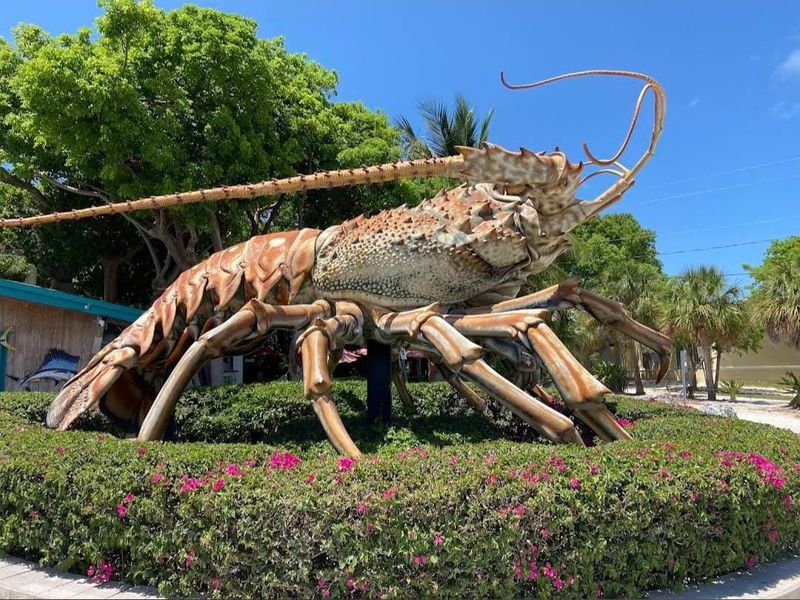
Tucked along the Overseas Highway sits Rain Barrel Village (86700 Overseas Hwy, Islamorada, FL 33036), an artist colony that feels like stumbling into a tropical bohemian dream.
This isn’t your typical strip-mall shopping experience, it’s where creativity runs wild under swaying palm trees.
Long a classic Keys roadside stop, the village is known for its cluster of galleries and shops and, of course, the giant “Betsy the Lobster” out front.
Sculptors weld metal into fantastical creatures while painters capture the Keys’ legendary sunsets on canvas.
The architecture itself qualifies as quirky, with buildings constructed from salvaged materials and decorated with found objects that blur the line between structure and sculpture.
Driftwood, old boat parts, and colorful mosaics transform ordinary walls into conversation pieces.
Visitors can watch artists work in real-time, which beats staring at finished products in sterile galleries any day.
One studio might feature a potter shaping clay while reggae music drifts from speakers; another showcases a jewelry maker stringing shells into wearable art.
You might even spot a resident cat or two lounging on sun-warmed benches like furry proprietors.
Shopping here supports local creators rather than faceless corporations, and every purchase comes with a story.
Budget extra time because browsing these eclectic shops takes longer than expected when everything catches your eye.
4. Coral Castle Museum – Homestead
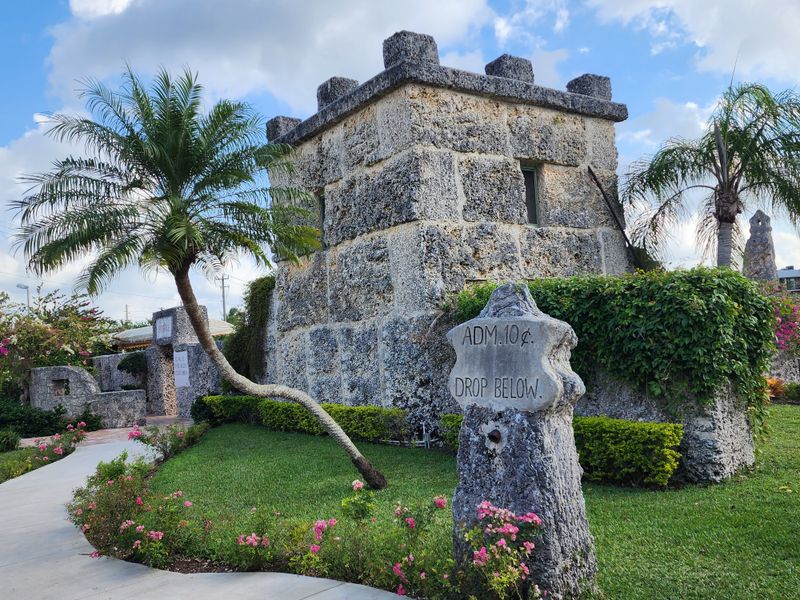
One lovelorn Latvian-born immigrant single-handedly built Coral Castle (28655 S Dixie Hwy, Homestead, FL 33033) from more than 1,000 tons of stone (a figure often cited), working mostly at night and refusing to reveal every detail of his methods.
Edward Leedskalnin was small in stature, yet somehow moved and shaped massive stones without modern heavy machinery.
He built this monument to a girl who broke off their engagement, which makes it either the world’s most impressive breakup response or a serious case of not moving on.
The castle features a two-story tower, massive stone furniture, and a nine-ton gate so perfectly balanced a child can push it open with one finger.
Engineers and conspiracy theorists have spent decades trying to explain Leedskalnin’s construction techniques.
Some claim he discovered anti-gravity secrets; others suggest he used ingenious leverage systems and incredible patience.
He left cryptic clues about magnetism and cosmic forces, fueling speculation that continues today. The truth probably involves block and tackle, tripods, and tireless determination, but the mystery adds delicious intrigue.
Wandering through this hand-carved complex feels surreal, especially knowing one heartbroken man created everything without help.
Stone rocking chairs, a sundial accurate to the minute, and a heart-shaped table demonstrate both engineering genius and romantic obsession.
The site has endured South Florida’s weather for decades, adding to the sense that Leedskalnin built for the ages, even if his love didn’t last.
5. Wonder House – Bartow
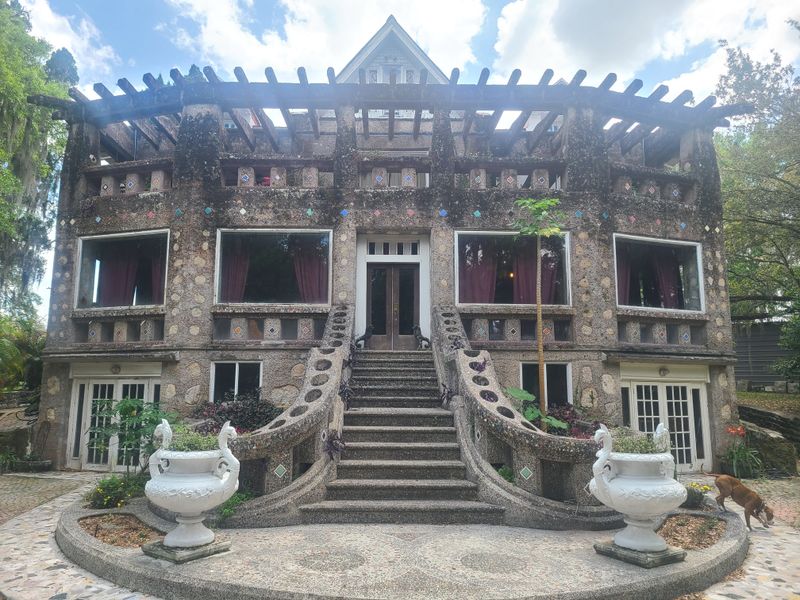
Shimmering like a giant baked potato wrapped in foil, Wonder House (1075 E Mann Rd, Bartow, FL 33830) proclaims itself “The Aluminum Marvel.”
Construction on the Wonder House began in the 1920s (often dated to 1926), created by inventor Conrad Schuck.
The Wonder House is famous for its eccentric, inventive features, so many clever “gadgets” and design tricks that it’s been nicknamed the “House of a Thousand Gadgets” and “The Crazy House.”
Inside, tours highlight Schuck’s ingenious touches and the home’s unusual architecture, plus ongoing restoration work that’s bringing the property back to life.
Guided tours reveal the home’s quirky built-ins and surprising problem-solving design ideas, and guides share stories about the house’s history and the people connected to it, adding human warmth to all the weirdness.
Outside, the place still feels delightfully dramatic and impossible to ignore—an architectural commitment to doing things differently. It’s the architectural equivalent of wearing a sequined jumpsuit to a funeral—impossible to ignore and slightly uncomfortable.
Tours are available, but they typically need to be booked online in advance since access is limited and the home is privately owned. Modern visitors appreciate the kitschy charm and pure commitment to a single design concept.
Admission is paid, and the experience delivers way more conversation fodder than your average stop. You’ll never look at aluminum foil the same way again.
6. Florida Citrus Tower – Clermont
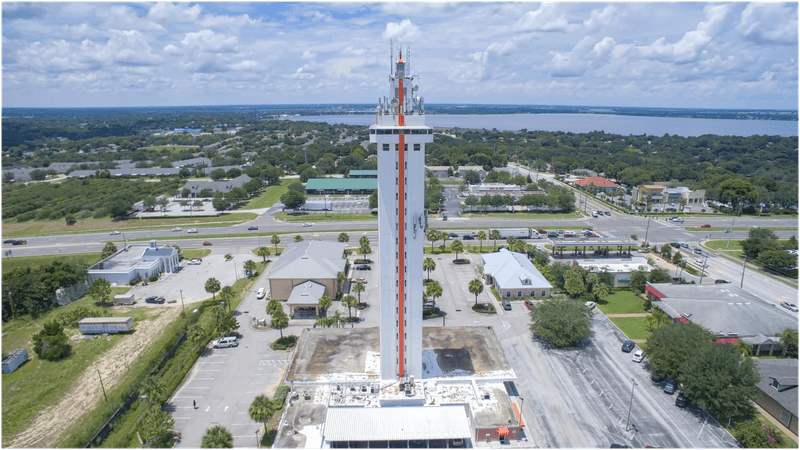
Standing 226 feet tall, Florida Citrus Tower (141 N Hwy 27, Clermont, FL 34711) was built in 1956 when Florida’s citrus industry ruled supreme and observation towers counted as thrilling entertainment.
This concrete monument to oranges offers 360-degree views from a glass-enclosed observation deck that seems hilariously unnecessary until you actually go up.
The elevator ride takes visitors up through the tower’s hollow core while recorded narration shares citrus facts with earnest enthusiasm. At the top, you can see for miles across Central Florida’s rolling hills—yes, Florida has hills, surprising everyone who assumes the state is pancake-flat.
On clear days, you can see for miles across Central Florida—lakes, highways, and plenty of modern development where orange groves once flourished (but not reliably “to both coasts”).
The citrus industry has largely moved south, making the tower a nostalgic reminder of Florida’s agricultural past.
The gift shop sells every orange-themed souvenir imaginable: orange marmalade, orange candy, orange-scented everything.
It’s aggressively committed to the citrus theme, which feels charmingly dated in the best way.
The tower survived plans for demolition and now operates as a beloved retro attraction. Visiting feels like time travel to an era when roadside towers and citrus groves defined Florida tourism.
Is it life-changing? No. Is it wonderfully weird and worth the detour?
Absolutely, especially if you appreciate mid-century Americana and vitamin C.
7. Headless Brontosaurus (Lake Lindsey Dinosaur) – Brooksville
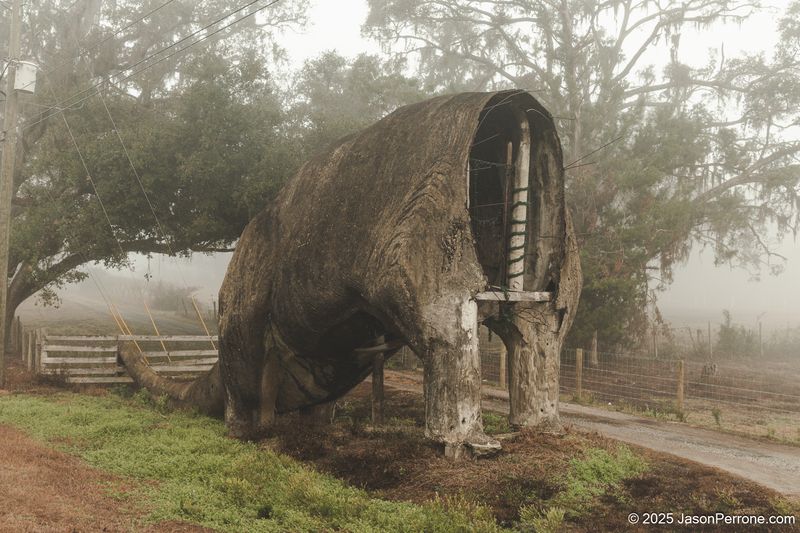
Looming near Brooksville along Lake Lindsey Road stands a massive concrete brontosaurus that’s famously headless and it appears to be headless because it was never finished, not because its head was confirmed “stolen.”
The Headless Brontosaurus (25421 Lake Lindsey Rd, Brooksville, FL 34601) has become more famous for what it’s missing than for what remains.
The property owner has declined to replace the head, perhaps recognizing that a headless dinosaur generates more interest than a complete one ever did.
Whatever the backstory, the headlessness has turned it into a cult favorite among roadside-attraction enthusiasts and local-history fans.
Social media has immortalized the bizarre sight, with visitors posing beneath the prehistoric amputee.
The dinosaur’s body remains impressively intact, showing the builder’s ambition even in its unfinished state.
Its long neck ends abruptly, creating an unsettling silhouette against Florida’s blue skies.
Because the sculpture is widely described as unfinished, the “where’s the head?” mystery is less about tracking down a missing piece and more about appreciating an oddball project that stopped mid-dream.
The mystery adds to the attraction’s appeal, making it a must-see for anyone collecting weird Florida stories.
Viewing is from the roadside only, as the dinosaur sits on private property. But honestly, seeing a giant headless dinosaur from the road provides plenty of impact without trespassing.
It’s magnificently pointless and wonderfully strange—peak Florida roadside weirdness.
8. Bok Tower Gardens – Lake Wales
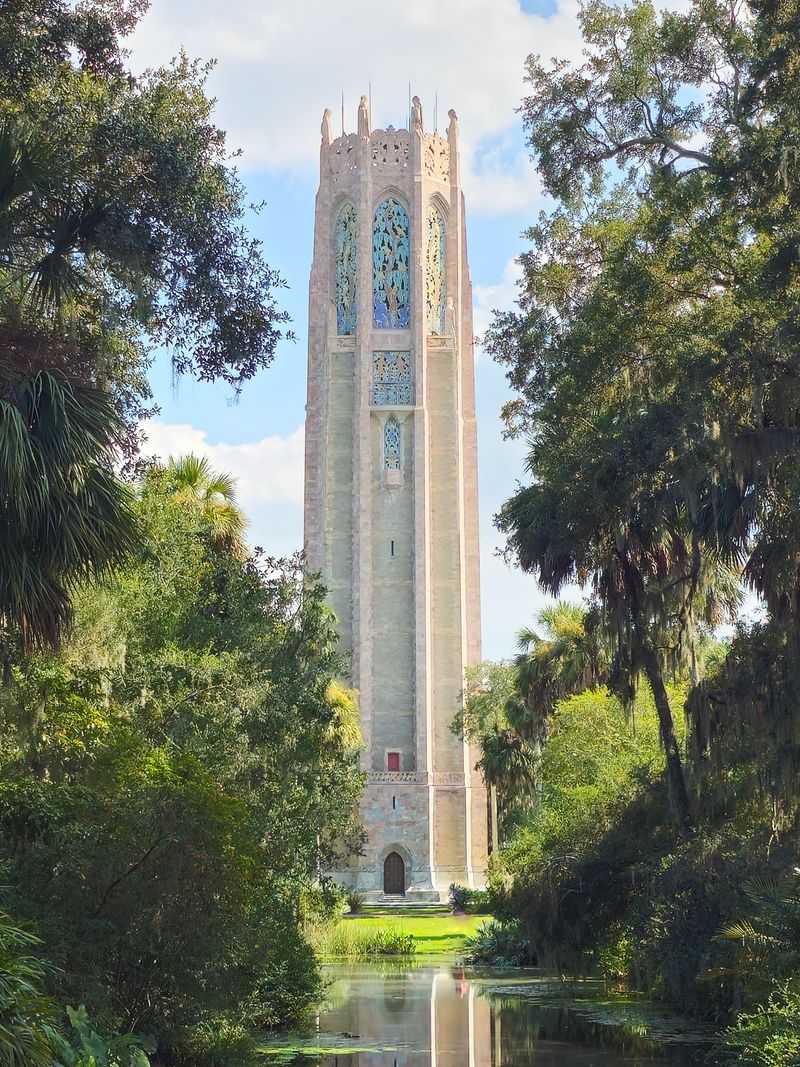
Atop Iron Mountain, one of the highest points in peninsular Florida (about 298 feet above sea level), sits Bok Tower Gardens (1151 Tower Blvd, Lake Wales, FL 33853), a 205-foot neo-Gothic tower that sings.
Publisher Edward Bok created this sanctuary in the 1920s as a thank-you gift to America for welcoming him as an immigrant.
The tower houses a 60-bell carillon that chimes daily concerts, filling the gardens with music that drifts through ancient oaks draped in Spanish moss. Listening to those bells while wandering manicured pathways feels like accidentally stepping into a fairy tale.
The gardens showcase native Florida plants alongside exotic species, creating a botanical wonderland that remains cool even during summer heat. Koi ponds, reflection pools, and hidden benches invite contemplation and provide Instagram-worthy backdrops.
The tower’s exterior features intricate tile work and sculptures depicting Florida wildlife and Biblical scenes. Visitors generally can’t climb the tower as part of standard admission, but the exterior (and the music) alone justifies the visit, especially when sunlight hits the pink and gray marble.
Occasional special programs may offer a closer look at the carillon’s performance side, but access is limited and not a guaranteed everyday option.
It’s far more physical than you’d imagine, basically a full-body workout that produces ethereal music.
The admission fee supports garden maintenance and preservation, money well spent considering the peaceful beauty.
Pack a picnic and budget several hours to fully appreciate this unexpected oasis of calm.
9. Monkey Jungle – Miami

At Monkey Jungle (14805 SW 216 St, Miami, FL 33170), the traditional zoo concept gets flipped, humans walk through caged tunnels while monkeys roam free.
This brilliant reversal makes you realize how strange regular zoos must seem to animals.
Founded by Joseph DuMond in 1933 as a semi-wild primate colony, Monkey Jungle is also commonly described by the park as “established in 1935” as a landmark attraction, so you’ll see both dates depending on whether a source is talking about the first release or the park’s formal establishment.
Today, several primate species swing through 30 acres of protected subtropical forest, doing monkey things without bars or barriers.
Visitors stroll through screened pathways while monkeys play, forage, and occasionally show off overhead. The experience feels more like a nature documentary come to life than a typical zoo visit.
Daily shows demonstrate natural behaviors and intelligence, with trainers explaining conservation efforts and primate social structures.
These aren’t circus performances, the monkeys do what they’d do anyway while humans watch respectfully from below.
The park participates in breeding programs for endangered species, including the adorable golden lion tamarin. Your admission directly supports these conservation initiatives, making the visit both entertaining and meaningful.
South Florida’s tropical climate allows the monkeys to thrive year-round, creating an environment that closely mimics their natural habitats.
The forest feels genuinely wild despite being carefully managed.
Bring patience and binoculars because the monkeys don’t perform on demand, they live their lives while you’re lucky enough to observe. That authentic wildness makes Monkey Jungle special.
10. Swampy the World’s Largest Alligator – Christmas
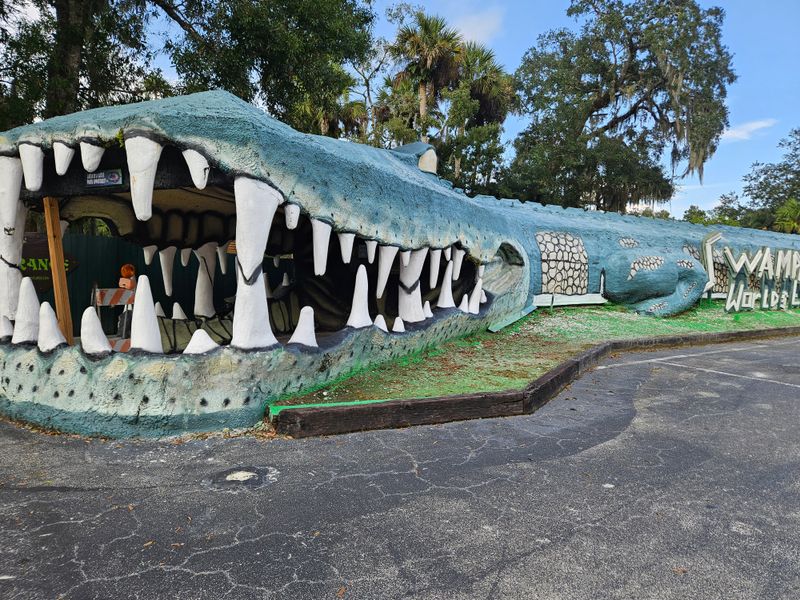
Stretching over 200 feet long, Swampy the World’s Largest Alligator (26205 E Colonial Dr, Christmas, FL 32709) guards the entrance area of Jungle Adventures with toothy enthusiasm—and the building houses visitor spaces like ticketing, offices, and a gift shop.
This isn’t just big, it’s absurdly, gloriously, unnecessarily enormous.
Built in the late 1980s (often dated to 1989), Swampy represents peak roadside-attraction philosophy: if something’s worth building, it’s worth building ridiculously oversized.
The concrete reptile has become a mandatory photo stop for anyone driving through Central Florida who appreciates magnificent pointlessness.
You can walk underneath Swampy’s belly, which feels vaguely threatening despite knowing it’s just painted concrete. The gift shop sells alligator-themed merchandise ranging from tasteful to tacky, with heavy emphasis on the latter.
The town of Christmas embraces its holiday name with year-round decorations, making Swampy’s location even more surreal. Where else can you photograph a giant alligator with Santa decorations in the background?
Swampy has survived hurricanes, changing ownership, and Florida’s notorious weather, proving that well-built roadside giants endure.
The structure has become a beloved landmark, prompting genuine concern whenever rumors of removal circulate.
Is there any practical reason for a 200-foot alligator? Absolutely not. Does that matter? Also absolutely not.
Swampy represents everything wonderful about American roadside culture.
The commitment to spectacle, the embrace of weirdness, and the belief that bigger always equals better. Stop, snap a photo, and embrace the glorious absurdity.