
The Long-Forgotten Dishes Florida Hotels Served Tourists In The 1960s
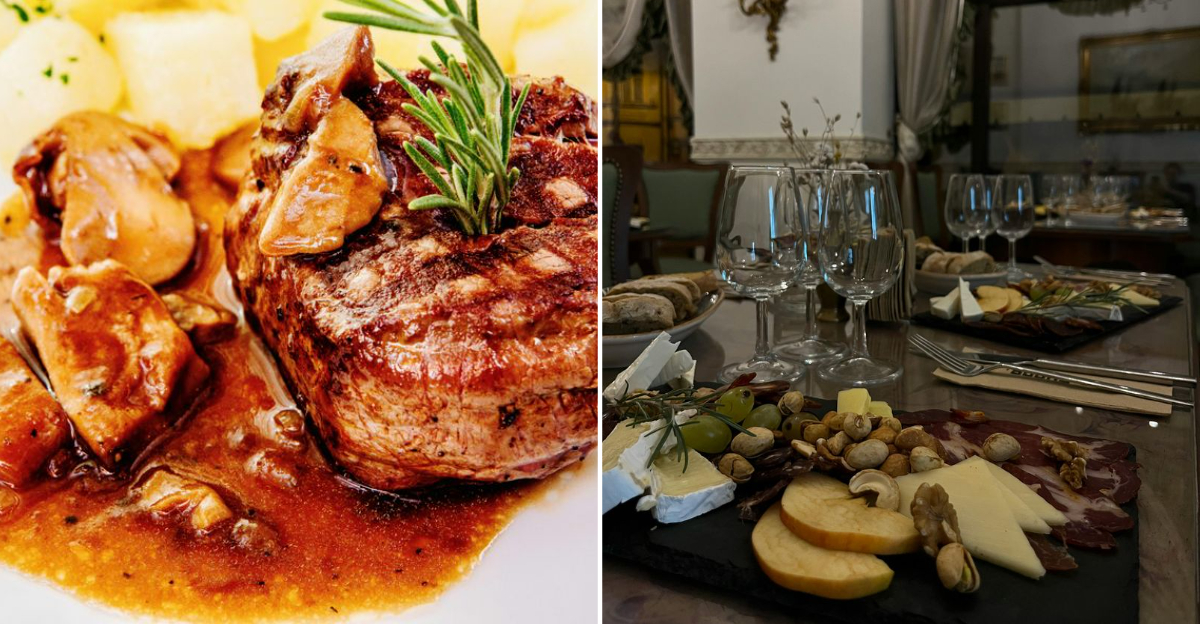
Florida’s golden age of tourism in the 1960s brought a wave of hungry vacationers to sunlit hotels and beachfront resorts, each eager to sample the era’s signature dishes.
Menu boards in hotel dining rooms showcased an array of comfort foods, elegant entrees, and theatrical desserts that defined mid-century American dining.
From flambéed bananas prepared tableside to creamy casseroles that warmed the soul, these dishes represented a time when meals were experiences, not just sustenance.
Today, many of these culinary treasures have faded from memory, replaced by modern tastes and trends, but they remain a delicious snapshot of hospitality history worth rediscovering.
1. Hamburger Steak with Brown Gravy
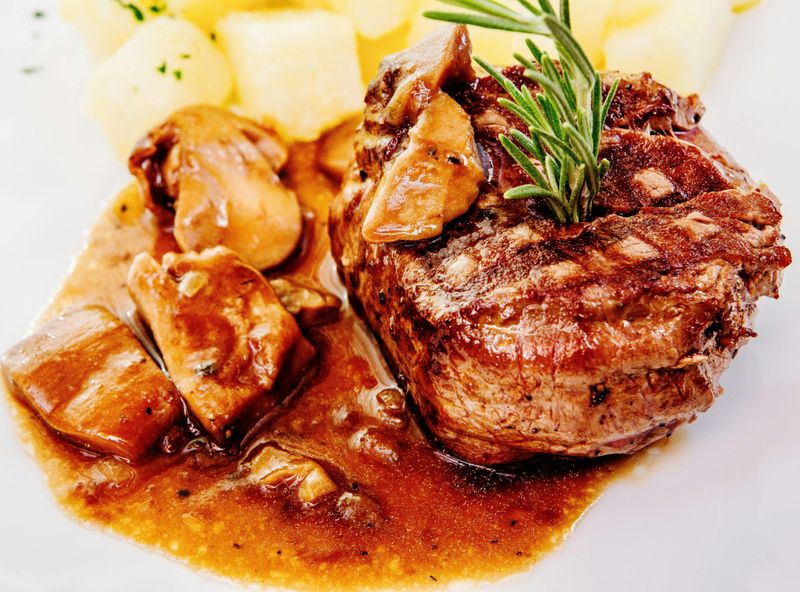
Picture a ground beef patty so thick and juicy it could pass for its fancier cousin, the ribeye, but without the hefty price tag.
Hamburger steak was a common mid-century hotel-menu item (in Florida and nationwide), often served with brown gravy as a budget-friendly, filling plate.
In major tourist hubs like Miami Beach, big resorts such as the Fontainebleau (4441 Collins Avenue, Miami Beach) anchored the kind of dining rooms where dishes like this frequently appeared on comfort-food sections of menus.
The magic lay in the preparation: skilled hotel chefs seasoned the beef generously, formed it into thick ovals, then pan-seared them to perfection before drowning them in that glorious gravy.
Paired with fluffy mashed potatoes and buttered vegetables, this plate represented honest, satisfying cooking that didn’t pretend to be something it wasn’t.
Rather than a guaranteed “any time of day” staple at every named property, think of hamburger steak as one of those dependable, era-appropriate hotel entrées that turned up frequently wherever tourists needed an affordable, hearty meal.
2. Steak Sandwich with Garnish
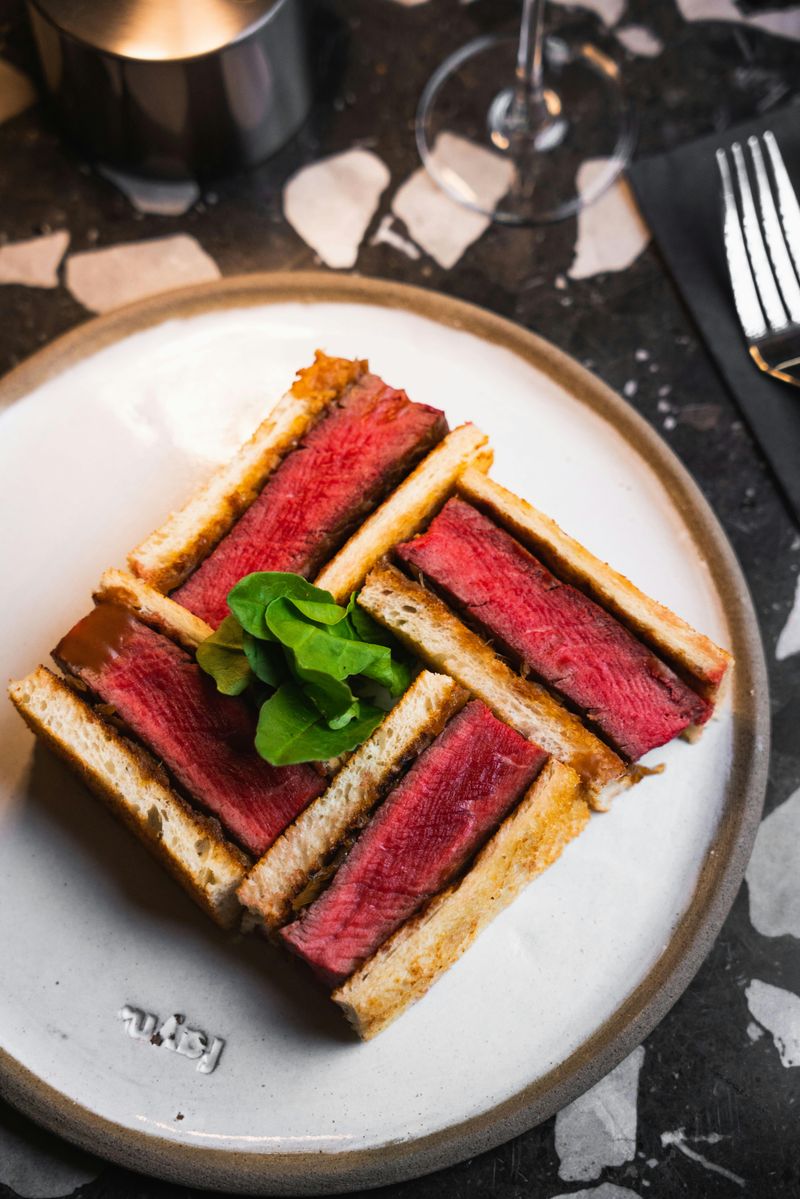
Nothing said “vacation indulgence” quite like sinking your teeth into a tender steak sandwich, especially when it arrived at your table dressed to the nines with elaborate garnishes.
Florida hotels in the 1960s transformed this simple concept into an art form, presenting thinly sliced sirloin on toasted bread surrounded by a rainbow of accompaniments that made the plate look like a still-life painting. The garnish wasn’t just decorative, it included crisp lettuce leaves, ripe tomato slices, tangy pickle spears, and sometimes even radish roses carved by talented kitchen staff.
Establishments like The Breakers Palm Beach, 1 South County Road, Palm Beach, FL 33480, elevated this sandwich to legendary status among their lunch offerings.
On a preserved Breakers luncheon menu from 1960 (cataloged as “circa 1960s”), a “Steak Sandwich” appears with garnish wording, making this one of the clearest documented examples.
The steak itself was typically cooked to order, sliced for easier eating, and arranged generously across buttered toast that soaked up the meat’s natural juices.
What made this dish particularly memorable was its versatility—equally appropriate for a casual poolside lunch or a light dinner after a day exploring the Everglades. The generous portion sizes ensured no tourist left the table hungry.
3. Cold-Cut Platter Deluxe
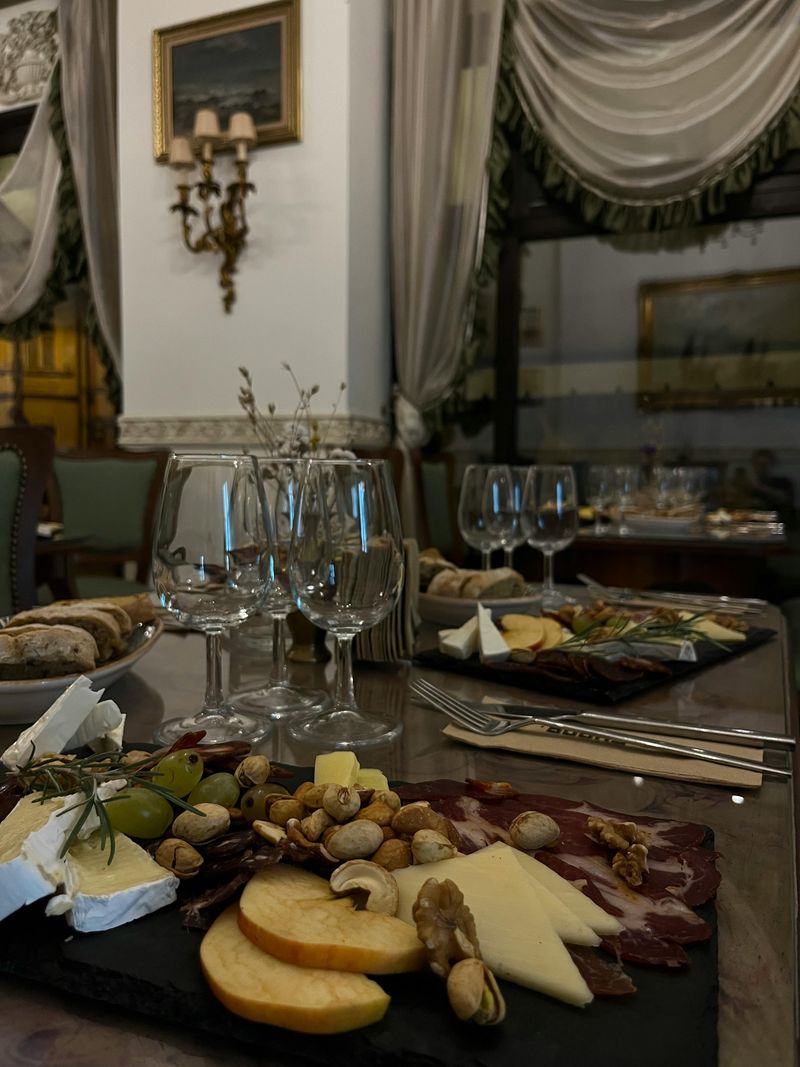
Before “charcuterie boards” became Instagram sensations, Florida hotels mastered the art of the cold-cut platter, a meticulously arranged composition of deli meats and accompaniments.
These platters represented culinary architecture at its finest, with rolled slices of ham, turkey, and salami standing at attention like edible soldiers alongside wedges of Swiss and American cheese.
Hotel chefs took pride in the visual presentation, often arranging everything in symmetrical patterns that would make a geometry teacher weep with joy.
Cold-cut platters like this were a widespread hotel dining-room standard of the era, prized for being filling, “neat,” and easy to serve at scale.
Hard-boiled egg halves, cherry tomatoes, crisp lettuce cups, and briny olives completed the ensemble, creating a meal that required no cooking yet satisfied completely.
This dish appealed especially to tourists seeking lighter fare after heavy breakfasts of pancakes and bacon. The beauty of the cold-cut platter lay in its customizability—diners could build their perfect bite, combining flavors and textures according to personal preference while enjoying the ocean breeze on hotel terraces.
4. Cottage Cheese and Fruit Diet Plate
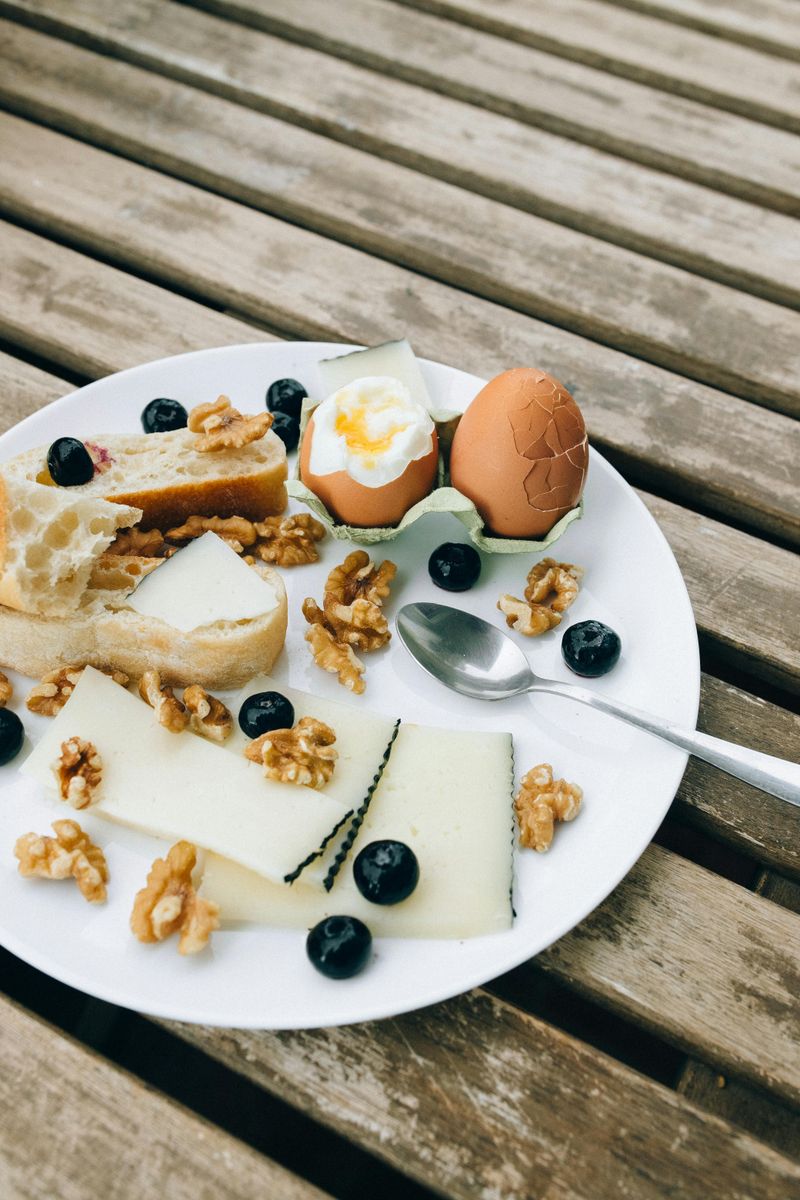
When beach season approached, tourists flocked to Florida with dreams of looking fabulous in their new swimwear, and hotels responded with the wildly popular cottage cheese diet plate.
This virtuous-looking arrangement featured a generous scoop of creamy cottage cheese as the centerpiece, surrounded by a colorful array of canned fruits that added sweetness without guilt. Hotels marketed this option as the healthy choice for figure-conscious guests, though nutritionists today might question the sugar content of those syrup-packed peaches.
The Eden Roc Miami Beach is an era-appropriate resort where diners could plausibly have encountered “diet plate” offerings built around cottage cheese and fruit.
Pineapple rings, peach halves, and maraschino cherries created a tropical tableau that screamed “Florida vacation” while the cottage cheese provided protein to sustain afternoon activities.
Lettuce leaves lined the plate like green doilies, adding freshness and a touch of sophistication. This dish represented the 1960s approach to dieting—portion control with a side of optimism and absolutely no understanding of macronutrients, but it made people happy nonetheless.
5. Orange Juice as First Course
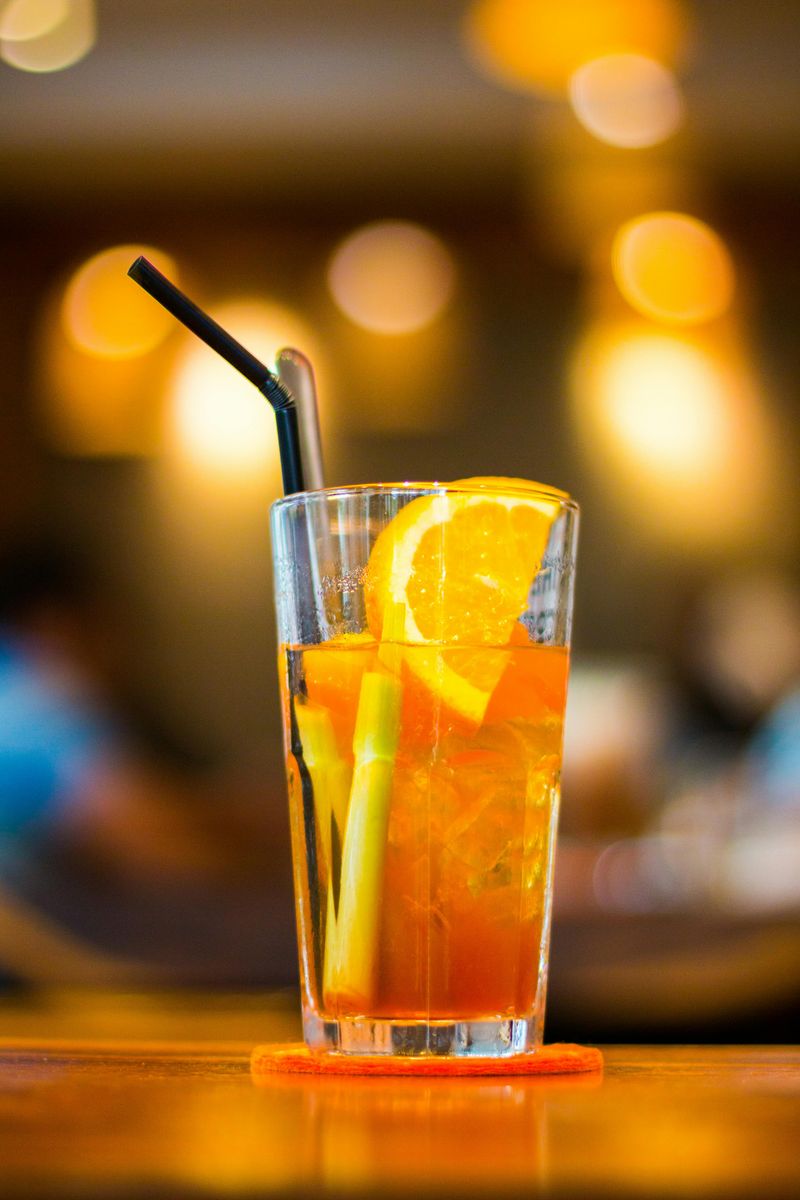
Florida’s liquid gold flowed freely in hotel dining rooms, where orange juice wasn’t merely a beverage but an honored course deserving its own moment in the meal.
Hotels throughout the Sunshine State celebrated their local citrus industry by presenting freshly squeezed orange juice in small, elegant glasses as the official start to breakfast or brunch. This wasn’t the carton juice we grab from supermarket shelves today, this was the real deal, squeezed that morning from oranges grown in nearby groves, pulpy and sweet with a brightness that woke up taste buds.
In many mid-century hotel dining rooms, juice could be presented as an opening “course” before the rest of breakfast unfolded, and some menus offered orange, tomato, or vegetable juice as part of that ritual.
This practice reflected the era’s more formal dining customs, where meals unfolded in distinct stages rather than arriving all at once. The juice course signaled the beginning of a leisurely dining experience, setting a relaxed vacation pace.
6. Classic Chef’s Salad Bowl
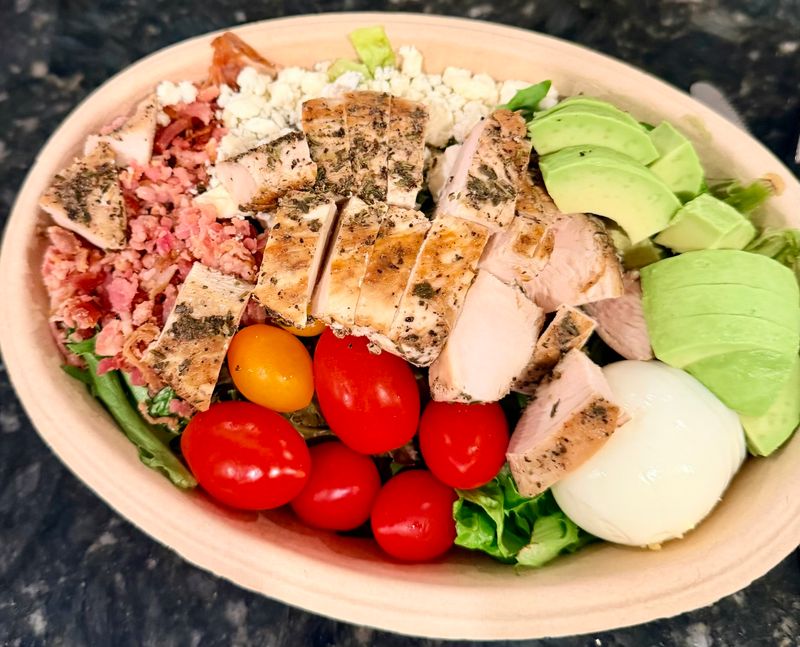
Behold the chef’s salad, a protein-packed mountain of ingredients that proved salads could indeed be substantial enough to satisfy hungry tourists.
This lunchtime staple transformed simple greens into a complete meal by adding julienned strips of ham, turkey, and cheese alongside hard-boiled eggs and fresh vegetables. Florida hotels prided themselves on their chef’s salads, often serving them in enormous wooden bowls that required both hands to lift.
The Pier House Resort & Spa fits the late-1960s Key West hotel scene, and chef’s-salad-style “meal salads” were exactly the kind of lunch offering travelers expected in that period.
Crisp iceberg lettuce formed the foundation, topped with neat rows of colorful ingredients arranged like edible artwork.
Thousand Island dressing reigned supreme as the topping of choice, its creamy, tangy sweetness coating every forkful. This dish represented the 1960s belief that anything could be a salad if you added enough protein and dressing, and honestly, tourists weren’t complaining as they devoured these satisfying bowls while planning their afternoon beach excursions.
7. Ice Cream Sundae Spectacular
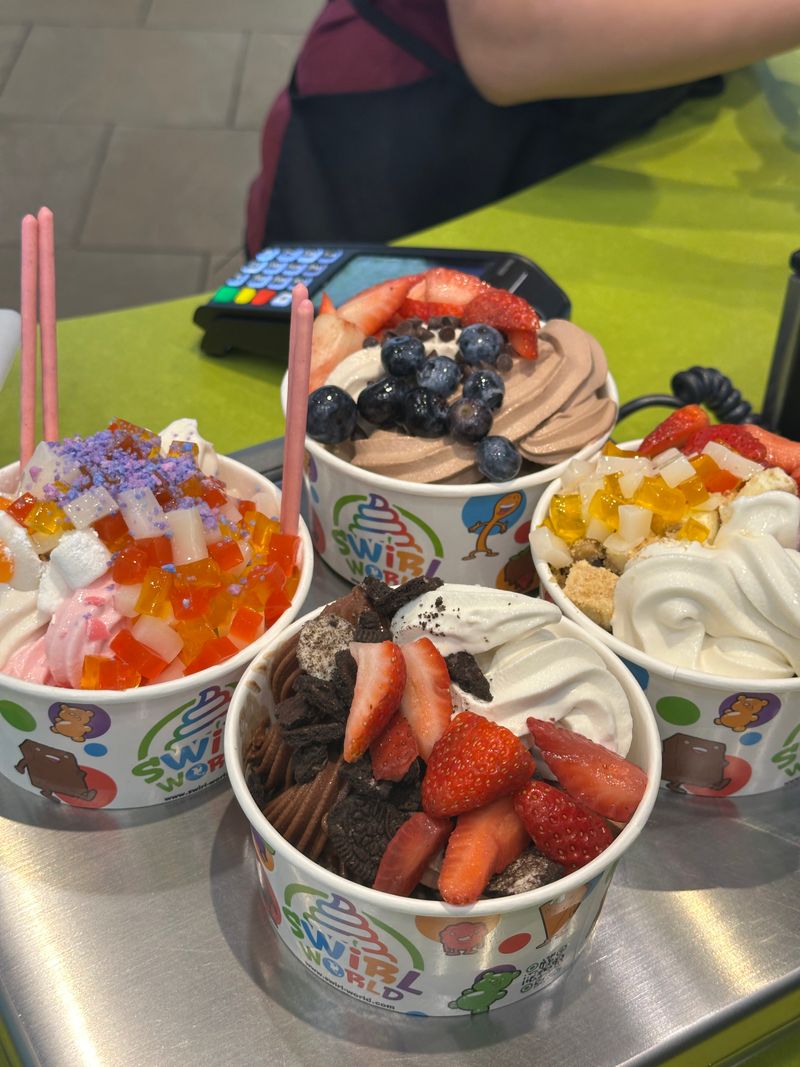
Forget minimalist desserts, the 1960s believed more was more, and nowhere was this philosophy more delicious than in the towering ice cream sundae.
Florida hotels constructed these frozen monuments to excess with architectural precision, starting with multiple scoops of ice cream and building upward with layers of toppings that defied gravity.
Hot fudge cascaded down vanilla mountains while whipped cream clouds supported bright red maraschino cherries like edible flags planted at the summit.
Miami Beach had plenty of settings for this kind of dessert showmanship, including now-vanished hotels like the Roney Plaza.
Children’s eyes grew wide at the possibilities, while adults abandoned all pretense of sophisticated dining to indulge their inner child.
These sundaes weren’t just desserts, they were experiences, conversation starters, and Instagram-worthy creations decades before Instagram existed.
The simple joy of a perfectly constructed sundae captured the carefree spirit of Florida vacations, one spoonful of melting ice cream at a time.
8. Chicken à la King in Patty Shell
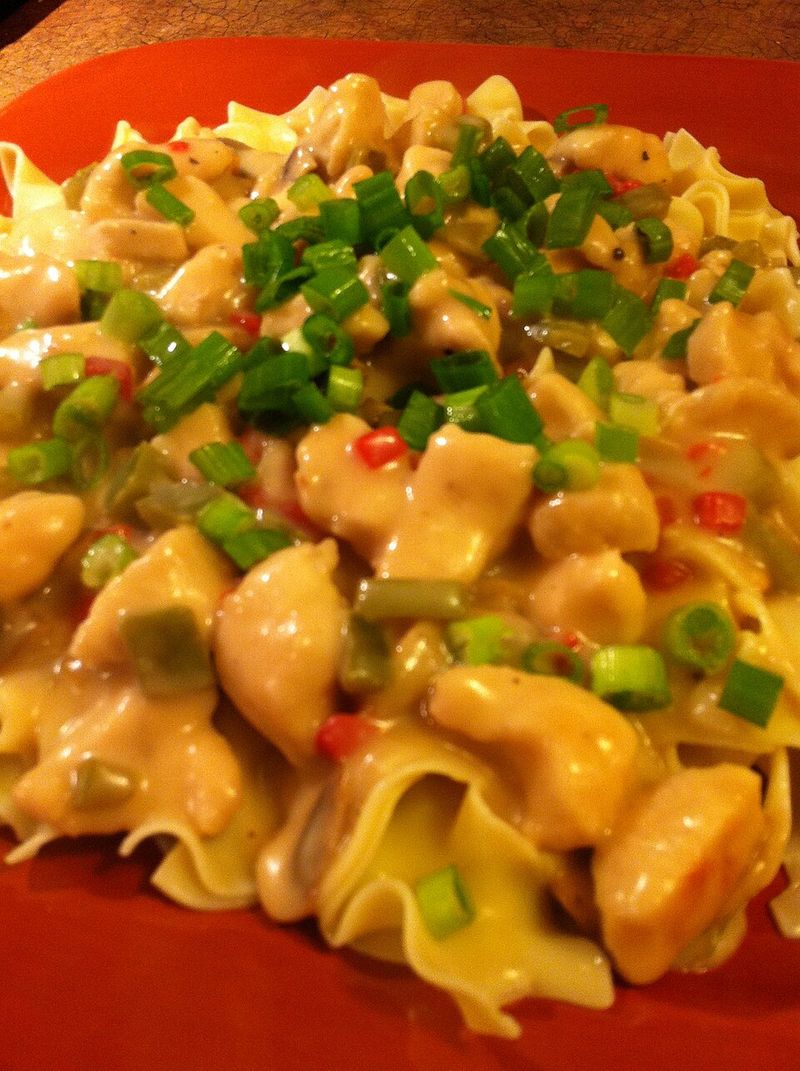
Crowned with a name fit for royalty, Chicken à la King delivered comfort food elegance that made tourists feel like dining aristocracy.
This creamy concoction combined tender chunks of chicken with a velvety white sauce studded with colorful pimientos, mushrooms, and sweet peas, all served in a flaky puff pastry shell that soaked up every drop of that luxurious sauce.
Florida hotels embraced this dish as a sophisticated lunch option that bridged the gap between casual and formal dining.
At a Palm Beach property like The Colony, Chicken à la King would have fit perfectly as a polished dining-room classic, rich, comforting, and “fancy” without being unfamiliar.
The dish arrived at tables steaming hot, the pastry shell golden and crisp, creating a textural contrast that elevated simple chicken to something memorable.
What made Chicken à la King particularly brilliant was its make-ahead nature, hotel kitchens could prepare the filling in advance, then assemble individual servings to order, ensuring consistent quality during busy lunch rushes.
This practical elegance defined 1960s hotel dining, where presentation mattered as much as taste.
9. Welsh Rarebit on Toast Points
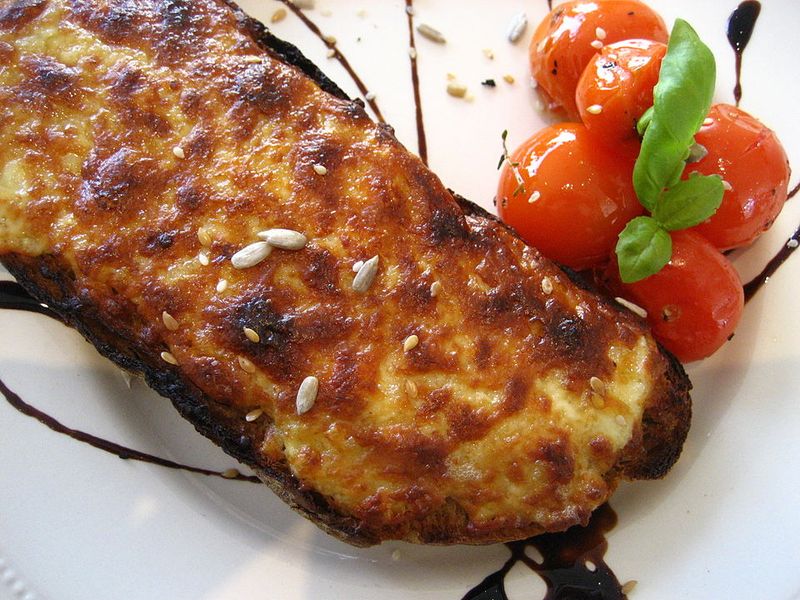
Despite its fancy British name, Welsh rarebit was essentially glorified cheese on toast, but oh, what glorious cheese it was!
Florida hotels elevated this simple concept into something special by preparing a rich cheese sauce with sharp cheddar, a touch of mustard, and carefully guarded secret ingredients that varied from kitchen to kitchen.
The mixture was poured generously over triangular toast points, then sometimes broiled until bubbling and golden, creating a dish that satisfied cheese lovers’ deepest cravings.
At a grand, long-running hotel like the Don CeSar, rarebit-style cheese-on-toast dishes were the kind of late-night or light-meal comfort food that could easily appear alongside more formal offerings, depending on the menu.
The beauty of this dish lay in its simplicity, quality cheese, properly toasted bread, and enough confidence to present it without apology.
Some versions included tomato slices beneath the cheese sauce, adding acidity to cut through the richness. This dish represented comfort food sophistication, proving that peasant fare could earn a place on elegant hotel menus when prepared with care and presented with style.
10. Lobster Newburg in Chafing Dish
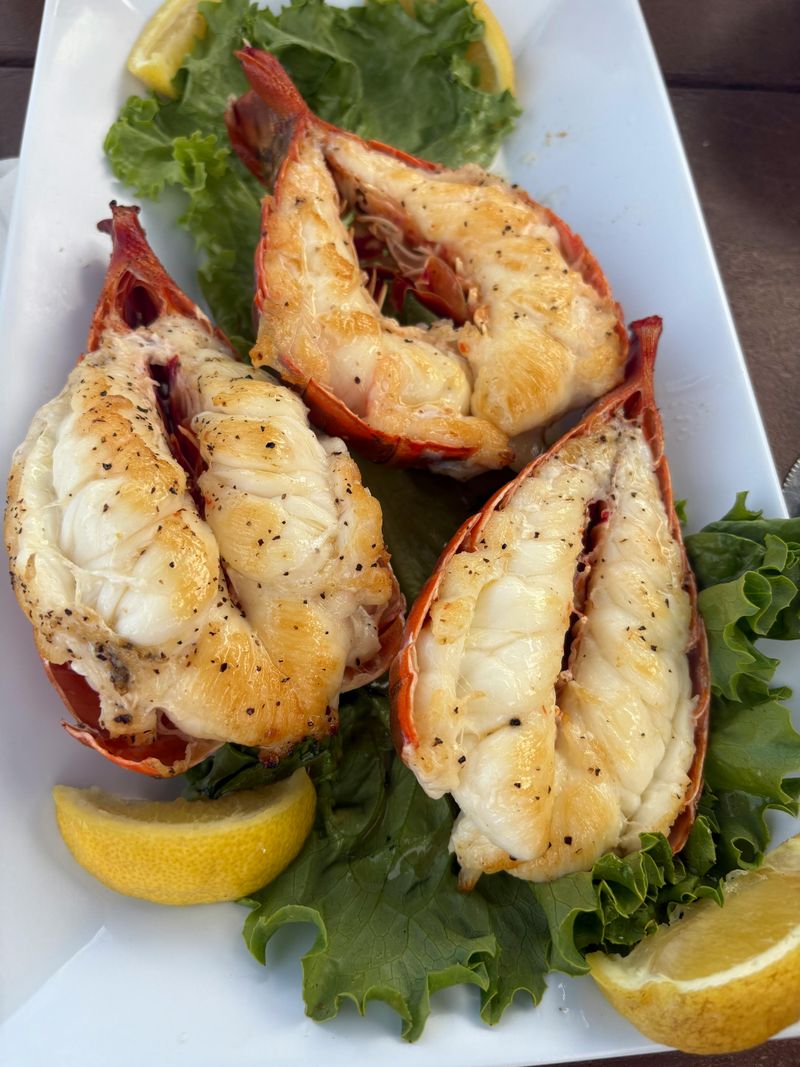
When tourists wanted to splurge on something truly decadent, Lobster Newburg answered the call with buttery, creamy, shellfish-filled magnificence.
This luxurious dish featured tender chunks of Florida lobster swimming in a rich sauce made with cream, egg yolks, and a splash of sherry that added sophisticated depth.
Hotels presented Newburg in gleaming silver chafing dishes that kept the sauce at perfect temperature while adding theatrical flair to the dining experience.
At a glamorous Miami Beach resort like the Fontainebleau, Lobster Newburg represents the sort of old-school luxury hotel dish that matched the era’s appetite for rich sauces, premium seafood, and a touch of dining-room drama.
What set hotel versions apart from home cooking was the quality of the lobster and the careful balance of flavors that prevented the sauce from overwhelming the delicate seafood.
This was special occasion food that made anniversaries and celebrations even more memorable against Florida’s tropical backdrop.
11. Turkey Tetrazzini Casserole
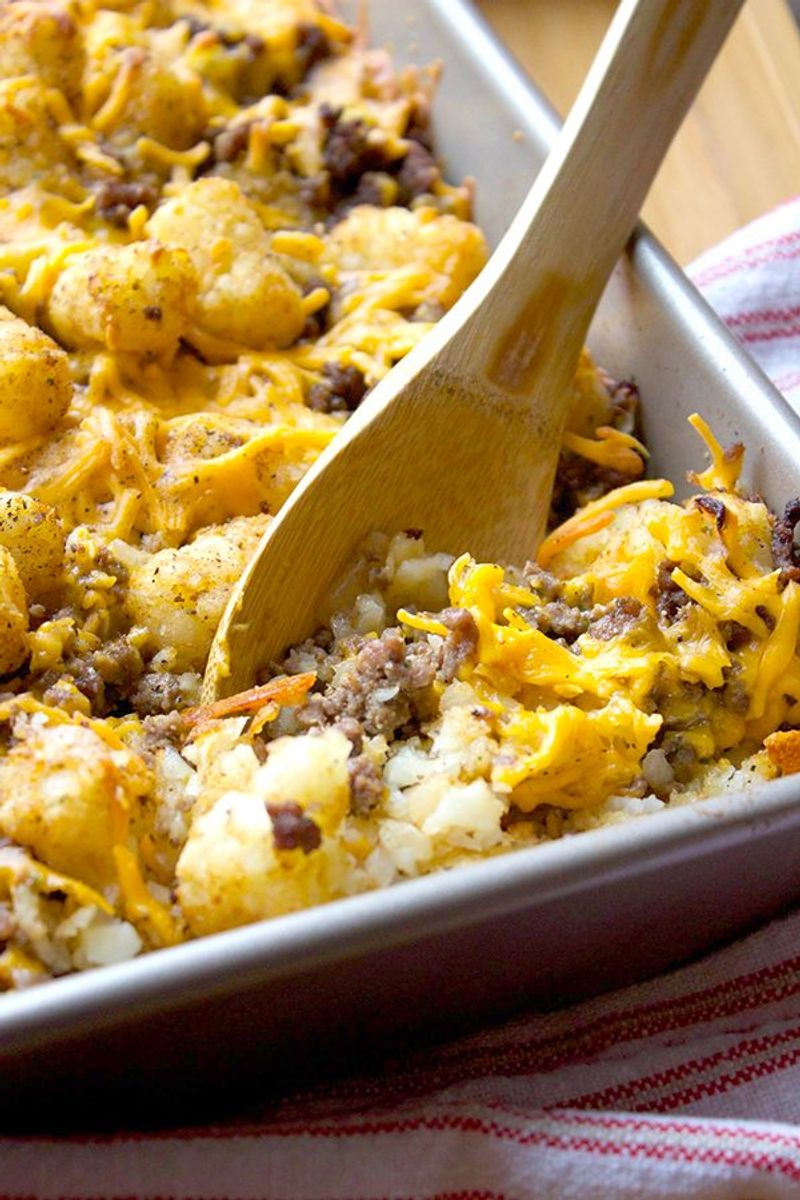
Named after an opera singer but beloved by regular folks, Turkey Tetrazzini brought Italian-American comfort food to Florida hotel buffets and dining rooms.
This hearty casserole combined leftover turkey (hotels always had plenty after their elaborate Sunday spreads) with spaghetti noodles, mushrooms, and a creamy sauce enriched with cheese and topped with buttery breadcrumbs.
The whole glorious mess was baked until golden and bubbling, creating a dish that satisfied hungry tourists after long days of sightseeing.
At a large historic hotel like the Vinoy, casseroles such as tetrazzini made practical sense for feeding crowds efficiently, especially when kitchens could turn roast-and-buffet leftovers into something comforting and “new.”
The casserole format made it perfect for feeding large groups efficiently, while the combination of protein, pasta, and vegetables created a complete meal in one convenient package.
What made this dish particularly smart from a hotel perspective was its ability to transform yesterday’s turkey into today’s crowd-pleaser, reducing waste while delighting guests who had no idea they were eating elegant leftovers.
Comfort food never tasted so sophisticated.
12. Baked Alaska Showstopper
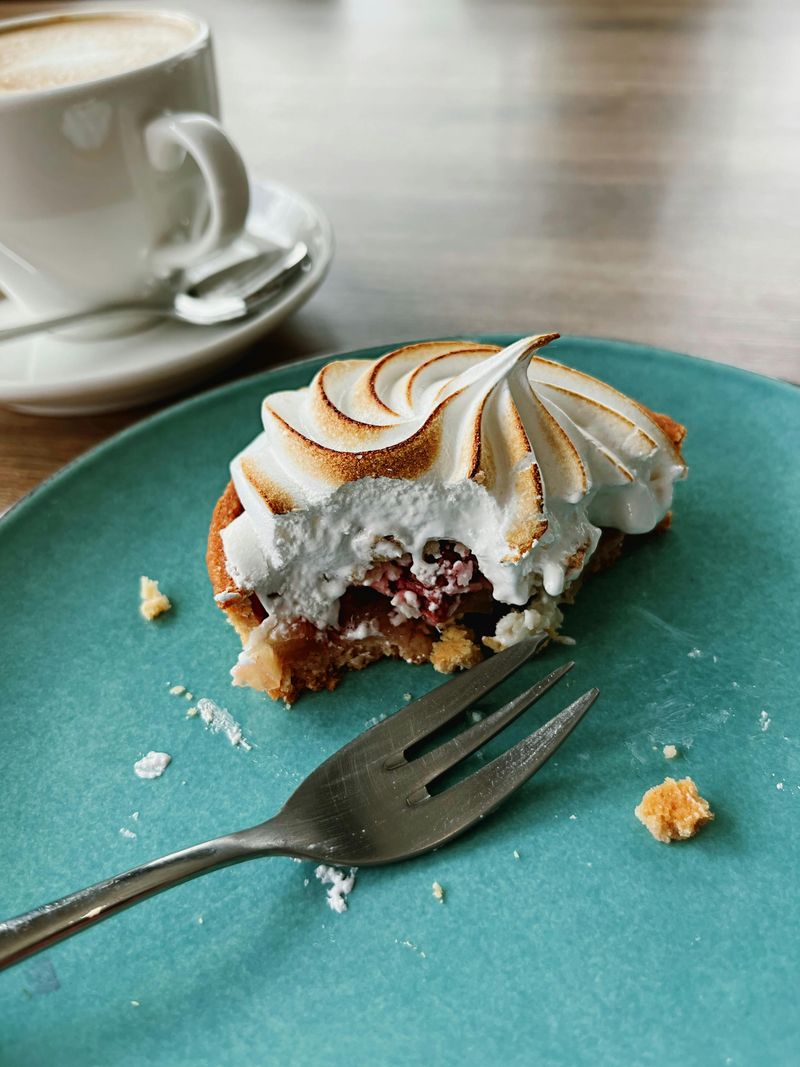
Part dessert, part magic trick, Baked Alaska combined ice cream and fire in a way that made absolutely no scientific sense but tasted absolutely divine.
This theatrical creation featured a layer of cake topped with ice cream, all encased in a fluffy meringue shell that was quickly browned in a hot oven or under a broiler or most dramatically, flambéed tableside while guests gasped in wonder.
The meringue acted as insulation, keeping the ice cream frozen while the exterior achieved golden perfection.
At an upscale resort like the Boca Raton, Baked Alaska is best understood as a classic “special occasion” showpiece dessert, exactly the kind of theatrical finale hotels leaned on for birthdays, anniversaries, and big vacation dinners.
The contrast between hot meringue and cold ice cream created a textural experience that delighted diners who couldn’t quite figure out how it worked.
Hotels loved this dessert because it could be assembled in advance and finished with flourish when needed, providing maximum drama with manageable kitchen logistics.
Birthday celebrations and anniversaries weren’t complete without a flaming Baked Alaska lighting up the dining room.
13. Bananas Foster Tableside Flambé
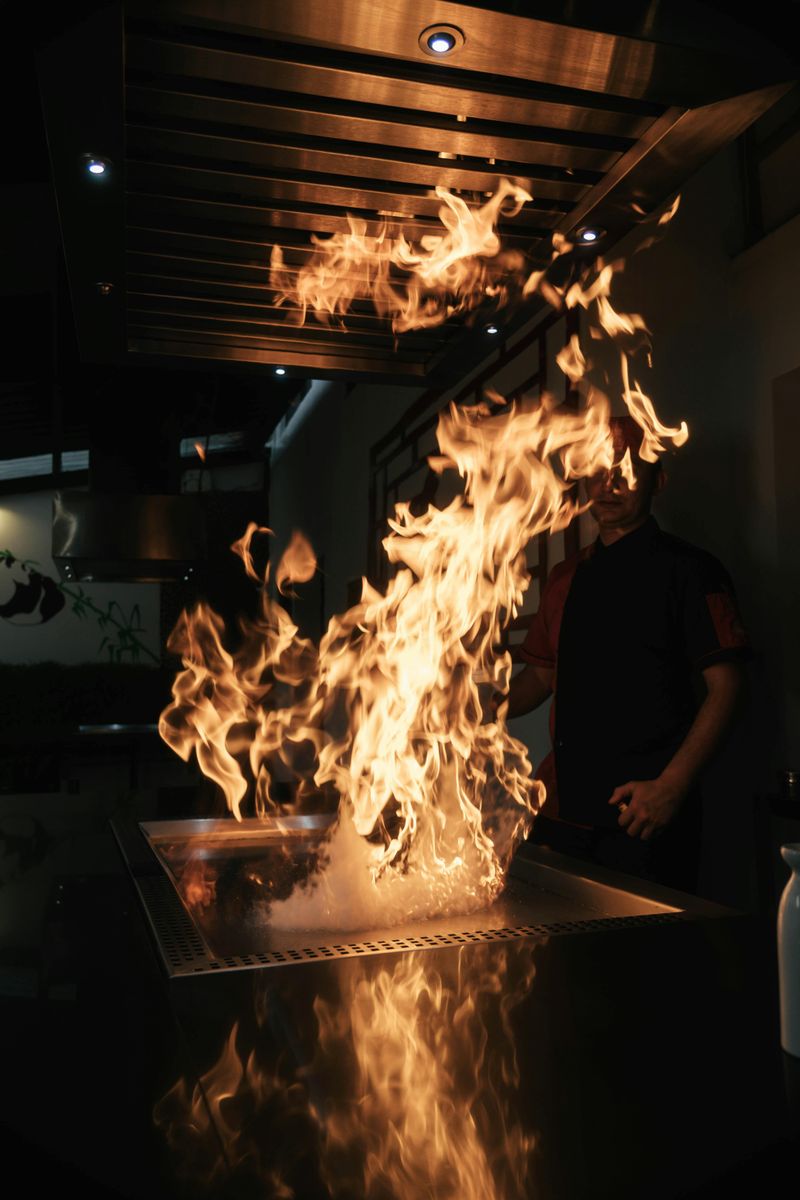
Nothing announced “special occasion” quite like having your dessert prepared beside your table with controlled fire and a cloud of cinnamon-scented steam.
Bananas Foster brought New Orleans flair to Florida hotels, featuring ripe bananas cooked in butter, brown sugar, and cinnamon until caramelized, then topped with a splash of banana liqueur before being set dramatically aflame.
The theatrical presentation captivated diners, especially children whose eyes reflected the dancing flames as servers performed this culinary ballet with practiced confidence.
The Breakers Palm Beach is exactly the kind of luxury hotel where tableside flambé desserts would have fit the 1960s taste for dining-room showmanship, and Bananas Foster, created in 1951 in New Orleans, became one of the era’s most recognizable “flame-and-fanfare” finales.
Once the flames subsided, the caramelized bananas were spooned over vanilla ice cream, creating a hot-and-cold masterpiece that tasted even better than it looked.
This dessert represented the showmanship that defined 1960s fine dining, when restaurants and hotels understood that meals were entertainment, not just sustenance.
The sweet, buttery sauce mingled with melting ice cream created pure happiness in a bowl, making every vacation dinner feel like a celebration worth remembering long after returning home.