
This Nevada Restaurant Is So Popular, The Line Out Front Proves It’s Worth It
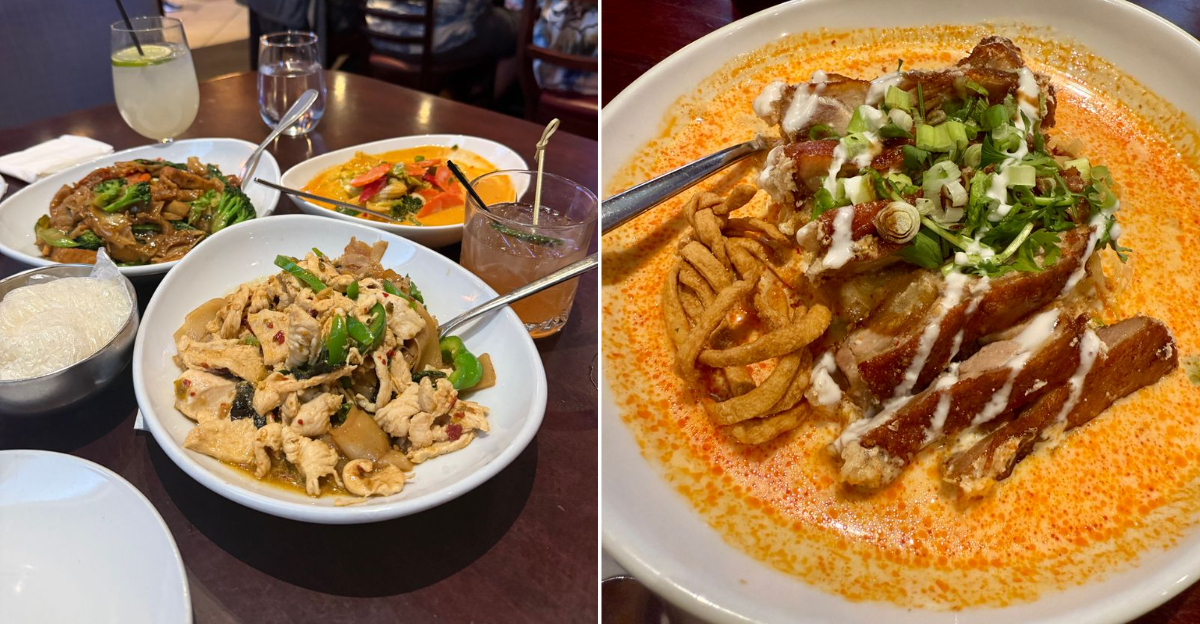
There is a particular shuffle people do outside Lotus of Siam, a patient sway that settles in right around 620 E Flamingo Rd, Las Vegas, NV 89119, when everyone in line has already accepted that good things take a minute and that leaving would feel like a mistake.
The wait starts early, and what makes it feel less like downtime and more like buildup is the way the air keeps reminding you why you came, lemongrass lifting off plates as servers slip past, chilies announcing themselves without apology, and that steady perfume that makes small talk feel secondary.
Standing there, I catch myself watching how regulars move, how they already have a plan, how first-timers do that subtle mental math of whether to bail, then smell the food again and stay, because hunger has a very honest way of deciding for you.
Northern Thai specialties clearly anchor the menu, but what I respect is that the kitchen doesn’t treat “classic” as a lesser category, it treats it as another chance for precision, letting nuance show up in balance and texture rather than just intensity.
Once you sit down, the evening finds its own rhythm, quick enough to feel alive but calm enough to notice details, herbs that brighten instead of decorate, sour and sweet that feel intentional, heat that has shape instead of swagger.
If you’re weighing whether the wait is worth it, think of this as your map for ordering well and moving through the experience smoothly, so the long line becomes part of the story you’re glad you didn’t skip.
Start With Nam Prik Noom And Sticky Rice
The first thing that confirms the wait outside was not a mistake is the low, smoky aroma that rises from the nam prik noom as it reaches the table, signaling charred green chilies, roasted aromatics, and restraint rather than blunt force heat.
This Northern Thai chile dip is vivid but controlled, spreading gently across the palate instead of attacking it, with bitterness, smoke, and freshness braided together in a way that rewards attention rather than speed.
Sticky rice arrives warm and pliable in its basket, meant to be pinched deliberately, dipped carefully, and eaten in small cycles that naturally slow the beginning of the meal.
The dish comes from rural Northern Thai cooking, where flavor balance mattered more than spectacle, and Lotus of Siam preserves that logic even in a busy Las Vegas dining room.
Ordering this first is strategic because it calibrates your palate, teaching you how the kitchen handles heat, acid, and salt before heavier dishes arrive.
Servers are happy to guide heat levels honestly here, and listening saves you from overshooting early and dulling your senses for what follows.
If you take your time with this plate, pausing between bites and noticing how lemongrass hums under the smoke, the rest of dinner tends to fall into a better, calmer rhythm.
Khao Soi, The Creamy Northern Benchmark
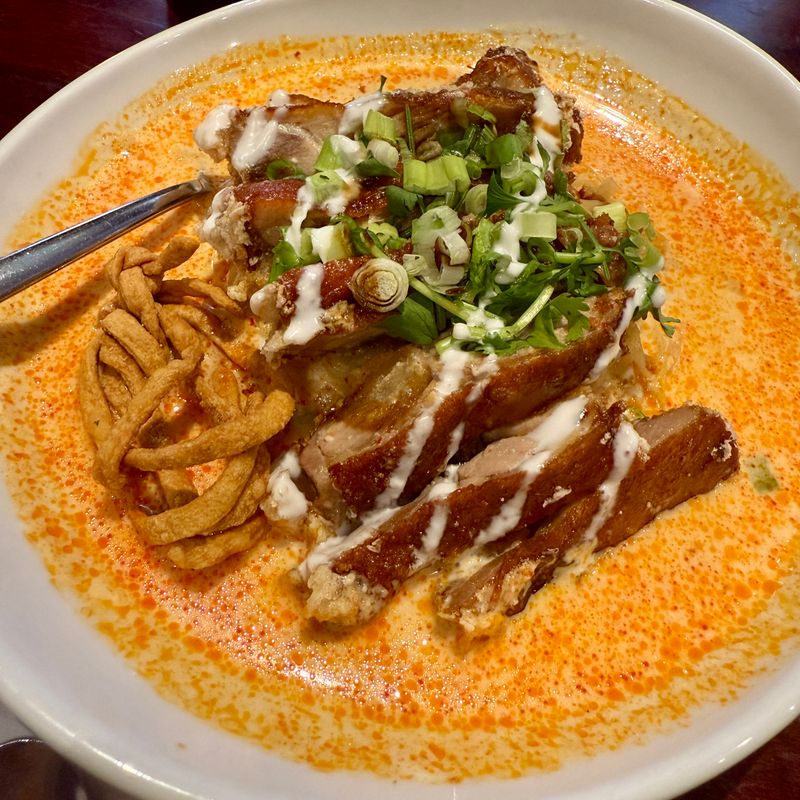
The sound of crisp noodles breaking under a spoon comes just before the first taste of the coconut curry broth, and that sequence alone explains why this dish anchors so many meals here.
The broth carries turmeric warmth, gentle sweetness, and a carefully measured chili presence that builds slowly rather than flaring, allowing each sip to reveal a new layer.
Chicken pulls apart easily, while pickled mustard greens and shallots cut through the richness just enough to keep the bowl from drifting into heaviness.
Khao soi emerged from Northern Thailand’s trading routes, and its complexity reflects that history, blending influences without losing coherence.
Lotus of Siam treats the dish with discipline, keeping the broth silky and the toppings purposeful instead of decorative.
A generous squeeze of lime sharpens everything, and asking for extra is never a mistake if you enjoy contrast.
Many diners quietly decide halfway through the bowl that this is the reference point by which they will judge future versions, not because it is flashy, but because it is complete.
Crispy Duck With Drunken Noodles Timing Trick
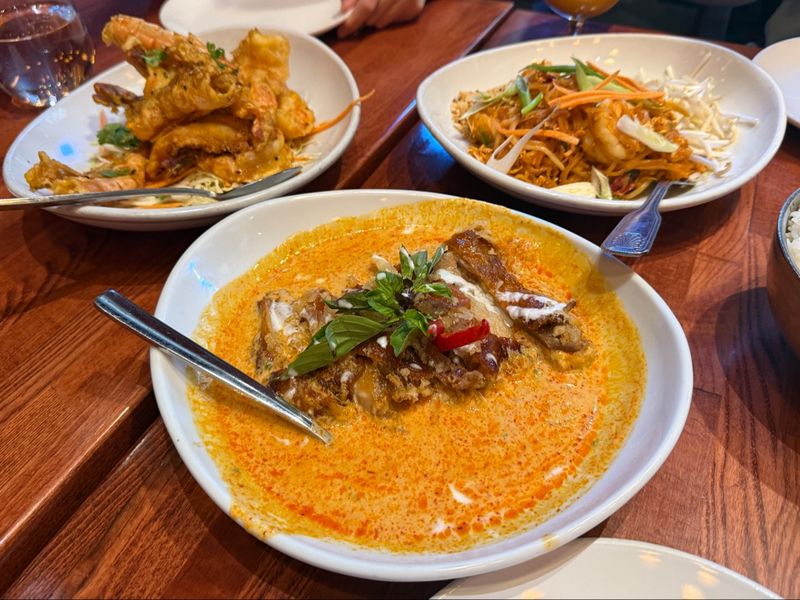
Steam lifts immediately when the drunken noodles hit the table, carrying basil, garlic, and chili into the air, while the duck arrives with its skin still audibly crisp and lacquered.
The noodles cling to a savory glaze with charred edges from the wok, creating a balance between chew, heat, and sweetness that feels intentional rather than chaotic.
The duck’s fat has been rendered patiently, leaving meat that stays tender beneath skin that resists softening when treated correctly.
Although Lotus of Siam is best known for Northern Thai cooking, this Central Thai staple earns loyalty because it is executed with the same respect for balance.
The key is timing, and asking the server to fire the duck just before the rest of the order lands helps preserve that crucial contrast between crisp and supple.
When eaten together, the dish toggles between richness and herbaceous lift, keeping each bite alert even as portions remain generous.
Somewhere between the second forkful and the rising room noise, the line outside starts to feel less like an inconvenience and more like an investment that has already paid off.
Sai Oua And Pork Jerk: Grill Plate Strategy
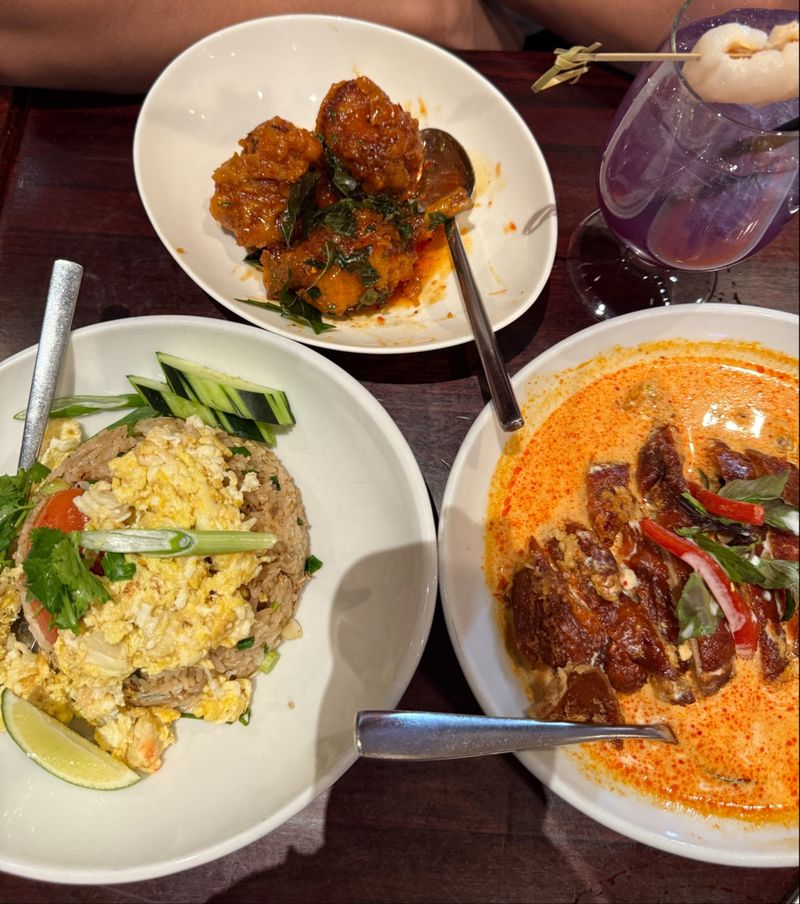
Char marks read like a map across the sai oua sausage as it arrives, releasing aromas of makrut lime leaf, galangal, and toasted spice that announce Northern Thailand before the plate even settles.
The sausage snaps cleanly when cut, revealing a coarse, juicy interior where herbs and chile warmth unfold gradually rather than all at once.
Alongside it, the pork jerk brings a chewier, sun-dried character that concentrates flavor and rewards slower chewing, especially when paired with warm sticky rice.
This style of grilling sits at the heart of Northern Thai food culture, and Lotus of Siam keeps it grounded by resisting excess sauce or garnish.
Ordering this plate early works best, because it anchors the table and gives everyone something to return to between curries, noodles, and salads.
The accompanying chili dips are powerful but precise, and starting sparingly lets you understand their intent before committing.
Eaten slowly, with conversation and glances around the busy room, the plate feels less like an appetizer and more like a steady rhythm that carries the rest of the meal.
Papaya Salad Flight For Heat Calibration
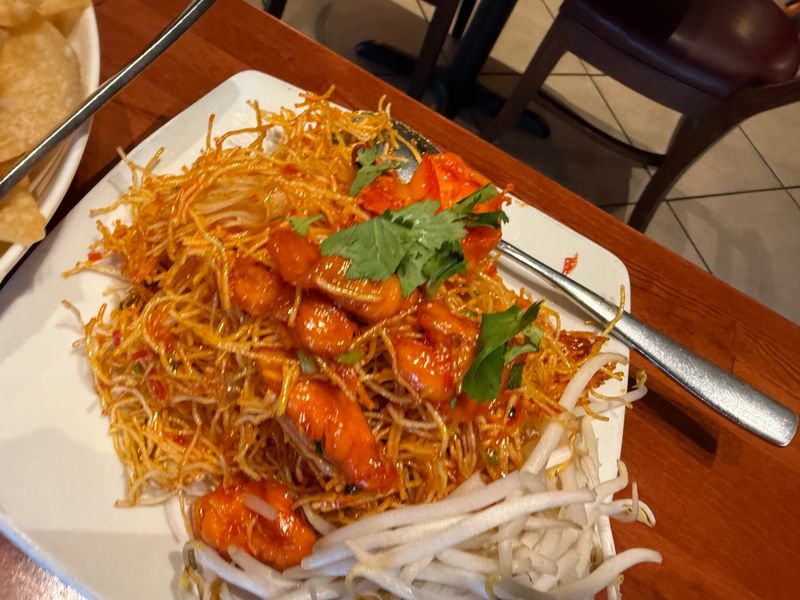
The first bite is always about texture, with shredded green papaya staying impossibly crisp as lime, fish sauce, and palm sugar pull it in different directions.
Each version of the salad shifts the balance, from the brighter Thai style to the funkier Lao preparation and the briny depth of the salted crab variation.
Tomatoes burst lightly, long beans snap clean, and roasted peanuts ground the dish so it never feels sharp for the sake of it.
Som tum reflects regional identity as much as personal tolerance, and Lotus of Siam respects that by offering clear distinctions rather than a single compromised version.
Asking the server for a candid explanation of heat levels helps you choose wisely, especially if you plan to eat beyond one dish.
Treating these salads as a flight rather than a single order turns the table into a quiet tasting panel, with preferences emerging bite by bite.
By the time the plates clear, you not only know what you like, but how far you can comfortably go for the rest of the night.
Garlic Prawns And The Quiet Sizzle
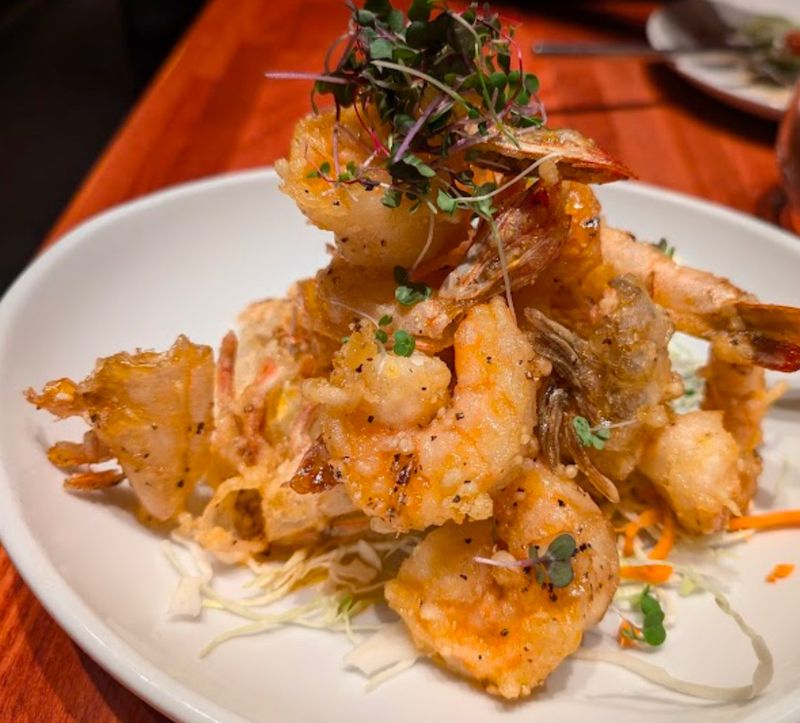
There is a brief hush when the prawns arrive, punctuated only by the soft sizzle of garlic still cooking in its own oil.
The prawns themselves stay firm and springy, coated in a glossy layer of caramelized garlic that smells sweet, savory, and reassuringly familiar.
The sauce pools beneath them, rich but restrained, clearly meant to be spooned over jasmine rice rather than eaten on its own.
Although this dish does not belong to a specific Northern Thai tradition, it showcases the kitchen’s control of heat and timing.
Ordering rice to arrive at the same moment matters here, because the dish cools quickly once the sizzle fades.
Set beside spicier plates, the prawns act as a stabilizer, giving your palate a place to rest without feeling like a compromise.
It is a quiet dish that grows more impressive the longer you sit with it, especially when the room around you stays lively and loud.
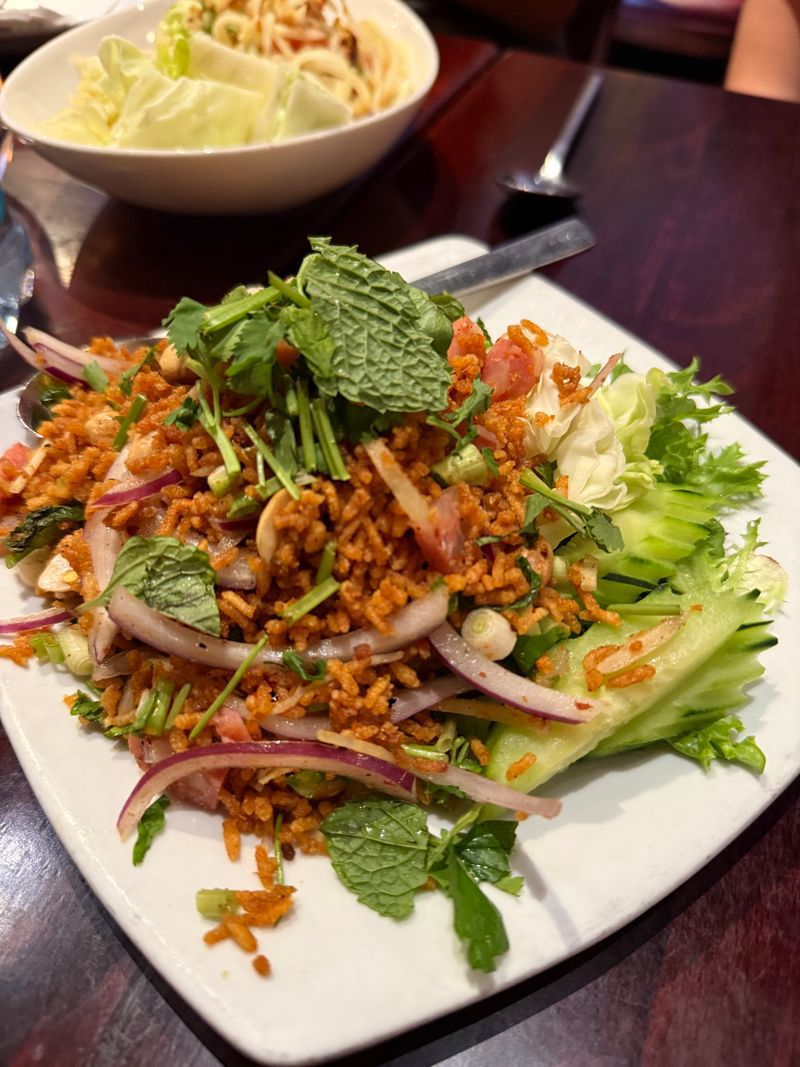
Northern Larb: Herbal, Toasty, Electric
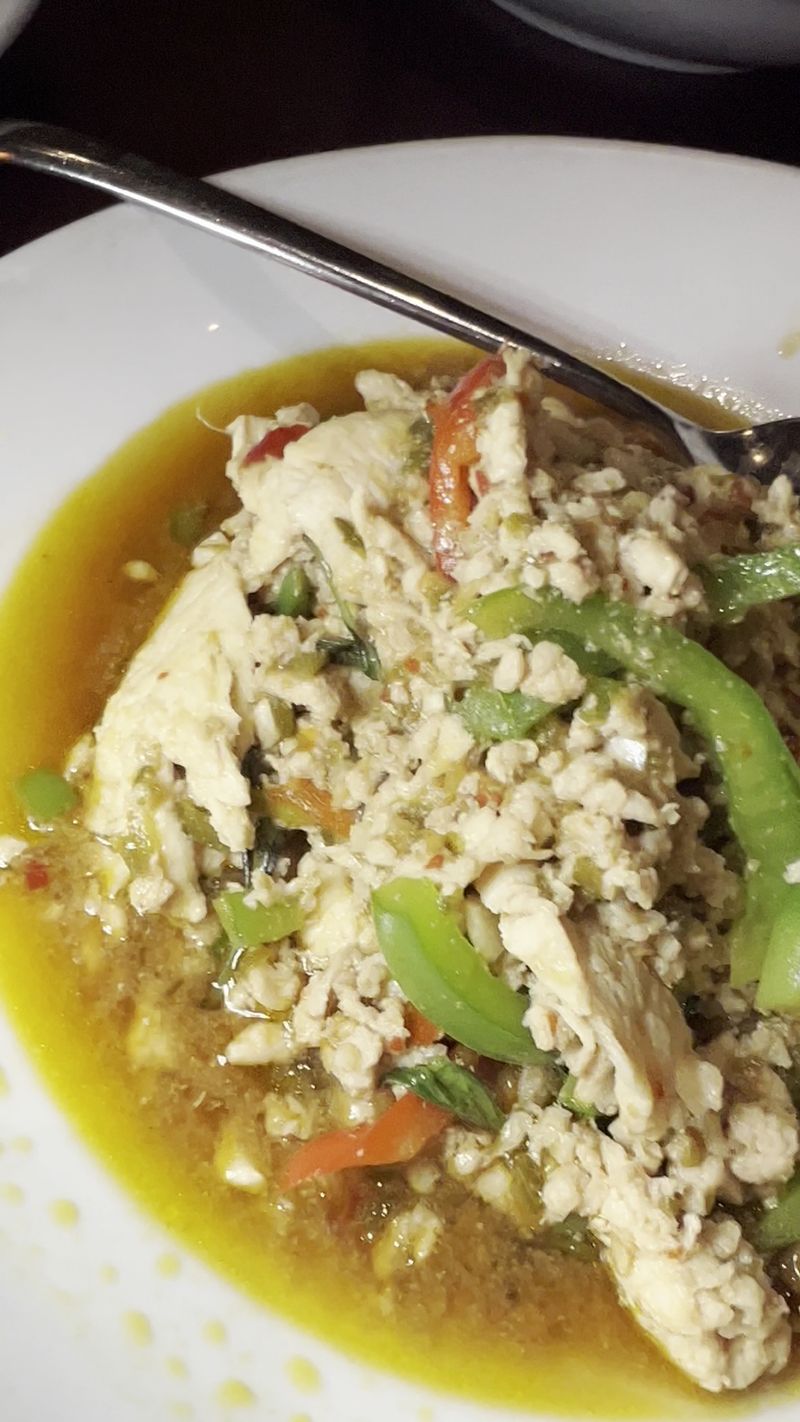
At first glance the dish looks modest, but the aroma rising from the plate immediately signals something deeper, as roasted rice powder, dried spices, and fresh herbs combine into a savory cloud that feels grounding rather than aggressive.
Unlike citrus-driven versions, this Northern-style larb leans into warmth and toastiness, with minced meat staying juicy while absorbing spice in a way that feels deliberate and patient.
Mint, cilantro, and scallions weave through each bite, adding lift without interrupting the dish’s steady, almost meditative rhythm.
This preparation reflects a tradition built around sustenance and texture, not brightness for its own sake, and Lotus of Siam holds firmly to that logic.
Scooping the larb with cabbage leaves or lettuce introduces crunch and cooling contrast that stretches each bite and slows your pace.
Paired with sticky rice, the dish becomes quietly filling, the kind of plate that reveals more character halfway through than at the first forkful.
By the time it is finished, you realize it has reset your palate and expectations, making everything that follows feel sharper and more intentional.
Whole Fish With Chili And Herbs
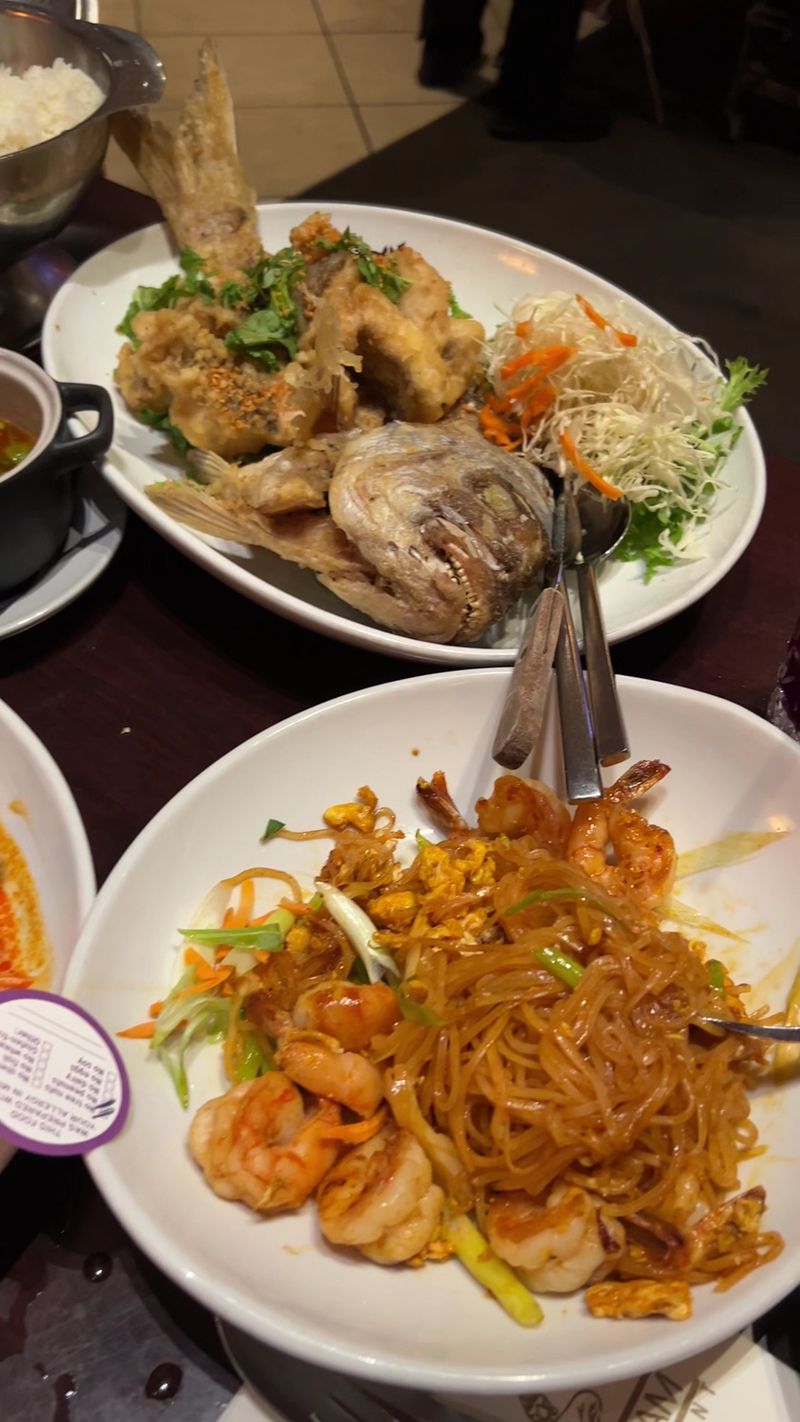
The arrival of the whole fish changes the energy at the table, as crisp fins, golden skin, and a tangle of chilies and herbs draw everyone forward at once.
Fried at a temperature that seals the exterior instantly, the fish shatters lightly under the fork while staying moist and clean inside.
Garlic, cilantro, scallions, and chilies scatter across the surface, soaking into a sauce that balances sweetness, salt, and acid without overpowering the flesh.
This dish rewards attention, because the textures evolve as sauce migrates inward, softening some areas while leaving edges audibly crisp.
Lotus of Siam’s control of fry oil is evident here, producing a plate that feels indulgent but never heavy or greasy.
Asking which fish is freshest that day helps tailor the experience, especially if you prefer firmer or flakier flesh.
Shared properly, the plate teaches timing, urging diners to chase crisp edges first, then linger over softer, sauce-rich bites near the spine.
Wine List Pairing: Riesling And Heat
Spice behaves differently when a glass of well-chosen wine enters the conversation, especially one with enough acidity and fruit to absorb heat rather than amplify it.
The Rieslings on Lotus of Siam’s list lean just off dry, offering orchard fruit sweetness that cools the mouth while keeping herbal notes clear and defined.
This pairing has become part of the restaurant’s identity, not as a novelty, but as a practical response to layered, chile-driven cooking.
A mineral-driven bottle works best, refreshing the palate between bites of khao soi, larb, and grilled sausage without flattening their complexity.
Servers are unusually knowledgeable about how specific wines interact with specific dishes, and their recommendations tend to be precise rather than generic.
As the room grows louder and plates accumulate, the wine quietly maintains balance, preventing fatigue from setting in too early.
By the end of the meal, the glass feels less like an accompaniment and more like a structural element holding the entire experience together.
Reservation, Walk In, Or Early Line
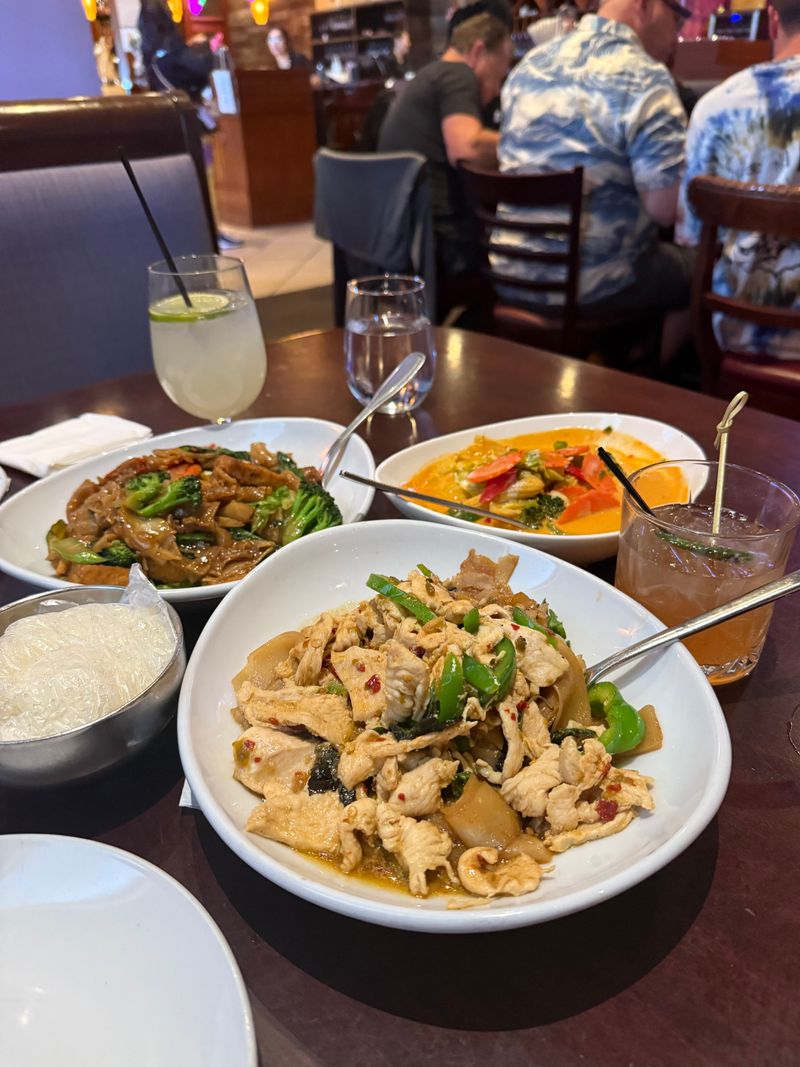
The decision about how to approach Lotus of Siam often begins long before hunger peaks, because timing determines whether the evening unfolds smoothly or tests your patience first.
Reservations reduce uncertainty, but even with one, the Flamingo Road location can produce a visible queue during peak hours that moves steadily rather than quickly.
Walking in works best during early lunch or later in the evening, when tables reset and bar seats open without ceremony.
The restaurant runs on a consistent daily rhythm, and understanding that rhythm helps you avoid the most congested moments without sacrificing menu availability.
Calling ahead to confirm kitchen cutoffs or expected wait times is rarely wasted effort, especially if you are coordinating a group.
While waiting, reviewing the menu and choosing heat levels in advance noticeably speeds up the table once seated.
By the time you sit down, the line outside feels less like lost time and more like a mental transition that sharpens anticipation rather than dulling it.
Finish With Mango Sticky Rice When In Season
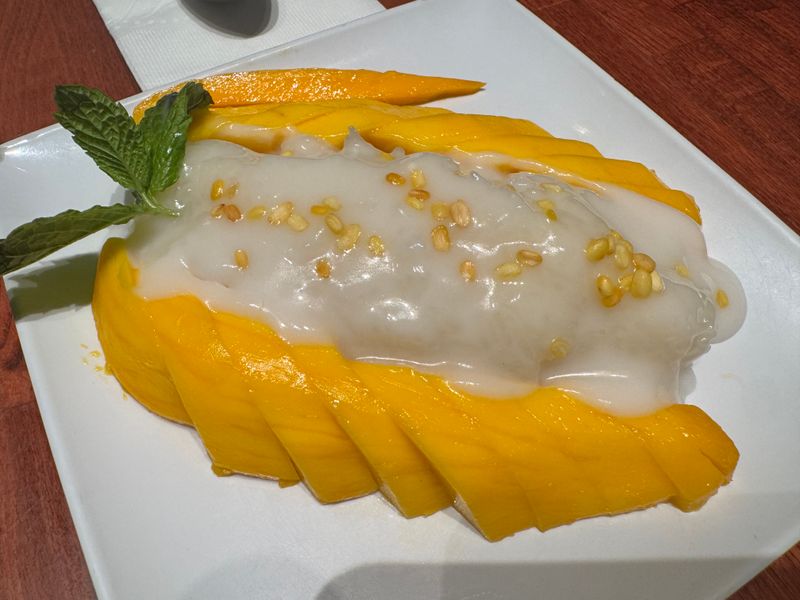
The perfume of ripe mango announces itself before the plate lands, offering sweetness that feels clean, sunny, and restrained rather than heavy.
When the fruit is truly in season, its softness contrasts perfectly with sticky rice that has been gently glossed in salted coconut cream.
Toasted mung beans add a quiet crunch, creating a texture shift that keeps the dessert from drifting into monotony.
Lotus of Siam is candid about seasonality, and the staff will steer you away from mango if quality is not at its peak.
When mango is unavailable, coconut ice cream provides a cooler, lighter finish that still respects the meal’s balance.
Ordering dessert at the right moment matters, because rice and fruit both benefit from brief rest before serving.
The final bites land softly, easing you back into the Las Vegas night while the line outside now looks entirely understandable.