
This Adorable Ohio Town Should Be On Every Ohio Traveler’s Day-Trip Radar
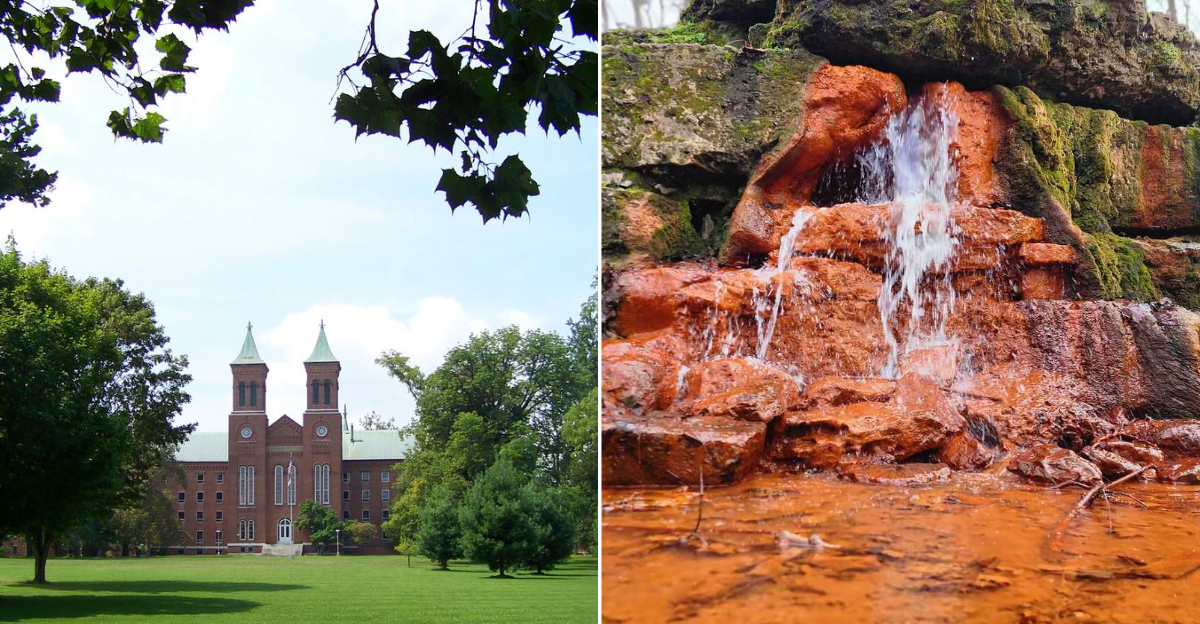
Yellow Springs has always struck me as the kind of place that doesn’t ask you to choose between curiosity and calm, because it manages to hold both at once without strain, gently offbeat in spirit yet firmly rooted in the land and the people who show up for it every day.
I usually feel it the moment I arrive, that subtle sense that nobody here is in a hurry to impress, and that creativity is treated less like a performance and more like a shared habit, something that seeps naturally into conversations, storefronts, and the way people linger on porches as if time is flexible.
A walk can begin on limestone trails where the woods cool the air and quiet your thoughts, then tumble almost seamlessly into streets lined with indie shops, hand-painted signs, murals that feel lived-in rather than staged, and small exchanges between neighbors that make you feel briefly folded into the town’s rhythm.
What surprises me every time is how full a single day becomes without ever feeling crowded, nature opening up space in the morning, wandering filling the middle hours, and food and conversation settling things gently by afternoon.
Yellow Springs is tiny on the map, but it holds its energy generously, offering earnest community without spectacle and creativity without pretension.
I leave each visit with the sense that something subtle but lasting has shifted, a color, a thought, a slower way of paying attention that follows me home.
If you’re looking for a day trip that doesn’t blur into the next one, but instead leaves a clear imprint on memory, this is the place where pointing your compass actually feels like a decision you’ll be glad you made.
Glen Helen Nature Preserve
Birdsong filters down through limestone cliffs and shaded ravines, immediately shifting your sense of pace as soon as you step onto the trail and leave the road behind.
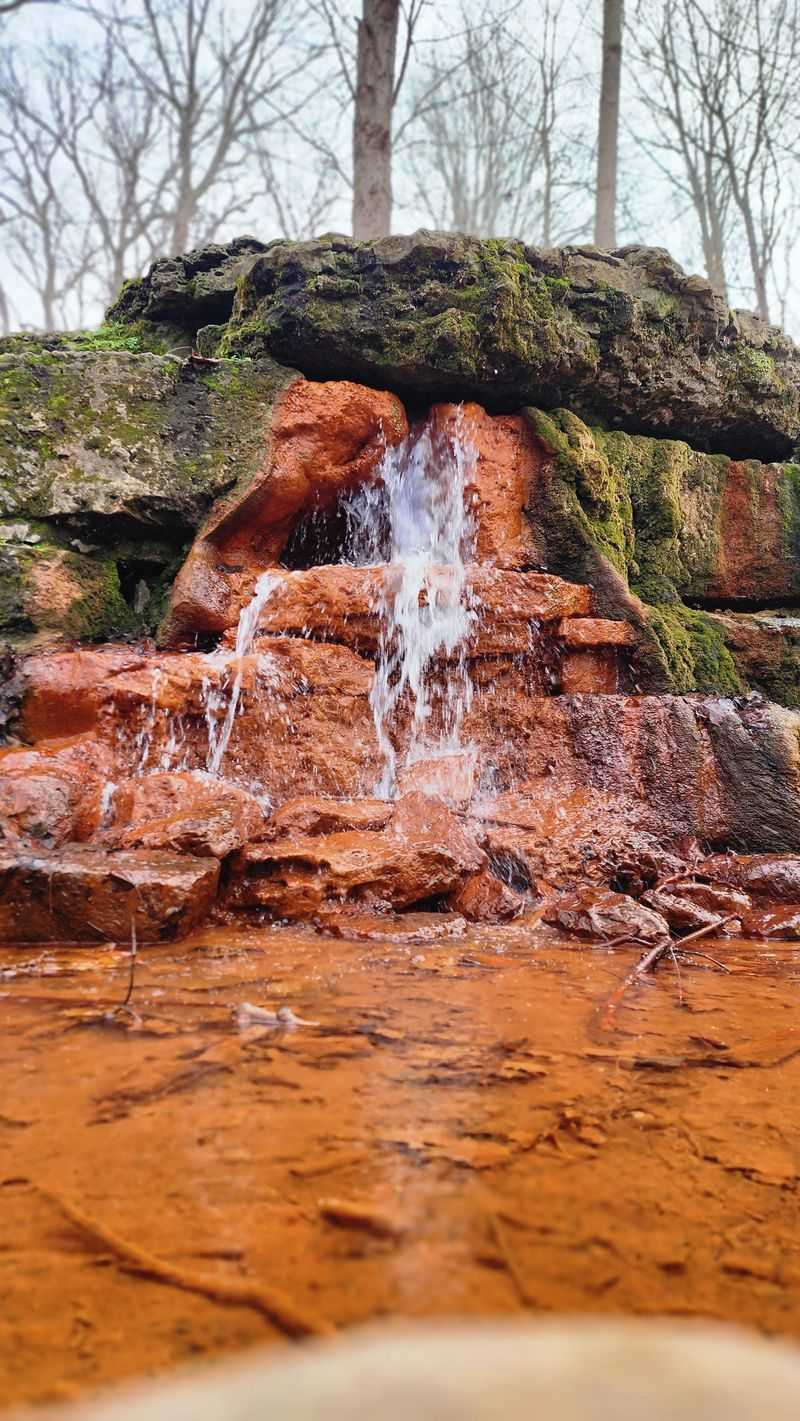
The preserve’s paths wind past the mineral-stained yellow spring itself, where moss brightens stone and cool air settles low, creating a small but noticeable change in temperature under the hemlocks.
Hiking the Inman Trail or moving toward the Cascades reveals how water has quietly shaped the land, carving gentle drama into what first appears calm.
Protected through Antioch College stewardship, the preserve stands as a reminder that long-term care, rather than spectacle, is what keeps places intact.
Staying on designated paths matters here, since erosion shows quickly in fragile areas.
Weekends bring more footsteps, yet the space never feels crowded in spirit.
You leave with damp, fern-scented air clinging to your clothes and the sense that time moved differently beneath those trees.
Clifton Gorge State Nature Preserve
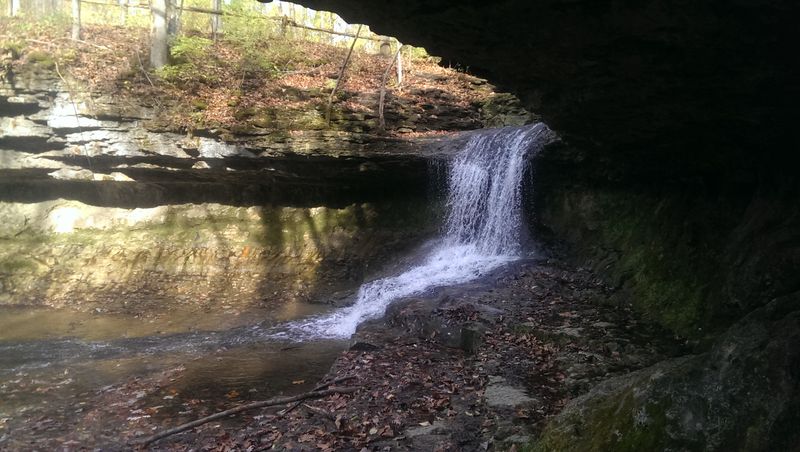
The sound of water tightens as the river compresses into the gorge, and the temperature drops perceptibly when you step beneath the canopy and toward the chasm.
Dolomite walls rise sharply along blue-green pools, giving the Miami Valley one of its most dramatic natural expressions.
Seasonal changes continue to reshape the gorge, with frost heaves and spring melt carving new textures into the rock each year.
Formed by glacial meltwater, the gorge’s geological story reads clearly once you slow down enough to notice the layers.
Interpretive signs help decode the landscape, but the lesson is strongest underfoot.
Staying behind fences is essential, as edges crumble easily and conditions change fast.
Even in summer, the gorge holds its own climate, making a light jacket a quiet but wise choice.
Downtown Yellow Springs Stroll
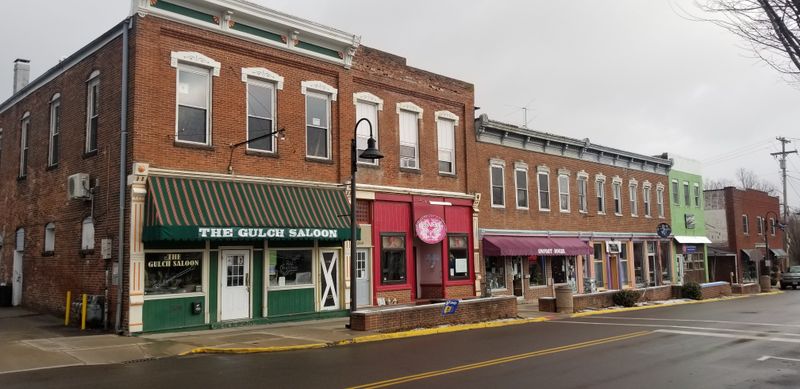
Murals peek from alleyways and shop windows brim with handmade goods, creating a streetscape that invites browsing without urgency.
The energy downtown is conversational rather than loud, shaped by shop owners who remember questions and musicians who play for atmosphere rather than applause.
Yellow Springs grew as both a rail stop and a hub of Antioch College’s progressive spirit, and that legacy still colors storefronts and community boards.
Independent bookstores and fair-trade shops feel intentional rather than curated for effect.
Parking along Xenia Avenue is straightforward, encouraging unplanned wandering.
Grabbing a lemonade or coffee becomes less about refueling and more about pausing.
Side streets like Corry Street reward those willing to drift, revealing quieter corners at their own pace.
The Yellow Spring At Glen Helen
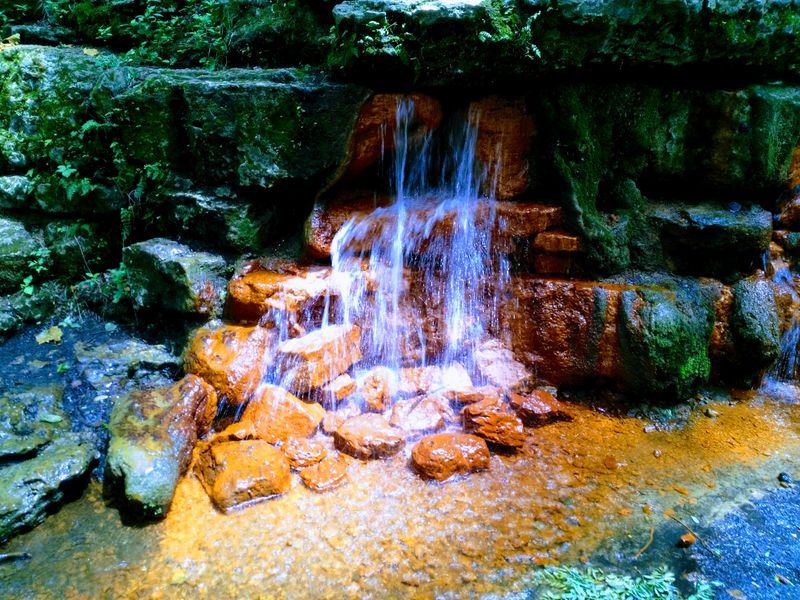
Water slips steadily over iron-rich stone here, staining the rock a deep saffron color that looks almost deliberate, as if the landscape paused long enough to choose its own palette.
Standing near the spring, you can smell the mineral tang in the air and hear the soft, persistent trickle that naturally lowers voices and slows passing hikers.
The spring itself is modest in size, yet it draws attention because it feels intimate rather than monumental, a small focal point that rewards stillness.
This source gave Yellow Springs its name and once attracted early settlers who believed in its restorative qualities.
Interpretive panels explain the mineral content and the nineteenth-century spa culture that briefly flourished around it.
Visitors are asked to stay off the rocks, which are fragile, slick, and easily damaged despite their solid appearance.
Reached via the Inman Trail loop, the spring leaves a stronger impression than its scale suggests, quietly anchoring the landscape around it.
Young’s Jersey Dairy
Before you even park, the smell of fresh waffle cones drifts across the lot, setting expectations long before you see the counter or the pasture beyond.
Young’s operates as a working dairy, and that proximity to production gives the ice cream a grounded, unmistakably fresh character.
Founded in the 1860s, the family-run operation has grown into a regional tradition without losing its agricultural core.
Mini golf, batting cages, and the petting area expand a simple stop into an unplanned afternoon.
Seasonal flavors rotate reliably, while cheese curds and grilled sandwiches keep savory cravings satisfied.
Even when lines stretch across the lot, service moves efficiently enough to keep frustration low.
Ending with a scoop of black raspberry chip feels less like indulgence and more like participating in a long-standing local ritual.
Little Miami Scenic Trail Access
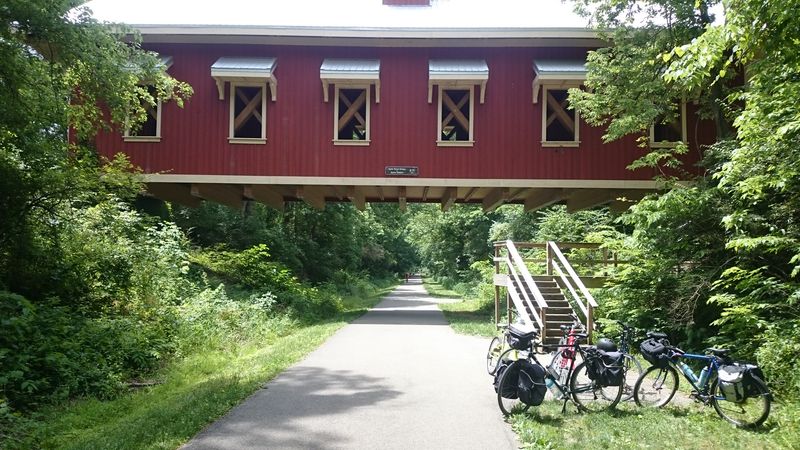
The transition onto the Little Miami Scenic Trail is marked by a subtle change in sound, as tires hum softly over crushed limestone and conversation drops into an easy rhythm.
Running directly past Yellow Springs, the trail offers miles of car-free travel through farmland, river bends, and small towns that feel stitched together rather than separated.
Once a rail corridor, it now forms part of a larger state trail network that encourages slow movement and observation.
Cyclists and walkers share the space courteously, creating a pace that feels communal rather than competitive.
Bike rentals are available nearby for visitors who arrive without gear.
Heading toward Xenia offers flatter miles, while heading south introduces more dramatic scenery.
Early mornings deliver the softest light and the best chance of spotting herons, foxes, or deer moving quietly along the hedgerows.
Antioch College Campus Ramble
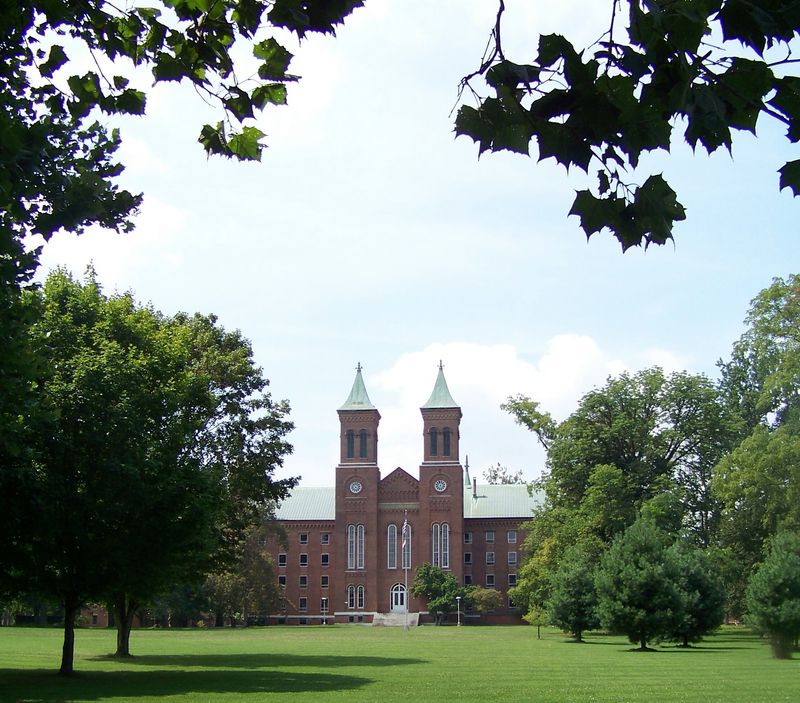
Walking onto the Antioch College campus feels like stepping into a long, reflective pause between destinations, where quiet lawns, scattered sculptures, and red brick buildings create a setting that gently insists you slow down and pay attention to ideas as much as scenery.
The college’s famous motto about not being ashamed to die before contributing something meaningful to humanity lingers not just on signs but in the atmosphere, shaping how the space feels even if you do not consciously read it.
Founded in 1850 with Horace Mann at its philosophical core, Antioch helped define Yellow Springs as a place where education, social responsibility, and experimentation were never meant to be separate pursuits.
Architectural layers across campus trace decades of change, making a short walk feel like moving through different chapters of institutional memory rather than a single, fixed moment.
Glen Helen’s origins tie directly back to Antioch, reinforcing how the town’s natural and intellectual landscapes developed together instead of in isolation.
Visitors are asked to respect academic buildings and posted hours, which helps preserve the campus as a working environment rather than a tourist backdrop.
Sitting beneath a sycamore near the library lawn, it becomes easy to lose track of time as village sounds soften into a low, thoughtful hum that makes reflection feel natural rather than forced.
Clifton Mill And Covered Bridge
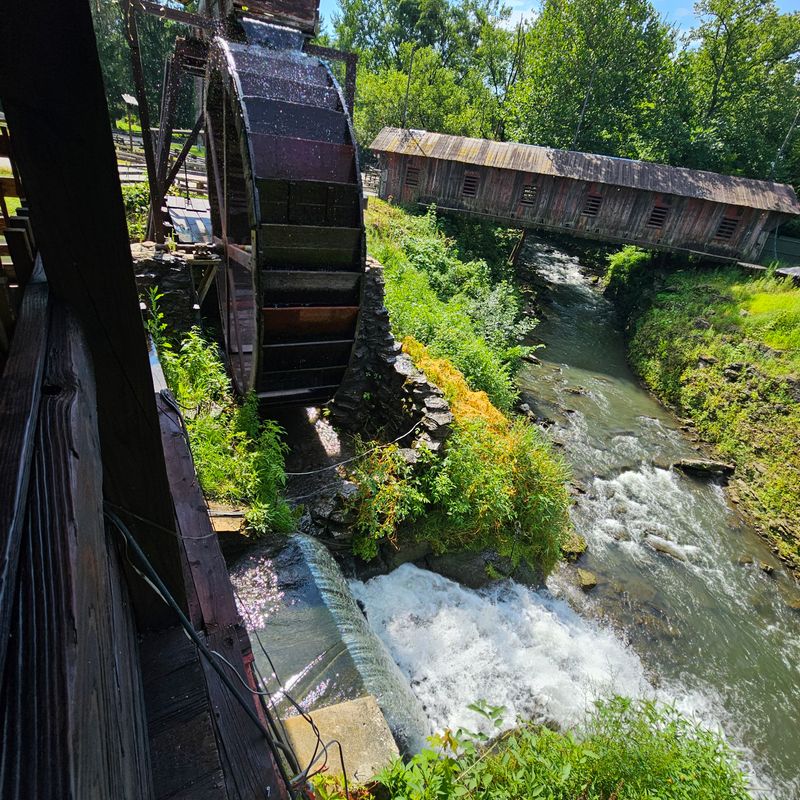
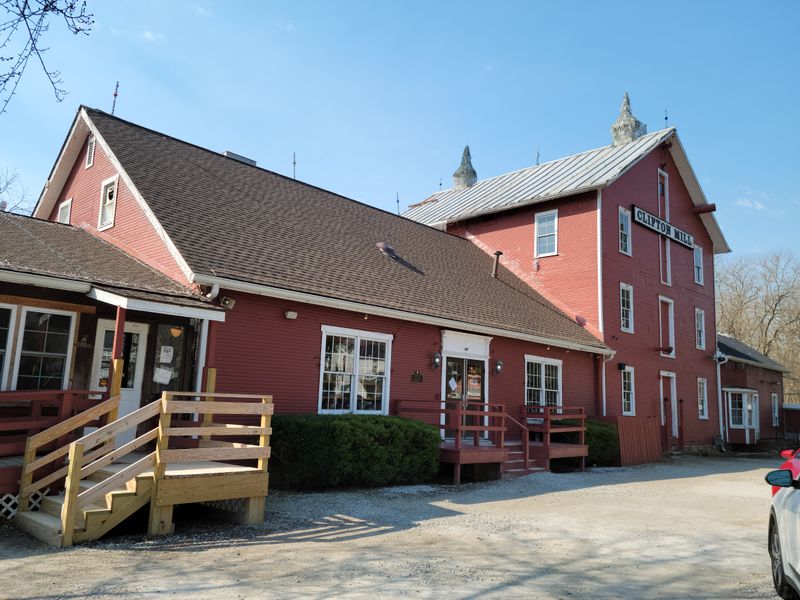
The timbered structure of Clifton Mill carries the weight of flour dust history in its beams, while the river below turns the wheel with a patient insistence that feels unchanged by passing decades.
The adjacent covered bridge frames views that photographers chase year round, offering a composition that feels both carefully arranged and completely accidental depending on the light.
Operating since the early nineteenth century, the mill has become a regional anchor rather than a novelty, grounding the surrounding area in continuity.
Inside, the café serves generous breakfast plates, including buckwheat pancakes that taste intentionally grain-forward instead of sweetened into submission.
Old photographs lining the walls quietly narrate the mill’s evolution without interrupting the meal.
Arriving early improves your chances of a window seat and a calmer experience before crowds build.
After eating, walking the grounds and crossing the bridge delivers a small but genuine shiver of history, the kind that settles pleasantly rather than demanding attention.
John Bryan State Park
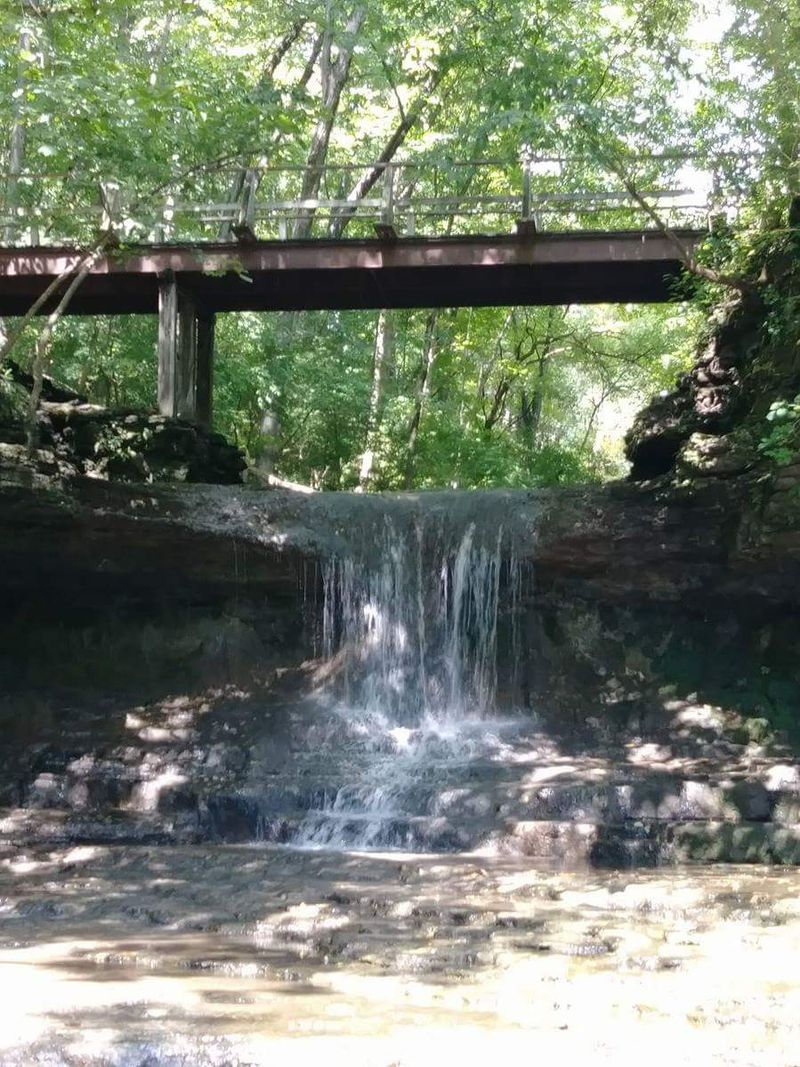
John Bryan State Park unfolds like a green antechamber to the surrounding gorges, with sandstone bluffs, wooded trails, and open picnic areas that ease visitors into deeper landscapes.
Campers tuck themselves beneath tall canopies while day hikers drift toward the Little Miami River, creating a layered use of space that never feels crowded despite its popularity.
Designated a state park in the 1920s, the area reflects early conservation values that still shape how trails and facilities are maintained today.
Stonework left by the Civilian Conservation Corps quietly punctuates the park, adding texture to paths and shelters without dominating them.
Trail maps posted at key intersections make wandering accessible even for first-time visitors.
Packing a simple picnic from town and claiming a table near the stone shelter turns the park into a natural extension of a day in Yellow Springs.
When rain rolls in and trails slick over quickly, shifting to ridgeline routes lets mist and shadow transform the forest into something cinematic rather than inconvenient.
Yellow Springs Street Fairs

On fair days, the village expands outward from its usual rhythm into a long, colorful corridor of art stalls, food stands, and overlapping music that you can hear and smell well before you see the first booth, giving the entire town the feeling of a shared front porch rather than an event zone.
Xenia Avenue and the surrounding side streets fill with regional artists, musicians, and local organizations, creating an atmosphere that feels expressive without tipping into chaos, because the scale stays human and the tone remains neighborly.
These street fairs have decades of history as community fundraisers and creative showcases, which shows in how smoothly volunteers, vendors, and longtime residents move through the day together.
The soundtrack shifts constantly, from folk guitars to funk grooves to spontaneous percussion, but never overwhelms conversation or the pleasure of lingering at a table with something warm in your hands.
Weather plays a visible role in shaping the tempo, with sunny days stretching visits into hours and light rain compressing everything into denser, more animated clusters.
Arriving early makes parking simpler and allows time to wander before crowds thicken, though shuttle options are often posted on official town channels during larger festivals.
You tend to leave carrying something handmade, something edible, and a lingering sense that this is a town capable of throwing a thoughtful celebration without losing itself in the process.