
14 Food Traditions You Get Only If You Grew Up Eating In California
Growing up in California means food memories that feel second nature to locals but confusing to everyone else.
Certain flavors, habits, and unwritten rules stick with you for life, shaped by school lunches, beach days, family gatherings, and roadside stops.
From casual meals that outsiders overthink to combinations that make perfect sense if you were raised here, these traditions become part of everyday life.
They are shared without explanation, passed down quietly, and defended with pride.
In California, food is tied to identity, region, and routine.
These traditions are not trends. They are lived experiences that instantly signal you grew up at the table, not just visiting.
1. Dutch Crunch Sandwiches

Bakeries across the Bay Area still sell this tiger-striped bread that crackles when you bite into it.
The topping, made from rice flour paste, creates a sweet and crunchy shell that contrasts perfectly with deli meats and melted cheese inside.
Most sandwich shops in San Francisco offer Dutch crunch as a bread option, and locals know to ask for it by name.
In the Netherlands, it is commonly known as tijgerbrood, and it is still sold there, yet San Francisco adopted its own version decades ago and made it a regional staple.
Popular fillings include turkey, avocado, and pepper jack cheese.
You can find authentic Dutch crunch at spots throughout the city, from neighborhood delis to corner bakeries.
The texture alone makes every sandwich feel special, turning a simple lunch into something memorable and distinctly Californian.
2. Cioppino

Fisherman’s Wharf in San Francisco is the birthplace of this tomato-based seafood stew that Italian immigrant fishermen created in the late 1800s.
Fresh Dungeness crab, clams, shrimp, mussels, and chunks of white fish swim together in a rich, garlicky broth that demands sourdough bread for dipping.
Restaurants along the waterfront serve steaming bowls with bibs because eating cioppino is a messy, hands-on experience.
The name likely comes from “ciuppin,” a Genoese fish stew, but California’s version became something entirely new.
Fishermen would toss their daily catch into one communal pot, creating a different flavor profile each time.
Many seafood restaurants feature cioppino as their signature dish, especially those with views of the bay.
The aroma of simmering tomatoes and fresh shellfish fills dining rooms throughout North Beach and beyond.
3. Dungeness Crab Crack-and-Eat Season
Late fall into early summer marks the time when families gather around newspaper-covered tables with crab crackers and melted butter, and exact season dates can shift year to year.
Fresh Dungeness crab appears at fish markets along the coast, and the sweet, delicate meat becomes the centerpiece of weekend feasts.
Kids learn early how to twist off legs, crack shells, and extract every morsel without wasting a bite.
San Francisco’s wharf vendors sell whole cooked crabs by the pound, often preparing them right in front of customers.
The ritual of cracking crab together turns dinner into an interactive event that can last hours.
Local spots like Fisherman’s Wharf and Half Moon Bay become crab central during peak season.
Restaurants offer crab feeds, and home cooks boil massive pots for family gatherings, creating memories that smell like salt water and butter.
4. It’s-It Ice Cream Sandwiches
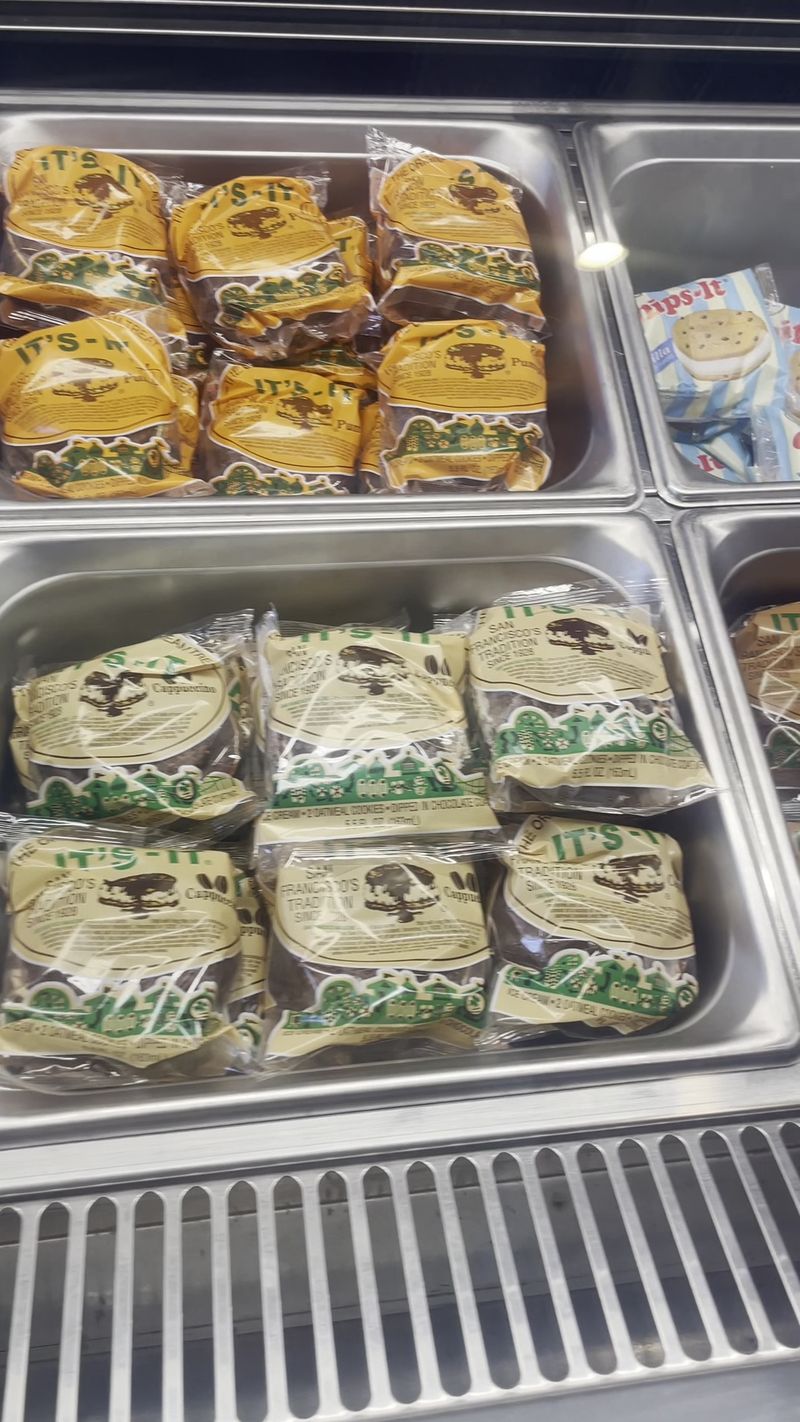
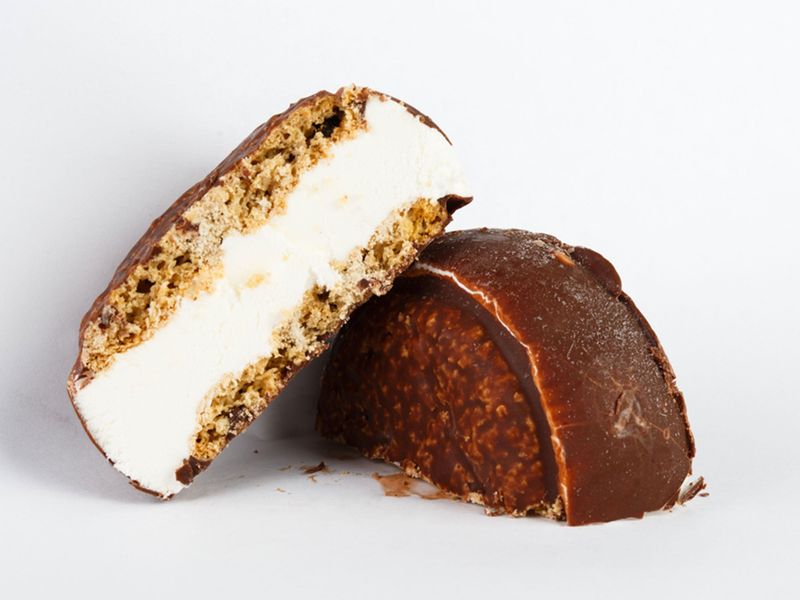
Only California kids understand the pure joy of biting through chocolate coating into oatmeal cookies with ice cream squished between them.
Created in 1928 at San Francisco’s Playland at the Beach, It’s-It became a frozen legend that survived long after the amusement park closed.
Vanilla was the original flavor, but mint, chocolate, cappuccino, and strawberry joined the lineup over decades.
The individually wrapped treats were perfect for beach trips and summer afternoons.
Their round shape and generous size made them feel like a real indulgence, not just another ice cream bar.
You can still find them in grocery store freezers throughout Northern California, though the original factory moved to Burlingame.
Each bite delivers that same nostalgic crunch and creamy center that made them famous nearly a century ago.
5. French Dip Sandwiches

Los Angeles claims this dripping, savory masterpiece that piles thin-sliced roast beef onto a French roll and serves it with au jus for dunking.
Philippe The Original and Cole’s, both downtown LA institutions, have argued for over a century about who invented it first.
Regardless of origin, the sandwich became a California classic that requires extra napkins and zero shame about the mess.
Philippe The Original, located at 1001 N Alameda St, Los Angeles, CA 90012, still serves sawdust-covered floors and communal tables.
Cole’s Pacific Electric Buffet at 118 E 6th St, Los Angeles, CA 90014, offers a darker, more atmospheric setting with a speakeasy vibe.
Both spots serve their version with pickled peppers and coleslaw on the side.
The beef gets dunked completely or partially, depending on personal preference, creating that perfect balance of crusty bread and juice-soaked deliciousness.
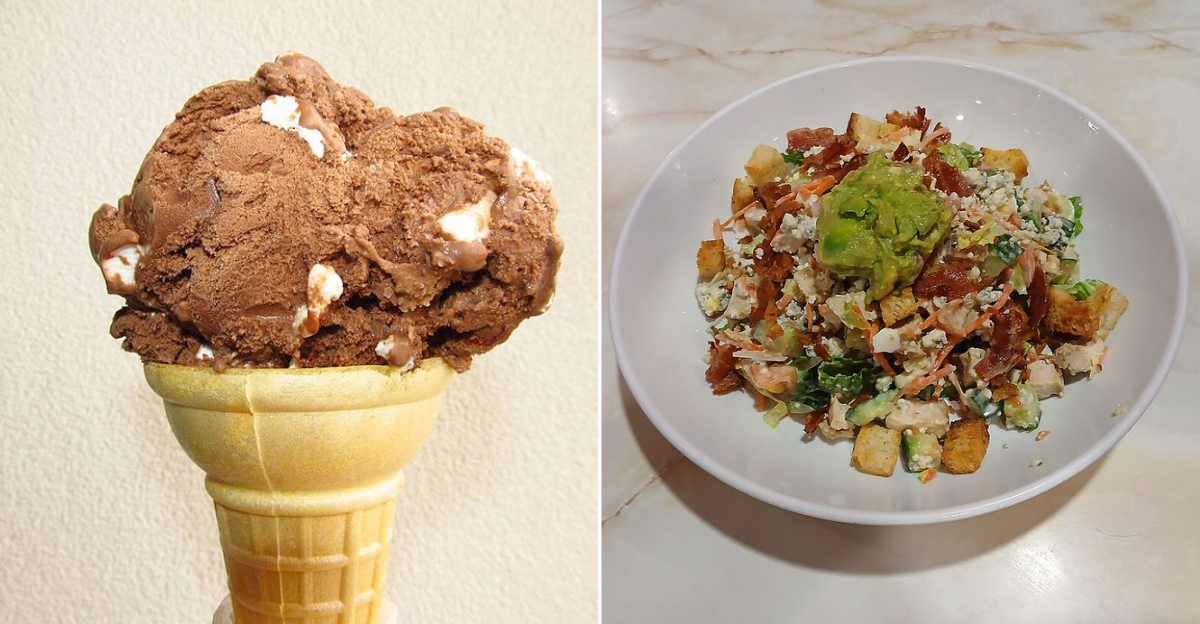
6. Cobb Salad

Hollywood’s Brown Derby restaurant is widely credited with popularizing this chopped salad, and California has been obsessed ever since.
Rows of bacon, hard-boiled egg, avocado, chicken, blue cheese, and tomatoes sit arranged over lettuce like edible art.
The composition matters as much as the ingredients, with each element maintaining its distinct identity until the first fork plunge mixes everything together.
Restaurant owner Robert Cobb is often linked to its origin story, tied to a late-night mix of ingredients on hand.
The original Brown Derby closed decades ago, yet the salad itself never left the menu vocabulary of California dining.
Classic versions use Romaine and a tangy vinaigrette, and modern interpretations vary widely.
The salad represents California’s knack for turning simple ingredients into something that feels special, proving that presentation and quality matter more than complexity or fuss.
7. Fortune Cookies Made in San Francisco Chinatown

Fortune cookies became an American tradition with early roots on the West Coast, not a traditional Chinese dessert.
San Francisco’s Chinatown has long been associated with their local popularity, and Golden Gate Fortune Cookie Factory at 56 Ross Alley, San Francisco, CA 94108, still makes them by hand. V
isitors can watch workers fold hot cookies around tiny paper fortunes before they cool and harden into their signature shape.
The small factory operates in a narrow alley, and the smell of vanilla and almond draws tourists inside.
Each cookie gets individually folded in seconds, a skill that looks effortless but requires perfect timing.
Japanese-American bakers are often linked to early versions that influenced what many people now recognize, and Chinese restaurants in the United States helped make them a familiar end-of-meal tradition.
California kids grew up cracking these open at Chinese restaurants, reading fortunes aloud, and turning them into playful jokes
8. Garlic Ice Cream at Gilroy Garlic Festival Season
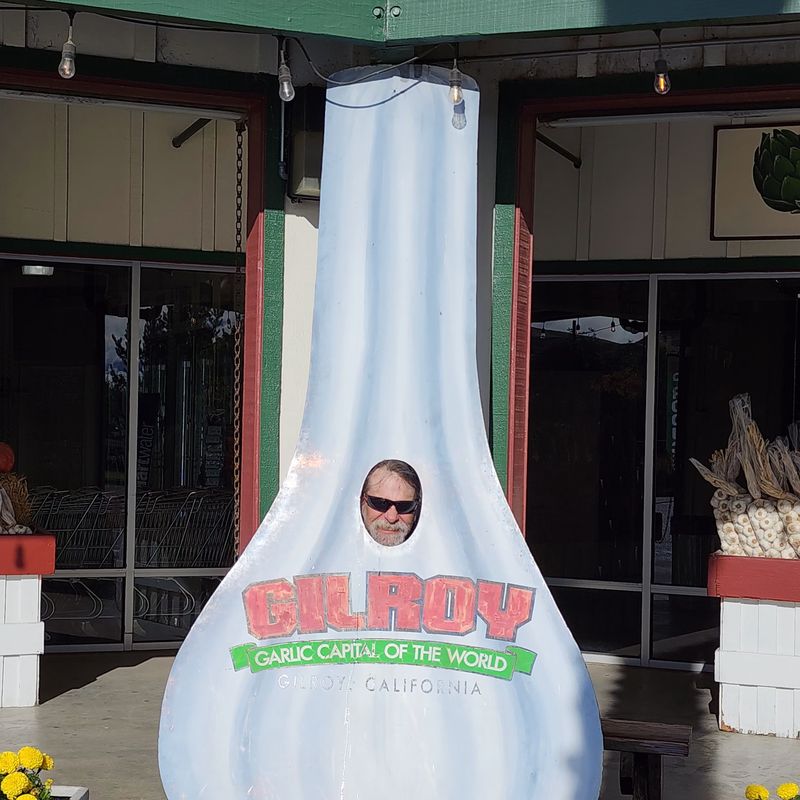
When festival season hits, Gilroy leans into its garlic identity, and adventurous eaters line up to try ice cream flavored with the famous bulb.
After a long pause, the Gilroy Garlic Festival returned in late July 2025, and event details and venues have differed from earlier years, so checking the current listing matters.
Surprisingly, the flavor can land sweet and mild, with a gentle savory note that surprises taste buds.
Vendors also serve garlic fries and garlic bread, along with plenty of other garlic-forward bites.
The celebration attracts big crowds who embrace the town’s agricultural heritage with enthusiasm.
Kids dare each other to try it, and adults approach with skepticism that often turns to pleasant surprise.
The experience embodies California’s willingness to experiment with food in ways that seem wild but somehow work perfectly.
9. Ranch Dressing as a Default Dip for Everything
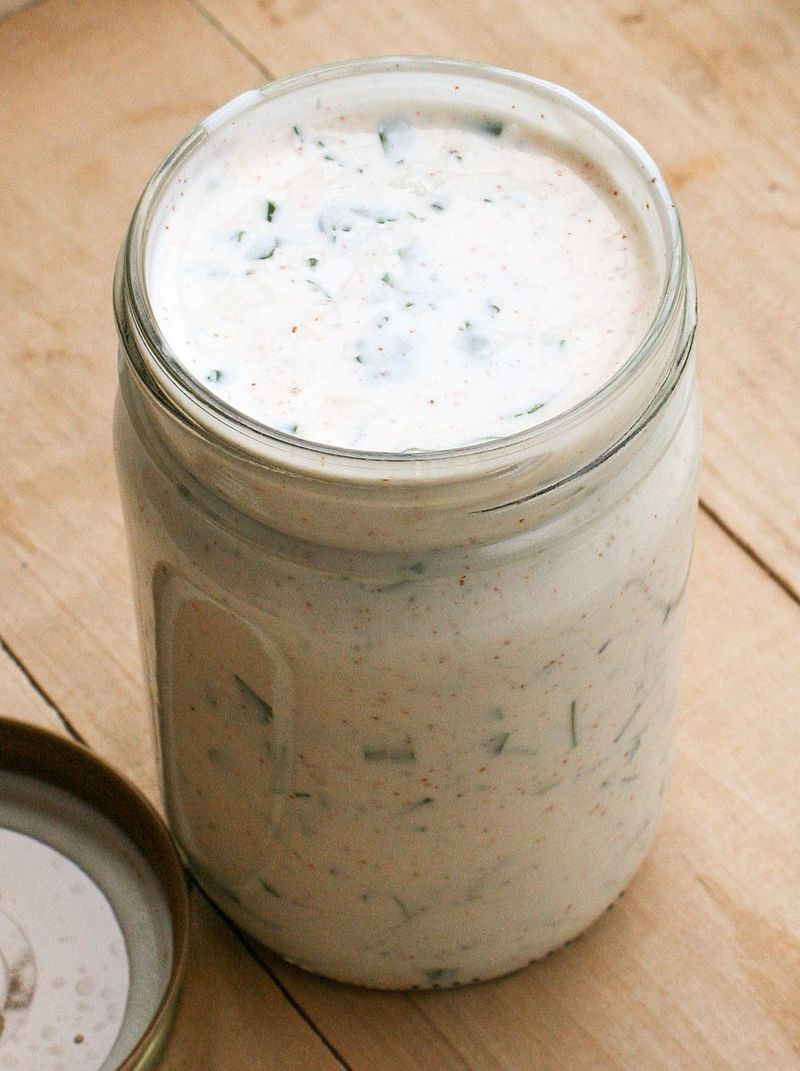
Hidden Valley Ranch was born in California in the 1950s when Steve Henson created the buttermilk-herb dressing at his dude ranch near Santa Barbara.
What started as a house specialty became a national obsession, but California kids took it further, using ranch as the default dip for pizza, fries, vegetables, chicken nuggets, and basically anything edible. Restaurants automatically serve it alongside appetizers without anyone needing to ask.
The original Hidden Valley Ranch, located in the mountains above Santa Barbara, no longer operates as a guest ranch.
However, the dressing recipe sold to Clorox in 1972 and became a grocery store staple.
Californians drizzle it on salads, mix it into pasta, and use it as a sandwich spread.
The creamy, tangy flavor became so ingrained in the state’s food culture that requesting ranch elsewhere in the country sometimes gets confused looks or subpar imitations.
10. Rocky Road Ice Cream
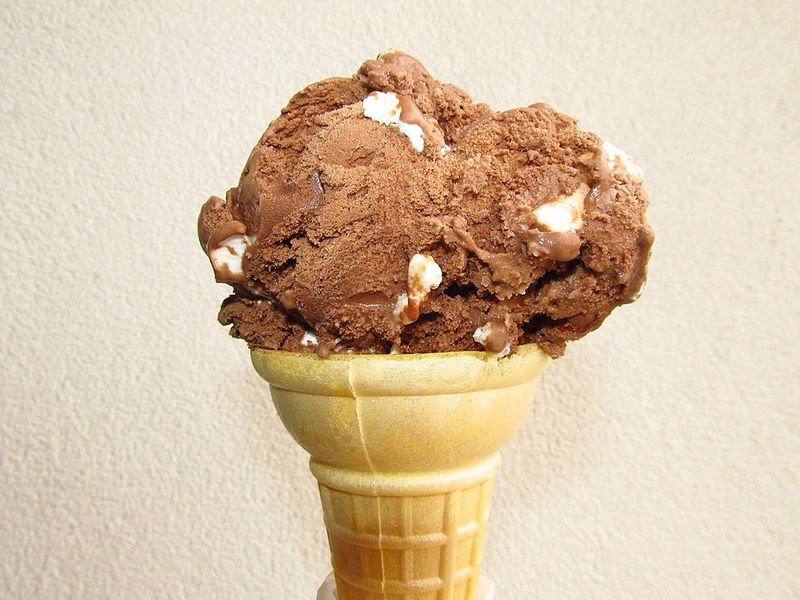
William Dreyer invented this chunky, chocolate-marshmallow-almond combination in Oakland during the Great Depression to give people something to smile about.
His ice cream shop, Dreyer’s Grand Ice Cream, started in 1928 and became a California institution before expanding nationwide.
The name referenced the rocky road of economic hardship, but the flavor itself was pure comfort and indulgence.
Dreyer used his wife’s sewing scissors to cut up marshmallows and mixed them with almonds into chocolate ice cream.
The result was a textured, fun-to-eat flavor that stood out from plain vanilla and chocolate options.
California kids grew up recognizing the pink, brown, and tan swirls in their bowls.
Rocky Road became the official flavor of optimism, proving that even during tough times, a little creativity and sweetness could make everything feel better, at least temporarily.
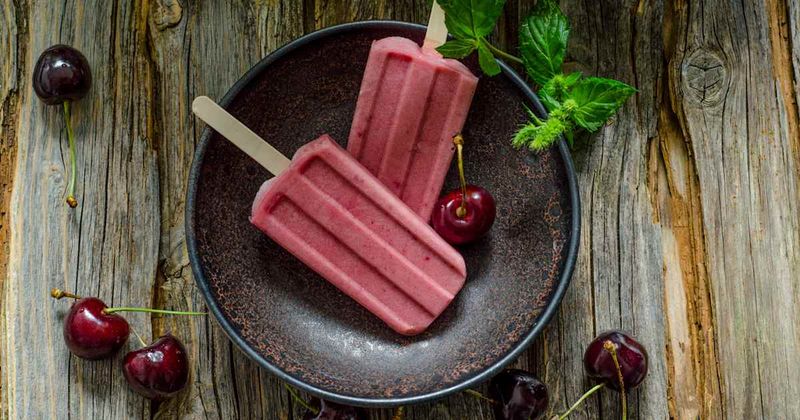
11. Popsicles
An 11-year-old boy in Oakland accidentally invented the Popsicle in 1905 when he left a cup of powdered soda and water with a stirring stick outside overnight.
Frank Epperson introduced the treat publicly in the early 1920s, and he received a patent in 1924 for what he first called the Epsicle, before the Popsicle name took over.
The simple concept of frozen flavored ice on a stick became a summer staple that California kids claimed as their own creation.
Epperson sold the rights to the Joe Lowe Company in 1925, and the legacy remained tied to the Bay Area.
Twin pops that could be split and shared became especially popular, teaching kids early lessons about generosity and negotiation.
Corner stores, neighborhood markets, and ice cream trucks carried them in dozens of flavors.
Breaking a Popsicle in half to share with a friend felt like a California rite of passage, sticky and sweet and perfectly suited to hot afternoons.
12. Green Goddess Dressing
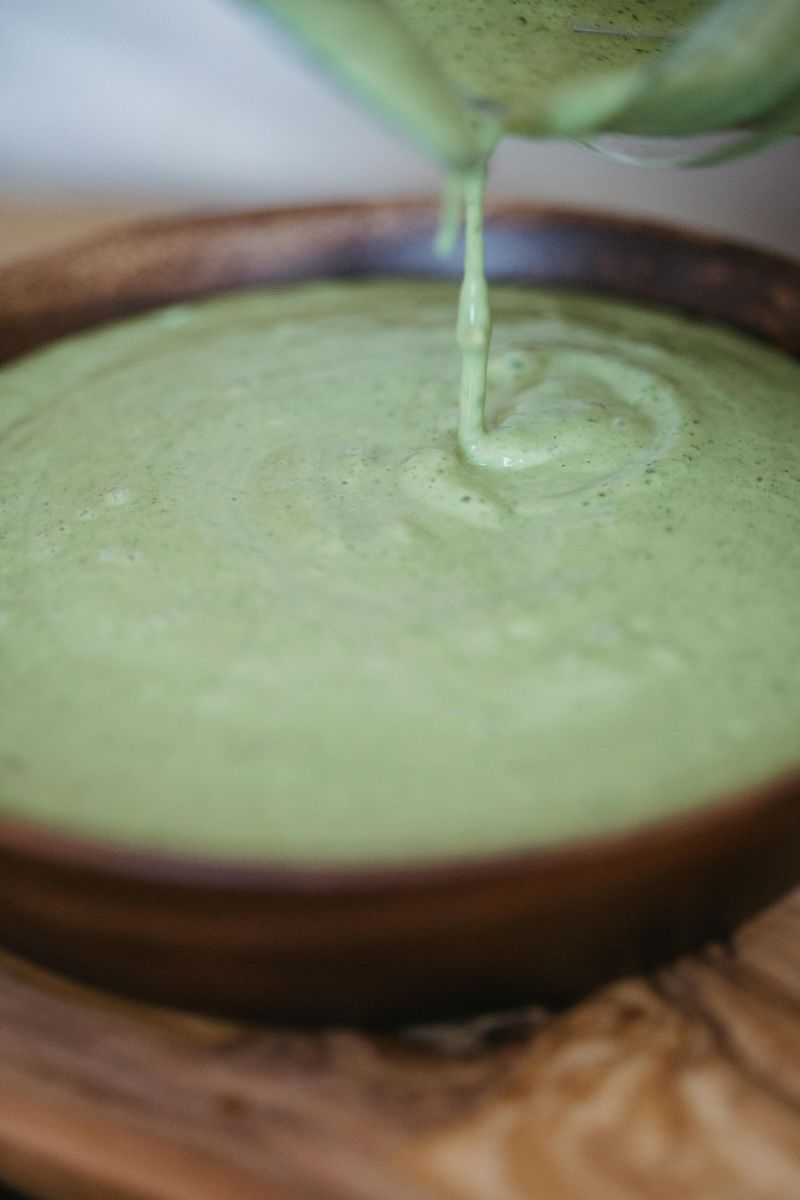
San Francisco’s Palace Hotel created this herby, anchovy-spiked dressing in the 1920s to honor actor George Arliss and his play “The Green Goddess.”
The hotel’s chef blended mayonnaise, tarragon, parsley, chives, anchovies, and lemon juice into a pale green sauce that became the signature topping for salads and seafood.
Located at 2 New Montgomery St, San Francisco, CA 94105, the Palace Hotel still serves elegant meals in its grand dining rooms with soaring ceilings and ornate details.
The dressing fell out of fashion for decades but has recently experienced a comeback among California chefs.
Its bright, complex flavor works equally well on vegetables, grilled chicken, or as a dip for crudités.
Growing up, California kids encountered Green Goddess at nicer restaurants and special occasions.
The unusual color made it memorable, and the sophisticated taste made them feel grown-up and worldly, even if they couldn’t pronounce “tarragon” correctly.
13. Rice-A-Roni San Francisco Treat Nights
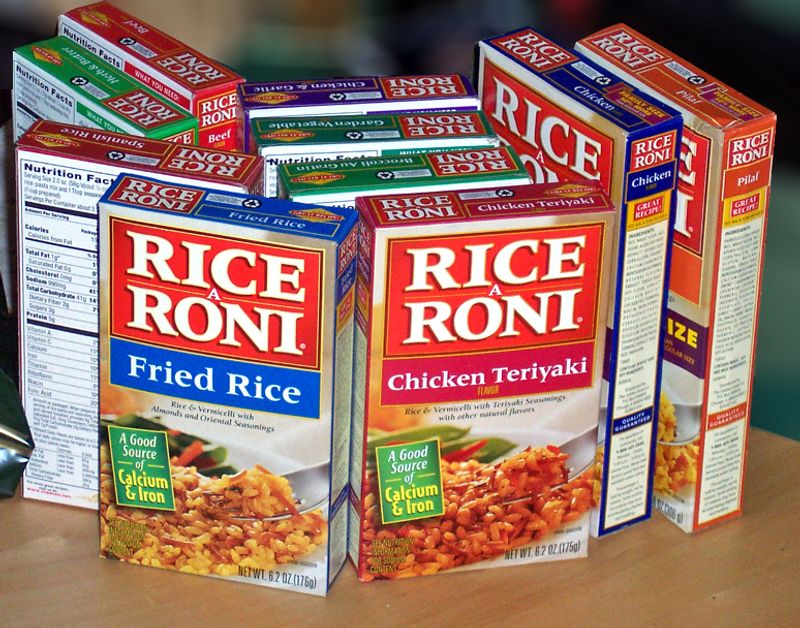
Rice-A-Roni was created in San Francisco in 1958 by the Golden Grain Company, combining rice and pasta with seasonings in a box that promised quick, flavorful side dishes.
The jingle “the San Francisco treat” became embedded in every California kid’s brain through countless television commercials featuring cable cars and Golden Gate Bridge shots.
Families served it alongside chicken, pork chops, or meatloaf on busy weeknights when time was short but hunger was real.
The product became a pantry staple throughout the state.
Chicken flavor remained the most popular, and Spanish rice and other varieties had devoted fans.
Stirring the rice and vermicelli in butter before adding water became a familiar kitchen ritual.
The toasted pasta smell signaled that dinner was underway, and the savory result made even picky eaters happy, at least most of the time.
14. Ghirardelli Hot Fudge Sundaes
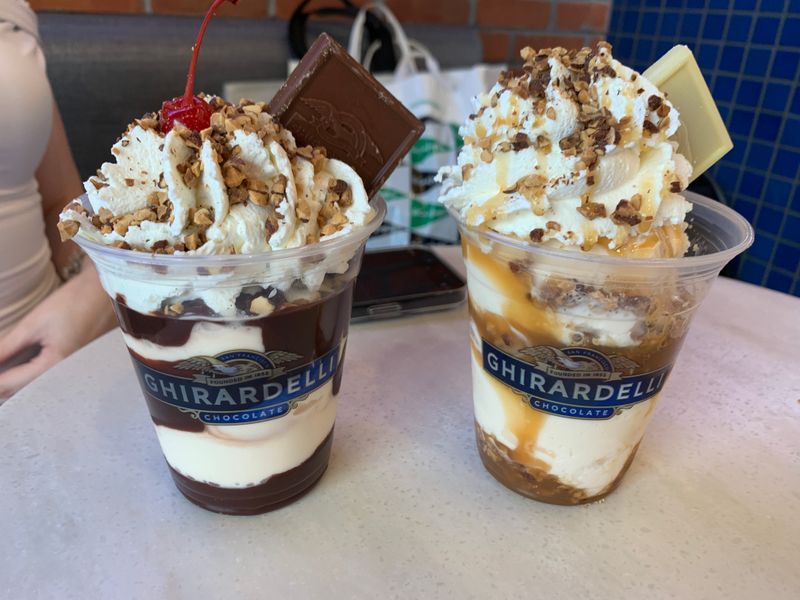
Ghirardelli Square in San Francisco, located at 900 North Point St, San Francisco, CA 94109, transformed from a former chocolate factory site into a shopping and dining destination, yet the Ghirardelli Ice Cream & Chocolate Shop remains the star attraction.
Massive hot fudge sundaes arrive at tables piled with whipped cream, nuts, and a cherry, served in glass dishes that show off every layer.
The building’s red brick facade and vintage clock tower make it instantly recognizable along the waterfront.
Ghirardelli has been making chocolate in San Francisco since 1852, and their hot fudge uses real cocoa and stays warm and pourable over cold ice cream.
The contrast between temperature and texture makes each spoonful an experience.
California kids begged their parents to stop here after visiting Fisherman’s Wharf or Alcatraz.
Sharing a sundae meant getting chocolate on your face and feeling completely satisfied, surrounded by the sweet smell of cocoa and tourists taking photos of their own towering desserts.