
Here’s Why This California Steakhouse Has Kept Its Old School Menu For Generations
Pushing through the doors at Taylor’s Steak House, I feel like I just stepped into 1953, and honestly, I hope they never change a thing.
Located at 3361 W 8th St, Los Angeles, California 90005, this place has been slicing New York strips and pouring old-fashioned hospitality since the Eisenhower administration.
The red leather booths, dim lighting, and tuxedoed waiters tell you immediately that Taylor’s isn’t chasing trends or reinventing steakhouse culture.
Instead, they’ve stuck with what works, serving the same cuts, the same sides, and the same supper-club atmosphere that made guests fall in love decades ago.
Walking past tables of regulars who probably have their own unofficial seats, I realized this menu hasn’t changed because it never needed to.
Taylor’s proves that when you nail the basics, time becomes your biggest asset instead of your enemy.
I’ve returned more times than I can count, and each visit reminds me why some traditions deserve to stay exactly where they are.
Prime Cuts That Never Go Out of Style
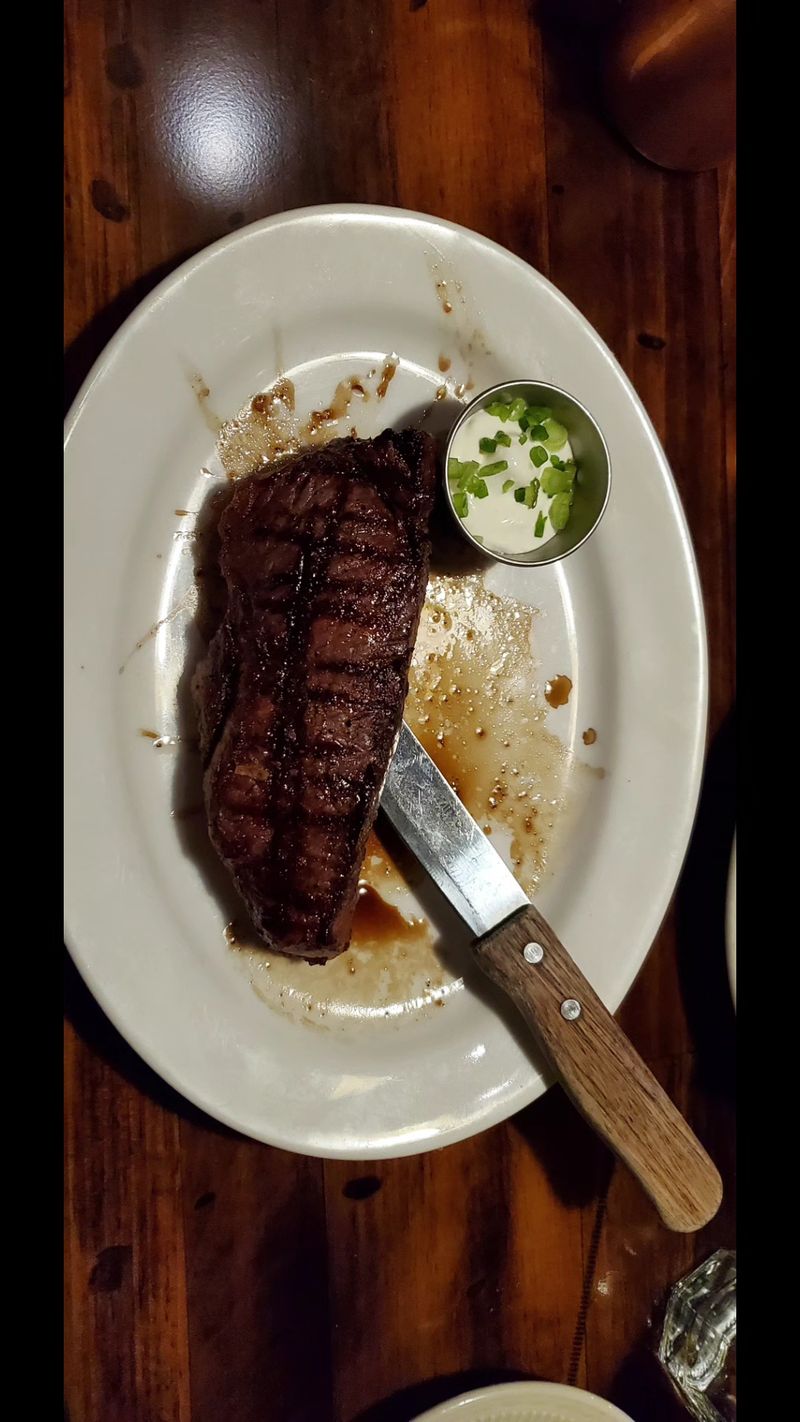
Taylor’s built its reputation on perfectly aged beef, and they saw no reason to mess with success.
The filet mignon, New York strip, and ribeye arrive at your table seared exactly how you asked, with that caramelized crust and tender center that made steakhouses legendary in the first place.
I’ve watched chefs experiment with exotic rubs and molecular techniques at newer spots, but Taylor’s keeps it simple with salt, heat, and timing.
Their beef comes from trusted suppliers who understand that consistency matters more than novelty.
Regulars know exactly what they’re getting every single visit, and that predictability becomes part of the ritual.
When I order the New York strip medium-rare, I’m not gambling on a chef’s interpretation or hoping the kitchen nails a complicated preparation.
I’m ordering a dish that’s been perfected through thousands of services, and it shows in every bite.
The Supper Club Atmosphere Stays Frozen in Time

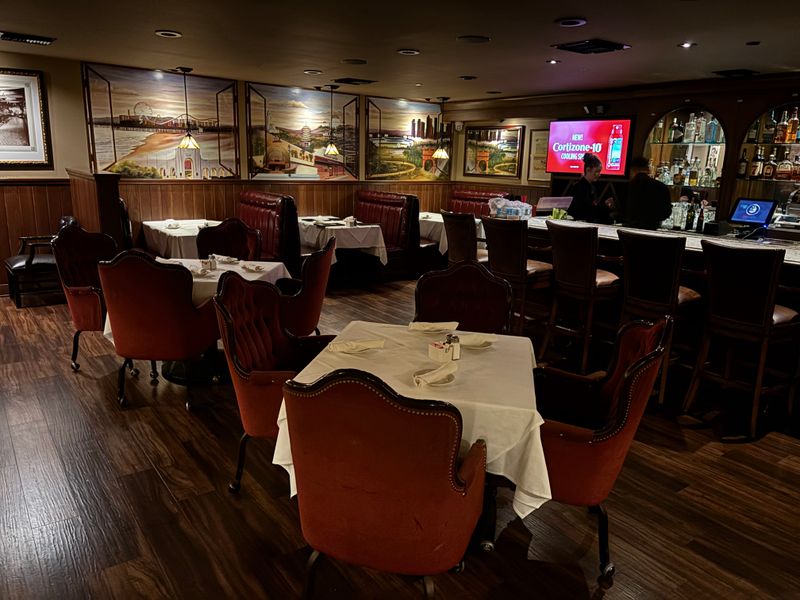
Stepping into Taylor’s feels like walking onto a movie set designed to capture 1950s Los Angeles dining.
The dark wood paneling, red leather booths, and white tablecloths create an environment that younger steakhouses try to replicate but can never quite capture authentically.
This isn’t a theme or a design choice made by a consultant last year.
It’s the real deal, preserved through decades of careful maintenance and a refusal to chase modern minimalist trends.
I love how the lighting stays dim enough to feel intimate without making it impossible to see your plate.
The tuxedoed waiters move with practiced efficiency, balancing professionalism with warmth in a way that feels increasingly rare.
Sitting in one of those booths, I’m not just eating dinner.
I’m participating in a dining tradition that connects me to every guest who sat in that same spot over the past seventy years.
Waiters Who’ve Served Generations of Families
One of Taylor’s greatest assets walks on two legs and wears a tuxedo.
The waitstaff here includes veterans who’ve been serving guests for decades, and their knowledge of the menu, the regulars, and the rhythm of service elevates every meal.
My waiter remembered my preference for extra horseradish before I even asked for it on my second visit.
These aren’t college students picking up shifts between classes.
They’re career professionals who treat steakhouse service like a craft worth mastering.
I’ve watched them guide first-timers through the menu with patience and recommend cuts based on actual understanding rather than upselling the most expensive option.
Their presence creates continuity that reinforces Taylor’s old-school identity.
When the same waiter who served your parents now serves your kids, the restaurant becomes more than a business.
It transforms into a living piece of family history.
Side Dishes That Respect Tradition
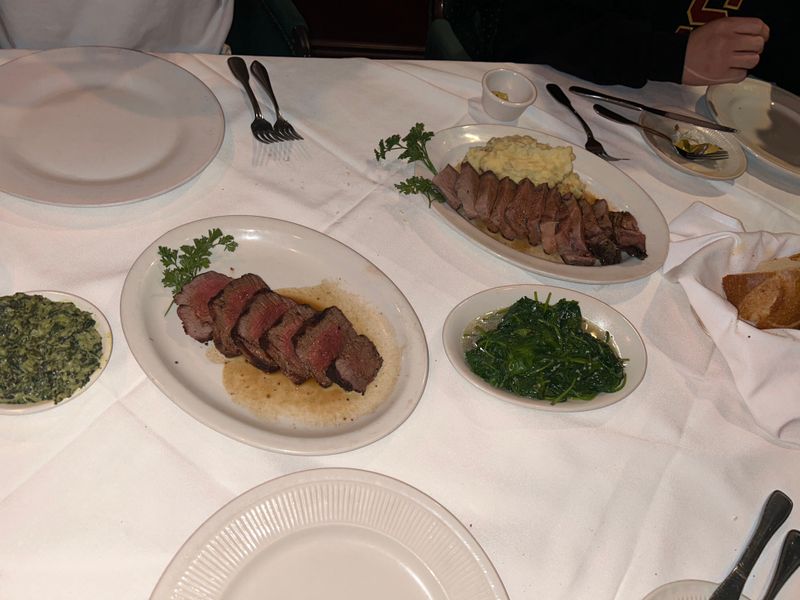
While trendy steakhouses experiment with truffle mac and cheese or deconstructed potatoes, Taylor’s sticks with creamed spinach, baked potatoes, and simple green beans.
These sides aren’t trying to steal the spotlight from the beef.
They’re supporting players designed to complement rather than compete, and that restraint feels refreshing in an era of culinary showmanship.
I always order the creamed spinach, which arrives hot, properly seasoned, and rich without being heavy.
The baked potato comes with all the classic fixings, no fancy aiolis or exotic toppings required.
Taylor’s understands that side dishes at a steakhouse should enhance the main event, not distract from it.
By keeping these preparations straightforward and consistent, they ensure that guests who visited thirty years ago can order the same meal and taste the same flavors.
That kind of reliability builds loyalty that no marketing campaign could ever manufacture.
A Menu That Refuses to Chase Trends
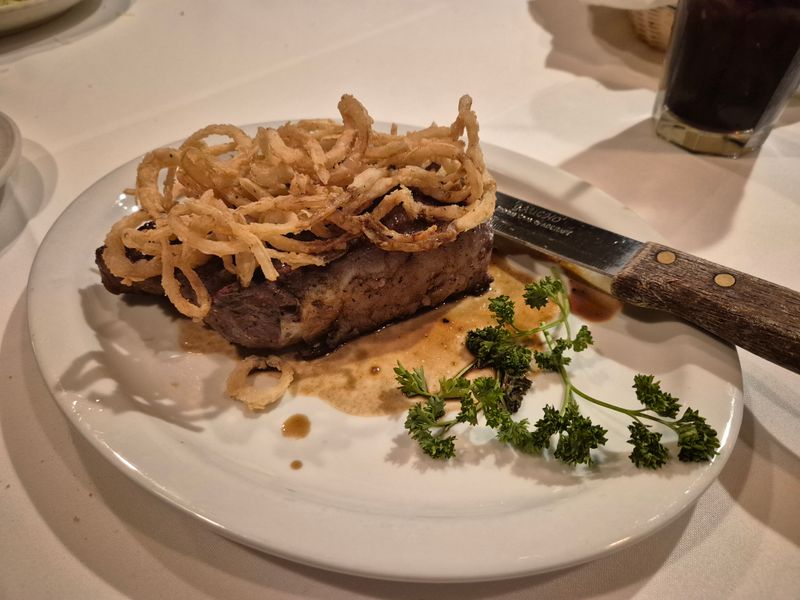
Taylor’s menu reads like a time capsule, and management clearly intends to keep it that way.
You won’t find Korean barbecue fusion steaks, plant-based alternatives, or seasonal small plates designed for Instagram.
Instead, the menu offers straightforward cuts of beef, classic seafood options, and traditional appetizers that have satisfied diners since the Truman administration.
I appreciate how this approach filters out guests looking for culinary novelty and attracts those who value consistency.
The kitchen isn’t wasting energy developing quarterly specials or sourcing obscure ingredients.
They’re perfecting the same dishes they’ve served for generations, and that focus shows in the execution.
When a restaurant commits to a narrow menu and refuses to deviate, every cook learns those dishes inside and out.
The result is reliability that builds trust with guests who return knowing exactly what they’ll receive.
Taylor’s proves that staying power comes from mastery, not variety.
Prime Rib That Anchors the Weekend
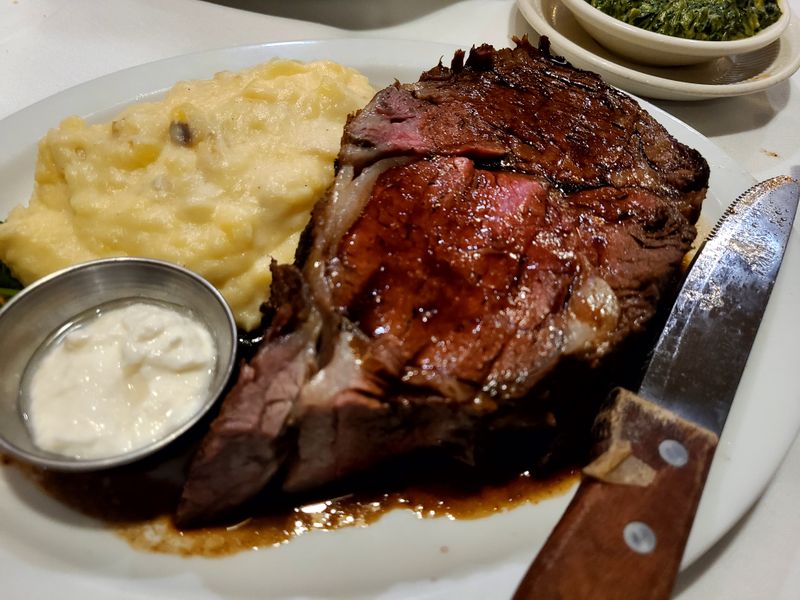
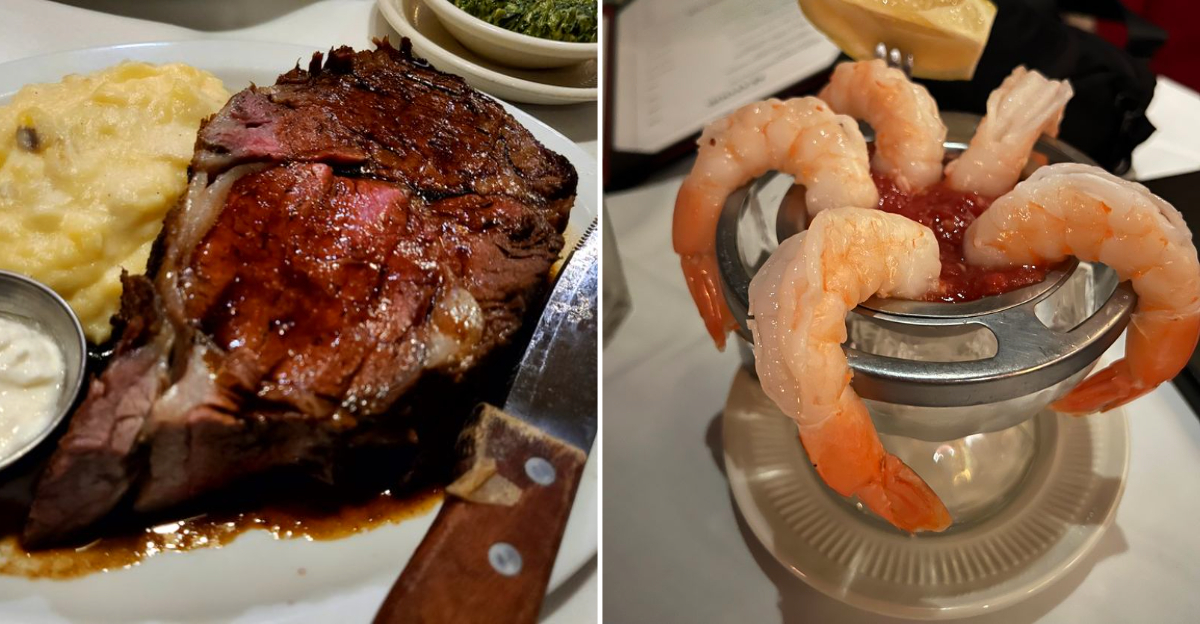
Evenings at Taylor’s often mean prime rib, and regulars plan their week around when they are going to come in for it.
This massive, slow-roasted cut arrives at the table with au jus and horseradish, carved to order and still steaming from the oven.
I’ve tried prime rib at dozens of steakhouses, but Taylor’s version stands out for its perfect balance of crusty exterior and tender, rosy interior.
The kitchen doesn’t try to reinvent this classic with exotic seasonings or unusual preparations.
They simply roast excellent beef low and slow, then slice it thick and serve it hot.
Watching the carving station in action reminds me why this cut became a steakhouse staple in the first place.
It’s impressive, flavorful, and generous enough to satisfy even the heartiest appetite.
By treating prime rib as a regular nightly staple rather than a limited-time special, Taylor’s creates a steady tradition that keeps tables full when other restaurants struggle.
Seafood Options for the Non-Beef Eaters
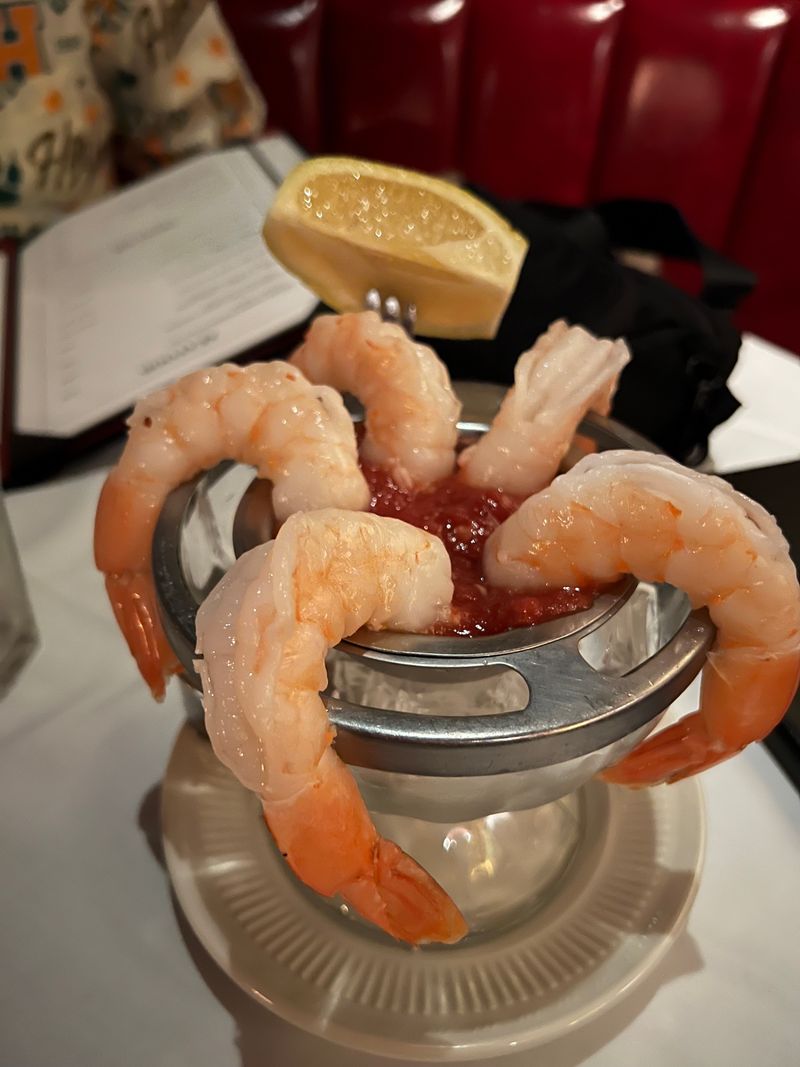
Even though Taylor’s reputation rests on beef, they’ve always kept a few seafood options for guests who prefer fish or want to mix up their order.
The lobster tail, shrimp cocktail, and grilled fish preparations follow the same old-school philosophy as the rest of the menu.
Nothing fancy, nothing fussy, just quality seafood prepared simply and served without unnecessary garnishes.
I’ve brought friends who don’t eat red meat, and they’ve never felt like afterthoughts.
The kitchen treats these dishes with the same care and attention as the signature steaks.
The lobster arrives perfectly cooked, not rubbery or overdone, with drawn butter and lemon.
The shrimp cocktail features plump, cold shrimp arranged around classic cocktail sauce.
By keeping these options straightforward and high-quality, Taylor’s ensures that mixed groups can dine together comfortably.
The seafood isn’t trying to compete with cutting-edge coastal restaurants.
It’s simply offering reliable alternatives within a steakhouse framework.
Pricing That Reflects Quality Without Gouging
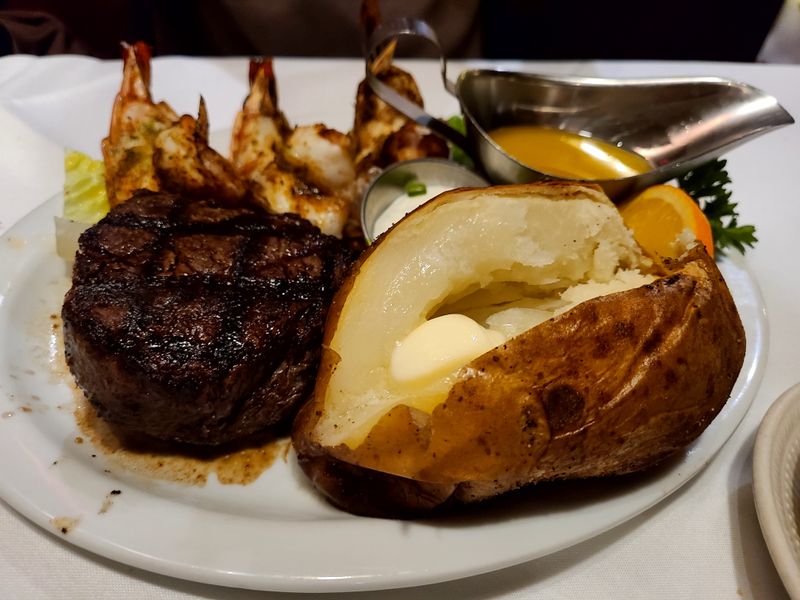
Taylor’s sits in the moderate-to-expensive range for steakhouses, marked with three dollar signs on most review sites.
While you won’t find bargain prices, you also won’t experience the sticker shock common at newer celebrity-chef ventures.
The pricing reflects the quality of the ingredients and the skill of the preparation without adding a premium for trendiness or hype.
I’ve walked out of Taylor’s feeling satisfied that I received fair value, something I can’t always say after visiting flashier competitors.
The portions are generous without being wasteful, and the sides are priced reasonably for sharing.
By maintaining consistent pricing over the years and resisting the temptation to inflate costs just because the market might bear it, Taylor’s has built trust with budget-conscious diners who want quality without bankruptcy.
That pricing strategy, combined with the consistent quality, creates a value proposition that keeps regulars returning instead of exploring alternatives.
A Location That’s Survived Urban Change
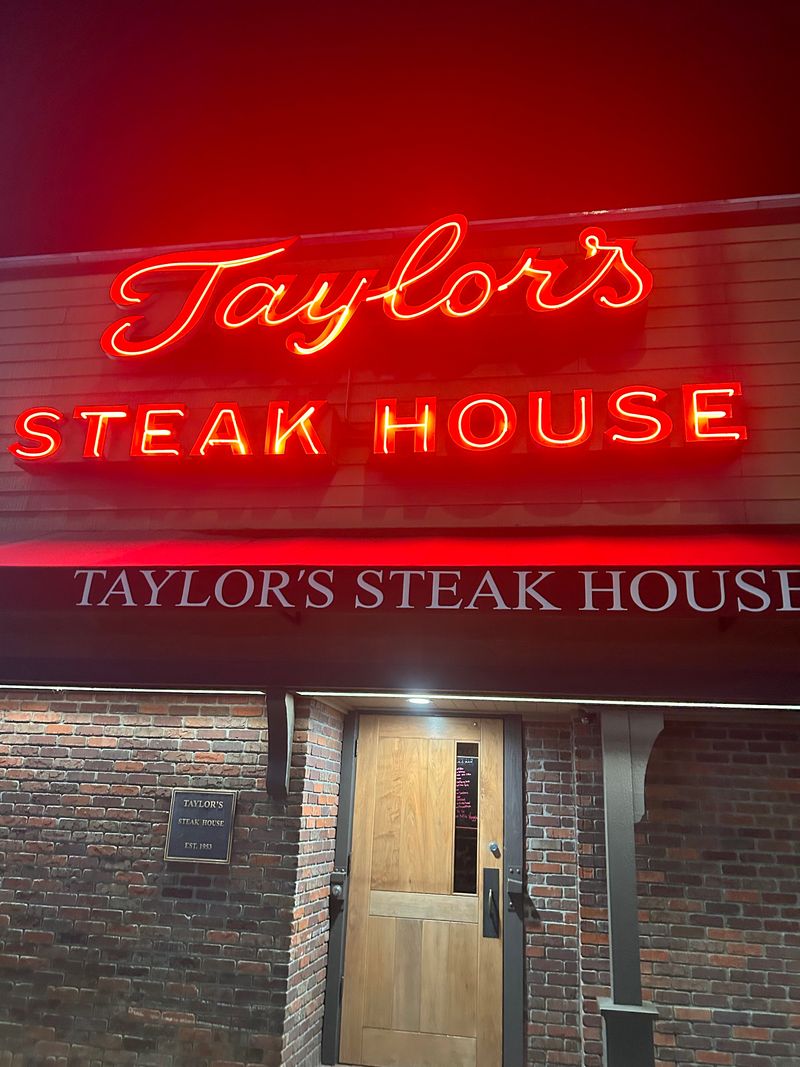
Taylor’s location at 3361 W 8th St has watched Los Angeles transform around it while staying rooted in this corner of Koreatown for decades.
The neighborhood has shifted, new buildings have risen, and dining trends have come and gone, but Taylor’s has stayed put here long enough to feel like part of the landscape.
That physical presence reinforces the restaurant’s identity as a constant in a city known for constant change.
I love how the building itself looks like it belongs to another era, with signage and architecture that haven’t been modernized to match surrounding developments.
This isn’t a restaurant that abandoned its core neighborhood or chased a flashy reinvention far across town.
This original Koreatown dining room has earned its reputation through decades of service in one spot.
Guests who moved away from Los Angeles years ago can return and find Taylor’s right back at its long-time 8th Street home, serving the same food in the same space.
That kind of stability creates emotional connections that transcend mere dining preferences.
Operating Hours That Honor the Supper Club Tradition
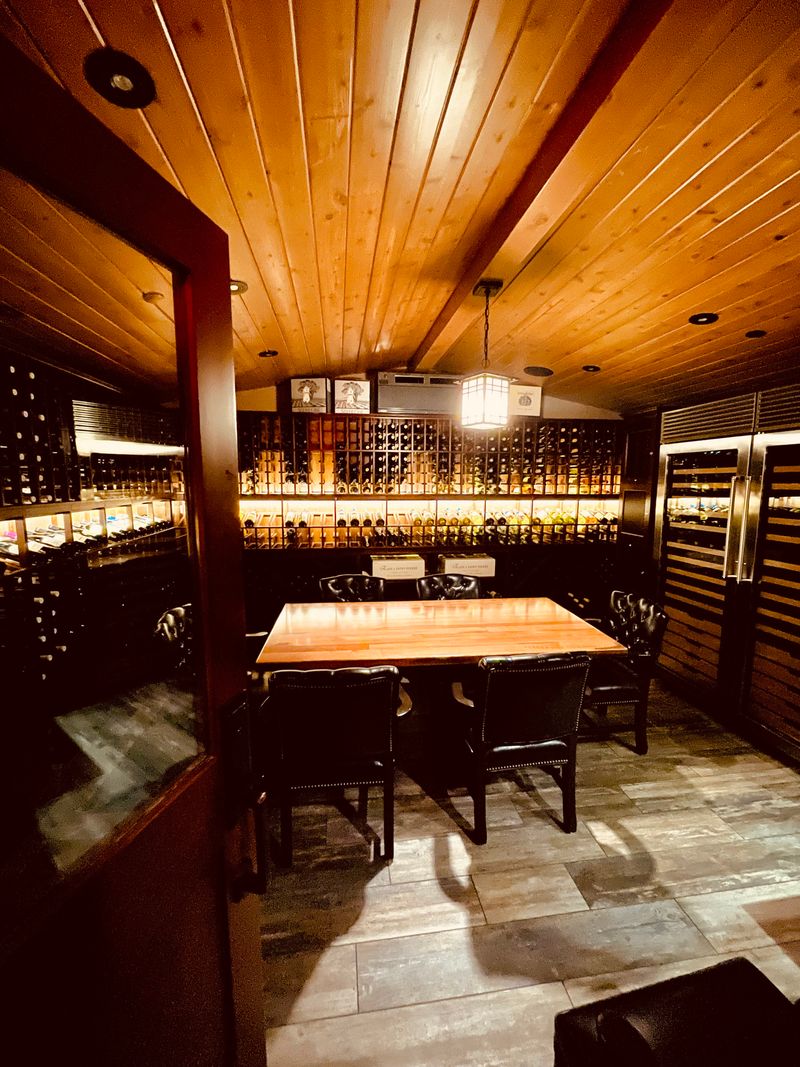
This 8th Street location doesn’t serve lunch, and they’re closed on Mondays, choices that reinforce their identity as a dinner destination rather than an all-day operation.
Opening at 4 PM and closing at 10 PM from Tuesday through Sunday, they’ve maintained the supper club schedule that defined mid-century dining.
I appreciate how this limited schedule creates anticipation and specialness around each visit.
You can’t just drop in for a quick lunch meeting or a casual weekday afternoon bite.
Dining at Taylor’s requires planning and intention, which makes each meal feel more like an event.
The kitchen staff can focus their energy on one service period, ensuring consistency and quality rather than stretching resources across multiple shifts.
By closing on Mondays, they give the entire team a predictable break and signal to guests that this isn’t a corporate chain operating seven days a week regardless of demand.
These hours reflect respect for both staff and tradition.