
14 Florida Towns Locals Love For Winter Day Trips
Winter is when Florida quietly becomes itself again. The heat loosens its grip, the air turns clear and dry, and suddenly the idea of getting in the car for a few hours feels less like an errand and more like an invitation.
Locals know this is the season for day trips, when small towns reveal their real pace and you can explore without planning around crowds, parking strategies, or afternoon thunderstorms.
A winter day on the road here is about light layers, open windows, and stopping because something looks interesting, not because an itinerary says you should.
These towns are not polished for postcards.
They feel lived in, shaped by routine rather than spectacle, with main streets that still function as gathering places and cafés where conversations stretch longer than expected. History sits comfortably alongside everyday life, whether that means a weathered courthouse, a riverfront park, or a diner that has been feeding the same families for decades.
You can walk slowly, notice details, and still make it home before dark, which is part of the appeal. This list is drawn from the kinds of places Floridians choose when winter weekends arrive and the state feels briefly spacious again.
Consider it a collection of easy escapes, meant for wandering, lingering, and returning with the sense that you stepped slightly outside your routine, without ever leaving Florida behind.
1. St. Augustine

Coquina stone holds warmth even in January, so walking St. George Street on a clear winter morning feels grounded rather than chilly, with buskers setting up slowly, bakery doors opening without urgency, and the sense that you can drift between centuries without fighting heat or crowds.
The Castillo de San Marcos anchors the waterfront with quiet authority, its shell-studded walls catching low winter light while the Matanzas River moves calmly beside it, making history feel present but not staged or demanding of your attention.
Winter is when the city’s layered past reads most clearly, because you can pause to notice street names, balconies, and small plaques without planning shade breaks or dodging tour groups compressed by summer humidity.
Crossing the Bridge of Lions becomes a pleasure instead of a logistical choice, as cooler air invites you onto Anastasia Island for long beach walks where footprints last longer and the ocean feels expansive rather than overwhelming.
Museums like the Lightner reward winter wandering, since you can linger in quiet rooms and let the building’s former hotel scale reveal itself without the fatigue that warmer months bring.
Lunch stretches comfortably at sidewalk tables, jackets draped over chair backs, conversations drifting as easily as the sea breeze that slips through narrow streets.
By late afternoon, when the sun drops early and the old city glows amber, St. Augustine delivers exactly what a winter day trip should, a feeling of depth experienced at human speed, with time left to drive home unhurried.
2. Fernandina Beach
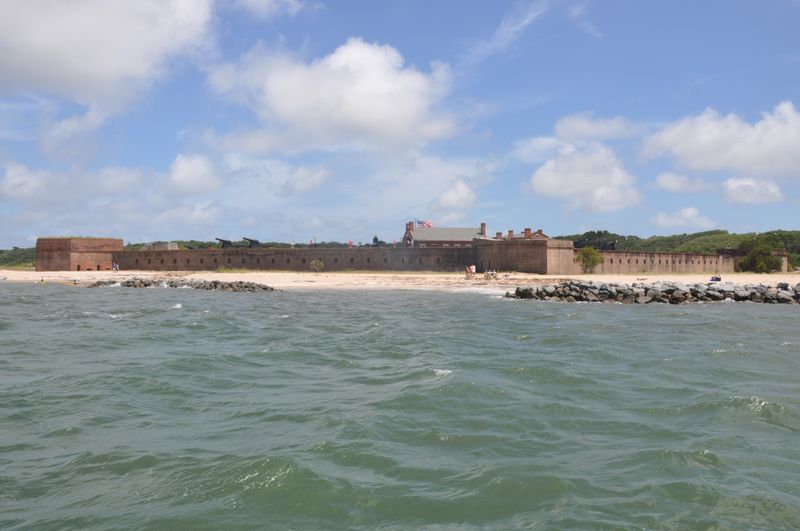
Winter mornings in Fernandina Beach arrive with cool marsh air and clean light, making Centre Street feel less ornamental and more like a functioning town center where locals move deliberately rather than defensively.
The Amelia River stays active year-round, and in winter the shrimp boats, docks, and tidal shifts feel more visible without the distraction of peak-season noise or heat.
Victorian facades read differently in cooler weather, when walking pace slows enough to notice ironwork, faded paint, and architectural choices that hint at earlier ambitions and booms.
A walk toward Fort Clinch State Park becomes especially rewarding in winter, as long stretches of shade, brickwork, and shoreline can be explored without rushing or retreating from the sun.
The town’s layered history, shaped by pirates, shipping, railroads, and tourism, feels coherent rather than overwhelming when you have the mental space to absorb it gradually.
Winter invites lingering in places that are often rushed past, like quiet side streets, marinas, and benches where conversation unfolds at tide speed rather than itinerary speed.
As afternoon light settles over the harbor, Fernandina Beach feels complete rather than concluded, the kind of place that makes a single day feel fully spent without feeling full.
3. Mount Dora
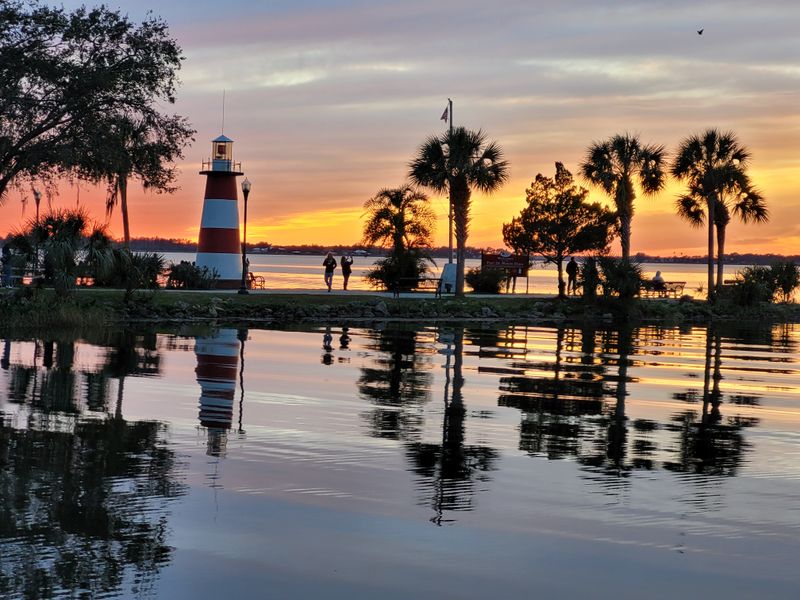
Mount Dora benefits immensely from winter’s clarity, when Lake Dora reflects crisp skies and the town’s gentle elevation becomes more noticeable with every slow walk uphill.
Downtown streets feel composed rather than busy, allowing antique shops, galleries, and historic buildings to exist as part of daily life instead of as attractions demanding attention.
The Lakeside Inn’s long veranda feels especially appropriate in winter, when sitting still is comfortable and watching boats move across the water becomes a satisfying use of time.
Railroad history and citrus wealth quietly shape the town’s layout, and winter makes those patterns easier to read as you move through streets without heat compressing your focus.
A Dora Canal boat ride becomes less about novelty and more about observation, with cypress knees, birds, and tannin-dark water revealing themselves slowly under cool air.
Winter afternoons encourage unstructured wandering, where detours down side streets or pauses by the lake feel natural rather than indulgent.
Leaving Mount Dora as daylight fades often carries the sense that nothing dramatic happened, yet something fundamental shifted, which is exactly what a winter day trip should do.
4. Winter Garden

Along the West Orange Trail, winter light falls at an angle that flatters brick storefronts and long shadows from bike spokes, turning a casual walk into something that feels gently cinematic rather than purely recreational.
Cool air makes it easy to linger downtown without an agenda, drifting between restored buildings, park benches, and shop windows that seem designed for unhurried browsing rather than quick transactions.
Railroad history sits quietly beneath the surface here, visible in the town’s orderly layout and the way the old depot still anchors community life without demanding attention.
Winter days bring out a local rhythm that feels generous, as cyclists pause longer, café tables fill slowly, and conversations stretch because no one is rushing back to air conditioned interiors.
The Garden Theatre’s marquee gains extra charm in shorter daylight hours, glowing earlier and signaling that culture and community remain central even after the sun drops.
A walk becomes a loop instead of a straight line in cooler weather, since doubling back feels pleasant rather than exhausting, allowing you to notice murals, planters, and architectural details missed on the first pass.
By the time afternoon slides toward evening, the town delivers a complete winter outing that feels both active and restful, making the drive home feel like a natural conclusion rather than an escape.
5. Dunedin
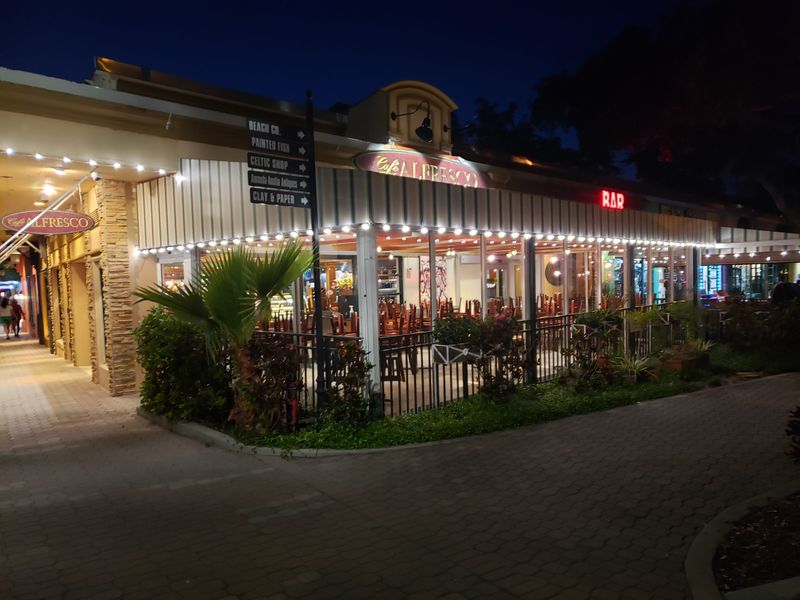
Salt air feels cleaner and more pronounced in winter, drifting in from the marina and mixing with subtle scents from nearby breweries without the heaviness that summer humidity brings.
Scottish roots surface gently through street names, symbols, and small design choices, which stand out more clearly when you can walk slowly and comfortably without seeking shade every few minutes.
The Pinellas Trail becomes a social artery during cooler months, with walkers, cyclists, and neighbors moving at compatible speeds that invite nods, smiles, and brief conversations.
A ferry ride or coastal walk toward nearby islands feels especially restorative in winter, when water stays calm longer and the beaches feel open rather than overstimulating.
Local history reveals itself in understated ways, through preserved homes, longtime businesses, and a noticeable respect for front porches as places meant to be used, not just admired.
Afternoons naturally stretch into early evenings here, since winter sunsets arrive sooner and create a soft sense of closure that encourages reflection rather than restlessness.
Driving away as daylight fades, the town leaves behind the impression of a place that knows how to balance leisure and daily life, especially when winter removes the need to perform for peak season crowds.
6. Tarpon Springs

Near the working docks, winter air sharpens the scent of salt and sponge, making the waterfront feel more tactile and real as boats creak gently and conversations drift across the water.
Greek heritage reads clearly along Dodecanese Boulevard in cooler months, when bakeries, markets, and cafés invite lingering without the pressure of heat pushing you back outside too quickly.
The town’s sponge diving history feels especially alive when museums and storefronts can be explored at an easy pace, allowing technical stories and personal narratives to settle naturally.
Winter makes boat rides along the Anclote River feel calm and observational, with dolphins surfacing unexpectedly and the shoreline revealing small details usually blurred by summer glare.
Religious and cultural landmarks gain a quiet gravity this time of year, as fewer distractions allow architecture, iconography, and ritual to speak for themselves.
Shopping for simple souvenirs becomes more intentional, since cooler weather encourages thoughtful browsing instead of rushed decisions driven by fatigue.
As the day winds down and the sky cools toward evening, the town delivers a winter experience that feels grounded and sensory, leaving you pleasantly tired rather than overstimulated.
7. Cedar Key
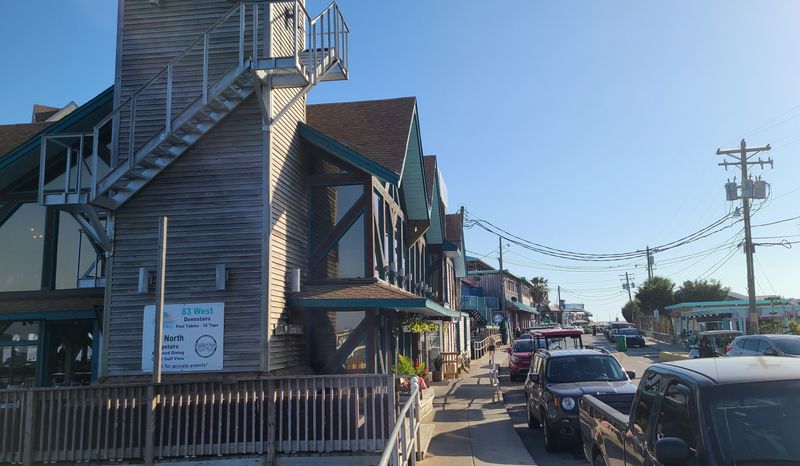
A narrow approach road and widening sky signal a shift in pace long before arrival, with winter air carrying a briny clarity that makes every breath feel deliberate and grounding.
Boardwalks and waterfront paths invite slow wandering during cooler months, since the absence of heat turns even simple errands into extended observations of pelicans, tide lines, and weathered docks.
History presents itself quietly through low buildings and working harbors, where the town’s past as a Gulf outpost feels embedded rather than curated for visitors.
Clam farming and maritime routines become easier to notice in winter, when fewer distractions allow the rhythms of workboats and shoreline labor to set the tempo of the day.
Walking the entire town feels achievable and satisfying in cool weather, encouraging repeated passes along the water that reveal small changes in light and tide rather than dramatic attractions.
Conversations tend to linger longer here once temperatures drop, as cafés and benches become places to pause instead of brief stops between activities.
Leaving in the late afternoon carries a sense of quiet completion, as if the town offered just enough space to reset without asking for anything in return.
8. Apalachicola
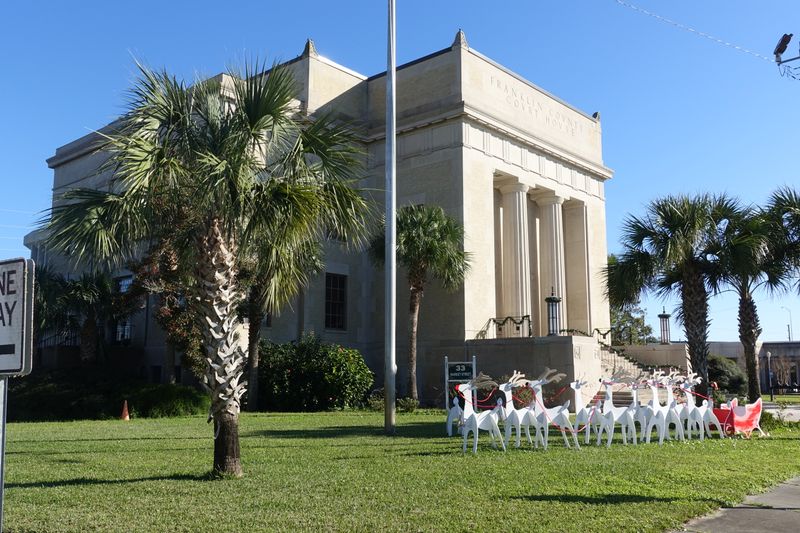
Muted winter light softens brick warehouses and river reflections, giving the town a hushed atmosphere that feels especially receptive to slow exploration.
Screened porches and shaded sidewalks become comfortable gathering spots once the heat fades, allowing daily life to unfold visibly rather than retreat indoors.
The river’s presence feels more pronounced in cooler air, as boat traffic, birds, and subtle water sounds form a steady backdrop to walking downtown streets.
Historical layers emerge gently through preserved homes and civic buildings, where stories of trade, timber, and oysters feel conversational rather than monumental.
Winter encourages extended strolls between shops and waterfront viewpoints, since the absence of oppressive weather removes the need to rush from one destination to another.
Environmental awareness permeates the town in a calm, practical way, with conservation conversations blending naturally into everyday encounters instead of being framed as spectacle.
As evening approaches and lights come on early, the town settles into a reflective mood that makes the drive home feel thoughtful rather than abrupt.
9. Lake Placid
Bright murals appear even more vivid against winter skies, their colors standing out sharply when cooler temperatures make outdoor wandering genuinely comfortable.
Small-town streets feel especially welcoming this time of year, as walking becomes a pleasure rather than a calculation based on shade, hydration, and escape routes.
Agricultural roots show through roadside stands and surrounding fields, which feel closer and more tangible when winter clears the air and sharpens distance.
Public art invites careful attention during cooler months, since stopping to study details or listen to recorded stories feels natural rather than indulgent.
The town’s scale becomes an advantage in winter, allowing visitors to absorb its character in a single afternoon without feeling compressed or overstimulated.
Local museums and restored buildings offer quiet indoor pauses that balance outdoor wandering, creating a rhythm well suited to short daylight hours.
Driving away with produce or small souvenirs in the trunk, the day registers as complete and unforced, the kind of winter outing that refreshes without exhausting.
10. Stuart
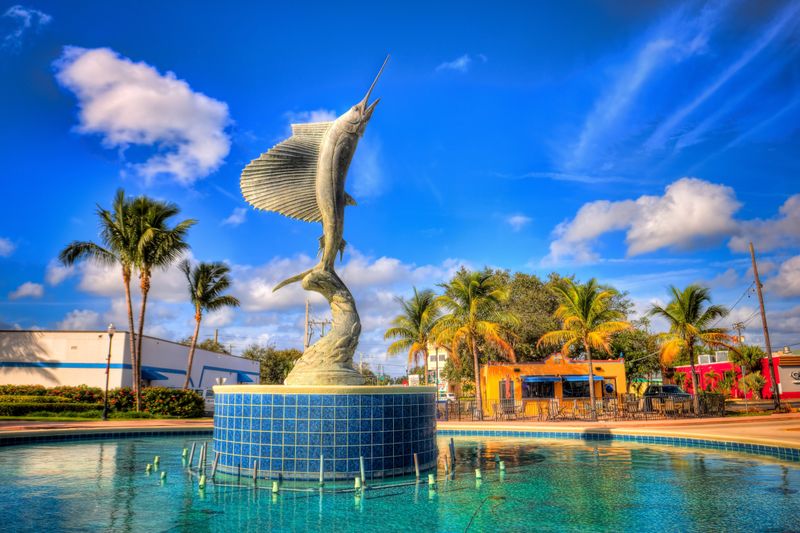
Clear winter light reflects off the St. Lucie River in a way that sharpens edges and colors, making drawbridges, dock lines, and passing sailboats feel unusually crisp and easy to read as you walk along the water.
Downtown streets invite lingering during cooler months, since cafés spill gently onto sidewalks and conversations stretch without anyone scanning for shade or a quick escape back to the car.
Maritime history remains close to the surface here, visible in working docks, restored storefronts, and the quiet confidence of a town that never needed to reinvent itself to stay relevant.
The slower winter season makes it easier to notice how locals actually use the space, from morning walks along the river to unhurried lunches that turn into afternoon plans without effort.
Small museums and independent shops become natural pauses rather than obligations, fitting neatly into a day shaped by curiosity instead of scheduling.
A short water taxi ride or riverside stroll feels especially satisfying when the air stays cool enough to enjoy movement without fatigue.
Heading home as the sun drops early over the water leaves a sense of balance, as if the town offered both stimulation and rest in equal measure.
11. New Smyrna Beach
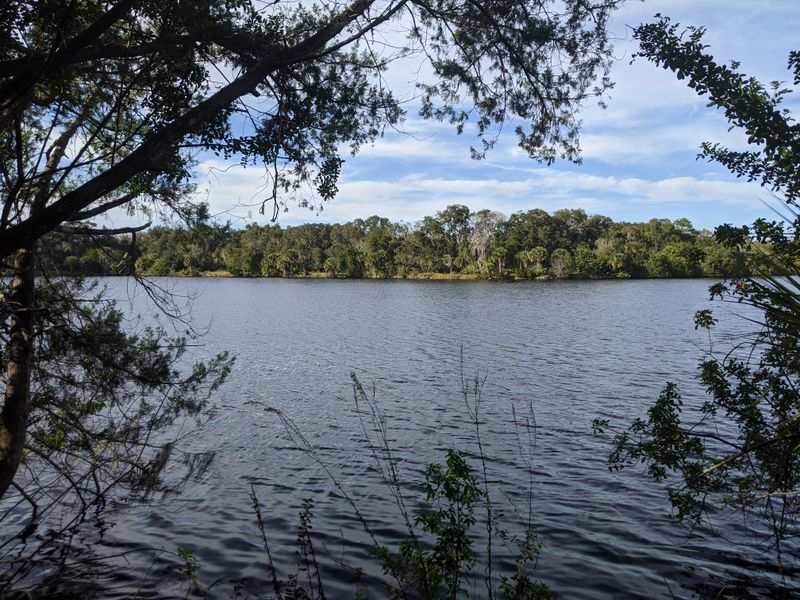
Firm, cool sand makes long shoreline walks genuinely enjoyable in winter, when the beach shifts from survival mode into a place meant for distance, observation, and quiet repetition.
The main avenue feels relaxed and readable during cooler months, as surf shops, cafés, and porches reveal themselves without the visual noise of peak-season congestion.
Artistic undercurrents show up more clearly when crowds thin, whether in small galleries, handmade signage, or casual conversations that drift toward local history.
Proximity to protected shoreline areas adds depth to a winter visit, since breezes stay mild and long walks through dunes feel restorative rather than draining.
The town’s layered past, from early settlement to creative communities, emerges subtly through architecture and public spaces instead of formal storytelling.
Spending a winter afternoon here often means losing track of time in the best way, guided more by light and tide than by planned activities.
Leaving after sunset, with cooler air settling in, the day feels well used rather than packed, the mark of a trip that respected its own pace.
12. Mexico Beach
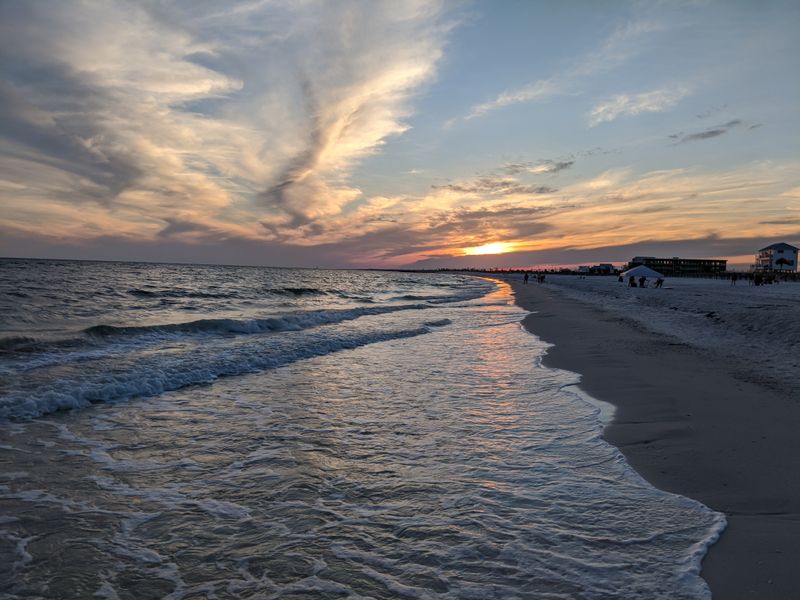
Wide horizons and pale winter skies give this stretch of coast an expansive calm, where even short walks feel spacious and mentally clearing.
Rebuilt structures and open lots tell a story of persistence without commentary, allowing visitors to observe recovery quietly rather than through curated narratives.
The cooler season turns the shoreline into a place for movement instead of avoidance, making long beach walks and slow shoreline scans genuinely inviting.
Fishing culture remains central here, visible in boat traffic, local routines, and the practical layout of the town itself.
With fewer distractions, winter highlights the elemental qualities of the place, wind, water, light, and space working together without competition.
Simple plans suit the setting best during this season, whether that means sitting near the water, walking until tired, or watching pelicans track the surf.
Driving away as daylight fades, the experience lingers as something quietly expansive, a reminder of how restorative a simple winter coastal stop can be.
13. Indian Shores
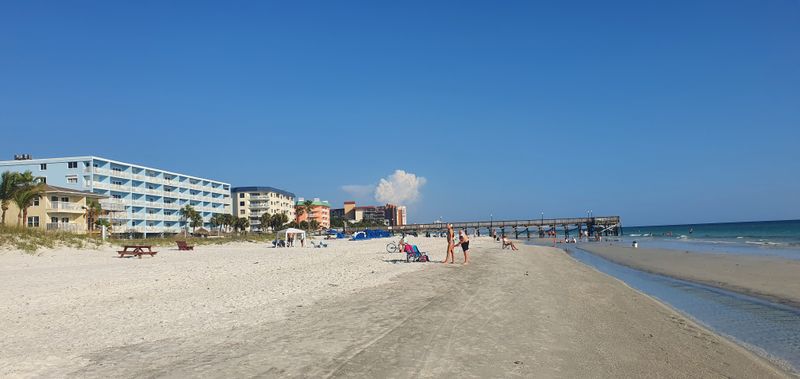
Low winter tides pull the Gulf back just enough to expose shell lines and subtle textures in the sand, turning a simple walk into a slow visual exercise where attention drifts between water movement, bird behavior, and the sound of waves flattening gently against the shore.
Without summer heat pressing people indoors, the barrier island reveals its true scale, a narrow ribbon where residential buildings, small parks, and beach access points feel proportionate and human rather than crowded or defensive.
The cooler season encourages longer pauses along the shoreline, since standing still to watch pelicans skim the surface or dolphins surface offshore no longer comes with the penalty of sunburn or fatigue.
Life here continues quietly in winter, visible in early-morning dog walks, fishermen rinsing gear, and café doors opening without urgency, all signaling a place designed more for continuity than spectacle.
Public beach accesses become natural observation decks during these months, allowing visitors to move freely between stretches of sand and shaded sidewalks without planning their route around heat or congestion.
Even brief visits tend to stretch longer than expected, because the town does not push activity forward but instead allows the day to unfold at a pace set by light, tide, and temperature.
Leaving Indian Shores as evening cool settles in often feels like exiting a calm room, carrying with you a physical sense of quiet that lingers well past the drive home.
14. Fort Myers Beach
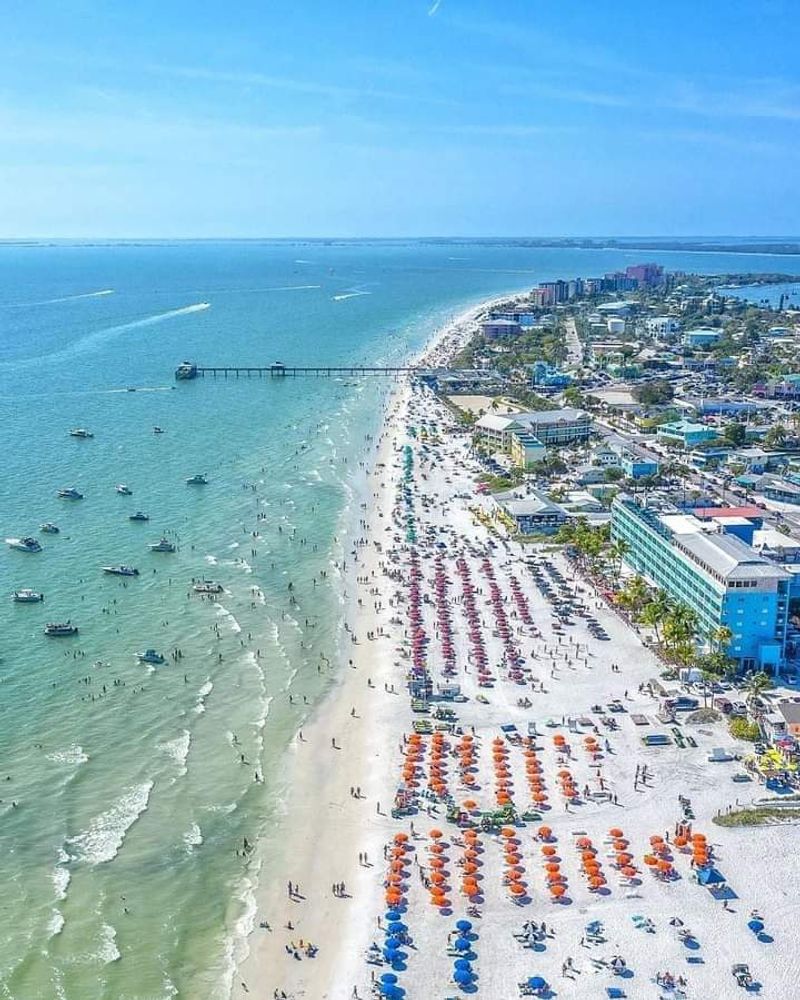
Early winter light casts long reflections across Matanzas Pass, softening the rebuilt shoreline and giving the town a reflective quality that invites walking and watching rather than rushing between destinations.
With peak heat gone, the waterfront becomes accessible again for extended wandering, allowing visitors to experience the town’s layout as a connected sequence of docks, bridges, and open views rather than isolated stops.
Signs of rebuilding sit alongside long-standing routines, creating a landscape where resilience is visible not through slogans but through daily motion and gradual return.
The cooler air makes it possible to linger along bayside paths and mangrove edges, where water movement and wildlife activity offer constant, understated interest.
Historical layers emerge through preserved sites and local conversations, providing context that feels earned rather than packaged for quick consumption.
Winter days here often balance openness and intimacy, with wide skies overhead and small human moments unfolding at café tables, marinas, and public overlooks.
Driving away as sunset colors spread across the water leaves a sense of cautious optimism, shaped by a town that continues forward without losing its essential character.