
10 Things You Need To Know About North Carolina BBQ If You’re Used To Texas Style
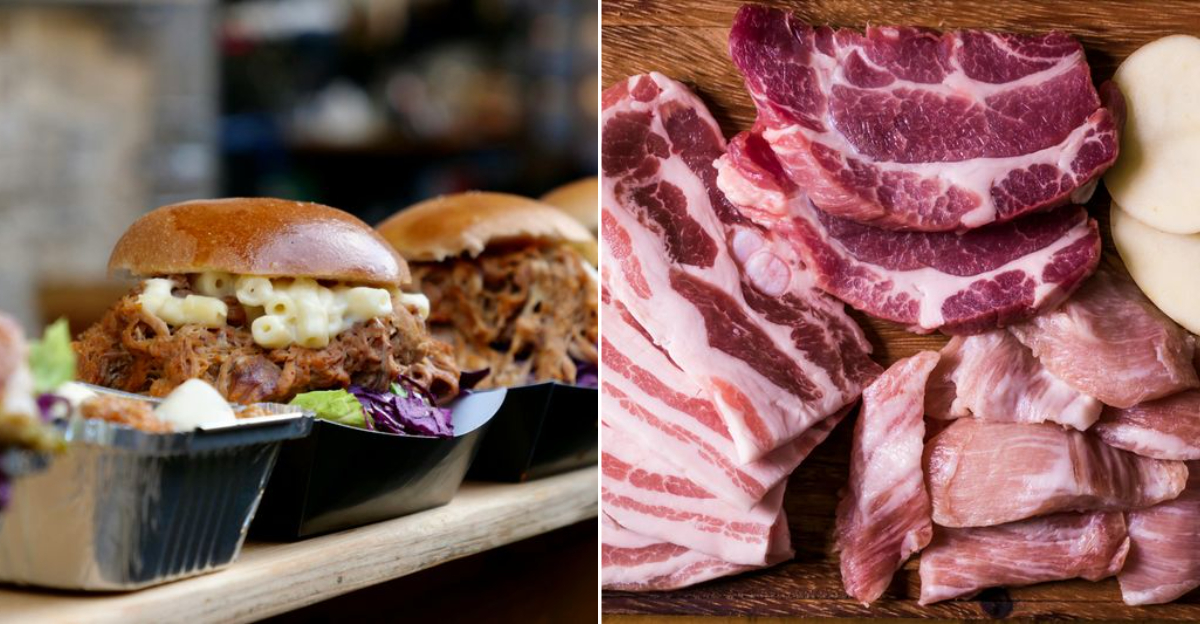
Texas might train you to chase brisket bark, mesquite swagger, and the drama of a long smoke announced loudly, but North Carolina has a way of quietly recalibrating your barbecue instincts the moment you pay attention, easing you toward pork that takes center stage without apology and a style of cooking that values restraint as much as depth.
Here, smoke arrives clean and measured, not as a performance but as a foundation, and sauces do their work in a lower register, sharper, thinner, and more interested in balance than sweetness.
I’ve always felt that you can taste history more clearly in this kind of barbecue, not as nostalgia, but as continuity, a set of decisions passed down and refined until they no longer need explaining.
Nothing feels rushed, nothing feels heavy-handed, and every bite seems designed to keep you engaged rather than overwhelmed.
The best way to understand it is to lean in, watch the pit for a moment, ask a question if you’re curious, and let the answers come back on your plate.
In North Carolina, barbecue doesn’t try to convince you, it simply shows you how it’s done, trusting that attention and appetite will do the rest.
1. Barbecue Usually Means Pork
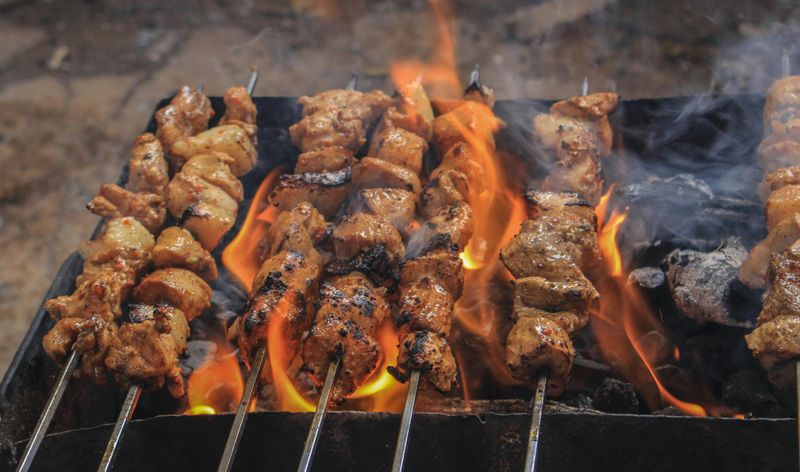
In North Carolina, the word barbecue almost automatically points you toward pork rather than brisket, a cultural assumption that reshapes menus, pit schedules, and even how diners talk about lunch long before you ever reach the counter.
At places like Lexington Barbecue at 100 Smokehouse Lane, Lexington, North Carolina 27292, the scent of slow-rendering pork shoulder hangs in the air with an ease that suggests permanence rather than trend, as if the building itself expects hog to be the centerpiece.
Beef shows up occasionally, but it is treated more like a visiting relative than the head of the table, while pork carries the weight of memory, repetition, and daily craft.
Chopped pork is prepared with a deliberate knife rhythm that blends bark, fat, and tender interior into a texture that feels engineered for sauce rather than dominated by it.
What surprises Texas-style eaters most is how naturally this meat stands on its own without needing heavy rubs or sugar-forward finishes to announce itself.
Plates usually arrive flanked by slaw and hushpuppies, not as garnish but as functional partners meant to reset the palate between bites.
If brisket is what taught you to love barbecue, letting pork take the lead here becomes less of a compromise and more of a recalibration.
2. Low And Slow Over Hardwood Coals

Cooking barbecue in North Carolina means committing to patience not just in hours, but in fuel choice, airflow, and the quiet discipline of tending coals rather than chasing flames.
At Skylight Inn BBQ, located at 4618 Lee Street, Ayden, North Carolina 28513, glowing hardwood embers are shoveled beneath grates with a rhythm that has changed little over generations.
Instead of indirect offset smoke, heat radiates upward steadily, encouraging fat to melt slowly and skin to blister just enough to create texture without bitterness.
Oak and hickory dominate because they burn clean and predictably, producing a light blue smoke that seasons meat rather than stamping it aggressively.
The work is repetitive by design, involving constant checking, turning, and listening rather than dramatic interventions.
Texas-style smoke rings and heavy bark give way here to a gentler aromatic profile that stays present without lingering harshly on the tongue.
The reward is meat that tastes integrated, where smoke, pork, and time feel inseparable rather than stacked.
3. Two Big Styles Eastern And Lexington

North Carolina barbecue divides itself not by rivalry alone, but by geography, agriculture, and the communities that shaped how pork was cooked and served over time.
In towns like Shelby, where Red Bridges Barbecue Lodge sits at 2000 East Dixon Boulevard, Shelby, North Carolina 28152, Lexington-style pork shoulder is defended with quiet confidence rather than volume.
Travel east toward places like Ayden or Goldsboro and whole-hog Eastern barbecue becomes the norm, bringing different textures and a sharper vinegar presence.
Lexington style centers on pork shoulder and a lightly tomato-tinged vinegar dip, creating a balance that feels sturdy and grounded.
Eastern style cooks the entire hog, blending loin, shoulder, ham, and skin into a unified chop that values contrast as much as cohesion.
Neither style exists as novelty or revival, but as a working tradition fed daily to locals who know exactly what they want.
Trying both styles on separate days turns the state itself into a tasting map, where geography becomes something you can actually eat.
4. Eastern Often Cooks The Whole Hog
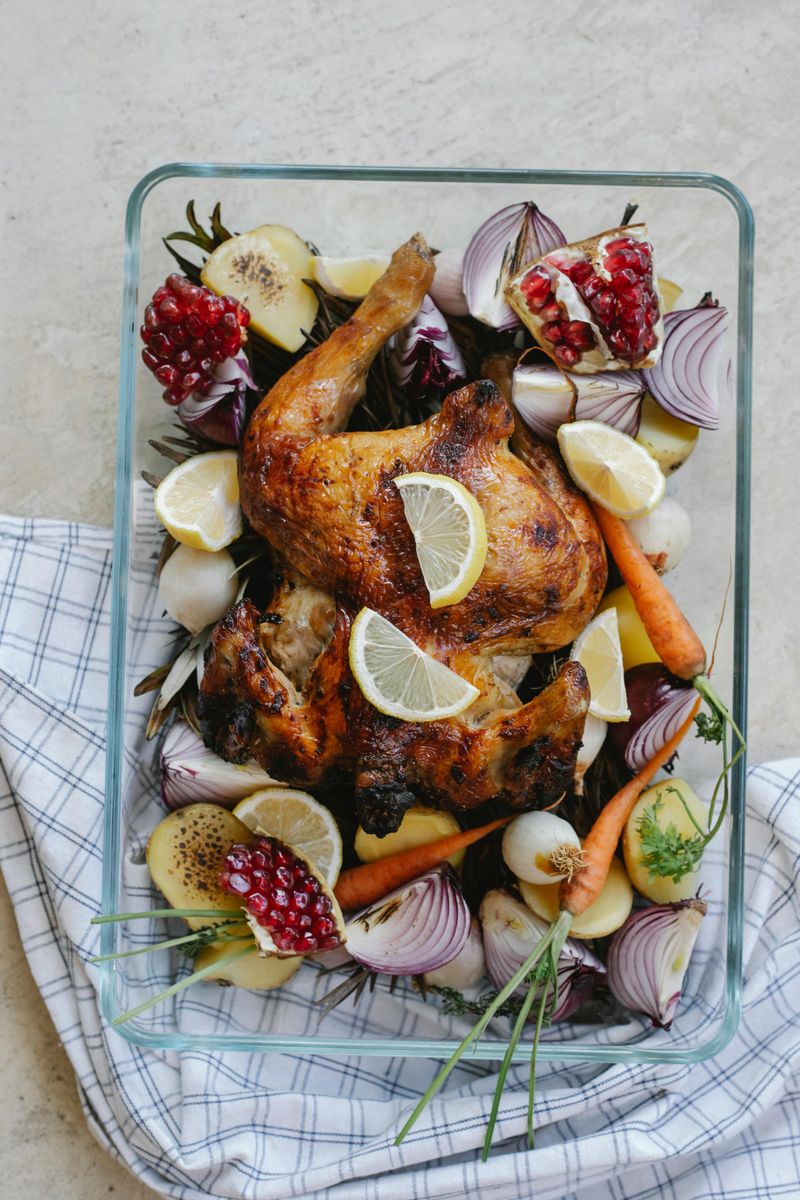
Cooking the entire hog in Eastern North Carolina is not a stylistic flourish but a practical inheritance, one that assumes every muscle, joint, and layer of fat deserves the same attention and smoke rather than being separated into hierarchies of value.
At Sam Jones BBQ, located at 715 West Fire Tower Road, Winterville, North Carolina 28590, whole hogs are cooked slowly until shoulder richness, ham firmness, belly silkiness, and shards of crackling skin can all meet again on the chopping table.
Once reunited, the meat is chopped together deliberately, creating a texture that moves between juicy and crisp in the same bite, forcing your palate to stay alert rather than settling into monotony.
This method produces a depth that no single cut can replicate, because fat from one section seasons leaner meat from another, turning variety into cohesion.
Instead of spotlighting a prized slice, the boardman blends everything evenly, treating the hog as a complete ingredient rather than a collection of parts.
Requesting extra outside brown is common and understood, a way to dial texture toward crunch without disrupting balance.
After a few forkfuls, the logic becomes obvious, because whole hog tastes less like a decision and more like the natural conclusion of patience, smoke, and respect for the animal.
5. Eastern Sauce Is Vinegar And Pepper No Tomato
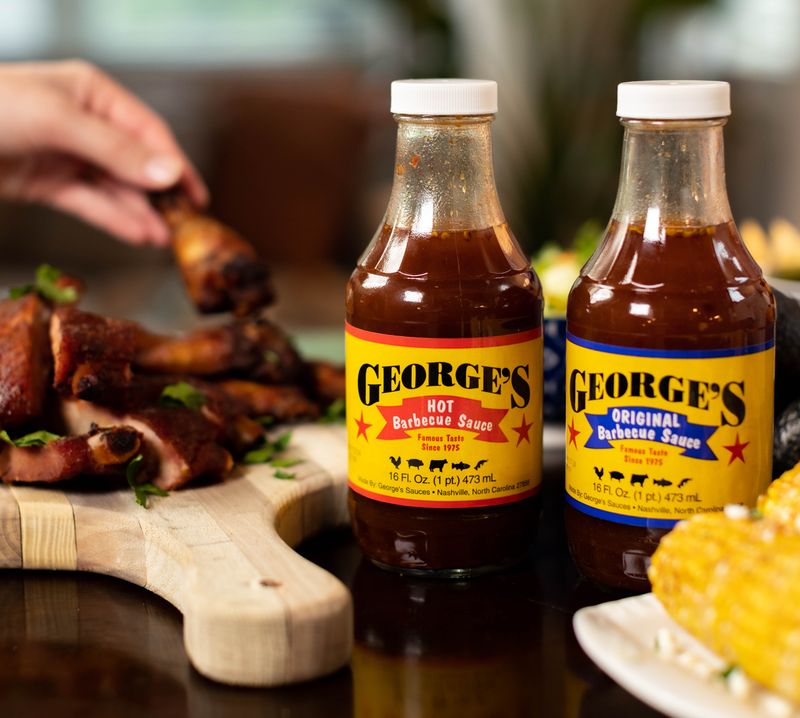
Eastern North Carolina sauce exists to sharpen rather than soften, designed to wake pork up repeatedly across a plate instead of coating it into submission.
At Wilber’s Barbecue, found at 4172 U.S. Highway 70 East, Goldsboro, North Carolina 27534, clear bottles hold a restrained mixture of cider vinegar, crushed red pepper, salt, and just enough sugar to round edges without announcing itself.
The sauce moves quickly through chopped meat, cutting rendered fat and preventing palate fatigue even when portions are generous.
Unlike tomato-based sauces, this vinegar-forward style refuses to linger sweetly, instead resetting your mouth after every bite like a clean breath of air.
Applied sparingly, it highlights smoke and pork rather than masking them, acting more like seasoning than glaze.
Diners often refresh their plate midway through the meal, watching the meat respond immediately, as if reanimated rather than reheated.
For anyone raised on sticky brisket finishes, this sauce rewires expectations by proving that restraint, not richness, can be the most satisfying form of intensity.
6. Lexington Often Uses Pork Shoulder
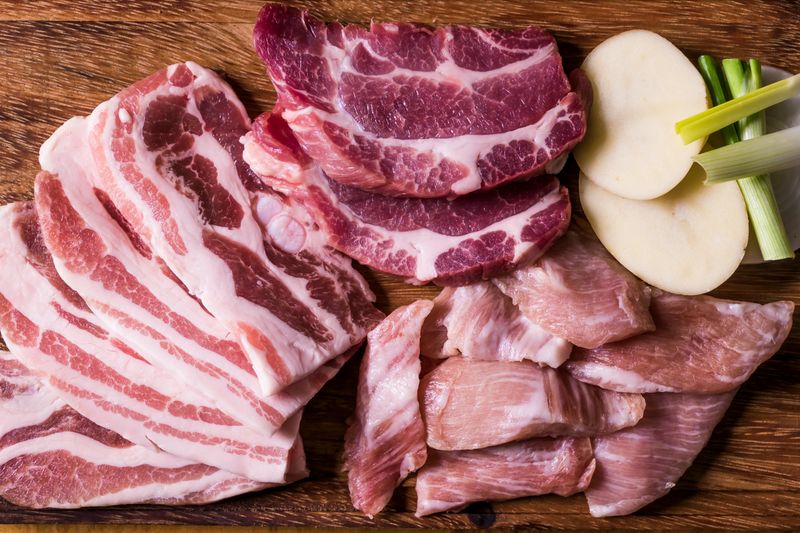
In the Piedmont region, pork shoulder becomes the logical centerpiece not because it is cheaper or easier, but because it offers a rare equilibrium of fat, muscle, and connective tissue that rewards long exposure to hardwood heat without collapsing into excess.
At Lexington Barbecue, located at 100 Smokehouse Lane, Lexington, North Carolina 27292, rows of shoulders sit patiently over glowing coals, slowly transforming as collagen melts and bark develops a firm but never acrid edge.
Shoulder meat allows pitmasters to tune texture with precision, deciding whether the final chop leans chunky with bark-forward contrast or finer and more uniform for sauce absorption.
The flavor profile lands sturdier than whole hog, carrying a deeper porkiness that stands up well to repeated saucing without losing definition.
Because the cut behaves predictably, consistency becomes a point of pride, and regulars know exactly how their plate will eat before it hits the table.
Lines form easily at lunch, yet move with purpose, because the rhythm of service mirrors the rhythm of the pit, steady rather than hurried.
For diners accustomed to brisket’s drama, pork shoulder teaches a quieter lesson, that reliability and balance can be just as compelling as spectacle.
7. Lexington Dip Adds A Little Tomato Often Ketchup
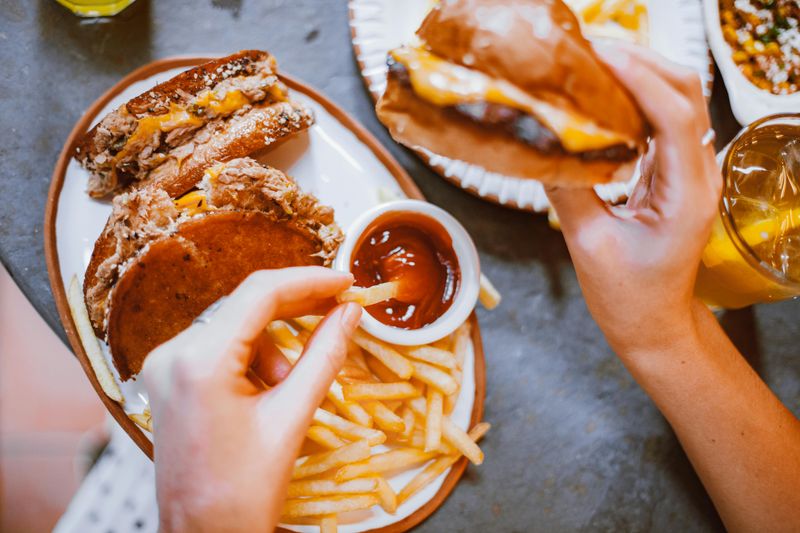
Lexington-style dip represents a subtle evolution rather than a rebellion, introducing tomato in measured amounts that warm the vinegar base instead of sweetening it outright.
At The Bar-B-Q Center, found at 900 North Main Street, Lexington, North Carolina 27292, the dip carries cider vinegar, black pepper, and a restrained brush of ketchup that adds color and roundness without shifting focus away from the pork.
This small addition gives the sauce a slightly fuller mouthfeel, allowing it to cling gently to chopped shoulder rather than flashing off immediately.
When brushed onto meat or soaked into a bun, the dip integrates smoke, fat, and acidity into a single note that feels cohesive rather than layered.
The sweetness never leads, arriving late and quietly, more suggestion than statement.
Skeptics often brace for heaviness and instead find brightness that lingers just long enough to invite the next bite.
Once calibrated, this dip becomes difficult to replace, because it satisfies vinegar lovers while offering a bridge for those easing away from sweeter barbecue traditions.
8. Expect Chopped Or Pulled Meat
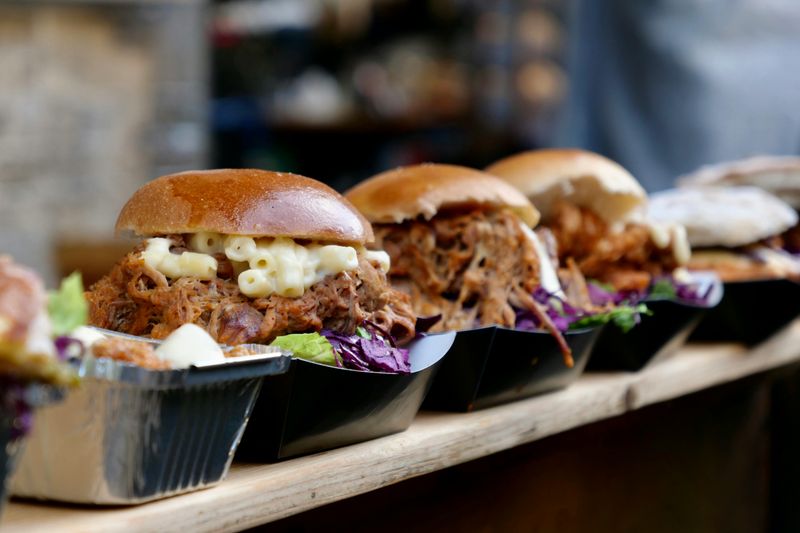
In North Carolina barbecue, texture is not an afterthought or a default setting, but a deliberate decision that shapes how smoke, sauce, and pork interact from the first bite to the last.
At Parker’s Barbecue, located at 3109 South Memorial Drive, Greenville, North Carolina 27834, the steady rhythm of knives hitting the chopping block is as important to the final plate as the fire tending outside.
Chopped pork blends bark, fat, and tender interior into a unified mass that absorbs vinegar evenly, creating a bite that feels cohesive rather than strand-by-strand dramatic.
Pulled pork, when offered, arrives in looser ribbons with a softer chew, giving sauce more room to pool and creating a gentler eating experience.
Choosing between fine chop and coarse chop quietly determines how much crunch, resistance, and smoke intensity each forkful delivers.
Regulars often specify their preference without explanation, a small shorthand that signals familiarity with how texture changes flavor perception.
For someone raised on sliced brisket, this focus on chopping reveals how knife work can be as influential as smoke in shaping barbecue’s personality.
9. The Usual Order Is Sandwich Or Plate
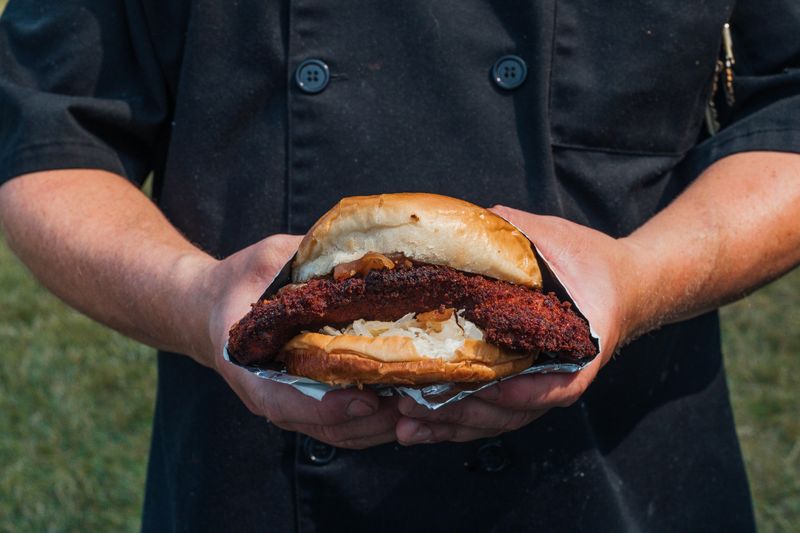
Ordering barbecue in North Carolina usually narrows quickly to a simple but meaningful choice, whether you want your pork contained and mobile or spread out and ceremonial.
At Stamey’s Barbecue, found at 2200 West Gate City Boulevard, Greensboro, North Carolina 27403, the counter language shifts naturally between sandwich and plate depending on the pace of your day.
A sandwich wraps chopped pork and slaw into a tidy unit, designed for road trips, work breaks, and eating with one hand while life continues around you.
A plate slows everything down, adding hushpuppies, slaw, and space to adjust sauce ratios bite by bite rather than committing all at once.
Locals build sandwiches with quiet precision, dipping buns, layering slaw carefully, and folding paper just tight enough to keep juices in check.
Plates invite conversation and patience, encouraging pauses between bites that let smoke and vinegar reset the palate.
Learning when to choose each option becomes part of understanding the culture, because barbecue here adapts to your day instead of demanding full attention every time.
10. Slaw And Hushpuppies Are Classic Sides
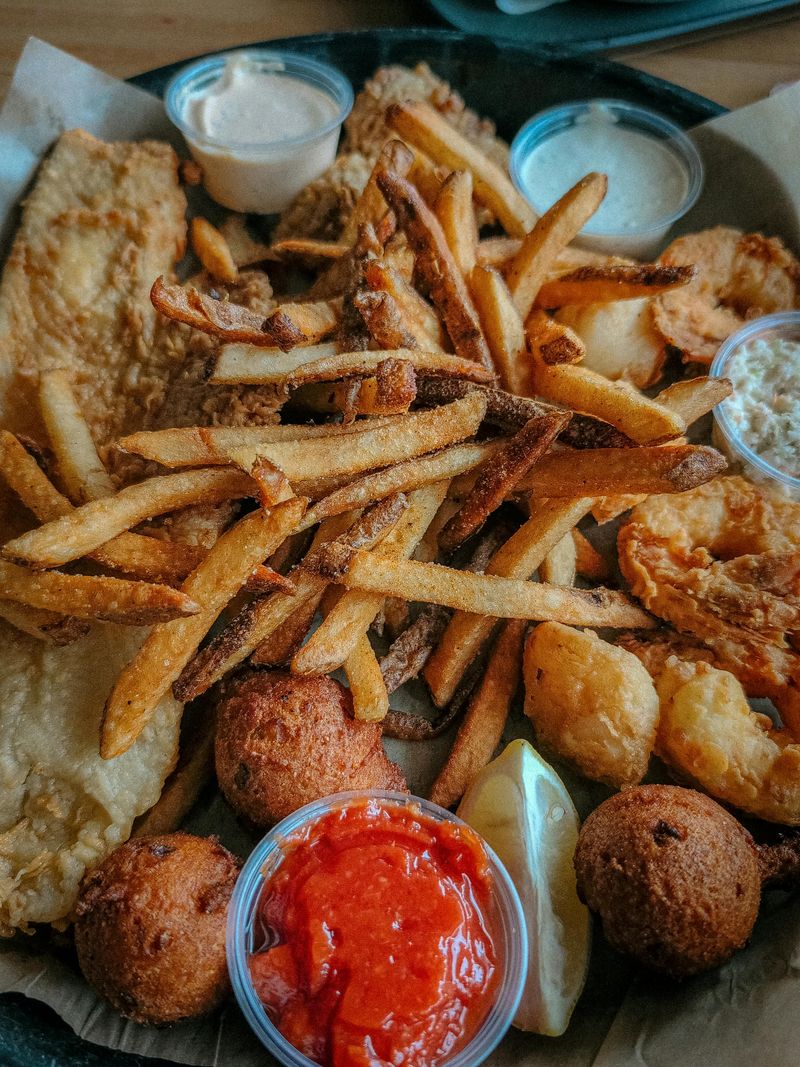
In North Carolina barbecue, sides are not decorative fillers or afterthoughts added for color, but structural elements that actively shape how pork, smoke, and sauce register on the palate over the course of a full plate.
At Lexington Style Trimmings, located at 116 North Fayetteville Street, Asheboro, North Carolina 27203, the relationship between pork, slaw, and hushpuppies is treated like a conversation rather than a hierarchy, with each component expected to speak clearly without interrupting the others.
Red slaw in the Piedmont folds tomato-touched dip directly into shredded cabbage, creating acidity and sweetness that cut through fat while reinforcing the sauce already clinging to the meat.
Eastern slaw, by contrast, stays lighter and crisper, leaning on vinegar rather than mayonnaise so it refreshes the mouth instead of coating it, especially when paired with whole-hog pork rich in mixed textures.
Hushpuppies arrive hot and compact, cornmeal interiors steaming gently beneath crisp shells, designed to absorb stray vinegar, catch falling pork, and provide a grounding starch without dragging the plate toward heaviness.
The classic eating rhythm moves deliberately from pork to slaw to hushpuppy and back again, a sequence that resets salt, acid, and texture in a way that keeps each bite tasting intentional rather than repetitive.
Once you internalize how these sides function, you stop thinking of them as optional extras and start recognizing them as essential tools that make North Carolina barbecue feel complete, balanced, and quietly confident rather than excessive.