
This New Jersey Restaurant Has Four Generations Of Family Ownership And A Dining Room That’s Still Packed Night After Night
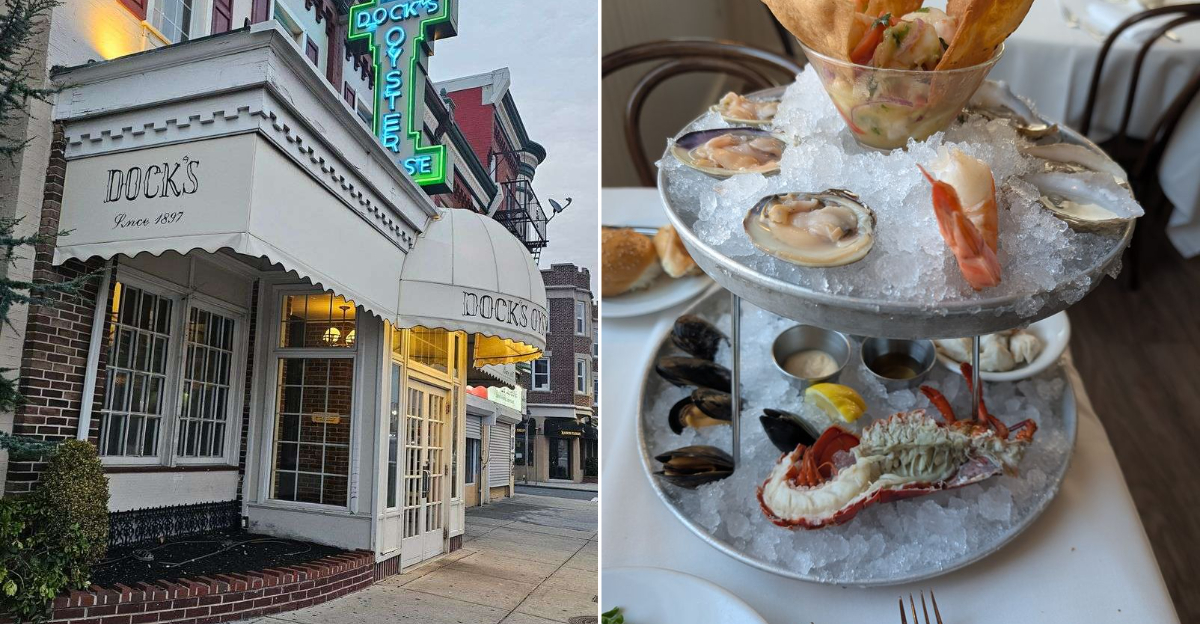
Walk past the glow on Atlantic Avenue and I always hear it before I see it, a piano line drifting out into the night, the low clink of glass, and that steady hum that tells you an evening is already going well.
Dock’s Oyster House, sitting at 2405 Atlantic Ave, Atlantic City, NJ 08401, has been sustaining that atmosphere since 1897, four generations quietly threading hospitality through oysters, martinis, and a style of service that feels confident without ever showing off.
What I appreciate most is how the room carries its history lightly, polished but never stiff, welcoming locals celebrating milestones and travelers who seem to blend in within minutes.
You can feel how many nights have passed through here, not as nostalgia, but as experience refined into instinct.
Once you sit down, the details start to matter, where the light pools, how the staff reads the table, how the first oyster sets the rhythm for the rest of the meal.
If you’re wondering what to order, where to sit, and how to really absorb the room, these ten tips come from careful meals and small observations that help the evening unfold instead of rushing past.
Book Early And Request The Piano Room
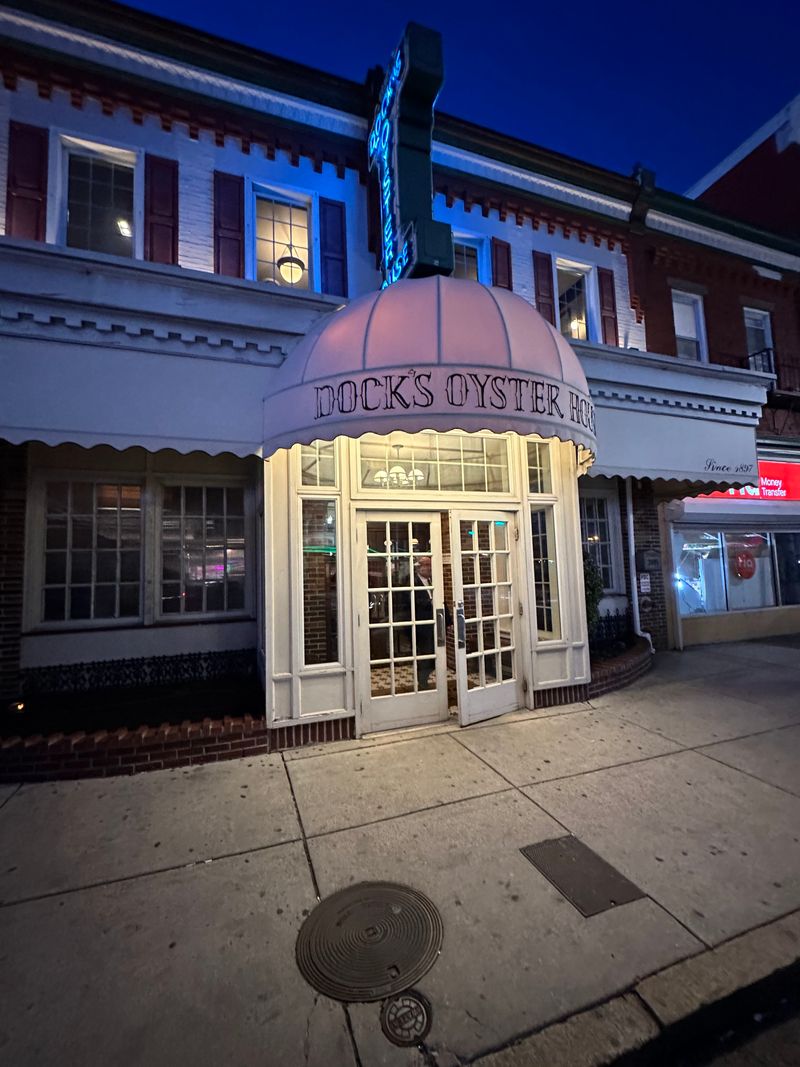
The piano room sets a particular tone from the moment you sit down, where warm wood paneling, white tablecloths, and low, flattering light combine with live piano to create an atmosphere that feels celebratory yet relaxed, never loud or intrusive.
Music begins during dinner service and acts as a gentle spine for the room, giving conversations a shared rhythm while allowing laughter, clinking glasses, and the quiet choreography of service to flow without competing for attention.
Servers move confidently through this space, reading tables well, adjusting pace instinctively, and maintaining a sense that the evening belongs to you rather than to the reservation book.
From these tables, oysters often arrive first on crushed ice, cold and briny, tasting clean and alive, accompanied by lemon wedges and sauces that are deliberately restrained to preserve the oyster’s natural character.
Requesting this room when booking matters, especially on weekends, because its balance of energy and intimacy makes longer meals feel effortless rather than drawn out.
The piano never dominates the night, instead acting as a soft framework that holds the evening together as courses progress and wine glasses slowly empty.
If you value atmosphere as much as food, this is the room where Dock’s personality reveals itself most clearly.
Start With The Raw Bar, Then The Broiled Sampler
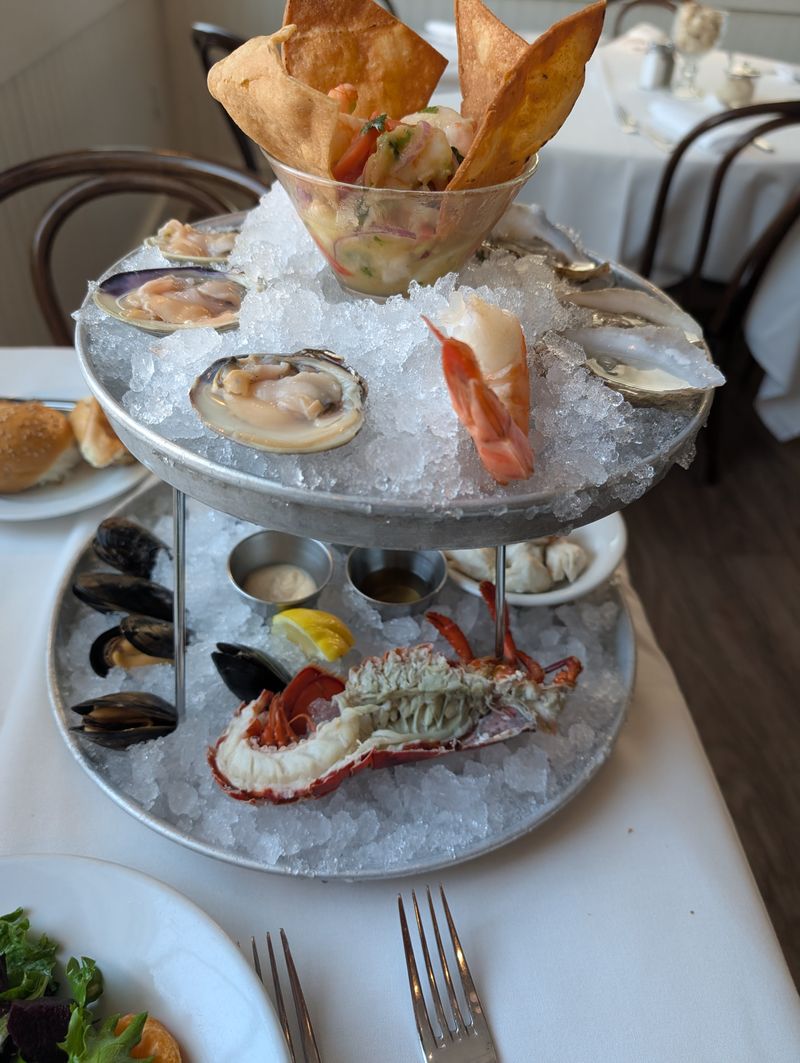
Beginning at the raw bar establishes trust immediately, as oysters are shucked cleanly, clams snap with salinity, and shrimp arrive properly chilled, signaling careful handling rather than reliance on presentation alone.
The selection typically spans East Coast varieties, allowing subtle differences in salinity and texture to emerge if you pause between bites rather than rushing through the platter.
Mignonette here leans balanced instead of sharp, supporting the shellfish instead of overwhelming it, while cocktail sauce keeps sweetness in check.
Following with the broiled seafood sampler creates a deliberate contrast, shifting from cold precision to warm technique without feeling abrupt or heavy.
Scallops caramelize gently, fish remains moist and just opaque, and crab imperial arrives rich but composed, showing control rather than indulgence.
This progression lets you experience the kitchen’s full range while keeping the meal cohesive and paced.
Ask your server to space the courses slightly, so the transition feels intentional rather than automatic.
Order The Oyster Stew If The Night Runs Cold
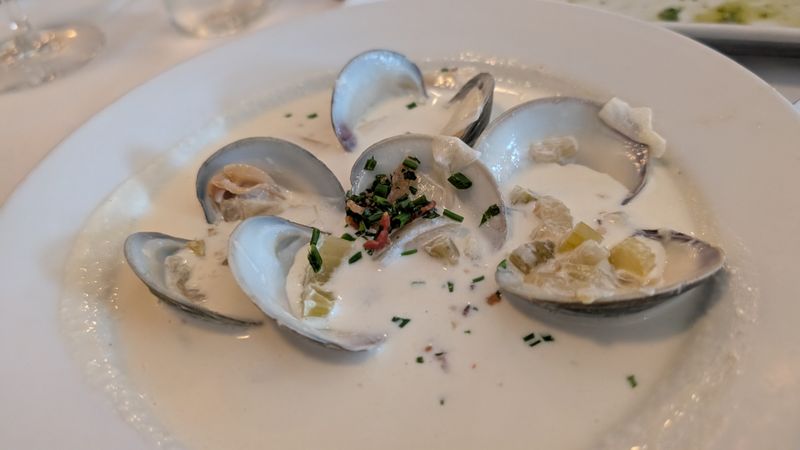
When the Atlantic air sharpens after sunset, the oyster stew becomes less of a menu choice and more of a quiet correction, warming the table without slowing the meal.
The broth arrives silky and lightly creamy, with butter and pepper lifting the oyster liquor instead of masking it, allowing the brine to remain present and expressive.
Oysters stay plump and barely curled, proof that heat is applied with restraint rather than habit.
This dish connects directly to Dock’s older menus, carrying a sense of continuity that feels earned rather than preserved for show.
Eating it slowly reveals layers that rushers miss, especially as the piano softens the room and conversations settle into lower registers.
Bread is essential here, not as an accessory but as a final tool for capturing the richness that settles at the bottom of the bowl.
On colder nights, this stew often becomes the moment the table collectively relaxes
Respect The Fried Oysters And Their Crunch
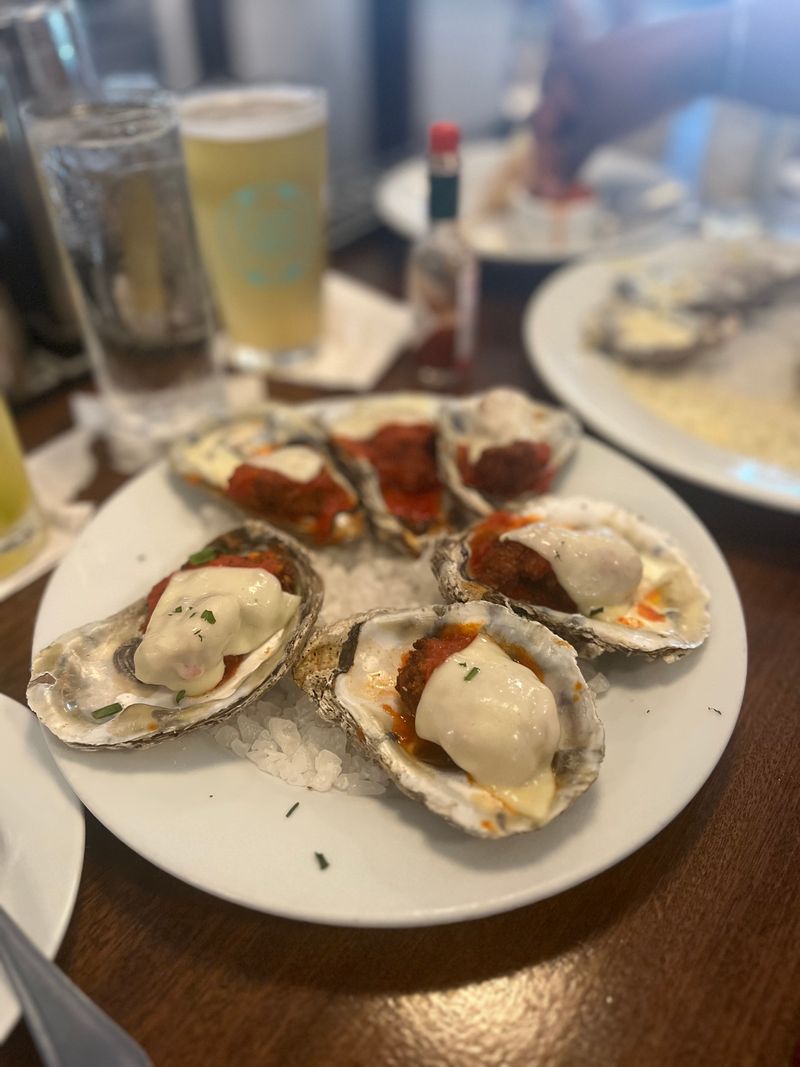
The first bite delivers an immediate sensory contrast, with a clean, audible crack from the thin crust giving way to a warm, briny interior that reminds you why fried oysters remain a benchmark dish in serious oyster houses rather than a nostalgic afterthought.
Dock’s approach keeps the breading deliberately light and even, allowing the oyster itself to remain the focus, so the texture reads crisp without heaviness and soft without slipperiness, a balance that only comes from repetition and restraint.
A squeeze of lemon brightens the fat instantly, while the accompanying sauces stay sharp and unsweetened, reinforcing the oyster’s salinity instead of dulling it with excess richness.
This plate sits comfortably between bar snack and composed dish, making it equally at home as a shared starter or a personal indulgence early in the meal.
There is a quiet confidence in serving fried oysters this way, without garnish theatrics or reinvention, trusting that texture and temperature will do the persuasive work.
Pairing them with a crisp white wine or a clean, cold beer keeps the focus on crunch and contrast rather than weight.
Sharing a plate often sparks conversation at the table, because everyone notices the same precise moment when crust meets oyster.
Talk To Your Server About Local Fish Specials
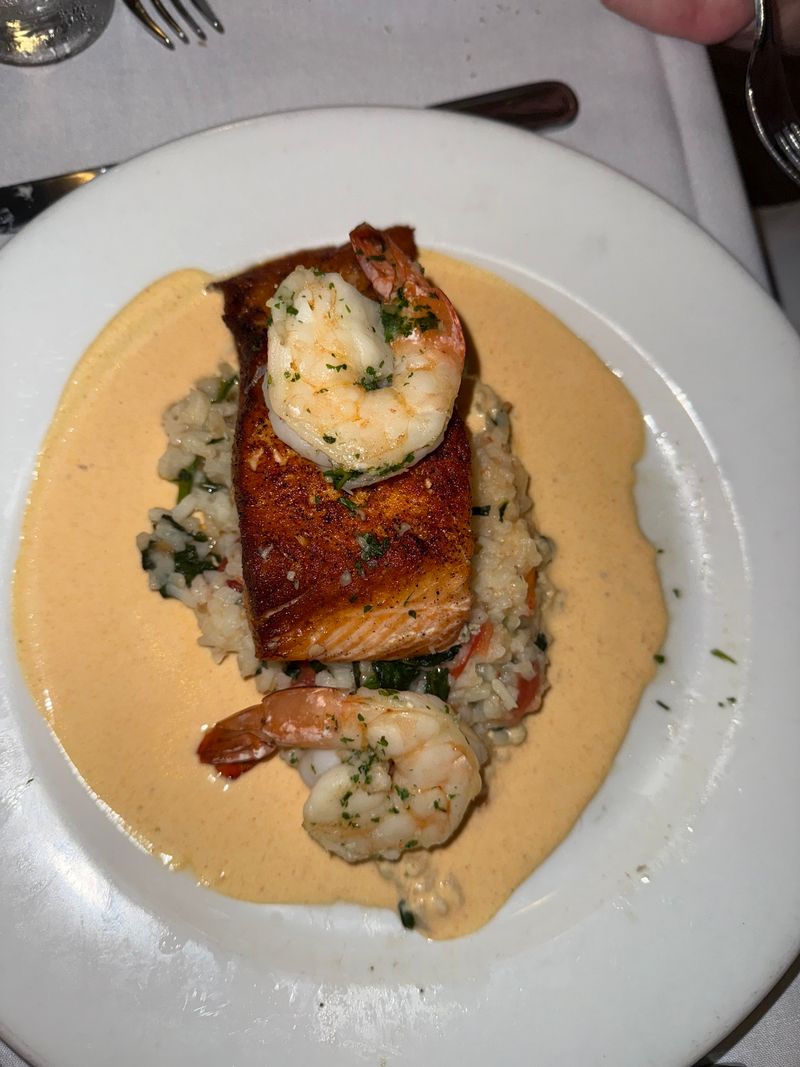
Servers at Dock’s carry practical knowledge about sourcing and seasonality, often explaining where the fish came from that morning and why it is being featured, which immediately narrows your choices in a helpful, confidence-building way.
When local fish such as fluke or monkfish appears, the kitchen treats it with discipline, usually pan-searing or broiling it simply so the fish retains moisture and natural sweetness.
Sauces and accompaniments tend to function as punctuation rather than decoration, adding lift or depth without pulling attention away from the main ingredient.
This approach reflects Dock’s long-standing relationship with regional seafood traditions rather than short-term menu trends.
Asking about specials before committing to the standard menu often reveals the most honest expression of the kitchen that evening.
Portions are generous but measured, reinforcing the sense that abundance comes from quality rather than excess.
If you want to understand how Dock’s balances tradition with responsiveness, the fish specials tell that story clearly.
Mind The Pacing On Busy Nights
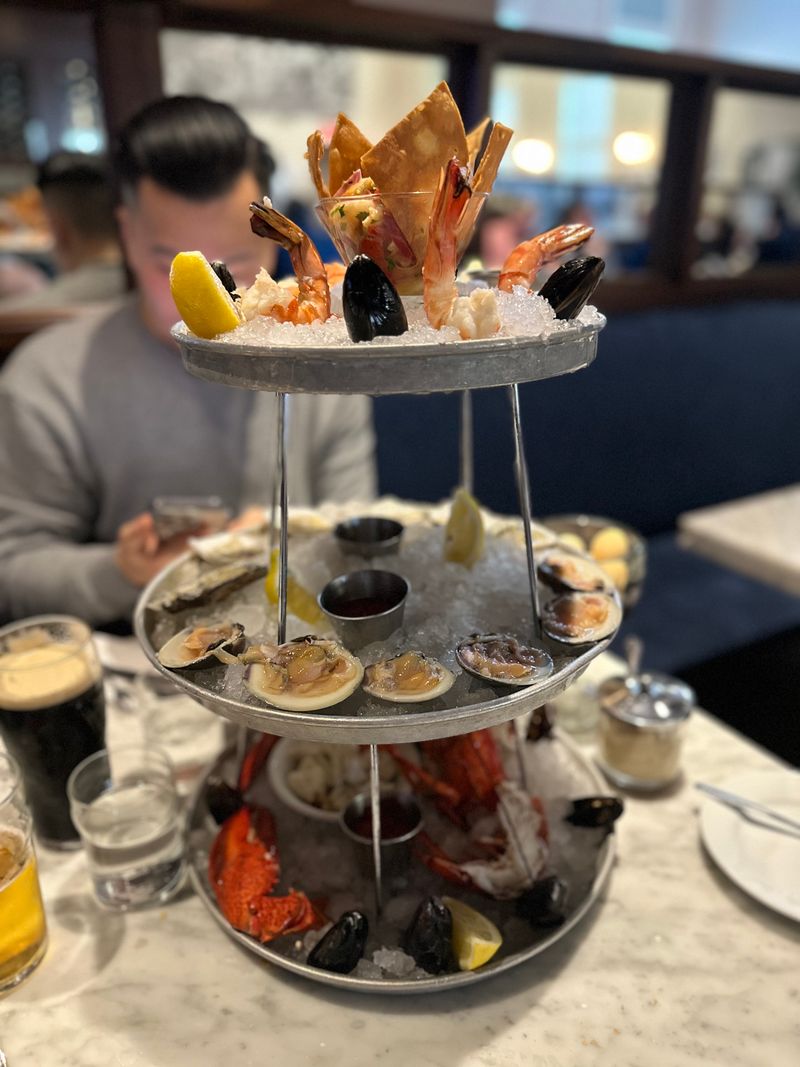
On peak evenings the dining room fills quickly and stays full, creating an energetic hum that rewards diners who approach pacing as part of the experience rather than something to rush through.
The staff handles volume with composure, but communicating your preferences around timing helps keep the evening feeling calm and intentional.
Sharing appetizers first allows the kitchen to find its rhythm with your table while giving you space to settle into the room.
Asking servers to fire main courses after a brief pause often results in hotter plates and a smoother transition between courses.
Wine selections benefit from this approach as well, since each glass has time to open and align with the food rather than being swallowed by momentum.
The piano, conversation, and service cadence all feel more coherent when the meal unfolds gradually.
A well-paced night at Dock’s often feels shorter than it actually is, which is a quiet mark of success.
Spotlight The Crab Imperial Without Apology
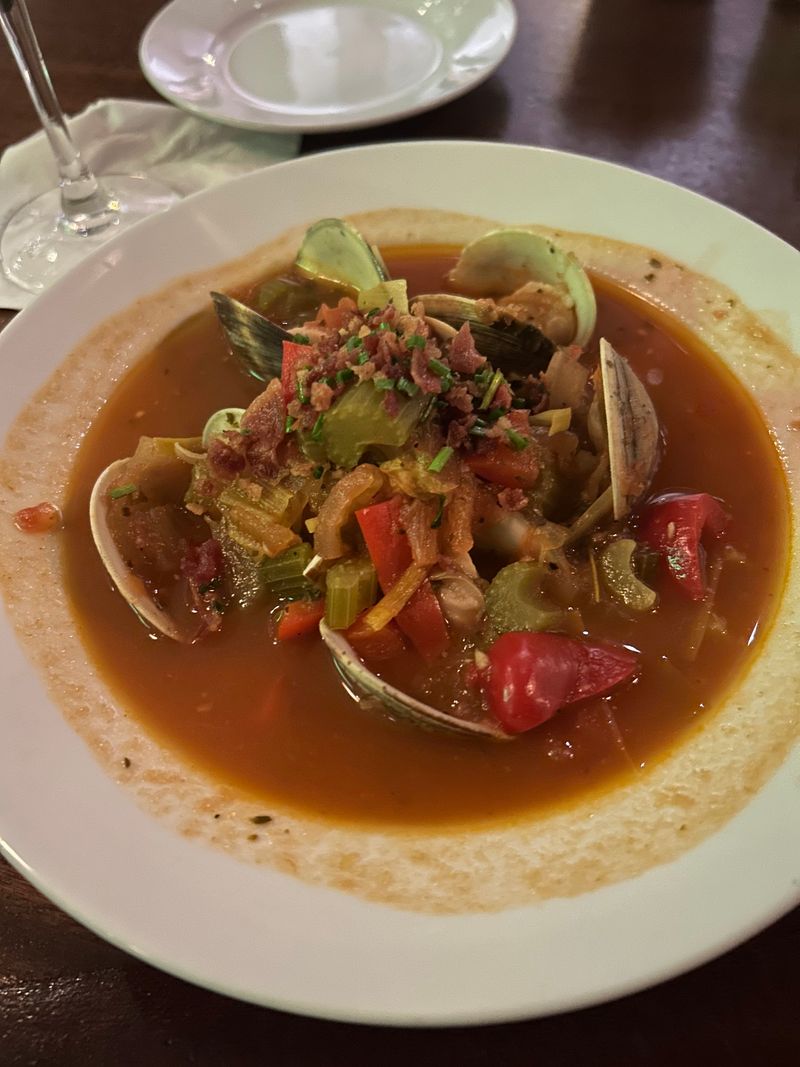
Dock’s crab imperial arrives with an old-school confidence that feels increasingly rare, built around large, intact pieces of crab that remain clearly identifiable on the fork, rather than disappearing into filler, breadcrumbs, or excessive seasoning meant to disguise lesser seafood.
The texture lands creamy yet structured, with gentle baking just firming the top while the interior stays soft and yielding, allowing the natural sweetness of the crab to remain the dominant note rather than a background suggestion.
There is restraint in the seasoning here, with richness balanced carefully so the dish feels indulgent without crossing into heaviness, which makes it surprisingly easy to finish even after oysters or fried courses.
Locals often order it on celebratory nights, treating it as a quiet marker of occasion rather than a novelty, and that habit gives the dish a social gravity you can feel when neighboring tables receive the same plate.
Pairing it with a simple green vegetable or a lightly dressed salad keeps the plate lively and prevents palate fatigue.
This is not a reinvented or modernized version of crab imperial, and that is precisely its strength.
If you value continuity in classic seafood houses, this dish explains Dock’s longevity better than any plaque on the wall.
Ask About Seasonal Scallops From Nearby Waters

When seasonal scallops are available, they arrive handled with a level of care that prioritizes texture above all else, showing a properly caramelized exterior that stops just short of sweetness while preserving a tender, almost custard-like center.
The kitchen resists the temptation to bury scallops under sauce, instead pairing them with restrained accompaniments such as seasonal vegetables or light citrus butter that frame the scallop rather than dominate it.
Because sourcing shifts throughout the year, asking about scallops opens a conversation about what is freshest rather than what is always listed.
Servers tend to speak about this dish with particular clarity, signaling when the scallops are at their best and when another fish might offer a better experience.
Timing matters here, as scallops land most gracefully mid-meal, when the palate is alert but not overwhelmed by heavier dishes.
Watching other tables quietly nod after the first bite becomes its own endorsement.
This is a dish that rewards attention, patience, and a willingness to let simplicity do the work.
Consider The Classic Cocktails With Seafood
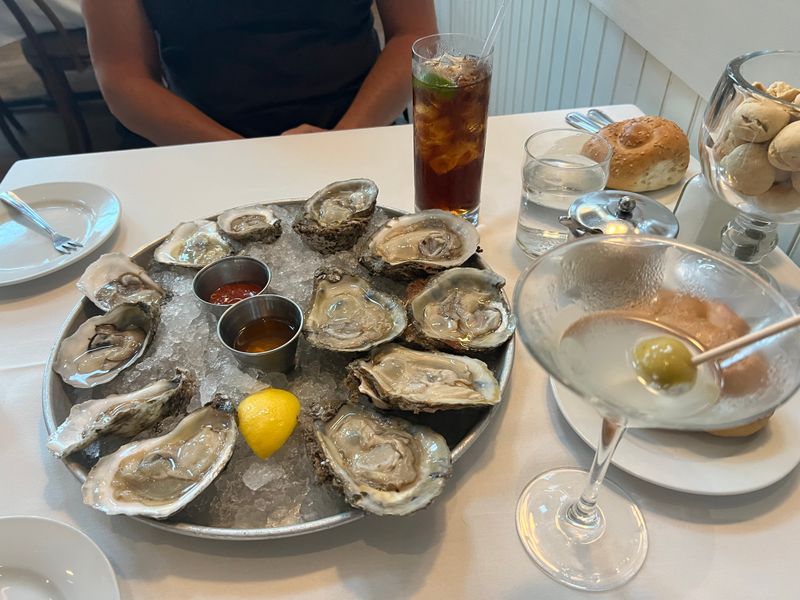
The bar at Dock’s operates with the same philosophy as the kitchen, favoring clarity, balance, and repetition over experimentation, which results in cocktails that support seafood rather than compete with it.
A properly cold martini with clean gin sharpens oysters and fried dishes alike, while a well-built Manhattan brings warmth without sweetness that would dull briny flavors.
Drinks arrive measured and composed, never rushed, reinforcing the sense that the evening is meant to unfold rather than accelerate.
There is lineage here, with recipes and habits passed down alongside family ownership, giving the bar a quiet authority that regulars trust instinctively.
Ordering your first drink early helps establish a relaxed rhythm for the table, especially on busy nights when the room hums steadily.
Servers are attentive to how drinks align with food progression, often offering guidance without interruption.
When cocktails and seafood stay in conversation rather than conflict, the entire meal feels more grounded and complete.
Finish With The Warm Bread Pudding Or Key Lime Pie

Dessert at Dock’s deliberately avoids theatrical presentation, instead arriving as a calm extension of the evening, where the plates look familiar at first glance but reveal careful balance once you slow down and actually taste what is happening on the fork.
The warm bread pudding lands softly at the center with a gentle exterior set by heat, carrying butter, vanilla, and custard notes that feel comforting rather than heavy, as if the kitchen understands that the meal has already done most of its talking.
Each bite holds together without collapsing into mush, which allows you to appreciate texture as much as sweetness, especially when eaten slowly between piano phrases and the low hum of surrounding tables finishing their own nights.
The key lime pie moves in the opposite direction, clean and focused, with a bright, tart filling that resets the palate after rich seafood courses while the crumb crust stays firm enough to give the dessert structure and contrast.
Neither option aims to surprise, and that restraint feels intentional, offering a sense of closure rather than escalation at the end of a long, layered meal.
Longtime guests often treat dessert as a ritual rather than a decision, ordering almost automatically and lingering just a little longer as plates are cleared and glasses emptied.
Ending the evening this way creates a soft landing, allowing the memory of oysters, music, and conversation to linger as you step back into the Atlantic City night without feeling rushed or overfilled.