
This Connecticut Breakfast Spot Serves Comforting Breakfast Plates That Have People Lining Up Each Morning

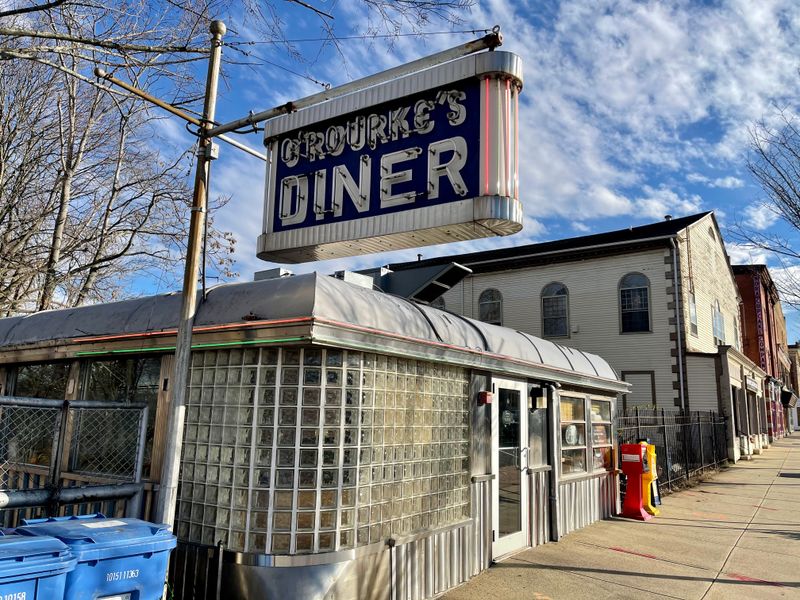
Morning light skims the chrome at 728 Main Street while a line quietly takes shape, people trading notes about last weekend’s specials as if they’re passing along local weather.
O’Rourke’s Diner has anchored Middletown since 1941, and you can feel that continuity the moment you step inside, where familiar breakfast plates are handled with a level of care that turns routine into something closer to ritual.
I like how the menu balances comfort and curiosity, eggs and pancakes arriving alongside Irish nods and a sense of local pride that never feels forced.
You might come in thinking about hash browns, then leave remembering the brown bread, smoky rashers, and the chef’s quiet precision that ties everything together without calling attention to itself.
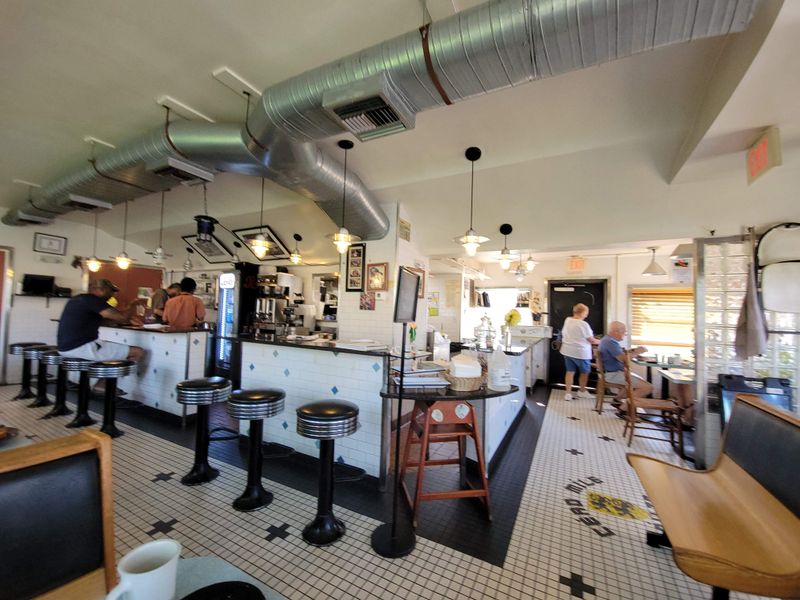
The room runs on a steady rhythm, griddle humming, coffee refilled at just the right moment, and timing matters if you want a seat.
Arrive early, sip patiently, and let the pace of the diner set the tone for the rest of your day.
Start With The Brown Bread
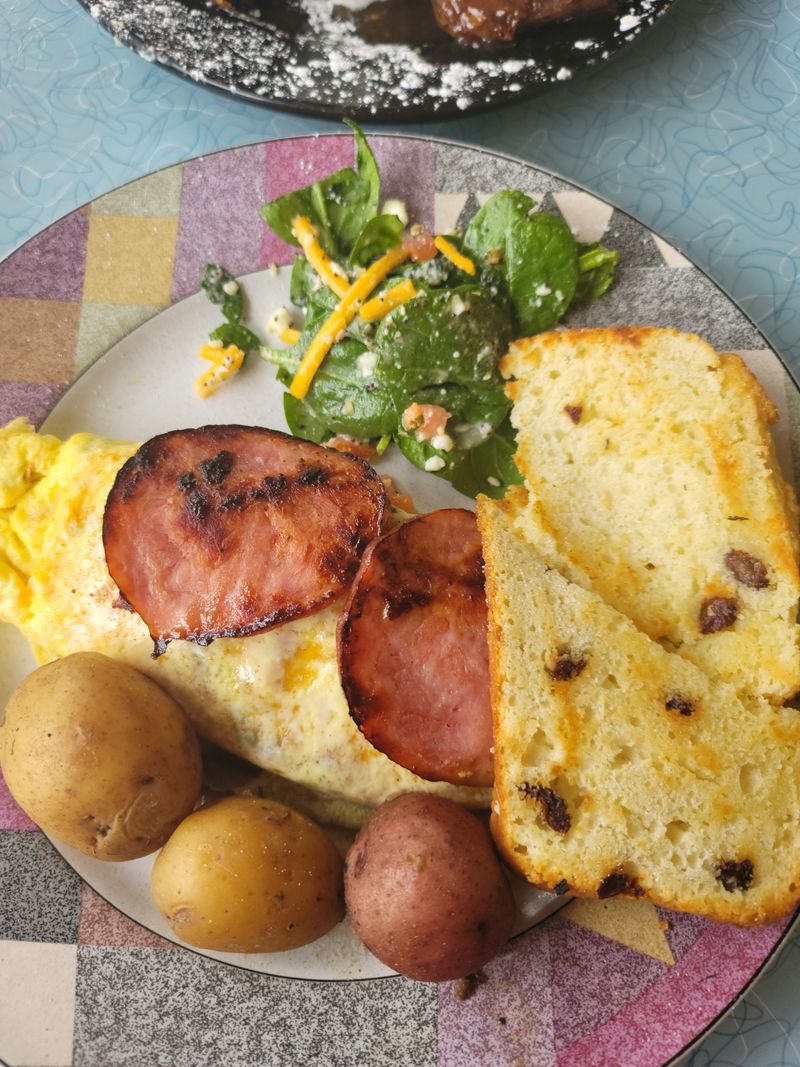
The brown bread arrives warm and aromatic, setting the emotional and sensory baseline of the meal before any eggs or plates hit the table, immediately signaling depth, intention, and a slower, more grounded breakfast experience.
Its dense yet tender crumb holds heat exceptionally well, allowing butter to melt fully into the bread rather than sitting on top, which creates a unified flavor instead of separate textures competing for attention.
There is a gentle sweetness present, but it never leans toward dessert, instead tasting of grain, baking time, and restraint rather than sugar or shortcuts.
This bread has existed on the menu for decades, functioning less as an accessory and more as a quiet reminder of the diner’s Irish roots and long-running relationship with its regulars.
Requesting it lightly toasted brings out additional nuttiness while sharpening the edges just enough to add contrast without drying out the interior.
Many locals order extra slices to take home, treating the bread as something worth saving rather than something that merely fills space on the plate.
Beginning the meal this way slows everything down, steadies the coffee, and frames the rest of breakfast as something deliberate rather than automatic.
Corned Beef Hash That Actually Crisps
The corned beef hash announces itself with sound before flavor, arriving with a faint crackle that immediately signals proper heat management, patience on the griddle, and an understanding that texture cannot be rushed.
Beef and potatoes are chopped finely enough to interlock and caramelize together, forming a lace-like crust that delivers crunch without bitterness or dryness.
Salt and fat are balanced carefully so the dish reads savory rather than heavy, especially once the egg yolk breaks and naturally binds the components.
While the dish reflects Irish lineage, it avoids nostalgia by relying on technique rather than memory to justify its presence on the menu.
Leaving the hash untouched for most of its cooking time is essential, and regulars know not to interfere once it hits the griddle.
Some diners add a small splash of vinegar or hot sauce to brighten the richness, though many prefer to let the meat speak for itself.
Each bite feels anchored and complete, the kind of breakfast that explains why people wait outside instead of looking for alternatives.
The Omelet With Local Vegetables
The omelet arrives colorful without excess, showing vegetables cooked just enough to soften while still retaining structure, freshness, and distinct texture within the eggs.
The eggs remain custardy inside and lightly set on the surface, demonstrating careful temperature control rather than aggressive cooking meant to speed service.
Vegetables are sautéed separately before being folded in, preventing excess moisture from diluting the eggs or flattening the flavor.
This approach reflects long-earned restraint, allowing ingredients to contribute without competing or overwhelming the plate.
Asking which farms supplied the vegetables that week often yields a genuine answer rather than a rehearsed one.
Many diners pair the omelet with brown bread to catch juices and add grounding texture.
The plate leaves you satisfied but alert, reinforcing that comfort food does not need to feel heavy to feel complete.
Pancakes With Real Personality
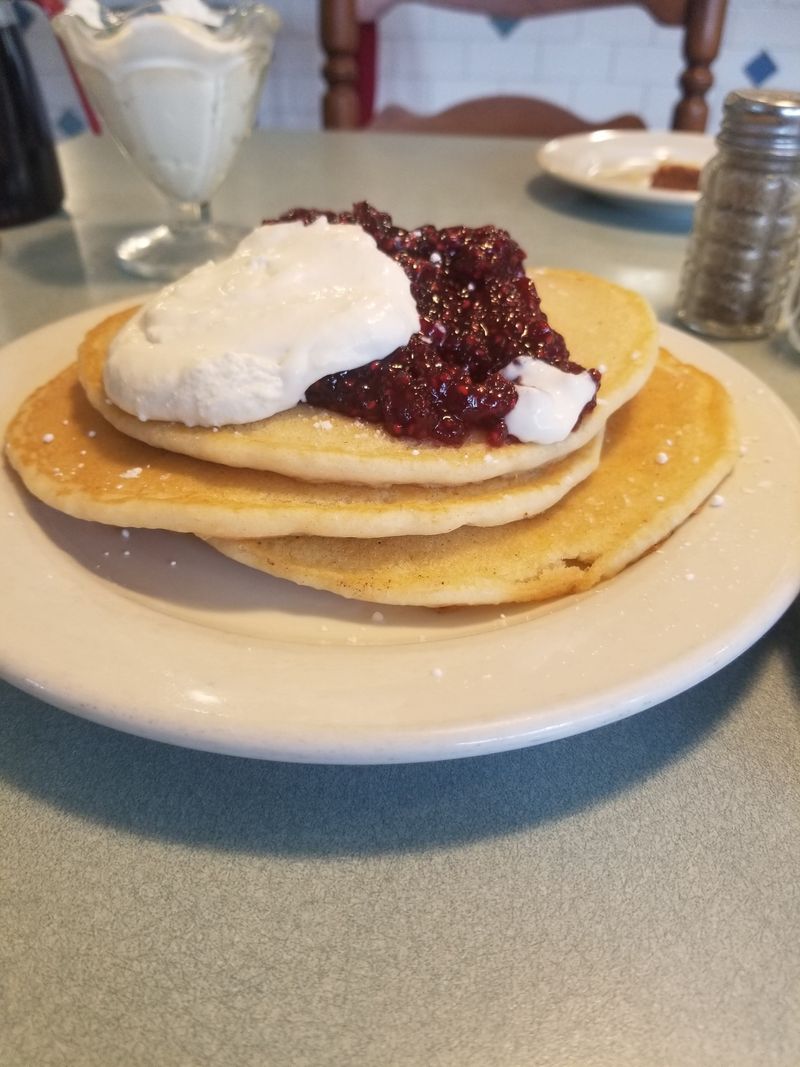
The first cut into the pancake stack reveals an interior that is airy without being fragile, holding together just long enough to feel deliberate before yielding cleanly under the fork, which immediately signals careful batter balance rather than shortcut fluffiness.
Lightly crisped edges show evidence of a properly heated griddle and patient timing, creating contrast that prevents the pancakes from reading as flat or sponge-like while still keeping the center tender and cohesive.
Maple syrup moves slowly across the surface instead of flooding the plate, soaking in at its own pace and allowing sweetness to remain controlled rather than overwhelming the grain and butter flavors beneath.
The batter favors texture and restraint over visual height, prioritizing how the pancakes eat from first bite to last rather than how they photograph or stack for effect.
There are no gimmicks or novelty additions here, just repetition, consistency, and confidence built over years of producing the same plate for people who notice when something changes.
Many tables split a single pancake as a shared side, treating it less like dessert and more like a communal punctuation mark to the meal.
What lingers most is how satisfying the pancakes feel without triggering the sugar fatigue that so often follows breakfast dishes that lean too hard on sweetness.
Irish Breakfast, Connecticut Morning
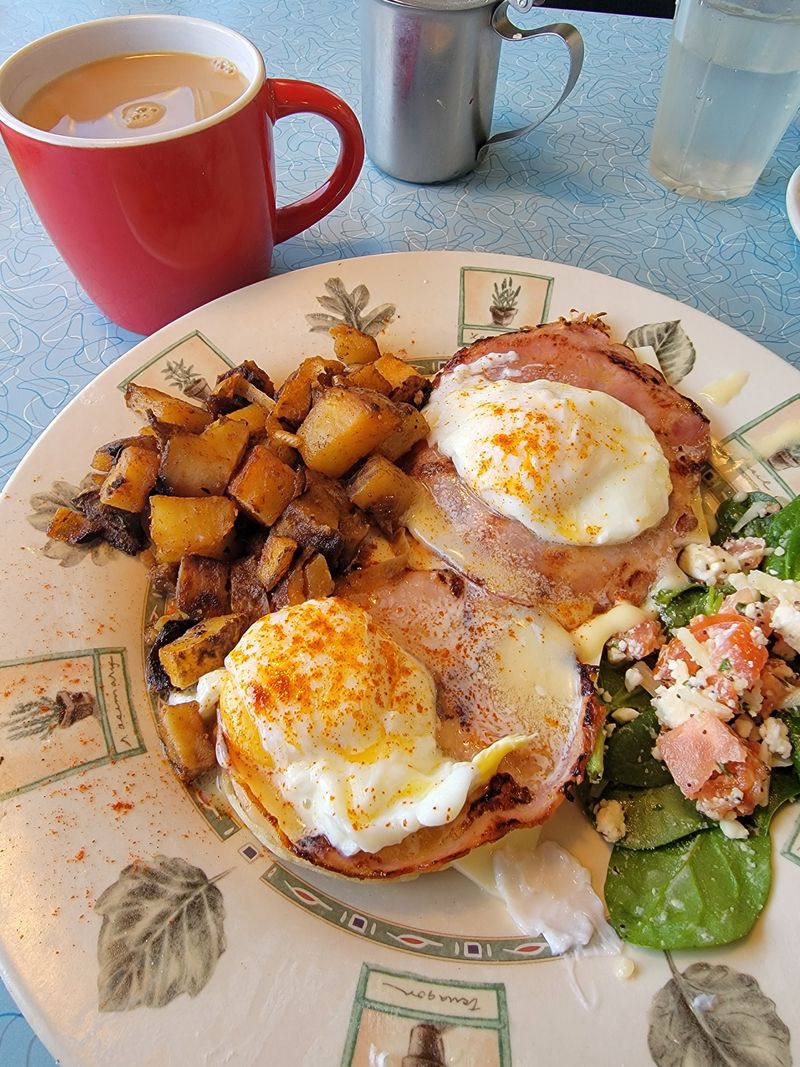
Smoke rises gently from the rashers as they hit the plate, followed by bangers with tight skins, eggs set just enough to shine, mushrooms cooked down into deep savor, and tomatoes seared until their sweetness concentrates rather than leaks.
The composition reads like a travel memory, yet the surrounding mugs, counter chatter, and familiar diner rhythm keep you firmly grounded in a Connecticut morning rather than somewhere imagined.
Each element is portioned for satisfaction instead of spectacle, allowing the plate to feel cohesive and sturdy rather than crowded or indulgent.
This breakfast connects directly to the diner’s origins without explanation or ceremony, letting the food carry the story quietly.
Requesting the tomato grilled hard intensifies its flavor and balances the richness of the meats without adding heaviness.
Some regulars substitute hash for potatoes, doubling down on savory while staying within the logic of the plate.
It is the kind of breakfast that encourages lingering, especially on cold days when warmth, salt, and patience matter more than speed.
Chef Brian O’Rourke’s Touch
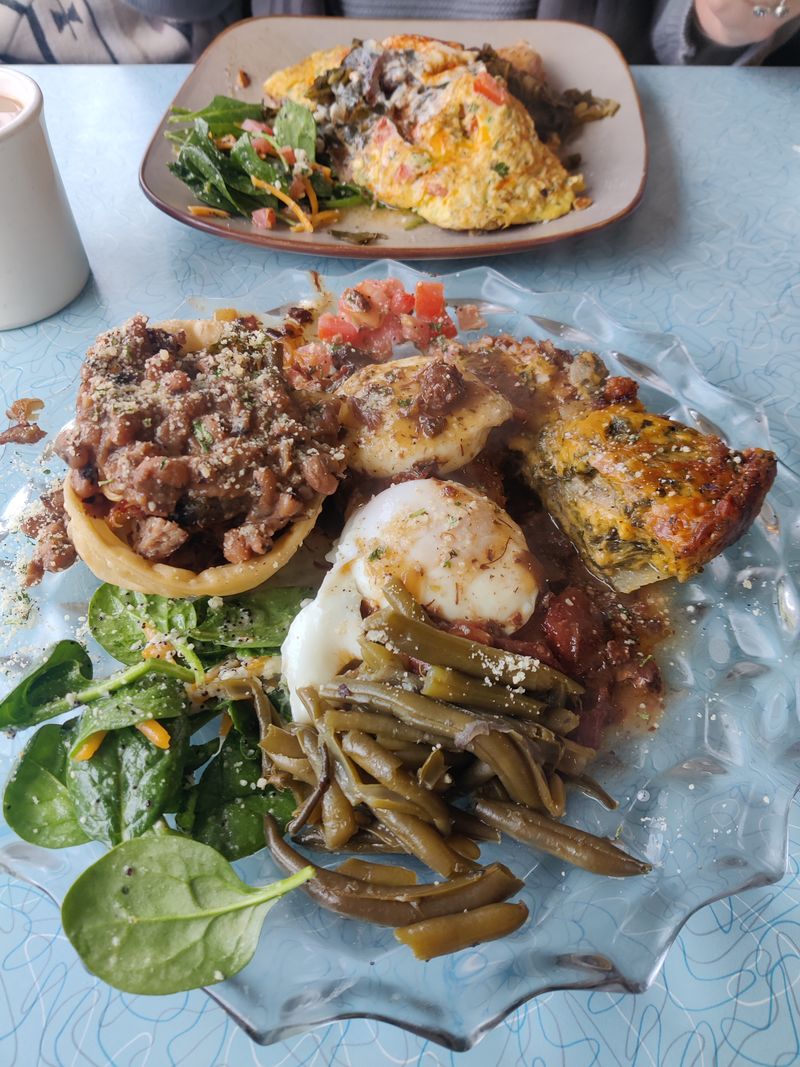
Watching the kitchen reveals compact, economical movements where nothing feels rushed or theatrical, and every action appears calibrated through repetition rather than performance.
Eggs land precisely between runny and set, toast arrives while still steaming, and plates move with quiet certainty that suggests experience rather than urgency.
This consistency defines the diner more than any single dish, shaping an experience built on reliability and trust rather than surprise.
Tradition guides the menu, but small thoughtful adjustments keep it from stagnating or turning rigid over time.
Daily specials introduce subtle variation without abandoning the diner’s core identity or pacing.
Arriving earlier in the morning offers clearer glimpses of this rhythm before the rush compresses movement and conversation.
The result is food that feels inevitable, as if it could not reasonably exist in any other form or be cooked any other way.
Seasonal Specials Board Strategy

The chalkboard specials reflect the actual rhythm of the year rather than marketing cycles, shifting naturally from lighter vegetable-forward plates in warmer months toward deeper, slower, and more grounding flavors as temperatures drop and appetites follow.
What looks casual and handwritten functions as the most quietly experimental part of the menu, where ideas are introduced carefully, observed through repeat orders, and removed without ceremony if they fail to resonate with regulars.
Rather than announcing innovation, these specials rely on familiarity paired with slight deviation, offering comfort with just enough variation to keep longtime customers attentive.
Asking what sold out the previous day often reveals more than reading the board itself, because staff responses tend to reflect genuine demand rather than preference or upselling.
Regulars scan the board before opening menus, treating it less like a suggestion and more like an ongoing conversation between the kitchen and the dining room.
Choosing well brings a small, private satisfaction rather than excitement, the sense that you aligned your appetite with timing.
Those fleeting dishes often linger longer in memory precisely because they were temporary, contextual, and quietly well judged.
Home Fries, Built For Edges
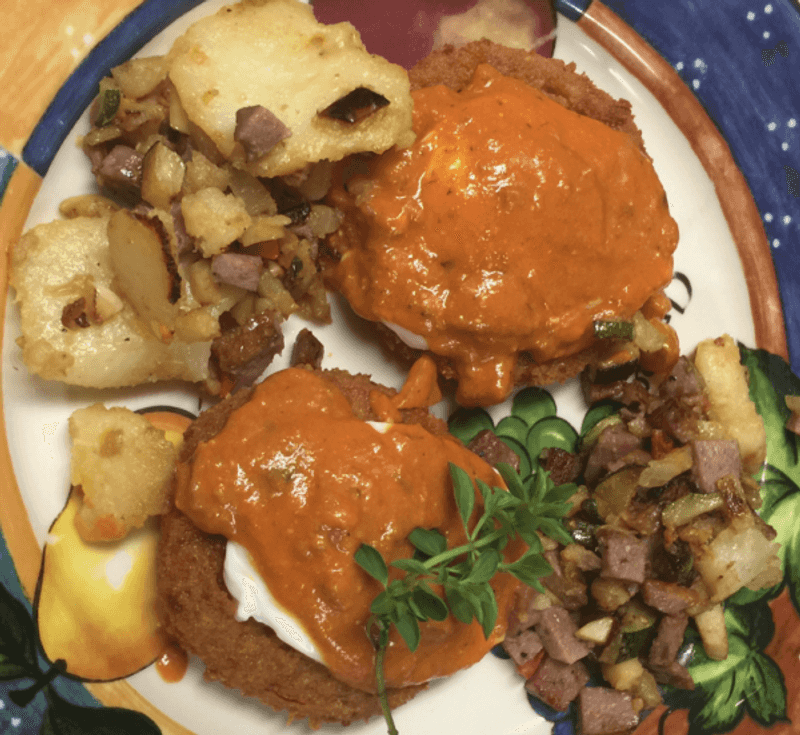
The home fries arrive audibly crisp, with browned corners announcing deliberate heat management and patience long before you taste them, setting expectations for texture rather than softness.
Inside those edges, the potatoes remain warm and tender, creating contrast that prevents the dish from becoming monotonous or heavy halfway through the plate.
Seasoning stays restrained, allowing the potato itself to remain central rather than masked by spice blends or excessive salt.
The process favors moisture control, spacing, and commitment to heat over constant movement, which is why the fries maintain integrity instead of collapsing.
Ordering them well done intensifies the exterior crunch without introducing bitterness, a preference many regulars adopt after a few visits.
Condiments often remain untouched once the first bite lands, because the texture does most of the work on its own.
They function as structural support for eggs and meats rather than competing for attention, framing the plate instead of dominating it.
Counter Seat Advantage
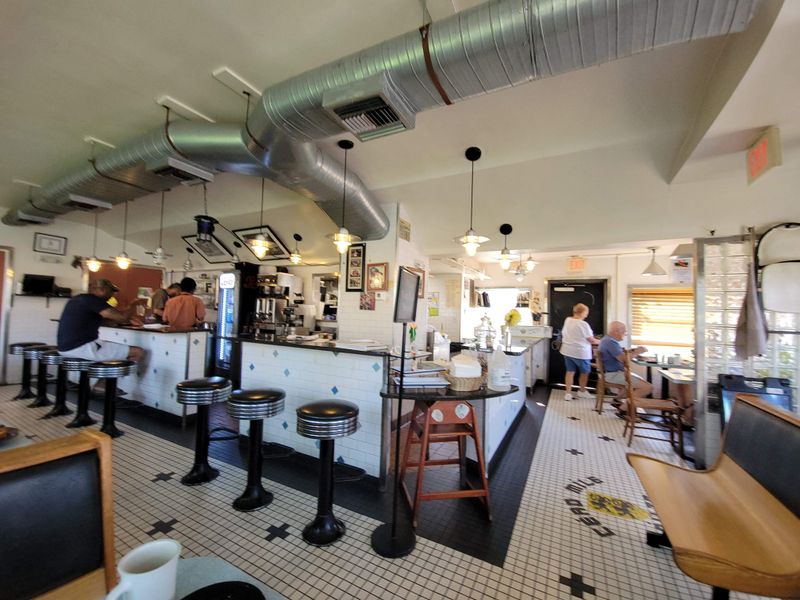
Sitting at the counter places you directly in front of the diner’s working logic, where coffee refills align with egg flips and plates move in coordinated silence that reflects experience rather than urgency.
From this vantage point, small details become visible, such as toast being buttered while still steaming or a cook pausing briefly to adjust egg timing by seconds rather than minutes.
These stools have hosted generations of regulars, students, and visitors, creating a continuity that feels lived-in rather than preserved.
Solo diners and pairs benefit most here, where the experience feels immediate without being intrusive or rushed.
Conversation stays light and ambient, rarely demanding attention but always available if welcomed.
Watching dishes come together removes menu anxiety on future visits, because familiarity builds visually before it does verbally.
Many people who start at the counter once quietly make it their default, returning to the same seat without realizing it has become habit.
Timing The Line On Main Street
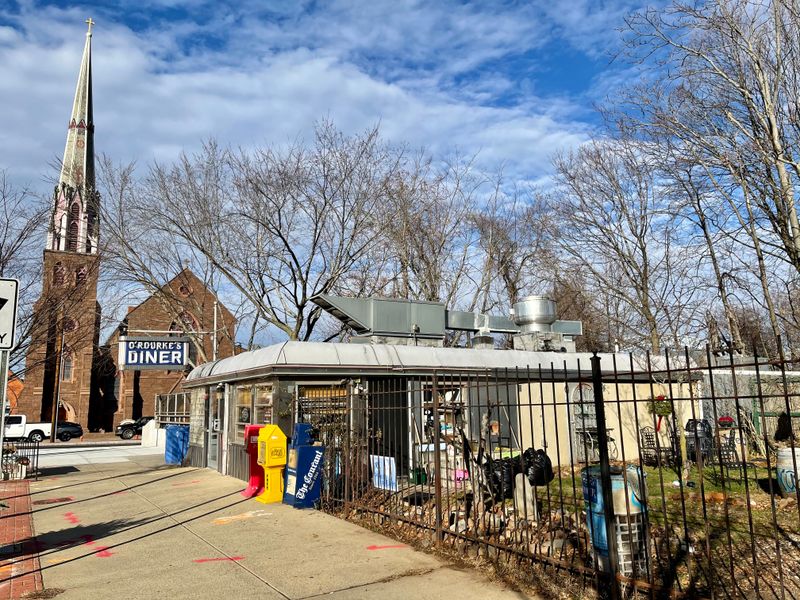
The line outside moves slowly enough to test patience but quickly enough to reassure, forming a shared ritual that signals quality long before you reach the door.
Cold mornings sharpen the contrast between waiting and sitting, making the first sip of coffee inside feel earned rather than automatic.
Because the diner has operated since 1941, the act of waiting becomes part of the experience rather than an inconvenience, something locals accept as procedural rather than frustrating.
Weekdays reward early arrivals, while midmorning offers a secondary window for those who miss the initial rush.
Hosts manage expectations clearly, often suggesting counter seating or brief waits that feel accurate rather than optimistic.
Conversation between strangers fills the gap, compressing time in a way screens never could.
By the time you sit down, the meal already feels justified, not by hype, but by shared anticipation.