
11 Michigan Dinner Table Rules From The 1960s That Would Start Arguments In A Modern House

Step into a Michigan dining room circa the 1960s and I swear you could feel the rules settling in before the smell of pot roast ever reached the hallway, a quiet but firm sense that this table meant something and that everyone present understood their role.
Families set expectations the same way they set the table, neatly, deliberately, and with a seriousness that could stop a teenage eye roll mid-flight without a word being spoken.
I’ve always been fascinated by how natural it all seemed, elbows off the table, conversations timed between bites, respect shown not as performance but as habit.
Some of those customs still feel grounding, almost comforting in their clarity, while others would spark instant debate the second a phone buzzed or a chair scraped back too soon.
Looking back at them now, with a cook’s eye and a guest’s curiosity, you start to see which rules were really about food and togetherness, and which were more about control than care.
Come sit with these old-school standards for a moment, taste them in context, and decide which ones still belong at your table tonight, and which are better left as stories passed down with the recipes.
1. Wash Your Hands Before You Sit
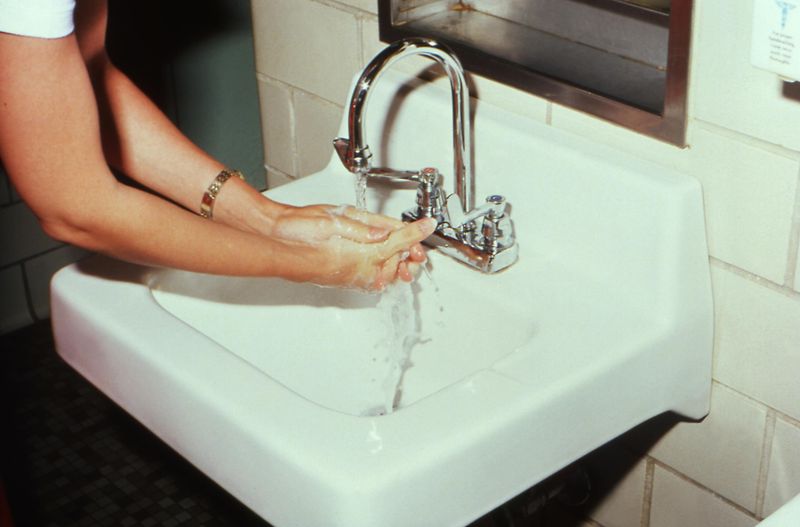
Before anyone reached for a chair, the expectation in many Michigan homes of the 1960s was that hands were washed thoroughly, not as a suggestion but as an unspoken entry requirement that separated the noise and grime of the outside world from the focused calm of the dinner table.
This ritual carried practical weight in an era of shared serving dishes, gelatin salads, and casseroles that moved from hand to hand, because clean hands protected both the food itself and the collective trust of the people about to eat it together.
There was also a sensory reset built into the rule, as warm water and soap cleared lingering smells of gasoline, paper, or school hallways, allowing the aromas of roast beef, onions, and simmering soup to register more clearly.
Parents enforced the rule with consistency rather than explanation, because repetition was considered education enough, and compliance signaled readiness to participate in the meal as a shared social event rather than a hurried refueling stop.
The sink effectively became a threshold, marking the transition from individual activity to group attention, which is why skipping it felt like crossing a line even if no one said a word.
Modern households might argue about the necessity, but the logic still holds when you consider how a brief pause before eating slows the body and sharpens appetite.
Bringing this rule back today quietly reframes dinner as something you enter deliberately, not something you crash into while still carrying the day on your skin. with a folded towel.
2. Napkin Goes Straight In Your Lap
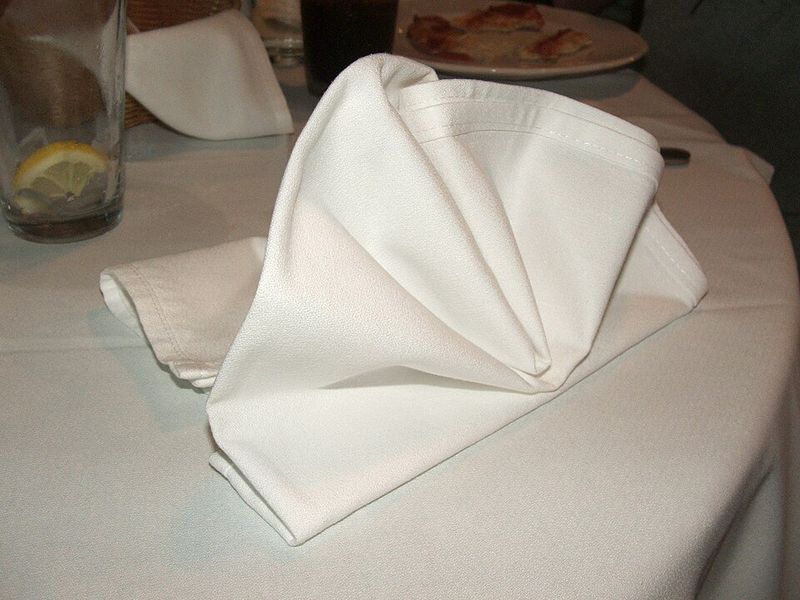
Placing the napkin in your lap immediately after sitting down was once a nonnegotiable signal that the meal had officially begun, anchoring posture, attention, and behavior before a single bite was taken.
In Michigan dining rooms of the 1960s, this simple movement carried the same authority as a spoken rule, because it prepared you for spills, crumbs, and formality without interrupting conversation or drawing attention to itself.
The weight and texture of cloth against your knees subtly adjusted how you sat, encouraging shoulders to settle back and hands to move with more intention as dishes were passed and plates were adjusted.
Adults believed the habit reduced mess, but it also trained diners to be present, to notice temperature, aroma, and pacing instead of lunging toward food the moment it arrived.
Skipping the napkin or leaving it folded beside the plate was often corrected instantly, not out of fussiness, but because it disrupted the shared rhythm of the table.
Even now, restaurants teach this move for practical reasons, since it limits stains and provides immediate utility without fuss.
Reintroducing it at home can feel formal at first, but it quickly reveals how a small physical cue can organize an entire meal.
3. Wait Until Everyone Is Served
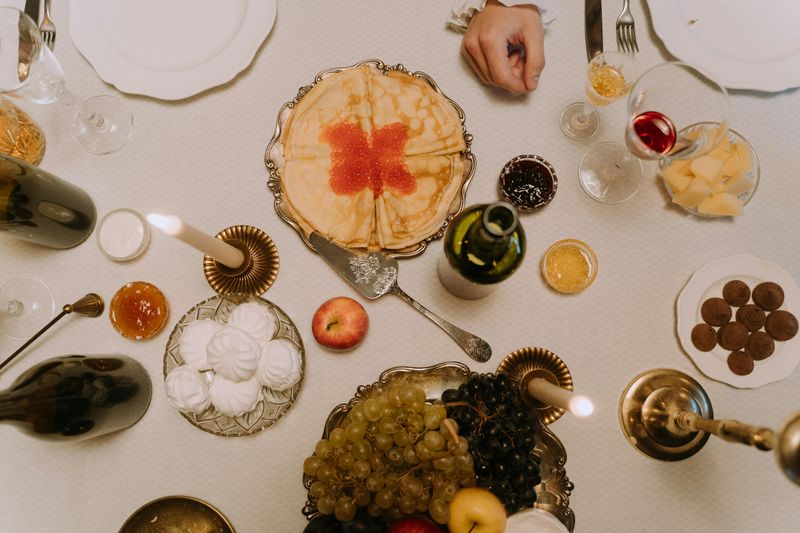
Waiting until every person at the table had been served before beginning to eat was one of the clearest expressions of collective etiquette in midcentury Michigan households, reinforcing the idea that dinner was a group experience rather than a sequence of individual moments.
This pause created a brief suspension filled with steam, clinking silverware, and anticipation, during which the food often smelled better simply because no one was rushing ahead of anyone else.
Families treated the table as incomplete until the final plate arrived, which meant that starting early was seen not as hunger but as impatience.
The rule also gave hosts time to sit down themselves, preventing the common modern imbalance where the cook eats last and cold.
Children learned quickly that the meal did not truly begin until eye contact, nods, or a verbal cue released everyone at once.
Even in busy households, this shared start smoothed awkward delays and prevented the quiet resentment that can build when someone eats while another waits.
Bringing the habit into contemporary dinners can still transform the mood, because synchronized beginnings tend to produce slower eating, better conversation, and a stronger sense of togetherness.
4. Sit Up Straight, Keep Your Chair In

Sitting upright with your chair fully tucked under the table was treated as both a matter of respect and basic logistics in many Michigan homes of the 1960s, especially where dining rooms were narrow and every inch of space had to accommodate elbows, serving dishes, and passing platters.
Good posture was not framed as elegance for its own sake, but as a way to keep the table functional, because leaning back or sprawling outward disrupted the careful choreography of bowls moving hand to hand and knives finding their marks.
Parents corrected slouching quickly, often with a gentle tap on the chair or a quiet reminder, reinforcing the idea that the table was a shared surface that required cooperation rather than individual comfort.
Keeping the chair in also prevented accidents, since uneven floors, siblings squeezing past, or sudden reaches for gravy could turn a loose chair into a hazard.
There was an unspoken belief that sitting properly helped food taste better, because balance in the body translated into steadier hands and more deliberate bites.
Even conversation flowed differently when everyone faced the table squarely, voices projecting forward rather than sideways or downward.
Reintroducing this rule today can feel strict at first, but it often results in calmer meals, fewer spills, and a subtle return of attentiveness that screens tend to erode.
5. Elbows Off The Table While Eating

Keeping elbows off the table during active eating was one of the most frequently enforced rules at midcentury Michigan dinner tables, largely because crowded settings made personal space a shared responsibility rather than an individual right.
Elbows planted on the tabletop blocked passing dishes, threatened glasses, and narrowed sightlines, turning what should have been a cooperative exchange into a series of small obstacles.
Parents distinguished between resting elbows during conversation and lifting them while chewing, teaching children to recognize the difference between pause and action.
The rule also protected clothing, since sleeves hovering over gravy boats and butter dishes were far more likely to collect stains than wrists held close to the body.
Mechanically, eating without elbows on the table encouraged smaller, more controlled movements, which reduced noise and accidental contact.
Though often remembered as fussy, the guideline was rooted in efficiency, not moral judgment.
At modern tables crowded with serving boards, centerpieces, and drinks, the logic still applies, making this one of the easiest old rules to justify without sounding nostalgic.
6. Say Please And Thank You

Saying please when asking for food and thank you when receiving it was considered essential seasoning at Michigan dinner tables in the 1960s, softening every exchange and reminding everyone that meals were acts of care rather than automatic entitlements.
These phrases framed requests for bread, seconds, or the salt shaker in a way that acknowledged the effort behind the food, whether it came from a parent, grandparent, or sibling helping out.
Children were corrected not for forgetting manners once, but for failing to repeat them consistently, because repetition was seen as how respect became habit.
The words themselves slowed the tempo of the meal, inserting small pauses that kept conversation civil and prevented demands from stacking up chaotically.
Cooks, especially, felt recognized when gratitude was spoken aloud rather than implied, which mattered in households where meals were prepared daily without applause.
Even brief dinners felt warmer when language matched the care taken in cooking.
Bringing this rule forward requires little effort, yet it can noticeably reduce tension and remind everyone at the table that food is shared, not owed.
7. Pass Salt And Pepper Together

Passing salt and pepper as a matched pair was treated as a small but meaningful discipline at Michigan dinner tables in the 1960s, because separating them disrupted both seasoning balance and the smooth circulation of shared objects across often crowded tabletops.
The logic was practical rather than symbolic, since keeping the shakers together prevented one person from over-seasoning in frustration while waiting for the companion spice to make its slow return from the far end of the table.
Parents enforced the rule with calm repetition, explaining that food should be tasted and adjusted thoughtfully, not impulsively, which meant seasoning was a considered act rather than a reflex.
This habit also kept conversation flowing, because a single pass replaced multiple interruptions, allowing stories and questions to continue without the stop-start rhythm of repeated reaching.
In homes where meals featured soups, roasts, and vegetables served family-style, paired seasoning helped maintain consistency from first plate to last.
The gesture subtly reinforced cooperation, reminding everyone that the table worked best when objects traveled predictably and with shared awareness.
Even today, adopting this rule simplifies hosting, reduces cluttered hands, and restores a sense of order that feels quietly satisfying rather than restrictive.
8. Chew With Your Mouth Closed

Chewing with your mouth closed was presented not as a moral judgment but as a matter of courtesy and sensory clarity in Michigan households of the 1960s, where meals were meant to be heard for conversation rather than amplified chewing.
Parents emphasized that closing the mouth preserved both dignity and appetite, since visible food and excess noise distracted others and diminished the shared enjoyment of the meal.
The rule encouraged smaller bites and slower pacing, which incidentally improved digestion and allowed flavors to develop more fully with each chew.
Children were often reminded that conversation could wait until swallowing, reinforcing patience and attentiveness rather than constant verbal overlap.
This practice also kept tables cleaner, reducing the chance of stray crumbs or droplets landing on shared dishes or nearby sleeves.
Over time, the habit trained diners to notice texture and taste internally rather than perform consumption outwardly.
In modern settings filled with background noise and distractions, the old rule still functions as a simple way to restore calm and focus to the act of eating together.
9. Don’t Complain About The Food

Openly criticizing the food at the table was strongly discouraged in many Michigan families of the 1960s, because dinner was understood as a collective effort deserving respect, regardless of individual preferences.
If a dish missed the mark, diners were expected to navigate politely by eating what they could, supplementing with bread or side dishes, and saving commentary for a later, private moment.
This rule protected the emotional center of the meal, preventing one person’s dissatisfaction from souring the atmosphere for everyone else.
Parents taught that silence or neutral comments were preferable to blunt honesty when honesty offered no immediate solution.
The expectation fostered adaptability, encouraging diners to broaden their palates rather than demand customization.
Cooks, often responsible for daily meals without recognition, benefited from this restraint, which acknowledged effort even when execution varied.
Reapplying this rule today can reduce tension, keep meals pleasant, and remind everyone that togetherness matters more than perfection.
Say continue when you want the final batch of rules, and I will keep the sentences even longer if you want them pushed further.
10. Ask To Be Excused Before Leaving

Asking to be excused before leaving the table was a deeply ingrained habit in many Michigan households of the 1960s, because the meal was treated as a shared social unit rather than a loose collection of individuals eating in parallel.
The phrase itself functioned as a pause button, giving the host or parent a moment to acknowledge the departure, offer a final remark, or assign a small task that maintained the rhythm of togetherness.
Children learned that standing up without permission fractured the continuity of the meal, making the table feel temporary instead of intentional, which clashed with the era’s emphasis on structure and mutual awareness.
This rule also prevented the slow unraveling of dinner, where one person leaving early could trigger a cascade of exits that shortened conversation and diluted the sense of occasion.
In practical terms, it allowed cooks to time dessert, coffee, or cleanup more smoothly, because everyone’s presence or absence was clearly communicated rather than assumed.
The habit trained people to register transitions consciously, instead of drifting away mid-conversation or disappearing into other rooms without explanation.
Reintroducing this rule today can subtly strengthen gatherings by reminding everyone that meals end deliberately, not accidentally, and that shared time deserves a clear beginning and a clear close.
11. Thank The Cook And Help Clear The Table
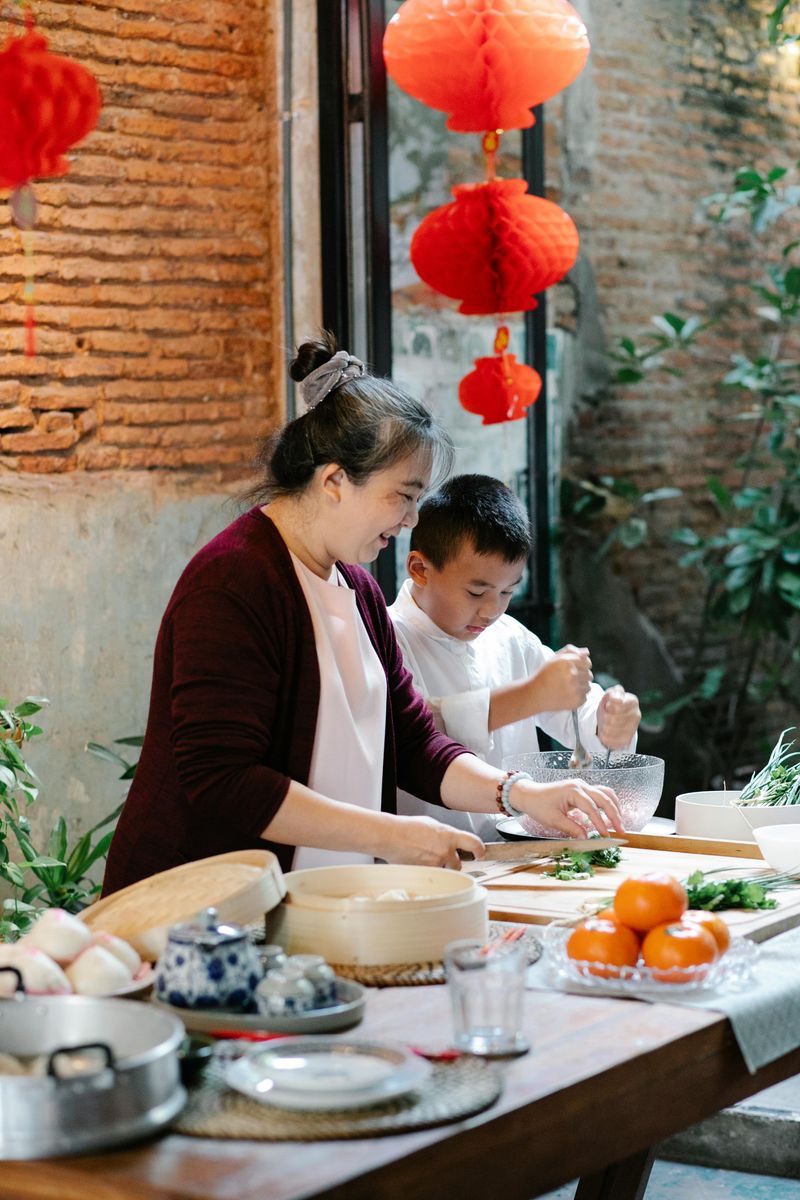
Thanking the cook and helping clear the table was considered a non-negotiable closing ritual in 1960s Michigan homes, because it transformed eating from a passive experience into a cooperative one that honored labor and care.
The spoken thank you acknowledged not only the food itself but the planning, shopping, preparation, and timing that made the meal possible, often repeated daily without applause.
Helping clear plates, stack dishes, or carry serving bowls created a physical expression of gratitude that reinforced the words with action.
This practice prevented the cook from becoming invisible once the last bite was taken, anchoring respect into the muscle memory of the household.
Children learned that participation did not end when eating stopped, and that responsibility extended naturally from enjoyment into cleanup.
The shared movement around the table softened the transition from meal to evening, replacing abrupt dispersal with coordinated closure.
Even now, reviving this rule can rebalance domestic dynamics, reduce resentment, and quietly remind everyone that hospitality is sustained not by one person, but by collective follow-through.