
This Hidden Ohio Chili Parlor Has One Secret Recipe Locals Defend By All Means
Ever heard of a chili parlor in Ohio that locals talk about in hushed tones, like the recipe might vanish if spoken too loudly?
That was the vibe I picked up the first time Camp Washington Chili came up in conversation.
No flashy explanations, no long pitches, just a quiet insistence that this was the place.
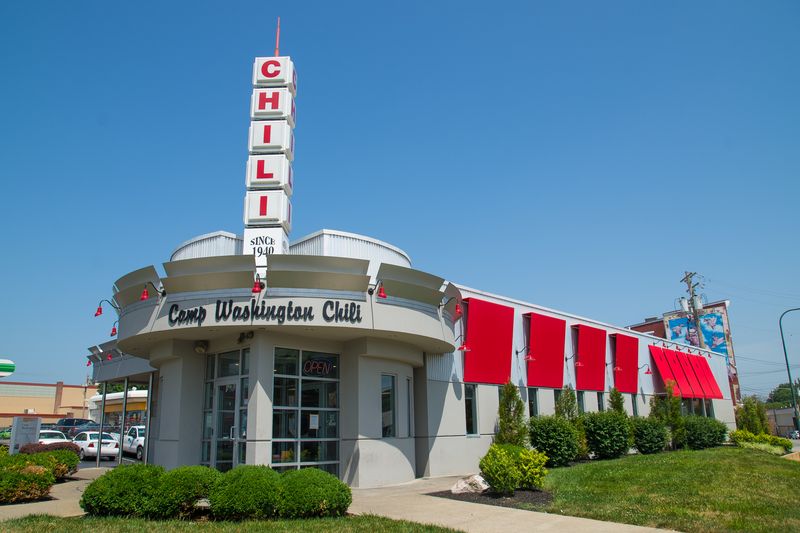
Pulling off Colerain Avenue late one night, I followed a neon glow that felt less like signage and more like a beacon.
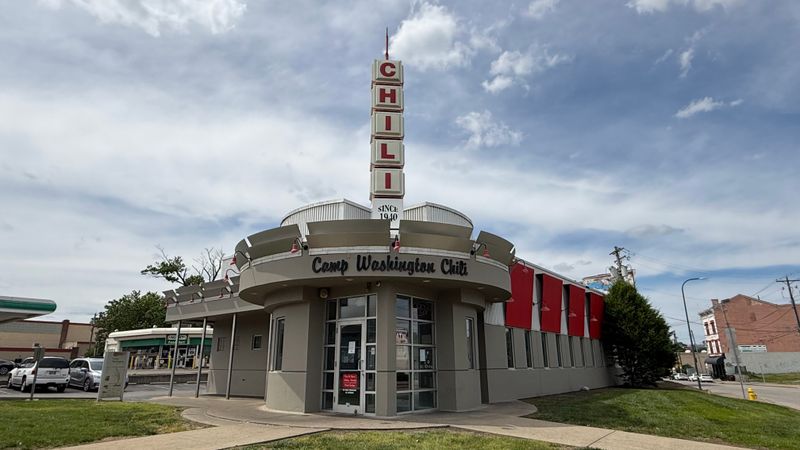
Camp Washington Chili sits at 3005 Colerain Ave, Cincinnati, Ohio, open 24 hours a day from Monday at 8 AM until Saturday at 4 PM, resting on Sundays and looking exactly like a place that has seen decades come and go without blinking.
The second I stepped inside, I realized this was not a casual stop but a local institution with rules, rhythms, and opinions.
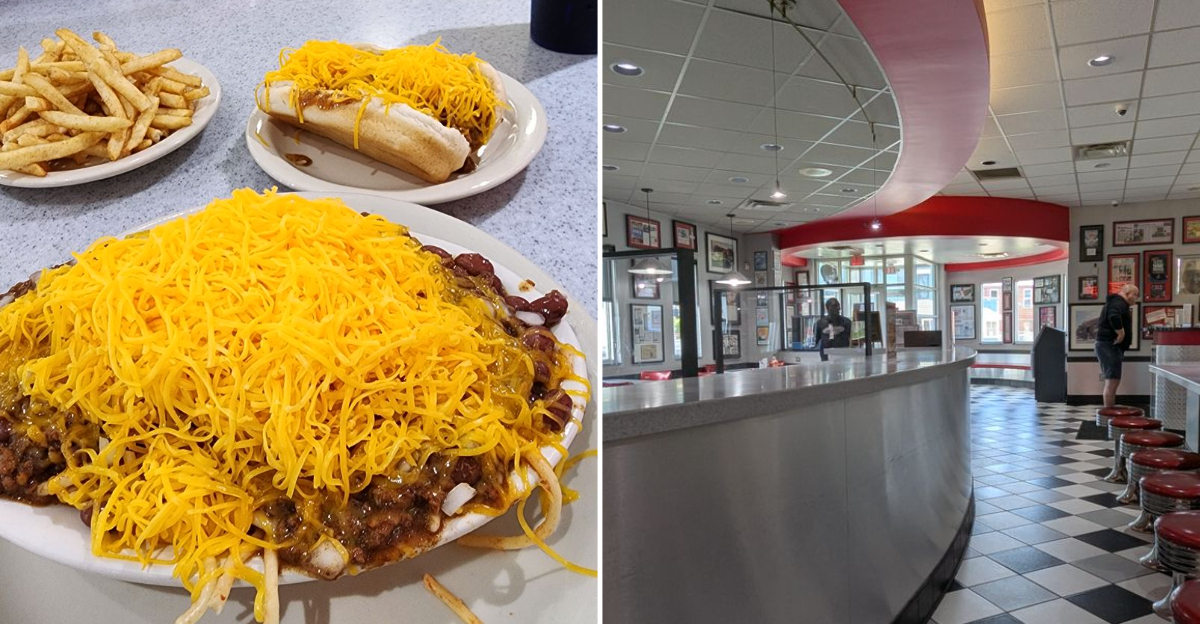
Counter seats were full, plates were loaded with chili-drenched classics, and everyone seemed deeply invested in what landed on my plate.
I ordered a three-way without fully knowing what I was getting into.
One bite was enough to explain the loyalty, the secrecy, and the fierce pride wrapped around this place.
This chili did not ask for approval; it simply existed with confidence earned over generations.
What follows is everything I learned about a Cincinnati staple locals protect like a family heirloom.
A Recipe Guarded Like Fort Knox

Camp Washington’s chili recipe remains one of Cincinnati’s best-kept culinary secrets, passed down through generations with the kind of secrecy usually reserved for government documents.
The exact blend of spices has never been disclosed publicly, and the owners keep the formula tightly held within the family and long-time staff.
I watched the kitchen staff work with practiced precision, each pot of chili simmered to exact specifications that have remained unchanged for decades.
What makes this chili different is the layered complexity you taste with every spoonful.
There is a warmth from cinnamon, a hint of chocolate undertones, and savory notes that build rather than overwhelm.
Locals told me they have tried for years to replicate it at home, always falling short of that perfect balance.
The recipe is not just food here, it is heritage, and the community treats it with reverence that borders on sacred.
The 1940s Time Capsule Interior
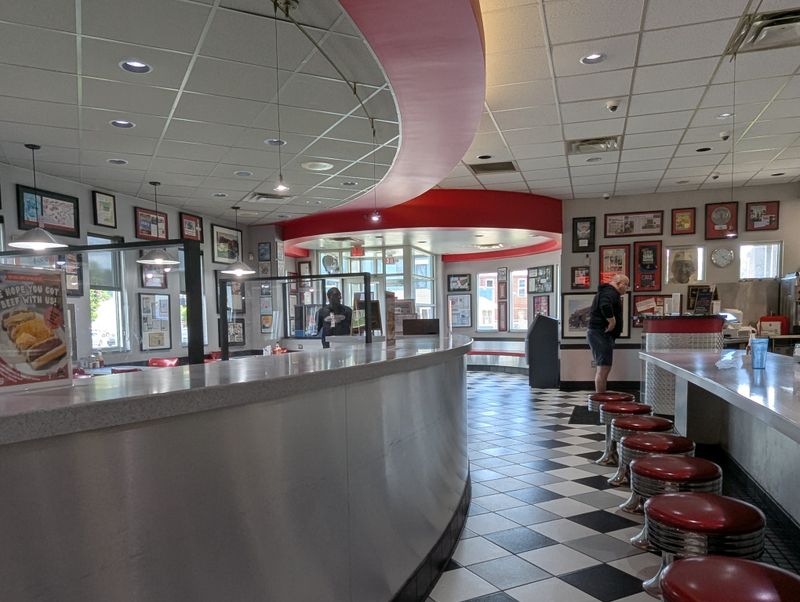
Walking into Camp Washington feels like stepping through a portal into post-war America, where the design has stayed authentic to its 1940s roots.
The long counter lined with red vinyl stools remains the heart of the operation, and I claimed a spot there on my first visit to watch the choreography of orders being filled.
Chrome fixtures catch the light from vintage neon signs, and the checkered floor shows the wear of millions of footsteps over eight decades.
Nothing feels staged or recreated for nostalgia’s sake.
This is simply how the place has always looked, maintained with care but never modernized beyond necessity.
The booths along the windows offer a quieter spot, but I found the counter gave me the full experience, surrounded by regulars who knew exactly what they wanted before sitting down.
The atmosphere creates comfort through familiarity rather than trendy updates.
The Three-Way That Started It All
My first three-way at Camp Washington changed how I understood regional American cuisine forever.
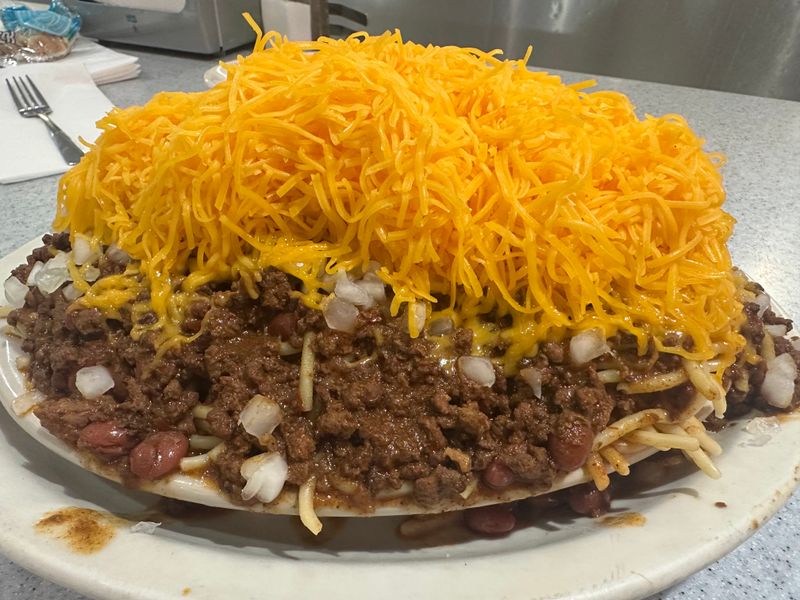
The dish arrives deceptively simple, spaghetti forming the base, chili ladled generously over the noodles, and a mountain of finely shredded cheddar cheese crowning the top.
I mixed it all together as instructed by the server, watching the cheese melt into the hot chili and create strands that connected each forkful.
The spaghetti provides a neutral canvas that lets the chili’s complexity shine without competing flavors.
That first bite delivered layers I did not expect, the meat chili rich and slightly sweet, the cheese adding creamy sharpness, the pasta offering textural contrast.
Regulars sitting beside me nodded approvingly when I ordered a second one on my third visit.
The three-way is not just a menu item here, it is an initiation into Cincinnati chili culture.
Around-the-Clock Chili Availability
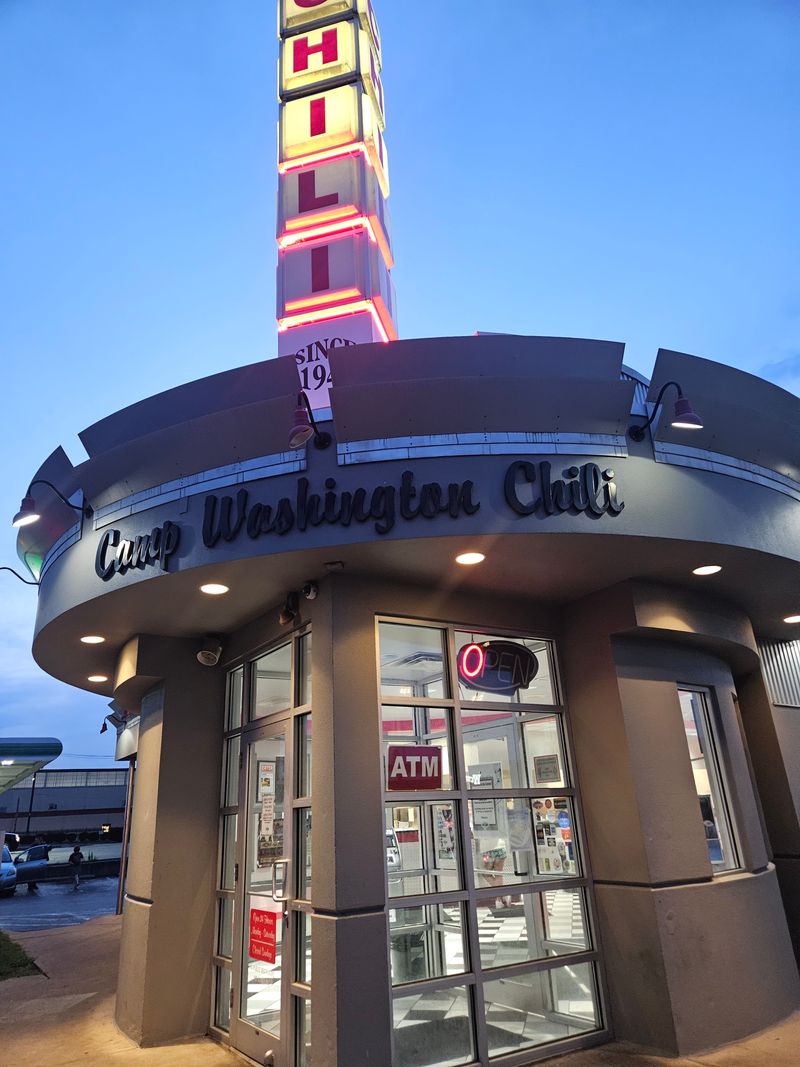
Camp Washington Chili operates 24 hours a day from Monday morning until Saturday afternoon, closing at 4 PM on Saturdays and staying closed on Sundays, which means chili cravings can be satisfied at almost any hour the rest of the week.
I have stopped in at 2 AM after concerts and found the place buzzing with night-shift workers, insomniacs, and people who simply needed that chili fix before heading home.
The kitchen maintains the same quality standards whether you order at noon or midnight, never cutting corners despite the late hour.
There is something magical about eating a perfectly prepared three-way at 3 AM while sitting next to a nurse finishing her shift and a college student fueling an all-night study session.
The round-the-clock schedule has made Camp Washington an anchor for people whose lives do not fit standard restaurant hours.
I once asked a server how they maintain consistency across all shifts, and she smiled and said the recipe does not care what time it is.
The Five-Way Challenge
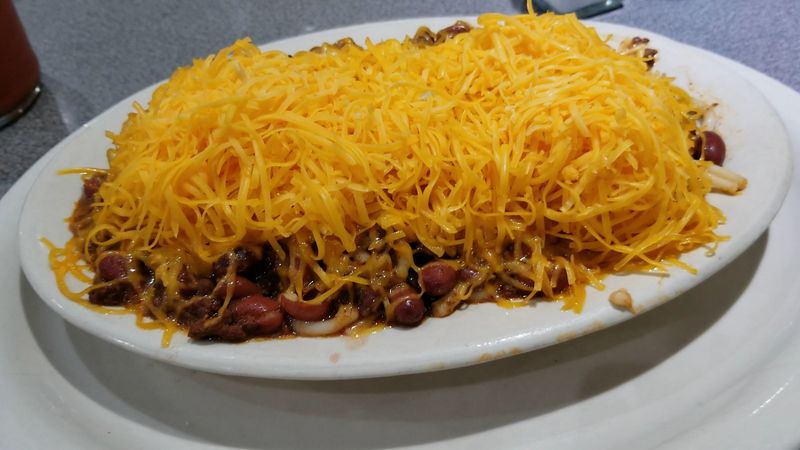
Ordering a five-way at Camp Washington means you are ready for the full Cincinnati chili experience, with every possible topping piled onto your spaghetti base.
The progression goes spaghetti, chili, beans, onions, and cheese, each layer adding new dimensions to the dish.
I worked my way up to the five-way after several visits, needing to understand each component before tackling the complete version.
The beans add earthiness and substance, making the dish heartier and more filling than the simpler three-way.
Raw onions bring a sharp bite that cuts through the richness, waking up your palate between forkfuls.
Mixing everything together creates a combination that is messy, delicious, and utterly satisfying in a way that defies elegant description.
I watched a regular finish two five-ways during one sitting, and when I asked how that was possible, he just shrugged and said practice.
The Counter Culture Experience
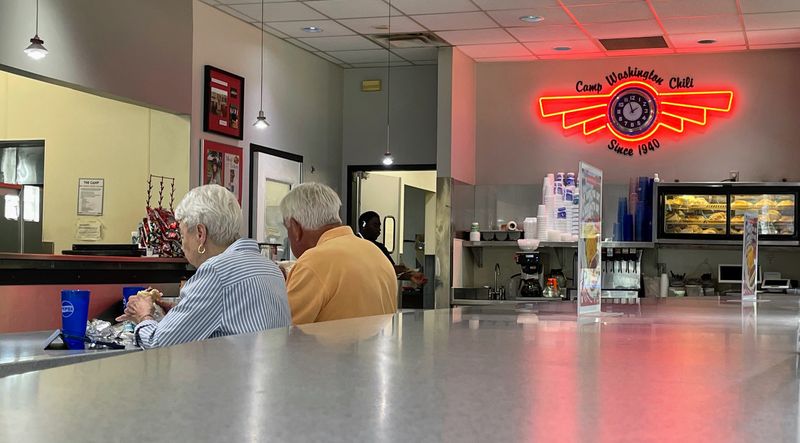
Sitting at the counter at Camp Washington gives you front-row seats to a dining culture that has remained unchanged for generations.
Regulars claim their favorite spots, servers remember orders without writing them down, and conversations flow between strangers united by their love of chili.
I found myself chatting with a retired factory worker on one side and a young chef on the other, both equally passionate about their preferred way to order.
The counter seating creates intimacy that booths cannot match, forcing interaction in the best possible way.
You watch your food being prepared, see the rhythm of the kitchen, and become part of the ongoing story rather than just a customer passing through.
Servers work with efficiency that comes from years of repetition, sliding plates along the counter with practiced timing.
The counter is where Camp Washington’s soul lives most visibly.
Prices That Refuse to Inflate
Camp Washington has somehow resisted the price inflation that has hit most restaurants, keeping their menu remarkably affordable even as costs rise everywhere else.
A three-way still costs less than most fast-food combo meals, and the portion sizes have not shrunk to compensate.
I can eat until completely satisfied for under ten dollars, a rarity in modern dining that makes this place accessible to everyone regardless of budget.
The commitment to affordability feels intentional, a way of ensuring the chili remains available to the working-class community that has always supported the restaurant.
Students, families, and people on fixed incomes can still enjoy a proper meal here without calculating whether they can afford it.
The value extends beyond just low prices, the quality never suffers, the portions stay generous, and the experience remains consistent.
This pricing philosophy has built loyalty that money cannot buy.
The Protective Local Following
Camp Washington’s regular customers form a protective circle around the restaurant that borders on fierce, defending it against any criticism or suggestion of change.
I witnessed this loyalty firsthand when a tourist complained about the lack of modern amenities, and three regulars immediately jumped to explain why the old-school approach is the entire point.
People drive from across the city and even from other states specifically to eat here, planning trips around Camp Washington’s hours.
The restaurant has survived economic downturns, neighborhood changes, and shifting food trends because this community refuses to let it fail.
When I asked one regular why he felt so protective, he told me some places are worth fighting for because they represent something larger than just food.
The loyalty extends to keeping the secret recipe secret, with locals shutting down any conversation that veers toward revealing specifics.
This protective instinct has created a fortress of goodwill around the restaurant.
Awards and Recognition That Keep Coming
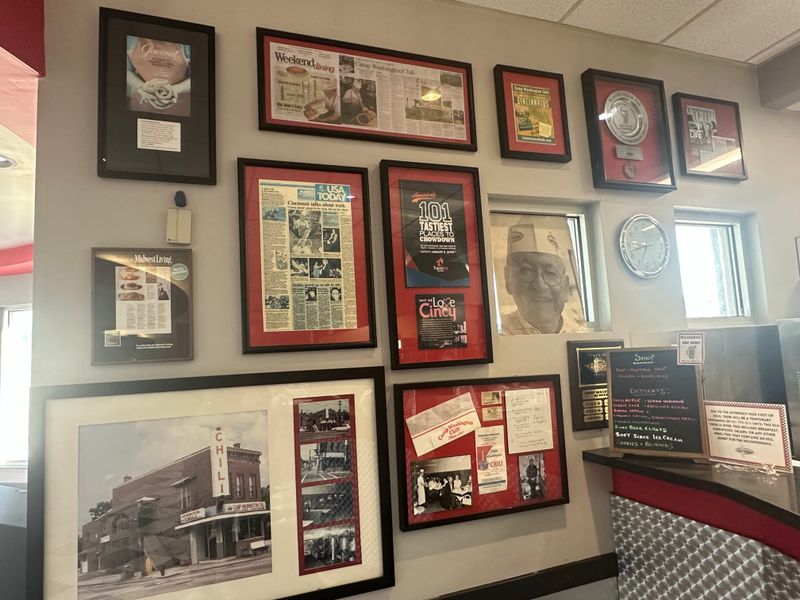
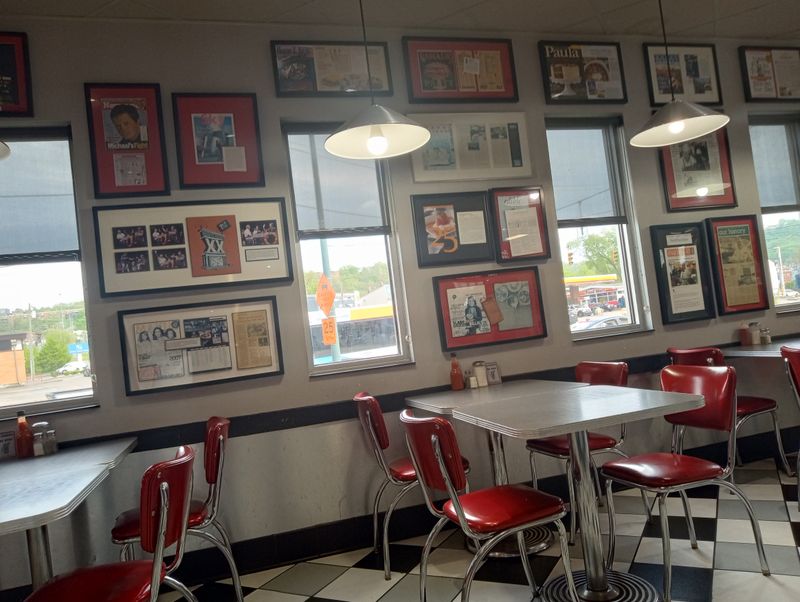
The walls at Camp Washington display decades of awards, magazine features, and recognition from food critics who have discovered what locals always knew.
James Beard Foundation recognition, best chili awards, and features in national food publications cover available wall space, each one validating the community’s long-held beliefs.
I spent time reading through the clippings during a slower afternoon visit, tracing the restaurant’s journey from neighborhood secret to nationally recognized institution.
What strikes me most is how the awards have not changed anything about how Camp Washington operates.
The same recipes, same atmosphere, and same commitment to quality continue regardless of external validation.
Locals seem proud but not surprised by the recognition, treating it as confirmation rather than revelation.
The restaurant has not raised prices, updated the decor, or tried to capitalize on fame in ways that would compromise its character.
Recognition flows to Camp Washington, not the other way around.
The Unwritten Rules Every Regular Knows
Camp Washington operates according to unwritten rules that regulars understand instinctively, but newcomers must learn through observation and gentle correction.
You wait for a counter seat rather than hovering, you order decisively when the server arrives, and you never, ever ask what is in the chili.
I learned to have my money ready when the check arrives, as lingering over payment holds up the flow during busy periods.
Regulars leave space for others at the counter, sliding down one seat if it means accommodating another customer.
You bus your own dishes to the end of the counter, a small gesture that helps the servers maintain their rhythm.
These customs create efficiency and community simultaneously, turning dining into a cooperative effort rather than a pure service transaction.
I discovered that following these unwritten rules earned me nods of approval from longtime customers who appreciated respect for the culture.
The rules are not exclusionary, just practical wisdom accumulated over decades.