
These Classic Arizona Drive-Ins Really Feel Frozen In Time
Okay, confession time.
I’m a sucker for anything that makes me feel like I’ve stepped into a movie set that never got the final edit.
So when I heard there were twelve Arizona drive‑ins still rocking the exact look and vibe of a bygone era, I had to grab my sun‑hat, a cooler of soda, and hit the road.
Each of these spots offers a little slice of mid‑century Americana that’s been lovingly preserved (or lovingly ignored) by time.
As I cruised from one retro oasis to the next, I couldn’t help but notice how each place tells its own story through dented booths, vintage menus, and the occasional friendly greeter who still knows how to hand you a milkshake with a smile.
Join me on this nostalgic ride, and let’s explore why these twelve drive‑ins feel like secret portals to an era when road trips were all about the journey, the jukebox, and the joy of a perfectly crisp fry.
1. Delgadillo’s Snow Cap Drive-In

Walking up to this quirky Seligman landmark at 301 W Chino Ave feels like stepping into a time machine set for 1953.
Founder Juan Delgadillo built this place from salvaged lumber and railroad ties, creating a roadside attraction that became legendary along Route 66.
The building itself looks wonderfully mismatched, with vintage signs covering nearly every surface and a rusted classic Chevy parked permanently out front.
Inside and out, the décor celebrates mid-century Americana with kitschy decorations, old license plates, and faded advertisements that transport visitors back decades.
Delgadillo was famous for his pranks and jokes, a tradition the family continues today, making every visit feel interactive and fun.
The mustard bottle might squirt you with string instead of condiment, and the staff loves playful banter with customers.
Faded paint and weathered wood give the structure an authentically aged appearance that no modern restaurant could replicate.
Tourists from around the world make pilgrimages here specifically to experience this slice of genuine Route 66 history.
The Snow Cap remains family-owned and operated, preserving Juan’s vision and sense of humor for future generations.
2. RD’s Drive-In
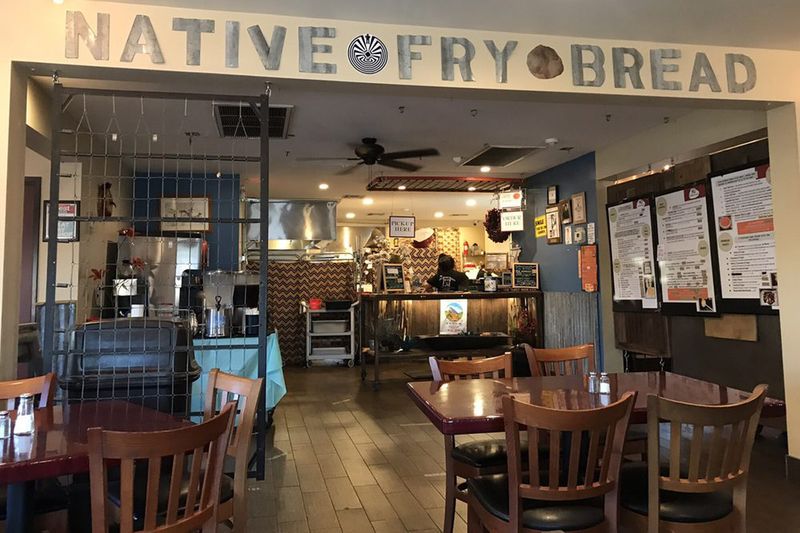
Perched at 143 S Lake Powell Blvd in Page, this unassuming spot has been serving the community since the town’s early dam-building days.
The exterior maintains its original 1960s architecture with simple lines and a straightforward design that speaks to practical Southwestern style.
Large windows wrap around the front, letting natural light flood the dining area while giving diners views of the parking lot and surrounding landscape.
Original booth seating with cracked vinyl upholstery tells stories of thousands of meals shared by construction workers, tourists, and locals over the decades.
The building’s flat roof and modest stucco facade represent typical mid-century commercial architecture before corporate branding took over.
Vintage soda fountain equipment still occupies space behind the counter, though some pieces are purely decorative now.
Page developed rapidly during the Glen Canyon Dam construction, and RD’s served as a gathering spot for workers and families settling in this remote area.
The atmosphere remains unpretentious and welcoming, with staff who recognize regular customers and remember their usual orders.
Faded paint and sun-bleached signage give the place character that feels earned through years of faithful service to the community.
3. Taylor Freeze
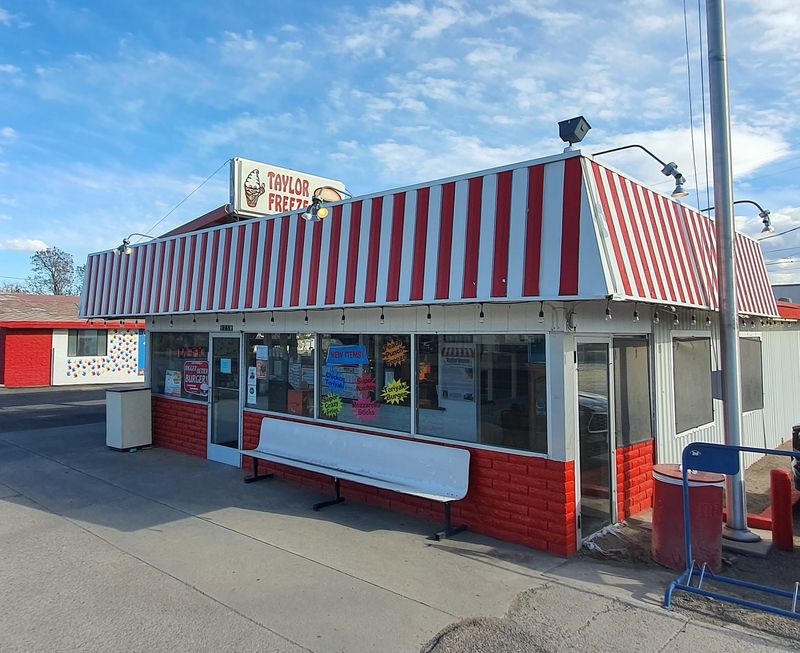
Tucked away at 225 W Center St in tiny Pima, this roadside gem has been a local institution since the early days of soft-serve culture.
The compact building features classic walk-up window service, eliminating indoor seating entirely in favor of outdoor picnic tables and car-side dining.
Bright, hand-painted signage announces the specialties in bold letters that haven’t changed style in decades, maintaining authentic vintage appeal.
The structure itself is modest and functional, built in an era when drive-ins prioritized efficiency over elaborate design.
Local families have been bringing their children here for generations, creating traditions around summer evening visits for frozen treats.
My grandmother used to tell stories about stopping here on road trips in the 1970s, and remarkably, the place looks nearly identical in old photographs.
The surrounding small-town atmosphere enhances the throwback feeling, with minimal commercial development and a slower pace of life.
Original menu boards still hang inside the service window, displaying prices that have been updated over the years but maintain the same hand-lettered style.
Taylor Freeze represents small-town Arizona at its most genuine, where community gathering spots survive through loyal patronage rather than tourist traffic.
4. Big Earl’s Greasy Eats
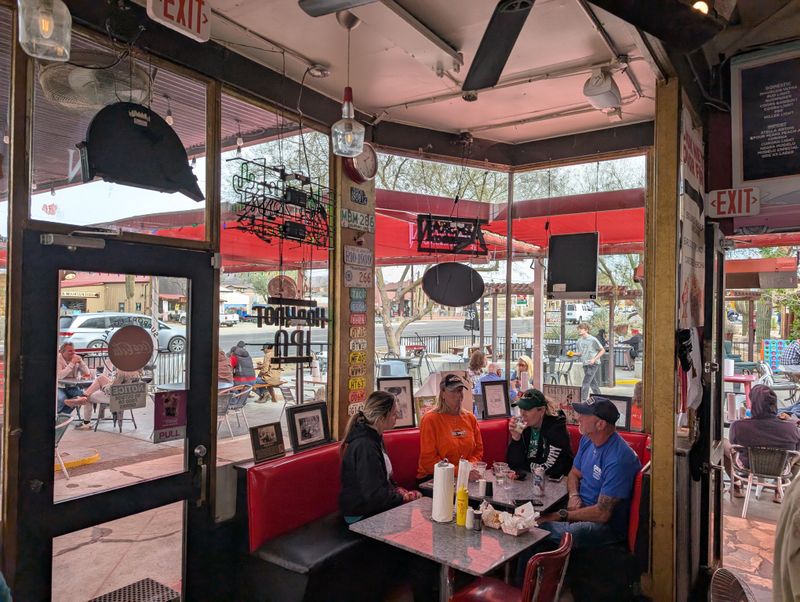
Sitting at 6135 E Cave Creek Rd, this establishment embraces its retro identity with pride and a healthy dose of humor.
The exterior sports vintage automotive décor, with old gas station signs, hubcaps, and license plates creating a visual feast of Americana.
Inside, the walls are covered with memorabilia from the 1950s and 60s, including old advertisements, neon signs, and photographs of classic cars.
Red vinyl booths and a black-and-white checkered floor complete the diner aesthetic that feels lifted straight from a sock hop era.
The counter features chrome-trimmed stools that spin, inviting customers to take a seat and watch the kitchen action.
Original jukebox selections play rockabilly and early rock and roll, setting the perfect soundtrack for the throwback atmosphere.
Cave Creek maintains a quirky, independent spirit as a community, and Big Earl’s fits perfectly into this desert town’s character.
The building itself resembles an old roadside diner, with large windows and prominent signage visible from the road.
Owners clearly invested time curating authentic vintage pieces rather than buying reproduction décor, giving the space genuine historical depth.
Every surface tells a story, making this more than just a restaurant but rather a museum you can eat in.
5. Pete’s Fish & Chips

Located at 4121 N 44th St in Phoenix, this unassuming building has been a neighborhood fixture since 1947, making it one of the valley’s oldest continuously operating eateries.
The modest structure features simple stucco walls and a basic layout that reflects post-war practicality over flashy design.
Original neon signage still glows in the window, advertising the specialty in letters that have welcomed hungry customers for over seven decades.
Inside, the counter-service setup remains unchanged, with patrons ordering at the register and waiting for their number to be called.
Formica tabletops and basic metal chairs provide functional seating without any modern restaurant frills or trendy design elements.
The kitchen operates in full view, with the same preparation methods and equipment layout that founder Pete established generations ago.
Photographs lining the walls show the surrounding neighborhood’s transformation from desert outskirts to urban Phoenix, while Pete’s stayed constant.
The building’s exterior paint may have been refreshed over the years, but the structure and signage remain faithful to the original vision.
Regular customers span multiple generations, with grandparents bringing grandchildren to share memories and meals in this timeless space.
Pete’s proves that sometimes the best preservation strategy is simply continuing to do what you’ve always done well.
6. Lucky Boy Burger Shop
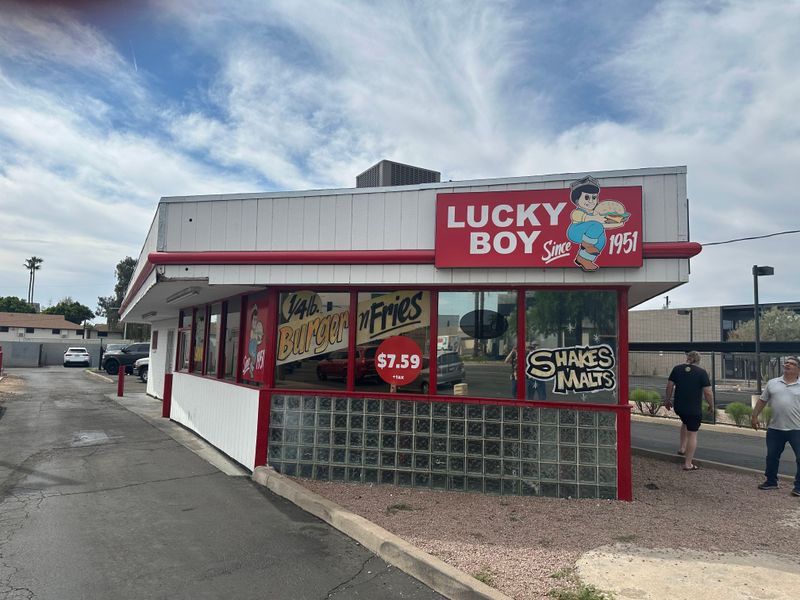
Standing at 3430 N 16th St in Phoenix, this tiny burger joint has occupied the same spot since the 1950s without major exterior changes.
The compact building barely has room for a kitchen and counter, with most seating located at outdoor tables under a simple awning.
Vintage signage featuring a cheerful cartoon mascot still hangs above the order window, faded by decades of intense Arizona sunshine.
The walk-up window service model eliminates unnecessary space and keeps operations streamlined, just as it did when the place first opened.
Original menu boards display offerings in a straightforward format without the overwhelming choices of modern fast-food chains.
The surrounding neighborhood has evolved dramatically, with new development encroaching on this tiny holdout from a different era.
Lucky Boy represents the type of mom-and-pop burger stand that once dotted every American city before corporate franchises dominated the landscape.
The building’s modest footprint and simple design reflect an era when small business owners could succeed without massive capital investment.
Faded paint and weathered surfaces give the structure character that feels authentic rather than artificially distressed for effect.
Despite its size, Lucky Boy has outlasted countless larger competitors through consistent quality and loyal neighborhood support spanning generations.
7. Dairy Queen Holbrook
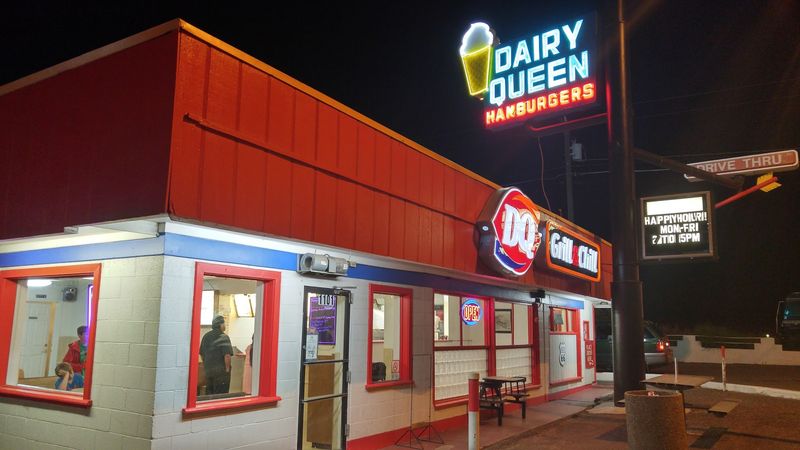
The Dairy Queen at 1004 Navajo Blvd in Holbrook isn’t just any franchise location but rather a vintage example of the chain’s early Southwestern expansion.
This particular building dates back decades and maintains architectural features from the company’s mid-century design standards.
The structure’s red roof and distinctive shape immediately identify it as a classic DQ, but the aged appearance sets it apart from modern corporate rebuilds.
Original signage elements blend with necessary updates, creating a visual timeline of the brand’s evolution over the years.
Holbrook sits along historic Route 66, and this Dairy Queen has served countless road-trippers seeking a familiar stop in unfamiliar territory.
The interior layout follows the traditional model with counter service and booth seating that hasn’t been redesigned to match current corporate standards.
Local families treat this location as a community gathering spot rather than just another chain restaurant, giving it personality beyond the franchise identity.
I remember stopping here as a kid during a cross-country trip, and returning decades later to find it remarkably unchanged was like greeting an old friend.
The building’s survival without major renovation reflects both Holbrook’s slower pace of development and the community’s appreciation for familiar landmarks.
While Dairy Queen exists nationwide, this particular outpost feels distinctly tied to its Route 66 location and era.
8. Mr. D’z Route 66 Diner
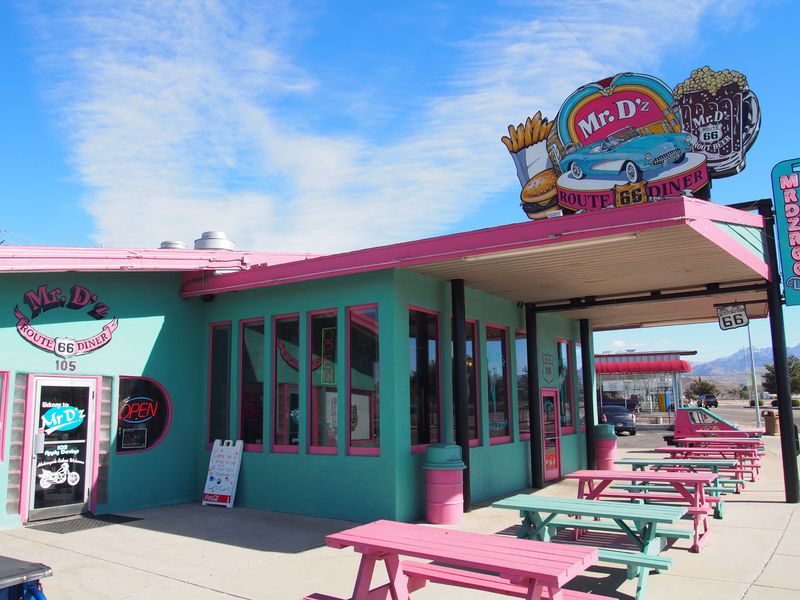
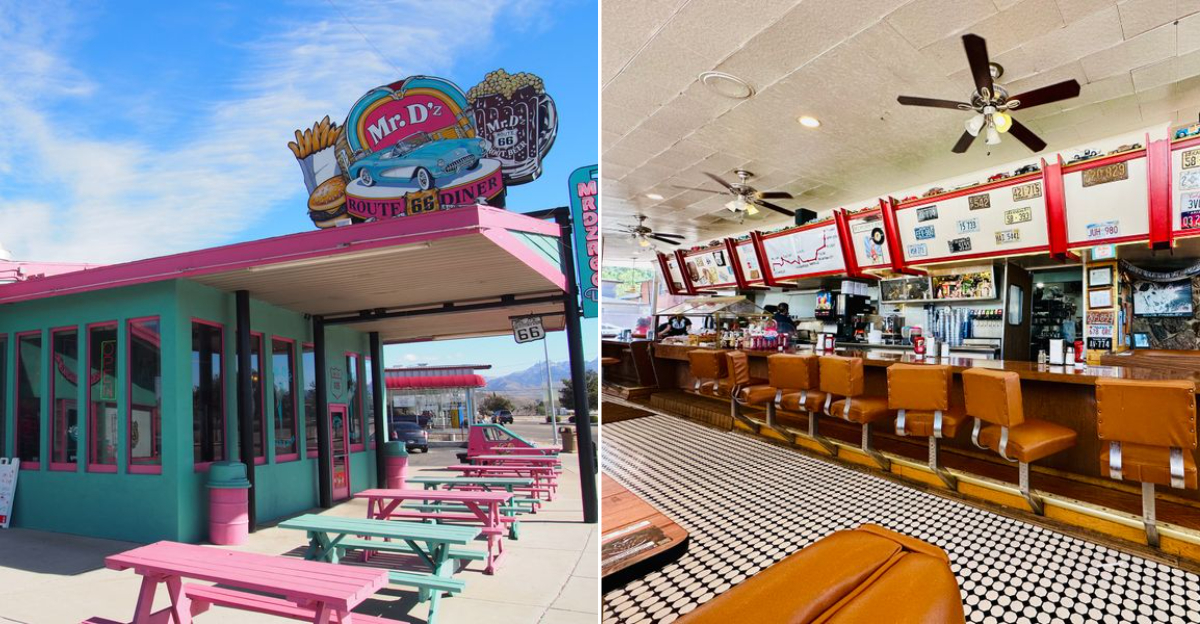
Positioned at 105 E Andy Devine Ave in Kingman, this vibrant establishment celebrates Route 66 culture with enthusiastic, colorful style.
The building’s exterior bursts with retro signage, vintage gas pumps, and classic car displays that create an instant visual connection to the 1950s.
Bright turquoise and pink paint colors dominate the façade, matching the bold aesthetic of mid-century roadside attractions.
A vintage Studebaker and other classic vehicles parked outside serve as both decoration and photo opportunities for Route 66 enthusiasts.
Inside, every inch of wall space showcases memorabilia, from old advertisements to photographs documenting the Mother Road’s heyday.
The checkerboard floor pattern, chrome details, and jukebox create an immersive environment that feels like a movie set but remains authentically rooted in history.
Mr. D’z opened relatively recently compared to some spots on this list, but the owners clearly studied and replicated authentic vintage diner design.
The building successfully captures the spirit of classic drive-ins while maintaining structural integrity and modern safety standards.
Kingman’s position as a major Route 66 town makes this location particularly meaningful for travelers following the historic highway.
The exuberant décor and careful attention to period details make Mr. D’z feel like a preservation project as much as a restaurant.
9. Higley Hot Dog Hut

Found at 3105 E Williams Field Rd in Gilbert, this charming little shack proves that good things come in small packages.
The tiny building features simple construction with a walk-up window and minimal indoor space, focusing entirely on efficient service.
Hand-painted signage and homemade decorations give the place a friendly, approachable character that corporate chains can never replicate.
The structure sits in what was once a rural area but has since been surrounded by Gilbert’s rapid suburban expansion.
Despite development pressuring many small businesses to sell out, Higley Hot Dog Hut remains a beloved holdout from a simpler time.
Picnic tables scattered around the property provide casual outdoor seating where customers can enjoy their meals under Arizona’s sunny skies.
The building’s modest scale and straightforward design reflect an era when starting a small food business didn’t require massive investment.
Original menu offerings haven’t expanded much over the years, maintaining focus on doing a few things exceptionally well.
The surrounding parking lot and landscape have a worn, comfortable appearance that speaks to decades of steady use.
Higley Hot Dog Hut represents the type of neighborhood spot that builds community through consistent presence and friendly service across generations.
Its survival amid Gilbert’s transformation testifies to loyal customer support and the enduring appeal of authentic, unpretentious places.
10. JOE’S Ride N Dine
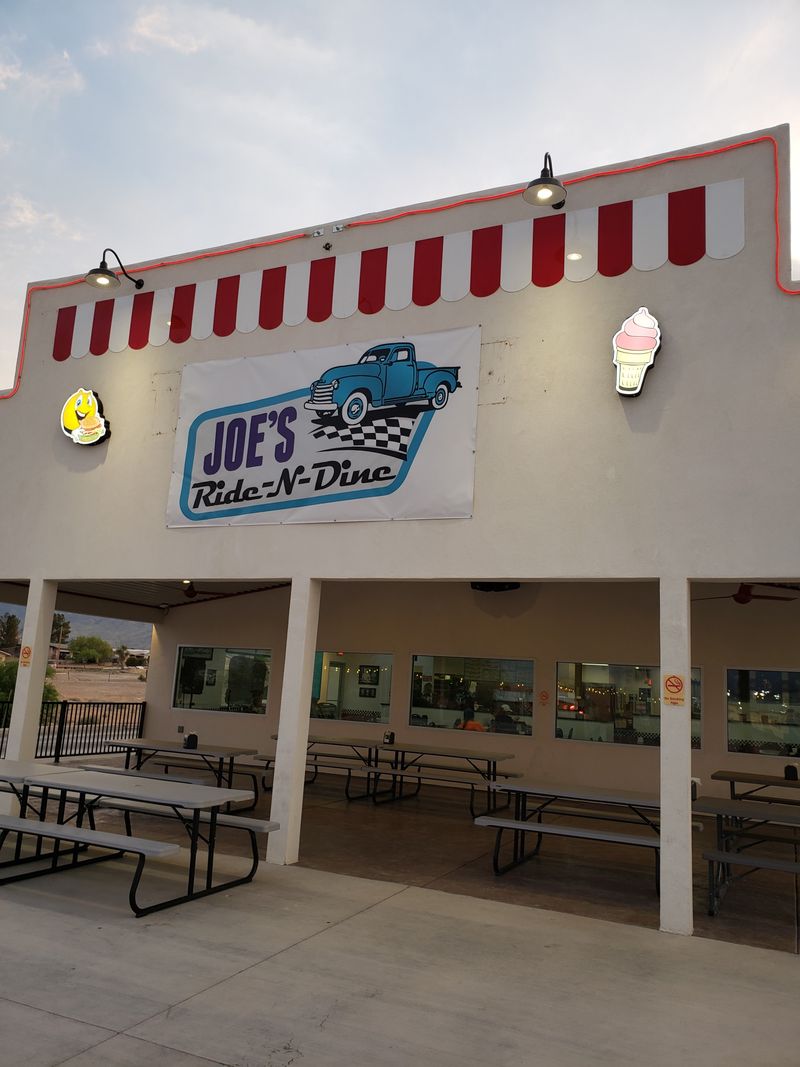
Situated at 3922 US-191 in Safford, this roadside stop combines vintage diner aesthetics with classic Southwestern highway culture.
The building features a distinctive retro design with large windows and prominent signage that beckons travelers along this remote stretch of highway.
Original architectural elements from the mid-20th century remain visible, including the roofline and window placement that define the structure’s character.
Inside, vintage décor creates an atmosphere that honors the golden age of American road trips and family-owned restaurants.
Safford’s location along a major north-south route has made JOE’S a reliable stopping point for generations of travelers crossing Arizona.
The surrounding landscape remains largely undeveloped, preserving the sense of isolation and adventure that once defined highway travel.
Classic car shows and Route 66 enthusiasts often include JOE’S on their itineraries as an authentic example of roadside dining culture.
The building’s maintenance shows respect for its history without over-restoration that would erase the patina of age.
Local ranching families and long-haul truckers mix with tourists at the counter and booths, creating a genuine cross-section of highway culture.
JOE’S proves that location matters, as its position along US-191 has sustained the business through economic changes that shuttered less fortunate establishments.
11. Goldie’s Route 66 Diner
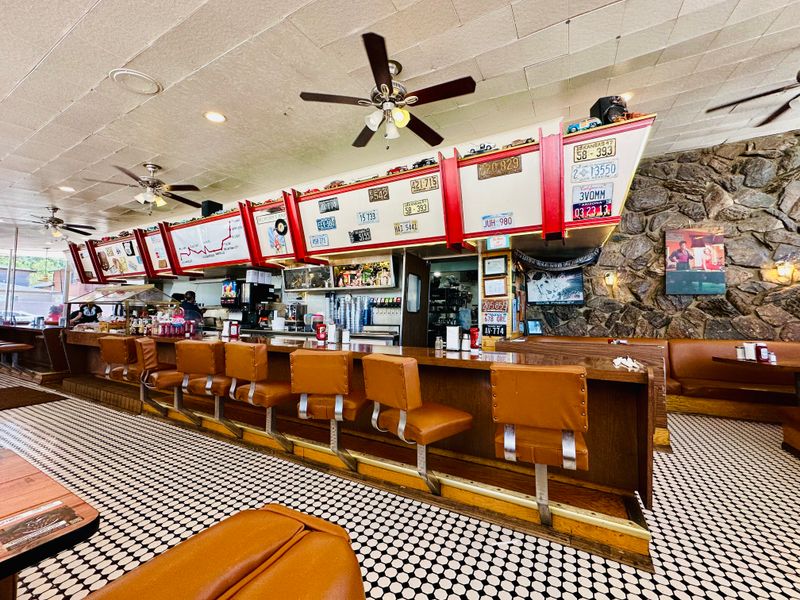
Located at 425 E Route 66 in Williams, this establishment sits in a town that proudly claims the title of Gateway to the Grand Canyon.
The building’s exterior features classic diner architecture with large plate glass windows that invite passersby to peek inside at the retro interior.
Vintage signage incorporates the famous Route 66 shield logo, immediately connecting the restaurant to the historic highway’s legacy.
Inside, red vinyl booths line the walls beneath vintage photographs and memorabilia documenting Williams’ history as a railroad and Route 66 town.
The black and white tile floor creates geometric patterns that lead customers from the entrance to the counter and seating areas.
Original light fixtures and chrome details throughout the space reflect mid-century design sensibilities that prioritized both function and style.
Williams has embraced its Route 66 heritage more completely than many towns, and Goldie’s fits perfectly into this preservation-minded community.
The building occupies a prominent position along the main drag, making it a natural stopping point for tourists exploring the town.
During my last visit, I noticed how the staff took time to chat with customers about local history and Route 66 lore, enhancing the educational aspect of dining here.
Goldie’s represents the successful intersection of tourism and authenticity, serving visitors while maintaining genuine historical character.
12. Cruiser’s Route 66 Cafe
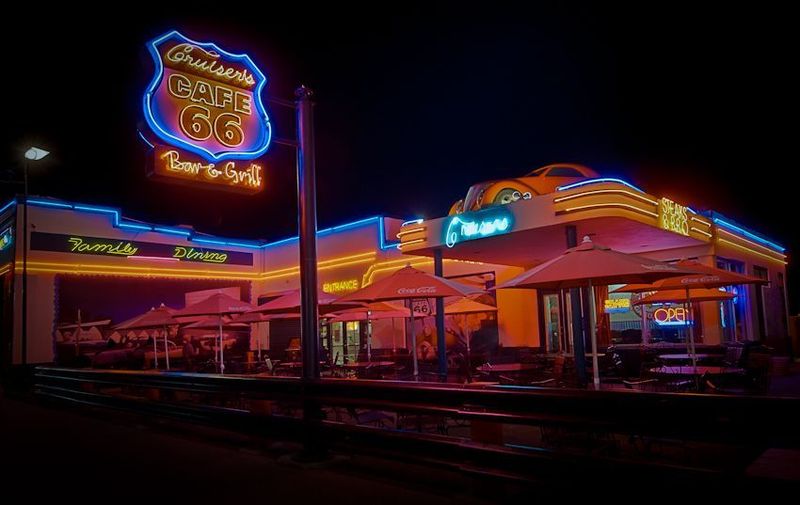
Just down the street at 233 W Route 66 in Williams, Cruiser’s offers another take on classic highway dining culture.
The building showcases vintage commercial architecture adapted perfectly for a nostalgic dining experience celebrating America’s most famous road.
Exterior walls feature murals and signage depicting classic cars, vintage advertisements, and Route 66 imagery that set expectations before customers even enter.
Large windows flood the interior with natural light while giving diners views of the street and passing traffic along the historic route.
The décor inside includes an impressive collection of Route 66 memorabilia, old photographs, and automotive antiques that create an immersive historical environment.
Original architectural features blend seamlessly with carefully chosen vintage additions, making it difficult to distinguish what’s original from what’s been added.
Williams’ compact downtown means Cruiser’s sits within walking distance of other historic buildings, creating a concentrated area of preserved mid-century character.
The building’s position along the actual Route 66 alignment gives it authenticity that themed restaurants in other locations can never match.
Vintage booth seating and counter stools provide classic diner seating options that encourage both quick stops and leisurely meals.
Cruiser’s demonstrates how preservation and tourism can coexist beneficially when businesses respect their historical context while serving modern visitors.