
15 Vintage Deep Dish Traditions Only Longtime Illinoisans Remember
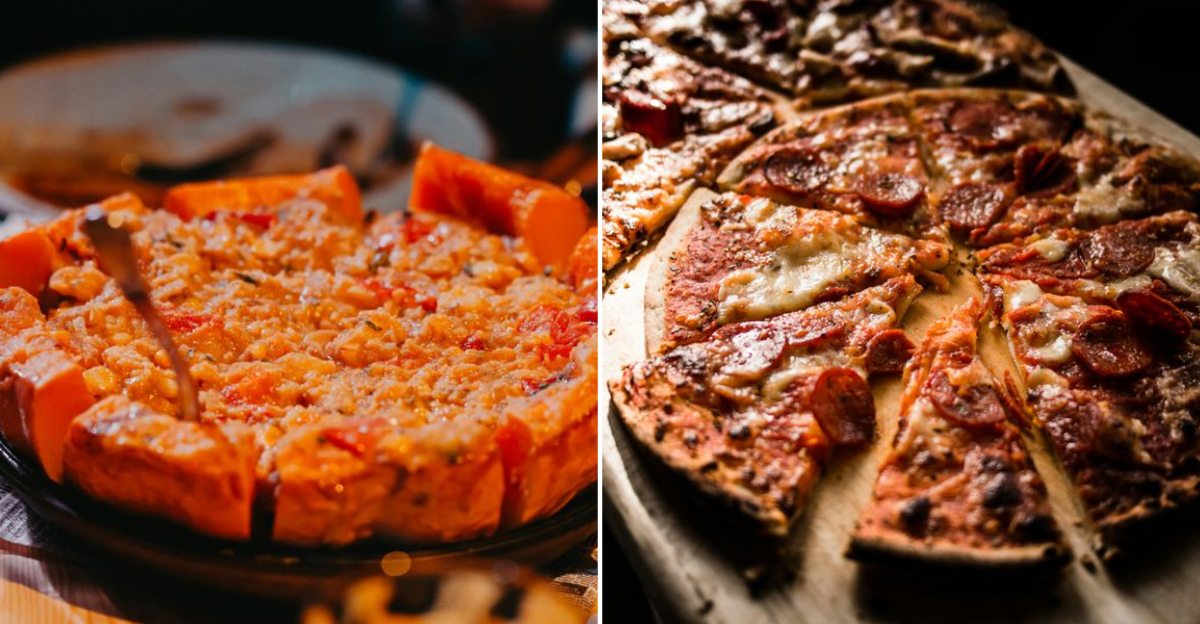
Deep dish pizza isn’t just food in Illinois, it’s a way of life wrapped in buttery crust and loaded with cheese.
Longtime residents know there’s a whole culture around ordering, eating, and defending this iconic dish that goes way beyond what shows up on a plate.
From the unwritten rules about wait times to the passionate debates that never seem to end, these vintage traditions reveal what it really means to grow up with deep dish as part of your identity.
1. Waiting 45 Minutes for Deep Dish Is Just Normal
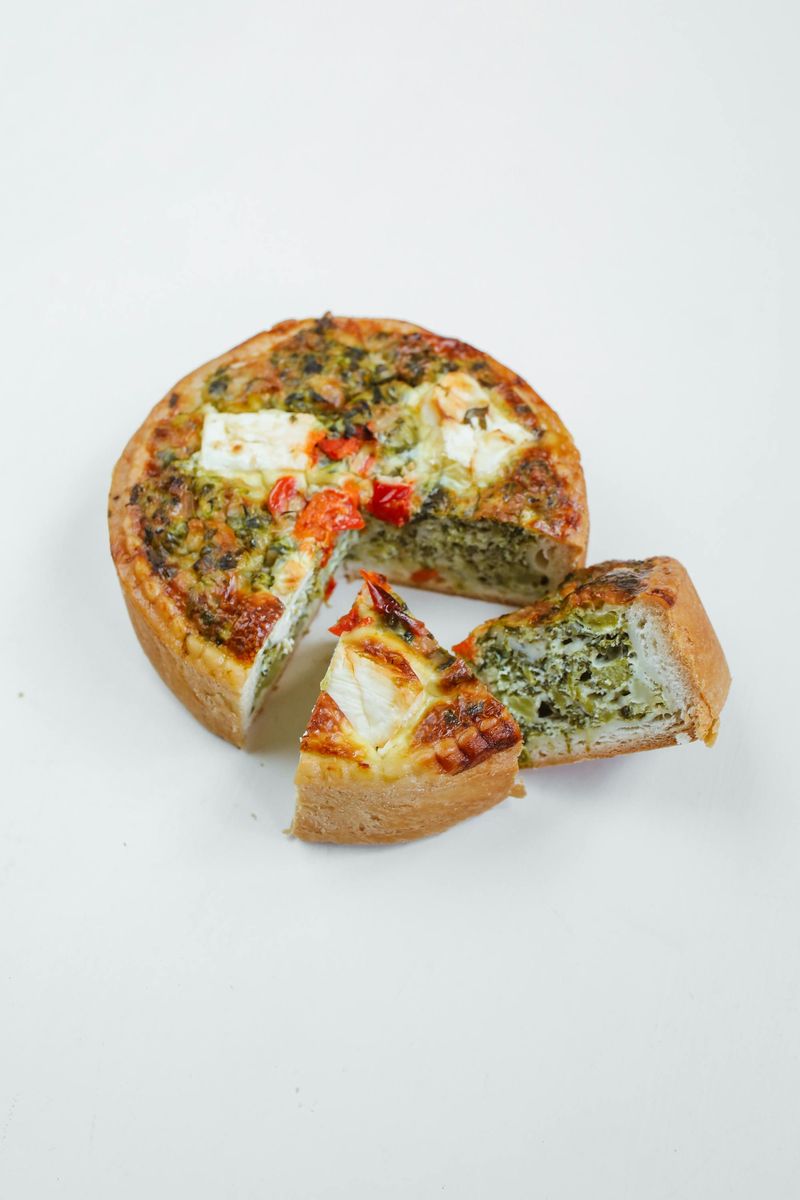
Patience becomes second nature when you’ve ordered deep dish your whole life. While tourists grumble and check their watches every five minutes, longtime Illinoisans settle into their seats with calm acceptance.
They know that real deep dish takes time to build—layer after layer of dough, cheese, toppings, and sauce all need proper attention.
The wait isn’t frustrating; it’s actually reassuring. When a pizza arrives unusually quickly, many locals get suspicious because shortcuts usually mean disappointment.
A wait of around 30 to 45 minutes is common at many traditional deep-dish restaurants, signaling that the kitchen is doing things right, baking each pie to order instead of rushing it through an oven.
Experienced diners use this time wisely. They catch up with family, share stories, and enjoy the anticipation that makes the first bite even better.
For them, waiting isn’t wasted time, it’s part of the tradition that separates authentic deep dish from everything else pretending to be pizza.
2. Deep Dish Is a Dinner Commitment, Not a Meal
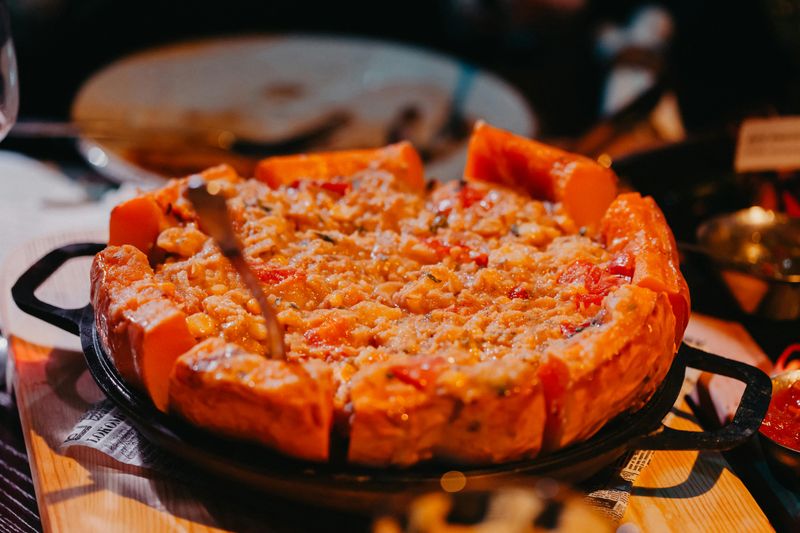
Ordering deep dish means you’re locking in your evening plans whether you realized it or not. This isn’t grab-and-go food or something you squeeze between appointments.
Longtime Illinoisans understand that deep dish demands your full attention and often a cleared schedule.
You can’t just eat and dash after a proper deep dish dinner. The sheer richness and portion size can require serious recovery time, often spent sitting exactly where you finished eating.
Plans to catch a movie, run errands, or meet up with friends afterward? Many locals know those plans are best scheduled for another night once that bubbling, cheese-covered masterpiece hits the table.
Locals warn newcomers about this commitment before they order. They’ve learned through experience that underestimating deep dish leads to regret, uncomfortable car rides, and canceled plans.
Smart Illinoisans block out their evening, understanding that this meal is an event unto itself, not just dinner.
3. Burning Your Mouth on the First Bite Every Time
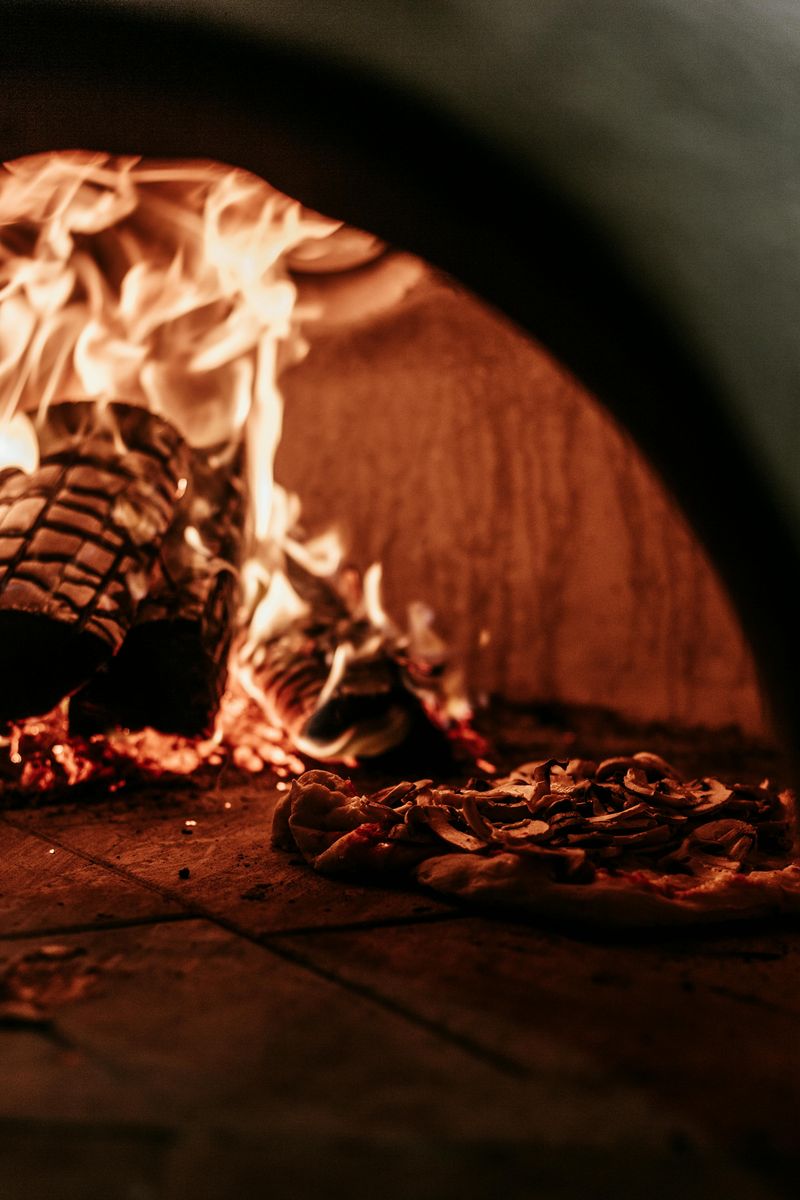
Common sense flies out the window when that gorgeous deep dish finally arrives at your table. Despite knowing better from countless past experiences, someone always grabs a slice too early and immediately pays the price.
The molten cheese and sauce combination reaches temperatures hot enough to surprise even experienced diners.
Longtime Illinoisans witness this ritual at nearly every deep dish gathering. Warnings get issued, cautionary tales get shared, and everyone nods in agreement about waiting.
Then one brave (or foolish) soul decides they can handle it, takes a bite, and spends the next few minutes gulping water while their tongue protests.
The funny part? This same person will do it again next time.
There’s something about the aroma and appearance of fresh deep dish that overrides all survival instincts. Locals have accepted this as inevitable—someone will always burn their mouth, and everyone else will say “I told you so” while secretly admiring their courage.
4. Letting Deep Dish Cool Before Anyone Touches It

Everyone at the table agrees the pizza needs cooling time—it’s practically a sacred rule. Servers emphasize it, experienced diners preach it, and the visual evidence of bubbling lava-like cheese supports it.
Yet somehow, despite universal acknowledgment, nobody actually waits as long as they should before attacking that beautiful pie.
The cooling period becomes a test of willpower that most Illinoisans fail spectacularly. They’ll wait maybe five minutes, tops, before impatience wins and someone declares it “probably fine now.” Spoiler alert: it’s usually still hotter than expected.
The cheese still has the consistency of napalm, and the sauce could double as a heating pad.
Longtime residents have developed strategies to cope with their own impatience. Some order appetizers to distract themselves, others take photos from every angle, and a few brave souls attempt the “blow on it continuously” technique.
None of these methods work particularly well, but they maintain the illusion of restraint while everyone waits for someone else to take the first risky bite.
5. Deep Dish Is for Special Occasions Only

Birthdays, anniversaries, family reunions, and visiting relatives—these are the moments when deep dish makes its grand appearance. Longtime Illinoisans treat it with the reverence usually reserved for holiday meals, not casual weeknight dinners.
Suggesting deep dish on a random Tuesday might raise eyebrows among people who grew up with it, especially those who see it as an event food.
This tradition stems from both practicality and respect for the meal itself. Deep dish requires time, money, and serious appetite, none of which align well with busy weeknights.
It’s also rich enough that eating it too frequently would probably require medical intervention. Locals save it for times worth celebrating, making each experience feel more meaningful.
Out-of-town guests automatically trigger deep dish plans. When someone visits from another state, locals immediately start debating which pizzeria to take them to, turning the meal into a cultural introduction.
These special occasions create lasting memories tied to specific pizzas, specific restaurants, and specific moments that longtime Illinoisans cherish for years afterward.
6. One Slice Is Always Enough
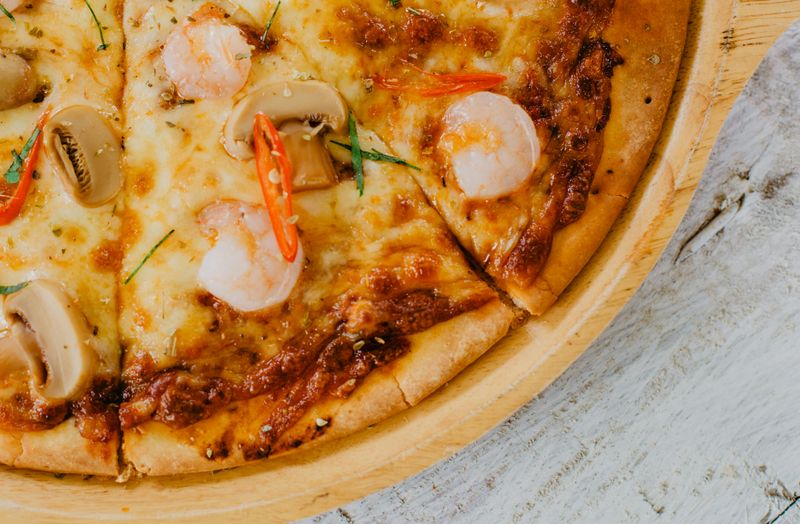
Confidence runs high when that deep dish first arrives—everyone thinks they can handle at least two slices. Then reality hits after finishing just one piece, and suddenly even the heartiest eaters are waving white flags.
The sheer height and density of a proper slice delivers more food than most people realize until it’s too late.
Longtime Illinoisans learn this lesson early and adjust their expectations accordingly. They watch newcomers pile slices onto their plates with amusement, knowing exactly what’s coming.
One slice of deep dish often contains as much filling power as multiple thin-crust slices, but it never looks that substantial until you’re halfway through.
The “one slice is enough” rule becomes a point of pride among locals. They don’t feel embarrassed tapping out early because they understand the physics involved.
Finishing two slices marks you as either superhuman or reckless, depending on how you feel an hour later. Smart diners pace themselves, savor every bite, and accept their limits with grace.
7. Knife-and-Fork Pizza Is Completely Acceptable
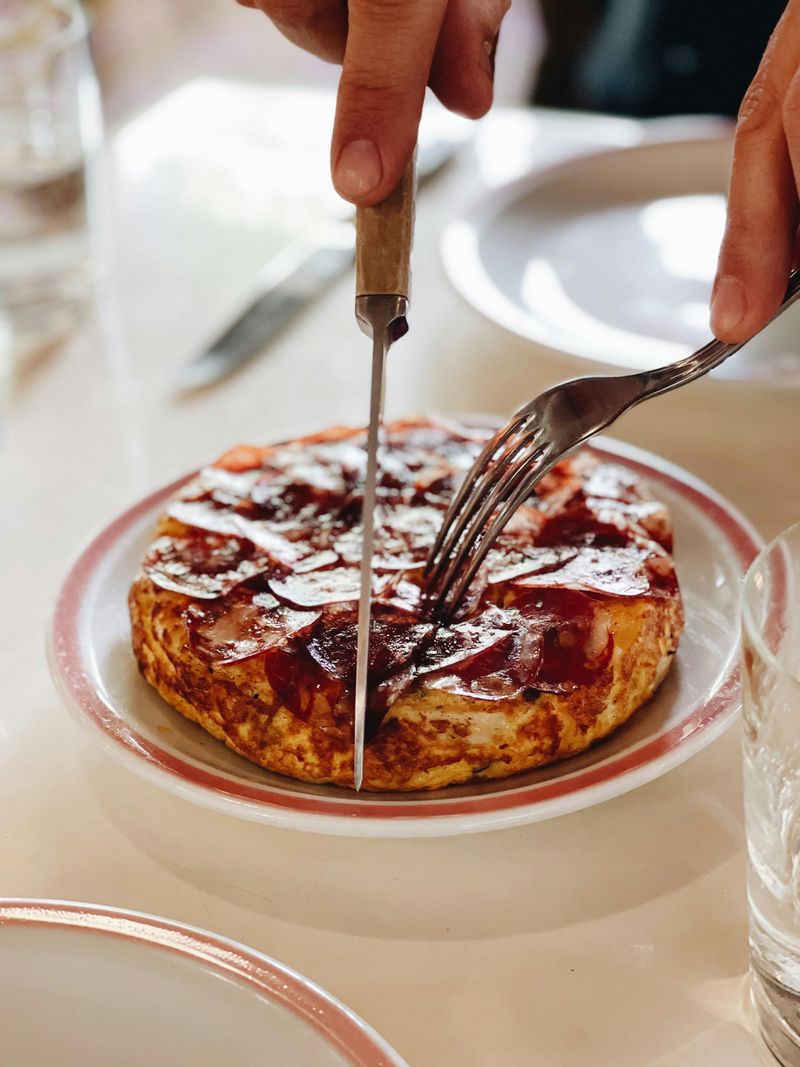
Picking up deep dish with your hands isn’t just difficult—it’s borderline impossible without creating a spectacular mess. Longtime Illinoisans abandoned that approach years ago and embraced utensils without shame.
Using a knife and fork isn’t admitting defeat; it’s simply acknowledging the structural reality of what you’re eating.
Visitors sometimes feel self-conscious reaching for silverware, worried they’ll look weak or unsophisticated. Locals quickly reassure them that everyone eats deep dish this way, from construction workers to business executives.
The crust-to-topping ratio and sheer weight of each slice make utensils not just helpful but absolutely necessary for civilized dining.
This tradition also prevents the dreaded cheese avalanche that happens when someone tries picking up a slice too early. Forks allow you to navigate through layers strategically, ensuring each bite contains the perfect combination of crust, cheese, toppings, and sauce.
Longtime residents have perfected their technique over decades, wielding utensils with the precision of surgeons performing delicate operations.
8. The Sauce-on-Top Debate Never Ends
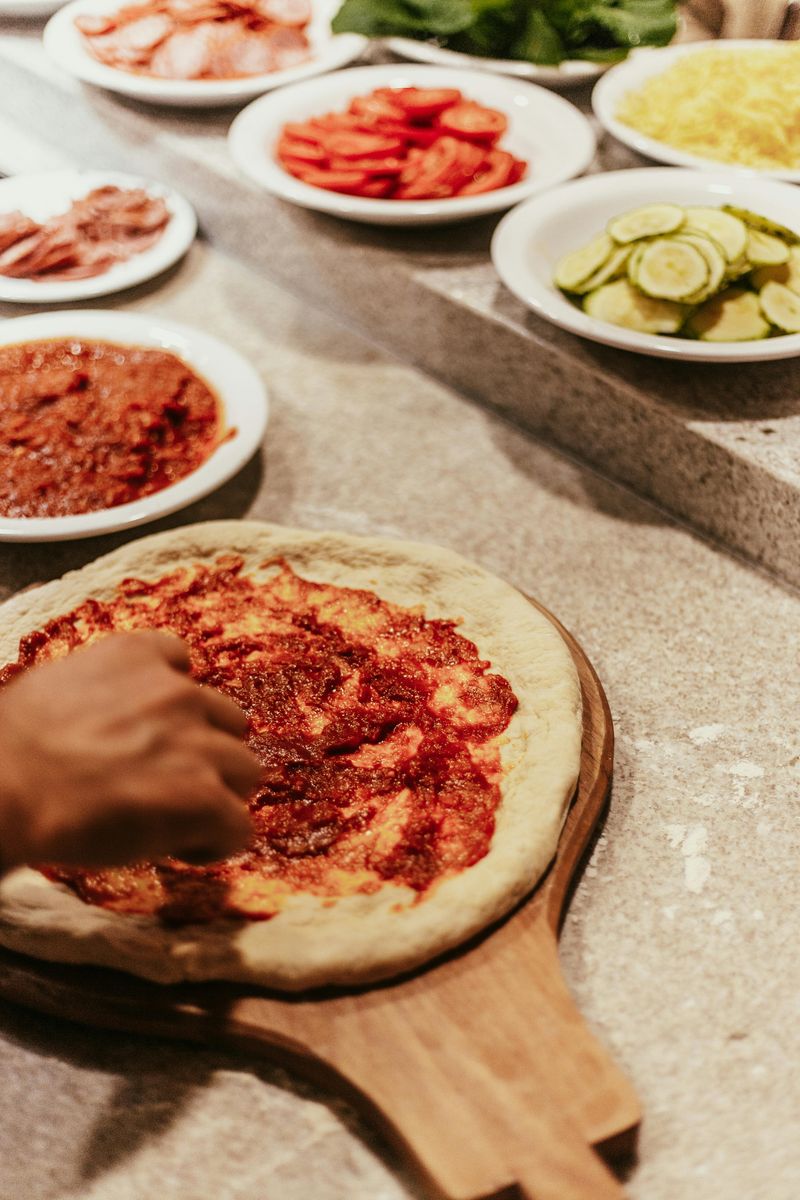
Ask any longtime Illinoisan why the sauce goes on top of the cheese, and prepare for a passionate lecture you didn’t necessarily request. This architectural choice isn’t random—it serves specific purposes that locals defend with surprising intensity.
The sauce protects the cheese from burning during the extended baking time, preserving that perfect gooey texture everyone craves.
Out-of-staters often question this arrangement, suggesting it seems backward or wrong somehow. That innocent observation triggers lengthy explanations about moisture content, heat distribution, and proper deep dish construction techniques.
Locals take these questions seriously, treating each one as an opportunity to educate rather than dismiss.
The debate extends beyond practical reasoning into matters of tradition and identity. Sauce-on-top represents Chicago’s unique contribution to pizza culture, a deliberate departure from conventional methods.
Longtime residents view defending this choice as defending their culinary heritage, even when nobody actually challenged it. They’ll explain the logic unprompted, just in case someone was wondering but felt too polite to ask.
9. Someone Always Calls It a Casserole
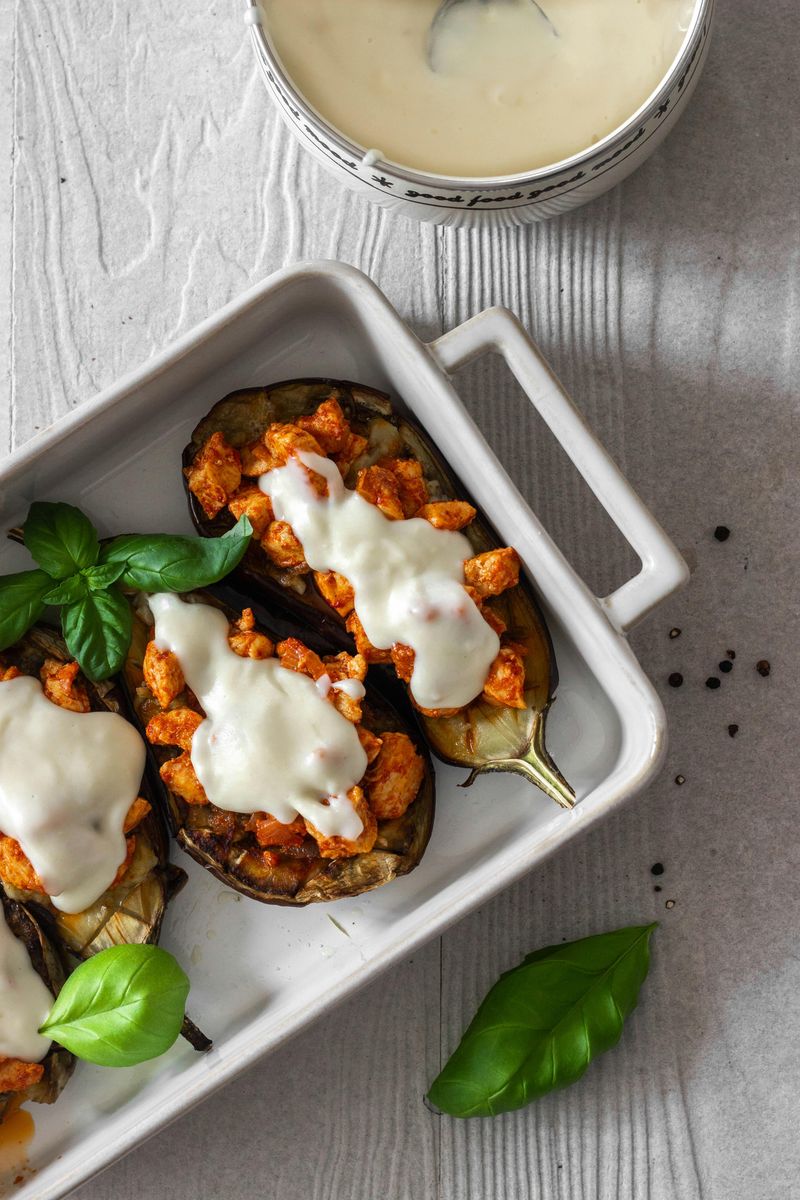
Without fail, at every deep dish gathering, someone makes the casserole joke. It’s usually said with a smirk, delivered like it’s fresh material instead of a comment that’s been recycled since the 1980s.
Longtime Illinoisans have heard it approximately ten thousand times, yet they still respond with patient explanations about why it’s definitely pizza, not casserole.
The ironic part? The person making the joke always finishes their slice, often reaching for seconds despite their supposed skepticism.
They’ll mock the height, question the structure, and suggest it belongs in a different food category entirely—right up until they’re scraping sauce off their plate with the last piece of crust.
Locals have developed standard responses to the casserole comment, ranging from good-natured rebuttals to detailed culinary arguments. Some ignore it completely, knowing that actions speak louder than words.
By the end of the meal, the casserole critic is usually too full and satisfied to maintain their position, proving once again that deep dish wins converts even when they pretend to resist.
10. Leftover Deep Dish Tastes Better the Next Day
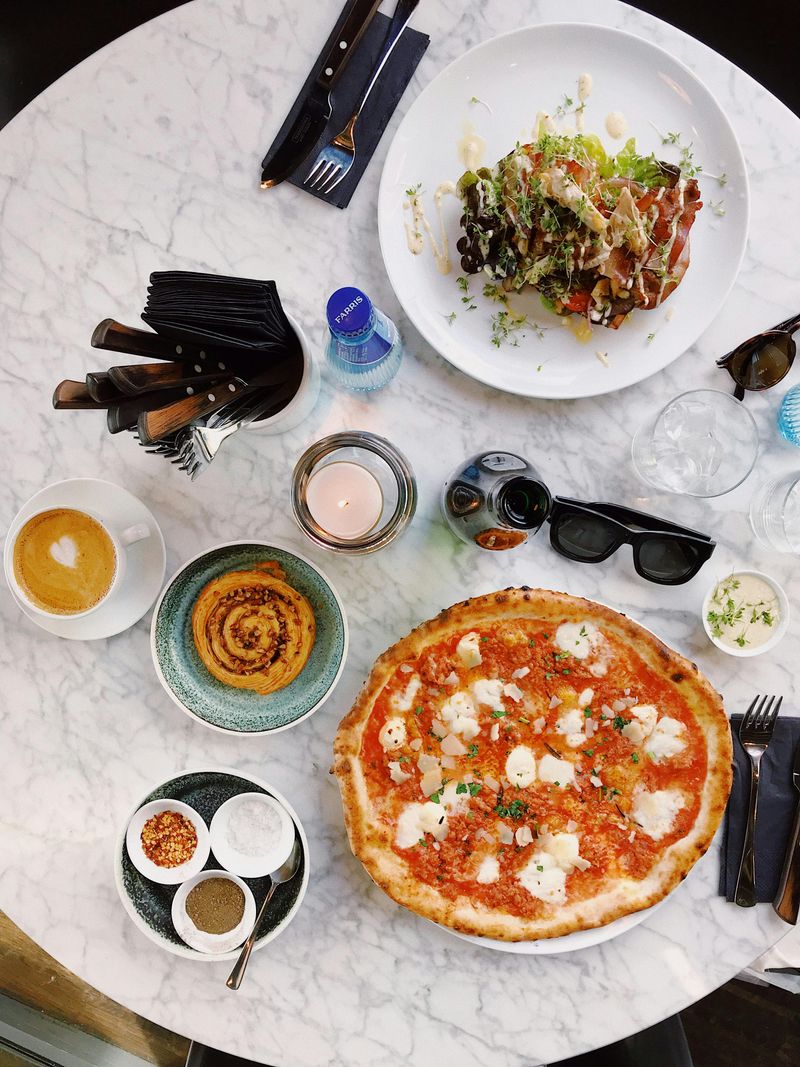
Something magical happens to deep dish overnight. The flavors meld together, the textures settle into perfect harmony, and somehow that leftover slice becomes even more satisfying than the fresh version.
Longtime Illinoisans actually look forward to next-day deep dish, sometimes ordering extra specifically to ensure leftovers.
The transformation occurs as everything cools and firms up slightly. The cheese loses its molten intensity but gains a pleasant chewiness, while the sauce deepens in flavor.
The crust maintains its integrity better, making cold or reheated slices easier to handle and enjoy without requiring a full place setting of utensils.
Reheating methods become hotly debated topics among locals. Oven purists insist on proper reheating to restore some crispness, while microwave defenders argue for convenience.
A brave minority actually prefers it cold straight from the refrigerator, claiming the flavors shine brightest at that temperature. Regardless of method, everyone agrees that leftover deep dish deserves respect and anticipation, not the disappointment usually associated with day-old pizza.
11. Deep Dish Means No Plans After Dinner
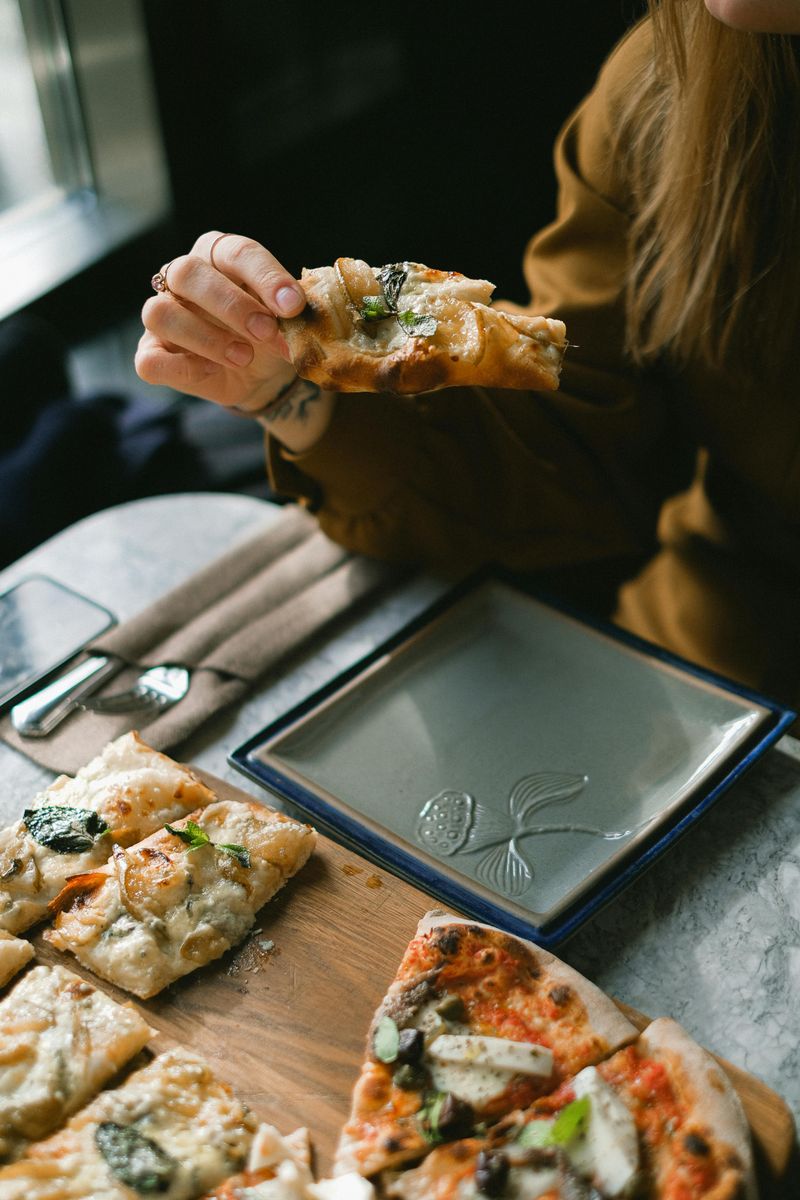
Productivity dies the moment you finish your last bite of deep dish. Longtime Illinoisans know better than to schedule anything important after eating it—no errands, no meetings, no activities requiring movement or mental clarity.
Your body enters full digestion mode, demanding rest and possibly a nap regardless of what time you ate.
The post-deep dish slump is real and powerful. Even people who normally bounce back quickly from meals find themselves moving in slow motion, contemplating whether standing up is really necessary.
Pants feel tighter, motivation vanishes, and suddenly your couch or the nearest comfortable chair becomes irresistibly attractive.
Smart locals plan accordingly, treating deep dish dinners like evening events that naturally conclude with going home and doing absolutely nothing. They warn friends, clear their calendars, and embrace the food coma as part of the experience.
Fighting it is pointless—you might as well surrender to the inevitable and enjoy the excuse to relax completely. Deep dish earns its reputation as a meal that demands recovery time, and longtime residents respect that power.
12. Old-School Pizzerias Are Always the Best
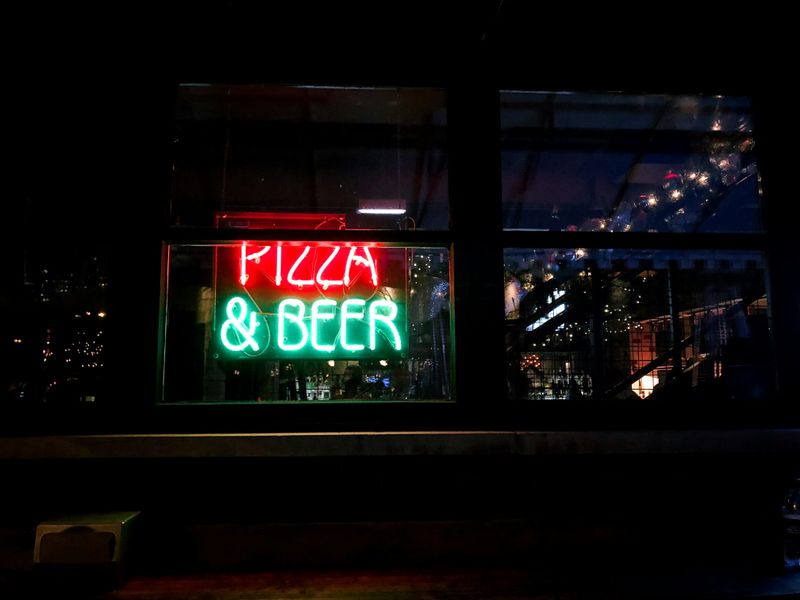
Longtime Illinoisans trust pizzerias that look like they haven’t changed since 1975. Worn booths, vintage signs, and décor that predates modern design trends signal authenticity that no trendy new spot can replicate.
These establishments earned their reputations over decades, perfecting recipes and techniques while newer places still experiment.
Walking into an old-school pizzeria feels like stepping back in time—and that’s exactly the appeal. The checkered tablecloths, wood-paneled walls, and family photos covering every surface tell stories of generations who built their lives around this food.
Locals know the owners by name, remember coming here as children, and now bring their own kids to continue the tradition.
New pizzerias might offer fancy ingredients or modern atmospheres, but they lack the history that makes deep dish meaningful to longtime residents. Trust gets built over years, not marketing campaigns.
When locals recommend a pizzeria, they’re pointing toward places their families have visited for decades, where consistency and tradition matter more than Instagram-worthy décor. Those old-school spots represent living history that newer establishments simply cannot manufacture, no matter how good their pizza might be.
13. Explaining Deep Dish To Out-Of-Staters Repeatedly

Longtime Illinoisans have perfected their deep dish explanation speech through countless repetitions. They clarify that it’s not everyday pizza, not fast food, and absolutely not meant for comparison with New York-style slices.
Each explanation requires patience because out-of-staters often arrive with misconceptions shaped by television shows or internet arguments.
The educational process covers construction techniques, proper eating methods, and realistic expectations about portion sizes and wait times. Locals emphasize that deep dish represents a completely different pizza philosophy, not a competitor to thin crust styles.
It’s like comparing steak to hamburgers—both involve beef, but the experiences differ entirely.
These explanations happen so frequently that some Illinoisans could deliver them in their sleep. At restaurants, family gatherings, and casual conversations, they find themselves describing cheese placement, sauce layering, and why the crust needs that particular thickness.
Despite the repetition, most locals genuinely enjoy sharing their knowledge, treating each explanation as an opportunity to convert another person to deep dish appreciation. They’ve become unofficial ambassadors, spreading the gospel of proper Chicago-style pizza one confused visitor at a time.
14. Defending Illinois Deep Dish Online

Scrolling through social media seems harmless until someone posts incorrect information about deep dish pizza. Suddenly, longtime Illinoisans transform into passionate keyboard warriors, typing detailed responses they never planned to write.
What started as casual browsing becomes a mission to correct misinformation and defend their culinary heritage.
These online debates follow predictable patterns—someone claims deep dish isn’t real pizza, locals respond with historical facts and logical arguments, and the discussion spirals into hundreds of comments. Illinoisans bring receipts, citing specific pizzerias, construction techniques, and cultural significance.
They’re not angry, just determined to set the record straight for anyone reading along.
The funny part? Most locals know these internet arguments accomplish nothing, yet they engage anyway.
Something about seeing their beloved deep dish disrespected triggers an automatic response. They’ll spend twenty minutes crafting the perfect rebuttal, complete with links and photos, defending a pizza style that needs no defense.
It’s become a tradition in itself—spotting deep dish slander online and immediately jumping into the comments to represent Illinois with pride and surprisingly detailed knowledge.
15. Secretly Eating Thin Crust Most of the Time
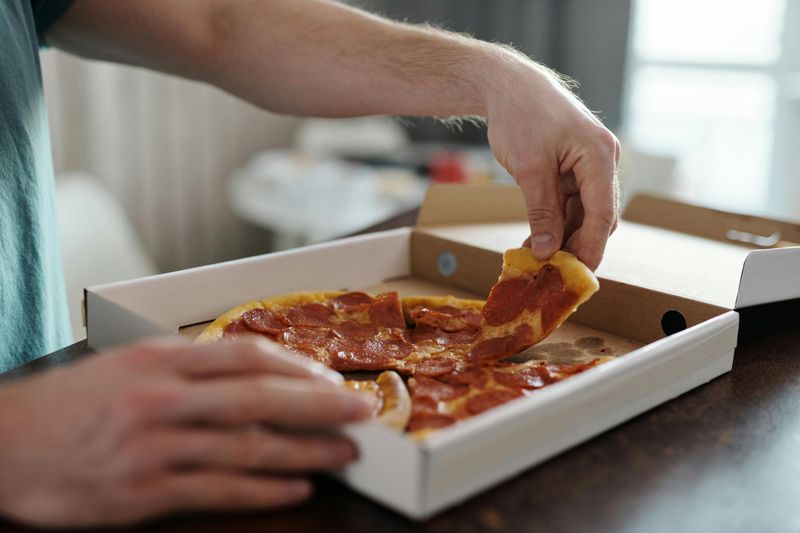
Here’s the truth longtime Illinoisans rarely admit publicly: they eat tavern-style thin crust pizza far more often than deep dish. While they’ll defend deep dish passionately online and recommend it to every visitor, their regular pizza nights usually involve square-cut thin crust from neighborhood spots.
Deep dish is beloved, but it’s not practical for weekly consumption.
This isn’t hypocrisy—it’s practicality. Thin crust delivers faster, costs less, reheats better, and doesn’t require clearing your entire evening schedule.
It’s the pizza you order on Tuesday night when you’re tired and hungry, not the pizza you plan a special occasion around. Locals appreciate both styles for different reasons and different situations.
The secret thin crust preference doesn’t diminish their love for deep dish. It’s like having both formal wear and everyday clothes—you treasure your fancy outfit for special events, but you live in your comfortable regular clothes.
Longtime Illinoisans understand that deep dish represents their city’s identity and culinary innovation, worth defending and celebrating. They just happen to eat something else most of the time, and that’s perfectly fine with everyone who actually lives here.