
This Florida Prairie Is Home To Wild Horses, Bison, And A Mystery No One Can Explain
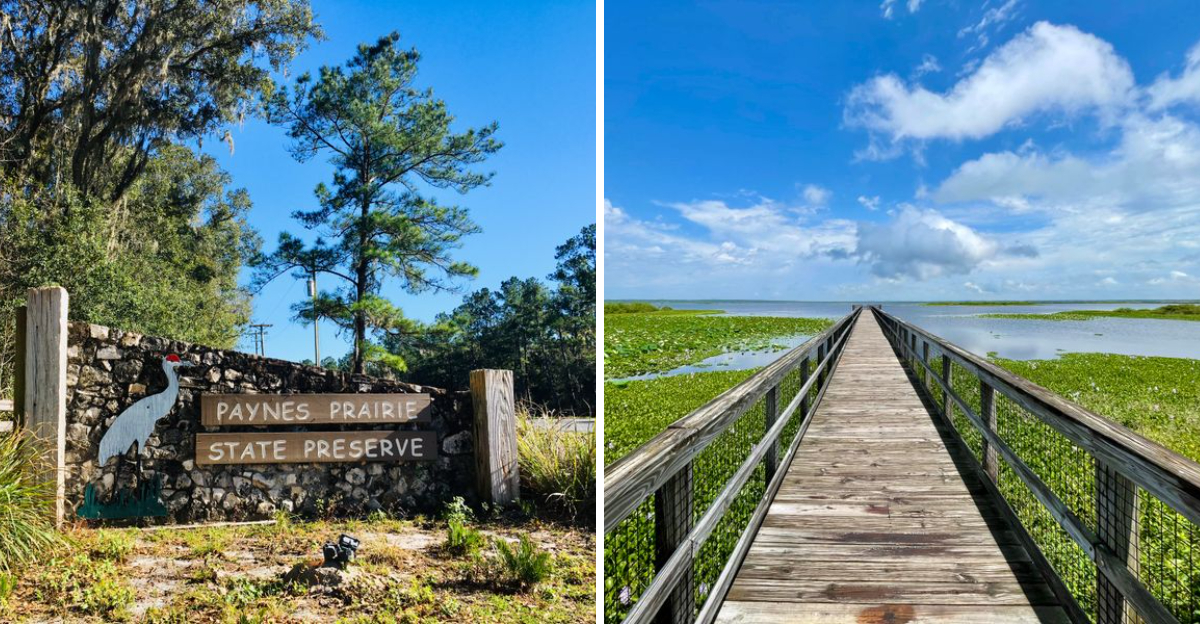
Some Florida landscapes feel larger than expected the moment you see them.
Have you ever stepped into a place that instantly makes the world feel quieter?
Just south of Gainesville, Paynes Prairie Preserve State Park opens into wide, calm space that feels almost untouched.
People come for the sweeping views and stay for the rare sight of wild horses and bison moving across the grass.
Boardwalks, towers, and open trails turn wildlife watching into an easy, unhurried experience.
Here, the horizon always seems to promise one more moment worth stopping for.
Exact Location And How To Arrive Hungry For Views
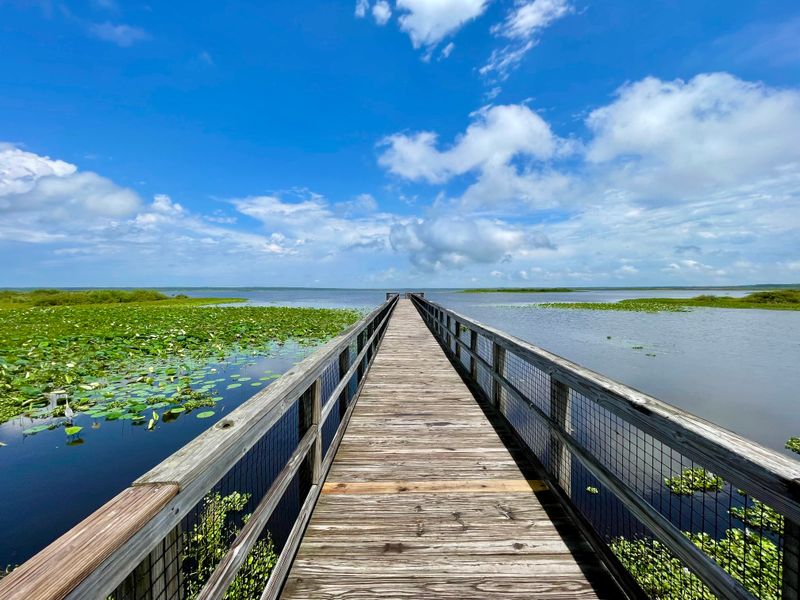
Paynes Prairie Preserve State Park is located at 100 Savannah Blvd, Micanopy, FL 32667, just off US 441 and minutes from I 75. The approach is part of the experience, with canopied roads that open to an amber sea of grass and a low, endless horizon.
Parking is straightforward at the main visitor center complex, where restrooms, maps, and interpretive exhibits set the table for your day.
Think of it like dining with a view, except the entree is the prairie itself, seasoned with birdsong and wind. From the main entrance, paved paths lead to the observation tower that overlooks broad marsh and savanna.
Trails like Bolen Bluff, La Chua, and Cone’s Dike are accessed at different points around this large preserve.
Arrive early for shorter lines at the gate and cooler temperatures. The park opens at 8 AM daily and typically closes at 8:45 PM, which means sunset is on the menu most evenings.
Google Maps is reliable, but grab a paper map at the visitor center for trail distances and water access points. Cell service varies, so download offline maps before exploring.
History, Stewards, And The Prairie’s Enduring Mystery
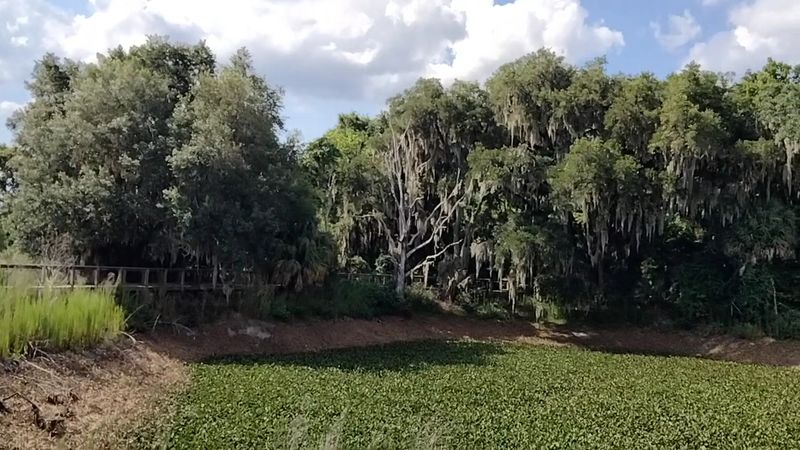
History is plated generously at the visitor center, where exhibits explain how this basin became Florida’s first state preserve and a National Natural Landmark. Indigenous communities knew the prairie as productive hunting grounds, and later, ranchers and explorers wrote of watery seasons that turned grassland into gleaming lake.
Periodic flooding still performs that magic trick, a seasonal mystery that redraws trail lines and wildlife patterns.
The park is managed by the Florida State Parks system, and detailed ownership beyond the state’s stewardship is not publicly listed. Rangers and volunteers act like attentive hosts, offering maps, trail tips, and current wildlife reports.
You can browse dioramas that frame bison and horses in lifelike scenes, a visual preface to what you might glimpse outdoors.
One enduring intrigue is how wild horses and a small herd of bison came to roam here again, echoing histories that once seemed finished. Reintroduction brought those stories back to life, and now hoofbeats are part of the soundtrack.
If you enjoy context with your views, the exhibits pair science with narrative, while interpretive panels outside layer in ecology, fire management, and seasonal water levels.
Ambiance And Setting: A Prairie That Eats The Horizon
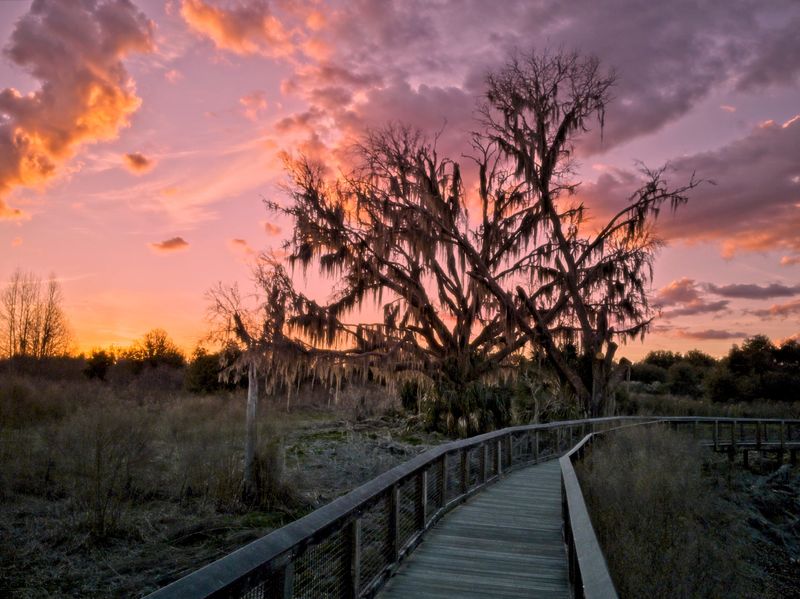
The ambiance here is bright and elemental, like a dining room with no walls and a ceiling the size of the sky. Morning rolls in with mist that laces the grass, and by afternoon the light sharpens into crisp edges on palmetto and cypress.
When wind combs the prairie, waves of green and gold ripple like a slow simmer.
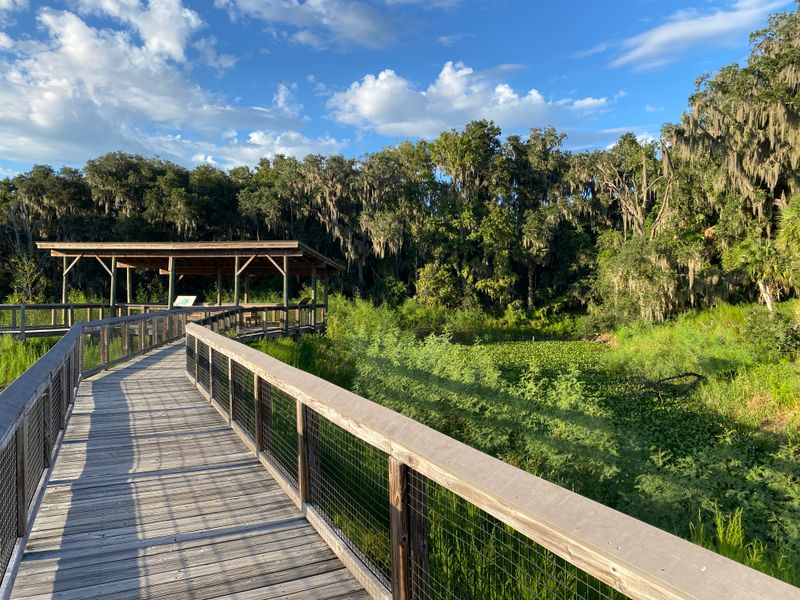
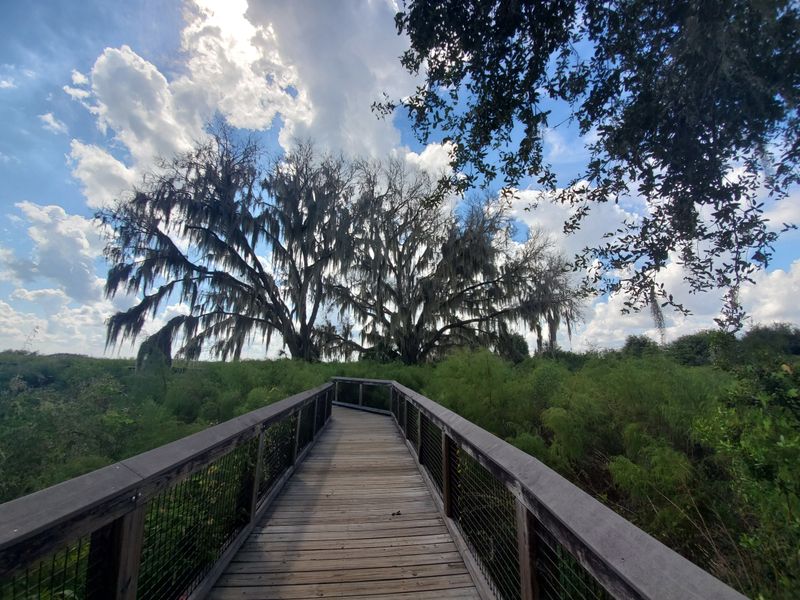
Sound carries differently on the open flats: sandhill cranes bugle, frogs trill, and on quiet days you might hear a distant splash from a gator sliding off a bank. Trails transition from shaded oak hammocks to exposed dikes and boardwalks, so your view and temperature change course by course.
Benches and overlooks invite pauses, turning short walks into lingering tastings.
Even the observation tower plays maitre d’, seating you above the marsh for a sweeping survey of wildlife. The vibe is unhurried, respectful, and keenly observant.
Bring curiosity and patience, because the mood of the prairie shifts with clouds and water levels. Small details reward attention, from delicate orchids in wet seasons to hawks kiting on thermals.
It feels alive, unplated and generous.
Wildlife Headliners: Bison, Horses, Alligators, And Birds
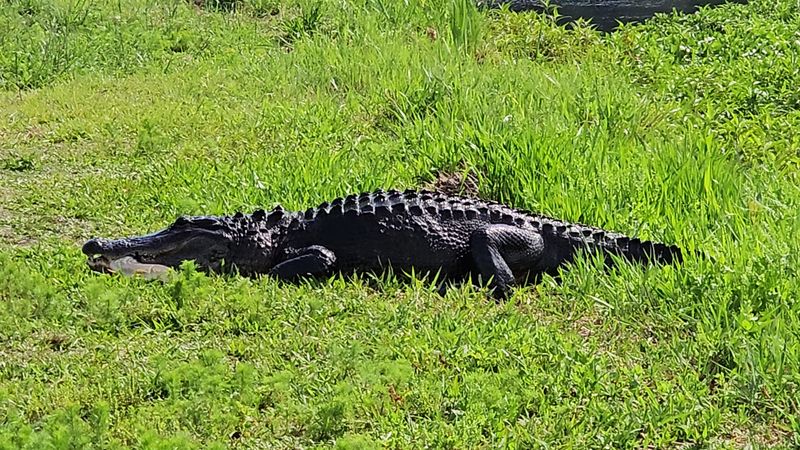
If this were a menu, the chef’s specials would read like folklore. Bison move with improbable grace, heavy shadows become horses, and alligators occupy sunny banks with perfect confidence.
Birders snack on abundance, from cranes and raptors to waders stitching the waterline.
Rangers at the visitor center can point you to current sightings, with Bolen Bluff and the tower often mentioned for bison and horses, and La Chua famous for gators. Wildlife comes and goes with heat, water, and time of day, so treat any encounter like a lucky reservation you did not have to make.
Binoculars are highly recommended to savor from a safe distance.
Portions, in a manner of speaking, are generous. Even on quiet days, you will notice subtle movement in the grass or a swirl on the surface.
Keep to trails, give animals space, and use zoom rather than feet for photos. Those choices season the experience with calm and respect, and they tend to produce better sightings.
Trails, Towers, And The Service Style Of A Great Host
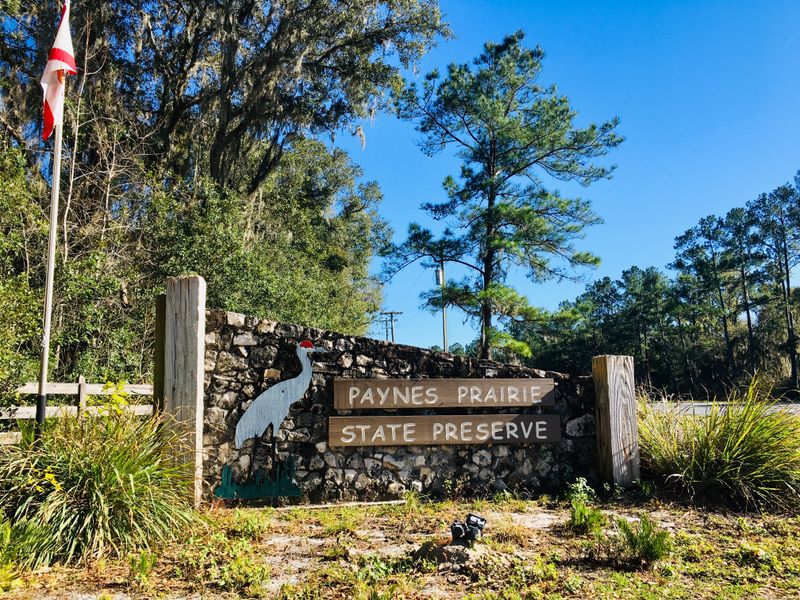
Service here feels like hospitality tuned to nature. Staff greet you at the visitor center with genuine enthusiasm, offering paper maps that clearly list trail distances, difficulty, and access points spread around the preserve.
Their advice has that local flavor, like which trail is drier after rain or where cranes have been feeding this week.
The observation tower is a highlight, almost a chef’s table, placing you where prairie and sky meet. Trails vary from short, paved walkways to longer treks across dikes and hammocks, with signage that keeps you oriented.
Expect clean restrooms, shaded picnic areas, and occasional interpretive programs that add context without slowing the pace.
Attentiveness shows in little touches: a quick update on recent wildlife, reminders about hydration and sun, and how to respect closures during high water. It is a light, friendly service style designed to enhance what the landscape already does well.
Even on busy weekends, the staff’s calm keeps the mood relaxed. You feel looked after, then pleasantly left to wander.
Hours, Fees, And Value: What It Costs And What You Get
The park keeps reliable hours, opening at 8 AM and generally closing at 8:45 PM, which frames your day with generous sunlight. Entry fees are modest compared to the scale of experience, with a per vehicle rate typical of Florida state parks.
It adds up to exceptional value when you consider the network of trails, wildlife habitat, and maintained facilities.
Think of it as a prix fixe where the courses are time based. Morning light, midday wildlife, and a sunset finale are all included, plus the option to linger on boardwalks and overlooks.
Camping adds another layer, with shaded sites, water, and electric hookups bringing comfort without dulling the sense of wild.
Payment is straightforward at the entrance station, and the visitor center accepts donations that support interpretive work and maintenance. If budgets matter, this is a standout choice for a full day’s adventure at a reasonable price.
Pack water, snacks, and sun protection to avoid extra purchases in town. The return on attention is immense.
What To Bring And When To Go For The Best Experience
Success at Paynes Prairie is partly about timing and partly about packing smart. Early mornings and late afternoons deliver softer light, cooler temperatures, and more active wildlife.
In the warmer months, animals may lay low midday, so consider a long lunch in shade or a tower break.
Bring binoculars, a brimmed hat, sunscreen, bug spray, and more water than you think you need. Closed toe shoes are helpful on uneven surfaces, and a light rain layer keeps sudden showers from ending the day.
The visitor center map is the secret ingredient for distances and trailheads scattered around the preserve.
Weekdays feel quieter, but even weekends are manageable if you arrive near opening. Winter and spring can be prime for birding and clearer views over lower vegetation.
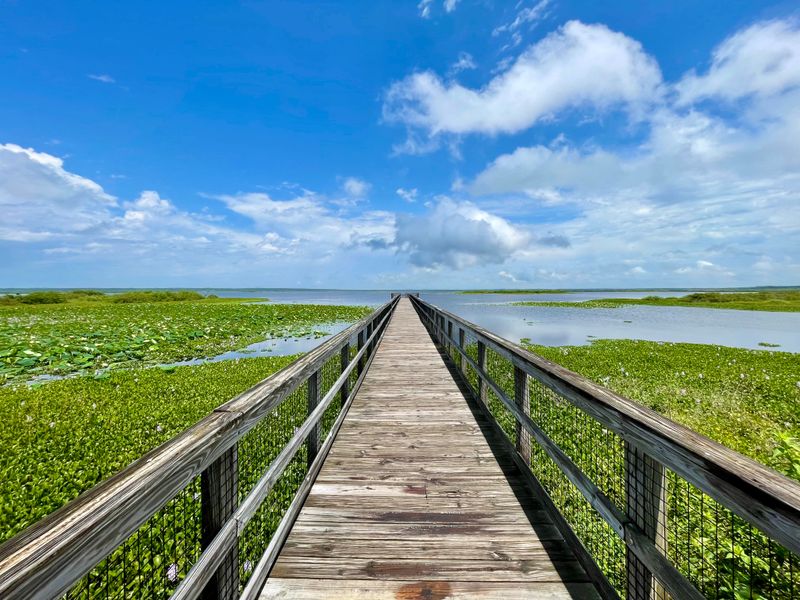
Summer rewards patience and sunrise starts. If accessibility matters, the primary boardwalks, visitor center, and viewing areas offer inclusive vantage points, while some longer trails may be rough.
Build flex into your plan, then let the prairie surprise you.
Amenities, Atmosphere, And That Unsolved Prairie Allure
Amenities keep things easy without stealing the spotlight. You will find the visitor center with exhibits and a short film, clean restrooms, picnic spaces, and a gift shop for maps or keepsakes.
Trails spread out like courses in a tasting menu, each with a slightly different flavor of habitat and view.
The atmosphere balances adventure with serenity. Families scan the horizon, photographers measure light, and hikers move in quiet rhythms.
Even on busy days, the prairie absorbs sound and settles everyone into a shared hush. Rangers circulate like attentive servers, answering questions and pointing to fresh sightings with practiced efficiency.
Then there is the mystery you cannot quite name. Fog sinks and lifts, hoofprints appear where the grass looked undisturbed, and birds rearrange the sky with a single turn.
You leave with more questions than answers, which is part of the charm. Paynes Prairie feeds curiosity until you are full, then somehow leaves room for wonder.