
15 Michigan Places Locals Keep Coming Back To Every Year

Michigan rewards repeat visits the way a favorite record reveals new layers each time you listen. I’ve found that our lakes shift their entire mood just by the way the light hits the surface at noon versus four in the afternoon.
Small towns here have a knack for refreshing their traditions while keeping that familiar, cozy feeling. I still find myself pulling over at old landmarks only to notice tiny, beautiful details that I somehow missed a dozen times before.
This list gathers the places we locals return to year after year, and it’s never just out of habit. We go back because these spots still feel alive, vibrant, and full of that “anything can happen” possibility that defines a Great Lakes summer.
Each destination offers a deep, soul-level connection to the state’s rugged beauty and our creative history. Whether it’s a hidden trail or a century-old general store, these are the places that make me feel lucky to call the Mitten home.
I’ve picked these specific locations because they don’t just sit there; they evolve with the seasons and the people who visit. You’ll find that the more time you give to Michigan, the more secrets it’s willing to whisper back to you.
1. Mackinac Island, Mackinac Island
Horses clip-clop past pastel storefronts while the lake air smells faintly of fudge and lilacs. The island’s vibe is unhurried, shaped by bicycles, wide porches, and a blue horizon that meets you at every single turn.
You notice the quiet first, a rare and peaceful silence made by the absence of cars and the steady rhythm of hooves. It is a place where the 19th century feels like a living, breathing reality rather than a museum exhibit.
History leans over your shoulder from Fort Mackinac’s bluffs, where 18th-century ramparts watch freighters slide through the Straits. Grand Hotel’s sweeping porch tells another chapter of summer leisure and old-world Michigan elegance.
Buy ferry tickets early on busy weekends and wear layers for the wind on the water. Skip the noon fudge lines by going mid-morning, and make the sunset from Windermere Point a part of your yearly ritual.
2. Sleeping Bear Dunes National Lakeshore, Empire
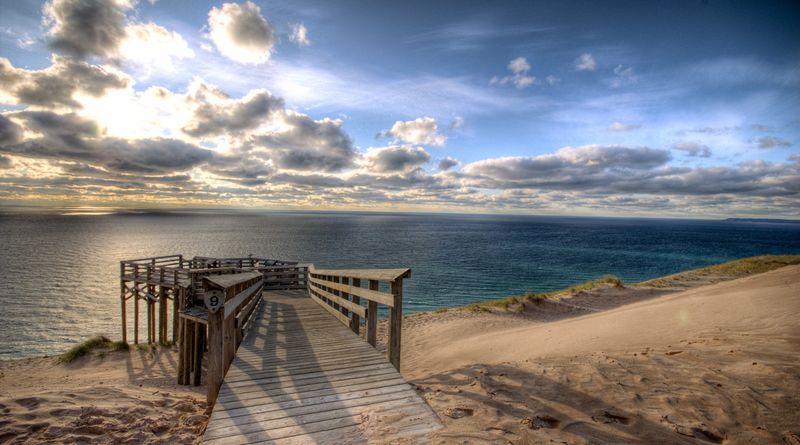
Your calves tingle just looking at the Dune Climb’s sandy slope, a pale mountain set against impossible blue water. The place feels clean and elemental, with wind drawing lines across ridges and dune grass hissing softly in the breeze.
Up high, the lake reads like a compass, with islands dotting the horizon and the sky feeling vast. These dunes formed from glacial leftovers, shaped by centuries of wind and waves into the towering monuments you see today.
Pierce Stocking Scenic Drive frames the story with overlooks that make you stop talking and just listen. Logging ghost towns linger in the trees if you know where to look, adding a layer of mystery to the natural beauty.
Parking fills early, so aim to arrive before 9 am during the peak summer months. Bring plenty of water and mind the steep bluff edges, then reward yourself with a slice of cherry pie in Empire after your workout.
3. Pictured Rocks National Lakeshore, Munising
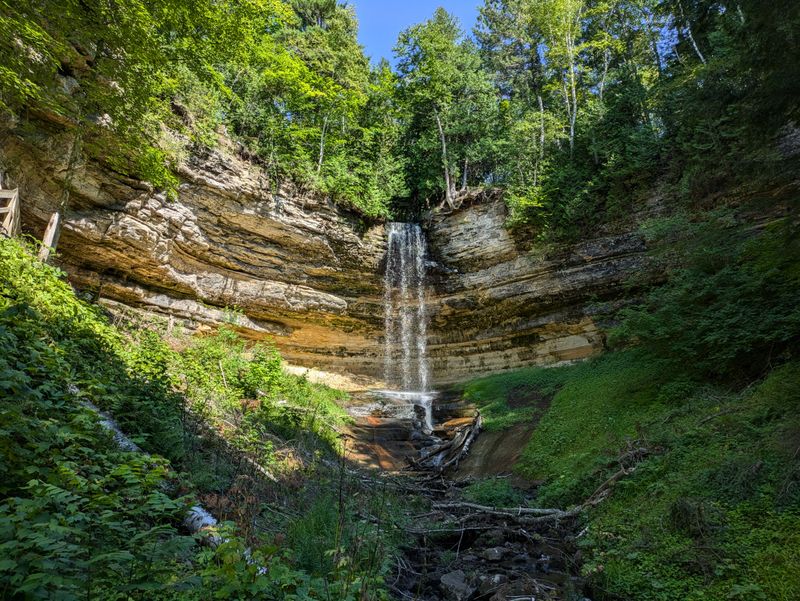
Cliffs wear watercolor stripes here, mineral streaks of copper, iron, and manganese dripping into Lake Superior’s deep green. The lake smells bracing, a clean cold that wakes you up even if you are just standing on the shore.
Waves echo inside caverns, creating a hollow drumbeat that you can feel in your ribs as you pass. Geology did the painting, wave action did the carving, and time did the patient editing of these magnificent sandstone walls.
Light at the golden hour turns Chapel Rock and Miners Castle theatrical, highlighting the textures of the stone. Old logging and shipping stories ride the same wind as the gulls, reminding you of the lake’s industrial past.
Boat tours book out in peak season, so reserve ahead; morning trips usually see calmer water. Kayak only with proper gear and guides when conditions are safe, as Superior can change its mood in an instant.
4. Tahquamenon Falls State Park, Paradise
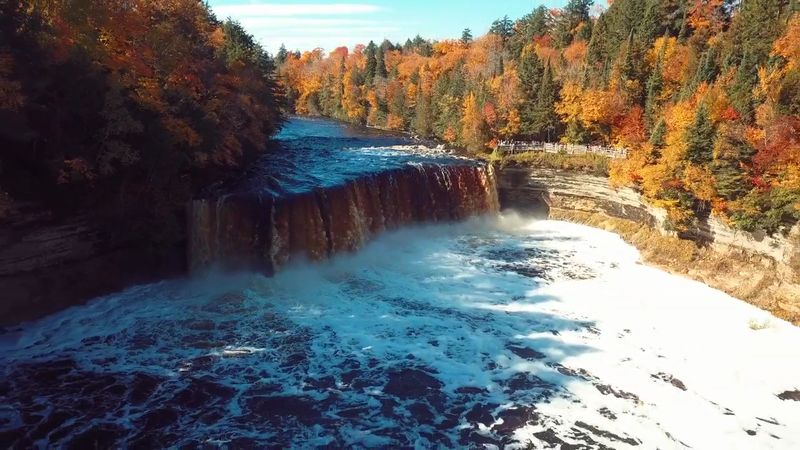
The water runs tea-colored, stained by cedar tannins that turn the foam into rich, latte-like swirls. Mist cools your face on the Upper Falls platforms, and the roar drowns out small talk in the kindest way possible.
Downstream, the Lower Falls braid around small islands where kids hop stones and explore the shallow pools. Lumber lore whispers through these woods, and a brewery near the trailhead nods to the thirsty loggers of Michigan’s past.
The park protects both the grand spectacle of the falls and the quiet, mossy understory of the surrounding forest. Boardwalks make access friendly without smothering the wild, Northwoods feel that brings families back every single summer.
Bring bug spray in June and a tripod if you love taking silky water photos of the cascades. Winter visits reveal stunning blue ice and fewer crowds, offering a completely different perspective on this iconic state landmark.
5. Belle Isle Park, Detroit
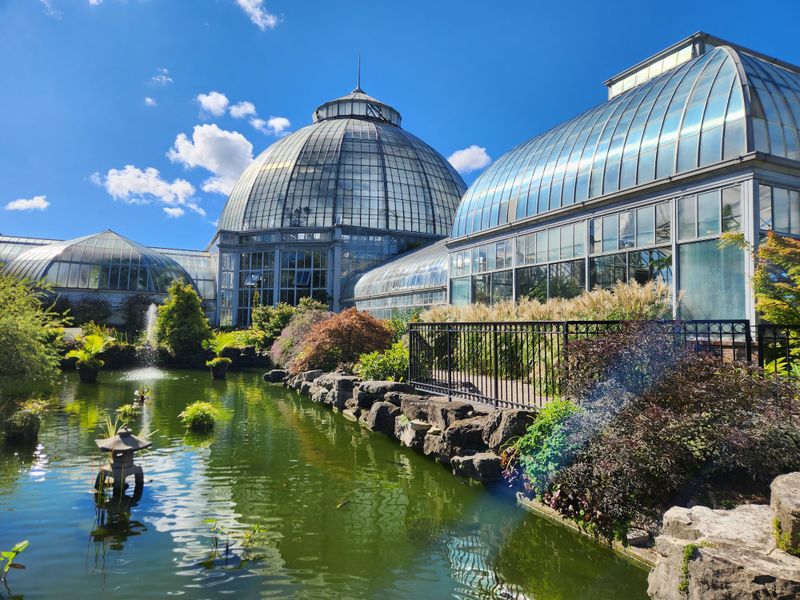
On this island in the Detroit River, you catch palm fronds tapping glass inside the conservatory and gulls teasing sailboats outside. The Scott Mansion fountain throws diamonds in the afternoon light, creating a shimmering centerpiece for the park.
Families spread blankets while cyclists loop the shoreline like metronomes against the backdrop of the city skyline. Frederick Law Olmsted left his fingerprints on the layout, creating a graceful mix of grand vistas and simple, quiet paths.
The aquarium is small, historic, and oddly captivating with its green-tiled ceiling and vintage tanks. Belle Isle balances grit and polish, Detroit style, without ever pretending to be somewhere else, making it a true urban refuge.
Parking requires a Recreation Passport, which is easy to handle online or at the entrance kiosks. Circle the island at the golden hour for the best skyline photos, and always bring layers for the river’s unpredictable wind.
6. Detroit Institute Of Arts, Detroit

Rivera Court stops you mid-step, where industry and humanity lock eyes in a stunning cycle of color and fresco. The building’s hush carries nicely here, with polished marble and shoe squeaks mixing with the soft voices of the docents.
Galleries unfold with a tidy logic that leads you through thousands of years of human creativity. The collection spans from ancient Egyptian artifacts to contemporary masterpieces, but Detroit’s own industrial story remains the anchor of the place.
Diego Rivera’s murals ground the museum in labor and vision, transforming a courtyard into a cathedral of paint. Philanthropy preserved this breadth when the city needed resilience, ensuring the art remained for all to see.
Arrive midweek for calmer rooms, and start with the murals before the afternoon crowds begin to thicken. Plan a simple route so you do not museum yourself into fatigue, and remember that nearby coffee on Woodward rescues focus.
7. Henry Ford Museum Of American Innovation, Dearborn

Engines, ideas, and oddities share a roof here, from gleaming streamliners to a weathered camp stove. You can stand inside the Rosa Parks bus and feel time compress, connecting directly to a pivotal moment in American history.
The space is enormous but curated with a tinkerer’s patience and an eye for the stories behind the steel. Henry Ford assembled these artifacts like a restless collector mapping the very boundaries of American possibility and progress.
Exhibits trace the history of innovation without sanding off the complexity or the human cost. That honest texture is what keeps locals returning with new questions every time they walk through the massive mahogany doors.
Buy timed tickets on weekends and wear comfortable shoes because the physical scale of the museum is real. Start with the major icons, then wander into the smaller galleries for the surprises that hide in the corners.
8. Greenfield Village, Dearborn
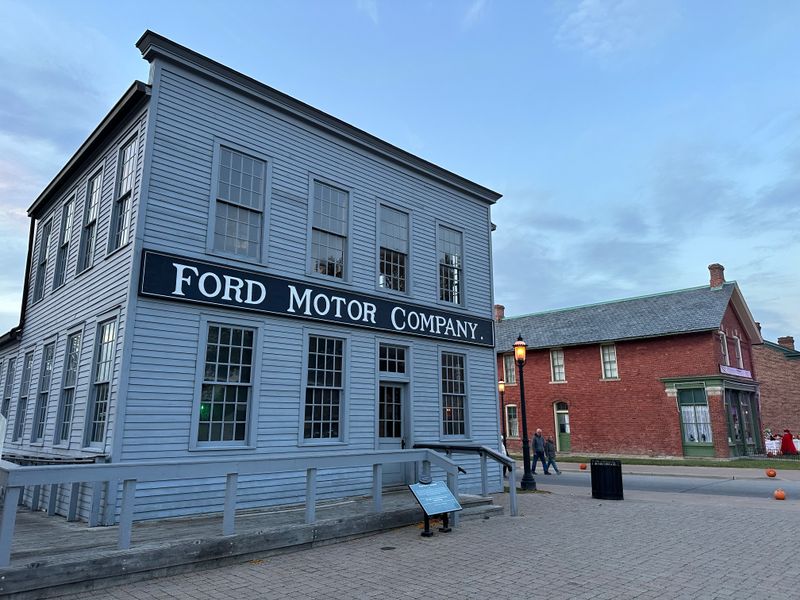
Bread bakes, a blacksmith hammers, and a Model T putters by with a cheerful, rhythmic chuff. The village stitches together real buildings moved and preserved, each corner smelling like wood smoke, fresh hay, or old machine oil.
It feels like stepping sideways into a different version of reality rather than just looking backward. Edison’s Menlo Park complex anchors one narrative thread, while the working farm life rounds out another side of the story.
Preservation here is hands-on, with historical trades demonstrated with a level of skill that commands respect. Stories land with the audience because they are performed with craft, restraint, and a deep knowledge of the past.
Book your Model T ride as soon as you arrive and bring cash for small treats like historical candies. Weekdays see fewer school groups after the spring, making for a more intimate experience among the historic homes.
9. Frederik Meijer Gardens And Sculpture Park, Grand Rapids

Glasshouse humidity fogs your glasses, then opens to reveal orchids and leaf textures that look like they were designed. Outside, bronze and steel share the shade with maples, and paths curve toward surprise viewpoints over the hills.
Children chase the long shadows cast by towering artworks, making the park feel lively and accessible. What began as a regional garden matured into a serious sculpture destination, attracting artists and art lovers from around the globe.
The American Horse stands theatrical and bold, but smaller, hidden pieces reward those who pay slow attention. Curation balances big names with thoughtful placements, creating a quiet, ongoing conversation between the plants and the art.
Timed entry helps on popular days, so try to reserve your spot when the tulips peak in the spring. The outdoor railway garden is a summer delight for families, and the conservatory provides a perfect escape from the rain.
10. Holland State Park, Holland
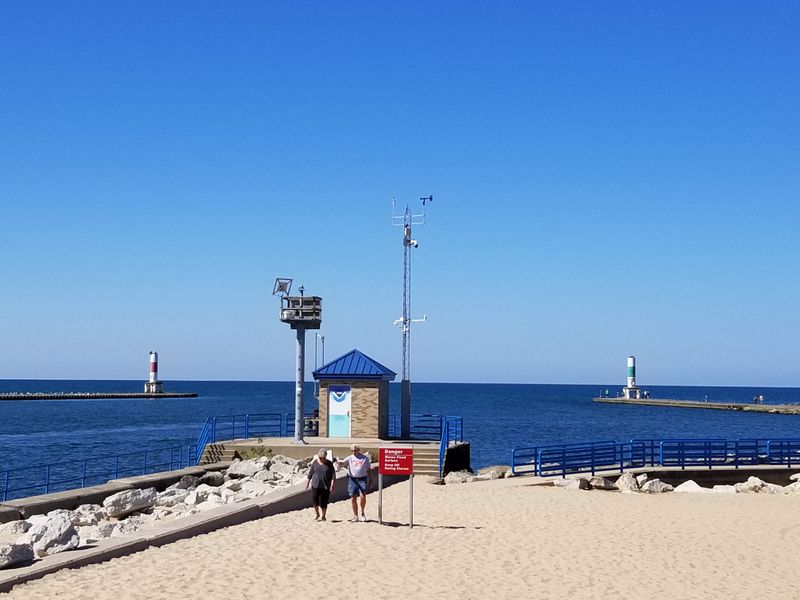
Waves slap the pier and the “Big Red” lighthouse glows tomato-bright against a softening evening sky. The beach feels generous, with plenty of room for volleyball nets, beach novels, and aimless walks along the dunes.
You hear the constant gull banter and the steady shuffle of coolers on wheels across the sand. Holland’s Dutch heritage peeks through in the nearby town, but here at the state park, the stars are the lake and the light.
The pier’s sharp geometry anchors countless sunset photos and has served as the backdrop for many proposals. Park infrastructure stays tidy and straightforward, keeping the focus entirely on the shoreline and the freshwater experience.
Arrive early on hot weekends because the parking lots fill up faster than you might expect. Watch the flag colors for swim conditions, and always mind the rip currents on windy days to stay safe in the surf.
11. Silver Lake State Park, Mears
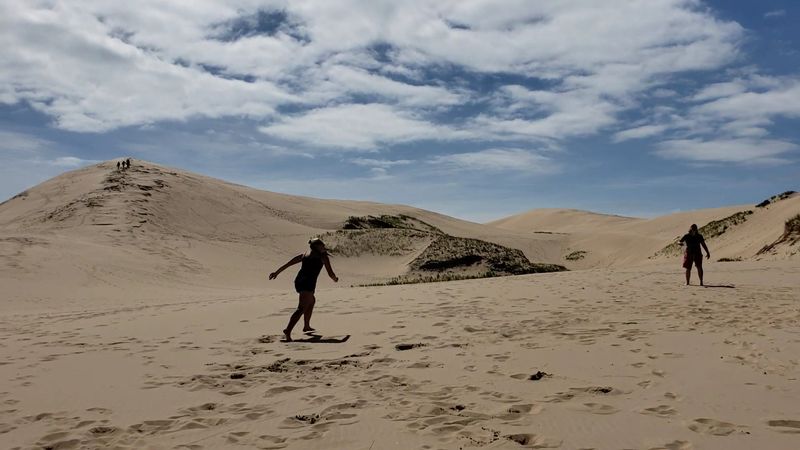
The dunes hum here, not from the wind alone but from the throttle chatter of ORVs climbing the sun-warmed slopes. The sand feels silky underfoot, and the horizon flashes views of the lake on both sides of the ridges.
Kids slide down the steep sand faces laughing, then immediately climb back up to go again, a ritual guaranteed. It is a park with a split personality, maintaining separate zones for motorized fun and quiet, contemplative hiking.
This unique balance draws loyalists who return every year for both the adrenaline and the calm. The nearby Little Sable Point Lighthouse gives the history of the coast a steady, beautiful backdrop against the shifting sands.
Rentals for dunes-ready vehicles book fast in the peak season, so reserve your equipment well in advance. Evening light is best for photography, and eyewear is highly recommended to protect your eyes on the gusty, sandy days.
12. Kitch-Iti-Kipi At Palms Book State Park, Manistique
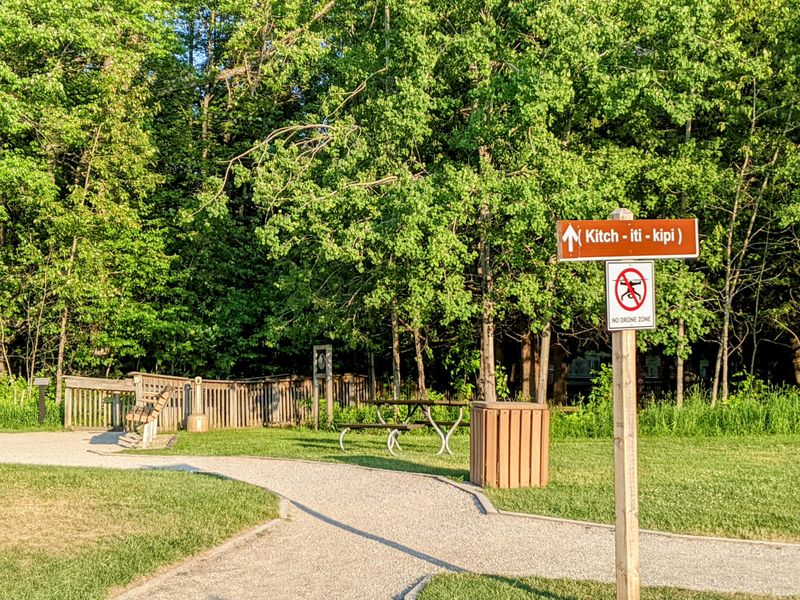
The spring is a lens, so clear you can watch the white sand boil where the aquifer exhales into the pool. Fish hover like thought bubbles above ancient, preserved logs, and the raft glides silently on a hand-cranked cable.
Voices drop to whispers without anyone asking, as the natural beauty of the “Big Spring” commands a quiet respect. It stays a steady temperature year-round, an old Ojibwe place with layered stories and a timeless feel.
The raft mechanism feels delightfully analog, a small engineering joy that connects you to the water. State stewardship keeps the park simple and respectful, focusing on the preservation of this fragile and stunning geological wonder.
Arrive early to avoid the lines for the raft, especially during the busy month of July. No swimming is allowed, so bring your camera and a sense of wonder instead to capture the emerald depths of the pool.
13. Porcupine Mountains Wilderness State Park, Ontonagon
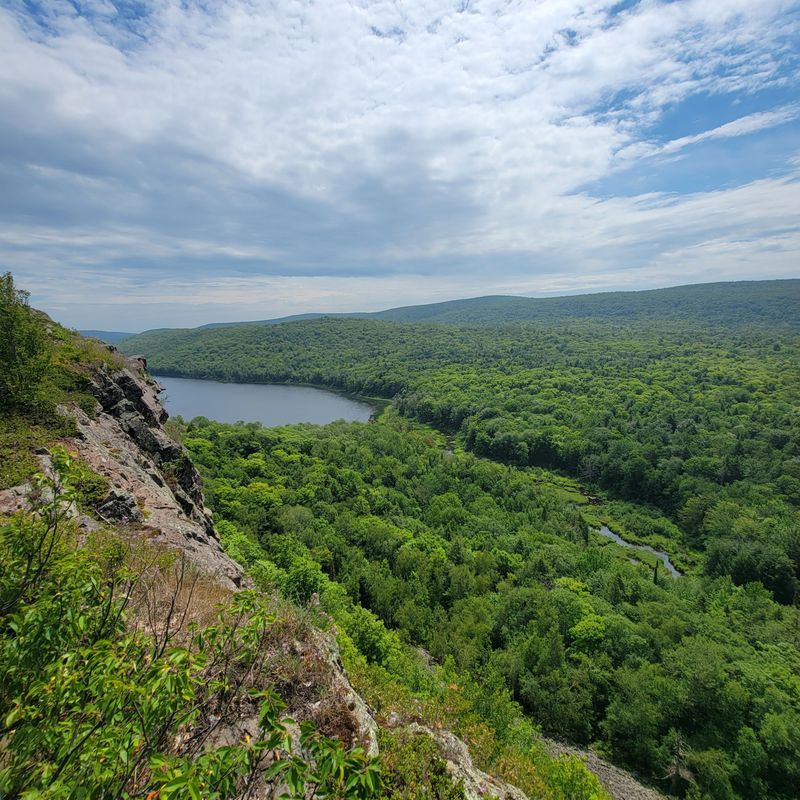
Moss smells like rain even on dry days in these vast, old-growth woods on the edge of Lake Superior. From the Lake of the Clouds overlook, ridges roll away in copper and green waves, and the silence arrives like a friend.
Trail signs are modest and few, which keeps the mood honest and the wilderness feeling truly wild. Glacial geology built the rugged backbone of the park, and CCC work from the 1930s added thoughtful, lasting access.
Fire towers and old mining relics dot the deeper interior, rewarding those who venture off the main paths. The park’s massive scale invites slower itineraries and frequent return trips to see what you missed the first time.
Pack real paper maps because cell service fades quickly once you enter the deep forest. Shoulder season hiking gives you plenty of elbow room and crisp, clear air on the escarpment that makes every climb worth it.
14. Great Lakes Shipwreck Museum, Paradise
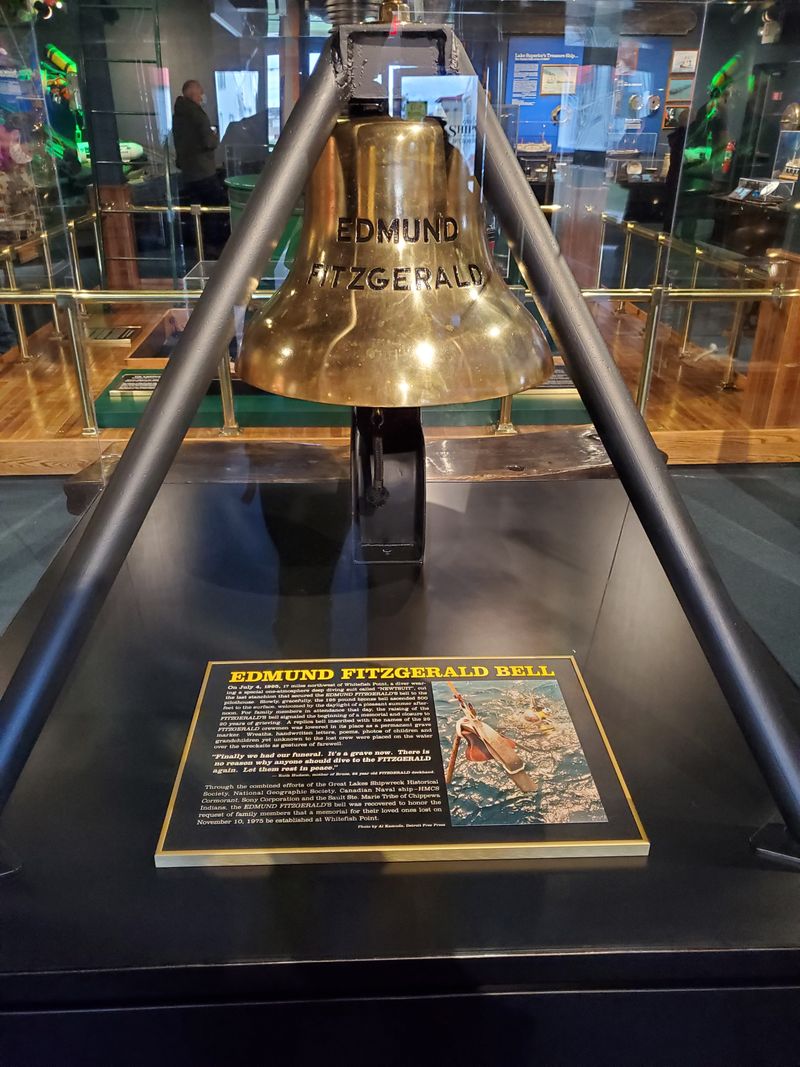
Whitefish Point feels like the lake’s sharp edge, with the wind tugging your jacket while gulls write crooked lines in the sky. Inside, the Edmund Fitzgerald bell sits solemn and heavy with the weight of Great Lakes memory.
Exhibits speak in careful, respectful voices about storms, signals, and the human judgment that defines life on the water. Shipwreck history is meticulous here, built from logs, recovered artifacts, and haunting survivor interviews.
The lighthouse grounds keep watch with a practical grace, standing as a beacon for those navigating the “Graveyard of the Great Lakes.” Preservation here aims for clarity over drama, which makes the tragic stories land even deeper.
Check the seasonal hours before making the long drive to this remote point on the Upper Peninsula. Give yourself time for the beach, as the search for driftwood and agates is a wonderful distraction from the museum’s gravity.
15. Frankenmuth, Frankenmuth
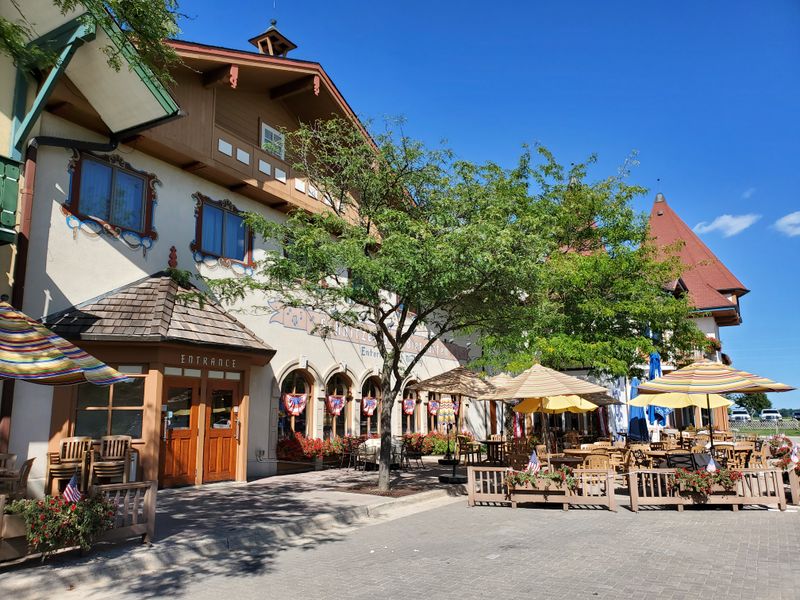
Pretzel scents trail you past timbered facades where flower baskets swing like colorful metronomes in the wind. The covered bridge frames the Cass River, and polka music sometimes leaks from a doorway at noon to greet visitors.
The town is playful without ever tipping into parody, especially when you pace yourself and enjoy the local hospitality. Settled by German missionaries, the community has kept its architectural motifs and traditional holiday rituals alive.
This is famously chicken dinner country, where massive family-style plates arrive with a parade of traditional sides. The Christmas stores go big, then even bigger, offering a year-round celebration of the winter season for everyone.
Visit on weekdays to avoid the festival crowds and the long dinner waits at the most popular halls. A stroll along the riverwalk at dusk offers a calmer view of the town’s lights and its unique, old-world charm.