
11 Michigan Weekend Trips Locals Take When They Want Quiet And Space
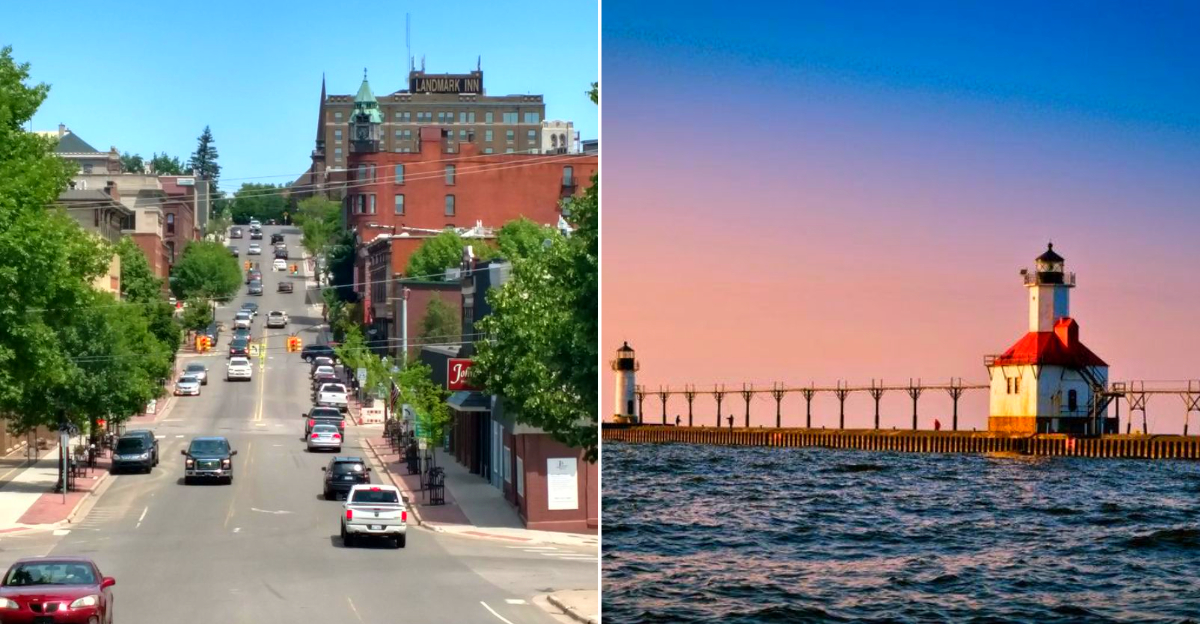
Michigan has this incredible knack for hushing a loud, busy week the moment you cross the county line, provided you know exactly where to look. There is a specific magic in following the long, sweeping curves of the shoreline and slipping deep into the scent of sun-warmed pines.
Suddenly, the mental noise of deadlines and notifications fades, replaced by those small, vital sounds that ground us: the rhythmic tick of waves against smooth stones and the bright chatter of finches hidden among the birch leaves.
These weekend trips represent the true soul of the Great Lakes State; they are the “secret spots” we locals whisper about when we need room to breathe away from the neon lights and big-city fanfare.
I’ve learned through years of wandering that the best way to experience these places is to pack simply, trust the winding rhythm of the slower backroads, and let the state’s quieter edges remind you why a little distance is often the best gift you can give yourself.
Whether you are planning a scenic Michigan road trip or searching for the best quiet weekend getaways in the Midwest, these off-the-beaten-path destinations offer the perfect balance of natural beauty and peaceful solitude.
I’ve curated this list to highlight the locations that still feel authentic and untouched. From the rugged cliffs of the Upper Peninsula to the hidden dunes of the lower shore, these are the escapes that prove you don’t need a passport to find a different world.
11. Isle Royale National Park, Houghton
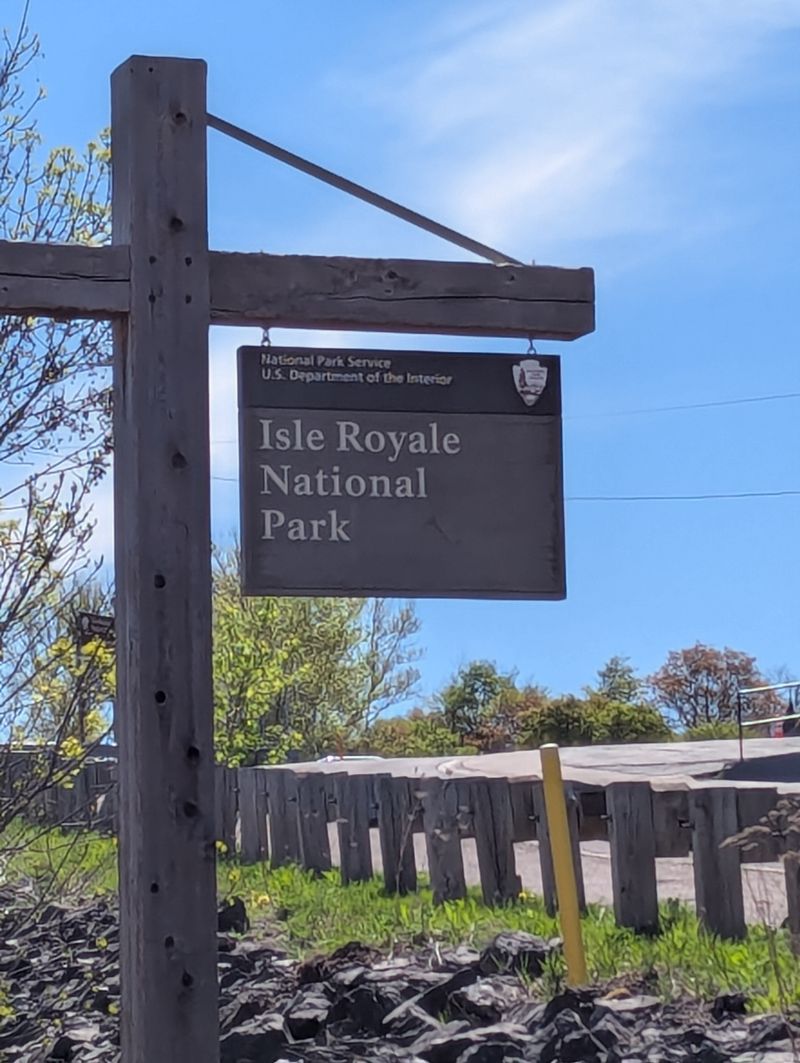
The sound of your boot soles squeaking on the Rock Harbor boardwalk is often the only thing you’ll hear in this wilderness. The water looks like dark, liquid glass you could almost write on, reflecting a maze of wolf lore and moose browsing in the alder shadows.
There is a disciplined quiet here that I’ve always found deeply moving; radios stay low and conversations naturally shrink to fit the spruce trees. It’s the kind of place that demands your full attention and rewards it with a sense of isolation that is harder and harder to find.
Ferries depart from Houghton and Copper Harbor, or you can hop on a seaplane if Lake Superior starts looking a bit too restless. The trails thread along rocky ridges, offering views of the archipelago that feel completely unearned in the most beautiful way possible.
I’ve spent hours listening to rangers share long-memory stories about research collars, winter tracks, and the delicate balance of the island’s ecosystem. You don’t just visit Isle Royale; you witness it, becoming a small, temporary part of its ancient, rugged history.
Make sure to bring plenty of layers, bug netting, and a solid plan for having zero cell service for the duration of your stay. Cache your snacks, filter your lake water, and reserve your spot early; you will definitely come home speaking just a little bit slower.
10. Drummond Island, Drummond Island
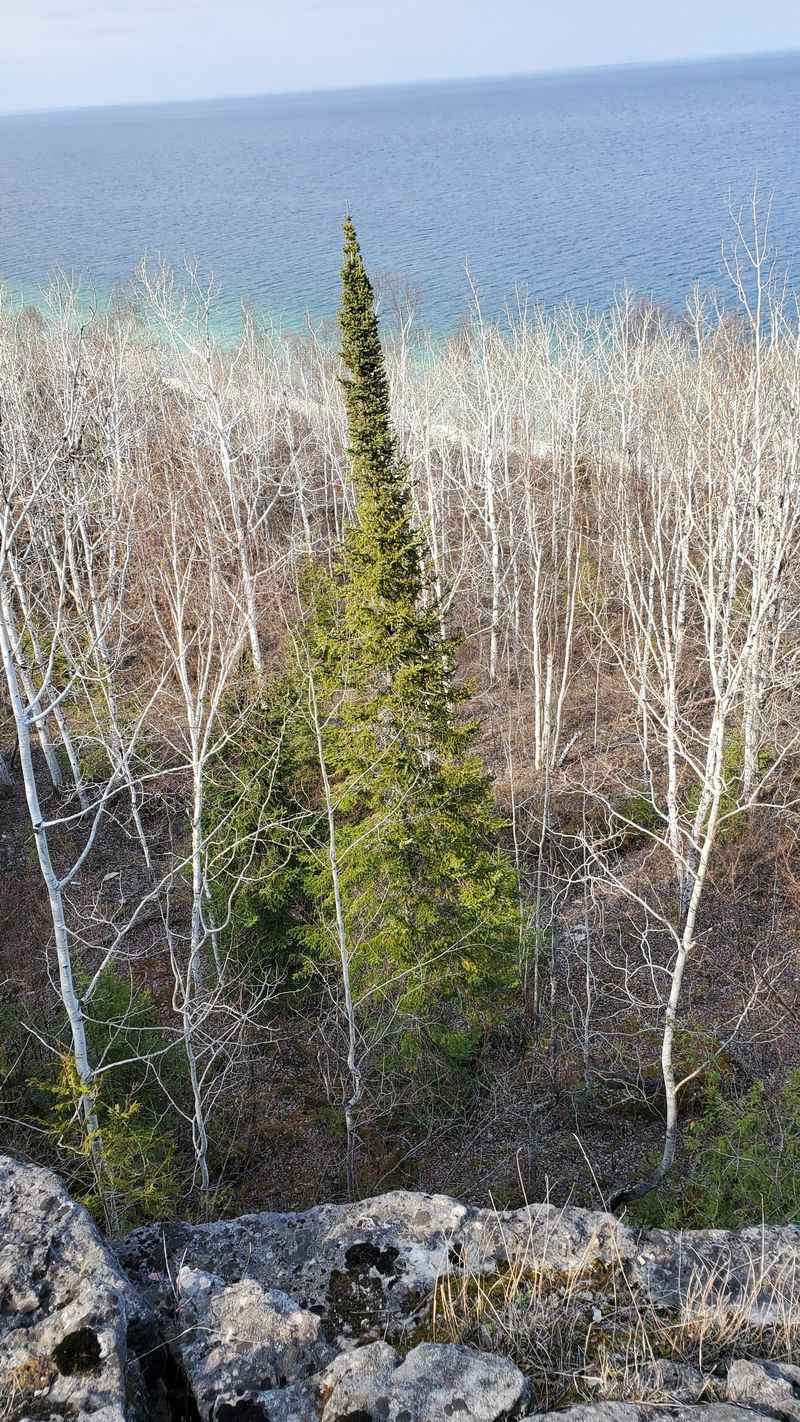
Limestone ledges pop like giant knuckles under the clear shallows that surround Drummond Island. The vibe here is built on practical friendliness, with ORV maps taped to bait coolers and locals who can talk for twenty minutes about nothing but wind direction.
It feels remarkably roomy, even when a line of Jeeps is crawling along the fossil-studded trails that crisscross the island. History hides in the rumors of old shipwrecks and the ruins of fort sites from ancient border disputes that most people have long forgotten.
I love visiting the Fossil Ledges and Maxton Plains, where rare grassland stretches over solid rock to create a flat, open horizon perfect for deep thinking. You can feel a frontier echo here that never got cynical or commercialized; it’s just raw and honest.
Grab a physical paper map before you head out, respect the private driveways, and keep your speeds gentle on the dusty gravel roads. You’ll want to pack for both hungry mosquitoes and the sudden, thick fog that can roll in off the North Channel in minutes.
Tuck a warm thermos into your bag and find a spot on the rocks to watch the twilight pull a shimmering silver from the water. It’s a place that reminds you how much you can see when you finally stop looking at a screen and start looking at the horizon.
9. Copper Harbor, Copper Harbor
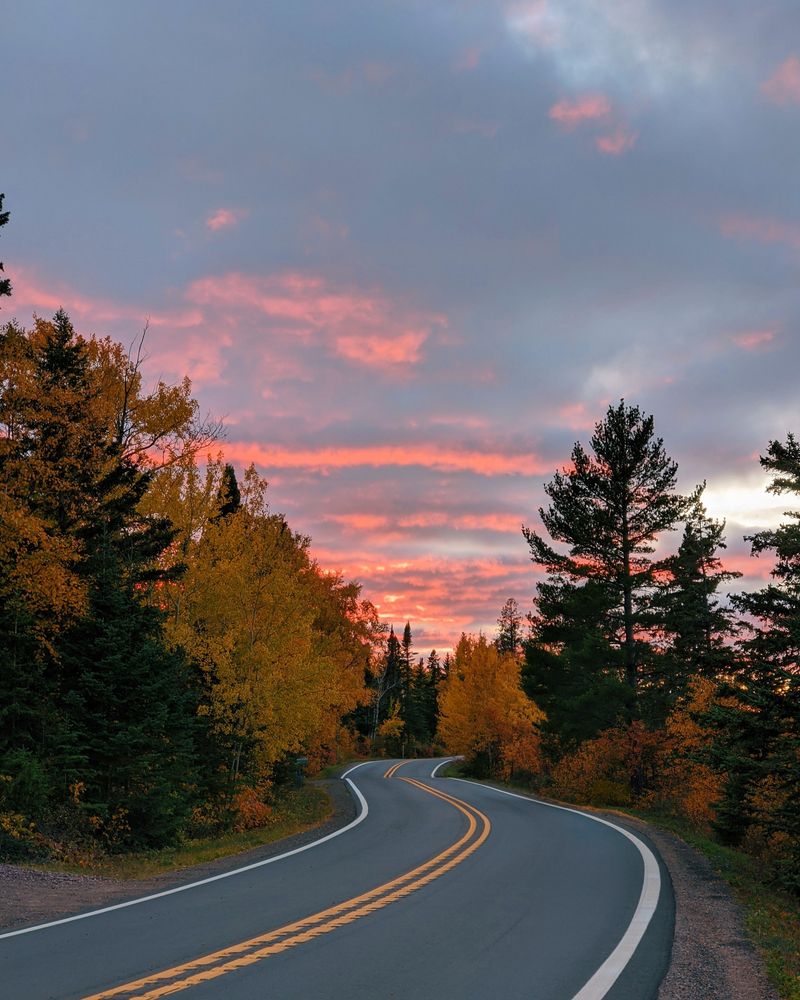
At the very end of US-41, the road finally gives way to nothing but endless sky and towering pines. Copper Harbor keeps the steady pace of a careful mechanic: tools laid out, no wasted motion, and a deep respect for the equipment that keeps life moving.
Lake Superior is the undisputed boss here, and everyone, from the shop owners to the bikers, listens to what she has to say. Mining remnants stand like unread chapters along Brockway Mountain Drive, telling the story of a town that survived by grit and copper.
I’ve watched this town learn to turn old rails into world-class trailheads, where mountain bikes now drift silently through the thick cedar shade. In the evenings, the harbor reflects porch lights that look much older and more permanent than they actually are.
You absolutely have to climb Brockway for the sunset, but make sure to bring a headlamp for the trek back down the mountain. Book your lodging early if you’re coming in the summer, though I personally find the shoulder seasons to be much calmer and more reflective.
Order the fresh-caught whitefish, tip your server well, and let the morning fog decide what your plans are going to be. There’s no point in rushing when you’re as far north as you can get without actually leaving the state behind.
8. Tawas Point State Park, East Tawas
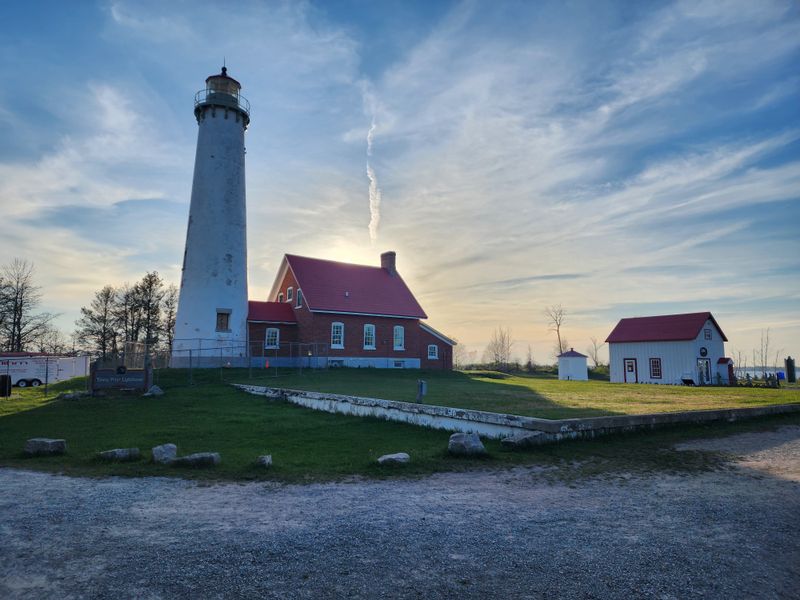
The sand here slides like fine sugar around your ankles, and the point curls into Saginaw Bay like a big, welcoming hand. During migration season, the birdsong is constant, a thousand tiny engines revving in the willows as they prepare for the long flight south.
The iconic lighthouse keeps its white coat looking tidy against the pale blue backdrop of Lake Huron. History feels clean and well-kept on the brick tower and the keeper’s quarters, which have been restored with a quiet, obvious respect for the past.
Locals flock here for the shallow wading areas and the steady lake winds that make the kites tug just hard enough at the string. The calm can feel almost curated at times, but the wind still writes the daily schedule, and the lake still calls the shots.
I recommend packing a high-quality kite, a pair of binoculars, and water shoes for navigating the sandbar labyrinth that forms off the point. Camping reservations tend to vanish in the blink of an eye in May and September, so plan your trip well in advance.
Spend an hour watching the sky tint a soft, dusty pink as the sun goes down, then walk back to your car by the lighthouse glow. It’s one of those rare places that makes you feel both incredibly small and deeply connected to the world at the same time.
7. Les Cheneaux Islands, Cedarville
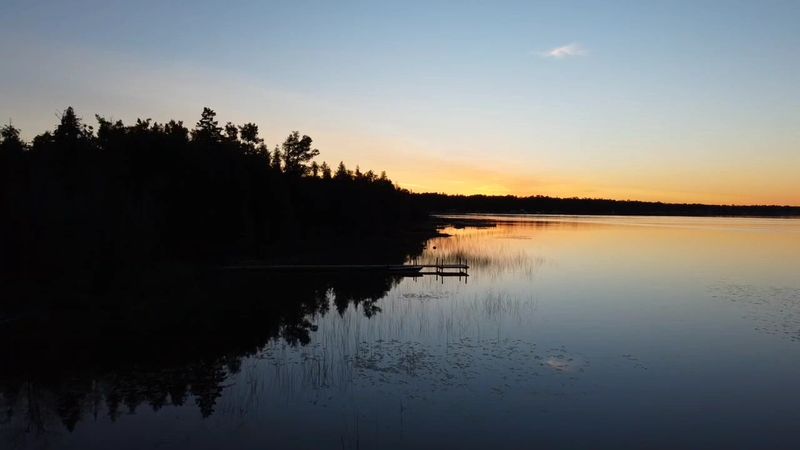
Beautiful wooden boats hum politely between islands that look like they’ve been stitched together with cedar thread. In these narrow channels, the water behaves like a dark mirror that prefers subtle, quiet subjects over the flash and noise of modern life.
The mood here is patient and almost bookish, where the heritage of boatbuilding lives on at the local Maritime Museum. During the Classic Boat Show, you can see varnish that gleams like liquid honey under the warm summer sun, a tribute to old-world craft.
The old resorts and weathered cottages speak a soft version of Mackinac Straits history, one that values quiet circulation over speed. It’s a place where people still wave from their docks and nobody seems to be in a particular hurry to get anywhere.
I suggest renting a kayak or a small skiff, carrying a real nautical chart, and treating every wake like a polite handshake. The shoulder seasons feel especially generous here, offering empty channels and a sense of total privacy as you navigate the reeds.
Drift near the tall grass, cut your motor, and let the haunting call of the loons edit your afternoon into something peaceful. It’s a labyrinth of water and wood that rewards those who are willing to turn off their GPS and just explore.
6. Ludington State Park, Ludington
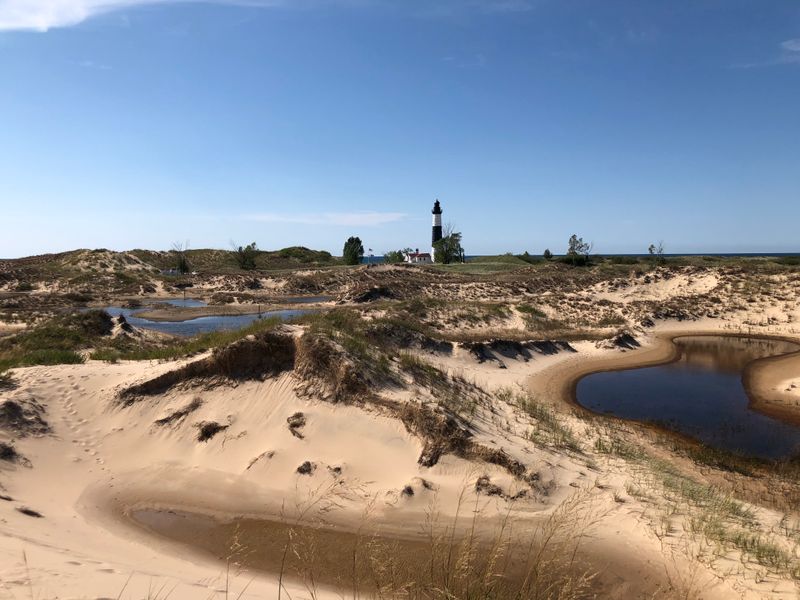
The shadow of the pinery smells like a freshly sharpened pencil as the Big Sable River slips quietly seaward toward the big lake. This park spreads out its dunes, inland lakes, and boardwalks like a careful sampler of everything that makes Michigan beautiful.
Even on the busiest weekend days, there are always hidden corners that will hush you without even having to ask. The Big Sable Point Lighthouse stands like a striped exclamation point against the blue, telling a keeper’s story that still feels very much alive.
You can see CCC-era touches in the shelters and trails, whispering a history of “make-do” craft and hardworking hands. Visitors here eventually learn to slow their pace near the dune grass to listen for the sound of the sand moving under the wind.
I always bring a tube for a lazy float down the river, then hike out to the lighthouse once the afternoon sun starts to soften. It’s a ritual that never gets old, though you’ll definitely need to reserve your campsite many months ahead of time.
After dark, make sure to look up at a sky that feels unbuttoned enough to finally let you breathe a little deeper. The stars here have no competition, and the sound of the lake hitting the shore is the only lullaby you’ll ever need to hear.
5. Saugatuck Dunes State Park, Saugatuck
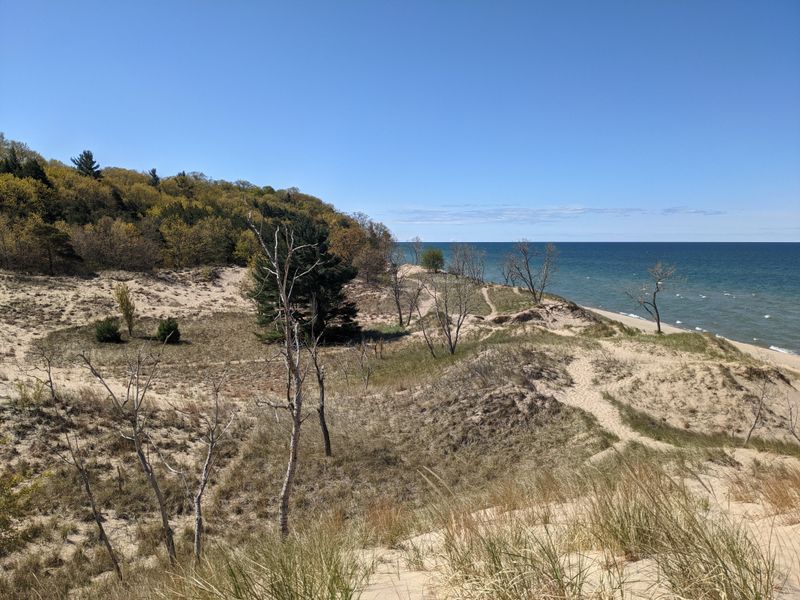
Your footsteps will thump softly in the steep sand here, a steady, rhythmic drumbeat that naturally slows down all your conversations. This park keeps a very deliberate distance from the bustling town nearby, using a walk-in beach to filter out the casual crowds.
The forest trails feel as cool as a glass of water held in your hand, providing a sharp contrast to the sun-baked dunes. History threads through this land, from its days as a defense-plant site to the careful preservation choices made by locals today.
The dunes are constantly evolving based on the wind’s latest lessons, and they are guarded fiercely by volunteers who know every single switchback. You can feel the creative, artistic energy of Saugatuck hovering nearby without ever breaking the quiet spell.
Wear shoes that dump sand easily, because you’re going to be carrying a lot of it back with you at the end of the day. Park at the trailhead and expect a real, heart-pumping hike before you ever catch your first glimpse of the blue shoreline.
Let the evening waves decide when your plans for the day should finally dissolve into nothing but listening. It’s a place that reminds you that some of the best things in life are only accessible if you’re willing to work for them a little bit.
4. Au Sable River, Grayling
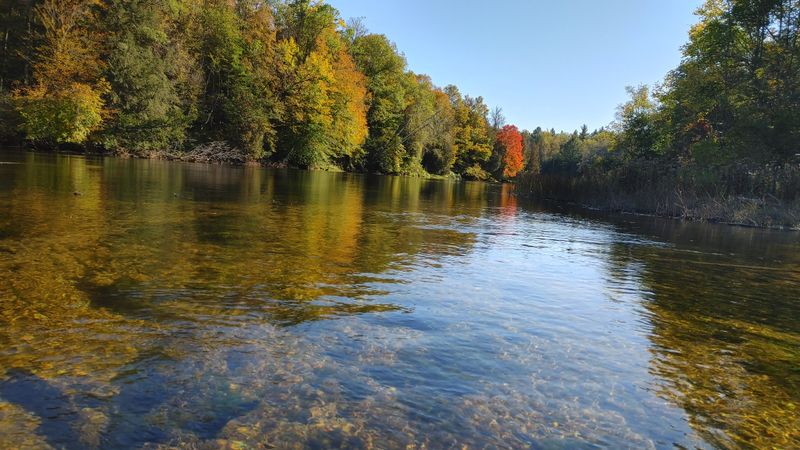
The water whispers over the river gravel like brushed corduroy, and it’s usually about as tan as a cup of very strong tea. The Au Sable carries a deep culture of bamboo fly rods, cedar-strip canoes, and a level of patience that is rare to find.
Even the distant road noise seems to fade away completely after you’ve made just a few bends in the river. Grayling’s history is tied to the protection of the Grayling fish and the incredible Mason Tract, which keeps the banks looking wild and untouched.
Old river camps and historic log rollways anchor the stories of the “Holy Waters” reach, where the fly fishing is legendary. Local guides talk about insect hatches with the kind of precision you’d expect from a university librarian or a master watchmaker.
I recommend hiring a drift boat if you want some instruction without any pretension, or just paddle early to dodge the weekend crowds. Mind the private property lines, pack out everything you bring, and always have a dry layer of clothes ready to go.
When the evening hatch finally erupts, stop talking, put down your paddle, and just watch the river write its own story. It’s a liquid history lesson that teaches you more about Michigan than any textbook or museum ever could.
3. Grand Marais, Grand Marais
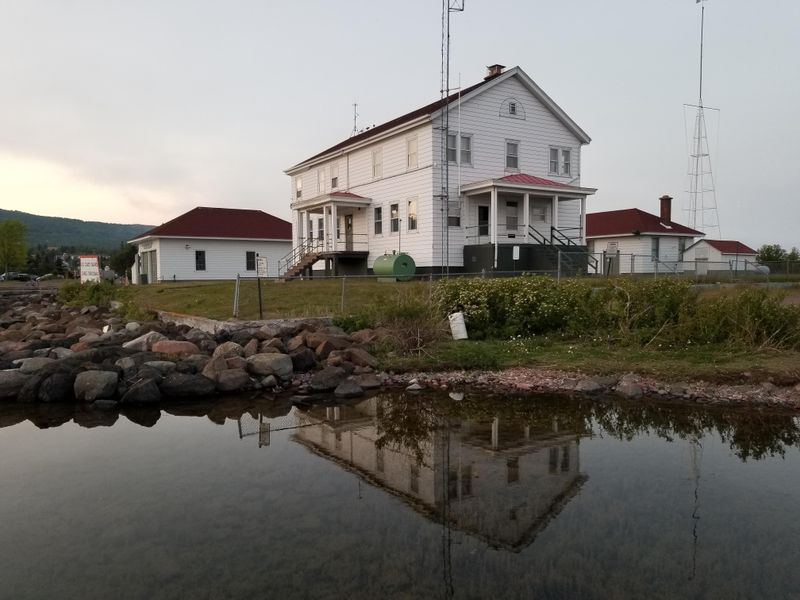
The fog can stroll into Grand Marais like an uninvited cousin and somehow find a way to improve the entire scene. The town sits perfectly between a big-sky bay and the sandstone stories of the Pictured Rocks cliffs that stretch away to the west.
The pace of life here is essentially a long shoreline yawn followed by another slow thermos refill at the local bakery. Local history leans on the old lifesaving stations and the quirky, charming oddness of the famous Pickle Barrel House downtown.
Volunteers here keep the trails honest and the harbor tidy, reflecting a frontier friendliness that is very careful with hyperbole. You won’t find many “world-class” signs here, just people who genuinely love the quiet life they’ve built on the edge.
Walk the breakwall when the lake is calm, then take a day trip out to the Log Slide Overlook for a view that will make your head spin. Seek out a hot pasty, carry plenty of layers, and always check the wind forecast before you head out.
If the fog decides to stay for the afternoon, just sit on the beach and listen to the gulls redrawing the map with their cries. It’s a place that proves you don’t need clear visibility to see exactly where you are supposed to be.
2. Silver Beach County Park, St. Joseph
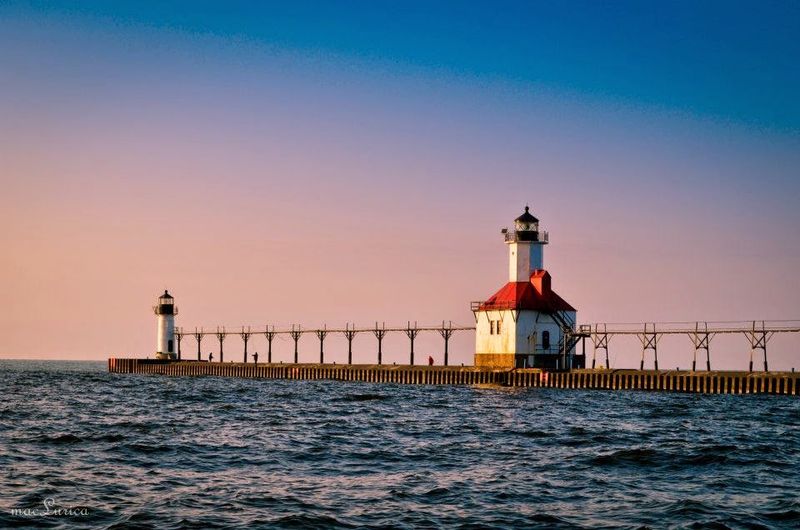
The lights of the Ferris wheel blink just beyond the steady, sweeping beams of the lighthouse as the waves sort pebbles by size. Silver Beach does a great job of balancing family energy with those pockets of deep quiet near the mouth of the river.
The sunset turns the long pier into a polite, slow-moving parade of locals and travelers all doing the exact same thing. History shows up in the restored Whirlpool Compass Fountain and the town’s roots as a major rail-era resort destination.
Careful preservation has given the twin lighthouses their crisp, white lines again, making them the perfect anchors for the horizon. Locals here have turned the slow pier walk and “soft-serve diplomacy” into a weekly ritual that keeps the peace.
I suggest arriving early to snag a parking spot, then wandering north toward Tiscornia if you’re looking for fewer voices. Keep a close eye on the water and watch for rip currents near the pier heads; the lake can be as dangerous as it is beautiful.
Try to stay through the “blue hour,” that magical time when the lake keeps talking long after the crowds have stopped. It’s the moment when the town feels the most like its old self, quiet and steady under the watch of the lighthouse.
1. Marquette, Marquette
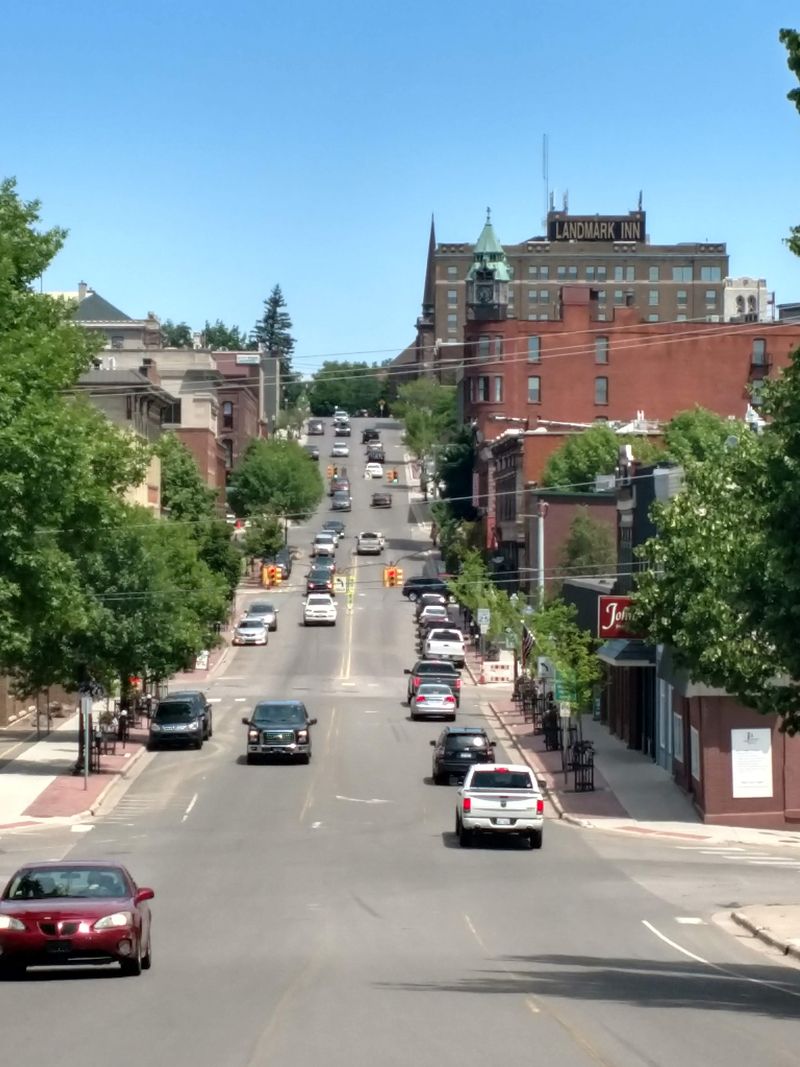
The massive ribs of the ore docks loom over the harbor like a cathedral for freighters while coffee steam blurs the cold mornings. Marquette wears its weather honestly, and the people here match it with a practical, rugged kind of cheer.
Trails tangle together surprisingly close to the center of town, so a bit of quiet is never more than a few minutes away. History here is built of steel, red sandstone, and university energy, all stitched together by the cold winds of Superior.
The Lower Harbor Ore Dock stands as a giant piece of industrial sculpture now, while Presque Isle tells a much older story of ancient cliffs. The local culture runs on skis, bikes, and a very strict sense of shared trail etiquette.
I love hitting the top of Sugarloaf Mountain at sunrise or heading to the Black Rocks when the waves are behaving themselves. In the winter, rent a fat-tire bike and keep your fingers warm; the riding here is some of the best in the country.
Always leave enough time for a second cup of coffee at the local shop, because the conversations tend to lengthen once you’ve settled in. It’s a city that feels like a small town, and a wilderness that feels like it’s right in your backyard.