
This Michigan Restaurant Is The One That’s Always Busy, Even Midweek
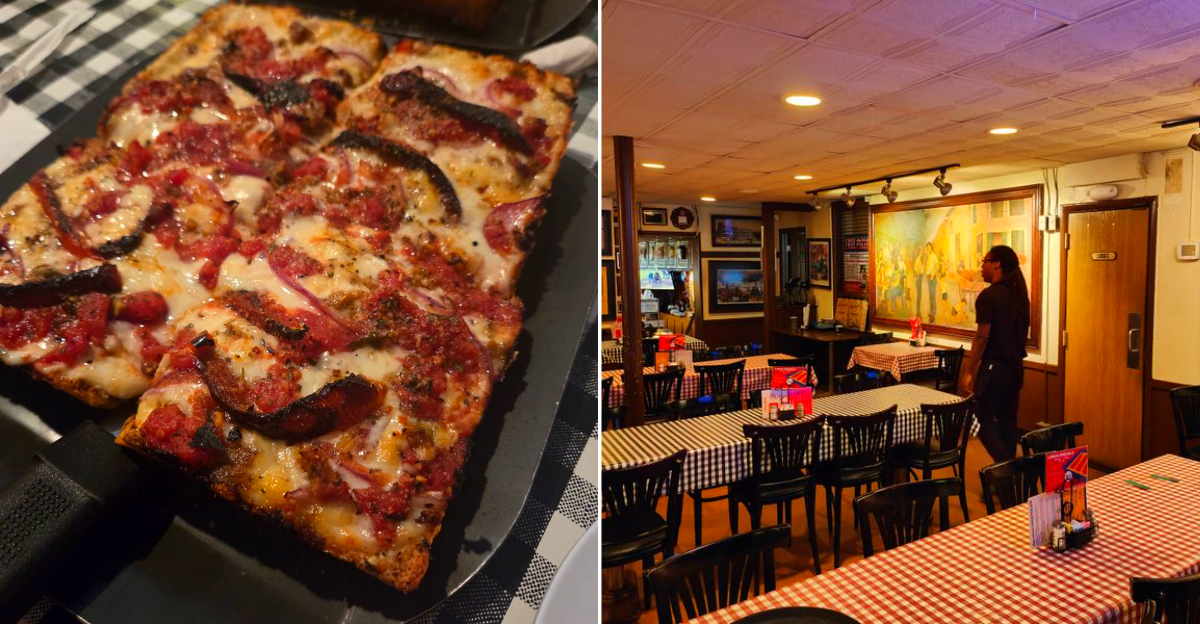
In the landscape of American pizza, few locations carry as much weight as the original Buddy’s Pizza at 17125 Conant St in Detroit. Even on a quiet Tuesday morning, the air around Six Mile and Conant hums with a specific kind of focused anticipation.
This isn’t just a place to grab a quick slice; it is the hallowed birthplace of a global culinary phenomenon that redefined what a pizza could be.
Long before “Detroit Style” became a trendy menu item in New York or London, it was a neighborhood secret born out of the grit and ingenuity of the Motor City. Legend has it that the very first square pies were forged in blue steel pans borrowed from local automotive plants; a perfect marriage of Detroit’s industrial soul and its rich immigrant heritage.
If you are on a quest for the best authentic Detroit-style pizza or planning a food tour of the most historic restaurants in Michigan, a pilgrimage to the original Buddy’s on Conant is the ultimate bucket-list destination for any true pizza lover.
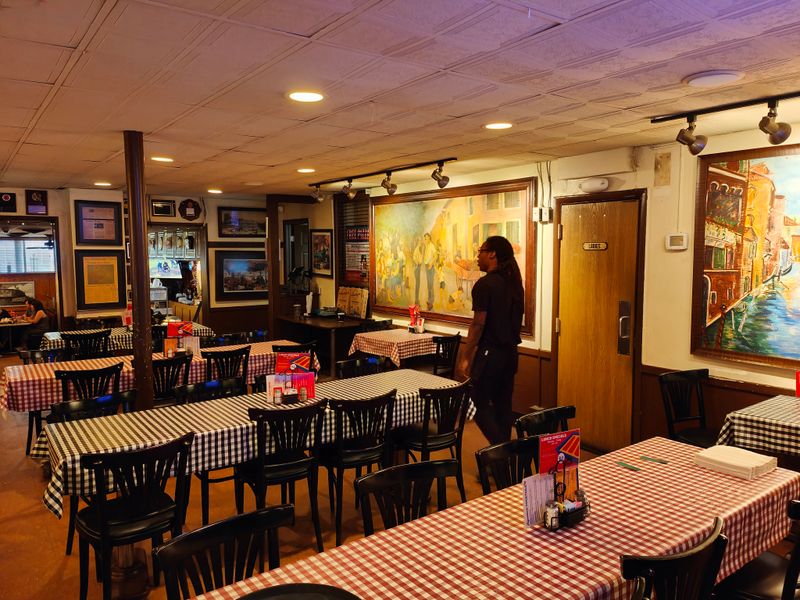
Walking into the Conant location feels like entering a neighborhood reunion that never truly ends. The energy is constant, fueled by a staff that has mastered the choreography of a perpetually busy dining room.
While Buddy’s has expanded to dozens of locations across the state, this original site remains the primary pilgrimage point for purists.
You come here for the square pies, but you stay for the atmosphere. You will notice the distinct sound of heavy steel pans hitting the wooden tables and the sight of the lacy, caramelized cheese edges that have been the restaurant’s signature since 1946.
To navigate a midweek rush here, you need to understand the rhythm of the room and the “rules of the pan.” I’ve gathered the essential details to ensure your visit to this pizza mecca is as smooth as a fresh batch of dough.
Arrive A Touch Before 11 AM
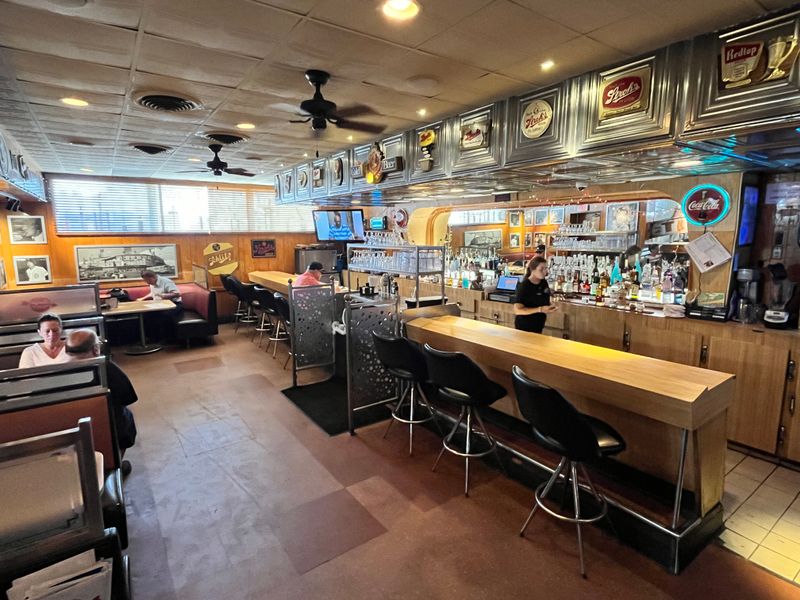
There is a brief, golden “sweet spot” at Buddy’s just before the doors officially swing open. If you arrive around 10:55 AM, you’ll find the line is calm and the staff is finishing their morning prep with military precision.
The steel pans are already warming, having been seasoned by decades of bakes, ready for the first orders of the day.
Sliding in early often means you can bypass the sudden influx of the noon lunch crowd. You can claim a comfortable corner booth and have your order in before the kitchen hits its peak volume.
When the lunch rush does arrive, you’ll be glad you have your seat and a clear view of the action.
The main event at Buddy’s is the square pizza, defined by a light, airy crumb that resembles focaccia more than a traditional thin-crust dough. The secret is the high hydration and a double-proofing process that allows the dough to stretch into the corners of the pan.
The hallmark of the style is the caramelized perimeter, often called the “frico,” where the Wisconsin brick cheese meets the high sides of the blue steel automotive pans.
It creates a shatter-crisp crown that is buttery and nutty. The frico is the moment where technique becomes texture, and texture becomes the memory you’re chasing on the next visit.
Start With The Antipasto Salad
According to the regulars, the Buddy’s experience isn’t complete without the antipasto salad. It arrives at the table with a sense of urgency, fresh, cold, and piled high with sharp romaine, briny pepperoncini, sliced salami, tomatoes, and generous cubes of the same Wisconsin brick cheese used on the pizzas.
The “famous house vinaigrette” is the engine that drives the salad, it’s a zippy, oregano-heavy dressing that has been made in-house for generations.
The salad serves a practical purpose. Its acidity and crunch provide a necessary counterbalance to the rich, buttery density of the pizza that follows.
Interestingly, local tradition suggests a specific way to eat it.
Many regulars won’t swap their plates when the pizza arrives. Instead, they slide their first square onto the same plate they used for the salad.
This allows the porous, airy crust of the pizza to soak up the leftover vinaigrette, adding a tangy dimension to the last few bites of the slice.
If you prefer a creamy finish, the house-made ranch is equally legendary. It is often requested by the bowlful, and it changes the whole rhythm of the meal in a different, richer direction.
Order The Detroiter, Let The Corners Fight Themselves
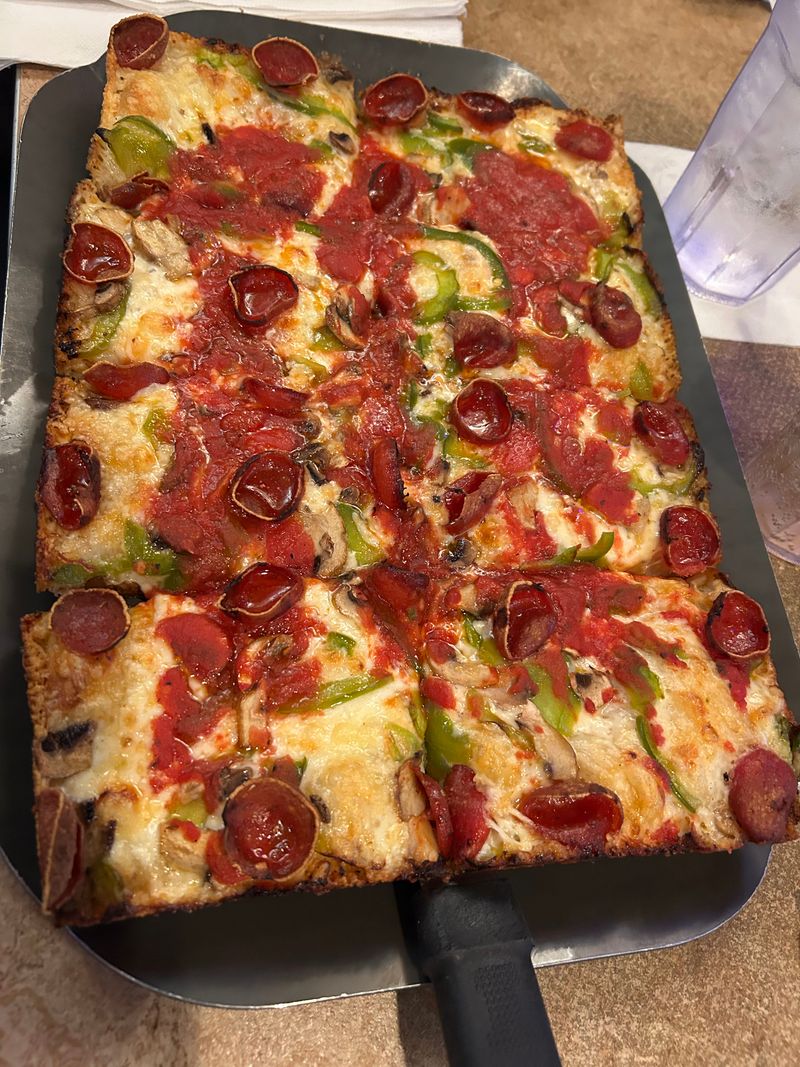
If you want the definitive Buddy’s experience, order The Detroiter. This specific pie is built for the purist, featuring a strategic layering system designed to maximize flavor.
It places the pepperoni under the cheese, which allows the oils from the meat to season the dough as it bakes.
A second layer of “Old World” pepperoni is placed on top. It curls into small, crispy cups under the heat of the oven.
The pizza is finished with ribbons of tomato basil sauce and a dusting of shaved Parmesan and Sicilian spices.
In a square pizza, the corners are the most valuable real estate. In a group setting, negotiations for those four corner pieces can get heated.
Those edges carry the most intense caramelization, offering a crunch that sounds like breaking glass.
The “Detroiter” isn’t just a menu item, it’s a tribute to the 1946 blueprint. For a newcomer, it serves as the essential reference point for what a true Detroit-style pizza should be.
Salty, spicy, and texturally complex, it makes the rules of the style feel obvious after the first bite.
Respect Bake Time, Savor The Wait
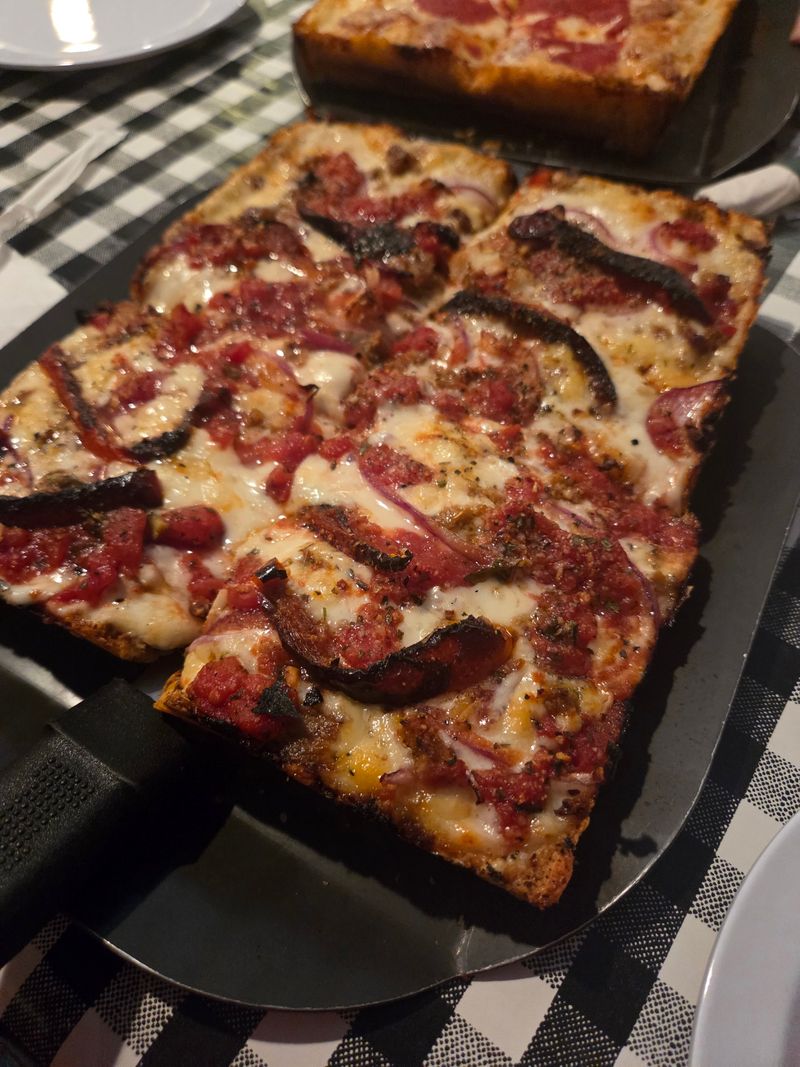
One thing the staff at Conant will tell you is that a proper Detroit-style pizza cannot be rushed. Because the dough is thick and the cheese needs to climb the sides of the pan to caramelize, the bake time is longer than your average New York slice.
Midweek, when the ovens are full, the wait can stretch, but it is a fundamental part of the ritual.
The staff provides honest estimates. It is a sign of a “regular” to accept that wait with a sense of anticipation rather than impatience.
Use those minutes to absorb the history on the walls.
The restaurant is decorated with old photos, bocce ball plaques, and memorabilia that ground the flavor in its specific Detroit geography. If you need something to hold you over, a Vernors float, featuring Michigan’s own ginger soda, is a nostalgic way to pass the time.
Patience is rewarded with a pie that is consistent every single time.
You get a tender interior that has been protected by the “sauce-on-top” method. You also get edges that have reached their peak golden brown.
Try The Gluten Free Option Carefully Prepared
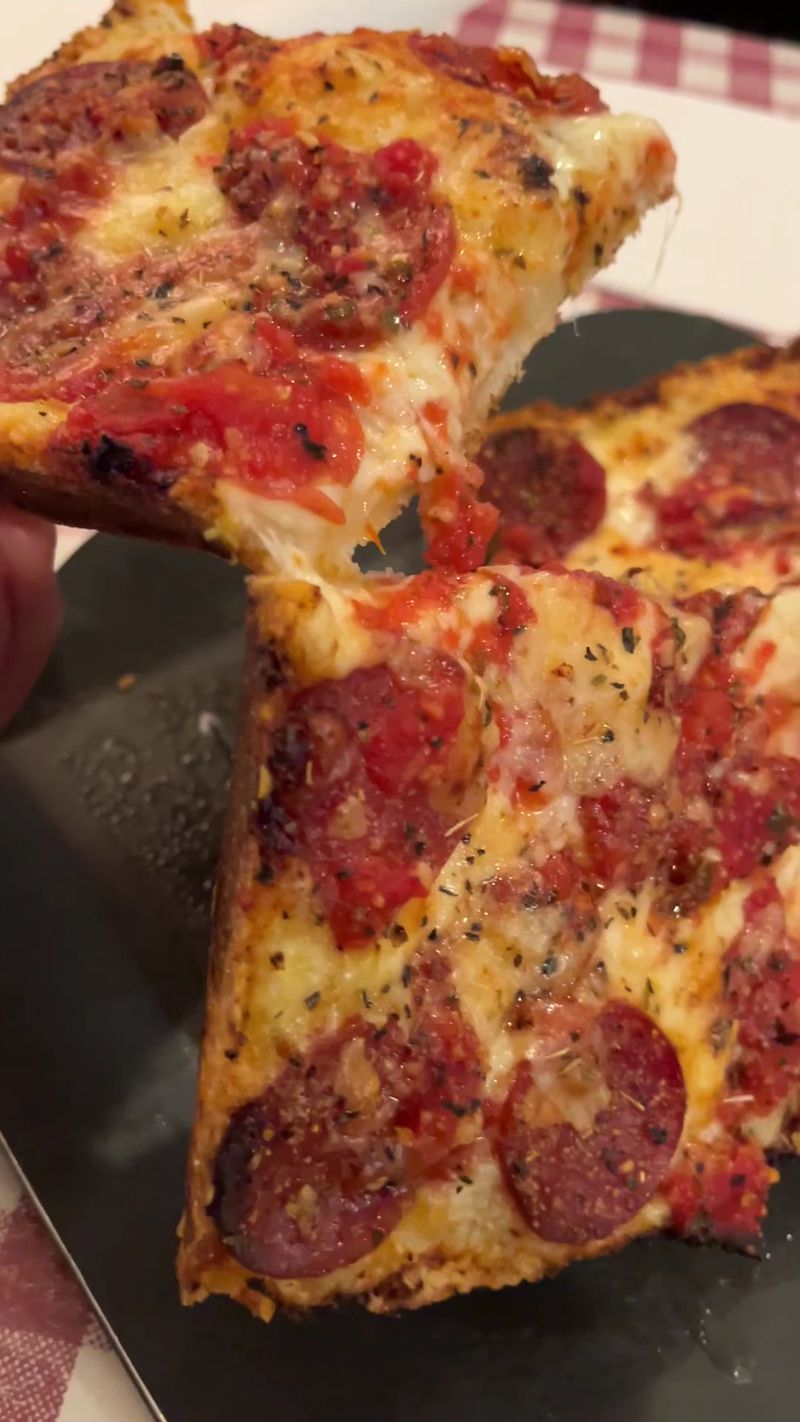
In an era where dietary restrictions are common, Buddy’s has gained a reputation for having one of the best gluten-free pizzas in the state. At the Conant location, the kitchen takes cross-contamination with a level of seriousness that earns the trust of Celiac diners.
The gluten-free pies are baked in their own foil-lined pans, ensuring they never touch the seasoned surfaces of the standard steel.
The result is a crust that manages to avoid the “cardboard” texture common in gluten-free alternatives. It remains chewy and holds a proper cheese pull, mimicking the airy lift of the original dough surprisingly well.
The staff is trained to handle these orders with clean utensils and fresh toppings.
It’s heartening to see a historic institution evolve to include everyone at the table without sacrificing the quality that made them famous. If you are ordering gluten-free, it’s best to call ahead or alert your server early.
The specialized prep can sometimes add a few extra minutes to the clock.
Understand The Sauce On Top
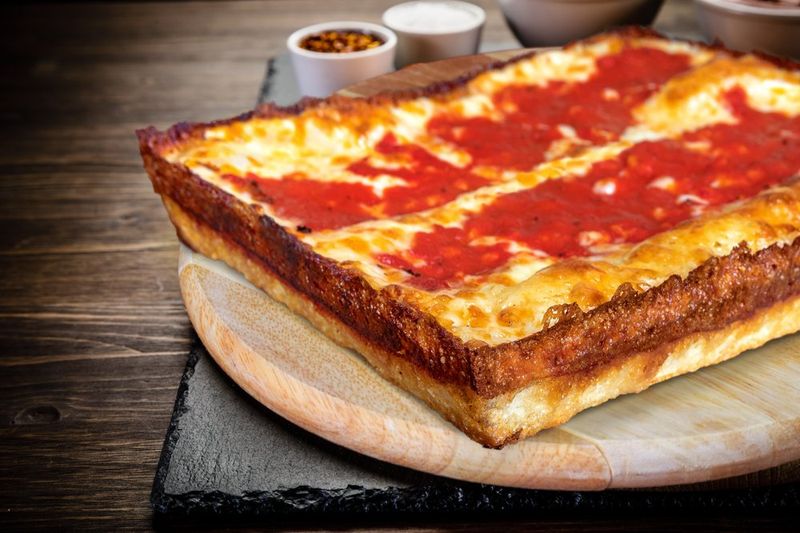
Newcomers are often surprised to see two or three bright red “racing stripes” of sauce ladled across the top of the cheese rather than spread underneath. This isn’t a garnish or a stylistic whim, it is a functional choice.
By putting the sauce on top, the kitchen allows the dry heat of the oven to hit the cheese and dough directly. This builds the structural integrity of the crust. It also prevents the “soggy middle” that often plagues deep-dish pizzas.
The sauce itself is a thick, jammy, and slightly sweet tomato-basil blend.
Because it sits on top, the sugars in the tomato slightly caramelize in the oven. This gives it a deeper, more concentrated flavor.
You taste the peppery tingle and the oregano first, followed by the richness of the brick cheese.
Once you take a bite, the logic becomes undeniable. The crust stays crunchy and the sauce stays vibrant.
If you are a “sauce person,” you can always ask for an extra side cup to dip your crusts into, ensuring no part of the experience is left dry.
Mind The Square Sizes And Share Smart
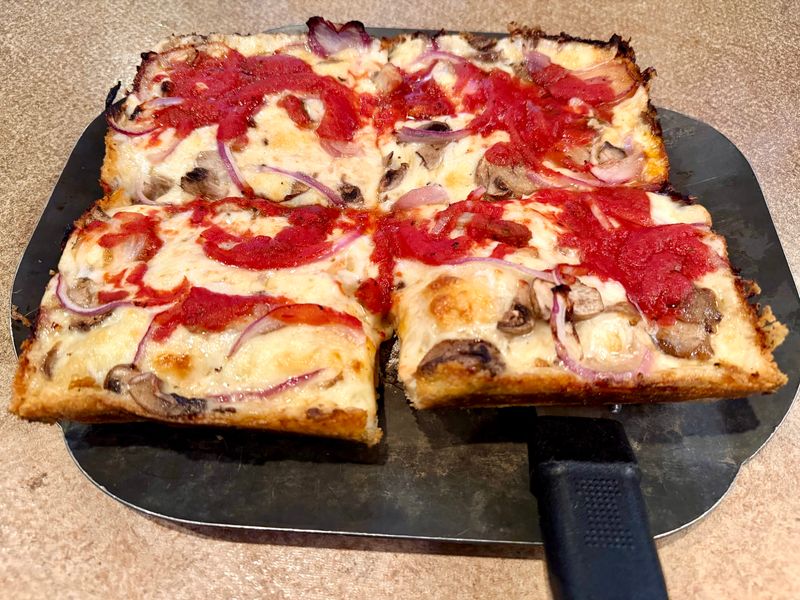
At Buddy’s, the menu is divided into “Four-Square” and “Eight-Square” sizes. Navigating these options is the key to a successful group lunch.
An Eight-Square is a substantial amount of food, usually perfect for a hungry pair who wants a few slices to take home for dinner.
A Four-Square, when paired with a large antipasto salad, is the “Goldilocks” order for a tidy midweek lunch. Because the pizza is baked in rectangular pans, everyone at the table suddenly becomes a student of geometry.
The corner pieces are the prize, but the “middle” pieces offer a softer, more pillowy experience for those who prefer the dough over the crunch.
The square format is a direct legacy of the repurposed industrial pans used in mid-century Detroit. They were utility trays that were originally meant to hold nuts and bolts on the assembly line. Ordering a pizza stand is a pro move.
It frees up space on the table for your salad plates and drinks. It also makes the sharing process much more manageable, especially when everyone is quietly tracking the corners.
Watch How Wisconsin Brick Cheese Behaves
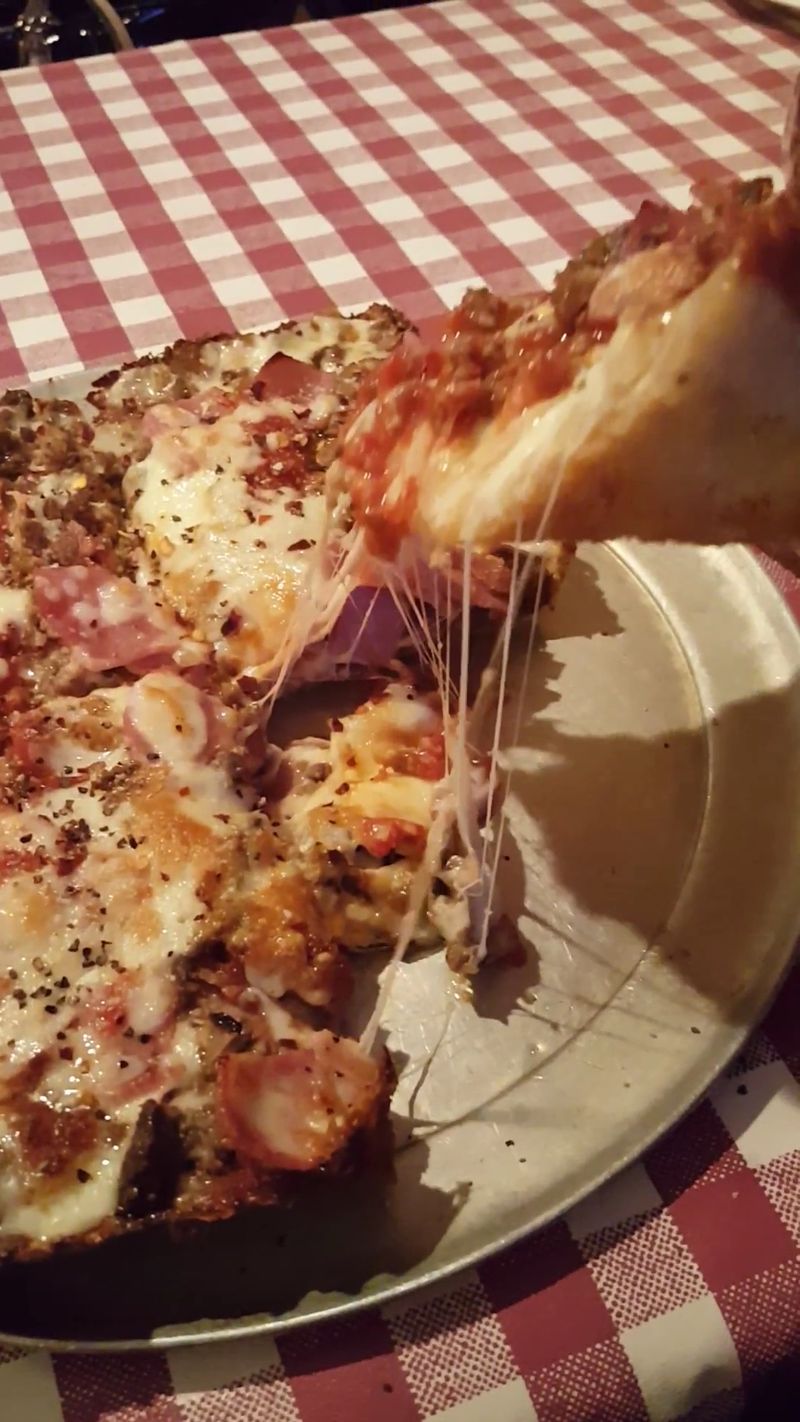
The soul of the Detroit-style pizza lies in the Wisconsin brick cheese. Unlike mozzarella, which can become rubbery if overcooked, brick cheese has a high fat content that allows it to melt into a buttery pool.
As the pizza bakes, the cheese migrates toward the edges of the pan. There, it fries in its own fat against the blue steel. This is what creates that dark, lacy crown that clings to the perimeter of the crust.
At the Conant location, you can often catch a glimpse of the cut station where the pizzas are pried from their pans.
The sound of a clean “snap” as the caramelized cheese releases from the steel is music to a Detroiter’s ears. The flavor of the brick cheese is nutty and rounded, providing the perfect stage for the more aggressive flavors of pepperoni and sauce.
If you want the most intense version of this, you can ask for your pie to be “well done.” That pushes the caramelization even further. It turns the edges into a savory brittle.
Note The Neighborhood Vibe And History On The walls
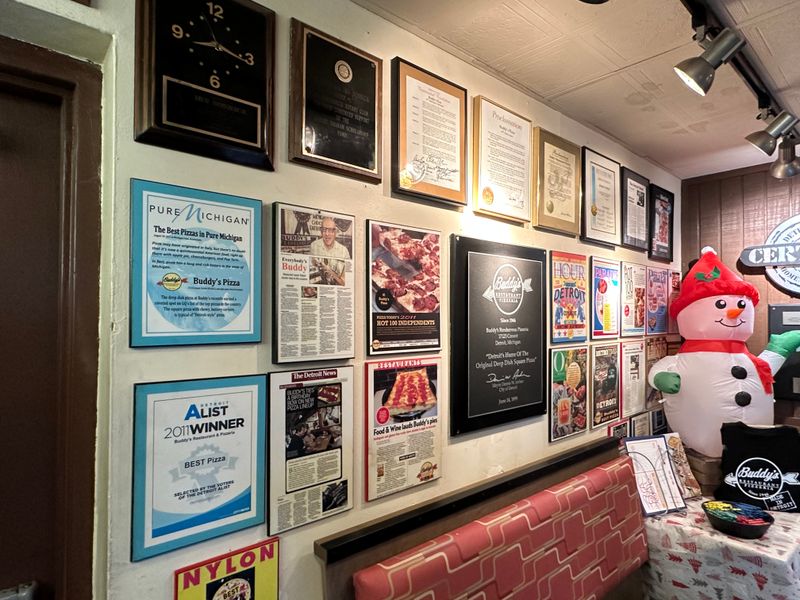
The Conant Buddy’s is not a theme park, it is a living piece of history. The wood accents are modest, the lighting is warm, and the atmosphere is unpretentious.
You’ll see city workers, families, and tourists all sitting side-by-side, united by the shared language of the square pie. Conversations tend to carry in the room, but it’s a friendly noise. It is the sound of a community that has been coming to the same corner for nearly 80 years.
The walls are a gallery of Detroit pride, featuring photos of local sports teams and the various iterations of the restaurant since it was a prohibition-era speakeasy known as “Buddy’s Rendezvous.”
This sense of place is what separates the original from the many imitators. When you eat here, you are participating in a tradition that survived the rise and fall of the auto industry and the transformation of the city itself.
Seeing the “1946” date on the menu isn’t just a marketing tactic. It’s a reminder of the restaurant’s role as a constant in a changing landscape.
Call The Shot: Super 6 Or A Custom Half And Half
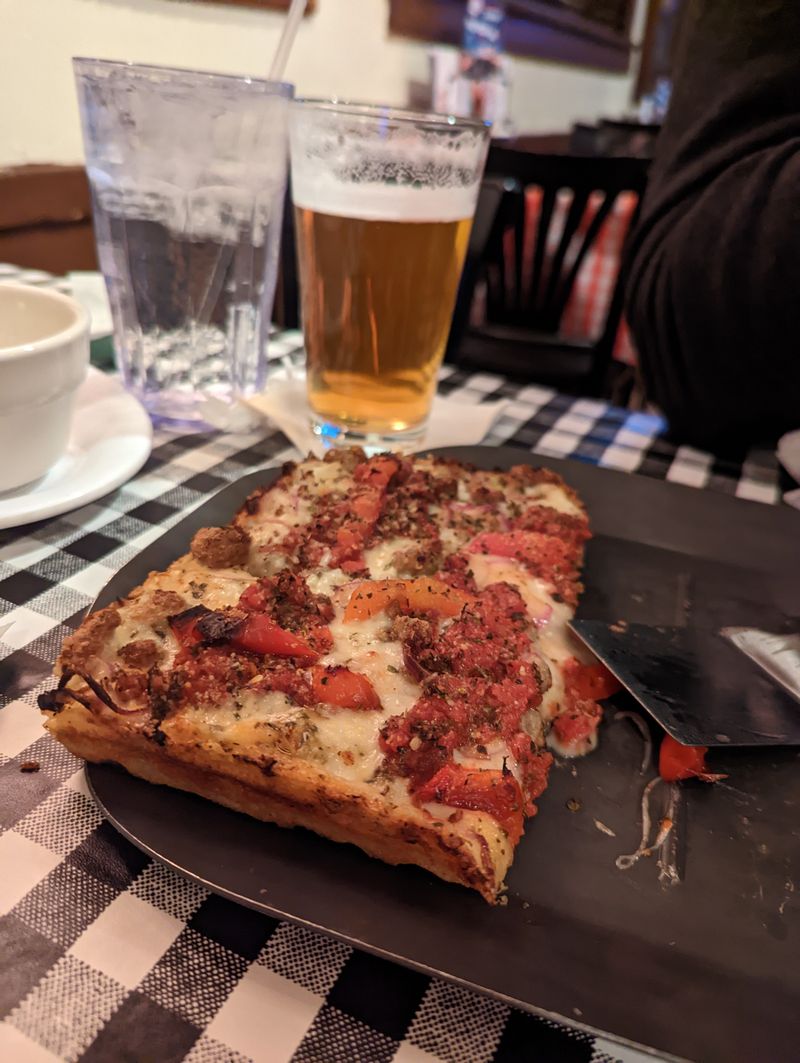
When the menu is this iconic, indecision is common. The “Super 6” is the kitchen’s heavy hitter, loaded with cheese, pepperoni, onions, green peppers, mushrooms, and ham. It is a maximalist’s dream, providing a different flavor profile in every bite.
However, the most veteran move is the custom half-and-half Eight-Square. This allows one half to be a meat-heavy “Detroiter” while the other half stays light and vegetarian, perhaps with spinach and garlic. This flexibility ensures that everyone at the table gets their “corner fix” without compromise.
The kitchen is remarkably adept at pacing these orders. They make sure that even a complex custom build hits the table while the crust is at its peak crunch. If you are taking your pizza to go, remember to vent the box slightly once you get to the car.
Trapped steam is the enemy of the frico crust. A quick vent will ensure that the prized edges remain shatter-crisp until you reach your destination.