
10 Michigan Lakeside Towns That Are Quietest And Best In Winter
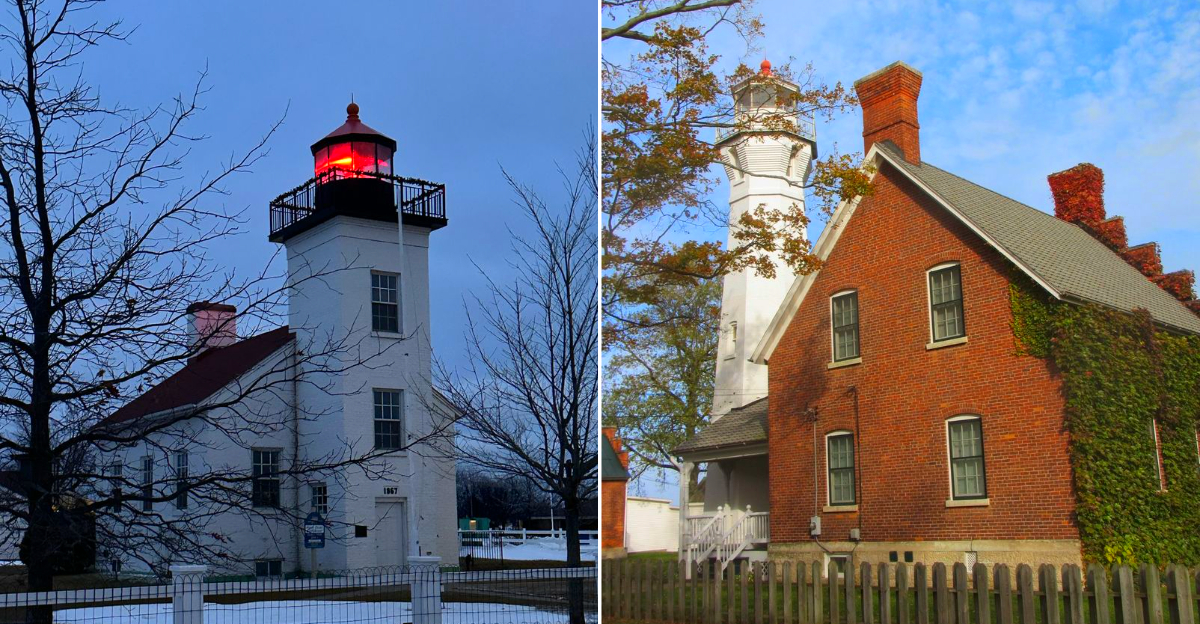
There is a specific, hauntingly beautiful frequency that Michigan hits once the thermometer dips below freezing. It’s as if someone finally found the volume knob for the Great Lakes and turned it down just enough to let the details sharpen.
In the summer, these towns are a symphony of slamming car doors, splashing children, and the hum of outboard motors. But in winter? The soundtrack shifts to the rhythmic crunch of snow under a heavy boot, the distant hiss of a woodstove, and the strange, metallic “breathing” of lake ice as the wind shifts.
In 2026, as we all look for ways to disconnect from the frantic pace of digital life, these lakeside sanctuaries offer a different kind of luxury: silence. These towns aren’t just “surviving” the winter; they are leaning into it. They represent a version of Michigan that feels honest, sturdy, and deeply peaceful.
These frost-dusted lakeside sanctuaries offer a rare chance to experience the Great Lakes at their most quiet and contemplative.
If you’re ready to trade the beach towel for a wool blanket and the crowds for a quiet conversation by a frosted window, this is your map to the best winter rhythms the Mitten has to offer.
I’ve selected these destinations for their ability to turn a cold weekend into a restorative retreat, highlighting the best local bookstores, heated cider mills, and hidden trails where the only footprints you’ll see are your own.
1. Harbor Springs
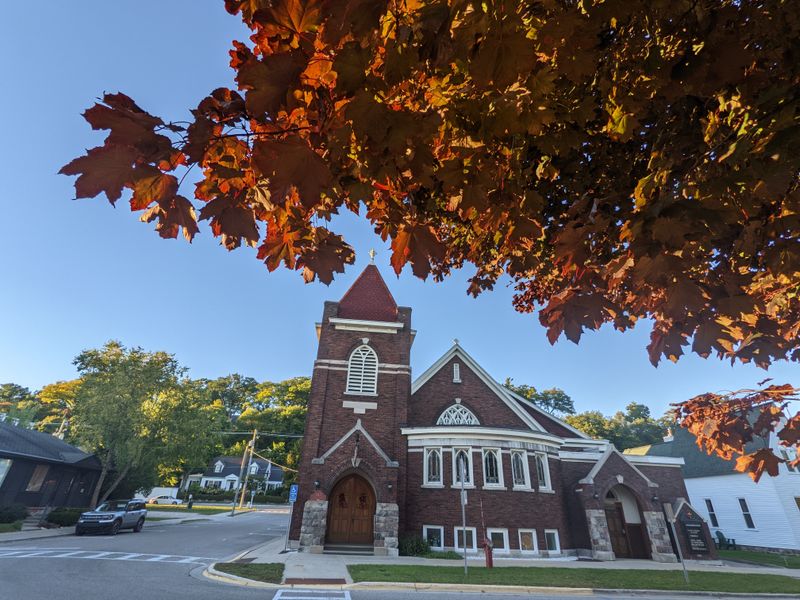
When the morning light hits Harbor Springs, the water of Little Traverse Bay looks less like a vacation destination and more like a minimalist sketch. The docks, stripped of their summer yachts, stand as spare, skeletal lines against a slate-blue horizon. Walking down Main Street in January feels like stepping into a well-loved storybook.
The storefronts glow with a warm, amber light that cuts through the blue hour, and the atmosphere is one of layered wool, salted sidewalks, and a collective, patient exhale.
This town is steeped in a quiet, railroad-era history that reveals itself best when the foliage is gone. You can see it in the architectural bones of the turn-of-the-century cottages and the historic Shay House, which whispers stories of a time when the rails were the heartbeat of the North. While the ski culture at nearby Nub’s Nob and Boyne Highlands provides a gentle pulse of energy, the town center remains a sanctuary of calm.
A Personal Strategy for the Day: Park your car near the waterfront and simply walk. There is no rush here. Stop into Tom’s Mom’s Cookies for something warm and sugary, then make the loop up toward the bluff.
From that vantage point, you can watch the “ice shoves”, massive, jagged plates of lake ice that pile up like glass sculptures. If you stand perfectly still at the marina, you’ll hear the ice creak and groan. It’s a primal, deep sound that you might mistake for a distant whale if you didn’t know better. It’s the sound of the lake dreaming.
2. Petoskey
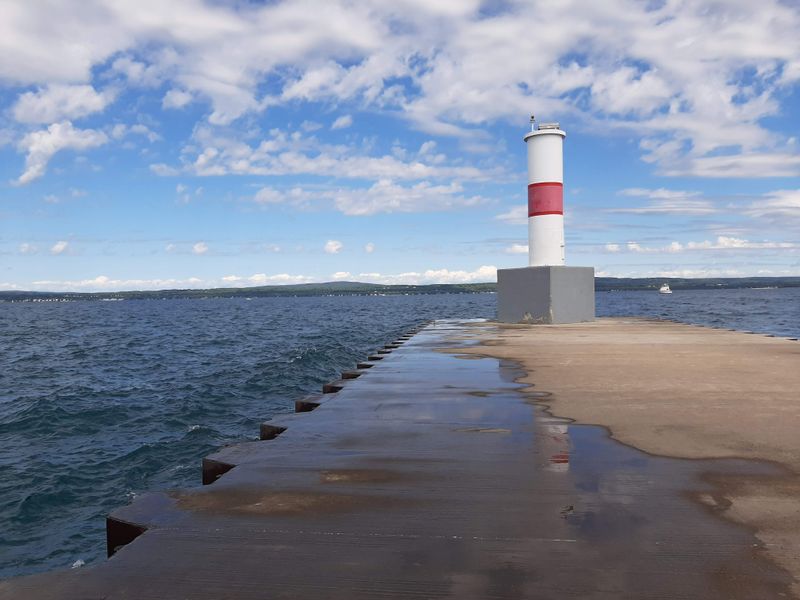
Snow has a way of collecting in the crevices of the Petoskey stone displays outside the visitor center, a silent reminder that the hunt for Michigan’s state stone is currently on a seasonal hiatus. But Petoskey doesn’t lose its charm when the stones are buried. The Gaslight District, with its namesake lamps reflecting off the frost, looks like a tiny constellation fallen to earth.
There is a literary weight to this town that feels especially present in the winter, a sense that every corner holds a secret worth writing down.
Ernest Hemingway spent his formative summers in this region, and in the winter, the “Hemingway haunts” feel more accessible, stripped of the summer tourist kitsch. You can find his presence in the Victorian architecture and the plaques scattered throughout the town.
A Personal Strategy for the Day: Slip into McLean & Eakin, one of the best independent bookstores in the Midwest, and find a corner. Pick out a book that matches the mood of the grey-blue lake, perhaps some Jim Harrison or Hemingway himself. Afterward, head to Petoskey State Park.
The trails are usually hushed by a thick canopy of snow-laden pines. If you venture toward the breakwall for sunset, bring traction cleats; the spray from the lake turns the concrete into a beautiful but treacherous skating rink. Warm up afterward with a traditional Upper Peninsula-style pasty at a local diner, watching your own breath fog the window as the occasional car whispers past on the street.
3. Frankfort
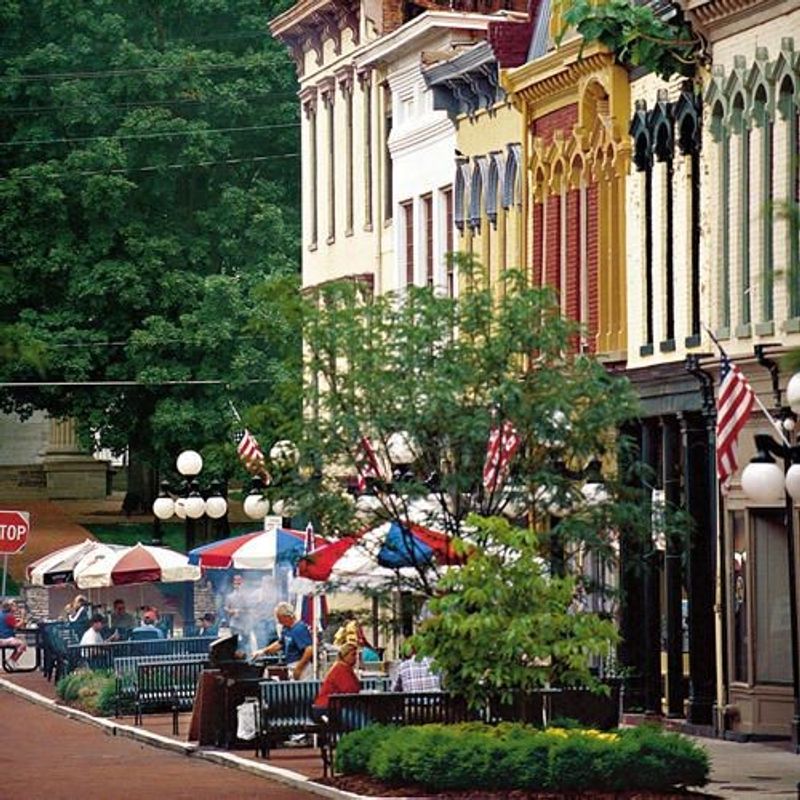
In Frankfort, the Lake Michigan waves strike the pier with the steady, relentless beat of a metronome. In the deep winter, the lighthouse at the end of the pier becomes encased in rime, a thick, white “beard” of frozen spray that makes it look like a guardian from a fantasy novel. The air here is a heady mix of pine needles and the scent of baking sugar drifting from the ovens on Main Street.
It feels like a town that was meant to be a postcard, but someone forgot to mail it because they decided to stay forever.
The town’s identity is forged in shipping and rails, a history that the Point Betsie Lighthouse wears with a quiet, rugged pride. There is a modest museum in town that fills in the historical gaps with local voices and carefully curated artifacts, giving you the sense that this community is built on a foundation of sturdy, practical love for the shore.
A Personal Strategy for the Day: Before you even think about walking the breakwater, check the wind speeds. The Lake Michigan wind here can be a physical force. If it’s safe, the walk out to the light is a masterclass in perspective.
Avoid the “ice gloss”, the clear, slick patches that hide near the edges. Once you’ve had your fill of the elements, retreat to a window seat at a local cafe. Order a bowl of soup and just watch the lake.
The water here is so expansive that it seems to absorb all the noise of the world, leaving you with nothing but your own thoughts and the steam from your bowl.
4. Elk Rapids
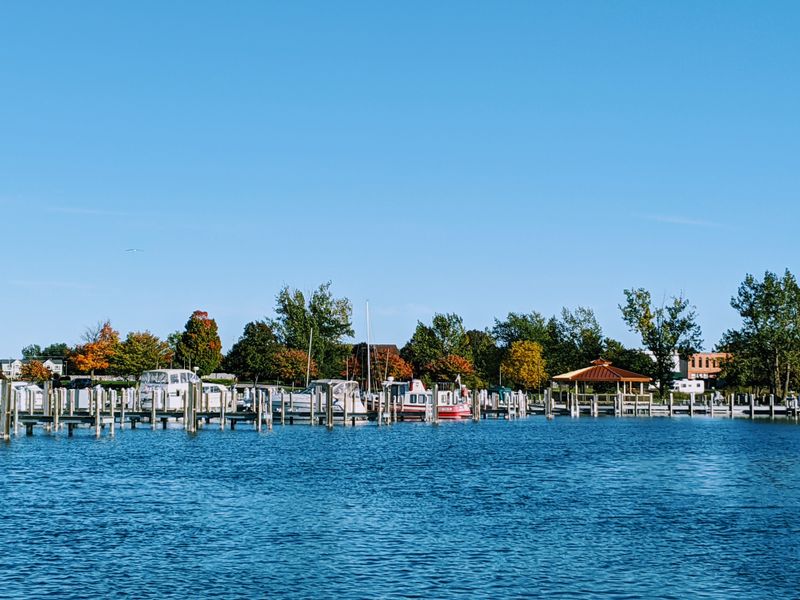
The gulls in Elk Rapids seem to find their true voice in the winter. Their cries bounce off the narrow harbor that separates the teal waters of Elk Lake from the slate-grey expanse of Grand Traverse Bay. The water here is a chameleon, shifting colors depending on how the clouds stack up over the Leelanau Peninsula.
It’s a town of movement, the dam, the river, and the bay all converge here, creating a landscape that feels vibrantly alive even in the sub-zero temperatures.
Elk Rapids is a town of sawmill roots and a tidy, geometric grid of storefronts. The Island House stands as a beacon of local preservation, and the tiny library feels like the intellectual heart of the village. Snow settles on the driftwood along the shore like soft punctuation marks in an unfinished sentence.
A Personal Strategy for the Day: Park near the dam and follow the snowy path toward the sandy point. This is a “locals only” kind of walk where the shelf ice forms dramatic, jagged ridges. Stay on the packed snow and keep a respectful distance from the water’s edge.
When the cold finally gets under your skin, head to one of the downtown cafes. This is where the winter regulars gather to swap ice reports and debate what tomorrow’s sky will bring. It’s the best place to overhear the real news of the North.
5. Escanaba
Across the Mackinac Bridge in the Upper Peninsula, Escanaba offers a working-class winter that feels entirely unpretentious. The Lake Michigan horizon here feels broader, edged by the massive ore docks that stand like iron cathedrals against the sky. The bite in the air is real, and it’s usually met with coffee steam rising from mugs in Ludington Park.
There is a fascinating combination of industry and softness here, like a heavy wool cap pulled low over a pair of callused hands.
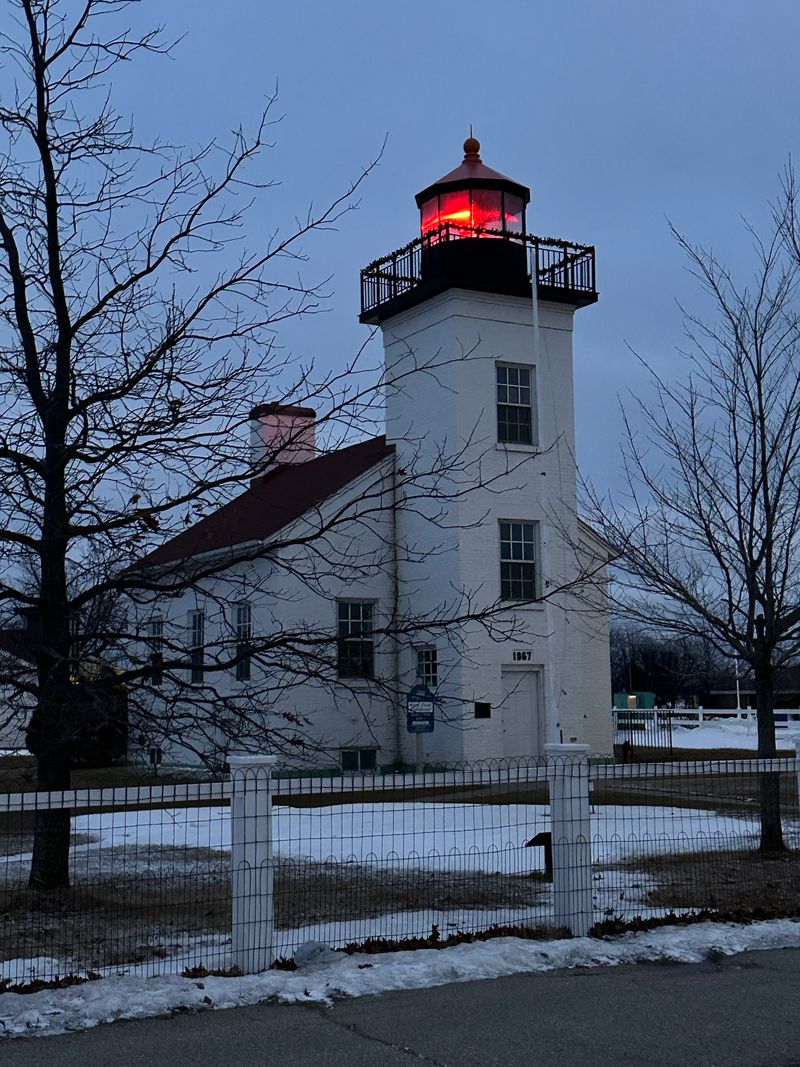
Escanaba’s shipping past still dictates its silhouette, and the Sand Point Lighthouse tells that story with precision. The diners here run on “practical cheer” and real butter, and the conversations you’ll overhear are a delightful mix of weather updates and fishing tallies.
A Personal Strategy for the Day: Take a long walk along the lakeshore path in Ludington Park, then seek refuge in the William Bonifas Fine Arts Center. It’s a warm, inviting space that showcases local UP artists and provides a cultural anchor for the community.
If you’re driving in from out of town, watch for lake-effect flurries; the rural highways can drift over in a matter of minutes. As the sun begins to set, the ore docks turn into giant, dark sculptures. It’s a moment where time seems to hold its breath.
6. Rogers City
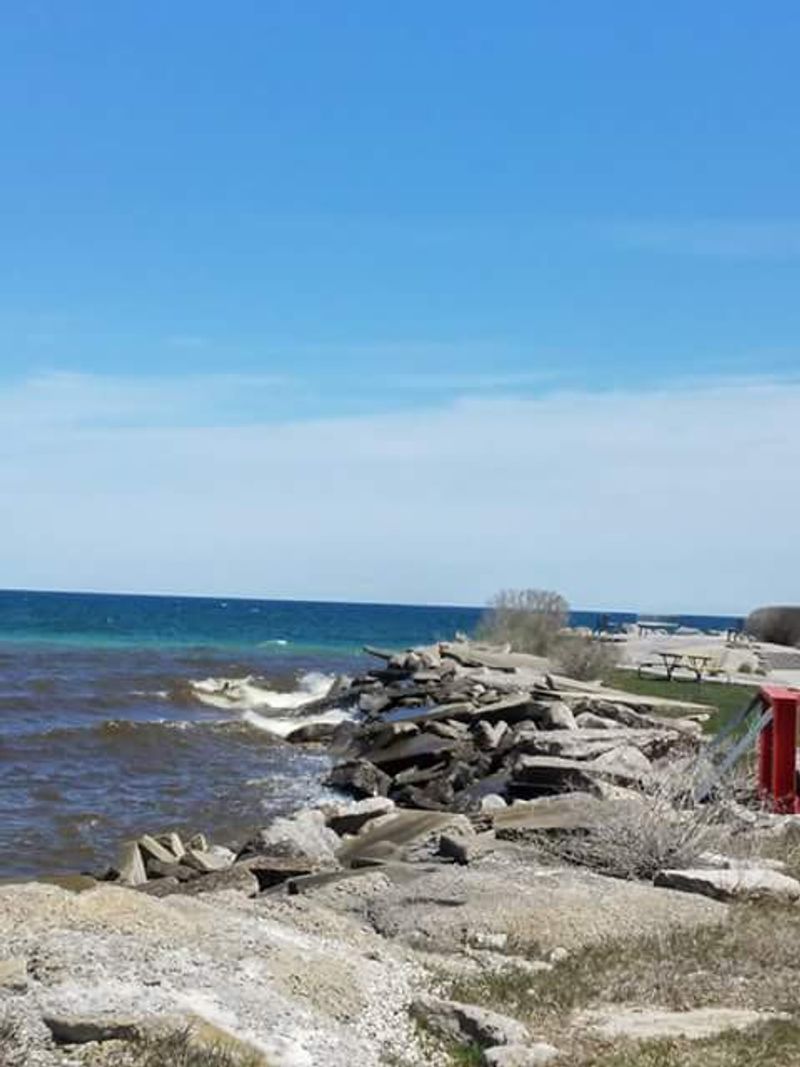
Rogers City is a town of stone and water. The wind here often carries a faint, chalky tang from the nearby limestone quarry, a mineral note that feels sharp and clean in the winter air. The waterfront path remains open throughout the season, and the breakwall creates a perfectly straight line into the infinity of Lake Huron.
Everything here feels tidy, deliberate, and sparse in the most beautiful way possible.
The town’s identity is inextricably tied to the fleet and the stone, and the Great Lakes Lore Maritime Museum preserves that history with a quiet, reverent care. In the winter, the lighthouses to the north, the Presque Isle lights, stand as lonely, magnificent anchors to the coastline.
A Personal Strategy for the Day: Bundle up in your heaviest layers and take the short drive to the quarry overlook. In the winter, the geometric scale of the world’s largest limestone quarry is even more breathtaking when dusted with white. Afterward, head back into town for a warming supper.
If the timing is right, you might hear a ship’s horn echoing across the bay, a measured, rhythmic alphabet that has been part of this town’s soul for over a century.
7. Cheboygan
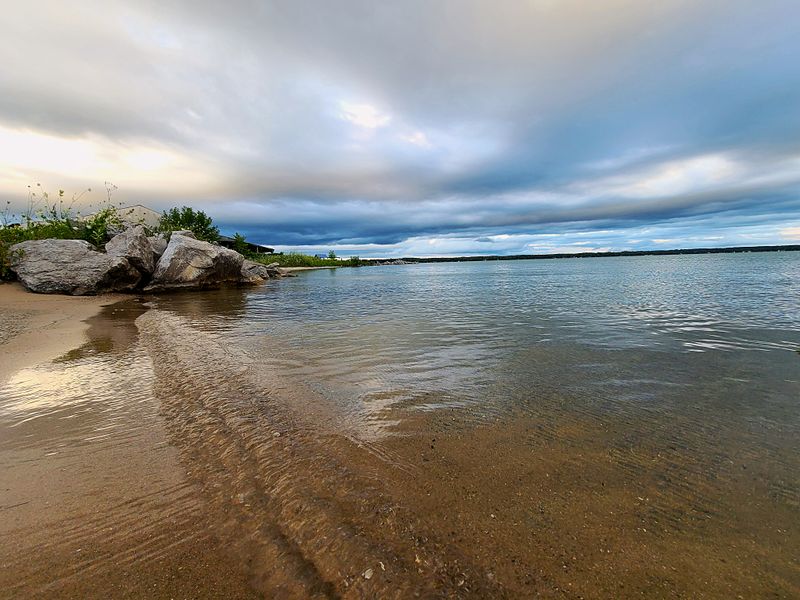
In Cheboygan, the snow has a way of muffling the world so completely that you can hear the faint creak of the swings in Washington Park from a block away. The Cheboygan River moves slow and dark, cutting a sure path through the white landscape.
As you walk the streets, you’ll catch the scent of woodsmoke mixed with the diesel of a passing plow and the sweet, yeasty aroma of a bakery door swinging open. It’s a scene of simple, unfussy kindness.
The town’s shipbuilding history and the iconic “Crib Light” at the mouth of the river mark the shoreline’s story. The local opera house glows at night like a friendly lantern, offering a bit of cultural warmth to the long winter evenings.
A Personal Strategy for the Day: The North Central State Trail offers a perfect out-and-back walk on packed snow. It’s a great way to see the inland landscape before returning to the river mouth to watch the shifting ice. Always heed the posted warnings near the water, the river current here is deceptive.
Once you’ve had your fill of the trail, find a seat in a local cafe, shake the snow off your hat, and let the local conversation knit itself back together around you. It’s the quickest way to feel like you belong.
8. Caseville
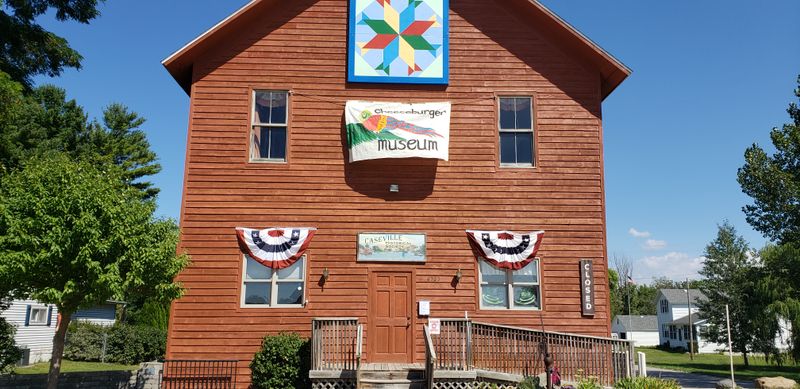
At the “tip of the thumb,” Caseville looks out over Saginaw Bay with a hardy, sleeves-rolled-up kind of energy. In the winter, the pastel cottages and tidy streets look like a carefully arranged photograph. The summer crowds that flock here for cheeseburgers are long gone, leaving behind the town’s steadier, more traditional heart.
A lone gull might be your only company at the icy edge of the bay as the water exhales frost into the air.
Caseville’s winter culture is built around the ice. The fishing huts appear on the bay like a temporary city, and the local stories told over bowls of chowder lean toward the practical and the humorous.
A Personal Strategy for the Day: Before you even think about stepping onto the ice, check the conditions through official local channels; Saginaw Bay ice can be temperamental. If you prefer to stay on terra firma, the shoreline drive offers incredible photo opportunities without the summer congestion.
I always find myself ending the day at a local bakery. There’s something about the “chirp” of a bakery doorbell and the smell of fresh coffee that feels like the ultimate victory over a Michigan winter.
9. New Buffalo
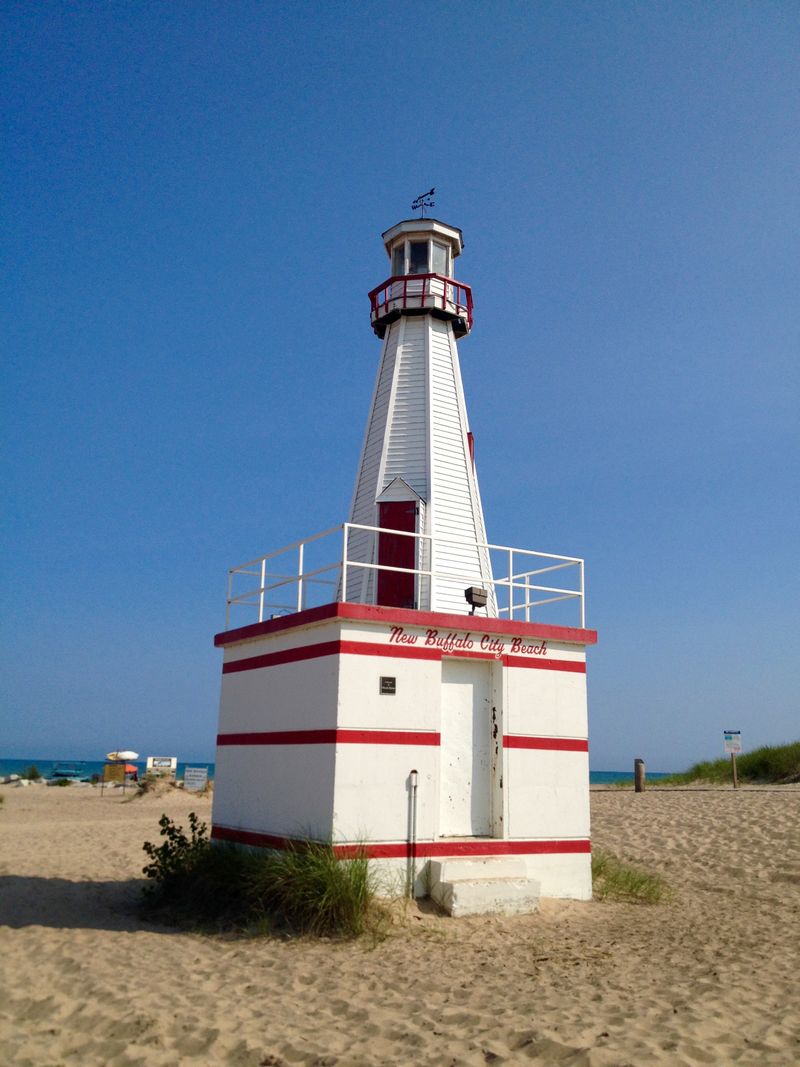
New Buffalo is where the Great Lakes meet the rail lines, and in the winter, the train horns stretch out across the flat, winter light with a haunting, lonely beauty. The harbor sits perfectly still, the expensive summer boats shrink-wrapped in white like sleeping whales.
The “weekender” energy of the town drops to a low murmur, making the architecture, a blend of modern lake homes and mid-century classics, stand out more clearly.
The town grew with the railroad and resort dreams, and the beautifully preserved station remains a focal point. In the winter, the restaurants scale down their menus to focus on intimate, hearty fare, and the locals reclaim the barstools for long, easy afternoons.
A Personal Strategy for the Day: Walk out toward the lake, but keep a respectful distance from the ice shelves; they often hide sudden, dangerous edges where the sand ends and the deep water begins. If you’re staying overnight, book a room with a fireplace and spend the hours between snow squalls exploring the “Makers Trail” of local wineries and distilleries.
When the sky finally clears, the horizon looks like it was painted with a ruler, and the only sound you’ll hear is the rhythm of your own boots on the sand.
10. Port Sanilac
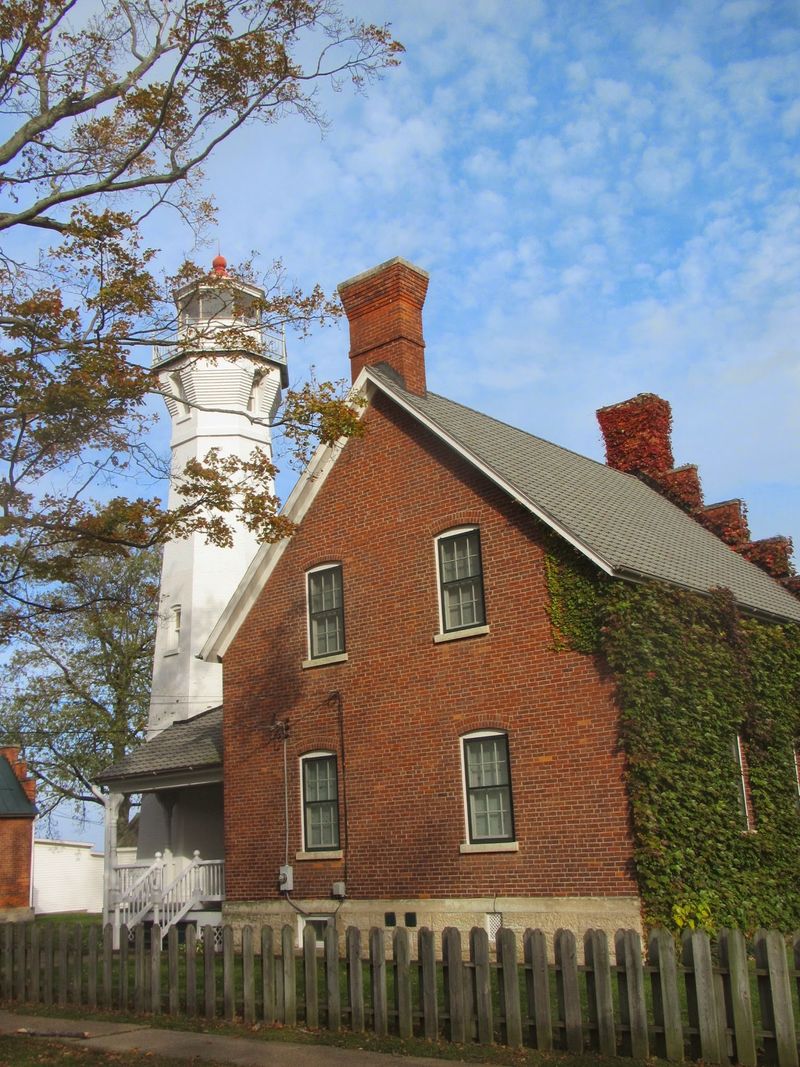
If you sit quietly enough on the docks at Port Sanilac, you might hear the “ice bells”, the delicate, chiming sound of small waves rolling under the frozen edges of the piers. It’s a sound that rewards those who aren’t in a hurry.
The village itself maintains a calm, dignified profile, with clapboard houses and tidy porches set back from the road. This is the kind of quiet that notices every small footprint in the snow.
The maritime history here is centered on a beautifully kept lighthouse and a museum complex that tells the story of the Great Lakes without any unnecessary exaggeration. In the winter, the wooden boats that grace the harbor in the summer become the subjects of framed photographs in shop windows.
A Personal Strategy for the Day: Check the seasonal hours for the museum before you go, but even if the doors are locked, the harbor walk is worth the trip. Keep a sharp eye out for “black ice” on the east-facing slips where the sun rarely hits.
Finish your day with a bowl of soup at a family-run spot. If you’re lucky, a local will strike up a conversation and point you toward “tomorrow’s clear patch”, that elusive bit of blue sky that always seems to find its way between the lake-effect snow streaks.