
The Largest Railway Museum In The U.S. Is In Illinois And It’s Ideal For A Fun Day Trip
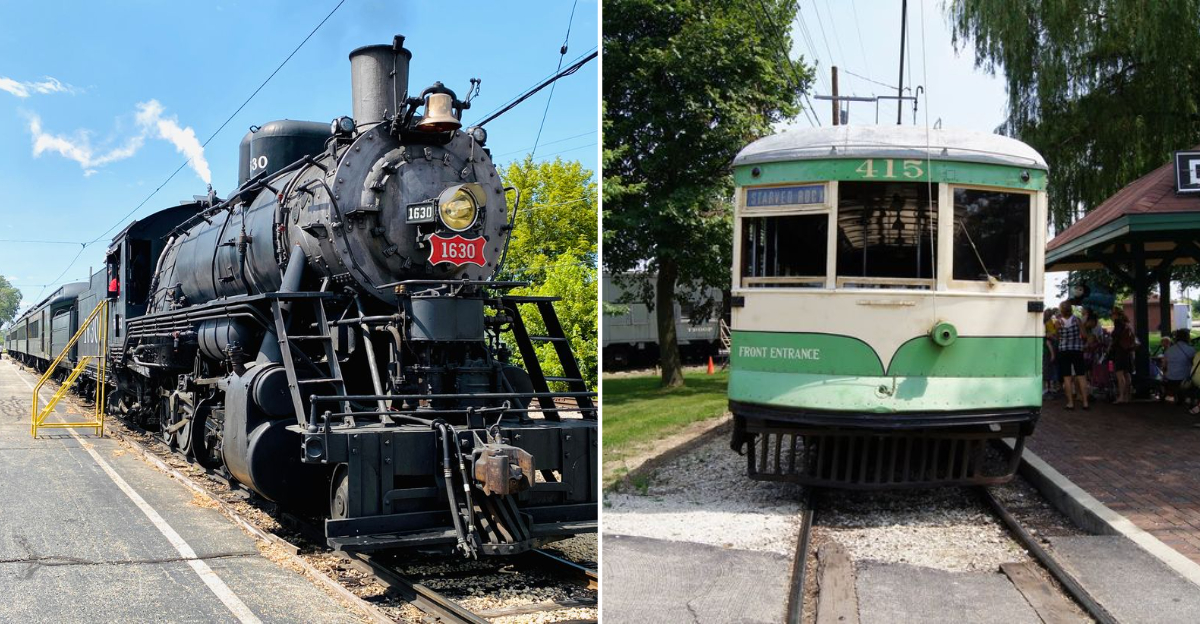
Ready for a day trip that feels like stepping into a living time machine, with steel, steam, and stories humming all around you? Head to the Illinois Railway Museum in Union, where the past is not tucked behind ropes but rolling right past your toes.
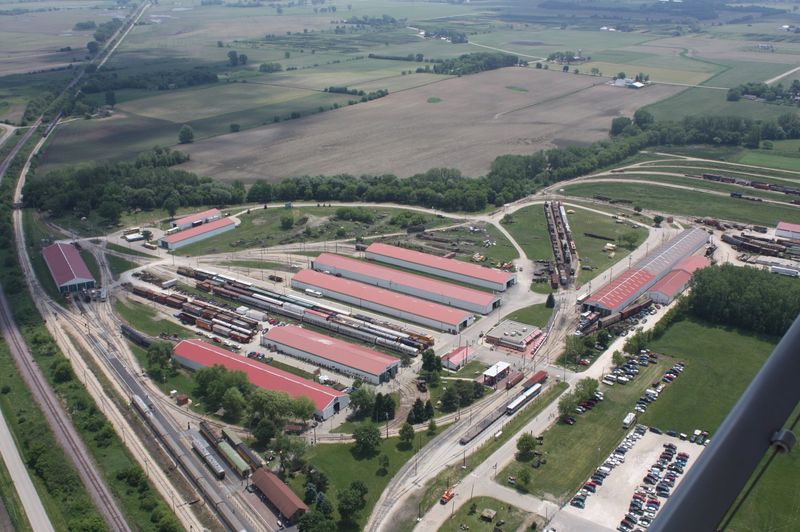
This is the largest railway museum in the country, and you feel that scale the moment you hear a horn echo down the tracks. Lace up some comfy shoes, bring your curiosity, and let the rails guide you through a day that is equal parts history, joy, and wow.
A Living Rail Yard You Can Actually Ride
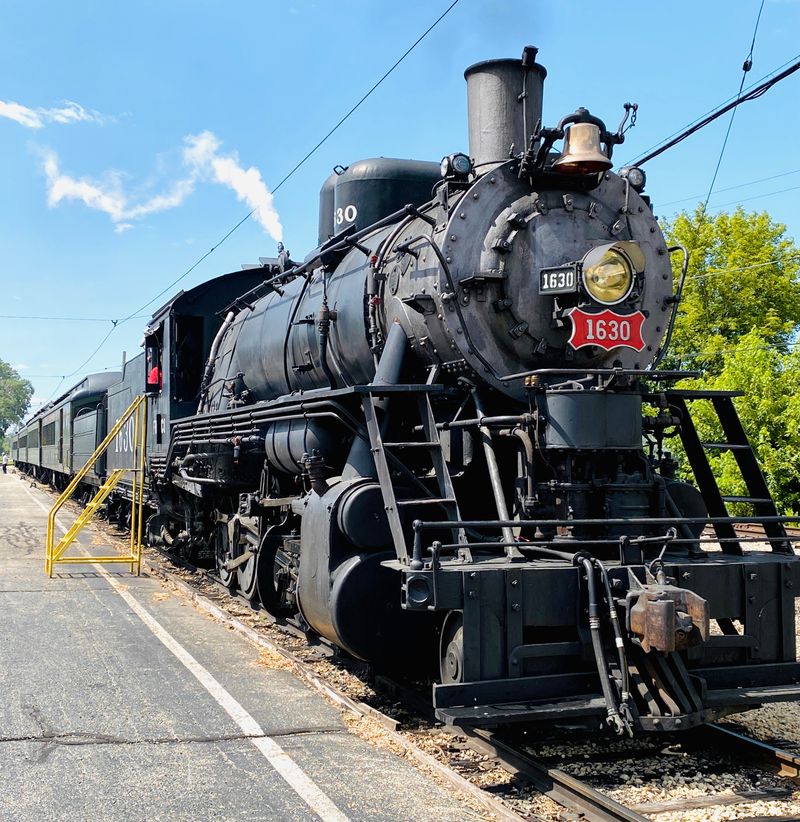
From the moment you arrive at 7000 Olson Rd, the Illinois Railway Museum feels alive. You hear a whistle bounce across the prairie and watch a polished diesel rumble out of the yard, pulling gleaming coaches with open windows.
This is not a static museum. You ride.
You lean into the seat. You feel the track beneath your feet and the air shift as the train builds speed.
There is nothing precious or hands off here. Trains move on a dedicated demonstration line, usually down and back, and volunteers wave from the platform like it is 1958.
On busy weekends, multiple trains rotate, so you can hop from a classic interurban to a heavyweight coach and compare every squeak and sway. Keep your camera ready.
The light across the fields does beautiful things to steel.
Check the museum calendar because offerings vary by season and special events. Rides are typically included with admission, which feels generous the first time you step on board and realize what you are getting.
Plan to arrive early, grab a timetable, and ride more than once. Each run reveals a new detail, from the conductor’s cadence to the hum of the motor under your shoes.
Nine Giant Barns Packed With History
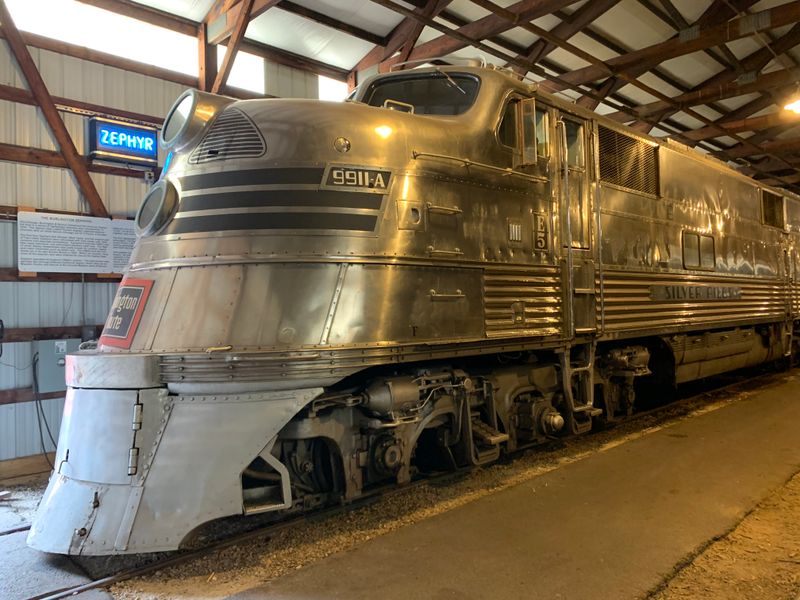
The barns at the Illinois Railway Museum look like aircraft hangars until you step inside and realize they house time. Rows of locomotives stand shoulder to shoulder under cool shadows, their paint schemes telling stories before you read a single placard.
You wander past polished brass, pinstriped monograms, and hulking wheels that once hauled cities awake every morning. It is overwhelming in the best way.
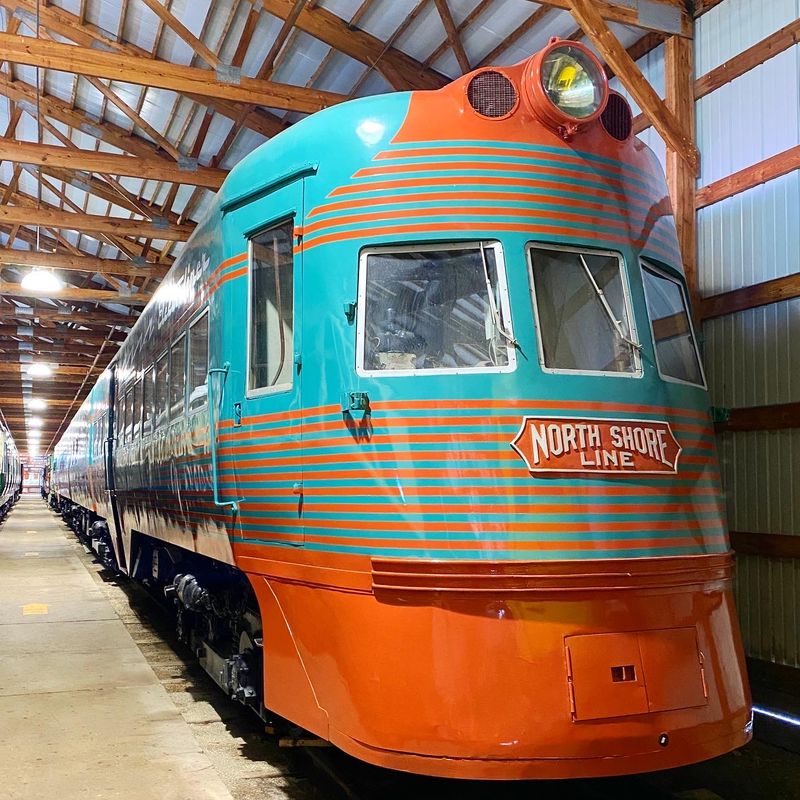
Each barn has a different mood. One might focus on interurbans, those electric beauties that stitched together suburbs and small towns.
Another shelters heavyweight Pullmans, their vestibules gleaming and steps worn smooth by decades of passengers. Some cars are open to walk through, so you can peek into sleeping berths or stand beside a dining table set like a movie scene.
The details matter here, and the volunteers know them by heart.
You will notice a range of restoration stages. That contrast is part of the magic.
Perfectly restored pieces sit near weathered survivors that still smell like oil and sun. Bring layers because barns can feel cooler or warmer than outside.
Pace yourself. This is a place to meander, stare, and let the stories settle in.
Steam, Diesel, And Electric In One Place
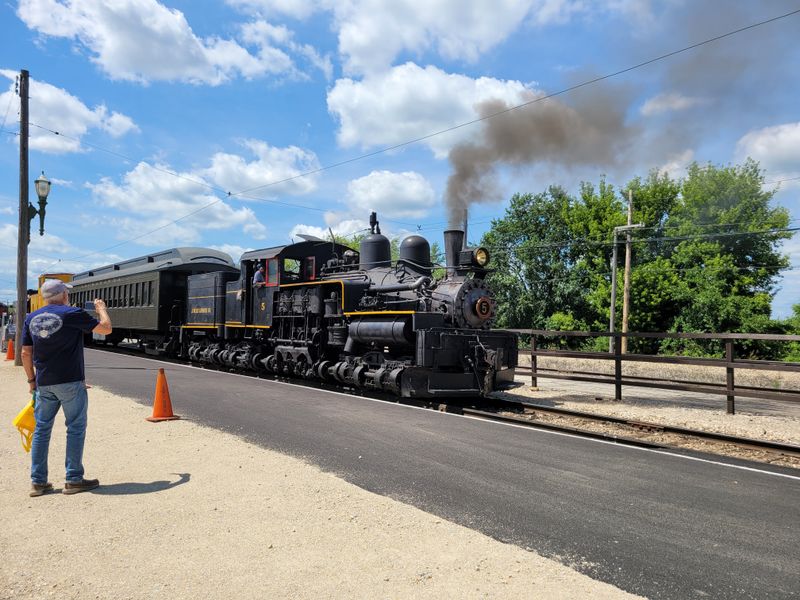
You do not have to choose a favorite power era here. Steam, diesel, and electric all have their moment, often within the same hour.
Out on the main, a diesel thunders past with that deep, chesty note you feel more than hear. In the yard, a steam engine sits like a sleeping dragon, pipes laced along its flank, while the trolley line hums with bright electric energy.
It is a rare pleasure to compare these technologies side by side. Steam carries history in its smell, a blend of hot metal and water that feels theatrical.
Diesel speaks in bass notes and torque. Electric glides with a fast, clean whirr that makes you grin when it accelerates.
Ride each if you can. Your senses will file away three distinct memories, all tied to the rails.
Special events often highlight one era more than another, so watch the schedule. Even on regular days, the mix is impressive, and you learn by listening.
Volunteers explain how controls evolved, why maintenance changed, and what crews loved or hated about each machine. You leave with a new ear, hearing the difference before your brain catches up.
Events With Real Wow Factor
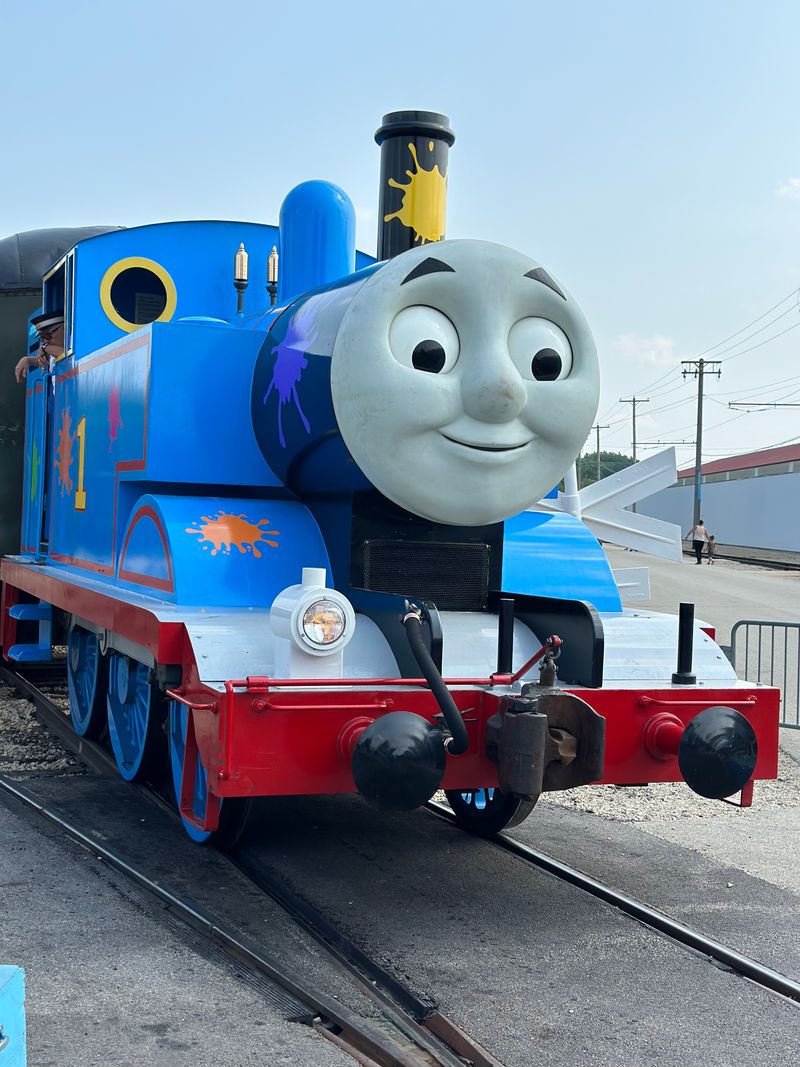
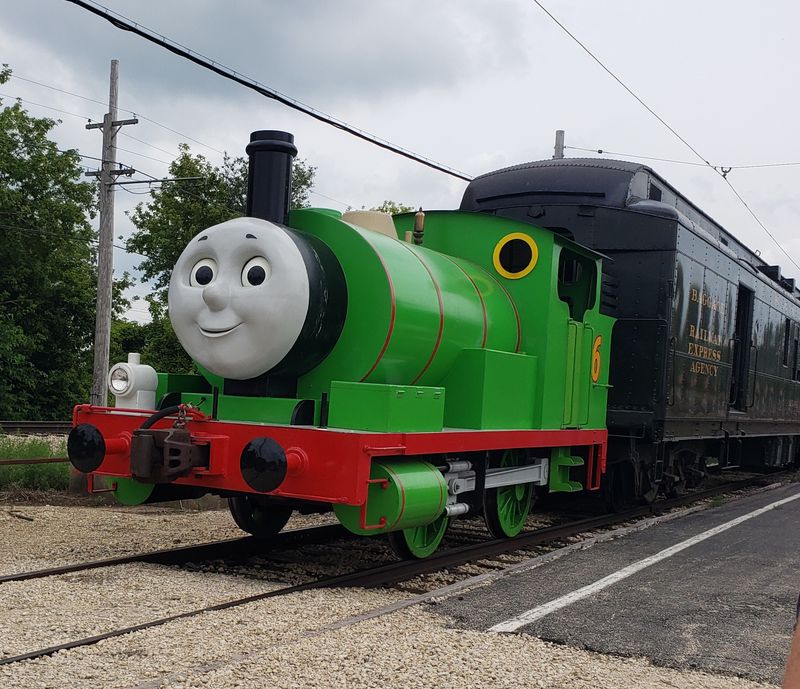
Plan your trip around a special event if you love an extra dose of magic. Day Out with Thomas brings big smiles and big crowds, with photo ops, themed activities, and train rides that make kids light up.
Diesel Days turns the museum into a horsepower parade, with multiple locomotives cycling through and the chance to ride behind many of them. Holiday lights wrap the campus in sparkle, and yes, hot chocolate tastes better on a moving car.
Tickets for special events often sell out, so grab them early. Expect more programming, from model layouts running nonstop to workshops and guided talks.
Volunteers are in high spirits and eager to share stories. That energy is contagious.
You find yourself clapping when a horn echoes across the yard or waving at engineers like you are six again.
Events happen in all seasons, but be weather smart. Dress for wind, sun, or snow, and bring gloves for chilly nights.
Parking fills quickly on big days, so arrive early or follow signage to overflow areas and the trolley shuttle. Even if you usually avoid crowds, the atmosphere here warms you up.
It feels like a festival built by people who truly care.
Hands On History You Can Touch
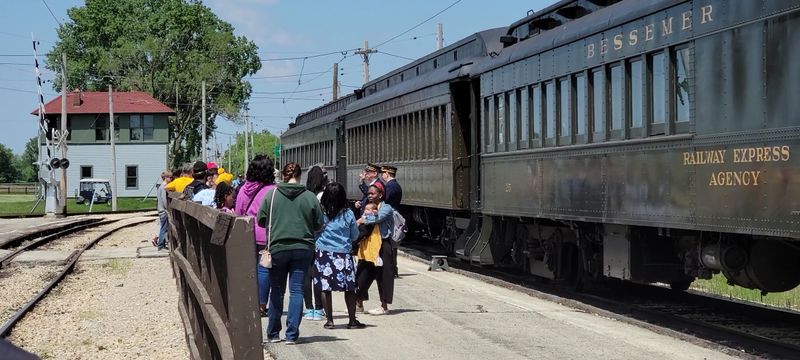
One of the best parts about this place is how close you get to the hardware. You grip a brass rail polished by decades of hands.
You step onto wood floors and feel the spring underfoot. The cars are not props, and the museum trusts you to treat them with respect.
That trust makes all the difference. You become part of the story instead of just reading it.
Inside certain coaches and interurbans, you can sit where commuters once napped, check out luggage racks, and stare at vintage ads that still wink from the walls. Volunteers point out quirks like drop sash windows and antique light fixtures.
When a conductor calls all aboard, you hear the echo bounce down a corridor and suddenly the photographs you have seen make sense. It is history with a heartbeat.
Some equipment remains closed for safety or restoration, and signage makes that clear. That honesty adds credibility and keeps expectations fair.
If you love details, bring a small flashlight to peek at mechanisms without touching anything. Ask questions.
This is a museum where you are rewarded for curiosity, and the answers often come with a grin and a good story.
Volunteers Who Bring It All To Life
The Illinois Railway Museum runs on passion as much as electricity. Volunteers greet you at the platform, crack jokes with kids, answer technical questions, and then climb into a cab like it is the most natural thing in the world.
Many have railroad experience. Others are lifelong enthusiasts who have put in the hours to restore, maintain, and operate these machines.
Their pride is tangible and charming.
Ask about a locomotive and you will get context, not just specs. Why did crews love this model?
What was finicky about that brake valve? How did Chicago’s network shape these cars?
Answers come quickly, often with a quick walk to a component so you can see it yourself. That hands on mentoring makes the museum feel like a workshop that happens to be open to the public.
Because the staff is largely volunteer based, some amenities vary by day. Food stands, interpretive stations, and certain rides may not run outside special events.
The payoff is a seat on a train driven by people who genuinely want you to love it. Thank them, ask questions, and listen closely.
You will learn more than any brochure could possibly fit.
A Setting That Feels Like Open Sky Freedom
Union, Illinois feels like a deep breath. The museum sits out on open land where the sky goes wide and the wind carries a clean whistle.
Tracks stretch across fields and disappear into a ribbon of green. It sets the mood before you even park.
This is a place where big machines make sense because there is room for them to move and room for you to look.
On a sunny day, the colors pop. Red barns, silver rails, and dark wheels cut against tall grass.
Swallows dive after bugs along the fence line. Out by the boarding area, kids bounce on their toes, counting cars, while parents sip coffee and squint toward the horizon.
You will want sunglasses, sunscreen, and a hat in summer. Spring can be muddy, and fall sunsets glow like they were ordered just for photos.
Parking is plentiful, though busy event days push you to overflow lots. Look for signs and consider the trolley shuttle if it is running.
The walk into the grounds gives you time to absorb the scale. For accessibility, the museum works to make platforms and certain cars easier to board, but ask at admissions for current details.
The staff will steer you right.
Practical Tips That Save Your Day
Before you go, check irm.org for current hours and the seasonal schedule. The museum operates most robustly spring through fall, with special events in winter.
Admission is typically in the modest range for a full day experience, and train rides are usually included. That is a deal when you consider how much track time you can get.
Bring a card or cash for the gift shop and snacks. If the diner is closed on a quiet day, nearby towns have quick eats.
Dress for the weather and the walking. Comfortable shoes matter because the campus is large, and you will wander between barns, platforms, and exhibits.
Strollers and wheelchairs are welcome, but some historic cars have steps that are not modern friendly. Ask about boarding assistance or alternative cars with easier access.
Volunteers are happy to help.
Arrive early to snag close parking, especially for events. Grab a map and train schedule at admissions and plan rides around barn browsing.
Hit the model railroad at midday when lines thin. Keep water handy on hot days and a warm layer for breezy evenings.
Simple moves like that turn a good visit into a great one.
Stories From Chicago And Beyond
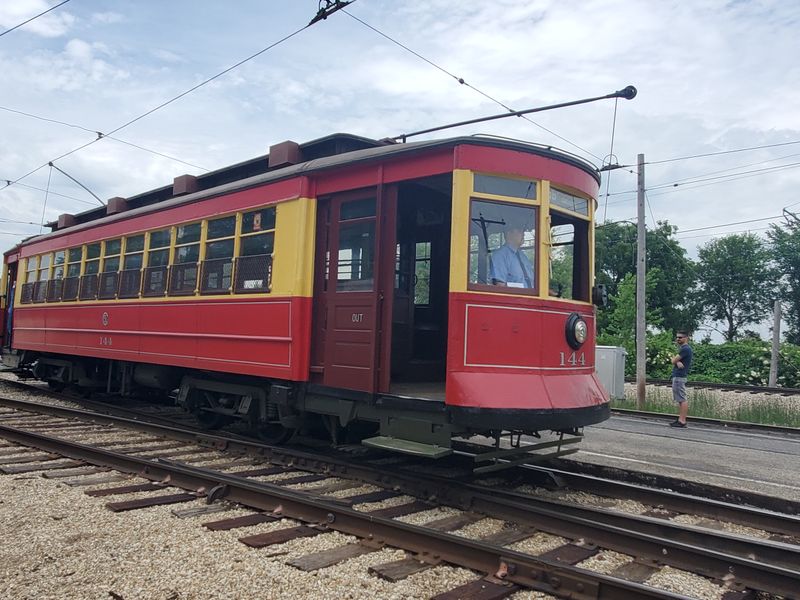
So much of this collection pulses with Chicago’s transit DNA. You will find CTA cars that once rattled over city streets and interurbans that stitched suburbs to downtown long before expressways took over.
The signage is a joy to read. Old maps trace routes like veins.
Ad cards pitch everything from soda fountains to sensible shoes. It is a slice of daily life preserved on wheels and tin.
Volunteers share how these cars shaped commutes, baseball nights, and Sunday church runs. They talk about maintenance at busy yards, weather battles in lake effect storms, and the crew culture that kept the city moving.
Listening, you realize transit is not just infrastructure. It is a social engine.
It made the region smaller, kinder, and faster, often all at once. That human angle is the heart of this museum’s storytelling.
Beyond Chicago, you will catch glimpses of national history. Railroads built towns, fed factories, and carried soldiers.
Some pieces even had on screen moments in films shot on site. If you love context as much as machinery, you will leave with a mind buzzing.
These cars do not just sit. They remind you how a network shapes a life.
Little Thrills For Little Railfans
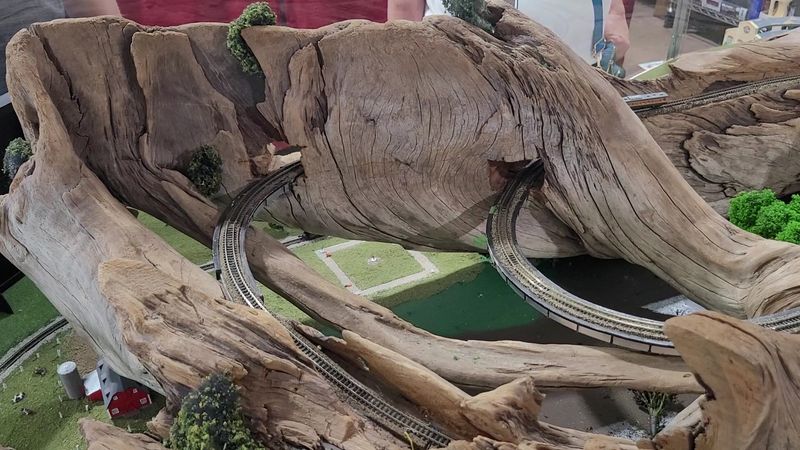
Bring kids and watch the place turn into a playground of wonder. The model railroad layouts are hypnotic, with tiny towns, bridges, and tunnels that loop in and out of mountains.
Buttons get pressed. Eyes go wide.
No one is too cool to watch these miniature worlds do their thing. Outside, there is a small playscape where legs can run and energy can reset between rides and barns.
On many days, the trolley shuttles add easy movement and a breezy thrill. The rhythm is perfect for families.
Ride something, explore a barn, snack, repeat. Staff and volunteers are great with questions and have a friendly way of turning curiosity into discovery.
You will hear cheers when a horn blows and see little hands wave at every passing crew.
Pack wipes, sunscreen, and layers depending on the season. Strollers roll fine on most pathways, though gravel can slow you down in spots.
Expect a full day’s worth of walking, so plan breaks and keep water handy. The gift shop has fun souvenirs, from whistles to ornaments and books.
If you are hunting for a nap window, the smooth sway of a coach car might help more than any lullaby.
A Place That Feels Personal
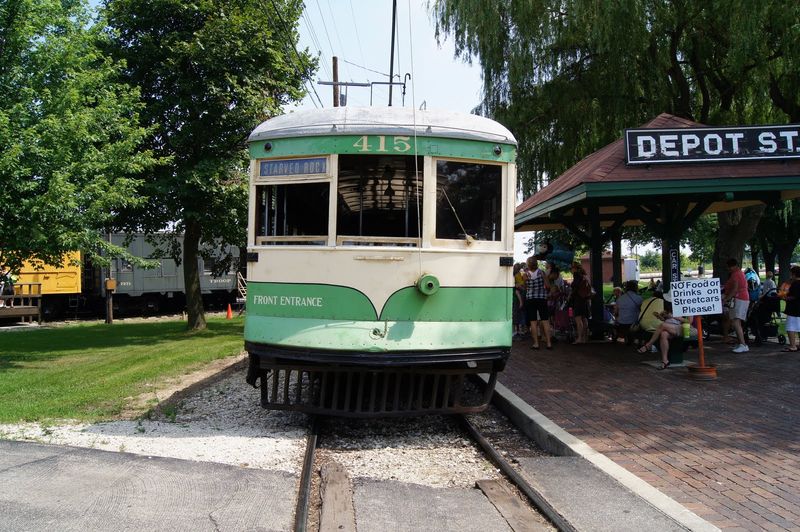
You come for trains and leave with something else. Maybe it is the sound of steel on jointed rail echoing into the evening.
Maybe it is the smile of a volunteer who remembers their first cab ride like it was yesterday. The museum’s scale is huge, but moments feel small and human.
You watch grandparents point to a car they rode as kids. You catch a quiet tear on a platform as memory and motion line up.
A ride can turn reflective. Sitting by a window, fields drift past like a steady film strip, and your mind loosens from the clock.
You notice textures, the weight of a door latch, the pattern in a seatback. These are simple things.
They stick with you. That is the heart of good travel, and it is all over this place if you let it in.
When you go, give yourself time. Do not rush.
Let the day unfold and follow your curiosity across the grounds. You will leave tired in the good way, pockets full of ticket stubs and stories ready to tell.
That is why this museum works as a day trip. It feels like it belongs to you.