
10 Michigan Lakeside Towns With Great Winter Views And No Summer Traffic
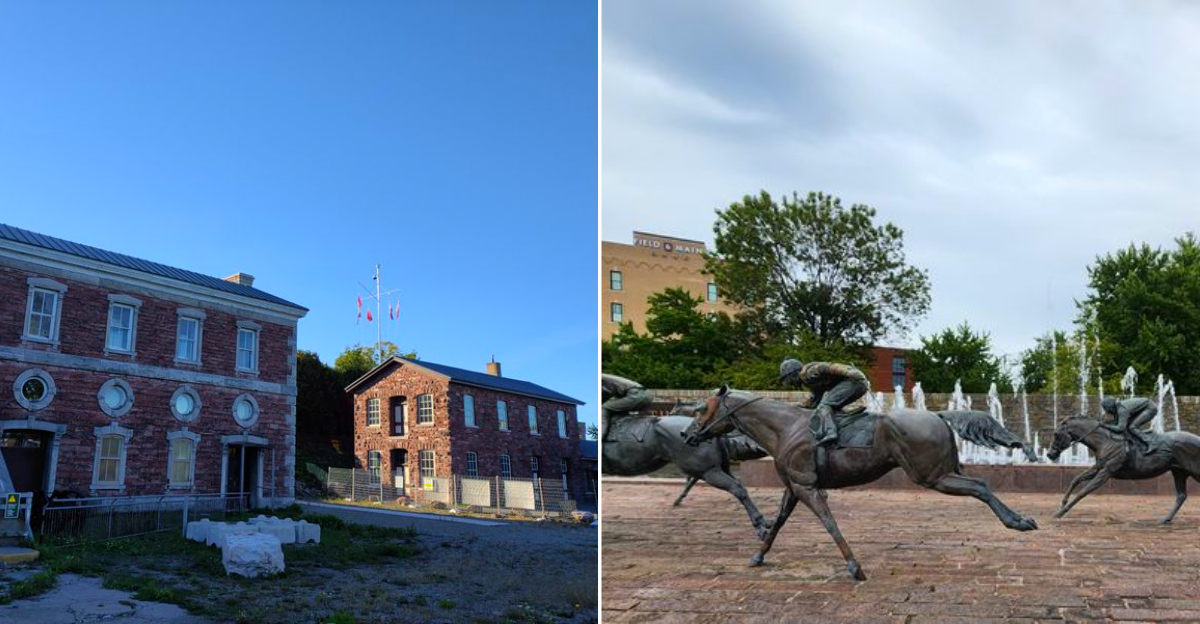
There is a profound, meditative quality to the Michigan shoreline once the summer crowds have folded their umbrellas and retreated south. In the deep winter of 2026, these lakeside towns offer something that July simply cannot provide: a sense of scale.
Without the hum of jet skis and the bustle of fudge-shop queues, the horizon seems to stretch farther, and the “breathing” of the lake, that rhythmic grinding of ice plates against the shore, becomes the dominant soundtrack.
This is the season of clean lines and sharp, honest light. It’s when the architecture of a lighthouse or the curve of a snow-dusted dune stands out like a charcoal sketch against a pale sky. If you are looking for a place where the roads have finally exhaled and the views feel like a personal gift, these destinations are ready for their close-up.
The Great Lakes in winter are a masterpiece of stark beauty and absolute silence, rewarding the few who venture out with a landscape that feels entirely their own.
I’ve curated this list to help you find the most evocative winter vistas, from the frozen piers that look like ice sculptures to the quietest cafes where the coffee is hot and the windows are clear. Whether you want to witness the power of a gale-force wind or the stillness of a sunrise over a frozen harbor, these ten towns offer the best seats in the house.
10. Charlevoix
In the height of summer, Charlevoix is the “Petunia City,” a vibrant burst of color and high-end tourism. But when winter settles in, the town sheds its resort persona and reveals a core that is quiet, sturdy, and deeply contemplative. The low winter sun hits the Pine River Channel at an angle that turns the water into a deep, moody slate-blue, a stark contrast to the brilliant white of the snow-packed banks.
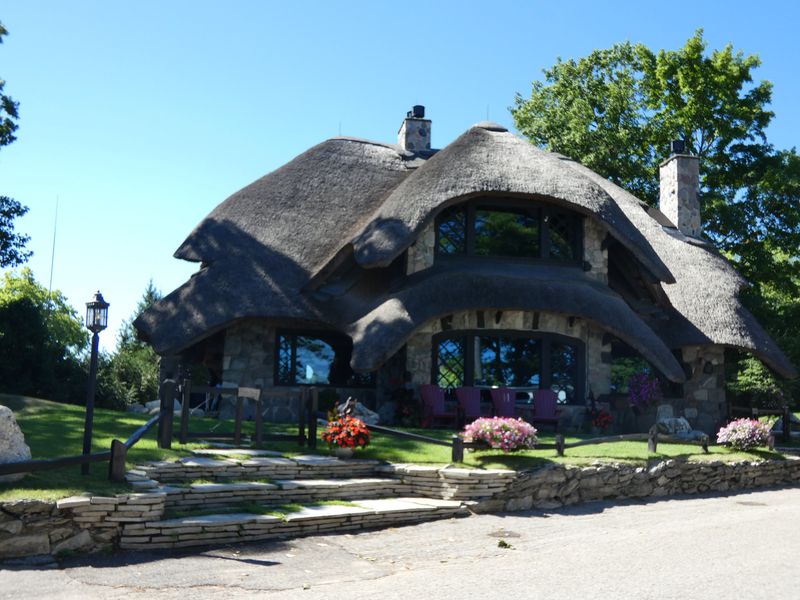
The town’s most famous residents, the “Mushroom Houses” designed by the eccentric Earl Young, take on an entirely different character in the snow. These stone-heavy, storybook creations with their undulating roofs and boulders plucked from the Lake Michigan shoreline look oddly at home under a thick dusting of frost. They look less like vacation rentals and more like ancient, organic outcroppings that have finally been revealed by the falling leaves. The silence in the Park Avenue neighborhood, where many of these houses reside, is so profound that you can hear the faint “hiss” of snowflakes landing on the frozen ground.
Charlevoix’s harbor history is one of maritime utility rather than just leisure. In the winter, you see the true strength of the drawbridge and the massive stone breakwalls, structures built to withstand the temperamental fury of Lake Michigan. The South Pier Light, often encased in glassy rime ice, stands as a lonely sentinel. There is a specific joy in walking the pier when the only other tracks in the snow belong to a stray seagull or a hardy local resident.
A Personal Strategy For The Day: I always start a Charlevoix winter morning at a downtown bakery. There is something about the smell of rising dough and hot coffee that acts as a necessary shield against the northern chill. Once you’re sufficiently caffeinated, head toward Mt. McSauba on the north side of town. While it’s a popular spot for skiing and skating, the dune hikes there are the real hidden gem of the season. The elevation gives you a panoramic view of the frozen lake that makes you feel like you’re standing at the edge of the world.
If the weather has been fluctuating, swinging between a midday thaw and a midnight freeze, the paths can become treacherous. This is where a pair of traction cleats for your boots becomes your best friend. There is nothing that ruins a contemplative winter walk quite like a sudden, unceremonious slide down a frosted dune. After your hike, return to the channel to watch the ice floes move slowly toward the big lake. It is a slow-motion parade that demands nothing from you but your attention.
9. Manistee
There is a rugged, masculine beauty to Manistee in the winter. This is a town built on salt and timber, and those industrial bones wear the snow with a particular kind of dignity. The downtown area is a National Historic District filled with sawmill-era brick and tidy Victorian storefronts that refuse to huddle against the cold. The color palette here is sophisticated and muted: russet reds, creams, and the steel-gray of the Manistee River.
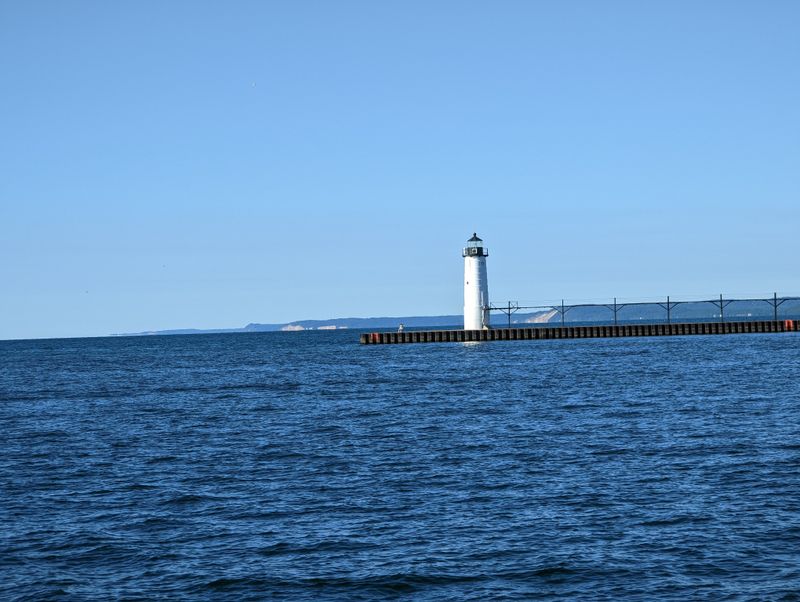
Walking the Riverwalk in January is a masterclass in sensory detail. You can hear the “creak” of the lake ice as it shifts against the pilings, a sound that resonates through the wooden boardwalk and into your bones. The Manistee North Pierhead Light, with its distinctive catwalk, glows against the heavy, lake-effect clouds. The catwalk itself, one of the few remaining in the state, carries the snow in long, elegant lines that emphasize the town’s linear relationship with the water.
Preservation in Manistee isn’t about creating a “hush” or a museum atmosphere; it’s about usefulness. The historic Ramsdell Theatre still hosts shows in the winter, and the local shops on River Street stay open for the people who actually live here. It feels like a town that has finally exhaled after a busy summer, returning to its true self.
A Personal Strategy For The Day: Park your car near First Street Beach. This area offers some of the most expansive views of Lake Michigan, where the wind-driven snow often forms “snow rollers,” natural cylinders of snow that look like they were made by a very cold, very tidy giant. The wind coming off the lake at the river mouth can be a physical force, so I always make sure my gear is “wind-proofed.” A common mistake is wearing heavy wool without a shell; the wind will cut right through it.
Keep your camera or phone tucked inside an interior pocket near your body heat. The Lake Michigan chill is notorious for draining batteries in minutes, and you’ll want every bit of power for the sunset. The light in Manistee during the “blue hour,” that period just after the sun vanishes, is extraordinary. The town’s snowy grid catches the leftover light, and for a few minutes, everything turns a soft, neon pink. It’s a moment that justifies the cold cheeks and the watering eyes.
8. Lexington
Lexington is the kind of town that seems to have been designed for a snow globe. Situated on the shores of Lake Huron in the “Thumb” of Michigan, it has a neighborly, cedar-scented atmosphere that feels immediately welcoming. In the winter, the village moves at a pace that can only be described as “deliberate.” The shop windows along Huron Avenue glow like small, individual hearths, casting long rectangles of amber light onto the quiet sidewalks.
The town’s history as a 19th-century port and a 20th-century resort blend seamlessly here. You’ll see grand sea-captain houses with wrap-around porches that now sit in silent, snowy vigil over the water. The marina, which in the summer is a forest of masts and the sound of flapping canvas, becomes a study in geometry. The white slips create a clean, graphic grid against the dark, churning water of the lake.
There is a profound sense of “community” in Lexington during the winter. You’ll find live music at the local theater even in the coldest months, and the conversations in the local diners are less about tourist attractions and more about ice reports and the local high school basketball scores. It’s an authentic slice of Michigan life that summer visitors rarely get to see.
A Personal Strategy For The Day: The breakwall in Lexington is a magnificent place for a walk, provided the ice hasn’t made it a danger zone. On a calm day, the sound of Lake Huron shifting under a thin layer of “pancake ice” is one of the most relaxing sounds in nature. It sounds like thousands of tiny glass bells clinking together.
Watch for “black ice,” that invisible, lethal sheen that forms near the water’s edge. If the wind starts to pick up, the bluff overlooking the harbor is a much safer, and often more dramatic, vantage point. You can watch the whitecaps roll in from the horizon while staying relatively sheltered by the trees. Afterward, head to one of the local spots for a bowl of whitefish chowder. There is something about eating hot soup while looking out at a frozen harbor that makes the soup taste like a personal triumph.
7. Port Austin

If you want to feel the true, raw power of a Great Lakes winter, you head to Port Austin. Located at the very tip of the Thumb, this town is exposed to the elements in a way that feels both exhilarating and humbling. In January, the pier is often fringed with icicles that look like the pipes of a massive, frozen organ. The Thumb’s shoreline throws long, dramatic shadows toward Turnip Rock, the iconic limestone formation that sits just offshore.
While Turnip Rock is unreachable during the winter (the ice is rarely thick enough or stable enough to safely trek across), it remains a stunning, ghostly presence on the horizon. The village itself feels spare and clear. The colorful murals created by various public arts projects over the years seem to pop even more vibrantly against the bleached, winter-white sky. It is the kind of quiet that makes the simple act of drinking a hot cup of coffee feel like a significant event.
A Personal Strategy For The Day: I always drive out to the county park for the broadest views of Lake Huron. It’s a safe vantage point where you can see the scale of the ice heaves that form along the coast. The trails near Pointe Aux Barques are beautiful, but they are notorious for drifting over. If you aren’t familiar with the terrain, it’s easy to lose the path under three feet of wind-blown snow.
If you plan to stay for the sunset, and the sunsets at the tip of the Thumb are legendary, make sure you have high-quality hand warmers in your pockets. The wind coming off the open water can be brutal, but the sight of the sun dipping behind the frozen horizon is worth the sting. Port Austin in winter is for the person who wants to see the lake “unplugged.” There are no crowds, no noise, just the sky, the ice, and the wind.
6. Tawas City
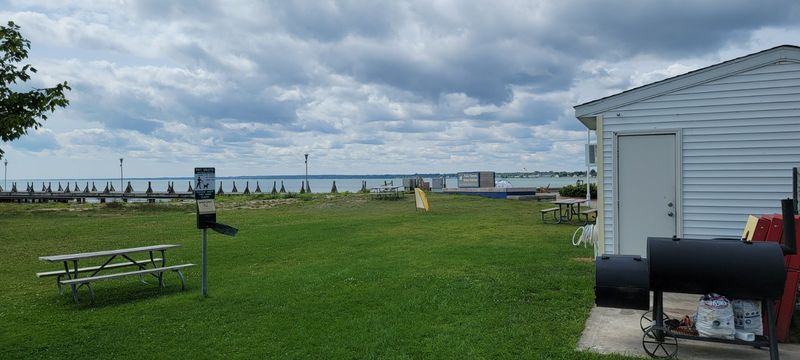
Tawas City and its neighbor, East Tawas, offer a winter experience that is surprisingly gentle. Because the town is nestled on Tawas Bay, it is often shielded from the most violent waves of the main lake. This creates a unique winter environment where the water often stays glassy and calm even when a gale is blowing just a few miles away. Dawn on Tawas Bay is a masterclass in soft light; the sky turns a pale, translucent pink that seems to hover over the white horizon.
The State Dock angles out into the bay, providing a perfect platform for watching the winter birdlife. Birders flock here even in the dead of winter to see rare visitors, snowy owls, various species of ducks, and gulls, riding the weather fronts. Tawas Point is a fascinating place to observe the “living” nature of the shoreline. The shifting sands have reshaped the peninsula and the relationship of the lighthouse to the water for over a century. It’s a quiet, visual lesson in coastal change.
A Personal Strategy For The Day: Bundle up and head to Tawas Point State Park. The trails here are well-maintained and offer wide, “teachable” views of the bay’s ecology. Watch for “ice heaves” along the edge of the bay; these are ridges of ice pushed up by the wind and current, creating jagged, glass-like walls that can be several feet high. They are a photographer’s dream, especially in the early morning light.
After you’ve explored the point, head back into town. There is a specific bakery downtown known for its cinnamon rolls, and in the winter, they feel less like a treat and more like a medical necessity. The warmth of the shop, the smell of cinnamon, and the view of the quiet bay through the front window create a perfect winter “reset” moment.
5. Alpena
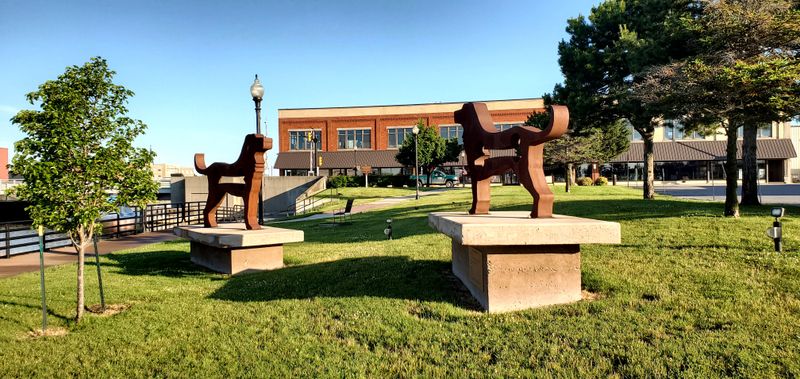
There is something haunting about Alpena in the winter. As the headquarters of the Thunder Bay National Marine Sanctuary, the town’s identity is inextricably linked to the hundreds of shipwrecks that lie just offshore. In the winter, the Lake Huron water takes on a startling, blue-green clarity. On a clear day, as you look out over the frozen bay, you can almost sense those “whispered stories” lying beneath the ice.
The harbor in Alpena looks purposeful. It is a working port with scientific research boats, limestone heritage, and cement kilns that continue to operate even as the temperature drops. The Alpena Light, affectionately known as “Little Red,” marks the channel like a vibrant red exclamation point. Preservation here is hands-on and unsentimental; the exhibits at the sanctuary visitor center explain the science of wrecks and the fury of Great Lakes weather without any romantic gloss.
A Personal Strategy For The Day: The “Bi-Path” along the Thunder Bay River is my favorite winter walk in Alpena. It offers sheltered views of the river’s movement before looping out toward Bay View Park. It’s a great way to see the transition from the river’s dark water to the bay’s frozen expanse.
Check the sanctuary’s off-season hours before you go; it’s one of the best places in the state to warm up and learn something fascinating. While the glass-bottom boat tours are a summer staple, seeing the shipwreck exhibits in the dead of winter makes the history feel much more immediate. You start to understand the stakes of navigating these waters when you’re looking at them in their most hostile state.
4. St. Joseph

St. Joseph is famous for its “ice lighthouses.” When a winter storm rolls in from Lake Michigan, the spray hits the North Pier lights and freezes instantly, layer upon layer, until the structures are encased in a thick, translucent armor of rime ice. The railings and the catwalk turn into intricate, frozen lacework. It is a spectacular sight that draws photographers from all over the world, yet the town itself remains remarkably quiet.
Silver Beach, usually a sea of umbrellas and sunbathers, is transformed into a vast, white wilderness. The dunes are tufted with tawny grass and the faint tracks of cross-country skiers. The roar of the lake becomes a steady, rhythmic hush that you can feel in your ribs. It’s a powerful, elemental place to spend a winter afternoon.
A Personal Strategy For The Day: Park near the Whirlpool Compass Fountain and make the trek toward the pier. You have to be extremely careful; when the waves are big, they can send sheets of water across the concrete that freeze instantly into “black ice.” Most locals stay on the beach side of the pier during high-wind days for a very good reason.
The bluff overlooking the lake is the heart of the town’s social life in winter. You’ll see couples and families bundled up in heavy parkas, strolling along the path to look at the ice-covered lights. There are several cafes on the bluff with large windows; grab a hot chocolate and watch the sunset. St. Joseph sunsets are unique because the gray, heavy afternoons often end with a sudden, narrow band of neon orange or violet just as the sun hits the water. It’s a brief, brilliant finale to a cold day.
3. New Buffalo
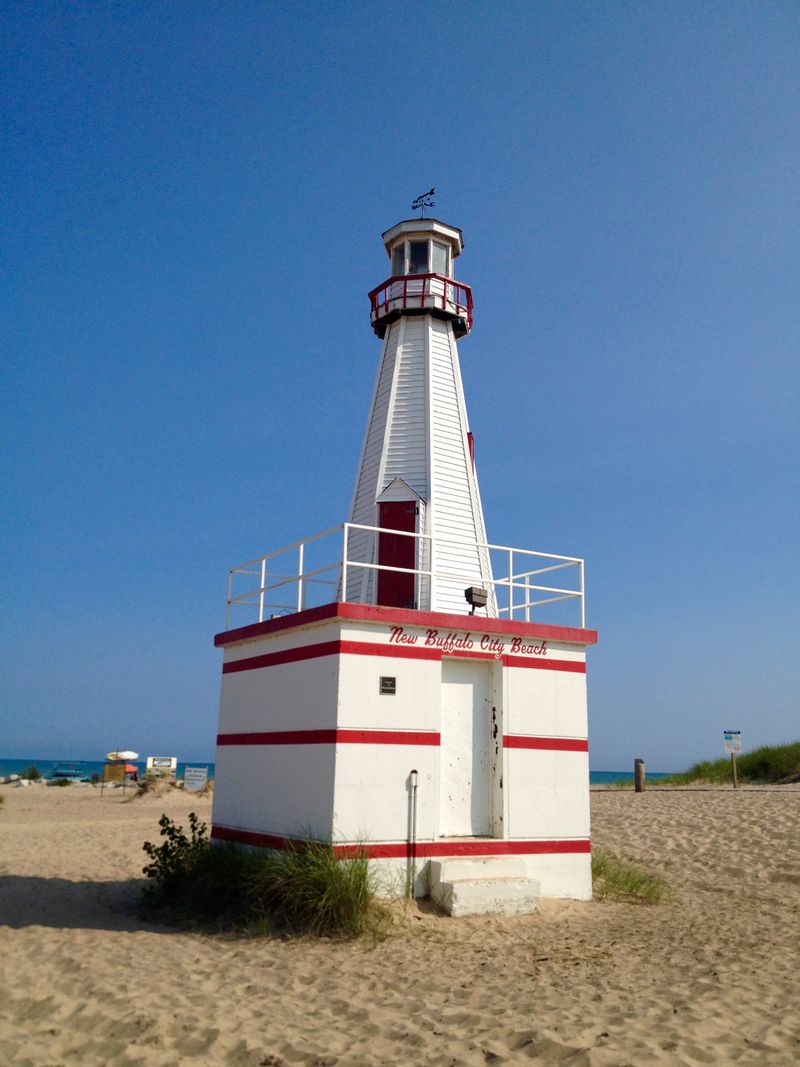
New Buffalo is a town that knows how to “catch its breath.” As the gateway to Michigan’s “Harbor Country,” it is a whirlwind of activity in the summer, filled with weekenders from Chicago and boaters from all over the Midwest. But in the winter, the marina falls silent, and the boats are shrink-wrapped in white like a fleet of sleeping whales. The beach path winds through quiet dunes, and the modern waterfront architecture, all glass and clean lines, frames a sky that feels bigger than it does in the summer.
The town’s railroad past is still very much alive, with the train depot tying the land to the lake. In the winter, the sound of a freight horn carrying across the frozen harbor is one of the most iconic sounds of the region. It’s a town of pragmatism; they keep the harbor clear and the walkable core of the town human-sized.
A Personal Strategy For The Day: For the best view in town, climb the dune stairs at the public beach. The elevation gives you a clean vantage point of the entire harbor and the Indiana horizon to the southwest. On a clear day, you can see the distant outline of the Chicago skyline, looking like a mirage across the frozen water.
Weekdays in New Buffalo are almost eerily empty, which is a luxury for anyone used to the summer traffic. After your walk, find a local spot on Whittaker Street for a bowl of soup. The town has an intimate, small-scale feel in the winter that is lost during the summer rush. It’s the perfect place to watch the snow start to fall while sitting in a warm booth.
2. Marquette
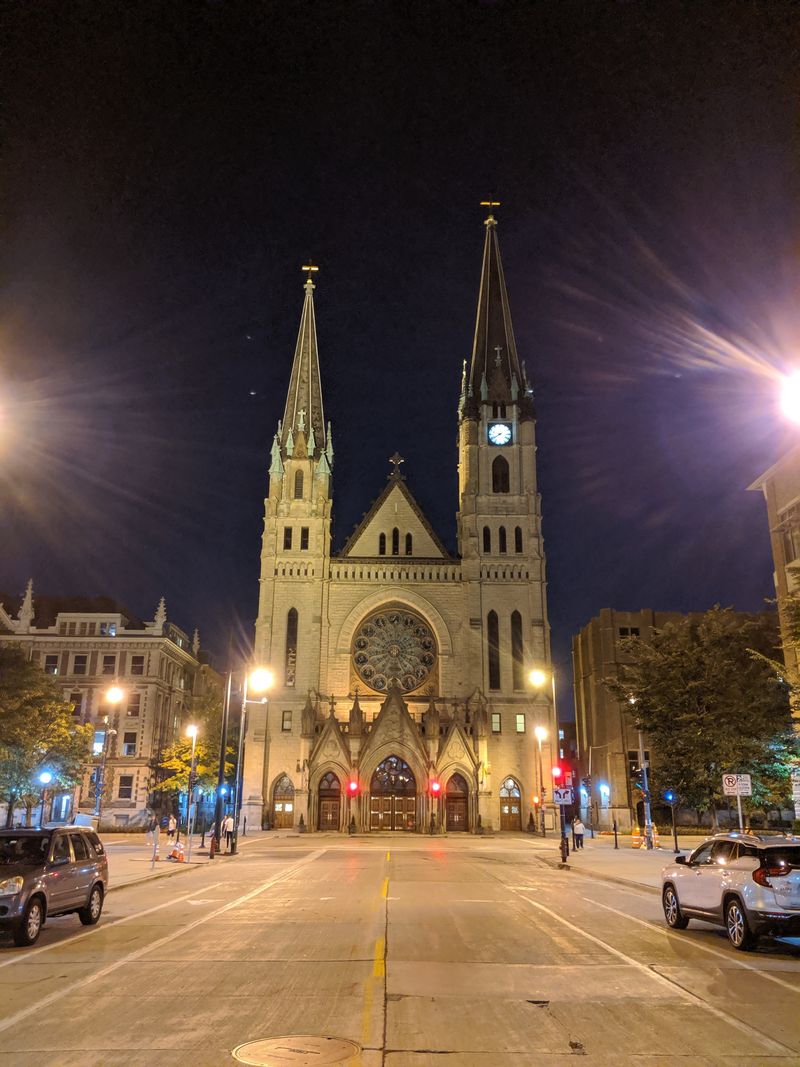
If the other towns on this list are about “rest,” Marquette is about “activity.” This is the cultural and industrial heart of the Upper Peninsula, and the people here don’t just “survive” the winter, they own it. You might see sparks from a massive ore dock crane glowing against a curtain of lake-effect snow, a reminder that the world doesn’t stop just because Superior has decided to freeze.
The town’s industrial bones, the sandstone architecture, the massive iron-ore docks, and the working lighthouse at Presque Isle, wear the winter beautifully. There is no attempt to “polish” the town for tourists; it is a place of skis, fat bikes, and heavy-duty boots. The lake itself sits in a tone between cobalt blue and iron gray, a constant, powerful presence at the edge of the city.
A Personal Strategy For The Day: Take the one-way road around Presque Isle Park. It offers some of the most dramatic, cliff-edge views of Lake Superior in the entire state. However, the road is often closed to cars after a heavy snowfall, which makes it an even better place for a hike or a ski.
Third Street is the place to be after a cold afternoon on the water. The coffee shops and breweries are filled with people who have just come off the trails, and the atmosphere is one of shared adventure. Keep an eye on the weather forecast; Marquette gets “lake-effect” bands that can turn a sunny afternoon into a white-out in a matter of minutes. It’s part of the thrill of being this far north.
1. Sault Ste. Marie
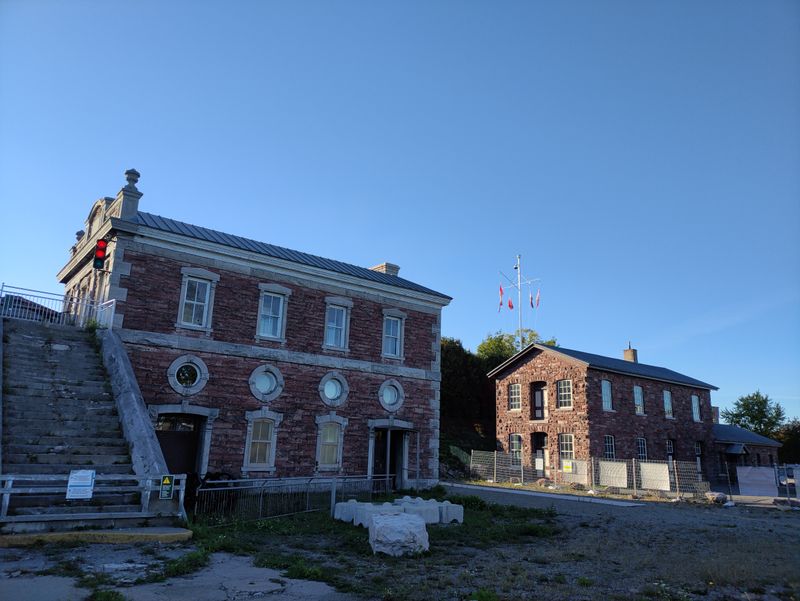
Winter at the Soo Locks feels almost ceremonial. The St. Marys River, which connects Lake Superior and Lake Huron, is a hive of activity as tugs work to break the ice for the final freighters of the season. Steam lifts off the dark water, and the massive freighter horns sound like a conversation being held across the international border with Canada, which sits just a shoreline away.
The architecture here is the architecture of engineering: the massive lock gates, the control houses, and the sweeping arc of the International Bridge. There is no nostalgia here, just the steady, impressive work of moving massive vessels through one of the most difficult navigational points in the world.
A Personal Strategy For The Day: Bundle up more than you think is necessary. The wind coming off the St. Marys River is a different kind of cold, it’s a damp, piercing chill that requires a good base layer. Head to Rotary Park for the best panoramic view of the freighters. Watching a thousand-foot ship navigate a narrow, ice-filled channel is a sight that never gets old.
After the sun drops, and it drops early this far north, head to a local spot for a pasty. The tradition of the Cornish miners lives on here, and a hot, flaky pasty filled with meat and potatoes is the ultimate reward for a day spent on the river. It’s a slow, warm conclusion to a winter journey that celebrates the true spirit of the Great Lakes.