
13 Hidden Michigan Lakeside Retreats Perfect For A Peaceful Getaway
Michigan hides quiet water worlds behind familiar maps, where the air smells like pine shavings and cold stone. These are places where the rhythmic hum of car ferries sets the tempo, where loons argue across the glass-still water at dusk, and where a good camp mug becomes your most essential piece of gear.
You will not find the neon noise of boardwalks or the bustle of crowded hotel lobbies here, just the steady beam of lighthouses, the lush silence of cedar swales, and the kind of wood-paneled supper clubs where the staff remembers your face.
In 2026, as travelers increasingly trade the frantic for the focused, these low-profile shores and island roads offer a distinct pulse that rewards the unhurried.
Whether it is the car-free tranquility of Mackinac Island, the rugged, remote beauty of Beaver Island, or the hidden channels of the Les Cheneaux Islands, these destinations provide a sanctuary for those who measure time by the tides and the wind.
These overlooked freshwater havens offer a rare chance to disappear into the “Island Time” of the Great Lakes, where the only schedule is the one kept by the ferry.
Each of these stops, from the rocky outcrops of the Huron Islands to the forest-fringed docks of Drummond Island, has a way of reminding you that the best parts of Michigan are often the ones you have to cross a little water to find.
I’ve put together a guide to navigating these secret shores, including the best local ferry routes and the specific “tucked-away” supper clubs where you can get the best whitefish dinner while watching the sun dip below the lake.
1. Beaver Island
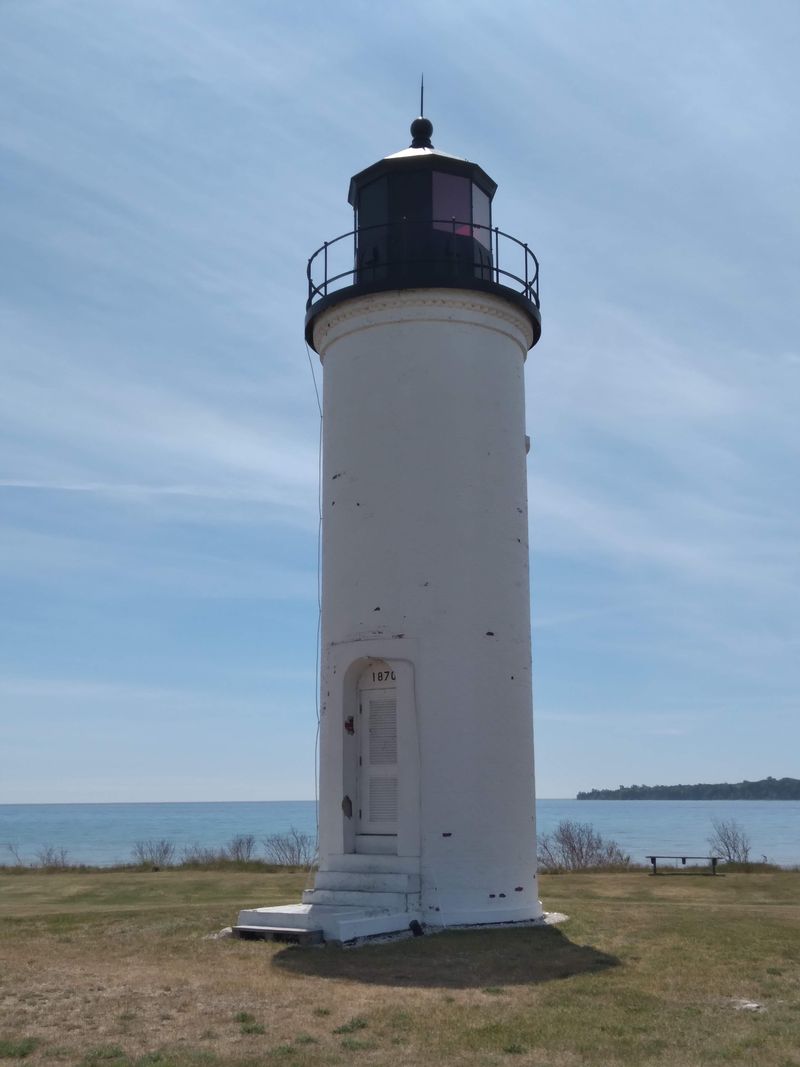
A bell on the Emerald Isle ferry rings, and time loosens as Lake Michigan slips by. Beaver Island keeps its pace with sandy two-tracks, spruce thickets, and beaches that look borrowed from a postcard. The island’s main village, St. James, offers a harbor lighthouse and caramel rolls that ruin all others.
It is an island that feels remarkably separate from the mainland, both geographically and culturally. The history here is unusual and layered, including a short-lived Mormon kingdom and a resilient Irish heritage that shaped the local songs and surnames. You can trace these stories at the Print Shop Museum and Protar’s House.
If you bring a bike, prepare to meet wind and silence in equal parts as you traverse the interior. Packing layers is essential, the weather flips fast on the big lake, and the sunsets demand you stay put until the last pink thread dissolves.
2. Bois Blanc Island
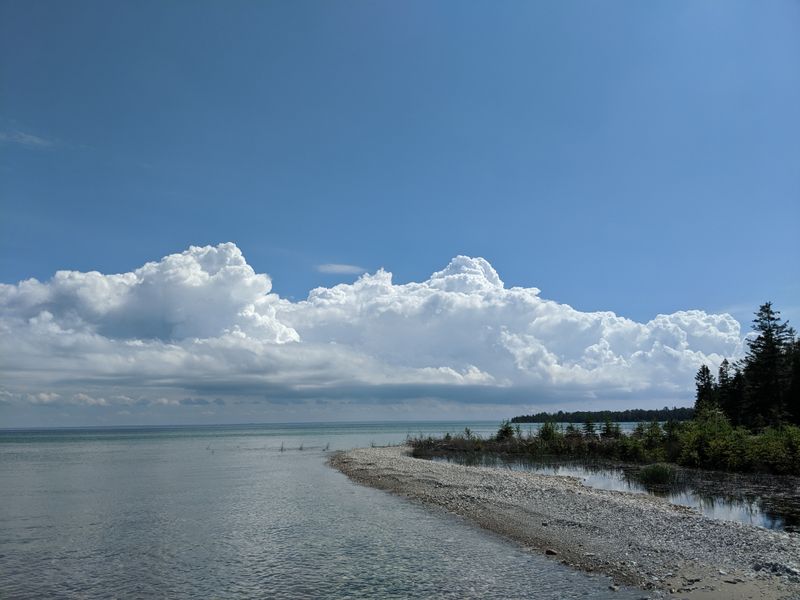
Pine resin and quiet define Bois Blanc, the big, flat neighbor to Mackinac that exists without the fudge shops or the crowds. Gravel roads lead to inland lakes, primitive campsites, and a shoreline that feels stubbornly private. The dock at Pointe aux Pins carries a whispery rhythm when the ferry noses in.
It signals the arrival of mail, supplies, and the few travelers seeking true isolation. The island once hosted bustling fishing camps and timber operations, but it has since slipped back into a low profile. You can still see that history in the old pilings and in place names that refuse to be rushed.
Locals are known to wave and then let you be, respecting the solitude that brings people here. Bring bug spray, extra water, and a paper map, cell service is patchy, and disconnecting is half the point of the trip.
3. Les Cheneaux Islands (Cedarville and Hessel)
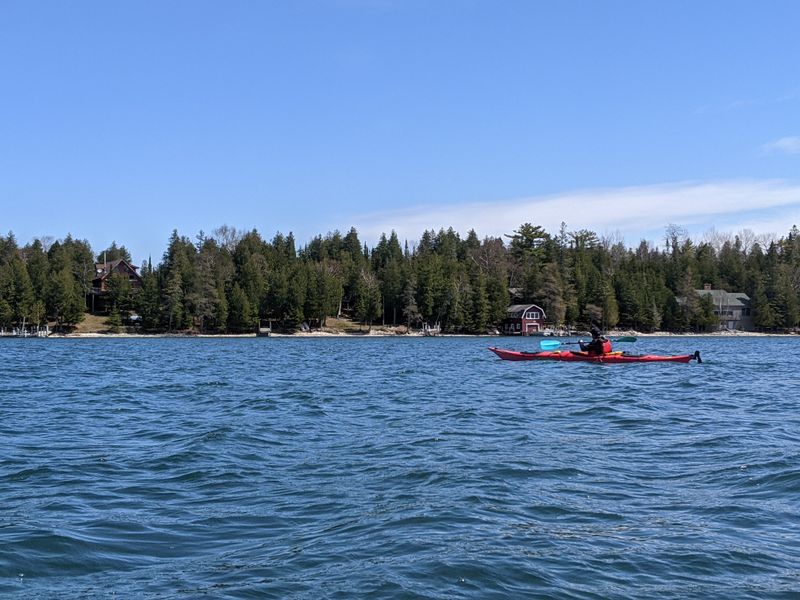
Out here, deep-water channels stitch 36 islands into a watery quilt, and classic wooden boats still turn heads. Cedarville and Hessel feel like quiet bookends to the archipelago, each with marinas where gulls supervise the daily goings-on. The water sits mostly calm thanks to the protective islets.
It makes this one of the premier paddling destinations in the Great Lakes. The region’s heritage is on full display during the annual Antique Wooden Boat Show in Hessel, a tradition that treats craftsmanship like a neighbor. Old boathouses lean just enough to look photogenic, appearing untroubled by time.
Renting a kayak early in the day is the best way to explore, but be sure to chart your route around the shoals and respect private shorelines. For lunch, a whitefish sandwich tastes best on a dock bench with your feet swinging over the water.
4. Drummond Island
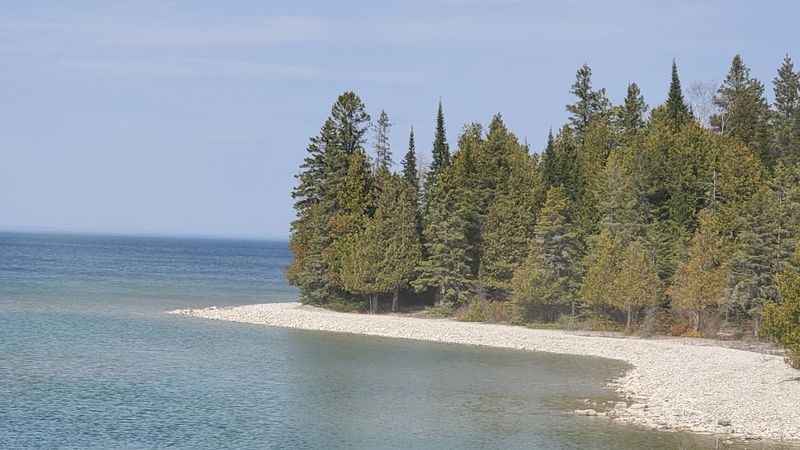
Limestone shelves ring Drummond with pale ledges that clink under boots, and rare orchids surprise careful walkers in the early summer. The island’s interior holds cedar swamps and rugged off-road routes that test your patience more than your horsepower. At sunrise, the bays sit glassy and still.
They are broken only by the movement of herons that act like living punctuation marks on the water. Once tied to limestone quarrying and shipping, Drummond keeps a practical, hardworking streak. The Maxton Plains alvar is a geologic rarity, one of the few of its kind in the world, and is worth patient exploration.
High-clearance vehicles are a must if you plan to explore the rougher tracks, but remember to stay on designated trails to protect the fragile ecosystem. Afterward, a simple fish fry in town resets the day exactly right.
5. Sugar Island
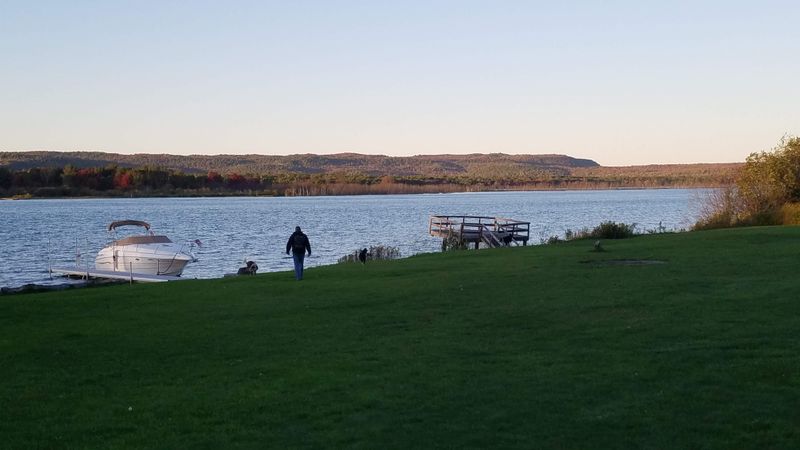
The ferry across the St. Marys River takes only minutes, but it feels like crossing into a pocket of slower thought. Sugar Island spreads low and green, framed by the massive passing freighters bound for the Soo Locks. Night sounds here are simple.
They are mostly crickets and the occasional deep, resonant horn note from a ship passing in the dark. Chippewa County history threads through the island, with deep ties to Anishinaabe communities and the shipping lanes that never truly sleep. Modest roads curve past marshes and quiet homes.
The water is always a presence, even when you’re inland. Driving with courtesy and waving to passing neighbors is the local way. If you catch the northern lights on a clear fall night, the sky’s polite insistence will stay with you long after you leave.
6. Neebish Island
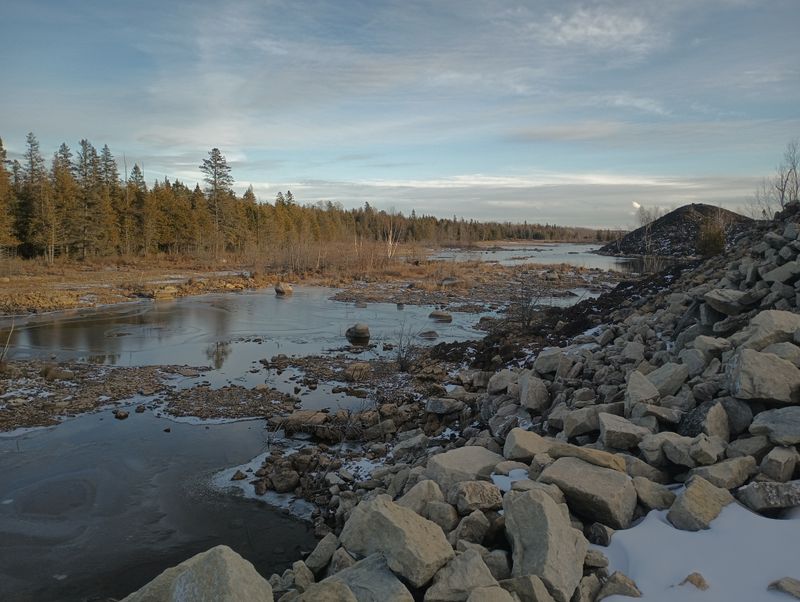
A low hum precedes the freighters that thread Neebish’s narrow channels, and the water wrinkles like corduroy in their wake. This is a working corridor, not a tourist stage, and that lends the island a plainspoken, honest charm. Meadows meet river banks without ceremony.
The pace of life is dictated by the upbound and downbound traffic of the Great Lakes fleet. Neebish has a long, intimate relationship with shipping traffic and ice. The nearby Rock Cut was a massive engineering feat that reworked the channel so big ships could pass with less drama.
Old fishing shacks along the shore hold their shape against the wind with quiet dignity. Plan your ferry timing carefully, as service is limited, and bring exact cash and a full cooler, as local supplies are thin. A lawn chair positioned near the channel provides hours of effortless entertainment.
7. Negwegon State Park
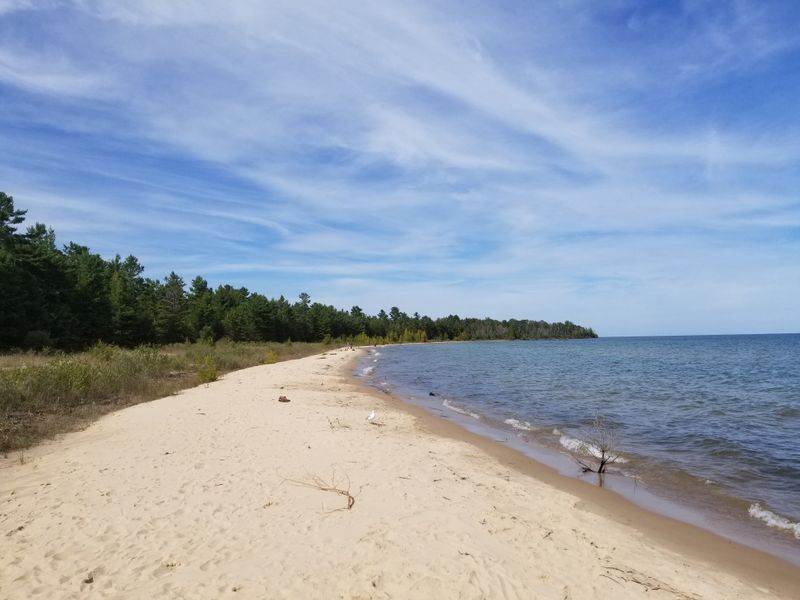
Sand squeaks underfoot on Negwegon’s broad, wild beach, a sound you only hear when you slow down enough to listen. The park is intentionally undeveloped, featuring backcountry sites tucked near Lake Huron and trails that slip through stands of oak and cedar. The sky feels extra wide here.
It is unburdened by light pollution or power lines. Named with Anishinaabemowin roots, the park holds a quiet conservation history, having been saved from heavy development and left mostly wild. It rewards restraint and careful campers who leave no trace of their visit.
Shorebirds work the wrack line with tiny, metronome-like legs as the lake turns to hammered silver at sunrise. This is a place to come self-sufficient, as there are only vault toilets and no modern hookups.
8. Thompson’s Harbor State Park
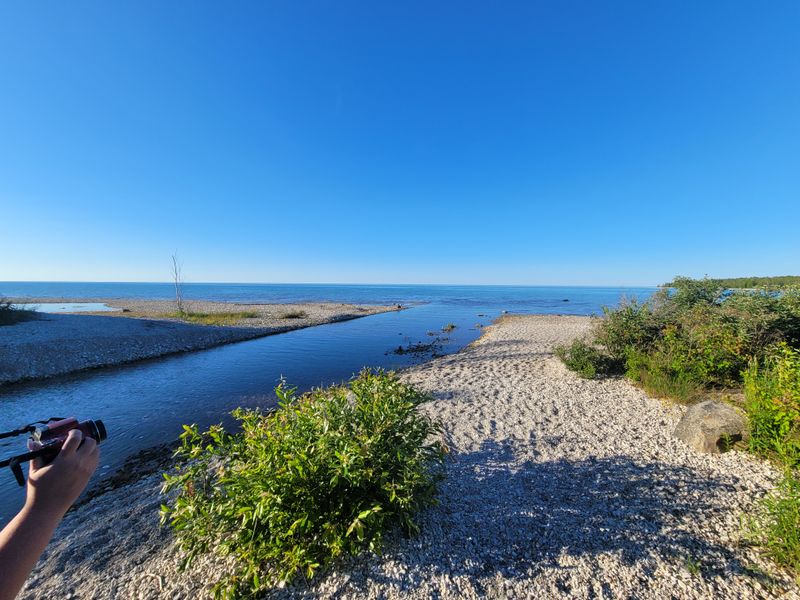
Quiet limestone cobbles give Thompson’s Harbor a textured soundtrack that is softer than surf but steady all day long. While the lighthouse stands just north of the park bounds, its history colors the entire shoreline culture. Trails braid through jack pine barrens and low swales.
They feel secretive and untouched. Preservation efforts here protect the dwarf lake iris, a spring gem that asks for watchful feet. Old two-tracks read like marginalia from the logging days, slowly being reclaimed by the forest.
Because the cobble walking is trickier than it looks, sturdy shoes are a requirement to avoid complaining ankles. Evening brings a canopy of stars that seem to hover over Lake Huron like a careful promise.
9. Harrisville State Park
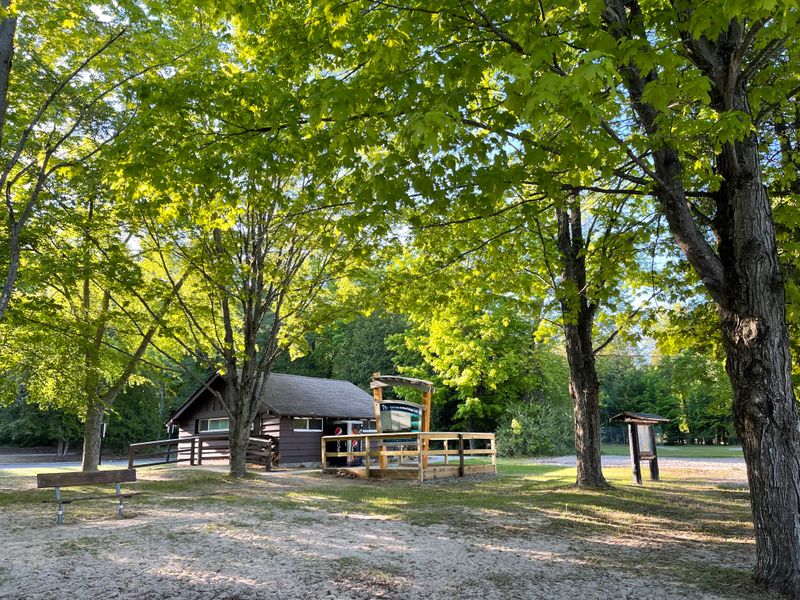
Camp loops at Harrisville sit just behind a wide, sandy beach where kite lines draw neat angles against the blue. This park pairs practical comforts with easy lake access, and the town next door adds the scent of fresh bakery bread to morning walks. The waves here are conversational rather than dramatic.
They make it an ideal spot for those who want peace without total isolation. The park dates back to the 1920s, a relic of an era when Michigan decided its lakes belonged to everyone. That democratic spirit still hangs around the picnic shelters and old shade trees.
Walking the boardwalk at sunrise is a local ritual, followed by a wander into Harrisville for coffee and an almond pastry. It is a friendly, low-fuss destination that honors the simple joy of a day at the lake.
10. Albert E. Sleeper State Park
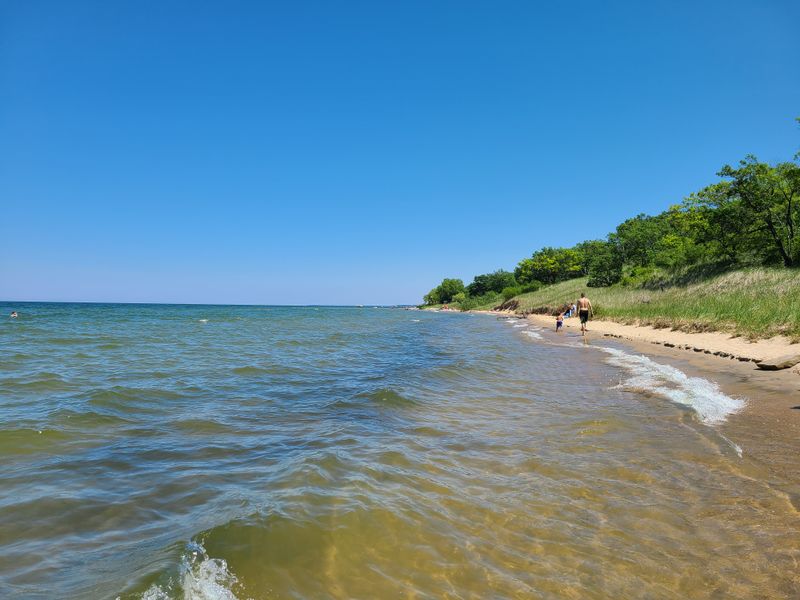
The curve of Michigan’s Thumb makes the horizon feel closer at Albert E. Sleeper, where Saginaw Bay spreads shallow and pale. Long sandbars coax you to wade far out into the water, accompanied by minnows that flicker like tossed coins in the sunlight. Picnic tables sit under generous shade.
They provide a cool retreat from the summer sun. Named for the Michigan governor who championed the state park system, the park reflects the practical, New Deal-era improvements and steady care it has received since. Old stonework suggests a time when craftsmanship mattered even on small public projects.
Before swimming, it is wise to check the wind direction, as weeds can drift in after a blow. The evening is best reserved for slow walks as the bay turns the color of tea left too long.
11. Port Crescent State Park
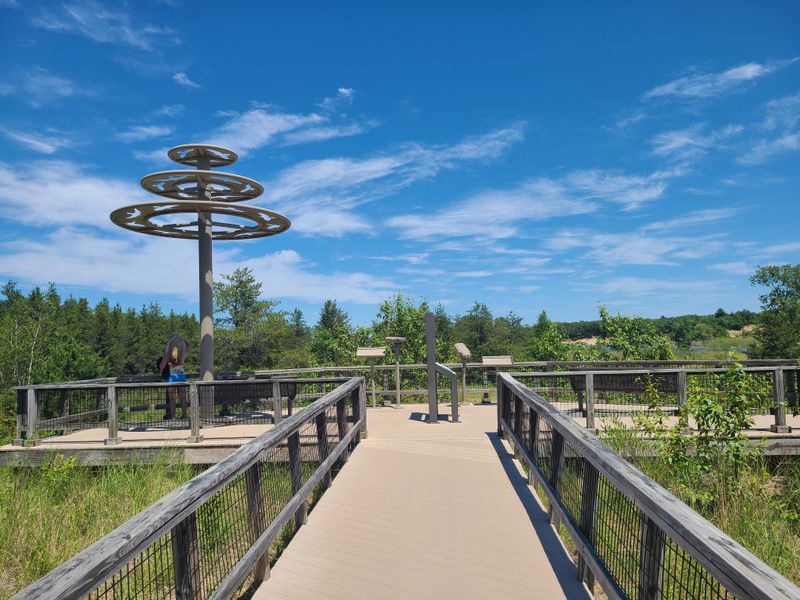
Night truly comes alive at Port Crescent, a designated dark sky preserve where the Milky Way looks as though it were printed on velvet. Daylight reveals a different but equally compelling story, wide beaches and the slow mouth of the Saginaw Bay working around the remnants of an old pier. Shorebirds stitch quick shadows across the sand.
They do it as the day warms up. The ghost of a former lumber town lingers in the name, with long-gone mills leaving only faint outlines and shifting dunes. Interpretive signs help you reconstruct the past without being overly sentimental.
Bringing a red headlamp for stargazing is a smart move to preserve your night vision. If the sky clears at two in the morning, stepping out of your tent is a requirement, you won’t regret the lost sleep once the stars sharpen the world.
12. Muskallonge Lake State Park
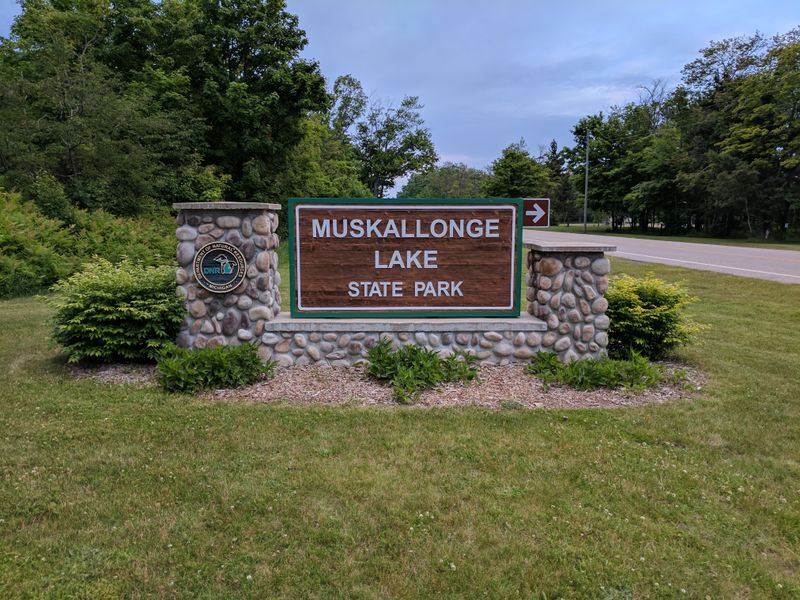
Two waters talk past each other at Muskallonge, with a quiet inland lake on one side and the moody, temperamental Lake Superior on the other. The wind has a habit of rearranging plans here, but the successful beach-glass hunts feel like significant victories. The surrounding pines hum like power lines.
They do it in the steady northern breeze. The area once hosted a bustling company town along the Duluth, South Shore and Atlantic Railroad, but little remains today except for local stories and a sense of tough persistence. Even in August, it is wise to layer up.
Superior’s breath can cool the air in an instant. When the sunset catches the copper and purple hues of the water, the entire campground tends to stop and watch in silence.
13. Fisherman’s Island State Park
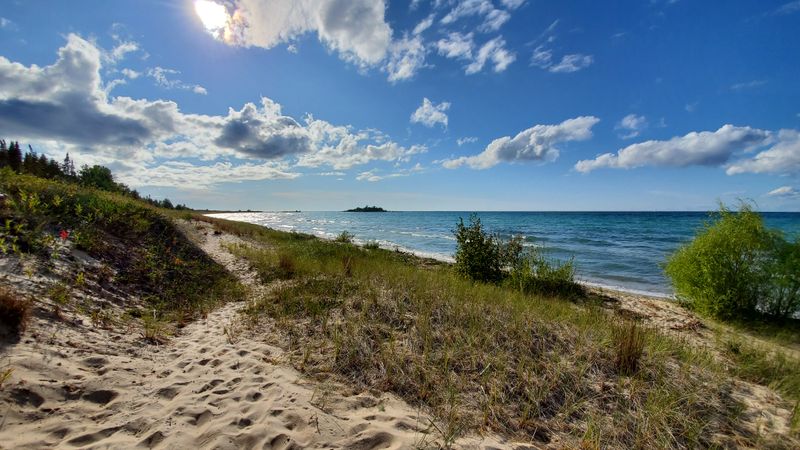
The shoreline at Fisherman’s Island feels stitched together by driftwood and tiny agate hunts, with Lake Michigan working in a steady, rhythmic metronome. The campground sits close to the water, rustic, honest, and unpretentious. On nights when the wind swings just right.
You can hear the haunting call of loons echoing across the waves. The park’s islands are actually low cobble bars and shoals, constantly shaped by the lake’s currents. Trails through the park remain modest and friendly, winding through territory that feels more like a hidden discovery than a public park.
Sites are often available on a first-come basis outside of peak times, making it a great destination for a spontaneous retreat. Sunrise turns the shoreline stones warm, making the hunt for agates feel like a truly believable pursuit.