
This 45-Mile Illinois Trail Takes You Through Haunting Ghost Towns And Gorgeous Woodlands
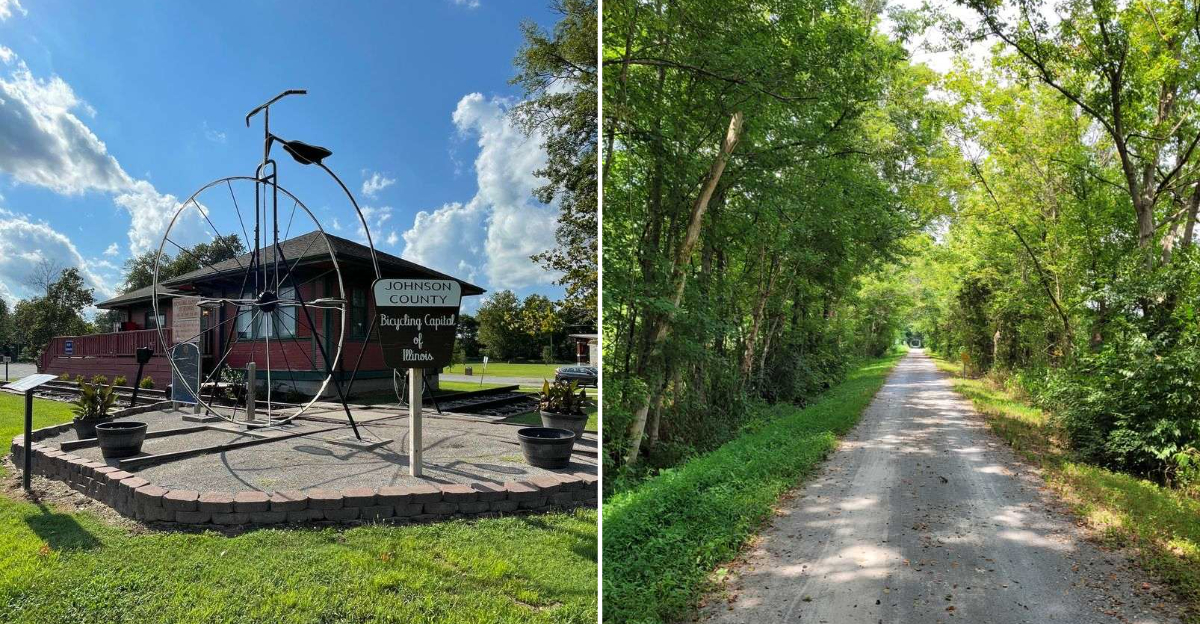
Ready to chase a little mystery through the heart of southern Illinois? The Tunnel Hill State Trail rolls for 45 miles through whispering woods, sleepy ghost town sites, and the kind of sandstone tunnels that make your voice echo like a secret.
You will feel the air change as you pass from sunlit farmland to cool, dripping passageways carved by history and stubborn determination. Lace up or hop on a bike, because this ride mixes beauty with just enough goosebumps to keep you grinning.
A 45-mile ribbon through the Shawnee borderlands
The Tunnel Hill State Trail stretches a full 45 miles across southern Illinois, linking Harrisburg to Karnak with Vienna as a friendly midpoint. You travel on a crushed-limestone rail trail that glides over trestles and slides through a sandstone tunnel that feels like a time warp.
The terrain is gentle, so new cyclists and seasoned riders can move at their own rhythm without white-knuckle climbs.
Here the landscape shifts from farmland to oak and hickory woods, with limestone cuts rising like open books beside the path. You hear creeks murmuring under bridges and the quick rustle of deer bolting through brush.
On warm days the air smells like sun on leaves and stone, and your tires hum a steady, calming note.
Trailheads offer parking, maps, and simple restrooms, and many sections sit close to small towns for snacks. Most of the route is free to access, with daylight hours typical, but seasonal hours can vary, and some trailheads may have limited amenities during off-peak months.
Since weather swings fast, bring ayers, water, and a light for the tunnel.
The namesake tunnel and that first cool breath
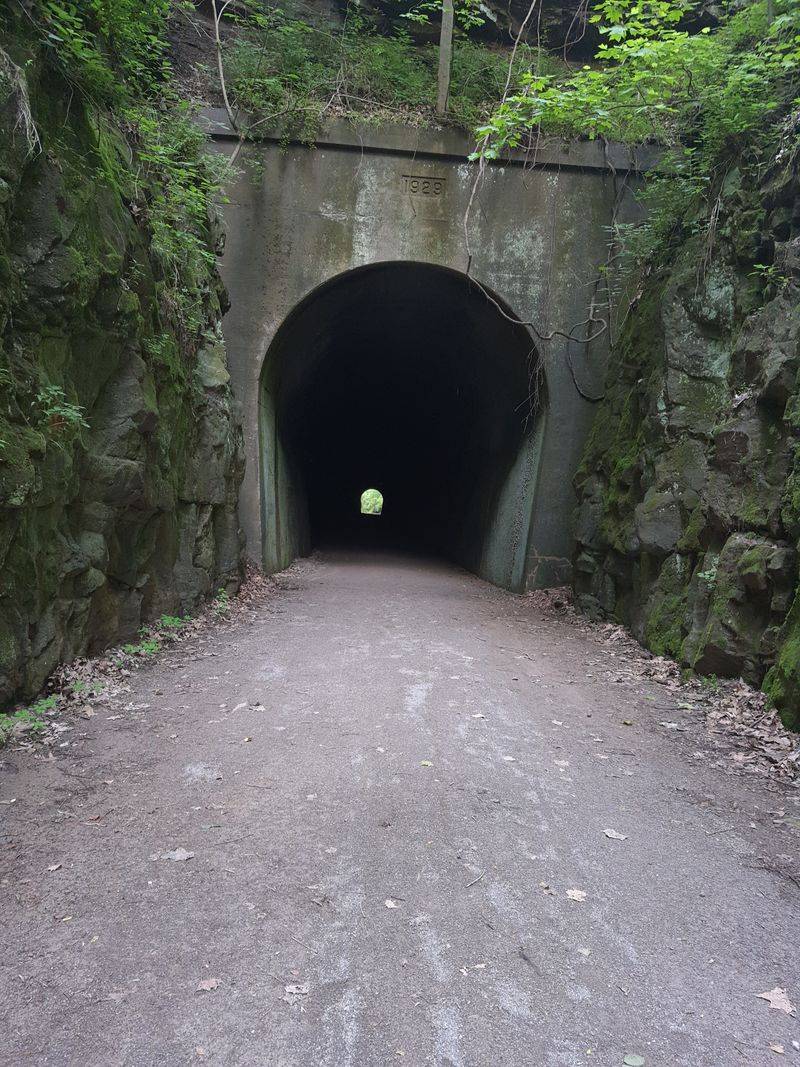
When you reach the Tunnel Hill tunnel, the world drops to a hush. The temperature falls, the light narrows, and your breath curls in front of you like you stepped inside the earth’s sleeve.
Bring a headlamp or bike light, because you will want to see the rippled stone where water finds tiny seams and turns them into shining threads.
Your tires click on the limestone and the sound bounces back in polite echoes. It is not spooky exactly, but it sparks that kid feeling you get when you dare yourself to keep going.
Step or pedal slowly, listen for approaching riders, and keep right so everyone flows through safely.
Outside the tunnel portals, the forest crowds close, and the air suddenly warms. You will probably stop for photos because the symmetry pulls the eye like a magnet.
If you are short on time, make the tunnel a must-do, since it captures the trail’s heart in a single breath of cool stone and soft light.
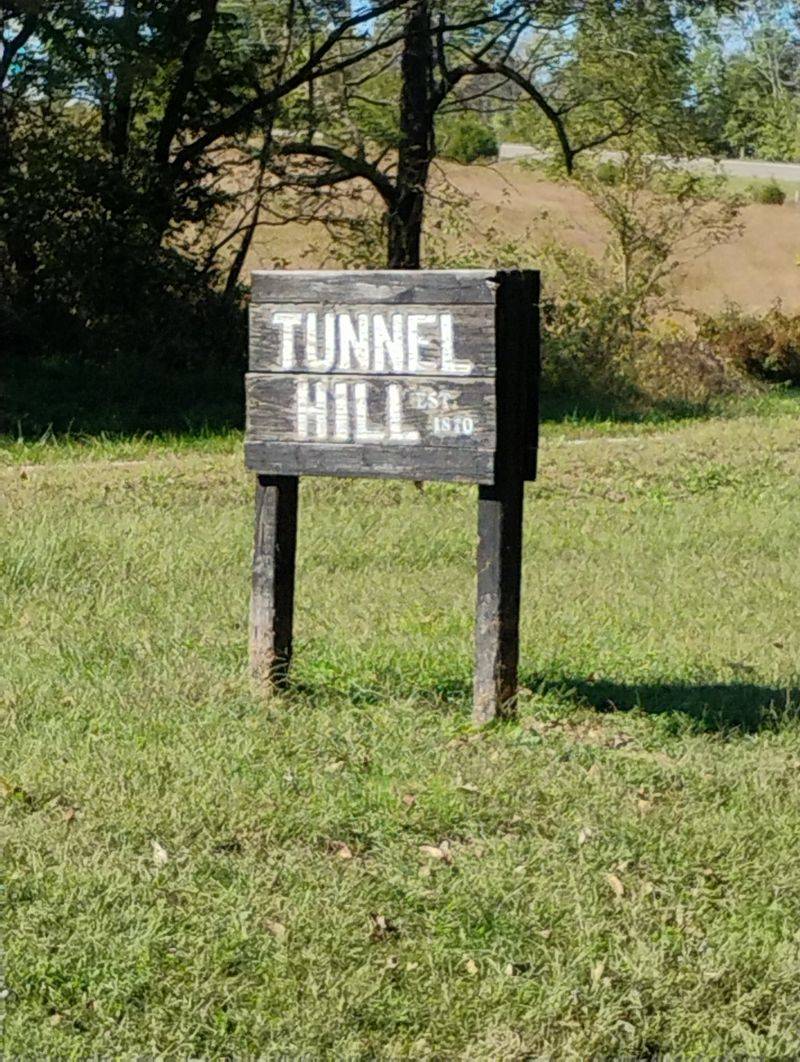
Ghost towns that still whisper along the railbed
Old rail towns once leaned on this line, and while many slipped away, they left traces like a conversation you can still almost hear. You may pass stone foundations, stray fence lines swallowed by saplings, and the odd relic hinting at depots and mills.
While these towns were once vibrant railroad hubs, most of the ghost towns along the trail are no longer visible as full communities. What remains are historical sites with minimal structures, often marked by small interpretive signs or the faint outline of foundations.
Read the small interpretive signs where you find them and let the gaps be part of the story.
These places feel tender rather than tragic, like the trail is tending a memory garden. The air smells green and slightly sweet, and birds dart from shadow to sunlight along the edges.
If you pause and close your eyes, freight wheels almost clatter in your head, then fade under the chatter of cicadas.
Respect the sites and stay on the path, since private property often borders the corridor. Take photos, not souvenirs, and share a smile with folks you meet.
You will leave with a feeling that history is not gone here, just quiet, waiting for your footsteps to stir it gently.
Trestles, cuts, and the art of old rail engineering
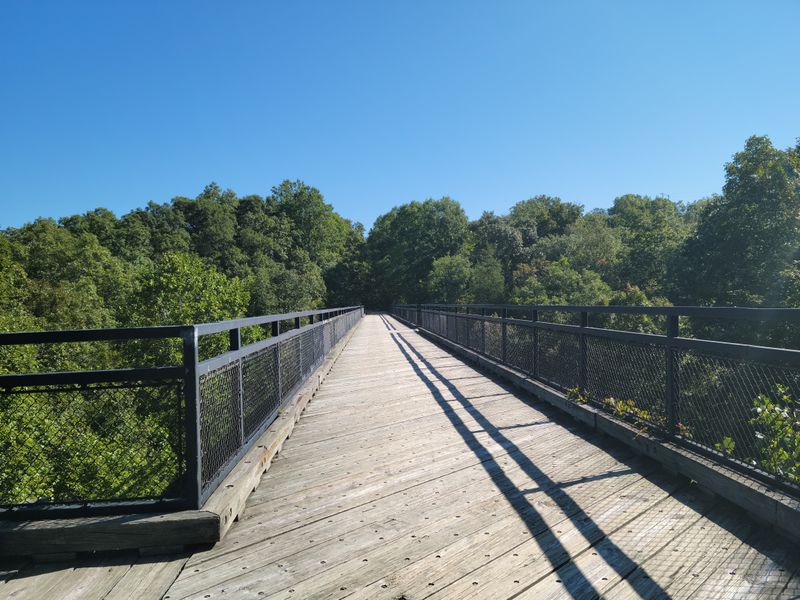
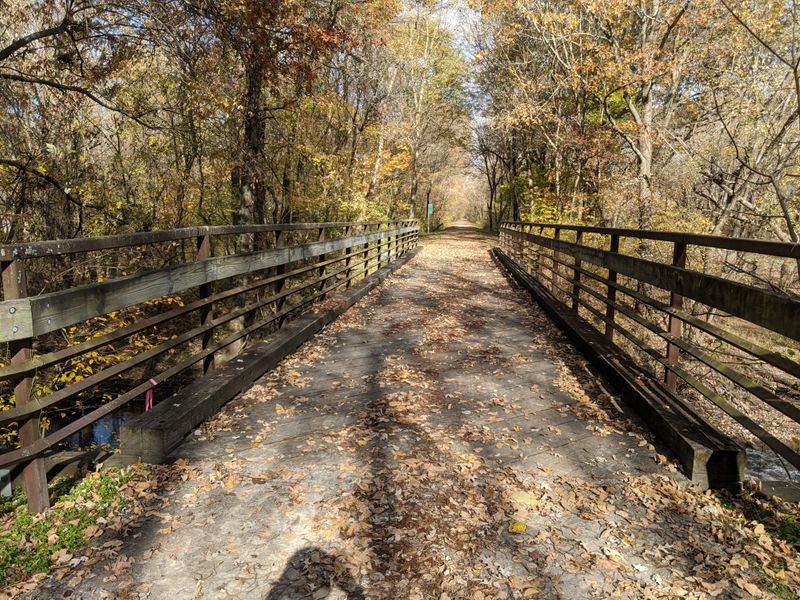
The rail line carved a smooth grade through serious hills, which means you get elegant trestles and deep cuts without the sweat. Rolling onto a trestle, you see the forest drop away to a ravine stitched with creekshine.
It feels serene yet impressive, a practical beauty born from the need to keep trains steady and fast.
Stand still a moment and admire the engineering: repeating beams, angled braces, and the soft thunk of your footfalls. Cuts through rock read like cross-sections of time, showing stripes of mineral and memory.
You are moving through a textbook that forgot to be boring, and your camera will not know where to point first.
Hold your line on bridges and announce when passing. Wet days can make boards slick, so ease your speed and trust your brakes.
Give yourself time to look up and out, because these structures are the trail’s quiet skyscrapers, turning a simple ride into a gallery of purposeful design.
Vienna trailhead vibes and easy logistics
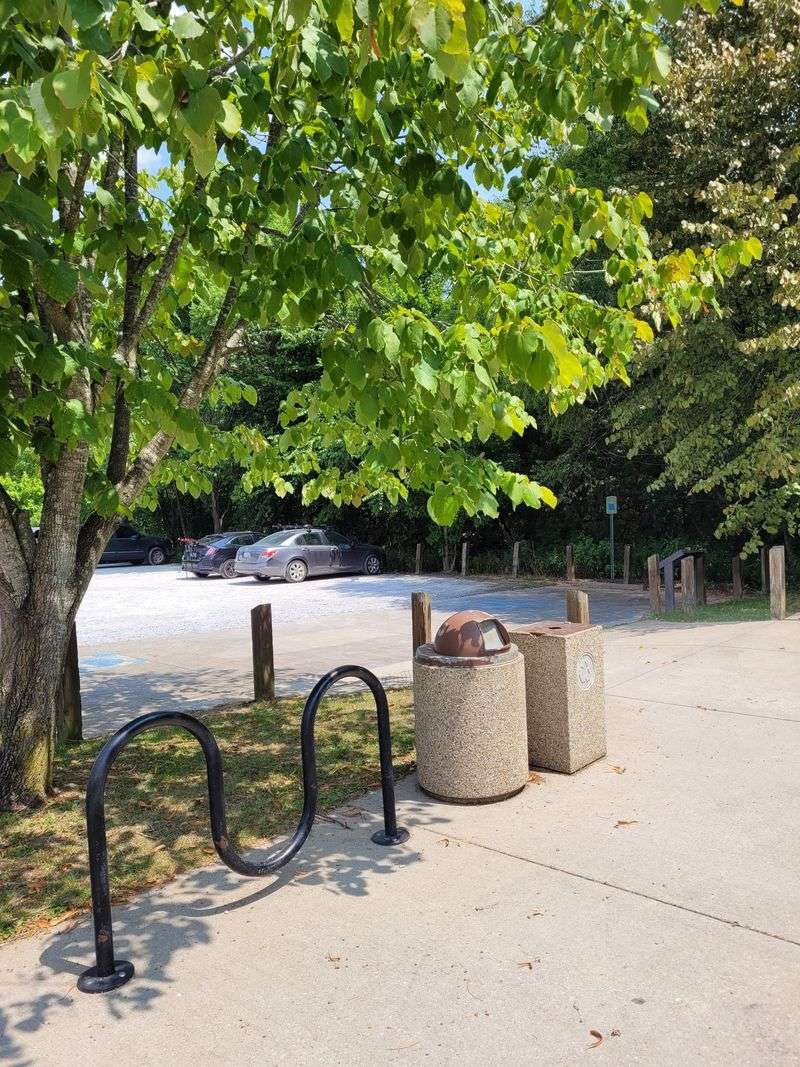
Start in Vienna at 302 E Vine St and you will feel welcomed before your helmet strap clicks. The trailhead parking is straightforward, with a kiosk map that lays out distances and highlights.
Public restrooms may be available seasonally, and local shops nearby handle snacks, cold drinks, and last-minute tubes.
Trail hours typically follow daylight, with seasonal changes, and access is free. If you need rentals or repairs, ask around town since small outfitters sometimes operate with flexible schedules.
Parking is usually free, but watch posted signs during events or busy weekends.
Vienna’s location makes it a friendly launch for day rides either direction, especially if you are aiming for the tunnel without tackling the full 45 miles. Keep your water topped off and bring a simple tool kit.
You will find the community patient and helpful, the kind of place where someone points you to the best bakery like it is a public service.
Seasons paint the trail in shifting moods
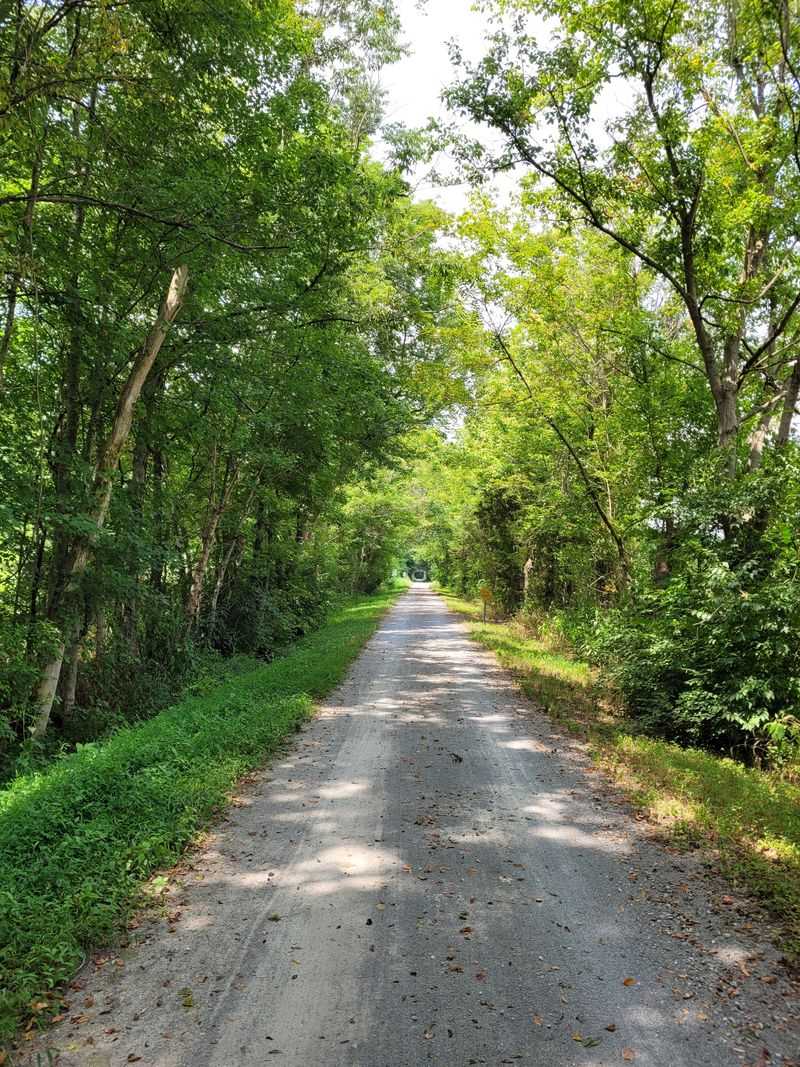
Spring brings peepers, dogwood blooms, and a clean smell after rain that makes the limestone glow. You will spot wildflowers tucked into cut walls and along gentle ditches, a dot-to-dot of color guiding you onward.
The air feels soft and energetic, like the trail itself is stretching awake.
Summer stacks on deep green, shade tunnels, and that low cicada drone that means you are doing something right. Mornings run cooler, so start early, and watch for afternoon storms that rumble in fast.
The tunnel stays refreshingly cool, a natural reprieve from heat that sneaks up on long rides.
Autumn steals the show, with oaks and maples throwing confetti under your wheels. Leaf crunch, woodsmoke hints, and golden light turn every mile into a postcard.
Winter slims the woods to lines and bones, revealing views across ravines and distant farm roofs, quiet and honest.
Wildlife cameos and the soundscape between towns
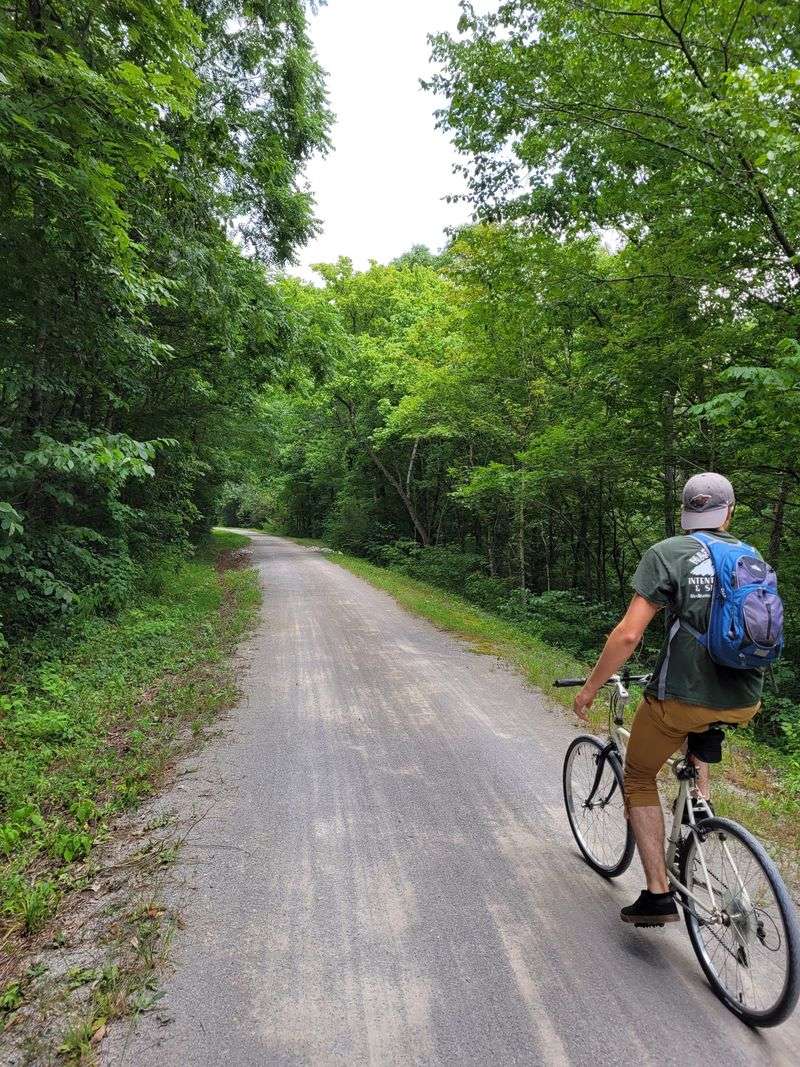
The trail’s soundtrack mixes tire hiss, birdsong, and the soft percussion of twigs under small paws. Deer step out like they own the right-of-way, then flick away into green curtains.
Turtles sun on logs, and red-tailed hawks float overhead, scanning fields stitched to the corridor.
Keep your pace steady and your eyes scanning the edges. Snakes, including venomous species, may cross for warmth, usually harmless, but give them room.
After rains, frogs stage tiny parades that make you feel honored to be invited.
Sound carries in pockets here. You may hear a rooster from a farm you cannot see or the click of a gate on a wind half a mile off.
Take out one earbud or ride without, because the trail rewards anyone listening, and you will notice how the forest edits the day down to what matters.
Practical tips: surface, gear, and accessibility
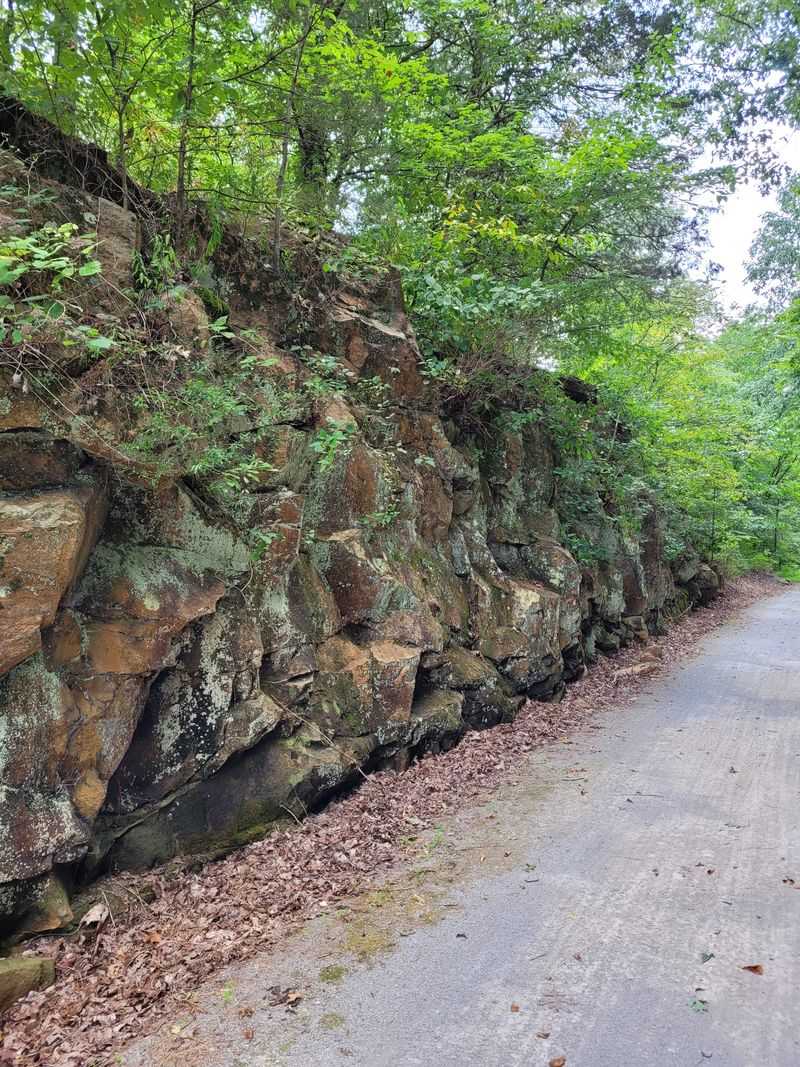
The surface is crushed limestone that rides smooth when dry and slower when wet. Hybrid or gravel bikes feel perfect, though road bikes with wider tires manage fine.
Walkers and runners will appreciate the even grade and steady footing, especially in shaded stretches.
Bring a light for the tunnel, water, sunscreen, and a basic multi-tool. After heavy rain, puddles collect and can hide soft spots, so test with caution.
Wheelchair users may find some accessible segments near major trailheads, but the trail is not universally paved or fully ADA-compliant.
The trail is free to use, typically open dawn to dusk, though seasonal adjustments happen. No exact ticket price applies, but budget a little for parking in certain areas or donations if posted.
Bathrooms and water sources can be spaced out, so plan refills in town, and carry what you wish you had last time.
Weather, timing, and staying comfortable
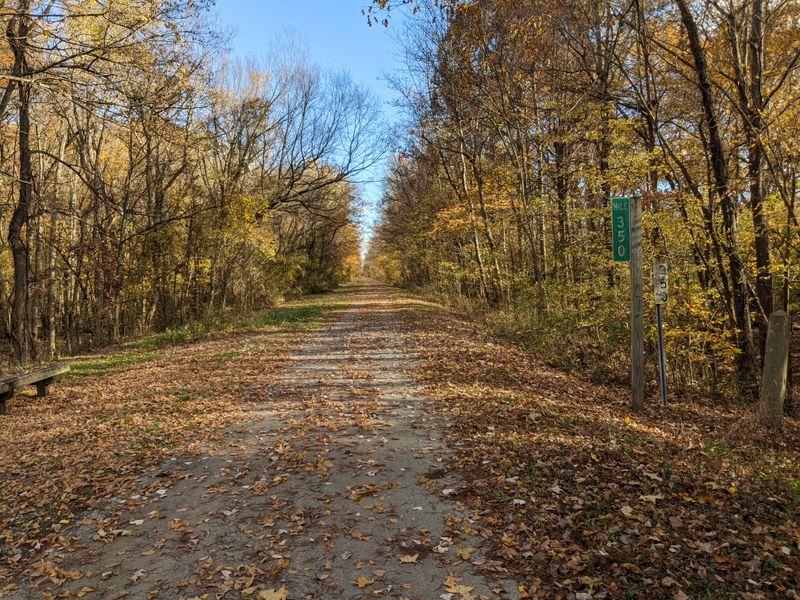
Southern Illinois weather can flip from sunny to stormy in a blink, so pack layers. Early mornings offer cooler air, open trail, and wildlife activity, while late afternoon gives long shadows and that mellow golden tone.
If storms brew, step off trestles and avoid tall isolated trees until it passes.
Summer heat sneaks up, so drink before you feel thirsty and top off at towns. A bandana handles sweat and doubles as shade for your neck when the sun leans hard.
In winter, the wind cuts sharper across open spans, so gloves and a windproof shell make all the difference.
Weekdays feel quieter, but weekends bring a friendly hum. Start at Vienna if you want a simple out-and-back to the tunnel without time pressure.
If you are chasing fall color, aim late October, give or take, and be ready to be amazed by the way the light sets the leaves humming.
History you can pedal through without a lecture
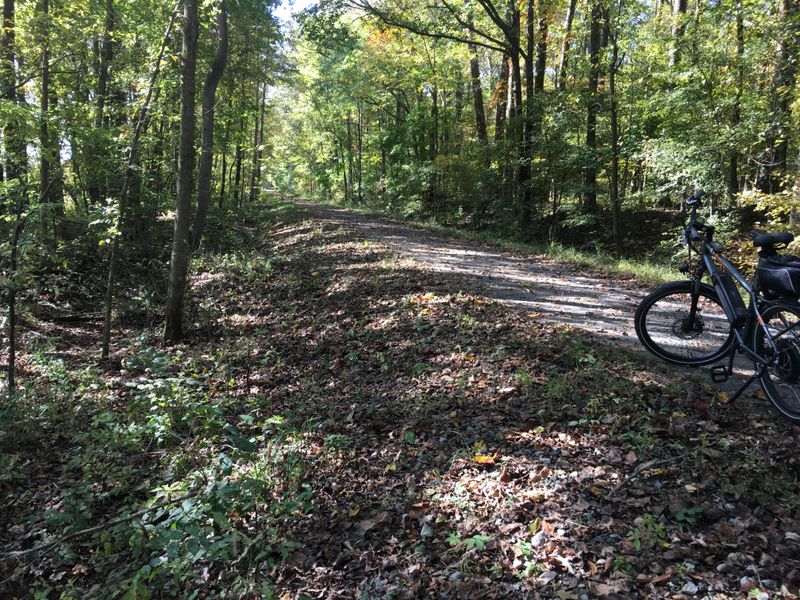
The corridor once carried freight and passengers, linking small towns to markets and the wider world. Rail service faded, the line went quiet, and later it was reborn as a trail that kept the route’s spine while changing its purpose.
You feel that continuity in the steady grade and the way towns still face the corridor like a front porch.
Interpretive panels pop up where it makes sense, offering a few clean facts without drowning you. The best pieces are the physical clues: abutments, culverts, and the geometry of the cuts.
Stand there and you get the story at a glance, not because someone told you, but because the land itself has the receipts.
No need to memorize dates to enjoy it. Let the artifacts and the shape of the trail carry the narrative as you ride.
By the time you finish, you will know the line by feel, and that is the kind of history that sticks.
Food, water, and those little comforts that save the day
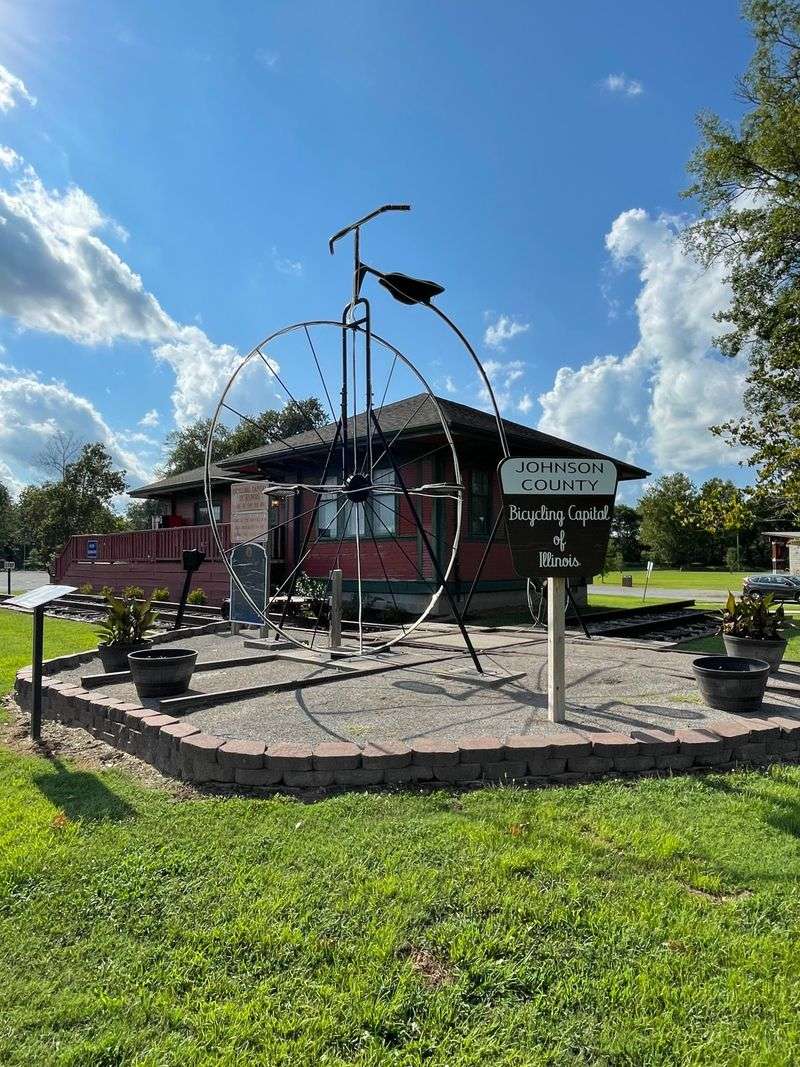
Pack snacks, but plan to treat yourself in the towns. A cold drink after the tunnel tastes like a medal, and a sandwich never feels so heroic as when you have miles in your legs.
Local cafes and gas stations become reliable oases along this corridor of green.
Water fountains are not guaranteed, so refill whenever you roll through a community. Stash a backup bottle in your bag, and tuck electrolyte tablets if the day will run hot.
A small first-aid kit earns its space, and a chain lube wipe keeps your ride quiet and smooth.
Bathrooms can be spaced out, so note trailhead facilities on your map. Carry a headlamp for early starts or late returns, and a light jacket even in July for the tunnel’s chill.
Comforts do not have to be fancy here, just thoughtful, and they turn a good ride into an easy one.