
This Tiny Amish Town In Ohio Feels Like A Secret Worth Discovering
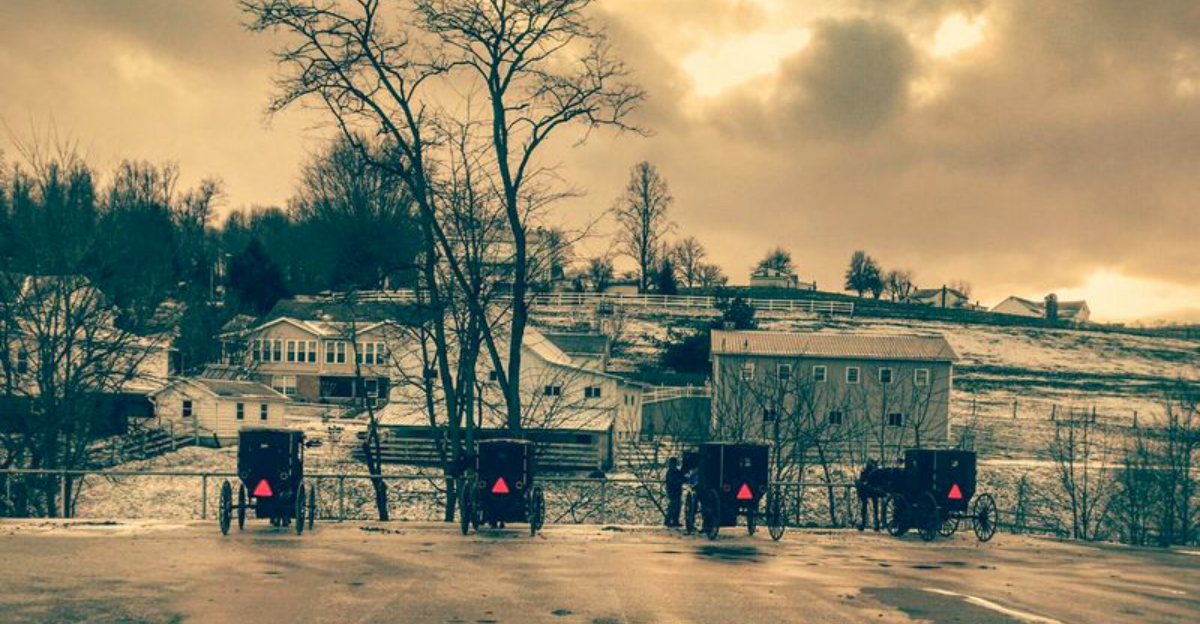
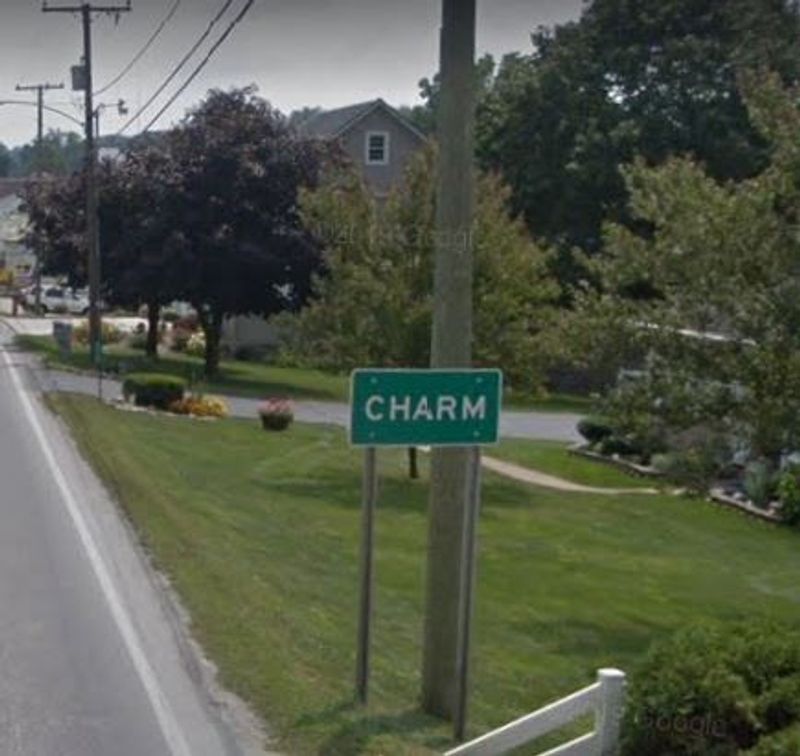
Hidden in the rolling hills of Holmes County, Charm feels like a place that time forgot in the best possible way. This unincorporated community in northwestern Clark Township isn’t marked by flashy billboards or tourist traps.
Instead, you’ll find hand-painted signs, horse-drawn buggies, and a pace of life that invites you to slow down and breathe.
I stumbled upon Charm during a fall road trip along State Route 557, and what I discovered was a window into Amish culture that felt refreshingly authentic. The community lives up to its name in every sense.
There are few chain stores or traffic lights, just genuine craftsmanship, homemade goods, and people who still believe in the value of a handshake.
Walking through this town is like stepping onto a movie set, except everything is real and functional. The clip-clop of horse hooves on pavement provides the soundtrack, while the scent of fresh-baked bread drifts from nearby bakeries.
If you’re looking for an escape that doesn’t require a passport or a plane ticket, this tiny Ohio town offers something rare: a chance to experience simplicity without sacrificing warmth or hospitality.
A Community Rooted in Tradition
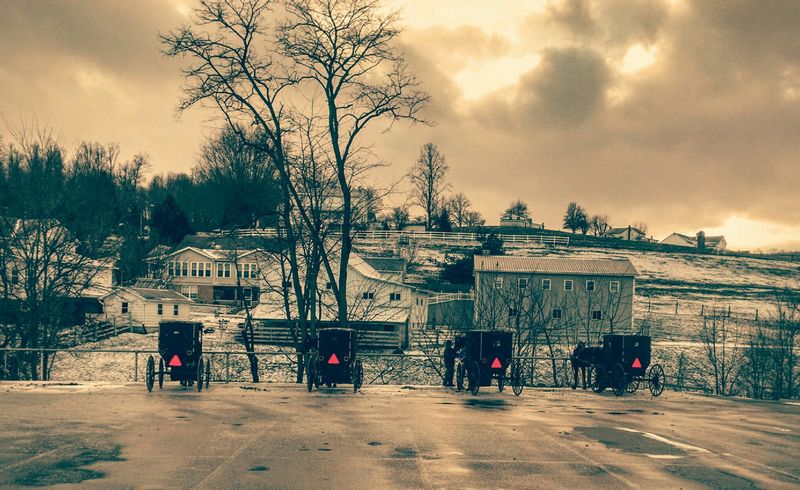
Authenticity isn’t something you can fake, and in this corner of Holmes County, it radiates from every corner. The Amish families who call this place home have maintained their traditions for generations, creating a living tapestry of faith, hard work, and community values.
You won’t find pretense here, just people going about their daily lives with a quiet dignity that’s increasingly rare in our modern world.
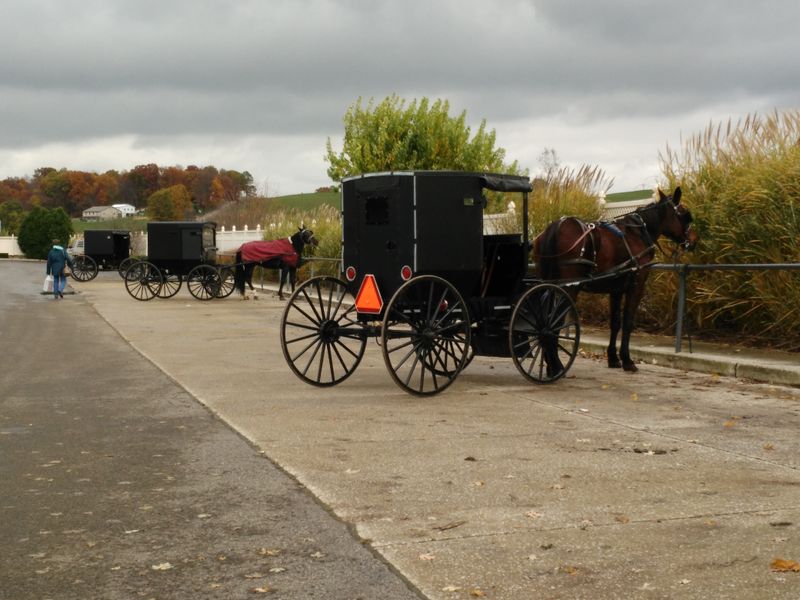
The buggies you see aren’t props for tourists. They’re genuine transportation, used for everything from Sunday church services to trips to the general store.
Watching them navigate the roads reminded me that efficiency isn’t always measured in speed. Sometimes the journey itself holds value.
What struck me most was how the community welcomes visitors without compromising their way of life. There’s a delicate balance between sharing their culture and preserving it.
The residents are friendly and helpful, but they’re not performing for cameras. This authenticity makes every interaction feel meaningful and every purchase feel like supporting something worthwhile rather than just buying a souvenir.
The General Store Experience
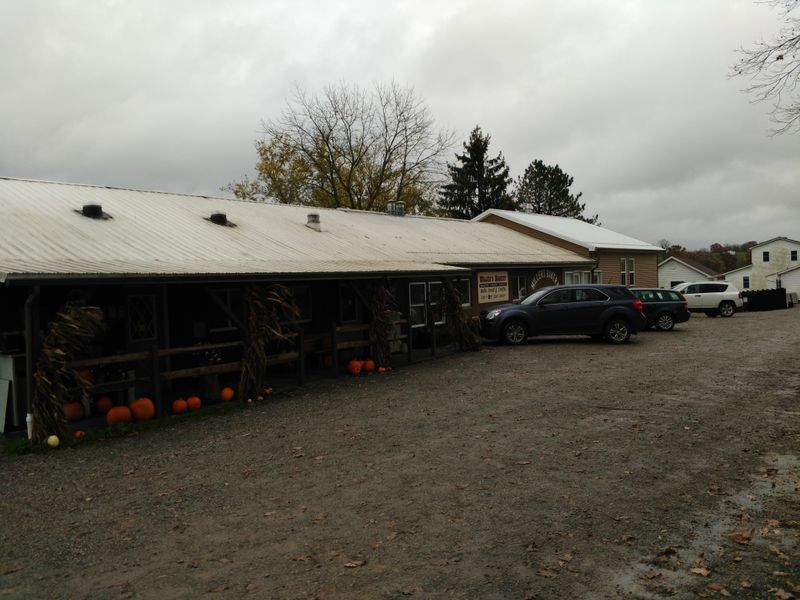
Charm Marketplace serves as the beating heart of daily life in this community, and stepping inside feels like entering a time capsule with surprisingly modern conveniences. The store carries everything from bulk foods and bakery items to dairy products, candy, and fresh produce.
I spent over an hour just wandering the aisles, discovering products I’d never seen in any supermarket chain.
The bulk food section alone deserves its own visit. Bins overflow with grains, spices, candies, and baking supplies at prices that made my jaw drop.
I filled bags with specialty flours and dried fruits, calculating how much I was saving compared to my usual grocery runs. The quality impressed me even more than the cost.
What makes this store special isn’t just what it sells but how it operates. There’s no rush, no pressure, no aggressive marketing.
The staff answers questions patiently and offers genuine recommendations. I watched locals catch up with each other while shopping, turning errands into social occasions.
It reminded me that commerce used to be about community connection, not just transactions.
Handcrafted Furniture That Lasts Generations
Quality craftsmanship isn’t just a marketing buzzword here. It’s a way of life passed down through apprenticeships and family workshops.
The furniture shops scattered throughout the area showcase woodworking skills that put mass-produced pieces to shame. Each table, chair, and cabinet represents hours of careful work by artisans who take pride in every joint and finish.
I visited several workshops where craftsmen were actively building furniture, and the attention to detail amazed me. They use solid hardwoods like oak, cherry, and maple, joined with techniques that ensure durability for decades.
No particle board or cheap veneers here. When they say a piece will last generations, they mean it literally.
The best part is watching these items being made. Many shops welcome visitors to observe the process, explaining their methods and the wood selection.
You can often customize pieces to your exact specifications, choosing dimensions, wood types, and finishes. Yes, the prices reflect the quality and labor involved, but you’re buying furniture that your grandchildren might inherit.
That perspective changes how you value the investment.
Baked Goods That Define Comfort
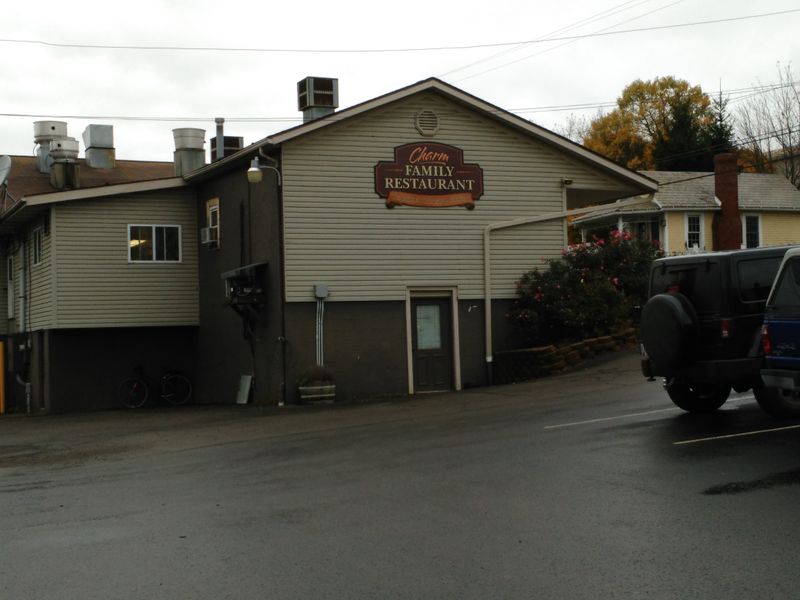
The bakeries in this area produce treats that make you understand why homemade became a compliment. Fresh bread emerges from ovens throughout the day, filling the air with aromas that could guide you in blindfolded.
I picked up a loaf of honey wheat bread that was still warm, and I barely made it to my car before tearing off a piece. The texture and flavor put every grocery store bakery to shame.
Beyond bread, the selection includes pies, cookies, cinnamon rolls, and pastries that follow recipes perfected over generations. The ingredients are simple and recognizable, no chemical additives or preservatives extending shelf life artificially.
These baked goods taste like what your grandmother would make if she had all day to spend in the kitchen.
I particularly recommend trying the whoopie pies, a regional specialty that locals consider essential. These cake-like cookies sandwiched with cream filling come in various flavors, though traditional chocolate remains the favorite.
Buy extras because they disappear quickly once family and friends discover you brought them home. The prices remain remarkably reasonable despite the superior quality and labor-intensive preparation methods.
Scenic Drives Through Working Farmland
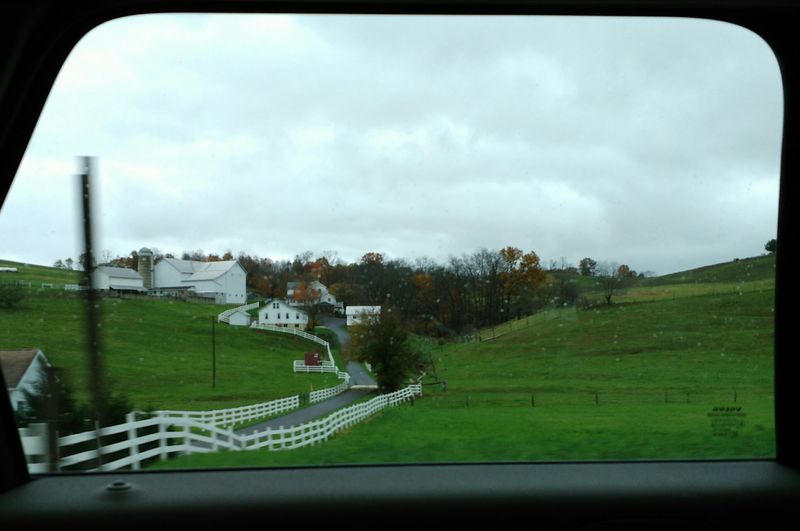
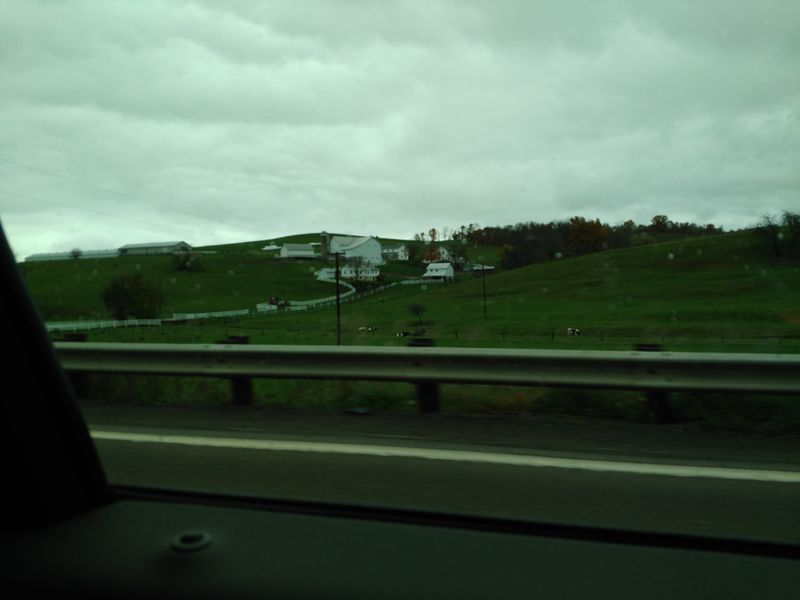
State Route 557 winds through some of the most picturesque agricultural landscape in Ohio, and driving it provides a moving meditation on rural beauty. The road takes you past working farms where crops grow in neat rows and livestock graze in pastures bordered by white fences.
Each season transforms the scenery, from spring’s fresh green to autumn’s golden harvest glow.
I recommend taking your time on these roads, both for safety and enjoyment. Buggies share the pavement with cars, requiring patience and careful passing.
But the slower pace lets you actually see the landscape rather than blur past it. Pull over at the occasional scenic overlook to take photos and simply absorb the tranquility.
The farms you pass aren’t just pretty backdrops. They’re working operations that feed families and supply local businesses.
You’ll see farmers in the fields using horse-drawn equipment, a reminder that mechanization isn’t the only path to productivity. The connection between land and livelihood feels tangible here in ways that industrial agriculture has lost.
These drives offer perspective on food production and rural life that most Americans never experience directly.
Quilts as Functional Art
Walking into a quilt shop here is like entering an art gallery where every piece serves a practical purpose. The quilts on display represent countless hours of precise stitching, with patterns ranging from traditional Amish designs to more contemporary styles.
Each one tells a story through fabric choices and construction techniques passed down through generations of quilters.
The color combinations in traditional Amish quilts often surprise first-time visitors. Deep jewel tones of purple, blue, and burgundy create striking geometric patterns against black backgrounds.
The simplicity of the designs belies the complexity of the craftsmanship. Every seam aligns perfectly, every corner meets precisely, and the quilting stitches create texture that adds another dimension to the visual impact.
Many shops offer both completed quilts and materials for making your own. The staff can explain the significance of different patterns and offer advice for aspiring quilters.
Prices vary widely based on size and complexity, but even the most expensive pieces represent significant value when you consider the labor involved. A handmade quilt becomes a family heirloom, gaining meaning and value with each generation that uses and cherishes it.
Small-Batch Cheese and Dairy Products
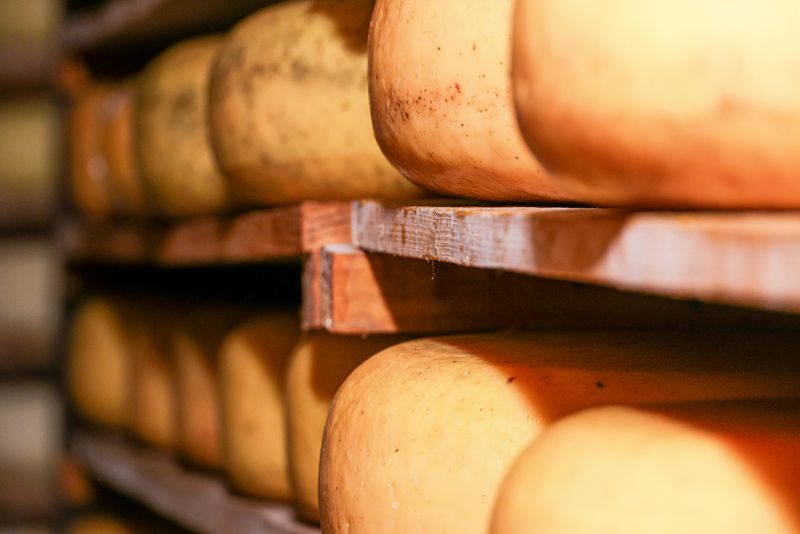
Local dairies produce cheese and dairy products that showcase what fresh really means. The milk comes from nearby farms where cows graze on pasture rather than standing in feedlots.
You can taste the difference in every bite of cheese, every spoonful of butter, and every sip of fresh milk. These aren’t industrial products designed for long shelf life and wide distribution.
They’re foods made in small batches for people who appreciate quality.
The cheese selection particularly impressed me, ranging from mild cheddars to sharp aged varieties with complex flavors. I sampled several types before buying, and the staff encouraged tasting to ensure satisfaction.
They explained the aging process and the milk sources, demonstrating knowledge that comes from direct involvement in production rather than memorized marketing scripts.
Beyond cheese, look for fresh butter, cream, and yogurt that remind you these foods don’t have to be bland convenience items. The butter has a rich yellow color and flavor that makes you want to spread it on everything.
I bought more than I probably should have, but it all got used quickly once I got home. These products cost more than supermarket equivalents, but the quality difference justifies every penny.
Planning Your Visit Wisely
Timing matters when visiting this community, both in terms of the day of the week and the season. Many Amish-run businesses close on Sundays, as the Amish observe the Sabbath strictly.
Visiting on a weekday provides the most authentic experience, as you’ll see the community going about normal routines rather than catering primarily to weekend tourists. I found Tuesday through Thursday particularly pleasant, with enough activity to feel vibrant but not crowded.
Seasonal considerations also affect your experience significantly. Fall brings harvest activities and stunning foliage, making it the most popular time for visitors.
Spring offers newborn farm animals and fresh green landscapes, while summer provides the longest daylight hours for exploring. Winter has its own charm with snow-covered farms and cozy shops, though some businesses reduce hours during the coldest months.
Bring cash, as many businesses don’t accept credit cards. Dress modestly out of respect for local customs.
Leave plenty of time for browsing and chatting, as rushing defeats the purpose of visiting. And remember that this is a living community, not a theme park.
Respect privacy, ask before taking photos of people, and recognize that your visit is a privilege, not an entitlement.