
Explore Michigan’s Cutest Small Towns On This Affordable Train Adventure
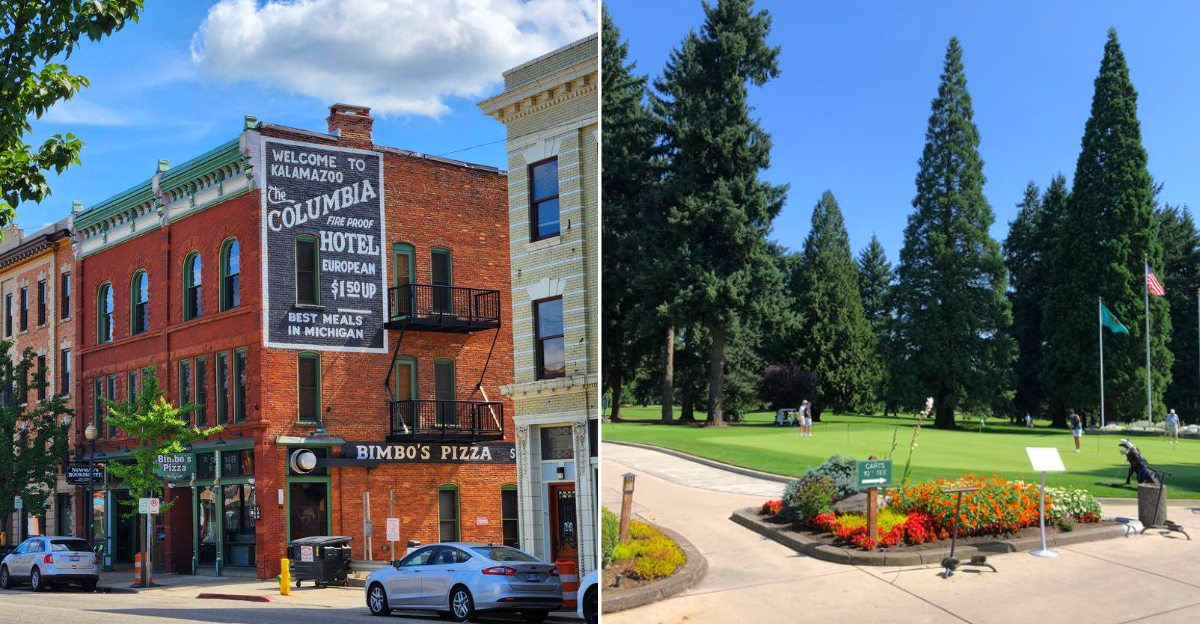
Here is a wallet-friendly way to see Michigan’s charm unfold outside a car window. Hop an Amtrak Wolverine or Blue Water train, slide into a seat, and watch dunes, silos, and brick depots roll by like a living postcard.
Each stop holds a walkable downtown, a bakery worth lingering in, and a local story that still matters. As we move through 2026, rail travel remains the most soulful way to connect the dots of the Great Lakes State.
The journey is defined by the gentle sway of the car and the rhythmic “clack-clack” of the tracks, a sensory backdrop that invites you to put down your phone and look out at the world. It’s an experience where the scent of fresh coffee from the cafe car mingles with the crisp air of a dozen different station platforms.
Come along stop by stop, and you will collect small moments, a sunset over a marsh, a friendly wave from a trackside porch, that feel bigger than any itinerary. Journey through the heart of the Great Lakes on this scenic and soulful rail adventure.
To help you plan the perfect rail-hopping excursion, I’ve identified the “must-hop” stations where the best local breweries and historic sights are just a short walk from the platform.
I’ve put together a guide to the most scenic stretches of track and the best times to book your tickets to catch the golden hour light hitting the Michigan landscape.
1. New Buffalo
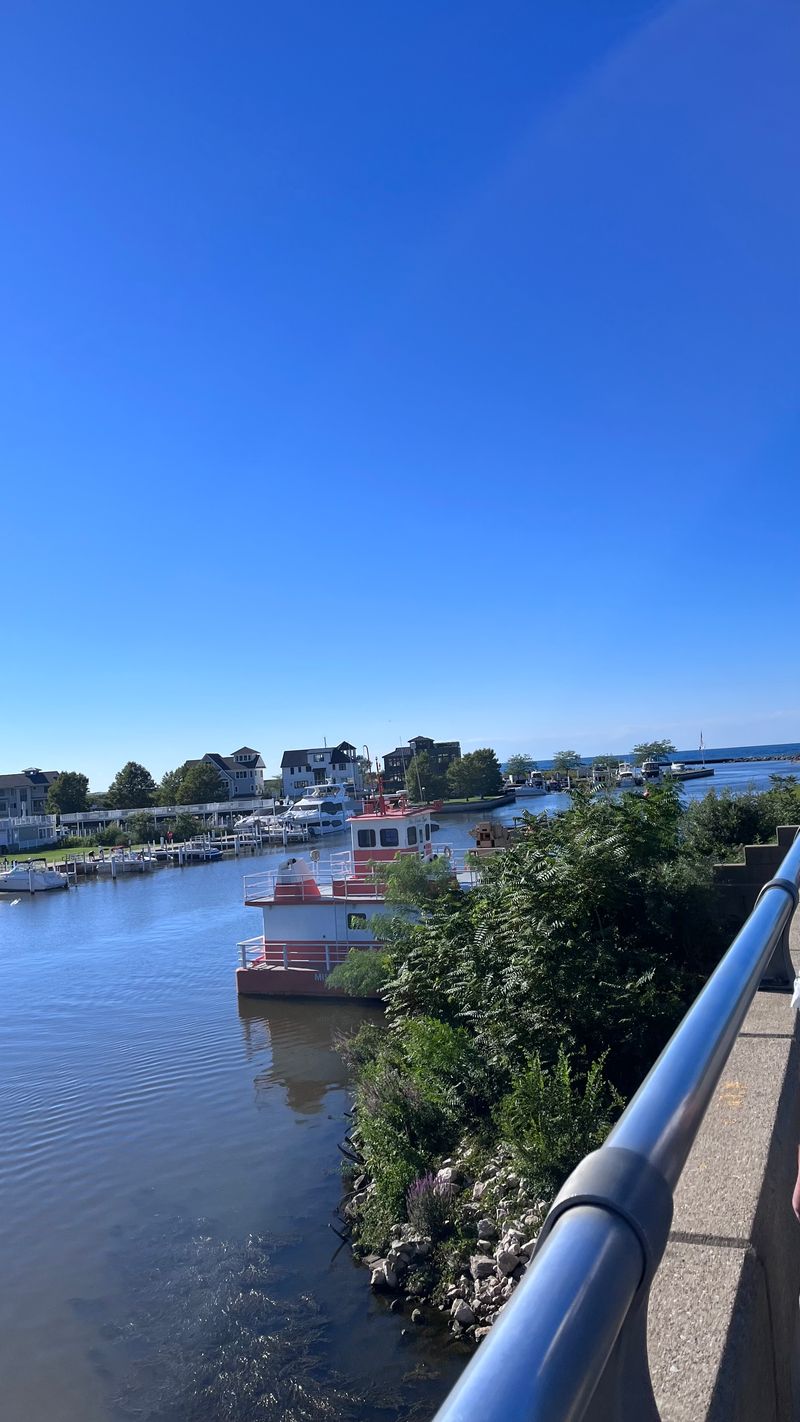
The air changes the moment the train slows near the southern tip of Lake Michigan. A cool lake breeze snatches the platform heat as the Amtrak Wolverine eases into its berth at 226 N Whittaker St, New Buffalo, MI 49117. Through the cottonwoods, you catch the first glitter of deep blue water.
New Buffalo is the gateway to Michigan’s “Harbor Country,” and it manages to maintain a sense of calm even during peak summer. The town is anchored by a sprawling public beach and a harbor where white masts sway in a tight stitch against the horizon.
Before it became a destination for weekend retreats, New Buffalo was a rugged lumber and maritime hub. Its history is one of resilience, having been rebuilt after a devastating 1849 gale that wrecked early dreams of a commercial harbor. Today, that history is honored through a commitment to keeping the shoreline accessible.
The walk from the station to the downtown core is brief and pleasant. Stroll along Whittaker Street to grab a freshly roasted coffee, then continue toward the water where the sound of the waves takes over. The side streets are lined with clapboard cottages, and the savory scent of fried perch drifts from tucked-away joints.
The town manages to feel upscale yet approachable, a balance that makes it a favorite for those arriving by rail.
2. Niles
As you step onto the platform in Niles, you are greeted by one of the most beautiful railroad structures in the Midwest. The ornate 1892 Niles depot, found at 598 Dey St, Niles, MI 49120, features heavy Richardsonian Romanesque arches and a towering clock that give the experience a sense of quiet gravitas.
This station is a monument to an era when rail was the undisputed king of travel. The town itself is a tidy ledger of history, known as the “City of Four Flags,” reflecting the French, British, Spanish, and American claims to the land over the centuries.
The downtown area is a short, scenic walk from the depot, featuring brick blocks that look largely as they did a century ago. Vintage signs hang over independent storefronts, and there is a legendary corner bakery that locals flock to for hand-filled paczki when the season arrives.
The St. Joseph River trail is another highlight, where fallen leaves eddy in the wake of cyclists and the occasional freight train rumbles by in the distance like distant thunder. The meticulous restoration of the depot has tied the region’s deep rail heritage to modern Amtrak service, ensuring the building remains a functional part of the community.
Niles offers a grounded, authentic look at Michigan’s river-town heritage, far removed from the gloss of the lakefront resorts.
3. Dowagiac
Dowagiac offers a greeting that is as artistic as it is welcoming. As the train comes to a halt at 200 Depot Dr, Dowagiac, MI 49047, you are met with a bronze dancer stretching skyward—one of many public sculptures brightening the corners of this creative community.
The station itself is a restored 1903 masterpiece, looking exceptionally crisp in its signature cream and green color scheme, surrounded by flower beds cared for like a neighbor’s front porch.
The town’s history is rooted in a fascinating manufacturing past, ranging from the production of Round Oak stoves to the creation of James Heddon’s iconic fishing lures. You can feel that industrial spirit humming under the sidewalks as you walk toward the downtown district.
The local cafes are a major draw, often smelling of cinnamon-sugar toast and strong coffee, particularly on mornings when the farmers market brings the streets to life. From the platform, it is an easy ten-minute walk to Underwood Park, where you can watch local kids testing their lines on the skate park or enjoy a quiet moment under mature trees.
Dowagiac has protected its facades with a series of careful, consistent updates that make it feel both historic and vibrantly alive.
4. Kalamazoo
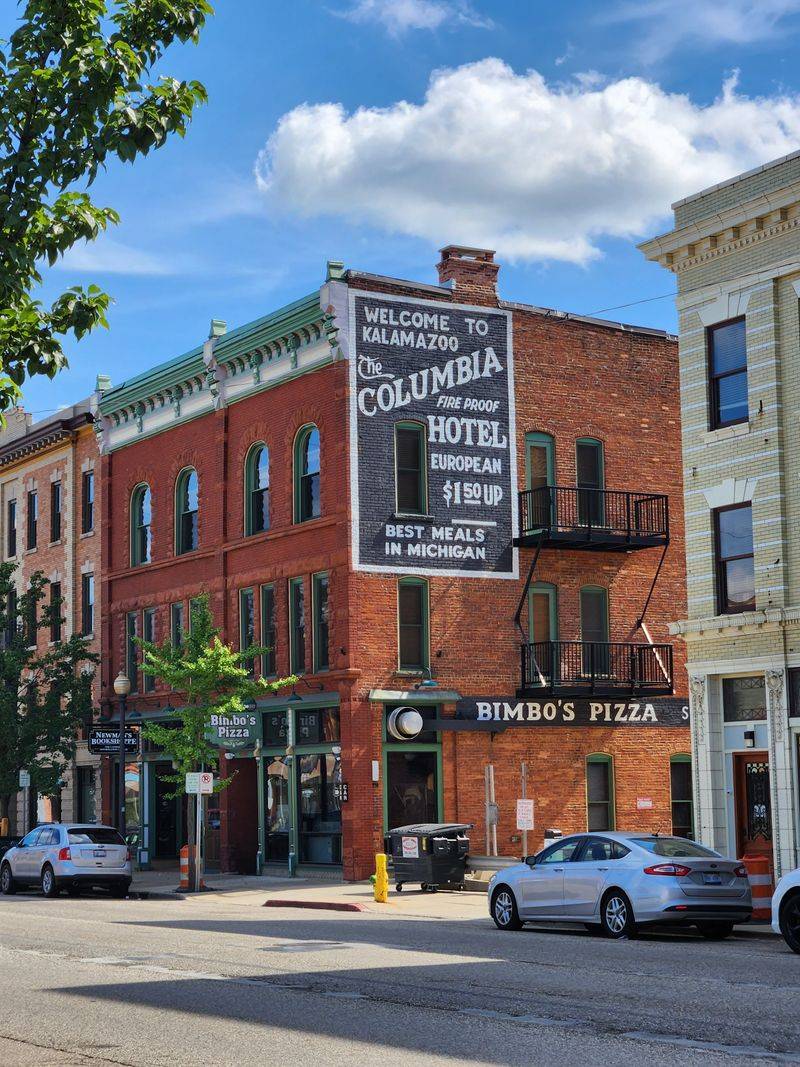
The energy on the platform in Kalamazoo is kinetic and proudly communal. As the train doors open at 459 N Burdick St, Kalamazoo, MI 49007, you find a diverse mix of students, researchers, and cyclists navigating the historic 1887 depot.
Kalamazoo is a city that has mastered the art of being grounded yet forward-thinking. It is a place of world-class craft breweries, string lights draped over outdoor patios, and the occasional violin busker providing a soundtrack for the commuters.
Once a global powerhouse for paper and pharmaceuticals, Kalamazoo chose to lean into preservation. The city saved its stunning Art Deco landmarks and created the Kalamazoo Mall, which remains one of the earliest and most successful pedestrian malls in the country.
Walking the mall is like reading an experiment in urban design in real-time. The air near the station sometimes carries a heavy note of chocolate, drifting from the candy makers located just down the block.
For those looking for a bit more adventure, the famed Air Zoo aerospace museum is just a quick rideshare away, but the immediate walkable area around the station offers more than enough to fill an afternoon of exploration and local beer tasting.
5. Battle Creek
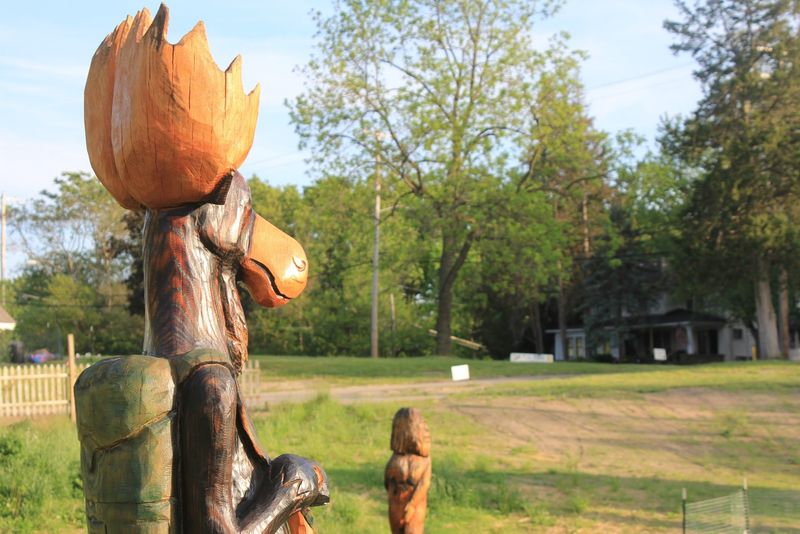
In Battle Creek, the morning air carries a scent that is faint but unmistakable: the aroma of toasted grain. This is “Cereal City,” and the smell drifting from the massive processing plants is a constant reminder of the industry that shaped the town’s global identity.
The Amtrak station at 119 McCamly St S, Battle Creek, MI 49017 is modern and efficient, situated just a short walk from the downtown core where cereal pioneers are honored in sprawling murals.
The city tells a profound story of wellness and human rights. It was the home of Dr. John Harvey Kellogg’s world-famous sanitarium and served as a center for civil rights leadership.
Sojourner Truth is honored here with a massive bronze sculpture that stands as a powerful witness near the river. Recent preservation efforts have successfully rehabilitated the Heritage Tower and established interpretive sites that detail the town’s vital role in the Underground Railroad.
The river trail offers an orderly escape that cuts right through the center of the city, providing a perfect path for a midday stroll. Battle Creek is a place where industrial history and social progress are woven into the very fabric of the streets, making it a thoughtful stop for any history enthusiast.
6. Jackson
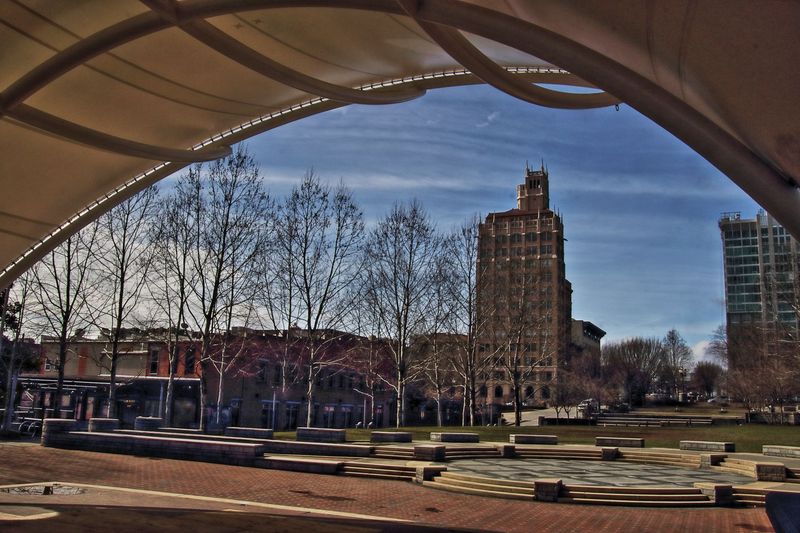
The Jackson depot is a building that wears its Romanesque stone arches confidently. Its massive masonry and prominent clock tower demand a glance from every traveler arriving at 501 E Michigan Ave, Jackson, MI 49201.
The rail lines here once fanned outward as a blueprint of Michigan’s industrial ambitions, and today, that grit has been transformed into a vibrant arts and culture scene. You’ll find coffee shops occupying grand old bank buildings where original vault doors are still in place.
Jackson holds a significant place in American political history as the site of the Republican Party’s first statewide convention in 1854. The local prison complex also plays a large role in the town’s lore, shaping local stories for generations.
The restoration of the depot was handled with extreme care, preserving original stained glass and ornate ticket windows. For greenery, the Ella Sharp Museum is located within a beautiful park setting, tying the city’s industrial past to its cultural present.
Jackson is a city that doesn’t hide its rugged history; instead, it uses it as a foundation for a modern, gallery-filled downtown that feels increasingly energetic.
7. Albion

When the train doors open in Albion, you step into a compact and deliberate campus town. The Kalamazoo River forks around small islands here, and students can be seen crossing the water on simple, picturesque bridges.
Albion’s downtown is situated at 300 N Eaton St, Albion, MI 49224, and while it is small, every storefront feels intentional. The college has been a vital partner in the town’s resilience, investing heavily in local businesses and the restoration of historic brick storefronts.
The crown jewel of the downtown area is the Bohm Theatre. Preservationists worked tirelessly to restore its marquee, which now glows like a lighthouse over the street.
The scent of popcorn often cues the start of a movie night, drawing locals and students together under the neon lights. The intermodal station is straightforward and located within easy walking distance of everything the town has to offer, from the quiet river parks to the student-favorite taco joints.
Albion is a place that proves how a small community can punch above its weight class when it values its heritage and its youth equally. It is a quiet, thoughtful stop that rewards those who take the time to wander its river trails.
8. Ann Arbor
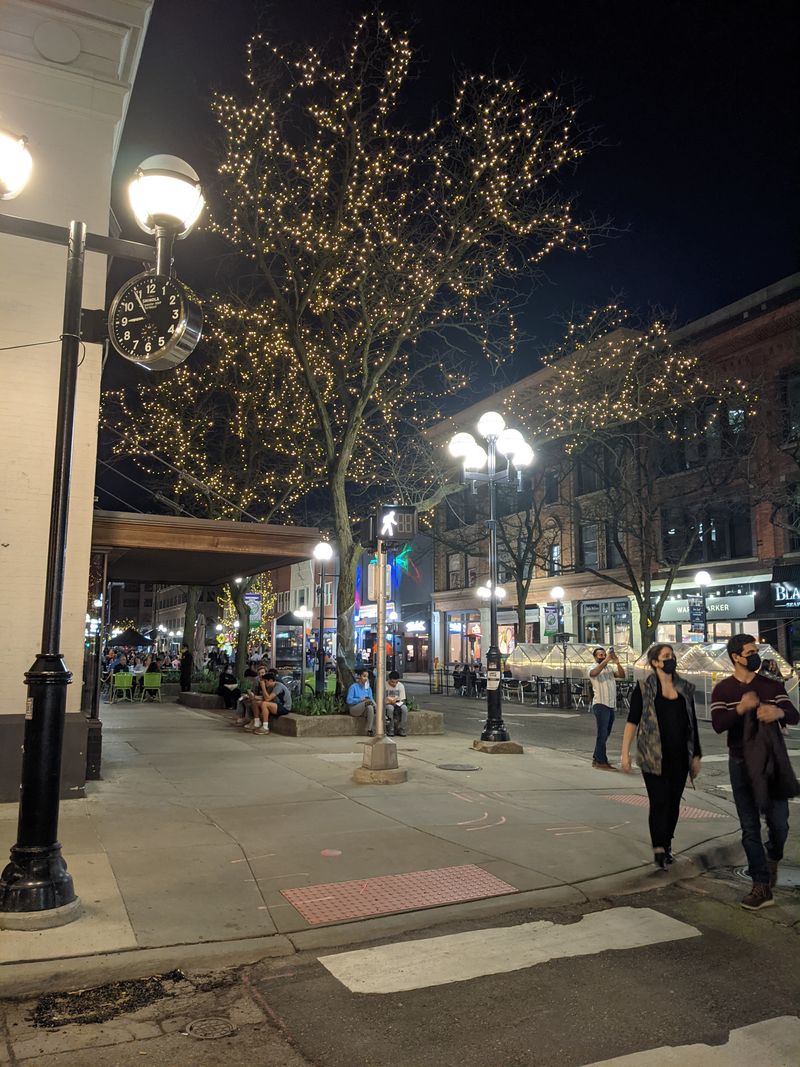
The platform at 325 Depot St, Ann Arbor, MI 48104 is almost always humming. Even on the quietest days, Ann Arbor moves with the brisk, caffeinated energy of a town-wide conversation.
Bookstores here are legendary, with stacks of ideas piled literally to the ceilings. You might overhear a complex academic lecture being given on a Victorian porch or see a world-class street performer on a random corner.
The depot is a modest but busy hinge connecting the university to the rest of the world.
While the university’s growth is constant, the town has fought to preserve landmarks like the Michigan Theater and the charming Nickels Arcade. Street art is a major part of the visual landscape, including the famous “fairy doors”—tiny, intricately decorated doors tucked into the baseboards of shops that offer a bit of magic for those who look closely.
The station is a short walk from the Kerrytown district, known for its markets and artisanal shops. Ann Arbor is a place where the academic rhythm and the local community blend into something uniquely energetic. It is a city that feels both massive in its global influence and intimate in its street-level charm.
9. Dearborn

As the train whistle fades, a broad sky opens over the sleek Dearborn station. Located at 21201 Michigan Ave, Dearborn, MI 48124, it was designed to handle large crowds traveling from all over the world to visit The Henry Ford museum complex.
Dearborn is a city where history is a living, breathing practice. At the museum and adjacent Greenfield Village, you can watch artisans using 19th-century techniques to forge iron and bake bread inside historic homes moved here from across the country.
Ford’s legacy is everywhere, but Dearborn is also home to a vibrant modern culture. Near the station, you can find diners pouring thick coffee under neon signs that have flickered for sixty years, alongside some of the best Middle Eastern bakeries in North America.
The transit center makes it easy to reach cultural sites via bus or rideshare. Dearborn is a place where audacious ideas of the past are examined alongside everyday objects that changed the world.
It is a city of massive scale and intimate details that requires multiple visits to fully appreciate.
10. Royal Oak
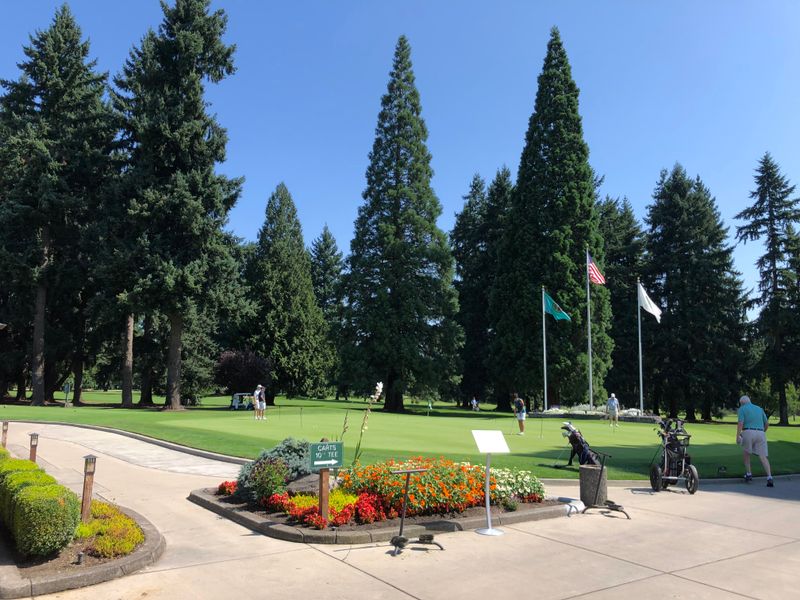
Late afternoon in Royal Oak is a beautiful sight, as long stripes of sunlight fall across Main Street and patios fill with the post-work crowd near the station at 202 S Sherman Dr, Royal Oak, MI 48067.
Royal Oak carries a sociable, upbeat rhythm defined by indie shops and tidy tree canopies. The downtown area is built on mid-century bones adapted for modern use rather than replaced.
The Detroit Zoo is just a short bus ride away, offering a massive green buffer from suburban traffic. Weekly events like the farmers market keep the town’s civic heart beating steadily, and street art appears in playful, unexpected corners.
Royal Oak is the kind of town that feels like a permanent festival, where there is always something to see and someone to talk to. It is the perfect stop for those who enjoy a vibrant, walkable urban environment with a friendly, local feel.
11. Troy
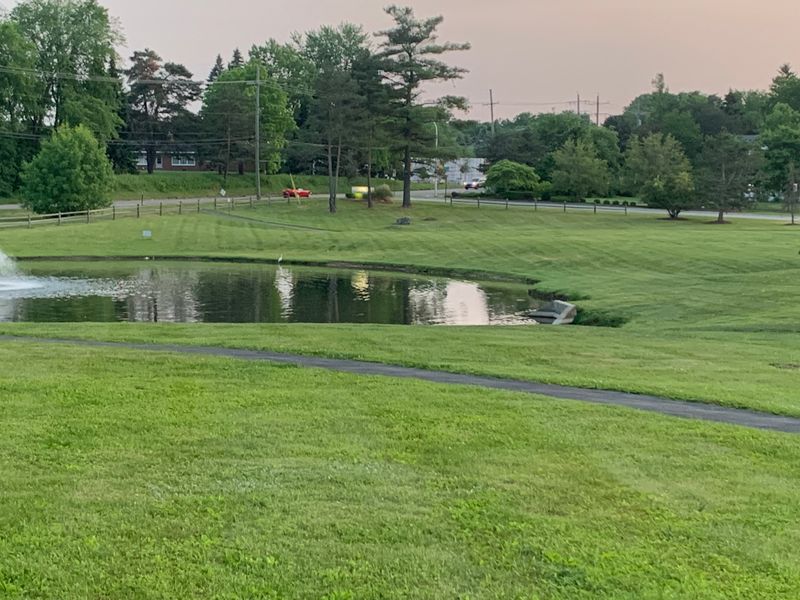
The Troy Transit Center at 1201 Doyle Dr, Troy, MI 48084 is a modern architectural statement—a structure of glass and steel set neatly on the landscape. Connected by sleek pedestrian bridges, the center is a highly accessible link between suburban growth and the rail’s northern reach.
Troy’s scene is polished and practical, featuring lunch spots that move with professional speed and pocket parks that offer a moment of green in an otherwise busy skyline.
History here is curated at the Troy Historic Village, where relocated buildings illustrate pioneer routines. The station is a short rideshare from this historic sanctuary, allowing you to bridge the gap between 19th-century cabins and 21st-century glass towers in minutes.
Troy is a stop that emphasizes the efficiency of modern rail travel, providing a seamless transition for commuters and explorers alike. It is a town that manages to be both a high-speed business hub and a repository for local history.
12. Pontiac
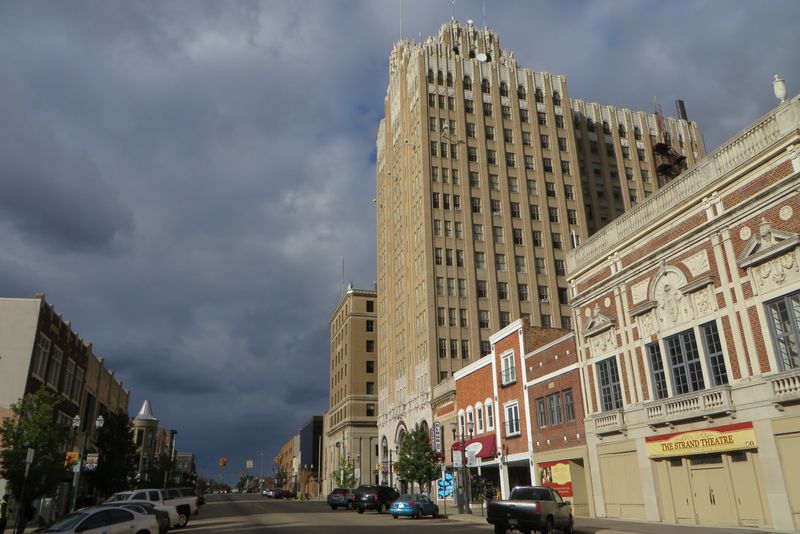
At the northern end of the Wolverine line, the Pontiac station at 51000 Woodward Ave, Pontiac, MI 48342 catches the first light of day. The rails here look like silver threads aiming south toward the heart of Detroit.
Pontiac is a city that keeps its automotive heritage close, with murals of classic car grilles decorating its buildings and a museum celebrating engineering history.
Downtown warehouses are undergoing a transformation into studios and lofts where artists and entrepreneurs share space. The station is tidy and functional, serving as an anchor for a city rebuilding its center through careful reuse of historic structures.
Pontiac offers a look at a city in transition, where the momentum of rebuilding is palpable in every new studio opening and community event. It is a destination for those who want to see the grit and creativity of Michigan’s industrial soul being reinvented for a new generation.
13. Bangor
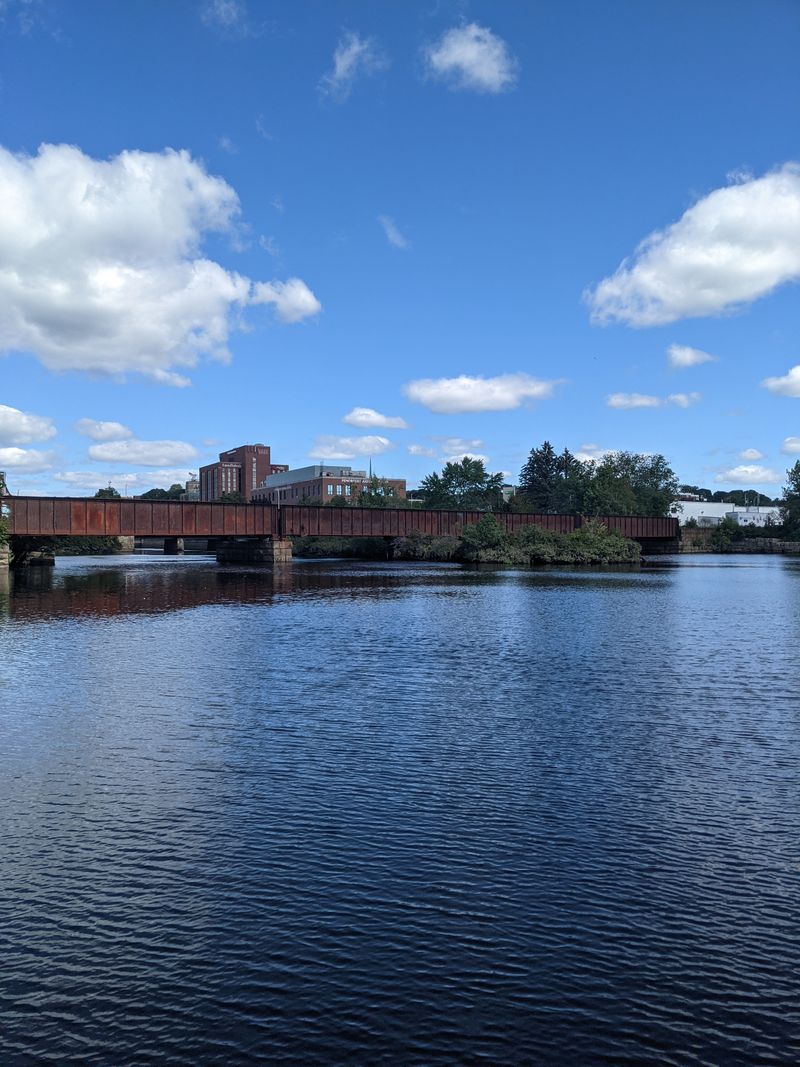
The sound of a train whistle feels more significant in the quiet air of Bangor. Surrounded by rolling fields that change color with the seasons, the small depot at 541 Railroad St, Bangor, MI 49013 is a straightforward gateway to the town.
The walk into the center passes a towering grain elevator and houses with tidy porches.
Bangor grew as a hub for the Michigan fruit belt, and the rail line still moves harvests alongside travelers. Storefronts here are authentic rather than staged for tourists, and local bakeries sell honest doughnuts best enjoyed from a paper sack.
The nearby Van Buren Trail offers a paved path for a gentle walk through the countryside. Bangor is a stop that values simplicity and the steady rhythm of the agricultural cycle, providing a peaceful contrast to the larger metropolitan stops.
14. St. Joseph–Benton Harbor
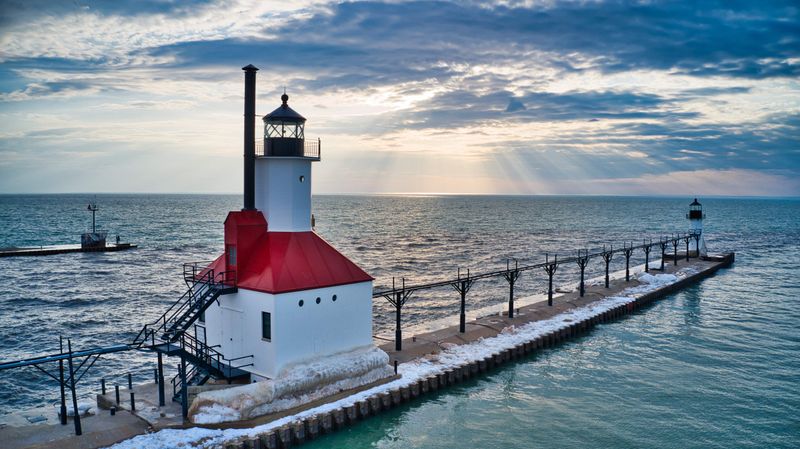
As you arrive at the station at 410 Vine St, St. Joseph, MI 49085, the wind tastes sweet and waves thump against the pier beneath the iconic lighthouse. St. Joseph and neighbor Benton Harbor are connected by a pedestrian bridge that acts like a handshake between the “twin cities.”
St. Joseph offers the classic lakefront experience with a bluff-top park, while Benton Harbor’s arts district hums with studios inside brightened warehouses.
Both cities have invested in public spaces, creating a walkable environment that rewards exploration. The arts district in Benton Harbor is stubbornly optimistic, providing a colorful contrast to the natural blues of the St. Joseph shoreline.
The station is located perfectly to allow you to experience both sides of the river, moving between refined charm and industrial creativity.
15. Holland
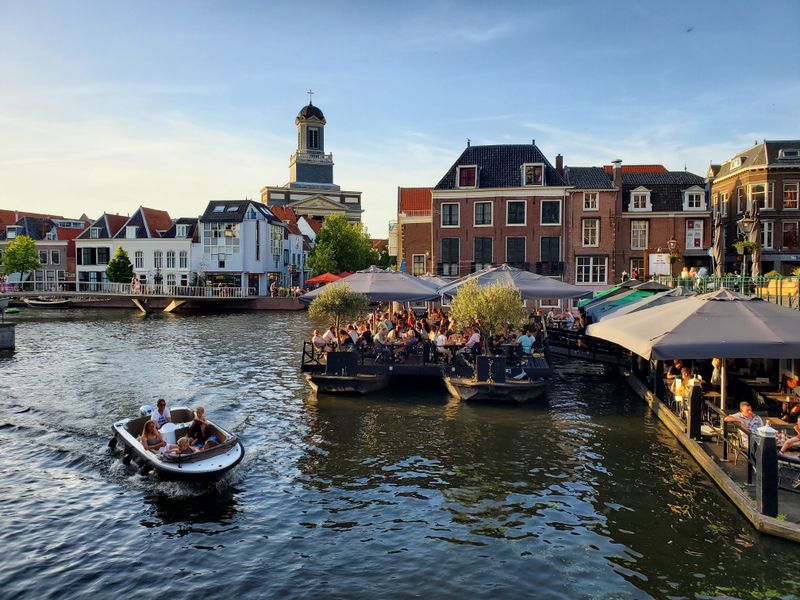
In May, the scent of tulips becomes a primary feature of Holland. The station at 171 Lincoln Ave, Holland, MI 49423 is the entry to a downtown mixing Dutch architecture with immaculate brick streets warmed by an underground snowmelt system.
The De Zwaan windmill at Windmill Island Gardens turns patiently over the river, a working masterpiece of Dutch history.
Holland’s history is anchored by immigrant roots, visible in shop windows and wooden shoe demonstrations. The downtown area is arranged with a confident restraint that makes it a pleasure to explore.
The station itself keeps a low profile, a short walk from some of the best coffee and Dutch pastries in the state. Holland is a town taking immense pride in its civic identity, a pride that is contagious for anyone who visits during the colorful spring bloom.