
This Historic Train Journey Takes You Through Michigan’s Most Charming Communities
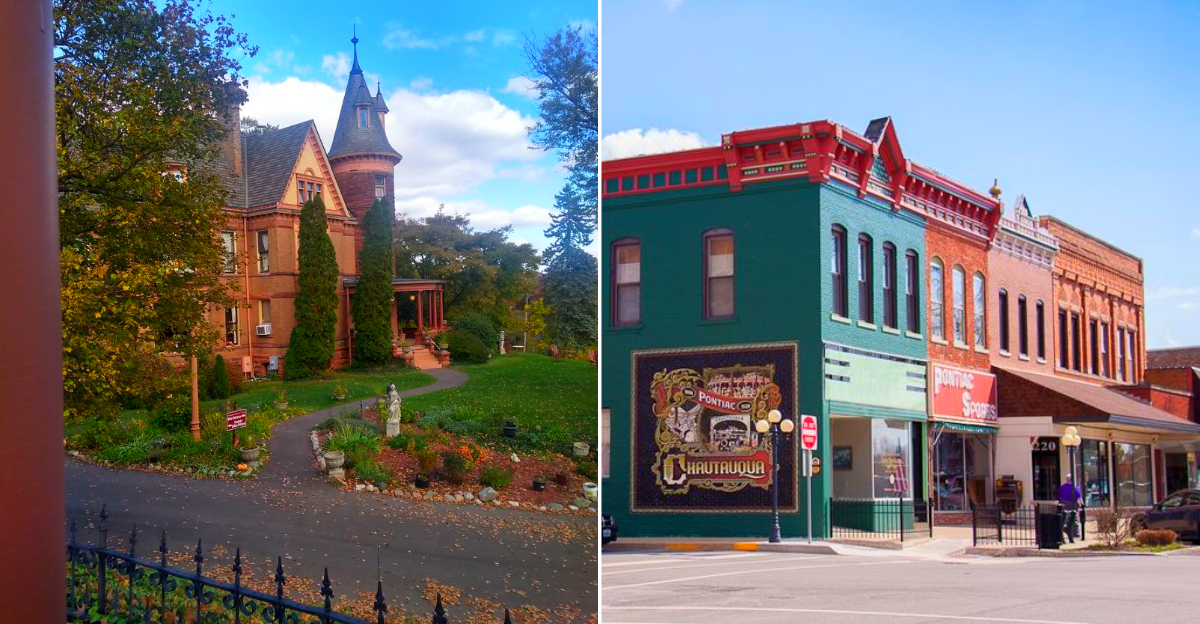
The Amtrak line slicing through Southern Michigan isn’t just a transit route; it’s a cross-section of the Great Lakes soul. As the train pulls away from the platform, the air shifts. In the west, you’re greeted by the briny scent of Lake Michigan and the rhythmic “hush” of beach grass. It’s a bright, watery atmosphere where the light bounces off the dunes and pours through the glass like liquid gold.
As the rhythm of the rails deepens, the scenery transforms into the red-brick echoes of industrial giants. You can almost hear the phantom clatter of assembly lines beneath the modern quiet. Then, the vibe pivots again, the sharp, acidic aroma of roasted espresso and old book bindings signals a college town arrival, where the energy is high-voltage and intellectual.
Experience the ultimate Michigan rail journey by exploring historic depots that blend industrial heritage with lakeside charm.
Step off the train and let your senses lead. Whether it’s the tactile grit of a restored brick facade or the soft murmur of a local greeting you at a corner diner, these stops are designed for the slow traveler. From the “factory ghosts” of Jackson to the vibrant pulse of Ann Arbor, every mile offers a new layer of Michigan’s complex, beautiful character.
New Buffalo
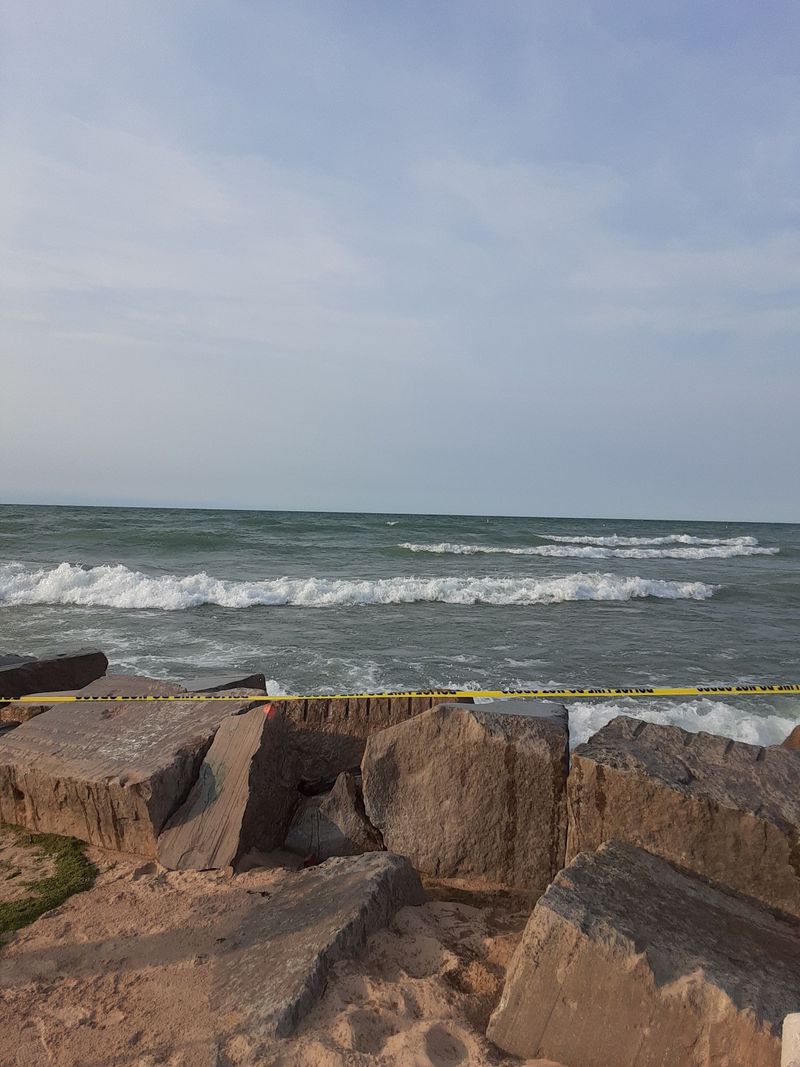
Salt on the air reaches you first, mixing with diesel and beach sunscreen as the train slows into New Buffalo. The compact station sits a short stroll from the harbor, where masts clink and gulls heckle your timing. Houses wear cedar shakes like reliable sweaters, and the dune grass leans in quiet agreement.
This is the gateway to the “Third Coast,” a place where the horizon of Lake Michigan tricks the mind into thinking it is an ocean. The town rebuilt its waterfront access thoughtfully, tying the rail stop to the beach path without fuss. Historic resort-era echoes linger in old postcards at the marina shop.
For a first hour, walk west to the overlook, watch freighters far out, time your return with a scoop of Chocolate Peanut Butter from Oink’s.
Niles
Platform lamps shaped like candy canes look whimsical in Niles, and they are not kitsch, just local pride crystallized. The 1892 Romanesque station wears deep red brick and arched windows, a sturdy time capsule beside tidy gardens. Trains feel proportionate here, part of the streetscape rather than spectacle.
This building is often cited as a jewel of the Amtrak system. Known as the City of Four Flags, Niles has a deep sense of history baked into its mortar. Rail heritage runs deep: interurban lines, freight junctions, and long station restoration projects.
Step across to Main Street for coffee at Jim’s Old Fashioned Service, swing by the Ferry Street School marker. Linger until blue hour when those lamps hush the platform beautifully, casting nostalgic shadows across the tracks. Keep an eye on the schedule.
Dowagiac
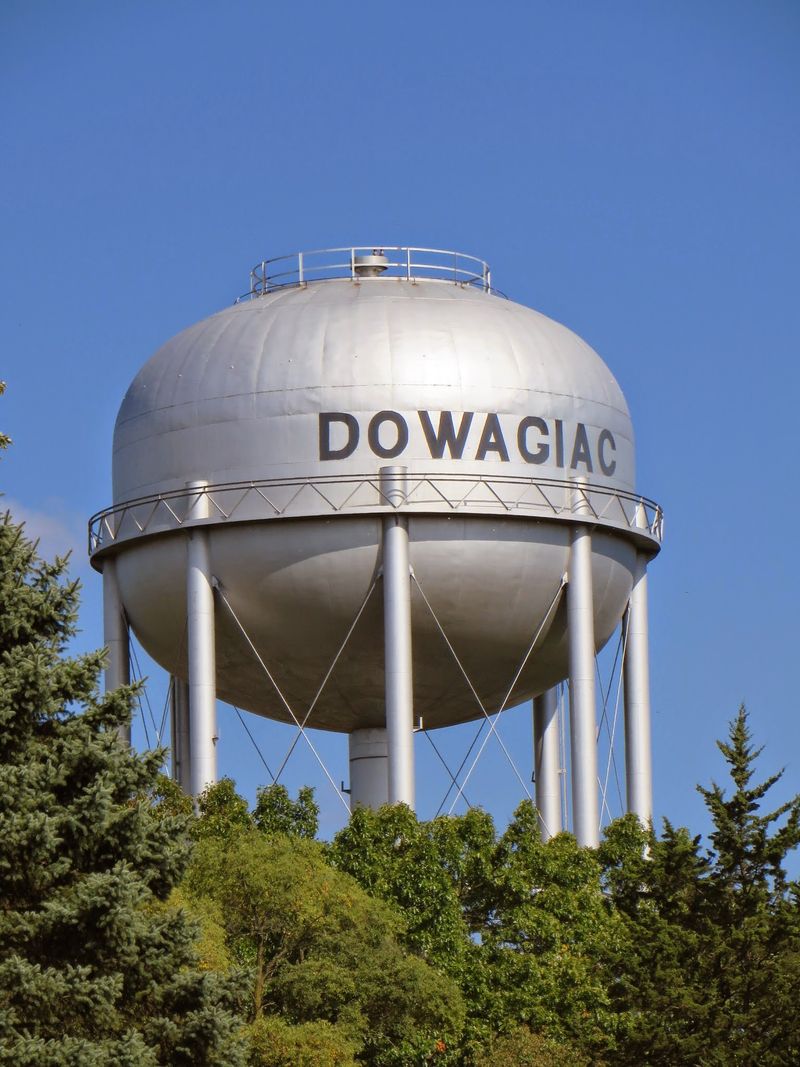
There is a pleasant hush in Dowagiac that feels like libraries and front porches sharing notes. The restored 1903 depot shows off Queen Anne touches, with trim like careful handwriting and a roofline that cuts a sharp silhouette. Storefronts carry surnames that sound like they have been on the baseball roster forever.
This town was once home to the Round Oak Stove Company, heating homes across the nation. Manufacturing history shaped these blocks, yet the station grounds are gentle, with garden beds and small-town patience. Tradition meets practicality when students commute via Wolverine schedules.
Pick up a Cinnamon Roll at The Baker’s Rhapsody downtown, then follow Depot Drive to stretch your legs. The station agents’ posted notices are unfussy and clear, a hospitality that makes departures feel less abrupt. It is a digestible bit of history.
Kalamazoo
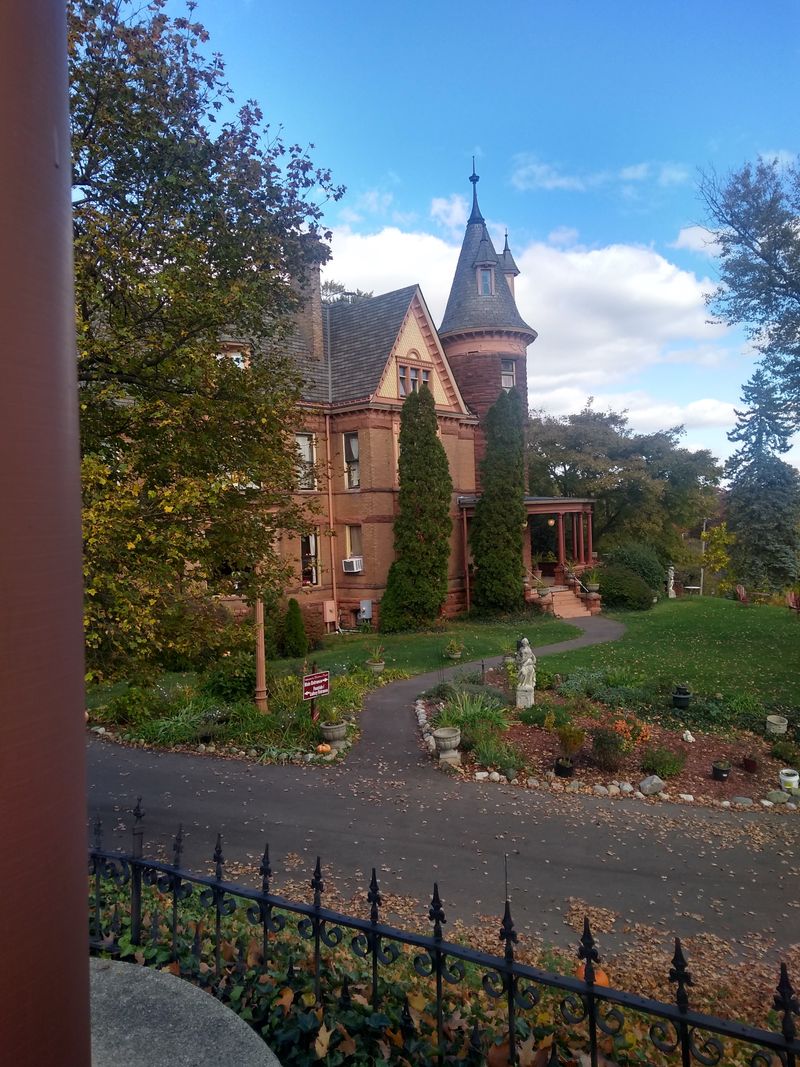
Hops and kilns drift on the air around Kalamazoo’s station because breweries and bikes are the local punctuation. The depot sits near murals and warehouses that remember paper, pharmaceuticals, and Gibson Guitars. Students roll by with headphones, and the platform feels like a porch to the whole downtown.
Kalamazoo’s rail roots run to the Michigan Central era, then intercity service that never quite gave up. Preservation kept the depot bones intact, adapting for commuters and visitors. Walk to Bell’s Eccentric Cafe for a half pint of Two Hearted IPA, then cut along Water Street for galleries.
If you have bags, the station’s compact layout keeps transfers straightforward and forgiving. It is also a trailhead for the Kalamazoo River Valley Trail, so if you’ve brought a folding bike, you can reach the quiet woods quickly.
Battle Creek
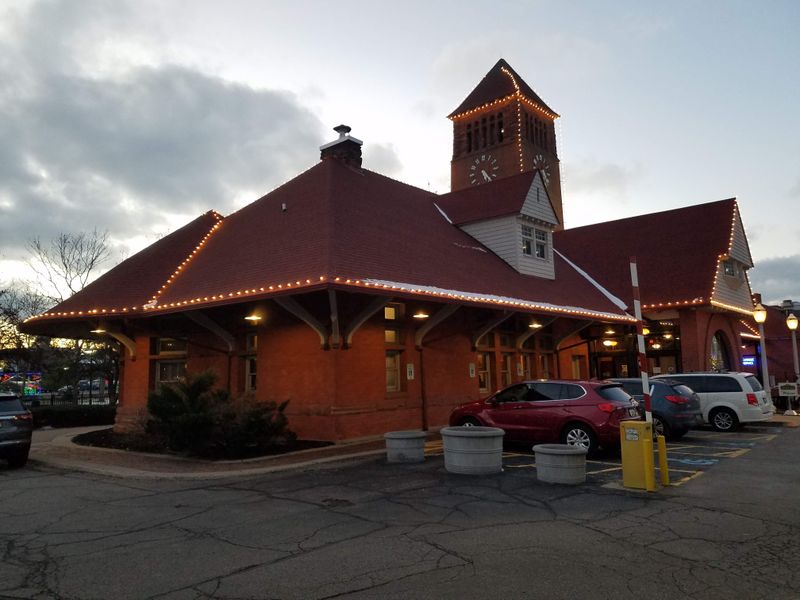
You notice cereal at every turn in Battle Creek, from murals to the faint sweet scent near the plants on the wind. The Intermodal Center is more glass than brick, bright and efficient, a junction for trains and buses. Across town, old factories stand like steel hymns to breakfast, reminding everyone of the Kellogg’s and Post empires.
Rail fueled the boom here, and abolitionist history adds a deeper chapter. The Sojourner Truth Monument is a worthwhile detour if time allows. Grab a quick bite at Station 66 near the river, then return for boarding with five minutes to spare.
The station signage is clear, and seating generous, which calms the usual shuffle of connections. It’s a city that literally fed the world, and that legacy of health and industry remains a source of pride.
Albion
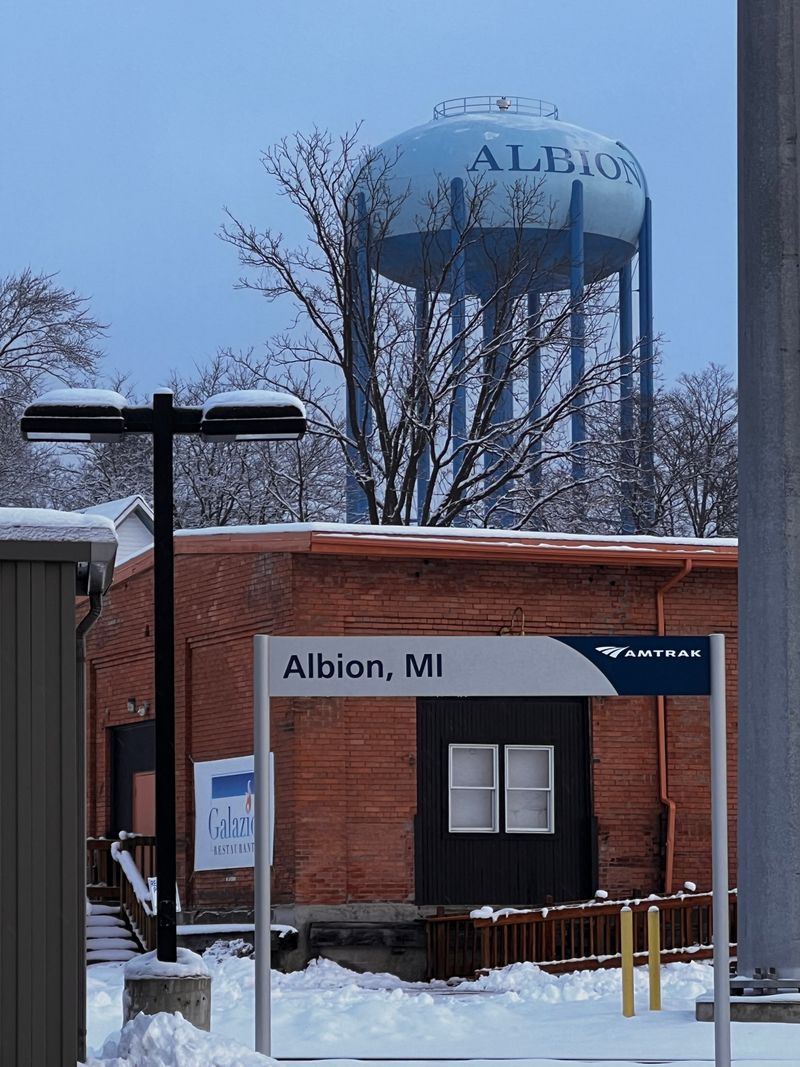
The rhythm slows in Albion, where students thread between campus greens and a compact downtown stitched with murals. The depot is modest and neighborly, the kind of place where a conductor might recognize faces. Train horns bounce gently off the river and mill buildings like an old chorus.
Founded at a river ford, Albion turned mills into momentum, then bet on education and small industry. The station’s preservation keeps that continuity legible. Pop into Foundry Bakehouse and Deli on Superior Street, then loop back along the Kalamazoo River Trail.
I liked how the platform lighting felt adequate without glare, making evening departures feel calm instead of clinical. It’s a classic college town, dominated by Albion College. Walk the entire downtown in twenty minutes, yet find enough details in the brickwork to stay for hours.
Jackson

Rain polishes the platform in Jackson, turning the great brick depot into a glowing ship. The 1870s New York Central station shows authority without swagger. You hear wheels sing on old rail joints that have known heavy use.
This is the oldest continuously operating passenger rail station in the country. Prison industries and auto suppliers once converged here, making Jackson a pivotal junction. Preservation efforts kept the waiting room stately, wood trim intact.
Detour to the nearby Post Office if daylight remains. For timing, the underpass makes track crossing simple, and station agents are practical. A quick walk to Hinkley’s Bakery for a Glazed Donut is non-negotiable. Be sure to get there early. The high ceilings and polished wood benches inside the depot evoke a rare, beautiful sense of grandeur that travelers admire.
Ann Arbor

Coffee floats through the air in Ann Arbor, and the station hums with exam-week energy. The current depot is small and functional, framed by the Huron River and city bike lanes. Conversations about algorithms and poetry pass in fragments on the platform.
Rail service kept a steady beat here even as the auto era reigned, and the university’s gravitational pull shapes visitor flow. Walk North Main to Kerrytown Market & Shops for a snack from Zingerman’s Delicatessen, then cut to campus for architecture peeks. Leave early for boarding; lines compress quickly at rush hours.
If you need a quiet moment before the train arrives, the nearby Argo Cascade offers a lovely walk. This city feels like a perpetual motion machine, fueled by research grants and Saturdays spent at The Big House cheering for victory.
Dearborn
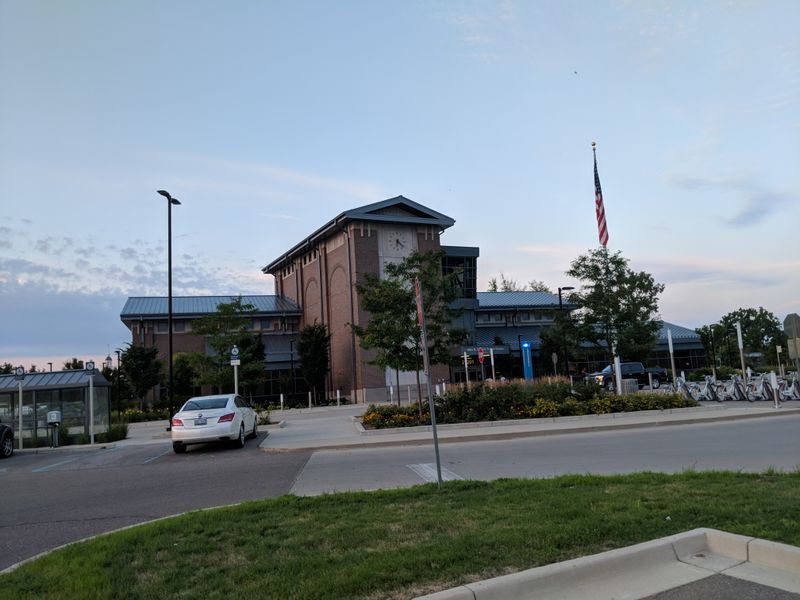
Shiny and efficient, Dearborn’s John D. Dingell Transit Center mirrors the city’s engineering DNA. The glassy station sits within reach of The Henry Ford and Greenfield Village, where steam whistles still earn smiles. Trains feel like part of the museum tour, carrying you between modernity and mechanical memory.
Dearborn’s story bends around innovation, from Model T lines to contemporary research campuses. The station design prioritizes accessibility, smooth ramps, and clear sightlines. If you plan museum time, budget a full day.
I like catching a morning arrival, stashing unnecessary weight in a daypack, and walking toward exhibits before the crowds thicken. For local flavor, head to Shatila Food Gallery for Baklava. This city was built by the Ford Motor Company, and that legacy of movement is visible in every wide boulevard and busy research park.
Detroit
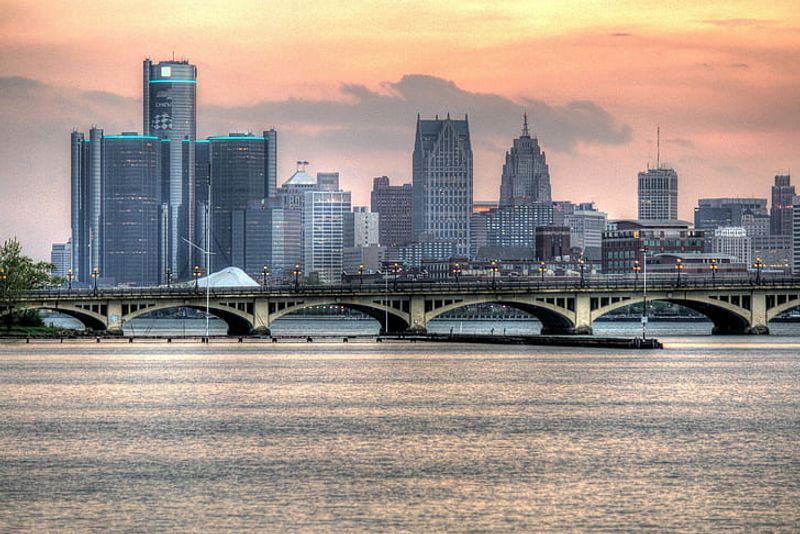
Detroit’s station in New Center faces the green-tiled Fisher Building, which looks like jewelry made enormous. The platform shares a corridor with the QLINE streetcar, making transfers feel urban and easy. Freight rumbles somewhere distant like a bassline under Motown samples.
Rail once stitched factories and river together, and the city’s revival keeps adding connective tissue. Preservation stories are everywhere, from theaters to warehouses finding second lives. Walk to the Fisher Building lobby for gold leaf, then hop the streetcar to downtown.
For safety, follow signed routes and give yourself extra time during events at Little Caesars Arena. If you’re looking for a meal, Lafayette Coney Island offers the definitive Coney Dog experience. There is a palpable sense of momentum in Detroit right now, a feeling that the city is reclaiming its historic title.
Royal Oak
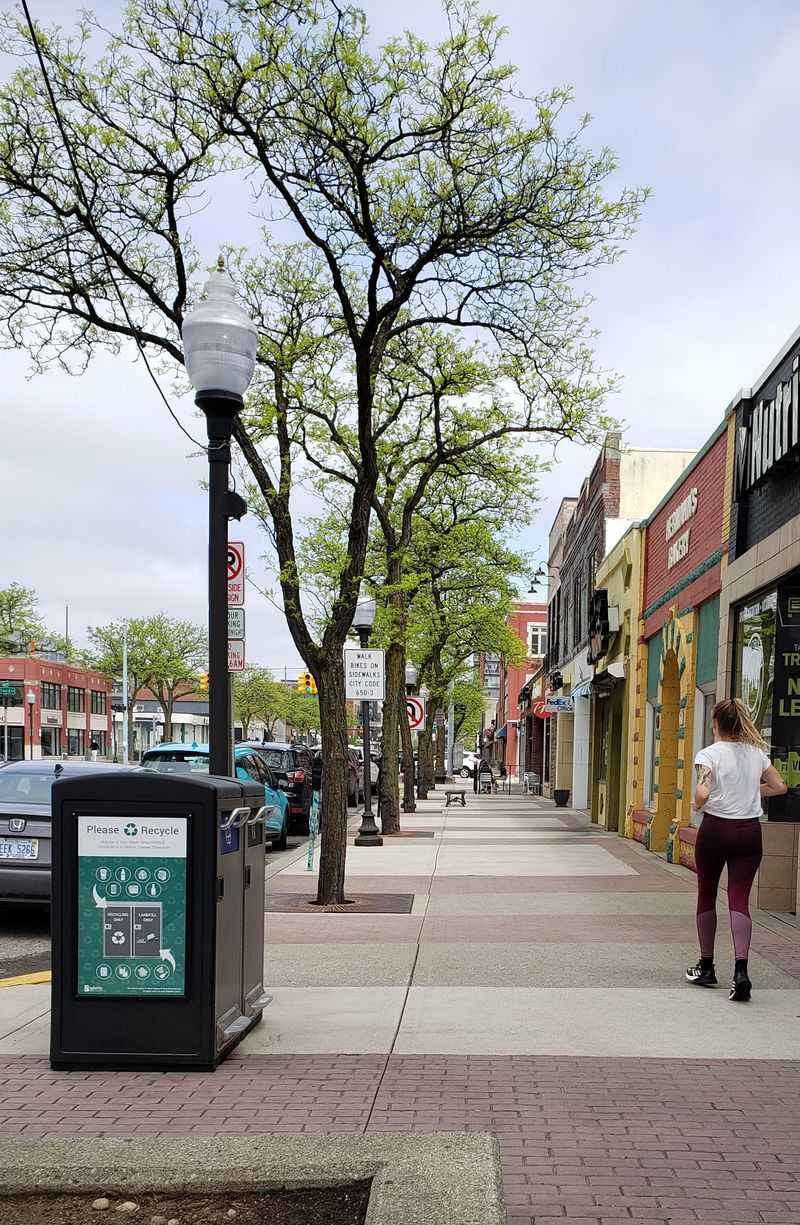
Royal Oak greets you with patio chatter and the clink of forks because dinner service is an unofficial soundtrack. The compact platform sits beside a downtown that specializes in convivial walking. Neon signs wink without getting pushy, and the grid makes navigation simple.
The rail line tethered Royal Oak to Detroit’s wider orbit, turning it into a reliable commuter node. Preservation here is about scale. Slip to a side street for indie shops, then loop back for a Salted Caramel treat at Ray’s Ice Cream.
Catch late trains by setting a quiet alarm; conversation and music have a way of dilating time on weekend evenings. It’s a suburb that feels like a city. The presence of the Detroit Zoo nearby adds a family-friendly layer to the otherwise trendy nightlife scene found in this community.
Troy
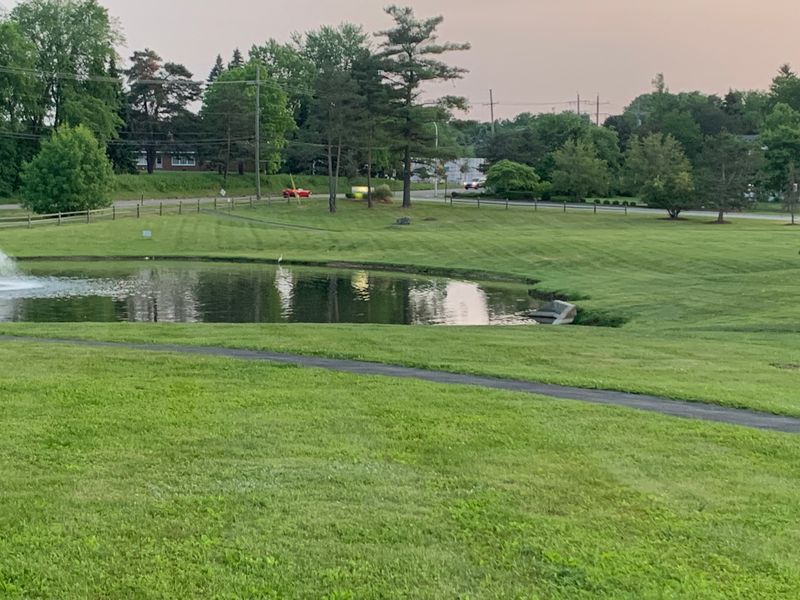
Glass and steel define Troy’s Transit Center, a bright hinge between sidewalks and elevated bridge. Commuters move like choreography, briefcases and earbuds in steady tempo. The station feels designed for clarity, with sightlines that shorten decision-making.
Troy’s growth ran with automotive supply chains and office corridors. Preservation means parks and pragmatic civic upgrades instead of ornate depots. For a smooth visit, use the pedestrian bridge to orient before you descend.
I time coffee runs to the minute at the nearby plaza, then keep boarding passes handy because arrivals here can be punctual. The corporate side of Michigan’s success is on display here, amidst towers and high-end shopping at the Somerset Collection. The station’s interior is a quiet, air-conditioned haven with plenty of outlets for charging your devices while you wait for the train.
Pontiac
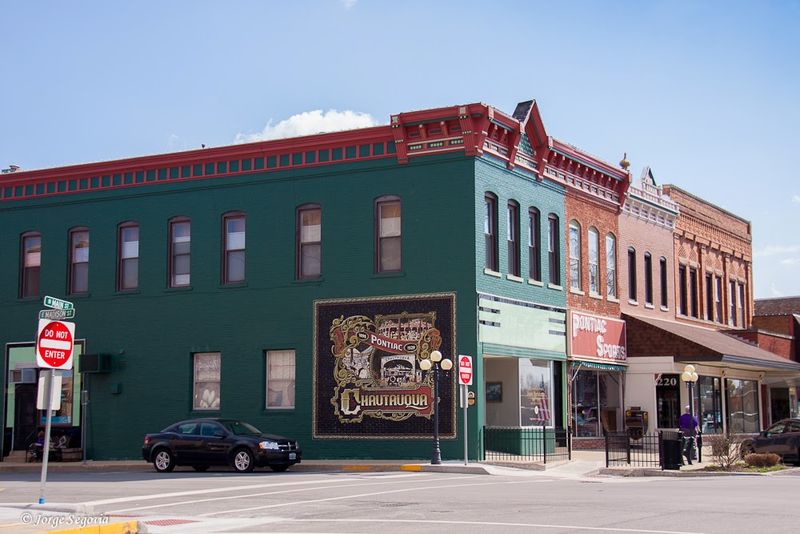
Endpoints have a particular quiet, and Pontiac wears it well at the line’s northern terminus. The station is straightforward, modern, and sized to purpose. You can almost hear Woodward Avenue practicing its parade steps nearby, as this is the traditional end for the Woodward Dream Cruise.
Auto history lives in Pontiac’s bones, from assembly lines to cruise culture, yet rail holds a steady niche. The terminal layout reduces guesswork, with clear pickup zones and a short platform. For errands, downtown is a quick rideshare, where murals multiply on brick.
Leave a cushion before departure; terminus schedules are generally reliable, but crew changes can tighten boarding windows. It is a place of transitions, where the train finally rests before heading back south. The city’s grit and resilience remain evident in its hardworking and historical atmosphere.
St. Joseph-Benton Harbor
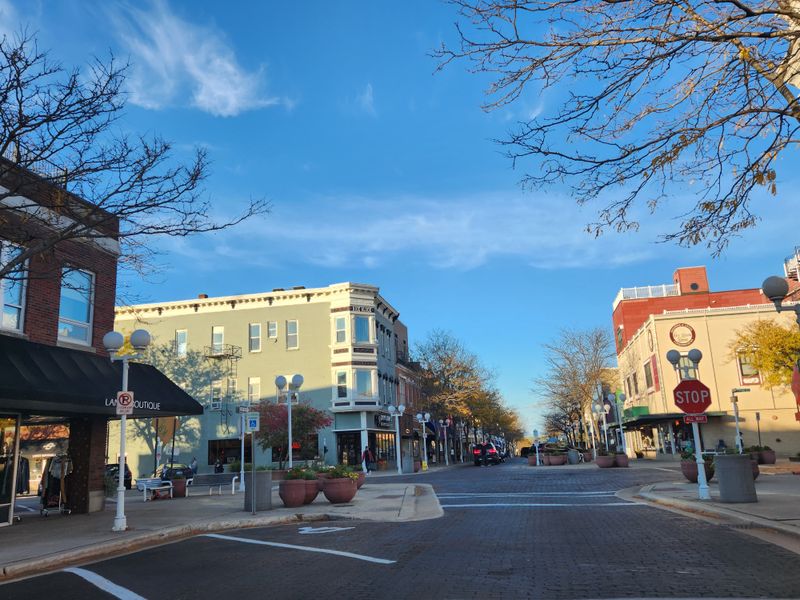
Wind tastes like lake glass on the bluff at St. Joseph, where the platform perches above Silver Beach. The lighthouse draws the eye, and children zigzag toward the Whirlpool Compass Fountain. Across the river, Benton Harbor’s arts district adds texture and grit.
These twin cities grew with shipping, fruit belts, and appliance manufacturing. The station location makes a beach detour irresistible. Take the stairs down to the shoreline, then climb back for boarding with sand brushed off.
I like catching late light on the pier, when gulls align like white punctuation marks. If you’re staying for dinner, Silver Beach Pizza is located in the old restored depot building, offering great slices with a view of the tracks. This stop feels the most like a vacation, where the rhythm of waves dictates the daily pace.
Holland
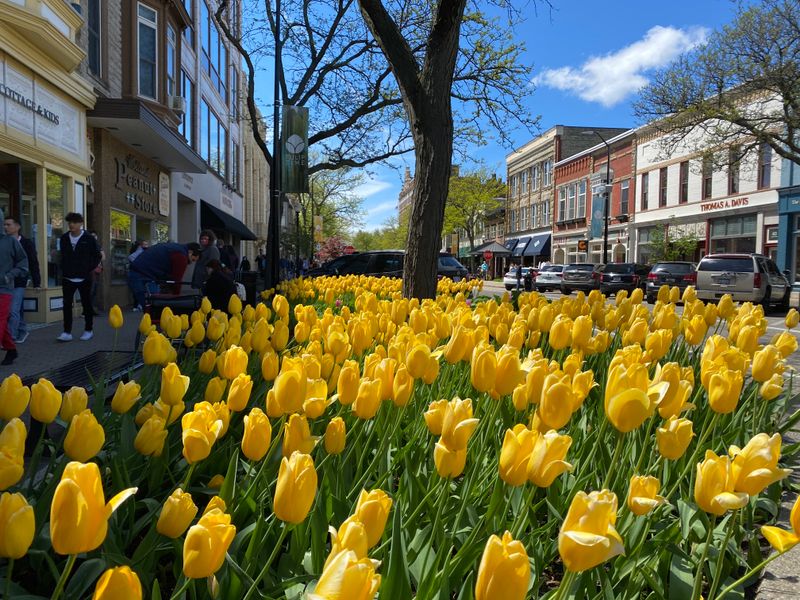
Tulip colors feel newly invented in Holland each spring, and the depot wears the season like a cheerful coat. Dutch-influenced architecture shows up in gables and tidy brick, a throughline to immigration stories. Cyclists flow past in ribbons toward the market.
Rail service ties Tulip Time festival energy to the rest of the state, keeping the station a lively threshold. Preservation efforts maintain charm without turning the depot into a shrine. Visit Windmill Island Gardens if time allows, or just wander 8th Street for Banket pastries from deBoer Bakkerij.
For departures during the festival, arrive early; crowds bloom quickly and platforms fill. It’s a colorful, vibrant end to a journey that shows off the very best of Michigan’s community spirit. The station grounds are a testament to meticulous, local, welcoming pride and careful planning.