
This Little-Known Cave In Arizona Is So Gigantic It Has Its Own Beach
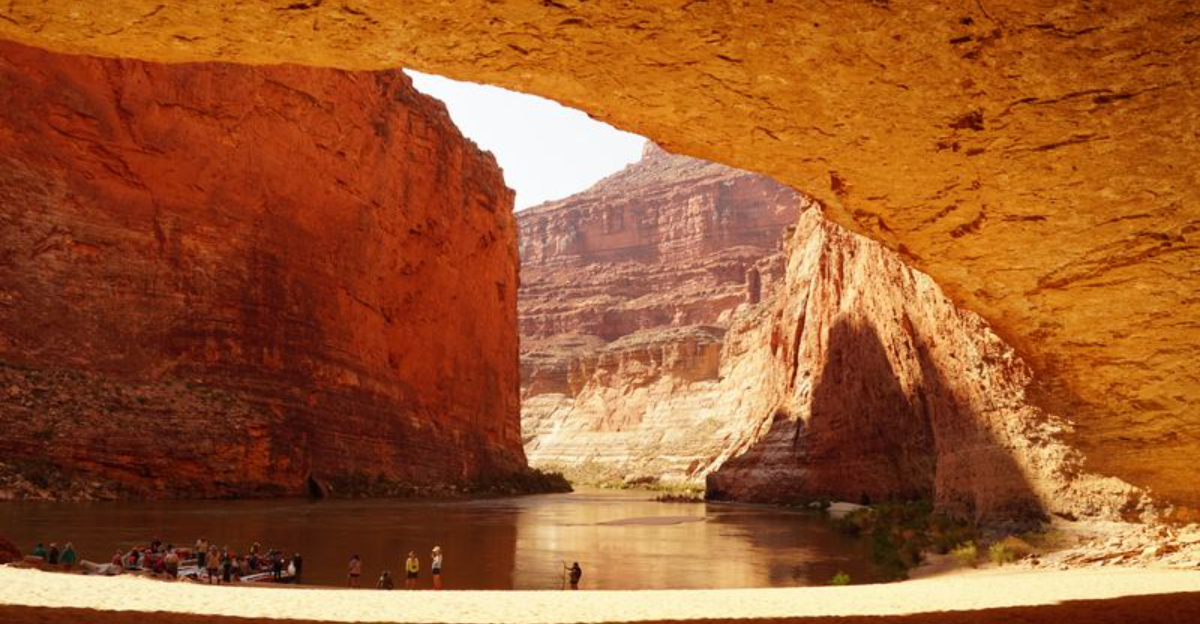
Arizona never fails to surprise me. Just when I thought I’d seen it all, I found Redwall Cavern-a cave so enormous, early explorers thought it could hold 50,000 people.
Seriously, this place makes regular caves look like closet spaces. What’s even wilder?
It has a sandy beach inside, carved by the Colorado River over millennia. I visited last summer, and lounging on that unexpected shoreline (yes, inside a cave) was a surreal experience.
If you love offbeat adventures and secret Arizona treasures, grab your gear-this is one spot you won’t forget.
A Cathedral Carved By Nature Itself
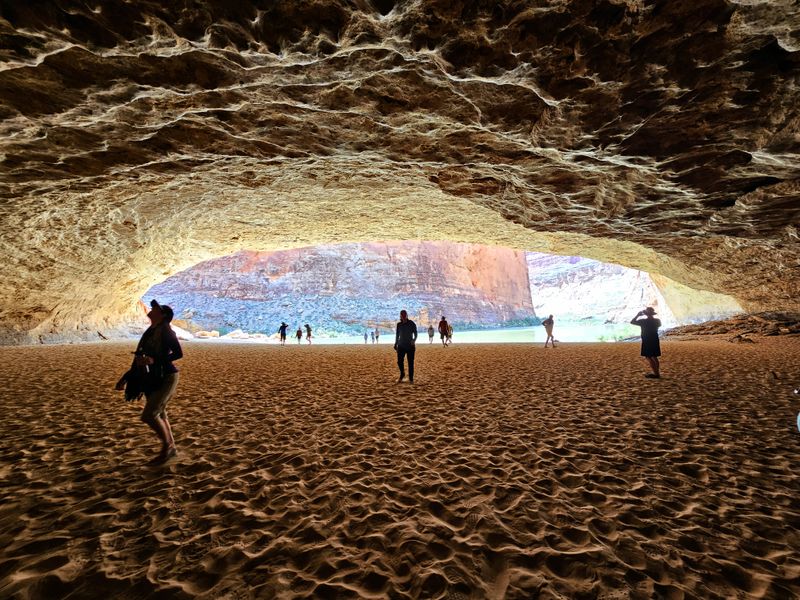
Standing at the entrance of Redwall Cavern feels like stepping into an ancient amphitheater designed by some cosmic architect. The sheer scale doesn’t hit you immediately-from the river, it looks like just another alcove in the canyon wall.
But once you walk inside, the ceiling soars upward into shadowy heights that make you feel wonderfully small.
I remember my first visit vividly. My friend Mark and I beached our kayaks and wandered in, our voices echoing off walls that seemed to stretch forever.
The temperature dropped at least fifteen degrees the moment we crossed into the shade.
Geologists estimate that this cavern could theoretically hold several thousand people, though you’ll rarely find more than a dozen river runners stopping here at once. The Redwall limestone that gives this place its name glows with warm reddish hues when sunlight filters in at certain angles.
It’s a cathedral without pews, a concert hall without seats—just pure, unadulterated geological magnificence waiting quietly for those willing to make the journey.
The Unexpected Beach Inside A Mountain
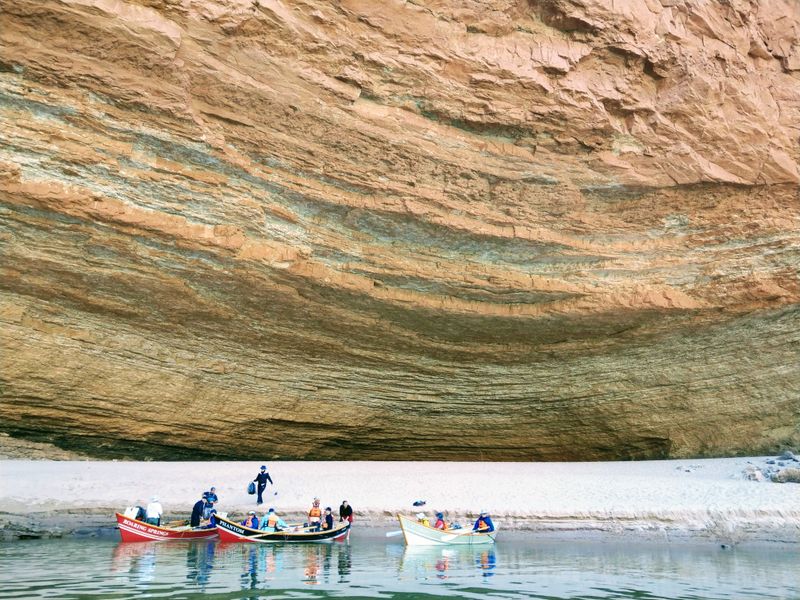
Picture this: you’re paddling down the Colorado River, surrounded by towering canyon walls, when suddenly you spot a massive opening with what looks like a genuine beach—except it’s inside a cave. That’s Redwall Cavern’s signature feature, and it never fails to surprise first-time visitors.
The sand here is incredibly fine and soft, deposited over countless floods and high-water events throughout the centuries.
Unlike typical riverbanks that are rocky and uncomfortable, this beach invites you to kick off your water shoes and wiggle your toes.
During my last trip, I watched a group of kids build sandcastles while their parents set up lunch in the cool shade. The contrast was surreal—we were technically indoors, yet the beach stretched for hundreds of feet.
The sand stays relatively dry except during spring runoff when the river rises significantly. Fossils occasionally appear in rocks that have tumbled from the ceiling over the years, adding a treasure-hunt element to beach exploration.
It’s Mother Nature’s way of combining a cave tour with a beach day in one spectacular package.
Getting There: A River Journey Like No Other
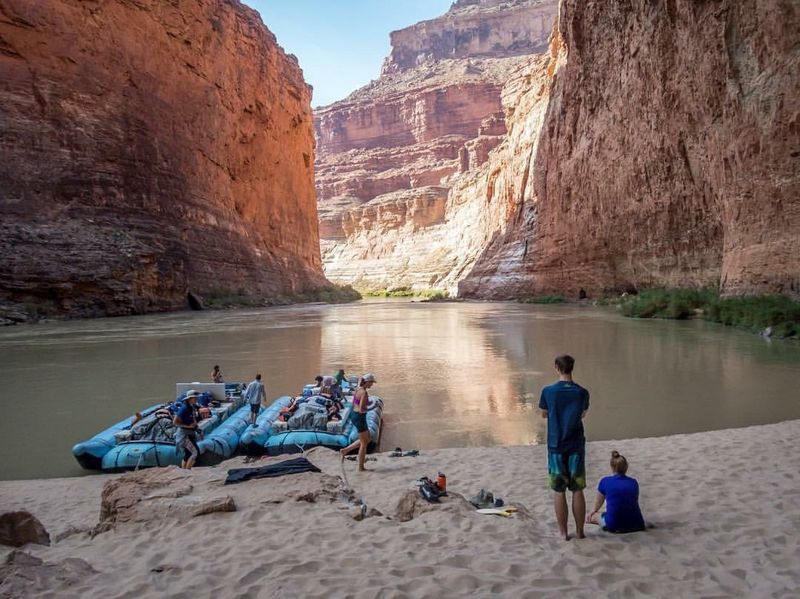
Forget about parking lots and hiking trails-Redwall Cavern doesn’t play by conventional tourist rules. Located at river mile 33 along the Colorado River through Marble Canyon, this natural wonder is accessible exclusively by water.
No roads lead here, no trails wind down from the rim above. Most visitors arrive as part of multi-day rafting expeditions through the Grand Canyon, though some determined kayakers make the journey from Lees Ferry.
The river here flows relatively calm, making it an easy landing spot even for less experienced paddlers. I once made the mistake of trusting Google Maps to drive there—big error.
Commercial rafting companies frequently include Redwall Cavern as a lunch or exploration stop on their itineraries. The approach from the water is deceptively modest; the cave opening doesn’t reveal its true size until you’re nearly upon it.
Plan your trip between April and October for the best weather conditions, though the cavern remains open year-round. Just remember: if you’re not on a boat, you’re not getting there.
The Cool Refuge From Desert Heat
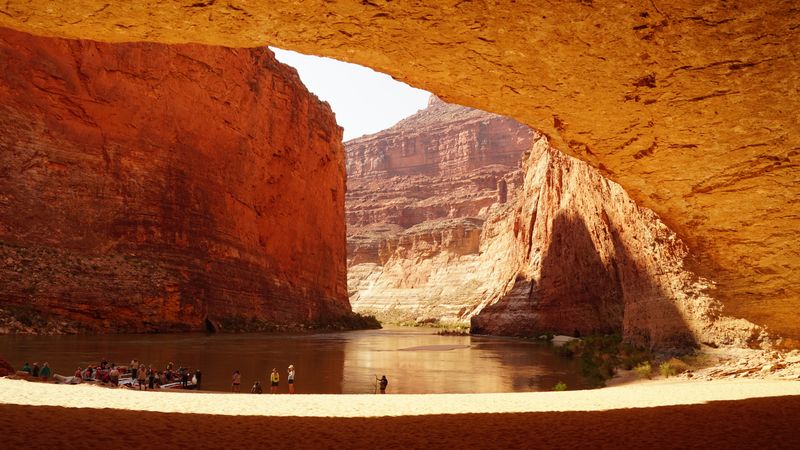
Arizona summers can be brutal, with temperatures regularly soaring past 100 degrees, but Redwall Cavern offers something precious in the desert-natural air conditioning. The massive overhang blocks direct sunlight completely, and the thick limestone walls maintain a surprisingly comfortable temperature year-round.
After hours of paddling under the relentless sun, stepping into this shaded sanctuary feels like walking into a different climate zone altogether. The temperature difference can be twenty degrees or more, providing instant relief.
Sweat dries quickly in the cool, dry air.
During one particularly scorching July trip, our group spent nearly two hours lounging in the cavern, reluctant to return to the blazing sunshine outside. The shade extends deep into the cave, so you can explore comfortably even during midday.
River guides often time their stops here strategically, arriving during the hottest part of the afternoon.
The constant breeze flowing through the opening creates a natural ventilation system. It’s like nature installed the world’s most efficient cooling system millions of years ago, and it still works perfectly today.
Echoes And Acoustics That Amaze
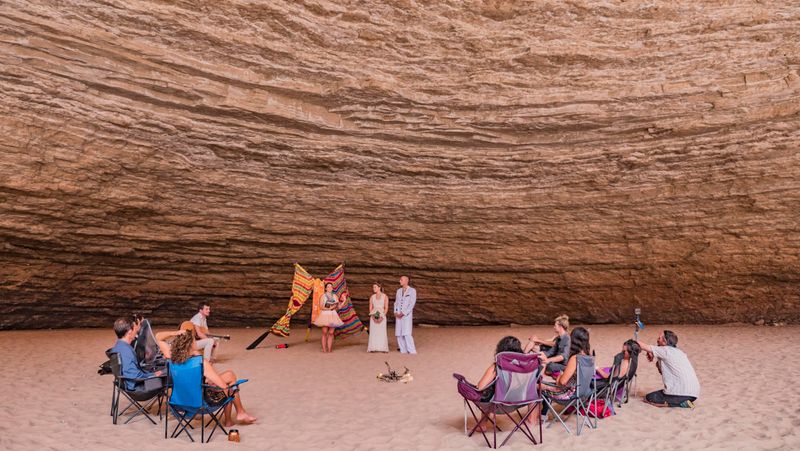
Clap your hands once inside Redwall Cavern and prepare for an auditory surprise. The acoustics here rival purpose-built concert halls, with sound bouncing off the curved walls in mesmerizing patterns.
Musicians on river trips occasionally bring instruments specifically to experience this natural sound chamber.
The vaulted ceiling and smooth walls create incredible reverb without muddiness. Every whisper carries, every footstep echoes, and singing sounds absolutely magical.
I’ve witnessed impromptu performances ranging from folk songs to operatic arias, all enhanced by the cavern’s natural amplification.
One memorable evening, a fellow rafter pulled out a harmonica and played old blues tunes while we sat in the gathering darkness. The notes seemed to hang in the air, swirling around us before fading into the stone.
Scientists would probably explain it through physics-reflection angles, sound wave frequencies, and surface textures. But experiencing it feels more like magic than science.
Children especially love testing the echoes, shouting and laughing as their voices bounce back from the depths of the cave.
John Wesley Powell’s Historic Connection
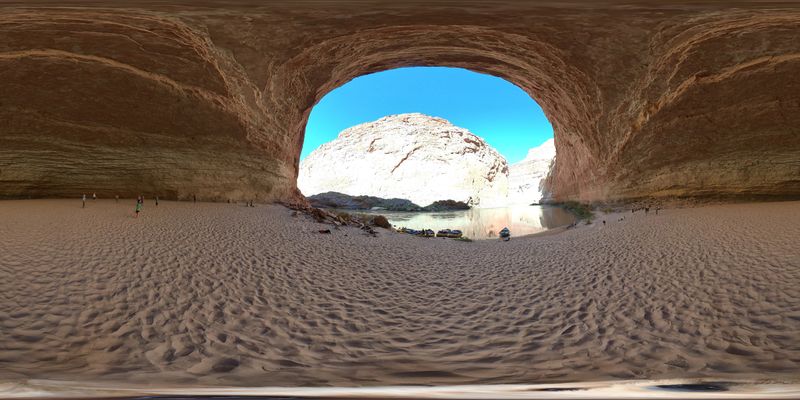
Back in 1869, legendary explorer John Wesley Powell and his expedition crew became the first documented non-Native visitors to Redwall Cavern. Powell, a one-armed Civil War veteran with an insatiable curiosity about the Colorado River, estimated the cavern could hold 50,000 people-a wild overestimate that’s become part of the location’s folklore.
Modern measurements suggest the actual capacity is closer to a few thousand, but Powell’s enthusiasm is understandable. After weeks navigating treacherous rapids in wooden boats, discovering this massive shelter must have felt miraculous.
His journals describe the wonder and relief his exhausted crew experienced upon landing here.
Reading Powell’s accounts before visiting adds incredible depth to the experience. Standing where those pioneering adventurers stood over 150 years ago creates a powerful connection to exploration history.
They didn’t have neoprene wetsuits, GPS devices, or waterproof cameras—just courage and determination.
The cavern looks essentially unchanged since Powell’s time, a rare constant in our rapidly changing world. It’s humbling to walk the same sandy floor those brave explorers once trod.
Fossil Hunting In Fallen Rocks
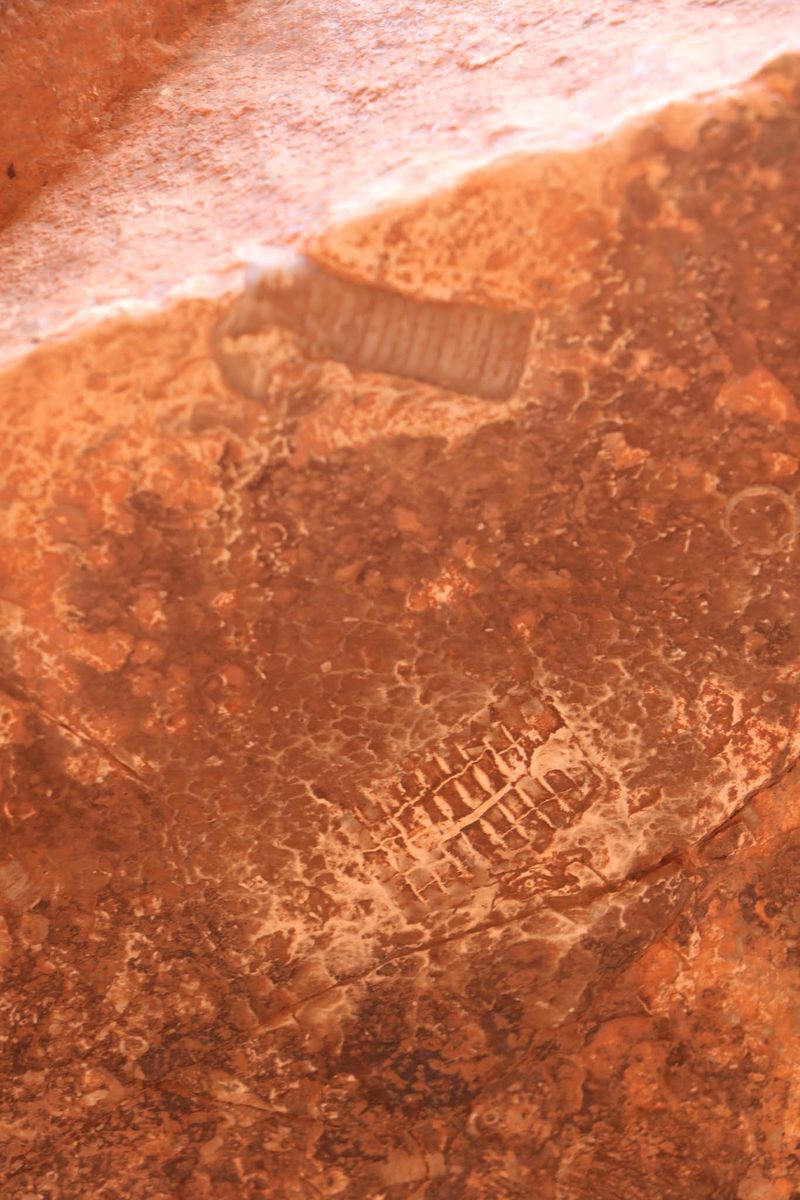
Amateur paleontologists, rejoice! Redwall Cavern offers unexpected opportunities to spot ancient marine fossils embedded in rocks that have tumbled from the ceiling over millennia.
The Redwall limestone formation dates back roughly 340 million years to when this area lay beneath a vast tropical sea.
Brachiopods, crinoid stems, and coral fragments appear in many of the fallen stones scattered across the beach.
You don’t need special equipment-just keen eyes and a bit of patience. During one visit, my nephew found a beautifully preserved brachiopod fossil within ten minutes of searching.
These aren’t rare museum-quality specimens, but they’re tangible proof of the incredible age and history compressed into these canyon walls. Imagine: creatures that lived before dinosaurs existed left their marks in limestone that eventually formed this cavern.
The National Park Service asks visitors to observe and photograph fossils but leave them in place for others to discover.
It’s a reasonable request that ensures future explorers can share the thrill of finding these ancient treasures. Each fossil tells a story spanning hundreds of millions of years.
The Perfect Lunch Stop On River Trips
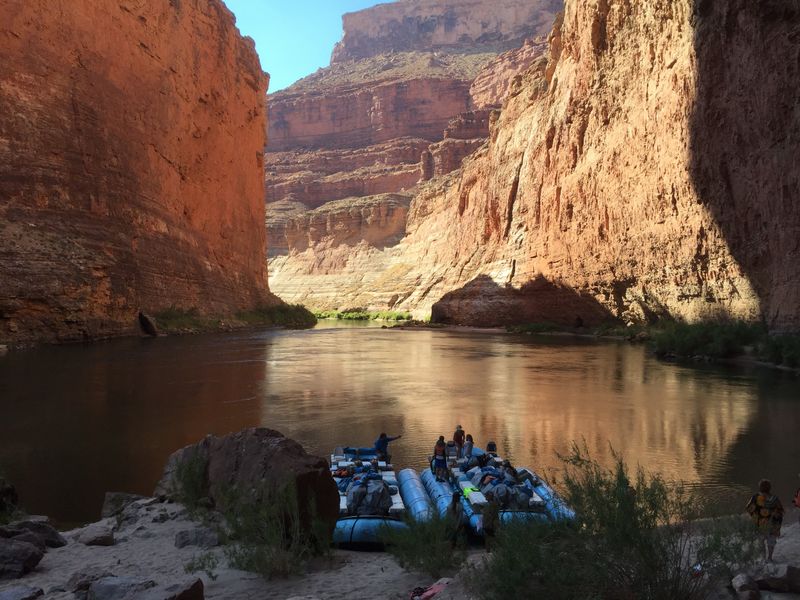
Ask any Grand Canyon river guide about their favorite lunch spots, and Redwall Cavern inevitably makes the top three. The combination of shade, space, and sandy comfort creates ideal conditions for midday breaks during multi-day expeditions.
Commercial outfitters and private trips alike gravitate toward this natural rest area.
The flat, clean sand provides perfect spots to spread out lunch spreads, and there’s enough room for multiple groups without feeling crowded. Unlike rocky beaches that punish bare feet, the soft sand here invites relaxation.
Kids can play safely while adults prepare food.
I’ve enjoyed countless sandwiches and snacks here, always enhanced by the dramatic surroundings. The calm water at the landing makes it easy to secure boats without worrying about swift currents.
Some groups use the lunch stop for impromptu games-I’ve seen everything from frisbee to tag happening on that beach. The cavern’s shade keeps food from overheating in the sun, and the cool temperature makes eating more pleasant.
It’s basically nature’s perfect picnic pavilion, complete with million-year-old architecture and views that no human designer could match.
Photography Paradise Tith Challenging Light
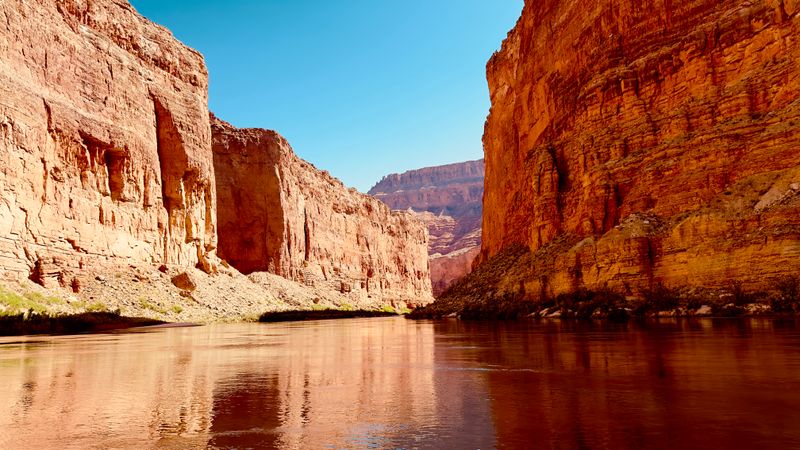
Photographers face a delicious challenge at Redwall Cavern: capturing the dramatic contrast between the bright river entrance and the deep shadows within.
The lighting here creates opportunities for stunning images, but it demands technical skill and patience. Automatic camera settings rarely do justice to the scene.
Early morning and late afternoon offer the best natural light, when the sun angles create warm glows on the limestone walls. Midday produces harsh contrasts that can be equally dramatic if handled correctly.
I’ve spent entire lunch breaks experimenting with exposures, trying to capture the cavern’s scale and atmosphere.
Wide-angle lenses work best for showing the cavern’s immensity, though telephoto shots of texture details can be equally compelling. The reddish limestone provides beautiful natural color that intensifies in certain light.
Silhouettes of people against the bright entrance make powerful compositional elements.
Bring a tripod if you’re on a private trip, though commercial passengers usually can’t accommodate the extra gear. The key is embracing the extreme contrast rather than fighting it—some of the most striking images feature deep blacks and brilliant highlights existing side by side.
Respecting The Fragile Desert Environment
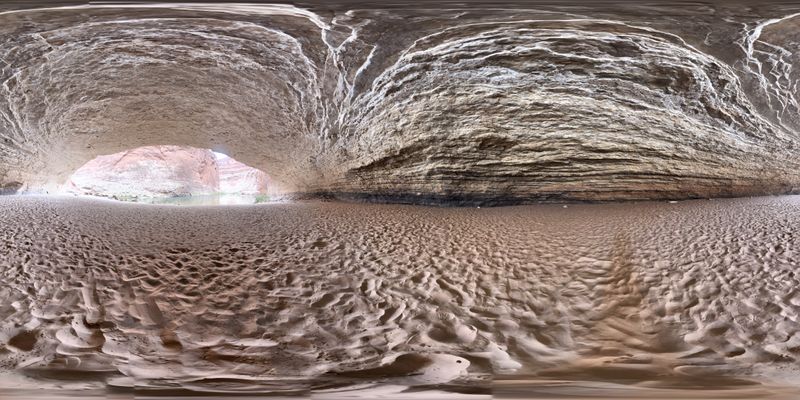
Redwall Cavern’s popularity among river runners comes with responsibility. This seemingly indestructible stone chamber actually contains delicate ecosystems that require conscious protection.
The fine sand shows every footprint, and the cool environment supports microorganisms adapted to specific conditions. Leave No Trace principles apply here as strictly as anywhere in the Grand Canyon.
Pack out everything you pack in-obvious but worth repeating. Human waste requires proper disposal according to Grand Canyon regulations, which typically means carrying portable toilet systems on river trips.
The cavern itself shouldn’t be used as a bathroom under any circumstances.
Avoid climbing on unstable rock piles, both for safety and preservation. Those fallen boulders may look solid but can shift unexpectedly.
During a trip two years ago, I watched a thoughtless visitor carve initials into the soft sandstone-the guide immediately confronted him about the damage. Such vandalism destroys the pristine experience for future visitors and violates federal law.
Treat this natural wonder with the reverence it deserves, ensuring it remains unspoiled for generations to come. Our grandchildren’s grandchildren deserve to experience Redwall Cavern exactly as we found it.
Planning Your Adventure To This Hidden Gem
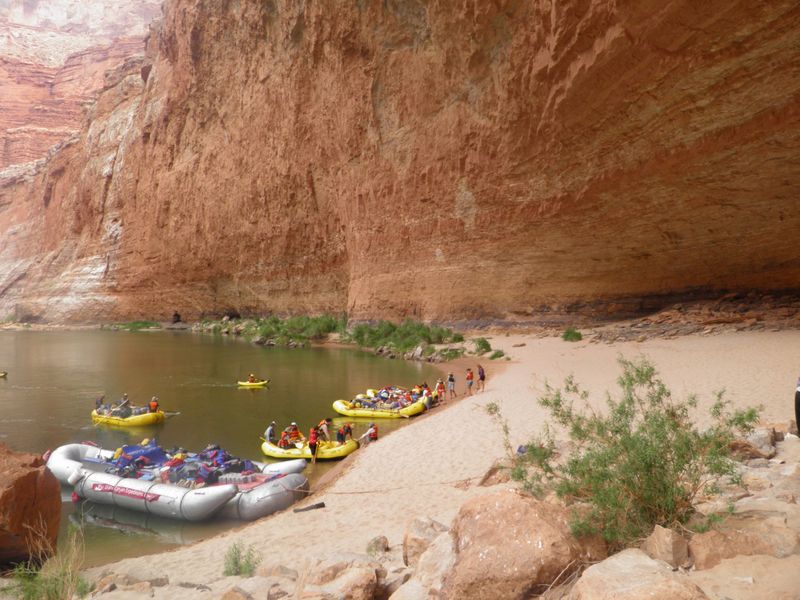
Ready to experience Redwall Cavern yourself? Start planning several months in advance, especially if you’re aiming for prime season between April and September.
Commercial rafting trips through the Grand Canyon typically range from 3 to 18 days, with Redwall Cavern appearing early in most itineraries since it’s located at mile 33.
Expect to invest significantly-multi-day Grand Canyon river trips aren’t cheap, but they’re bucket-list worthy. Private permit holders face a lottery system with years-long waiting lists, though cancellations occasionally create last-minute opportunities.
Several reputable outfitters operate in the area, each offering different trip styles from motorized rafts to traditional oar-powered boats.
Pack sun protection, quick-dry clothing, and waterproof bags for electronics and cameras. The cavern itself requires no special equipment beyond what you’d bring for any river trip.
Check current river flow conditions before booking, as extremely high water can reduce the beach area significantly.
Don’t expect cell service—you’ll be genuinely off the grid. That’s part of the magic.
Disconnecting from modern life while connecting with ancient geology creates memories that last forever.