
This Illinois Train Ride Hits The Most Picture-Perfect Route 66 Communities
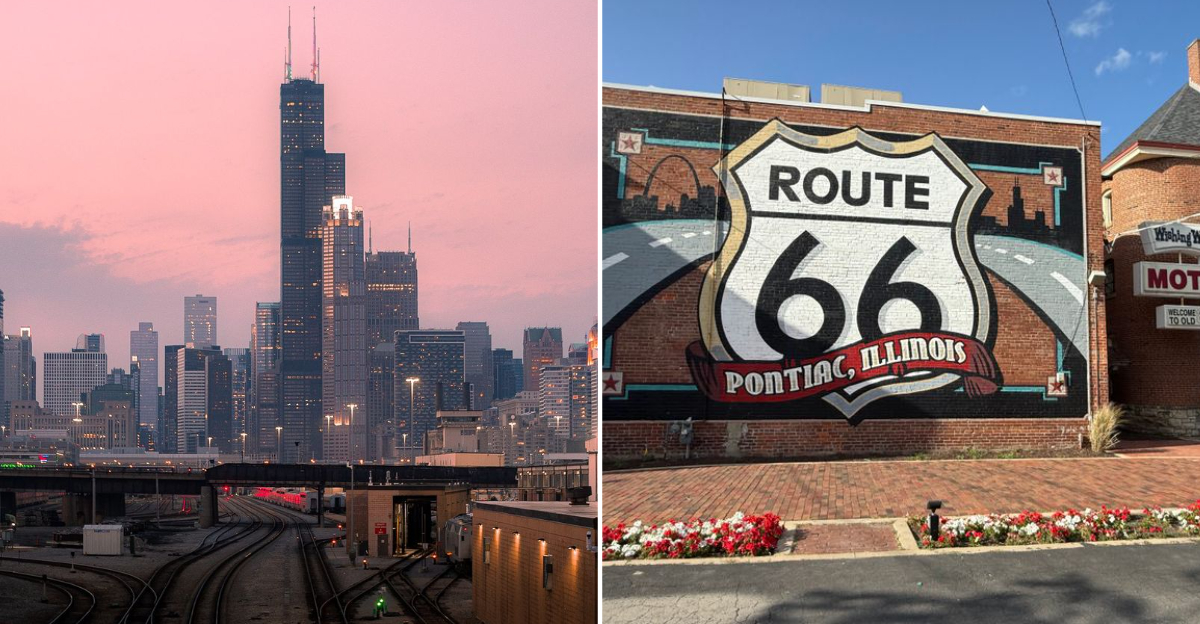
All aboard for a journey that feels like a step back in time. The Lincoln Service line takes you through the heart of Illinois, connecting ten fascinating communities along its route from Chicago to the St. Louis area.
Along the way, you’ll experience places steeped in the rich history of Route 66, America’s legendary highway. The adventure begins in the towering cityscape of Chicago, but soon, the scenery shifts, skyscrapers give way to charming downtowns and quiet, tree-lined streets.
As the train rolls through small towns, you’ll pass iconic diners, striking murals, and historic landmarks that echo the golden age of the Mother Road. Illinois is home to some of the best-preserved pieces of this historic route, and riding the rails offers a unique opportunity to immerse yourself in it all without the stress of driving.
Let the train take the wheel while you kick back, capture breathtaking views, and experience firsthand the small-town charm that has made Route 66 an enduring symbol of American adventure.
1. Chicago (CHI) – Where the Mother Road Begins
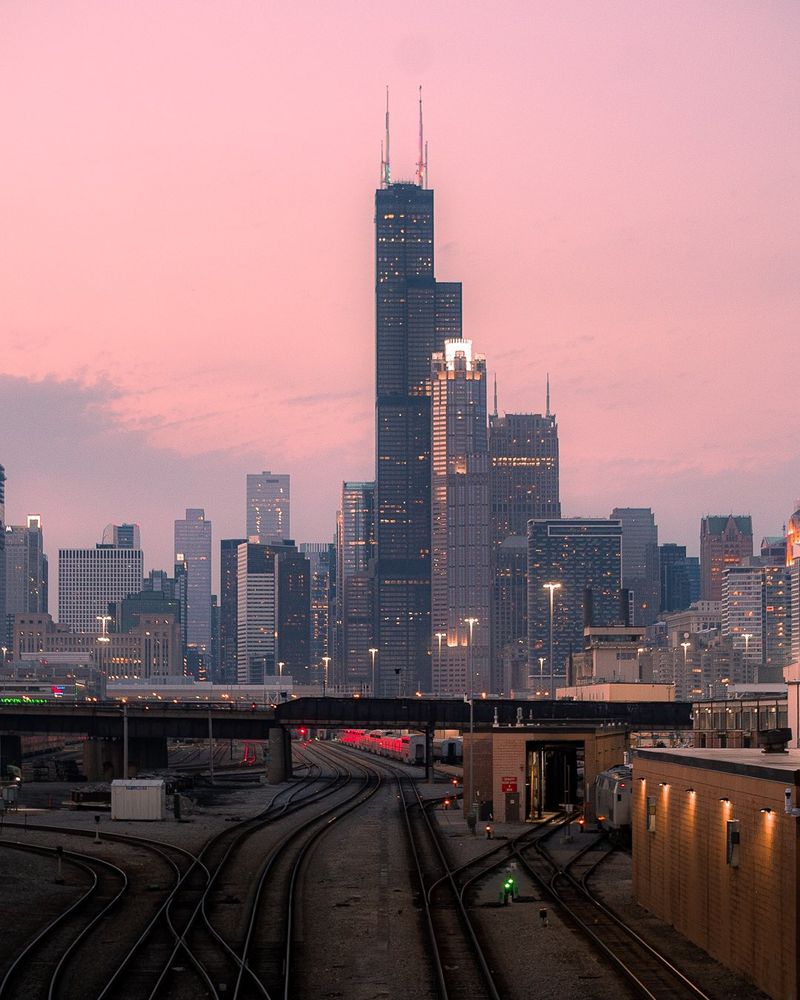
Buckle up, because your Route 66 rail adventure kicks off in the Windy City itself, where skyscrapers kiss the clouds and deep-dish pizza is basically a food group. Chicago Union Station (255 S Clinton St, Chicago, IL 60606) serves as your grand departure hall, a Beaux-Arts beauty that’s starred in more movies than most Hollywood actors.
Built in 1925, this architectural gem boasts soaring columns, marble floors, and a Great Hall that’ll make you feel like you’ve stepped onto a movie set, because you basically have.
Outside the station, the energy is pure Chicago: taxis honking, commuters hustling, and the unmistakable buzz of a city that never slows down. The official start of Route 66 is marked at Michigan Avenue and East Adams Street, and it’s become a pilgrimage photo stop for road-trip lovers.
You can snap a selfie there before boarding, or simply soak in the knowledge that you’re standing where countless adventurers began their westward journeys.
Before your train departs, grab a Chicago-style hot dog or a slice of Giordano’s stuffed pizza, fuel for the journey ahead. The station’s buzz fades as the Lincoln Service train glides out, trading skyscrapers for suburbs, and you’re officially on your way down the Mother Road by rail.
2. Summit (SMT) – The Quiet Gateway to Route 66 Heritage
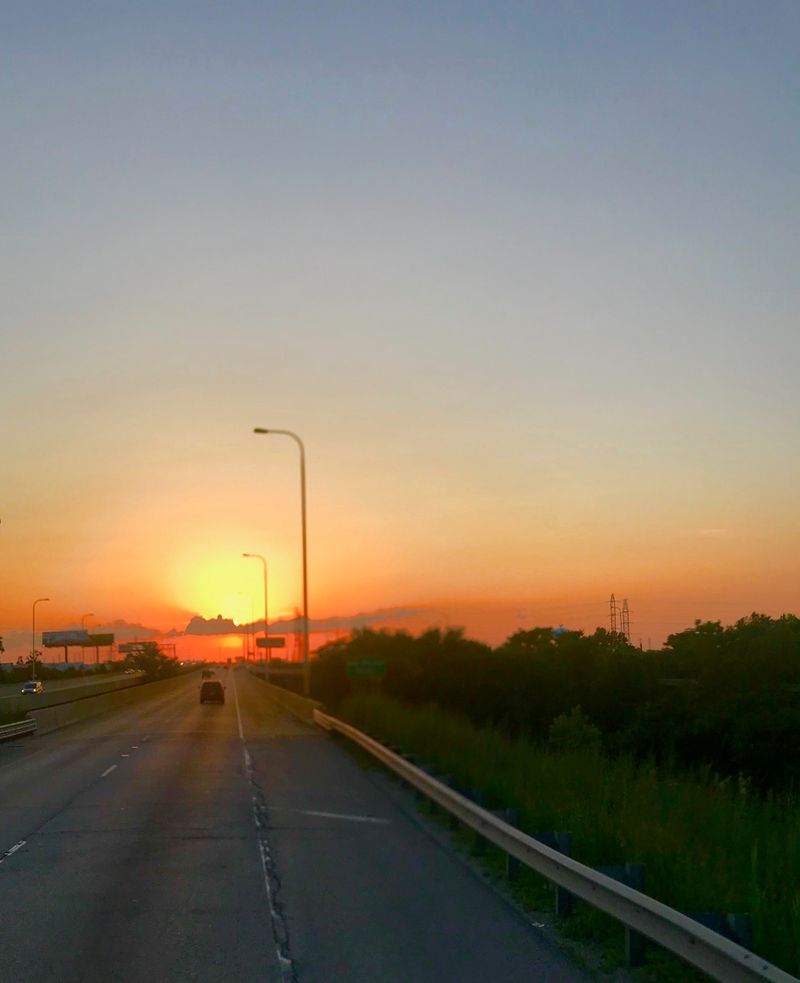
Blink and you might miss Summit, but that would be a shame because this unassuming village packs a surprising amount of “in-between stop” charm into its compact borders. Incorporated in 1890, Summit sits on a barely perceptible ridge that separates the watersheds of the Mississippi River and the Great Lakes—hence the name.
Today, Summit feels like a time capsule, a place where the pace is slower and the locals still wave to passing trains. The station itself is modest—no grand halls here—but it’s perfectly positioned for travelers who want to explore the southwestern suburbs without the Chicago crowds.
While Summit itself isn’t a major Route 66 landmark stop, it’s an easy, low-key rail hop before the itinerary drops into towns where Route 66 history is far more front-and-center.
What makes Summit special is its authenticity; there’s no tourist gloss, no over-commercialization, just a genuine slice of suburban Illinois. Local diners still serve breakfast all day, and the coffee tastes like it’s been brewing since Eisenhower was president.
If you’re hunting for that “real America” vibe without the theme-park treatment, Summit delivers in spades.
3. Joliet (JOL) – Big Historic-Building Energy and Route 66 Soul
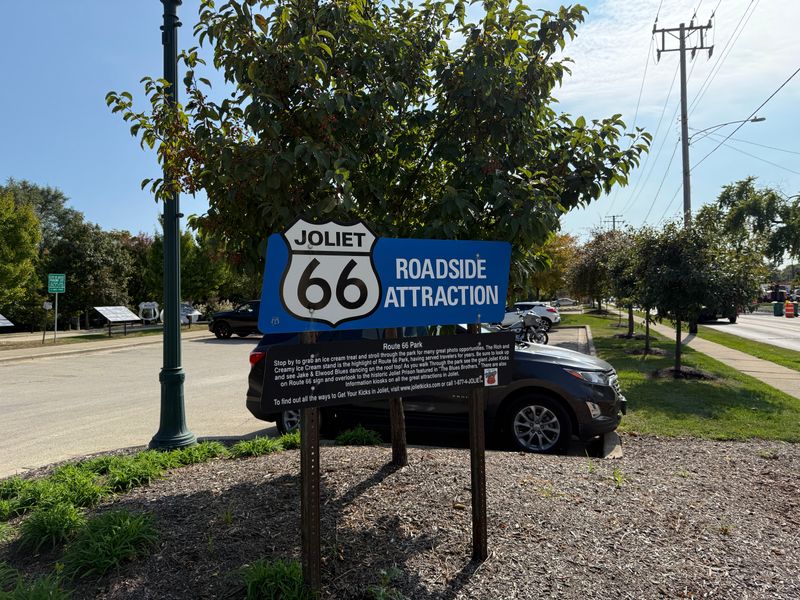
Joliet rolls out the red carpet with serious historic-building swagger, and trust me, this city knows how to make an entrance. The Joliet Gateway Center puts you steps from downtown and right next to the landmark 1912 Joliet Union Station at 50 E Jefferson Street.
Step outside and Joliet’s downtown unfolds like a living museum of American architecture: art deco theaters, Romanesque courthouses, and brick storefronts that’ve witnessed over a century of Route 66 traffic. The Rialto Square Theatre, often called the “Jewel of Joliet,” dazzles with its ornate interior—think crystal chandeliers, marble staircases, and enough gold leaf to make King Midas jealous.
Even if you’re not catching a show, tours are available (often as scheduled or group tours), and they’re worth planning for.
Route 66 runs right through Joliet’s heart, and the city celebrates this heritage with vintage signs, classic car shows, and the kind of roadside attractions that defined the Mother Road’s heyday. Grab a malt at one of the retro diners, browse antique shops stuffed with Route 66 memorabilia, or simply wander the streets marveling at how well Joliet has preserved its past while embracing its future.
4. Dwight (DWT) – Small-Town Postcard Main Street Magic
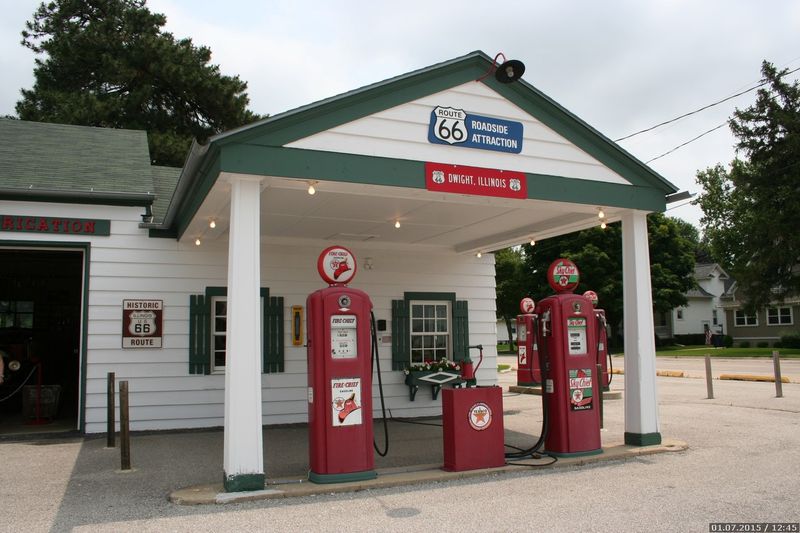
Welcome to Dwight, where Main Street looks like it was plucked straight from a Norman Rockwell painting and preserved in amber for your viewing pleasure. The Dwight Amtrak Station sits just a short walk from downtown, making it easy to step off the train and into small-town perfection.
The current passenger station opened in 2016, and nearby you can still admire Dwight’s historic 1891 Richardsonian Romanesque depot (now a museum/photo stop) that anchors the town’s rail-and-Route-66 story.
Main Street Dwight is Route 66 royalty, famous for its impeccably preserved vintage buildings, retro signage, and the kind of charm that makes you want to move here immediately. The Ambler-Becker Texaco Station, a restored 1933 gas station with its original porcelain exterior, serves as a visitor center and photo op extraordinaire, seriously, your Instagram will thank you.
Across the street, the Old Route 66 Family Restaurant serves up comfort food in a setting that hasn’t changed much since Eisenhower’s administration.
Dwight’s compact size is its superpower; you can explore the entire downtown on foot in an hour, popping into antique shops, admiring the vintage storefronts, and chatting with locals who genuinely enjoy sharing their town’s Route 66 stories. There’s something magical about a place that’s stayed true to its roots while welcoming travelers with open arms and freshly brewed coffee.
5. Pontiac (PON) – Mural Capital of Route 66 Illinois
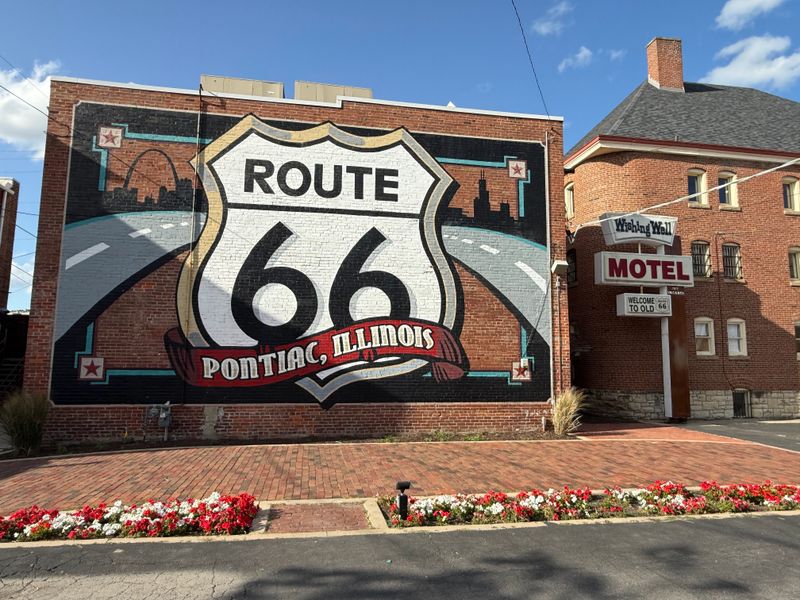
Pontiac transforms the entire town into an outdoor art gallery, and honestly, it’s the kind of place that makes you question why every town doesn’t cover their buildings in gorgeous murals. The Pontiac Amtrak Station drops you within easy reach of downtown, where more than 20 large murals decorate historic buildings and alley walls.
The Route 66 Association of Illinois Hall of Fame & Museum anchors the town’s Mother Road heritage, packed with vintage vehicles, nostalgic memorabilia, and enough Route 66 history to satisfy even the most hardcore highway enthusiasts. But it’s the murals that steal the show, vibrant, massive paintings depicting everything from vintage cars to local history to pure Americana fantasy.
Each one tells a story, and hunting them all down becomes an addictive scavenger hunt through Pontiac’s charming streets.
Beyond the art, Pontiac delivers classic small-town vibes with independent shops, cozy cafes, and the Livingston County Courthouse, a stunning historic building that dominates the skyline. The Old Log Cabin Restaurant, a Route 66 institution since 1926, serves hearty meals in a rustic setting that feels wonderfully authentic.
Pontiac understands that Route 66 isn’t just a road, it’s a story, a feeling, a celebration of American optimism painted in bright colors across downtown buildings.
6. Bloomington-Normal (BNL) – Lively College Town Meets Mother Road History
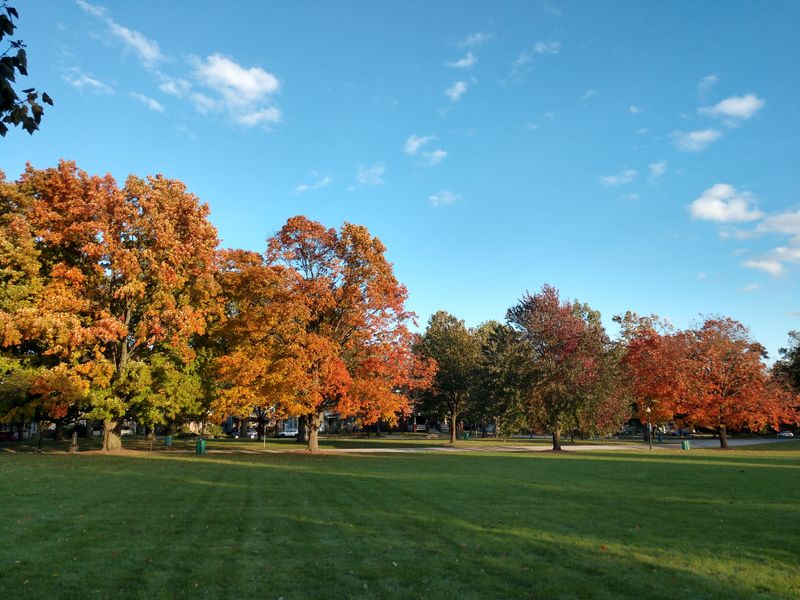
Bloomington-Normal buzzes with college-town energy, thanks to Illinois State University’s presence, but don’t let the youthful vibe fool you, this twin-city area is steeped in Route 66 and Lincoln history. The Amtrak Station sits in the Uptown Normal district, a walkable neighborhood bursting with restaurants, breweries, bookshops, and the kind of independent businesses that give a place genuine character.
History buffs will geek out over the fact that Abraham Lincoln practiced law here, David Davis (Lincoln’s campaign manager and Supreme Court Justice) called it home, and Adlai Stevenson II, two-time presidential candidate, grew up in these streets.
The McLean County Museum of History preserves these stories in a beautifully restored courthouse, while the David Davis Mansion offers tours of Victorian-era opulence that’ll make your jaw drop.
Route 66 ran through the Bloomington-Normal area on alignments that today are often marked and remembered as “Old Route 66,” including business routes through town, even if modern roads have changed the feel of the corridor.
After exploring history, the Uptown district beckons with craft breweries pouring local favorites, farm-to-table restaurants serving creative cuisine, and coffee shops perfect for people-watching.
Bloomington-Normal proves you can honor the past while embracing the present, creating a destination that appeals to history nerds and foodies alike.
7. Lincoln (LCN) – The Town That Named Itself After Honest Abe
Here’s a fun fact that’ll win you trivia night: Lincoln, Illinois is the only town named after Abraham Lincoln before he became president, and Abe himself christened it by using watermelon juice during an 1853 ceremony. You can’t make this stuff up, folks, and that quirky beginning set the tone for a town that’s embraced its Lincoln legacy with enthusiasm and pride.
Downtown Lincoln radiates classic central Illinois charm, with brick storefronts, vintage architecture, and the kind of tree-lined streets that make you want to slow down and breathe deeply. The Lincoln Heritage Museum at Lincoln College showcases artifacts from Lincoln’s life, and it remains open to the public even after Lincoln College’s 2022 closure.
Route 66 runs right through the heart of Lincoln, and the town celebrates this dual heritage with pride.
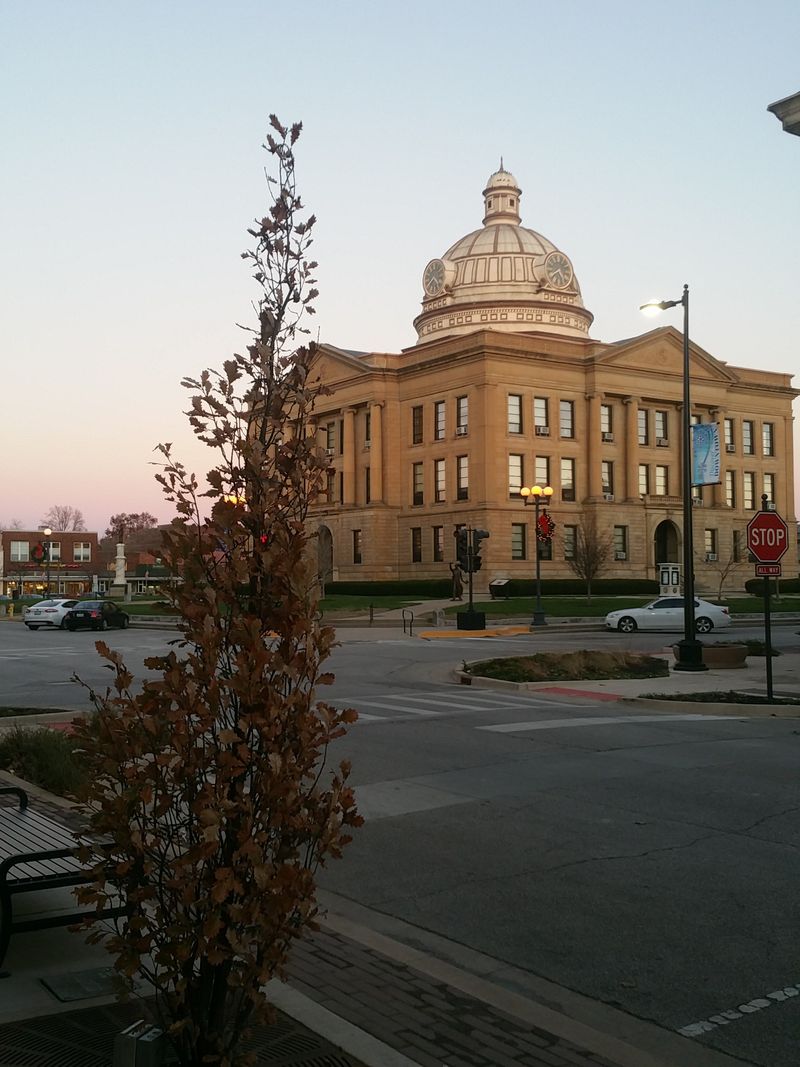
The Mill on Route 66, a restored 1929 restaurant, serves up comfort food in a setting dripping with nostalgia—think checkered floors, vintage signs, and milkshakes thick enough to stand a spoon in. Stroll the downtown square, admire the Logan County Courthouse (another architectural gem), and soak in that unhurried pace that defines small-town Illinois.
Lincoln doesn’t shout for attention; it simply exists as a perfectly preserved slice of heartland America.
8. Springfield (SPI) – Illinois Capital with Iconic Route 66 Landmarks
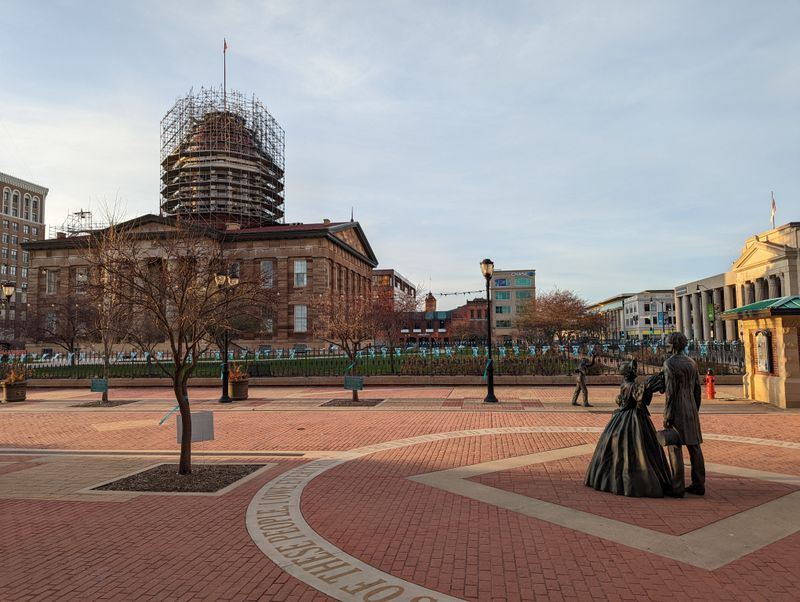
Springfield brings the big guns: state capital grandeur, Lincoln’s hometown legacy, and some of Route 66’s most iconic roadside attractions all rolled into one magnificent package. The Springfield Amtrak Station positions you perfectly to explore the historic downtown, where the Illinois State Capitol’s dome dominates the skyline like a crown jewel.
Lincoln’s presence saturates every corner of Springfield—his home, his law office, his tomb, and the spectacular Abraham Lincoln Presidential Library and Museum, which uses Hollywood-level production to bring history alive. But Route 66 fans come for the roadside attractions: the Cozy Dog Drive-In—famous for popularizing the corn dog on a stick, still serves up its classics on Old Route 66 in Springfield.
The neon sign alone is worth the pilgrimage.
Don’t miss that Springfield’s historic depot itself has been renovated over the years—including restoration work on a mural over the ticket office, adding a little extra “railroad nostalgia” right where you board.
Charlie Parker’s Diner occupies a 1930s dining car, serving breakfast all day in surroundings so authentically retro you’ll check your phone to confirm the year.
Springfield understands its dual role as state capital and Route 66 treasure, and it plays both parts beautifully, offering travelers a perfect blend of gravitas and roadside whimsy.
9. Carlinville (CRV) – Small, Charming, and Perfect for Slow Travel
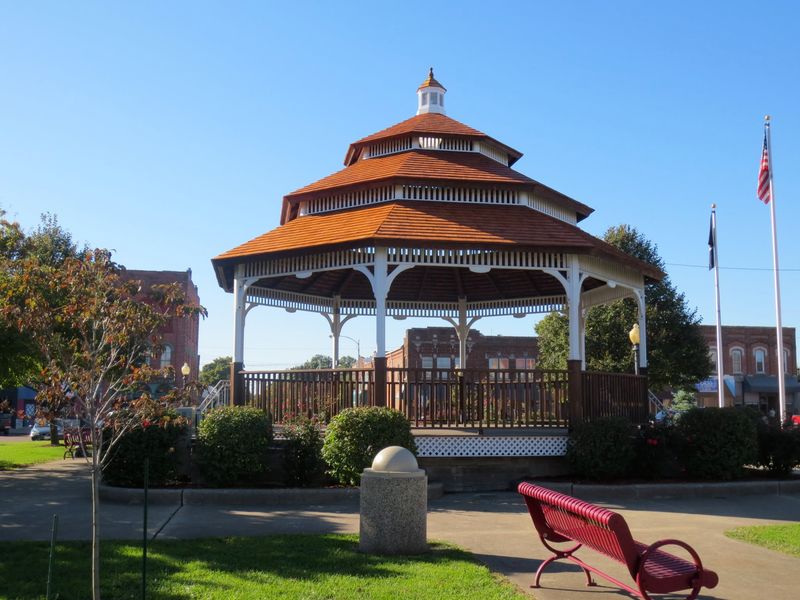
Carlinville whispers where other towns shout, and that’s precisely its appeal for travelers seeking authentic slow-travel experiences off the beaten path. The Carlinville Amtrak Station serves this charming Macoupin County seat, a town that’s managed to preserve its 19th-century character while avoiding tourist trap territory.
The Macoupin County Courthouse absolutely steals the show, nicknamed the “Million Dollar Courthouse,” with costs ballooning to about $1.3 million by 1870, a controversy that became Illinois legend.
Tours are often available (including free tour options promoted locally), letting you explore courtrooms, offices, and hallways that’ve witnessed generations of county life.
Downtown Carlinville unfolds around the courthouse square with local shops, cafes, and the kind of genuine small-town hospitality that’s becoming increasingly rare. There’s no rush here, no tourist crowds, just the pleasant rhythm of a working town that happens to sit along Route 66.
Grab lunch at a local diner, chat with shop owners who’ve served the community for decades, and appreciate the beauty of a place that hasn’t sold its soul for tourist dollars.
10. Alton (ALN) – River-Town Scenery and Great Rivers Atmosphere
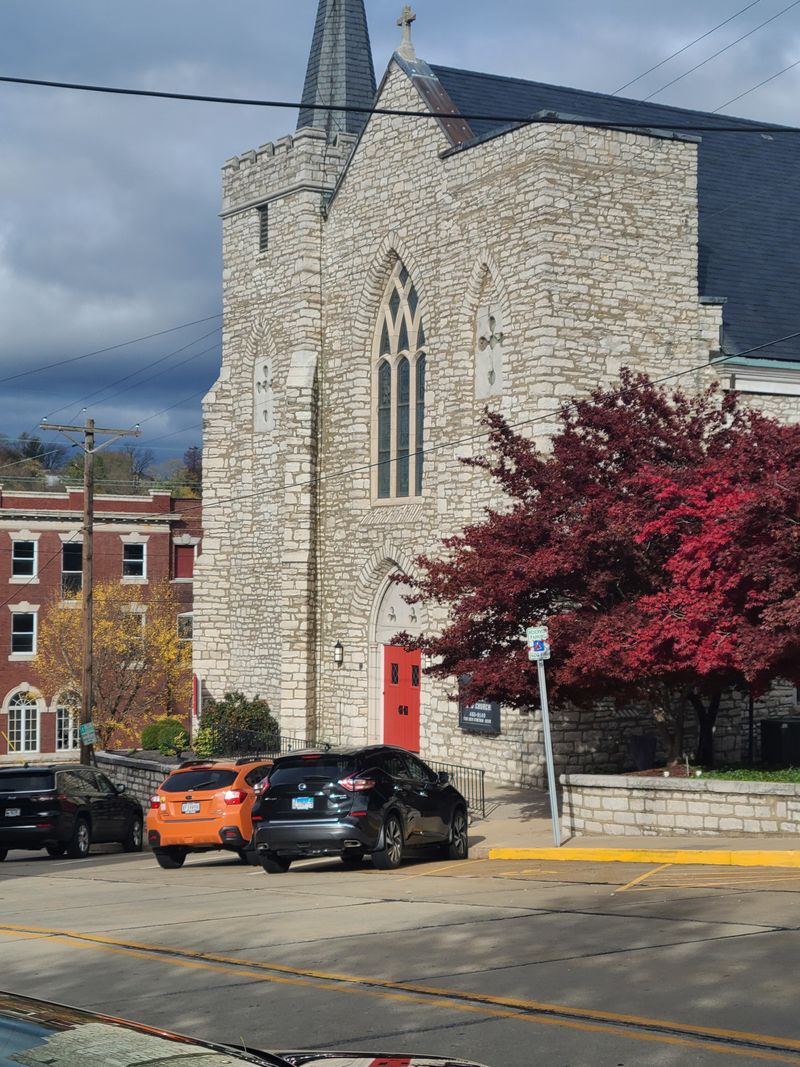
Your rail journey reaches its scenic finale in Alton, where the mighty Mississippi River provides a dramatic backdrop and the Great Rivers region atmosphere wraps around you like a warm blanket. The Alton Amtrak Station sits near the river area, making it easy to explore this historic river town that’s been welcoming travelers long before Route 66 was a gleam in anyone’s eye.
Alton’s history runs deep and occasionally spooky, the town claims to be one of America’s most haunted cities, with ghost tours departing regularly from the downtown district. But there’s plenty to see in daylight too: the Meeting of the Great Rivers National Scenic Byway begins here, offering stunning Mississippi River views.
The National Great Rivers Museum educates visitors about the river’s ecology and the massive lock and dam system, while Piasa Bird legend (a mysterious creature painted on the bluffs) adds mythical intrigue to your visit.
Downtown Alton charms with antique shops, riverside restaurants, and historic buildings that’ve weathered everything from Civil War tensions to Prohibition-era drama. The riverfront trail invites leisurely strolls with panoramic water views, and local eateries serve fresh catfish and other river-town specialties.
Alton proves that the best journeys end with a view and what better view than the Mississippi rolling past, just as it has for millennia?