
13 Ohio Cities Where You Can Easily Retire On A Budget
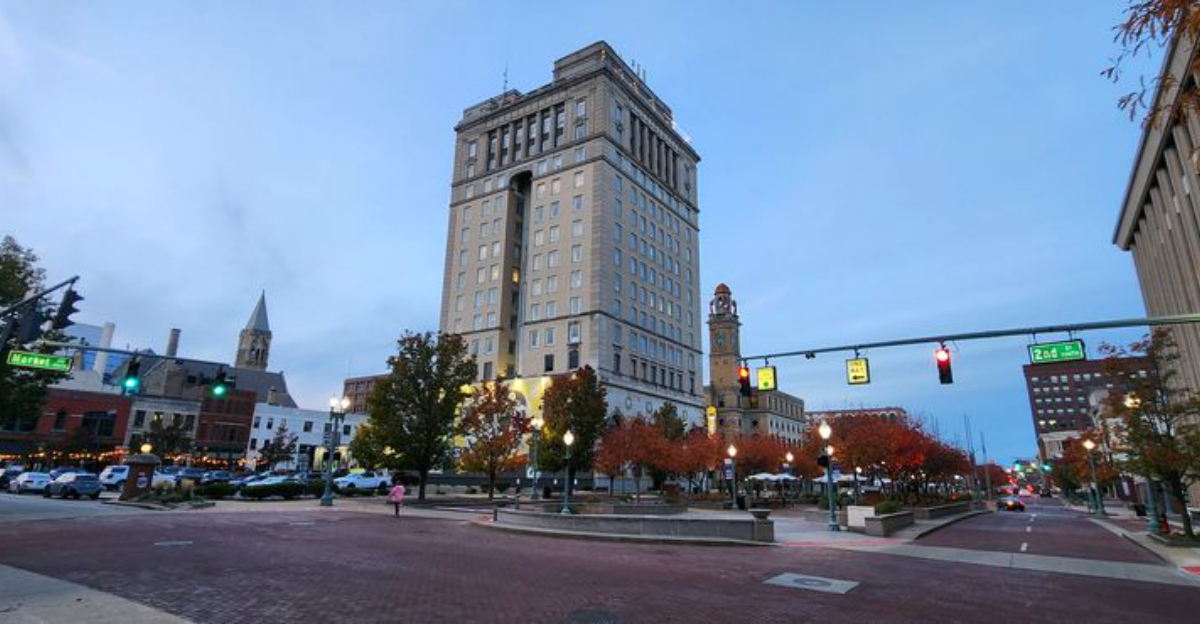
Ohio offers retirees a rare combination of reasonable housing costs, accessible healthcare, and genuine quality of life without the sticker shock that comes with coastal living.
Across the state, you will find cities where your Social Security check stretches further, property taxes stay manageable, and daily expenses leave room for hobbies, travel, and the occasional treat.
These thirteen cities prove that retiring comfortably does not require moving to the middle of nowhere or sacrificing city amenities. Each one brings its own mix of parks, culture, and community while keeping your budget firmly in the black.
1. Toledo

On my notebook full of Ohio retirement ideas, Toledo keeps getting little stars next to its name.
Typical home values hover well under the national median, and recent data put the local median home around the mid-100,000s while still ranking the city as a top housing market thanks to that gap.
When I spent a weekend poking around neighborhoods near the river, I kept noticing how many for-sale signs had prices that would barely get a studio in some coastal cities.
Daily life here comes with big city perks, from the Toledo Museum of Art to the zoo and sprawling Metroparks system, so your entertainment budget does not have to work very hard.
Healthcare access is solid thanks to several major hospital systems, something that becomes more attractive with every birthday candle. In a state packed with underappreciated bargains, Toledo feels like the city where your savings finally get to breathe while your calendar still stays full.
2. Youngstown

If you ever want to feel like your retirement money suddenly grew taller, look at Youngstown’s numbers. Youngstown is the city that keeps showing up on shockingly affordable lists, and it earns that spotlight with ease.
The overall cost of living runs significantly below the national average, and home prices tend to sit well under 200,000, which stretches a fixed income in a very satisfying way.
I remember standing in Mill Creek Park, looking at the water and the old stone bridges, thinking this felt like the sort of scenery people usually pay resort pricing for.
The city’s revitalized downtown, local museums, and libraries give you plenty of low-cost ways to structure your weeks without constantly swiping a card. Youngstown also scores repeated nods as one of the best budget retirement spots in the Midwest, so you are not the only one noticing the math.
For a blend of leafy park walks, real urban texture, and a price tag that stays stubbornly low, Youngstown makes retirement feel far more attainable than stressful.
3. Akron

Whenever I picture a retiree happily bouncing between city events and park trails, Akron is the backdrop in my head. Akron feels like the sweet spot between city energy and small-town pricing.
Housing costs sit well below the national average, with estimates showing overall expenses roughly 19 percent cheaper than what you would expect in the typical U.S. city.
When I first wandered through Highland Square and then down toward the Cuyahoga Valley, it struck me how many different lifestyles you can build here without wrecking a retirement budget.
There are theaters, a minor league ballpark, independent restaurants, and a constant calendar of local events, most of which are either free or pleasantly inexpensive. Access to healthcare is solid thanks to nearby hospital systems, which takes a bit of worry off the planning spreadsheet.
For anyone who wants national park views one day, downtown arts the next, and a monthly budget that behaves itself, Akron quietly delivers the whole package.
4. Dayton

On my first longer stay in Dayton, I kept catching myself thinking, how is this much city life this affordable. Dayton is the place where I realized a city can have an impressive history, an active arts scene, and still be genuinely kind to a retirement budget.
Studies put Dayton’s cost of living close to ten percent below the national average, and multiple breakdowns call housing the city’s superpower, with typical home prices well under national figures.
Driving around the historic districts, I kept spotting brick homes and tidy bungalows with price tags that left plenty of room for travel, hobbies, and the occasional splurge on good coffee.
Dayton also benefits from Ohio’s new flat state tax structure and the crucial perk of not taxing Social Security benefits, which can keep more money flowing to your actual life. You get strong healthcare networks, aviation museums, riverfront trails, and regular festivals that help weekdays feel less repetitive.
If you want your retirement to feel curious, active, and still safely within budget, Dayton has a way of turning that spreadsheet into real, livable streets.
5. Canton
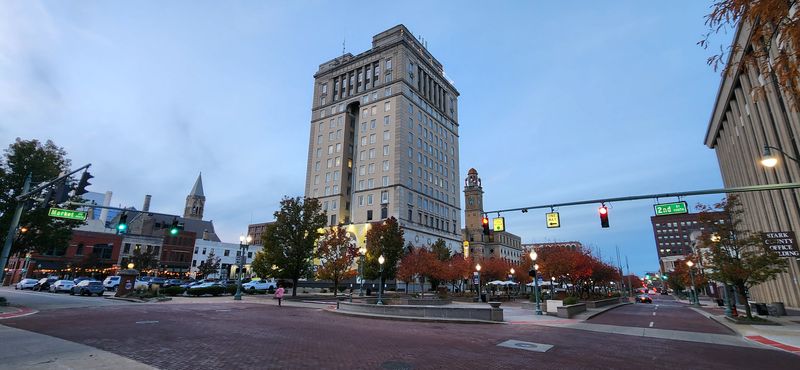
If your dream of retirement includes a reasonable mortgage and a city that still has things to do, Canton comes into focus fast. Canton is one of those places where the cost of living numbers almost make you squint and re-read.
Indexes put the city roughly twenty percent below the national average, and several datasets show median home values hovering in the low six figures or even below, depending on the neighborhood.
When I visited, I noticed how often for-sale signs translated into mortgage payments that could fit into a modest pension rather than dominate it.
Beyond the numbers, you have the Pro Football Hall of Fame, regional parks, and a downtown that keeps slowly adding dining, galleries, and events without big city price tags. Healthcare options in the wider Stark County area give some peace of mind, and essential errands rarely involve long, stressful drives.
For retirees who like their budget calm, their weekends varied, and their city instantly recognizable on a map, Canton makes an impressively sensible home base.
6. Springfield

If you have ever wanted a retirement spot where you can cross town almost as quickly as you cross off bills, Springfield fits that wish neatly. Springfield is the sort of small city that grows on you precisely because it does not try too hard.
The cost of living sits about fifteen percent below the national average, and median home prices cluster in the mid-to-upper 100,000s, which leaves a lot of room in the monthly budget.
On my first slow drive through town, I noticed how compact everything felt, from grocery stores to parks, which is ideal if you prefer shorter drives and less fuss.
There is a historic downtown with theaters and local shops, plus easy access to nearby state parks and lakes when you need some green space. Being roughly an hour from both Columbus and Dayton means you can dip into bigger city amenities without committing to bigger city housing costs.
For a retirement that favors simple routines, affordable comfort, and the occasional day trip adventure, Springfield keeps both stress levels and expenses pleasantly low.
7. Lima

Every time I run a hypothetical retirement budget with Lima plugged in, the numbers seem to sigh with relief. Lima is the kind of budget-friendly surprise that makes you double-check the math on your retirement projections.
Cost of living calculators put the city roughly nine percent below the national average overall, with housing expenses specifically coming in around eighteen percent cheaper.
When I looked at local listings, I kept seeing single-family homes under 150,000 and apartment rents dramatically below national norms, which is rare in 2026.
The city has a sturdy mix of healthcare providers, local colleges, and community events that keep things from feeling sleepy. You get the convenience of a regional hub without the cost profile of a major metro, and daily errands stay simple.
For retirees who want their income to feel surprisingly capable while their lifestyle stays grounded and welcoming, Lima is a very strong contender.
8. Mansfield

On a map of central Ohio, Mansfield is that dot where affordability, character, and manageable size all quietly overlap. Mansfield has that middle of everything, cost of living below everything personality.
Recent figures show the city’s cost of living about nineteen percent below the national average, with median home values hovering a bit above 100,000 and ranking among Ohio’s more affordable markets.
Walking around the restored downtown and its old brick buildings, I kept thinking how many similar-looking cities charge far more for the same basic lifestyle.
The area has a surprising amount of green space and trail access, along with a local arts scene and seasonal events that keep the calendar interesting. Essential services, from groceries to basic healthcare, lean toward the lower end of typical U.S. prices, which matters when you are watching monthly outflows.
If you want a home base that feels classic Midwestern in the best way while still respecting your long-term budget, Mansfield quietly checks most practical boxes.
9. Ashtabula
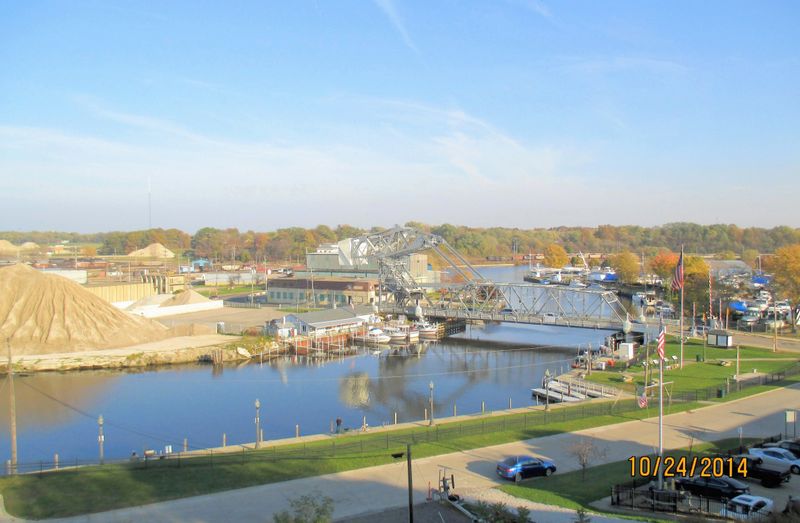
If your retirement daydream keeps drifting toward quiet harbors and slow drives along the water, Ashtabula will feel oddly familiar. Ashtabula feels like a slower, softer corner of the Great Lakes where your dollars still have range.
Median home values in the city and county sit well under national numbers, often in the mid-100,000s or below, and rents trend lower than what most coastal areas would even consider. When I walked along the harbor area, watching boats move in and out, it struck me how affordable it is to wake up near the water here.
The community leans small and friendly, with local shops, diners, and parks rather than big flashy attractions. Healthcare access is supported by regional providers across Ashtabula County, and daily errands stay compact enough for easy drives.
For a retirement that feels more like a long, slow exhale by the lake than a financial tightrope walk, Ashtabula makes a very gentle landing spot.
10. Lorain

Driving along Lorain’s shoreline, I kept waiting for the price tag to jump up the way it does in most lake cities, and it simply never did. Lorain is the Lake Erie city that quietly whispers, yes, you can still afford this.
The cost of living sits around thirteen percent below the national average, with median home prices in the low to mid-100,000s and relatively modest typical housing costs.
When I drove along the waterfront, I kept thinking how many people assume lakeside living automatically means premium pricing, and how wrong that assumption is here.
Lorain appears on recent rankings of strong retirement spots in the Midwest, scoring particularly well on housing and cost of living metrics. You are also close enough to Cleveland to tap into big city healthcare and cultural options without paying big city housing costs.
For retirees who like the idea of a working lake town rather than a polished resort, Lorain offers real life on the water at a price that still makes sense.
11. Marion
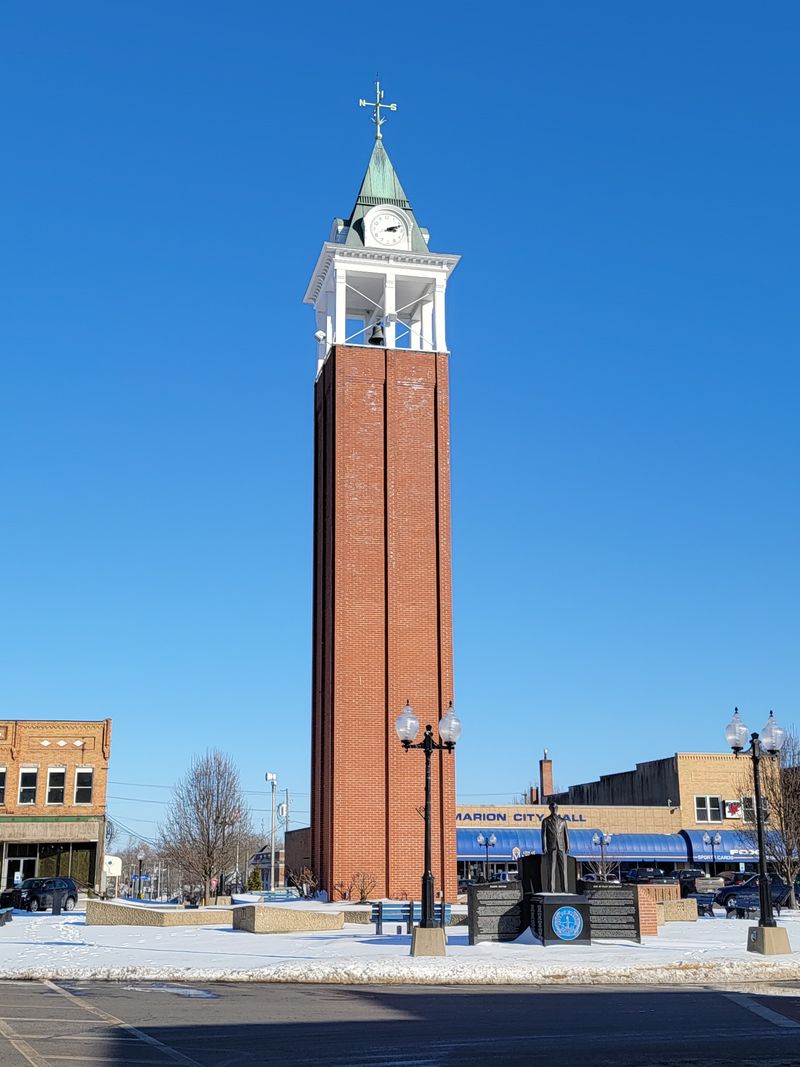
If your retirement fantasy involves low bills and the freedom to pick up new hobbies, Marion gives that idea real numbers. Marion feels like a master class in how far your money can go in a smaller Ohio city.
Median property values sit a fraction of the national average, with many sources placing typical homes around or just over the 100,000 mark and a very favorable home value to income ratio.
On my own trip through town, I noticed how ordinary single-family homes translated into monthly payments that would barely cover utilities in some larger markets.
The cost of groceries, healthcare, transportation, and utilities all trend below national benchmarks, which adds up quickly over a decade or two of retirement. Marion offers local museums, parks, and community events, plus easy access to larger cities when you want a change of scenery.
If preserving your savings while still feeling part of an active community is the goal, Marion turns that into more of a plan than a wish.
12. Niles

Every list of low-cost places to retire that I read seems to nudge me back toward Niles. Niles is a textbook example of how a small city can make retirement math look generous.
The overall cost of living runs about twenty-one percent below the national average, and median home prices hover in the low 100,000s, which keeps monthly housing costs nicely contained. When I looked at local data, I was struck by how often mortgage estimates came in below what many people currently pay in rent elsewhere.
Median monthly housing costs sit in the low 700s, and typical rents land well under national norms, giving retirees options whether they want to buy or stay flexible.
Niles also shows up in rankings for places with low cost of living and decent retiree appeal, thanks to its quiet neighborhoods and easy access to the broader Youngstown Warren region.
For anyone who prefers steady comfort over flash, Niles feels like a place where retirement money stretches without you having to stretch your lifestyle.
13. Zanesville

On the drive into Zanesville, with the rivers and hills trading places out the window, I remember thinking this looks far more expensive than it is. Zanesville is the sort of city you discover when you follow the numbers instead of the headlines.
The cost of living sits below the national average, and multiple sources show median home values in the low 100,000s with very reasonable monthly housing costs. When I first crossed the famous Y Bridge, I realized this is one of those places where river views and historic neighborhoods are still attainable on ordinary retirement savings.
Rents stay modest, and typical housing costs under 800 dollars a month are not unusual, which gives a lot of breathing room in a fixed budget. You get local museums, parks, and easy drives into the surrounding hills, creating a mix of culture and scenery without premium prices.
For retirees who enjoy places with a bit of story in their streets and plenty of value in their housing, Zanesville quietly earns its place on the map.