
This Massive Gemstone Museum Is A Total Dream For Rock Lovers
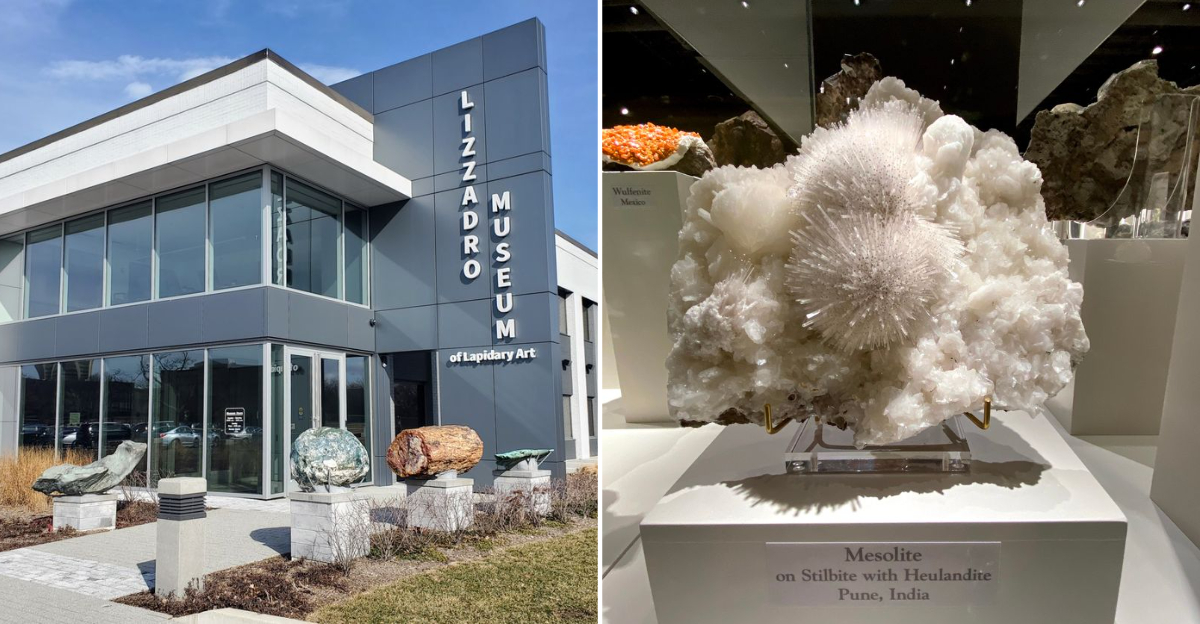
The Lizzadro Museum of Lapidary Art isn’t your average museum, it’s a place where rocks stop being just rocks and start becoming something extraordinary. I’m not talking about piles of dusty old stones either.
I mean jade that glows like it’s been lit from within, agates that open up like miniature worlds, and minerals that practically hum with ancient energy. You’ll find yourself leaning in closer, trying to catch the tiniest details, and before you know it, hours have passed.
As soon as I walked in, the vibe hit me, calm, a little magical, and impossible to ignore. The museum isn’t huge, but it doesn’t need to be. Every display is perfectly spaced, and you can feel the care that went into curating each piece.
It’s not just about looking; it’s about really seeing, in a way that feels personal and thoughtful. If you’re into rocks (or even if you’re not), this place will make you see them in a whole new light. It’s one of those spots in Illinois that sticks with you long after you leave.
A Dazzling Welcome In Oak Brook
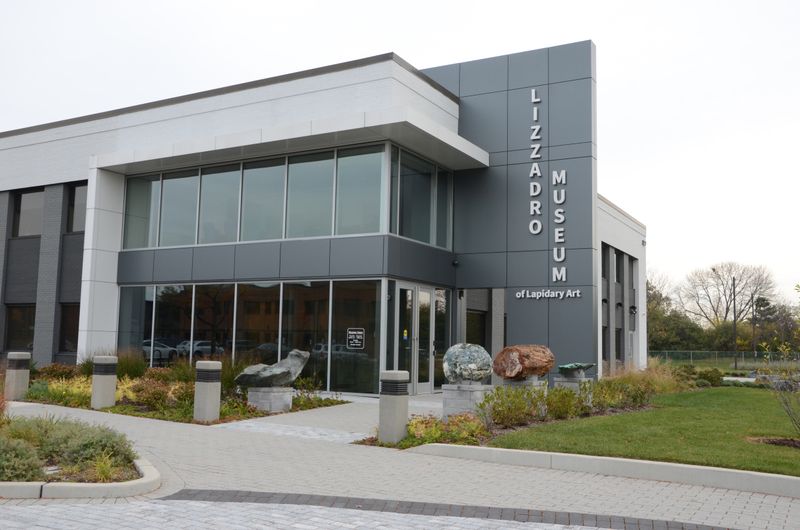
You pull up to 1220 Kensington Rd and the building looks crisp and modern, like a quiet jewel box waiting to be opened. Step inside and the atmosphere shifts.
The space is bright, polished, and calm, with glass cases gleaming like small stages where gems take their bows. It feels intimate, not overwhelming, which lets your eyes adjust to the surprise of so much color and texture.
Right away, you notice the rhythm of the galleries. Pieces are thoughtfully spaced, labels are clear, and the flow invites you to slow down.
That matters here, because the details are the point. You start with broad glances, then lean in and catch tiny secrets in the stone.
Friendly staff greet you with a map and a smile, happy to answer questions.
It is easy to imagine staying an hour and realizing you have been here three. The museum is open Tuesday to Saturday from 10 AM to 5 PM, and Sunday from 12 PM to 4 PM, with Monday closed.
Parking is straightforward in the lot, and the building is accessible, with elevators and wide pathways. If possible, arrive soon after opening to enjoy a quieter visit.
The mornings feel like private time with the collection, and the stones seem to glow even brighter.
Jade Masterpieces That Stop You Cold
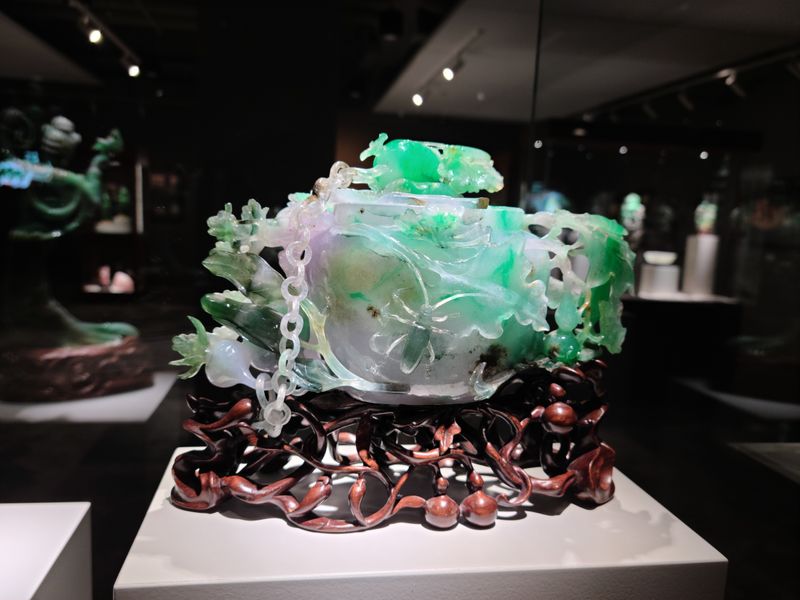
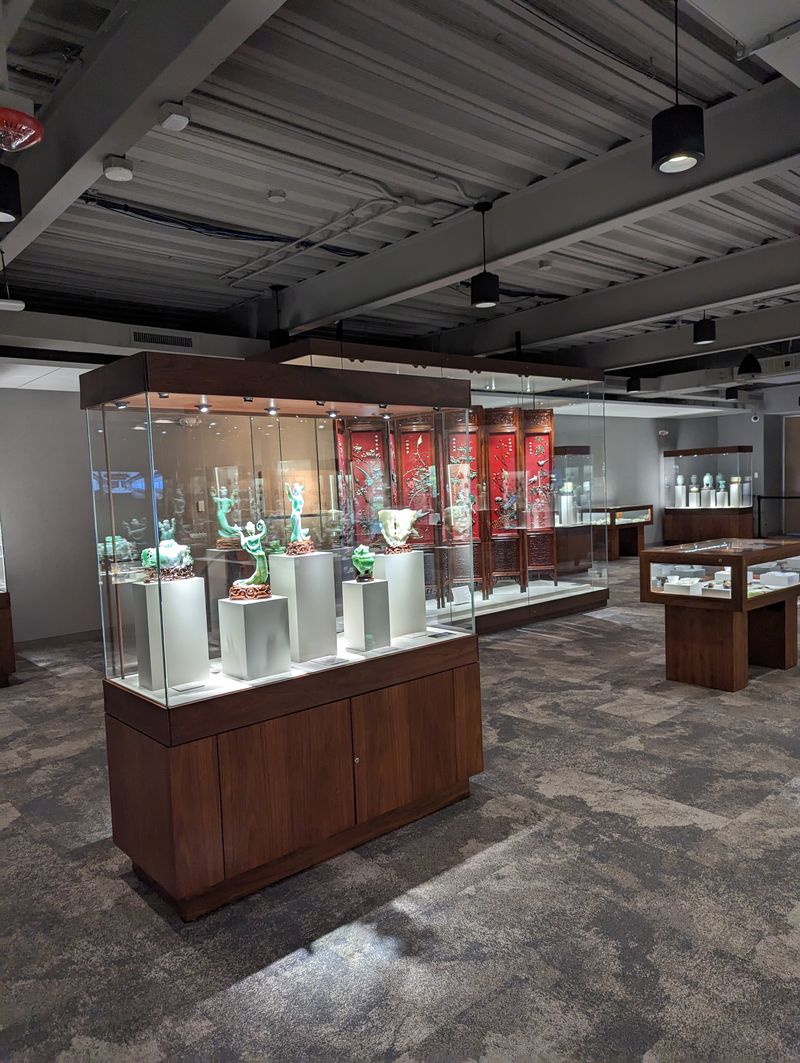
Jade takes center stage, and it earns the spotlight. The carvings are meticulous, the kind of work that makes you wonder how a human hand coaxes this much grace from unforgiving stone.
You lean in and see leaves that look like they could rustle, bridges with tiny railings, and creatures balanced on cloud wisps. The craft is serene and intense at once.
History races alongside the beauty. Many pieces come from China, tracing centuries of artistry, technique, and reverence for the material.
You will read about tools, abrasives, and the time it takes to shape jade without forcing it. It is patient work.
The museum’s labels help you appreciate how jade’s toughness shapes design choices and traditions.
What lingers is the quiet. People whisper here without being asked.
The carvings reward attention with small revelations in the curves and translucence. If you can, visit on a Wednesday when admission is free, but be sure to check for any changes to this schedule for special exhibits. and give yourself time to revisit the jade room after seeing everything else.
By then, your eyes will be tuned. You will catch subtleties you missed the first pass, and the carved foliage will feel like a living garden inside stone.
Minerals That Glow Like Stardust
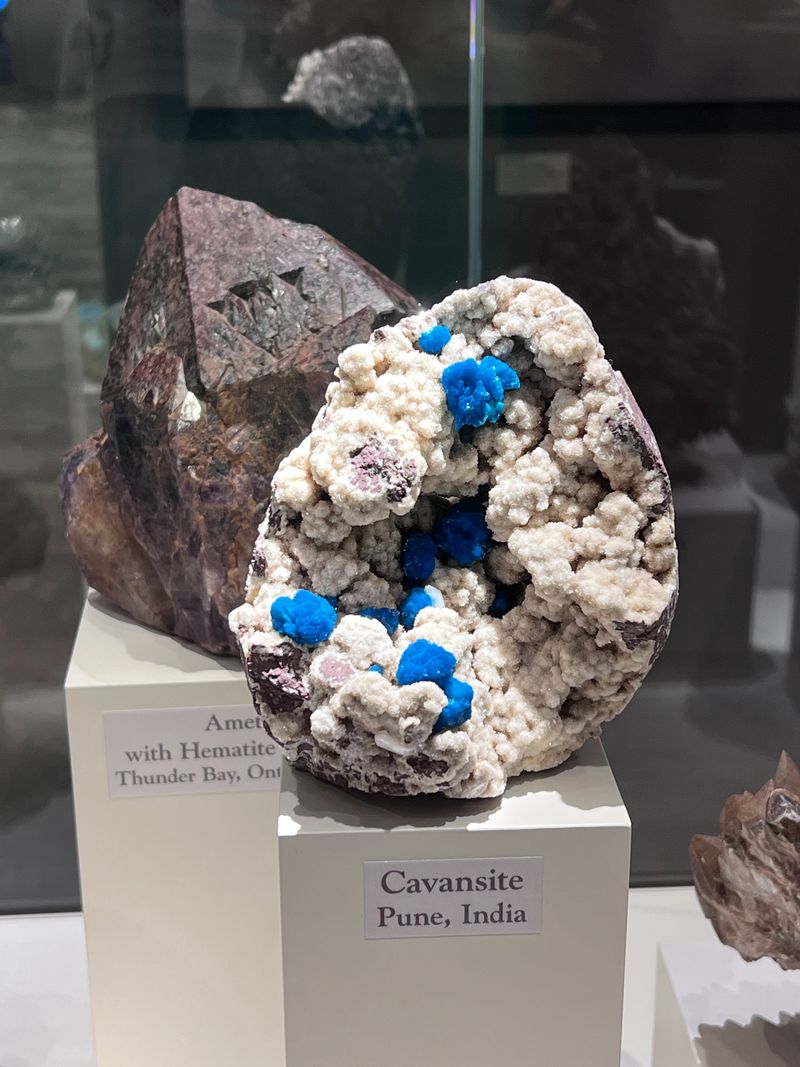
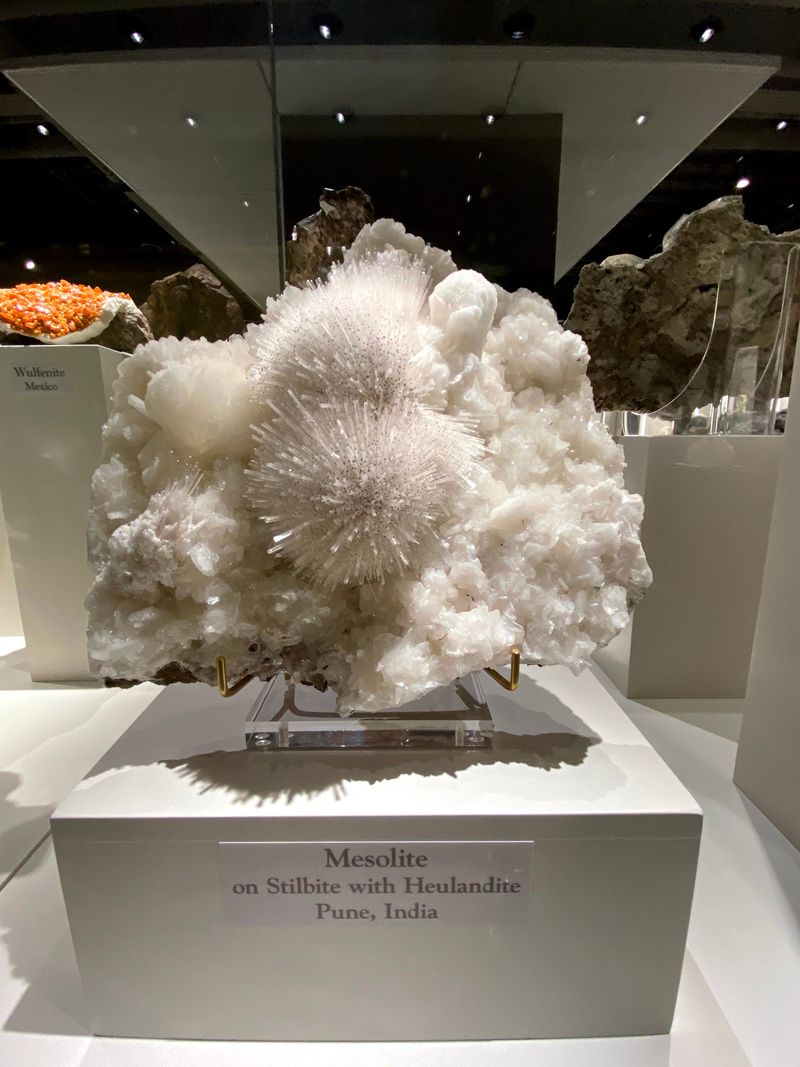
Turn a corner and the vibe shifts to pure science theater. The mineral displays line up by color, form, and sparkle, reminding you that Earth can be a show-off.
Some specimens are rugged and raw, all edges and geometry. Others flash like they were born for jewelry boxes.
Then the lights dip, and fluorescent minerals ignite in ultraviolet, painting the room with impossible neon.
You watch kids gasp, and you probably will too. The labels are friendly and informative, connecting geology to everyday objects and places.
Instead of jargon, you get stories of pressure, heat, and time, the three artists behind every crystal. The cases name each mineral, its origin, and its unique quirks.
It is a crash course without feeling like homework.
Take a moment to just stand in front of the glow case. Let the colors wash over you, then step back into normal light and see the same rocks reset to modest mode.
That contrast is the magic. Plan your time so you can linger here.
It pairs well with the museum’s carved pieces, like seeing ingredients alongside the finished dishes.
Fossils And Time Travel Moments
Not everything here sparkles. Some of the most moving pieces are fossils that quietly say, this was alive or growing before humans were an idea.
Petrified wood preserves the memory of trees in stone rings and bands of color. Ammonites spiral like perfect logos from oceans long gone.
You stand in front of them and time thins out.
These displays connect to the lapidary story in a satisfying way. Minerals and fossils share a stage because the same slow geologic processes shape both, even if the outcomes look wildly different.
The museum’s layout nudges you to see that continuity. After watching gemstones glow, you tilt your head at a fossil and think about deep time.
Kids love this zone because it is tactile without touching. They trace the lines with their eyes and feel like explorers.
The labels keep things grounded and clear. You leave knowing exactly what you looked at and why it matters.
If you have a future paleontologist in the family, this is where attention stretches. Let them set the pace.
You might end up learning from their curiosity.
The Dioramas That Steal The Show
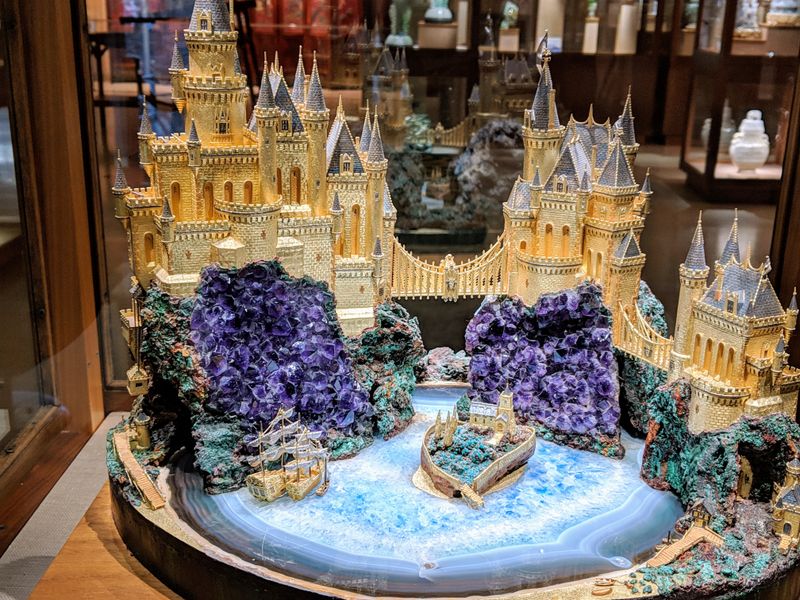
The dioramas are the crowd pleasers you do not see coming. Animals, landscapes, and tiny scenes built from stone look whimsical at first, then astonishing.
Agate becomes feathers or fur. A sliver of chalcedony turns into a rushing stream.
You inch closer and realize every color and texture is natural, chosen and carved to suggest something alive.
Kids point, adults grin, and everyone argues over their favorite. There is real artistry in the material matchmaking.
The museum keeps the displays at an easy viewing height, and the recessed wall setting makes the scenes feel like windows. Labels add short, helpful notes about stones used and artists involved.
If you are short on time, do not skip this section. It condenses the museum’s mission into pure delight: geology meeting imagination.
You will be tempted to take photos, but slow down and let your eyes do the work. The layers reveal themselves the longer you look.
If you counted how many there are, you probably guessed the museum note about twenty. However many you spot, they are worth a second pass.
Hands On Learning And Wow Moments
Learning here feels playful. On certain days, staff roll out programs about geodes, agates, and the tools lapidarists use.
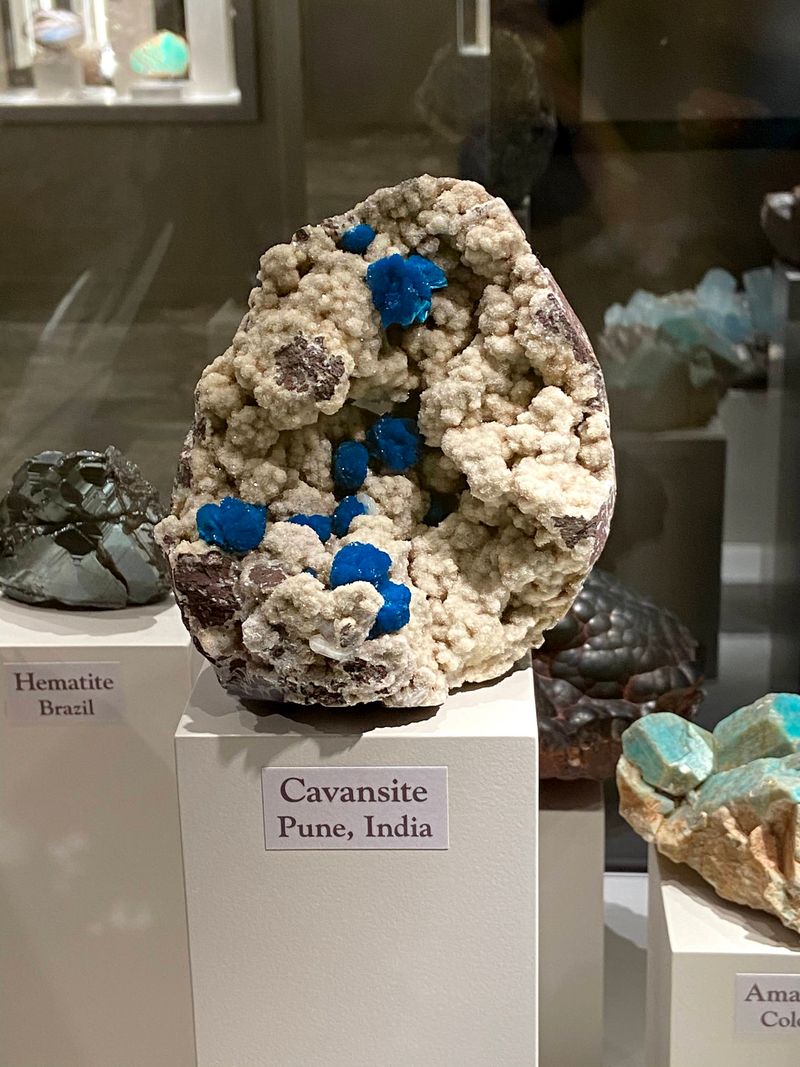
You might even get to crack open a geode and watch crystals spill the secret they have been keeping for millions of years. Presentations blend show and tell with short demonstrations.
It is the kind of museum learning that sticks to your brain.
Workshops pop up monthly, and family activities land on weekends. Times vary, so check the website before you go.
The educators are patient and upbeat, and they make geology feel like a friendly puzzle you are already good at solving. If you love the details, ask questions.
They are happy to go deeper without losing the room.
Save a little budget for the experience if it has a small fee, which is sometimes the case. It is worth it.
You will leave with new vocabulary and a fresh respect for what it takes to grind, polish, and set a stone. That hands-on spark carries you back into the galleries, where you suddenly see technique in every curve and shine.
A Gift Shop That Rocks For Real
Do not skip the gift shop. It is compact, but it delivers a wide range of treasures, from affordable crystals and polished stones to thoughtful jewelry and art.
You can find real fossils that will thrill any young collector, plus books that decode the science without turning it into a slog. Prices vary, but there are plenty of options that feel friendly and fun.
What stands out most is curation. The team clearly thinks about quality and education, not just glitter factor.
Labels are honest, and staff happily answer questions about sourcing and identification. It is easy to leave with something meaningful instead of a random trinket.
Even browsing is satisfying because you can try on rings, compare stones, and test your newfound knowledge.
If you are visiting on a free Wednesday, consider spending what you saved here to support the museum. It is a practical way to say thanks.
Gift ideas travel well too, so if you have birthdays coming up, this is an easy stop. Before you exit, take one last look back toward the galleries.
The shop feels like a coda to the whole experience.
Insider Timing, Tickets, And Easy Parking
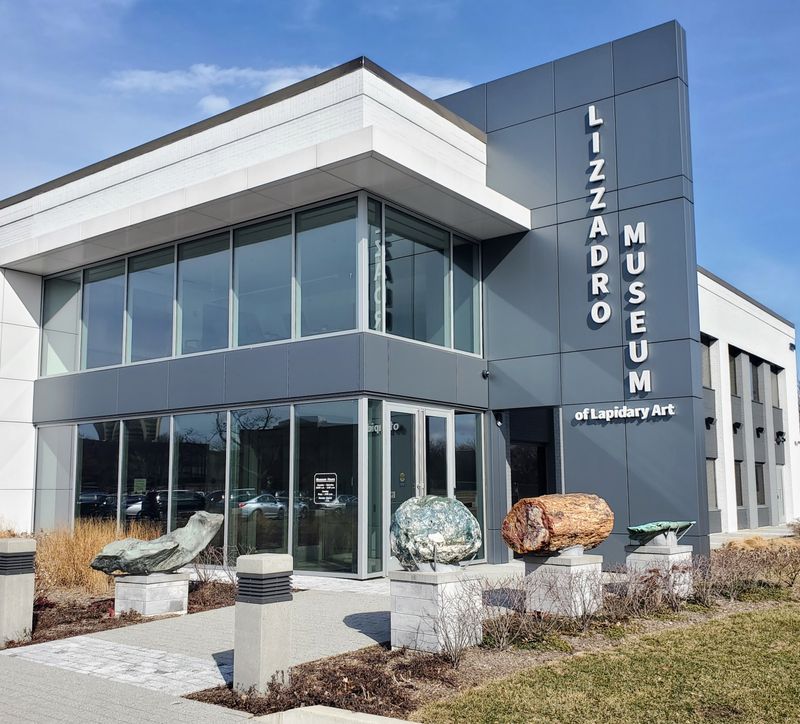
Timing makes a big difference here. The museum runs Tuesday through Saturday 10 AM to 5 PM and Sunday 12 PM to 4 PM, with Monday closed.
Arrive near opening for quieter galleries. If your schedule allows, come on a Wednesday when admission is free.
Otherwise, expect modest ticket prices around the ten dollar range for adults, with discounts for students and kids. Check the website for current details, especially during special exhibitions.
Parking is simple and close to the entrance. The lot includes accessible spaces, and the pathway is smooth and well marked.
Inside, galleries are wheelchair-friendly, with wide aisles, elevators, and seating nooks that invite breaks. Restrooms are clean and easy to find.
It is the kind of place where logistics stay invisible so you can focus on the joy.
Plan for about two hours if you like to read labels, and three if you love to linger. Weekends can feel busier in the afternoons, but flow still works.
If you bring kids, promise the gift shop as a reward at the end. It buys you a calmer visit, and it is a promise you will enjoy keeping.
Stories Behind The Sparkle
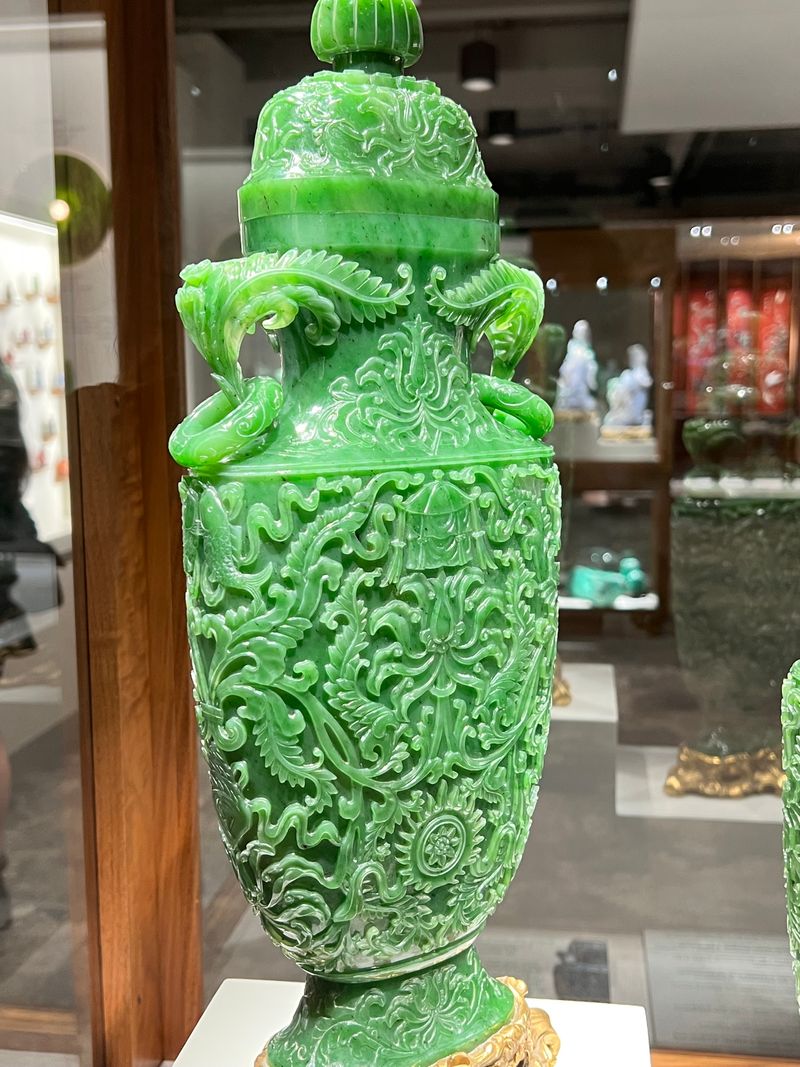
One joy of this museum is how it tells stories without lecturing. Labels explain techniques like cabochon cutting, intaglio, and relief carving in simple language.
You learn how abrasives wear stone slowly, why jade prefers to be coaxed rather than struck, and how polish reveals structure. Historical notes bring in artists from China, Europe, and the United States, showing how styles traveled and evolved.
The tone is friendly, almost conversational, which makes the science and history feel close to home. You see a carved scene and then glance at a diagram that breaks down the steps.
It clicks. Suddenly your brain is stitching together the process with the finished piece.
That aha moment is the museum’s secret superpower.
Take photos of panels if you want to remember terms later, but also trust your eyes. You will start noticing tool marks, design choices, and the way certain minerals play with light.
By the end, you are not just a spectator. You are a more attentive observer, which is a souvenir you cannot buy.
It follows you into other museums and even jewelry stores, where you will see craftsmanship in a new way.
Quiet Corners And Reflection Time
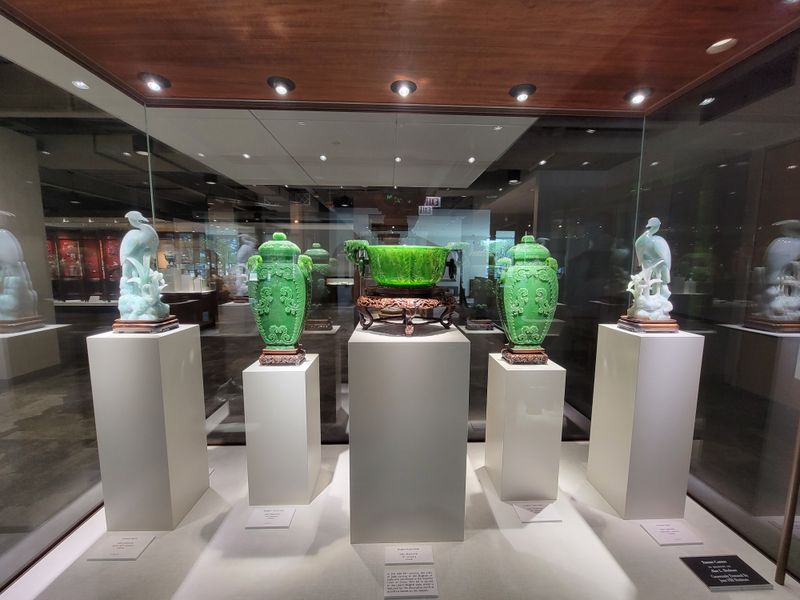
Not every museum remembers to include places to breathe. Lizzadro does.
You will find benches tucked along the route, perfect for taking a minute to soak in what you have seen. That pause matters after the ultraviolet glow or the jade gardens.
The quiet draws your focus back to the pieces and helps you notice details that rush would miss.
The building itself supports that calm. Clean lines, good sightlines, and thoughtful lighting create an environment where you can concentrate without effort.
Even when it is busy, sound levels stay low. It feels respectful but not stiff.
The staff keep an eye on traffic flow so galleries never feel jammed.
If you are visiting with someone who needs frequent breaks, you can take the tour at your own pace. There is no pressure to keep moving.
The museum seems to understand that attention is a resource and treats it with care. After a short rest, you return to the dioramas or minerals with refreshed eyes.
The result is a visit that feels restorative as well as exciting.
Why You Will Think About It Later
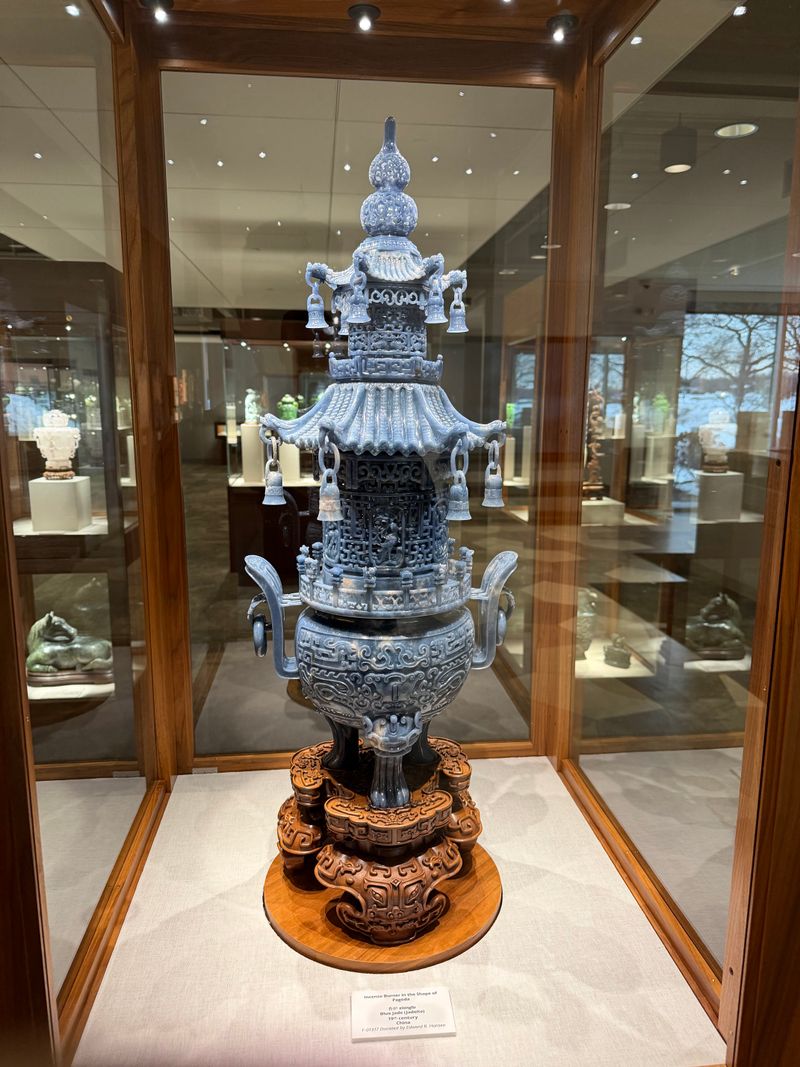
Some places hit you later, like a song that sounds simple until a chorus echoes in your head on the drive home. Lizzadro is one of those.
The beauty is immediate, but the afterglow is slower. You start recalling tiny things, like a carved leaf vein or the way a fossil’s spiral felt inevitable.
The museum plants curiosity that keeps unfolding.
It is partly the scale. The collection is concentrated and generous, so you leave full, not overloaded.
Staff warmth helps too. When people love what they do, the mood spills over.
You feel welcomed into a community of folks who marvel at rocks and the stories they hold. That enthusiasm travels home with you.
Later, you catch yourself noticing the shine of a granite countertop or a sparkle in a sidewalk and thinking about time. You remember how patient the work is, both nature and human hands.
That is the gift here. It is more than a field trip.
It is a reset button for attention. You look at the world a little more closely, and it looks back, bright and old and new.