
11 Texas BBQ Phrases That Instantly Give You Away
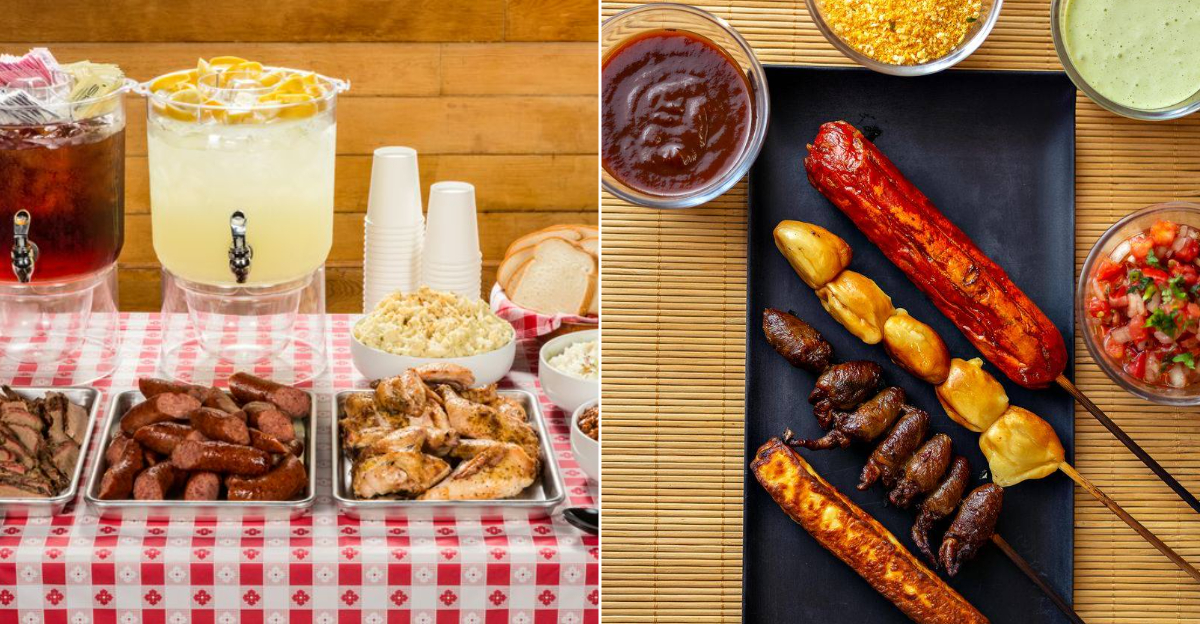
Texas had a way of exposing me faster than a bad poker face. I thought I blended in just fine. Until I opened my mouth at a BBQ joint and instantly outed myself as not from around here.
Because in Texas, BBQ wasn’t just food, it was a language.
A dialect. A subtle test you didn’t know you were taking until you failed it spectacularly. I learned very quickly that ordering brisket wasn’t enough.
How you talked about it mattered just as much. One wrong phrase and suddenly you were the tourist, the newbie, the one who definitely didn’t grow up arguing over smoke rings.
Somewhere between sauce debates and meat that didn’t need it, I realized Texas BBQ came with its own vocabulary. And once you heard it, you couldn’t unhear it.
These were the phrases that gave you away every single time.
1. Brisket Flat Vs. Point
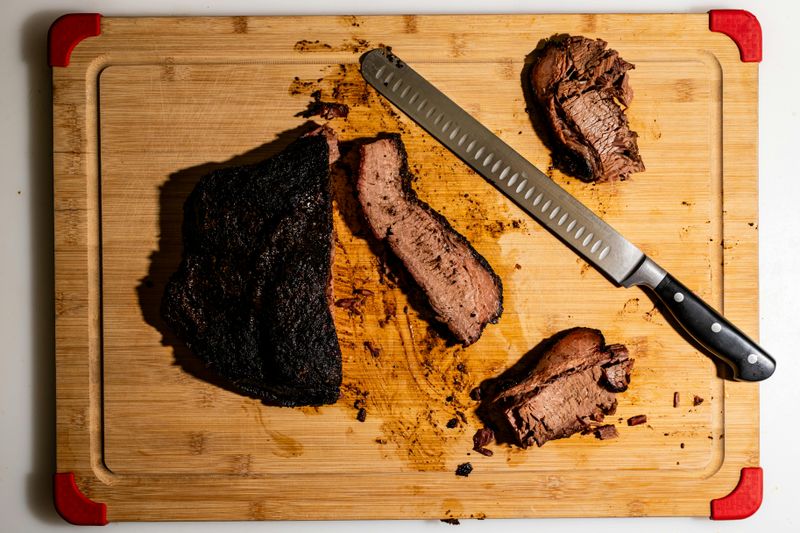
The first time I asked about brisket, a pitmaster tapped the cutting board and said, “Flat or point?” That question changed everything.
The flat is the long, leaner muscle, uniform and perfect for thin, neat slices that hold together. The point is richer, more marbled, and a little unruly, with pockets of fat that melt into buttery bites.
When I finally ordered a half-slice from each, the difference hit instantly. The flat chewed clean and steady.
The point surrendered like warm chocolate.
Knowing which is which keeps you from sounding lost at the counter.
In Texas, this isn’t trivia. Barbecue spots in Austin, Lockhart, and beyond slice to order, and the cutter expects a quick decision.
The flat handles sandwiches without drenching your fingers.
The point steals attention with juiciness that borders on decadent. I learned to watch how the knife glides.
Flat slices fall with tidy edges. Point slices wobble with marbled swagger.
Ask for the point when you want big flavor and a bit of gloss on your lips. Ask for the flat when you crave smoke-forward purity and a tighter chew.
If you want to really sound local, request a mix. Then mention how the point feeds burnt ends, and you will see knowing nods.
This is the brisket’s split personality, and understanding it signals you have done your homework. Out here, that’s respect made visible on a sheet of butcher paper.
2. “Lean” Brisket
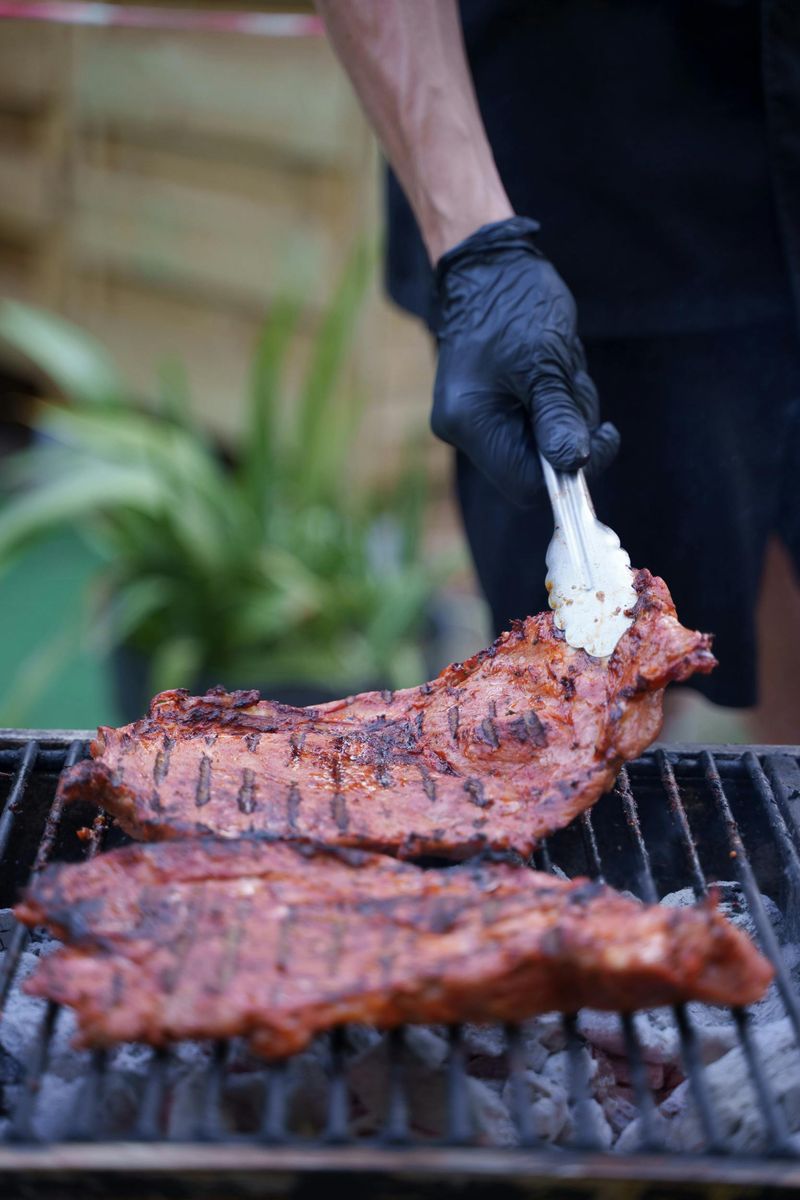
I learned the hard way that asking for lean brisket means you are talking about the flat. In Texas, lean is not an insult, but it is a specific request.
The cutter’s knife hovers, waiting for your word, then sails through the uniform muscle with tidy confidence. The slices land clean, smoke-kissed, and stackable.
You taste the rub and the wood with less interference from fat. It is straightforward brisket, honest as a two-lane road.
Lean makes sense when you want a sandwich that holds its shape or when you plan to taste the sides without getting lost in richness. At places across Central Texas, the lean option is the baseline for comparing pits.
You can feel the texture reveal the cook’s control: is it tender without falling apart, moist yet not greasy? Lean slices tell the truth quickly.
If they are good, the pit master knows their fire. If not, you notice.
Still, lean should not be dry.
Ask if the brisket was well-rested, and you will sound like you know the craft. A good joint offers lean that glistens lightly, with a bark that crunches just a little.
When I want a clear read on smoke and seasoning, I go lean first, then I circle back for richer bites if the flat wins my trust. Sometimes restraint is the boldest move, and in Texas barbecue, lean is the quiet flex.
3. Moist Brisket
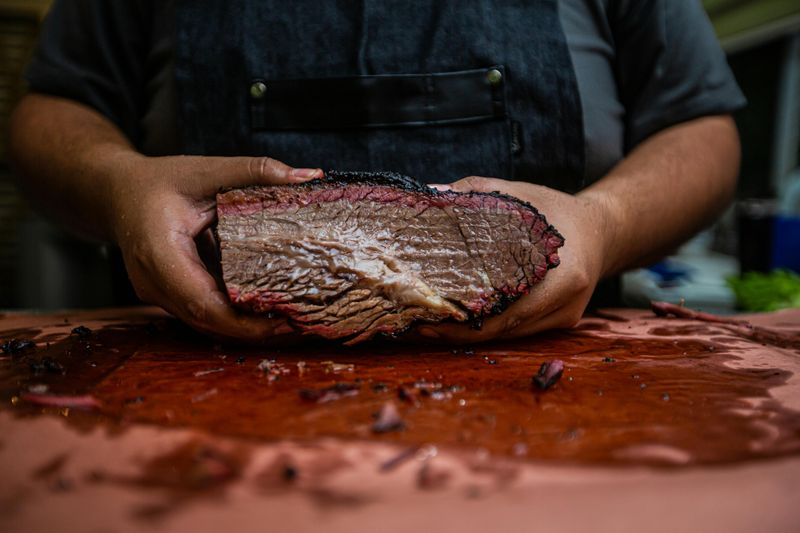
When someone orders moist brisket, they are calling dibs on the point. Moist means marbled, buttery, and unapologetically rich.
The first time I asked for it, the cutter grinned, knowing I was chasing flavor over neatness. The slices drooped over the blade, glistening like they had secrets.
One bite, and the fat dissolved into a slow wave of smoke and pepper, carrying that post oak perfume. It is the kind of bite that makes you pause mid-sentence.
Moist is also a test of the pit’s patience. Fat renders on its own schedule, and only a disciplined fire coaxes it from chewy to silk.
Central Texas joints treat moist like a reward for waiting out the line. If the bark shatters slightly and the interior trembles with tenderness, you are in the right place.
It is messy, but it is honest. Paper catches juices and pride in equal measure.
Ask for moist when you want the fullest expression of the cook’s craft. It pairs with pickles to cut the richness and with onions for a clean bite.
If you whisper make it from the point, you will get a knowing nod.
My advice: start with a single thick slice to calibrate, then add a little more if the balance hits. When moist brisket is right, you do not need sauce.
The meat speaks, and the smoke finishes your sentence.
4. Bark
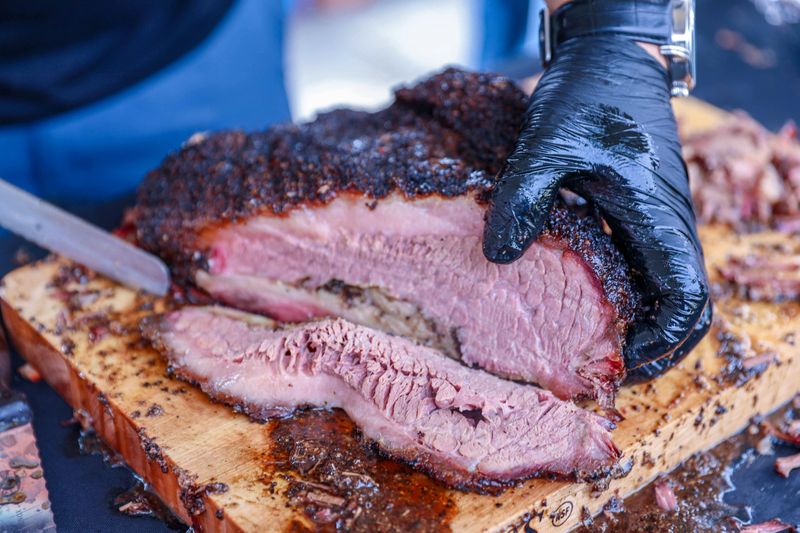
The first time I heard someone gush about bark, I thought they were talking trees.
In Texas barbecue, bark is the dark, peppery crust that forms when rub, smoke, and heat conspire over hours. It is flavor armor.
It crackles faintly under the knife, releasing whispers of salt, pepper, and rendered fat. When bark is right, the slice carries a savory halo.
Every speck tells you how even the fire was and how steady the pitmaster’s hand stayed.
Bark forms from Maillard reactions and dehydrated rub, usually just salt and coarse black pepper in Central Texas style. Simple seasoning requires courage.
There is no place for shortcuts to hide. Post oak smoke kisses the surface, and fat from the point or flat moves outward, binding spice into crust.
Too much sugar can burn. Too much moisture softens it.
The sweet spot is sturdy, not rock hard, with edges that crunch when you pinch.
If you want to sound like a local, say the bark looks set ask whether the pit ran steady overnight. Take a bite without sauce first.
Bark should not taste bitter, it should amplify the beef. I chase bark because it narrates the cook in a single square inch.
One good crumble, and I know I am home.
In Texas, bark is not garnish, it is the thesis statement.
5. Burnt Ends

I used to think burnt ends meant mistakes, but Texas proved otherwise.
These are prized cubes from the point, caramelized until the bark turns sweet-savory and the fat turns plush. In Kansas City they are a signature, but you will still find them in Texas, often as a weekend treat.
The best ones jingle when tongs drop them, sticky but not soggy. Bite in, and the bark breaks gently before melting into deep beefy warmth.
Burnt ends work because of contrast.
Outside: concentrated smoke and rub. Inside: silken strands saturated with rendered fat.
Patience takes them past sliced brisket territory without drying them out. Some places mix trimmings, but the jewels come from point muscle, squared and kissed by steady heat.
Ask if they are from the point; you will sound tuned in. If they sell out early, that is your quality signal.
When you taste them, skip the sauce at first. Let the bark and the fat introduce themselves.
Then add pickles for snap. Burnt ends are rich, so pace yourself.
I always grab a small portion by the pound, then chase it with lean slices to reset my palate.
Done right, burnt ends feel like applause in cube form. They are not a mistake.
They are a victory lap.
6. Pit

People say the magic happens in the kitchen, but in Texas barbecue, the heart beats in the pit. It is an offset smoker, usually steel, with a firebox sending heat and smoke into the main chamber.
The best pits exhale thin blue smoke, not billowing clouds, a sign that clean combustion is happening.
I stood near one at sunrise and watched a pitmaster nudge logs, patient as a metronome, while briskets lay on the grate like sleeping giants. The pit’s personality comes from airflow and the pitmaster’s rhythm.
Dampers adjust oxygen, and logs of post oak burn steady, soft, and sweet on the nose.
Hot spots get mapped by instinct and experience, and Central Texas legends run pits overnight, rotating briskets so each piece gets even exposure.
You can smell when the fire needs a breath and hear the crackle saying it’s almost ready.
Talking about pits is talking about respect, so ask how long they hold, what temperature they aim for, and whether they wrap in paper. Doing so shows curiosity, not cluelessness.
A good pit balances heat with humility and never rushes, and every slice you eat has already lived a slow story inside that steel.
I have leaned on warm doors, taking in the smoke with a grin, knowing the pit wrote my lunch long before I ever ordered it.
7. Central Texas-Style BBQ
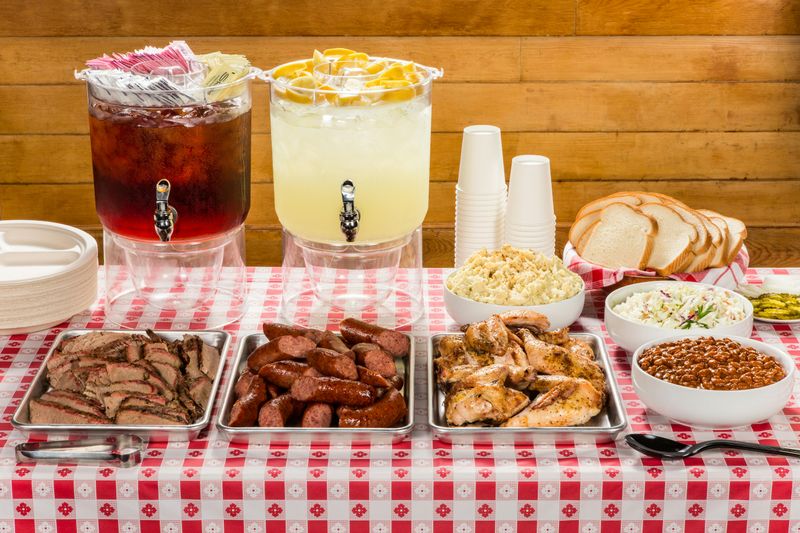
Central Texas style is the language that pulled me into barbecue fluency. It keeps seasoning simple, usually just salt and coarse black pepper, and lets beef carry the melody.
The meat gets smoked over post oak in an offset pit, then served on butcher paper with pickles, onions, and white bread.
Sauce sits off to the side, optional. You order by the pound, watch the cutter work, and eat at a communal table under a haze of happy smiles.
It is restraint with purpose.
This style traces through Lockhart, Luling, Taylor, and Austin. Places like Kreuz Market, Smitty’s, Louie Mueller, and Franklin Barbecue helped define the template.
The focus is on brisket, though ribs and sausage make their case as well, and the vibe is a mix of old-school hospitality and exacting technique. The bark speaks clearly, and the smoke ring blushes.
You can taste every hour spent in the pit. Saying Central Texas style signals respect for tradition, so ask about the wood, the hold time, and whether they wrap the brisket in paper late in the cook.
I always start with brisket and a snap of sausage, then build from there.
This is barbecue that trusts time and fire more than tricks. If you want to sound local, keep your order simple and your grin wide, because the style rewards patience with quiet brilliance.
8. By The Pound
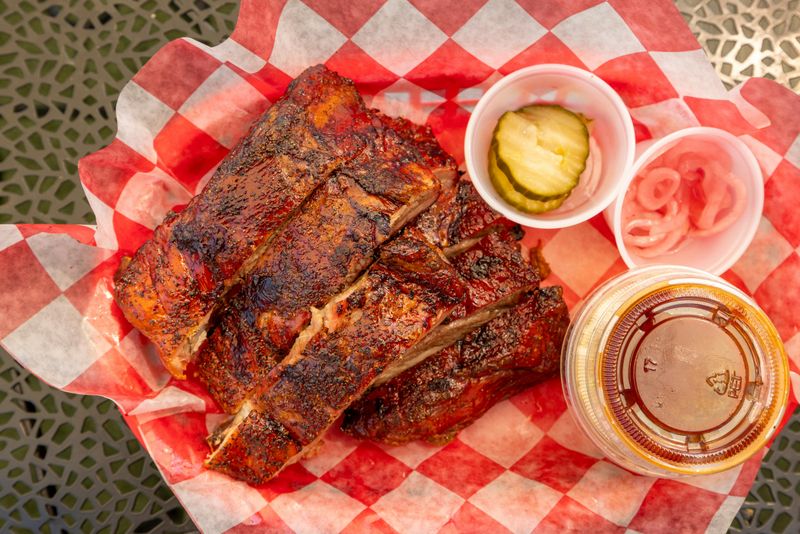
The first time I heard “order by the pound,” I pictured a butcher shop, and that is exactly the point. In Texas, especially at Central Texas joints, you buy meat by weight, not on combo plates loaded with distractions.
You step to the counter, name your cut, and watch the cutter slice exactly to your request.
Half a pound of brisket, two ribs, a link of sausage, the scale does the talking while the aroma plays backup vocals.
Ordering this way teaches you to trust both your appetite and the meat, and I learned to start small, then circle back if something tastes like a must-repeat.
Buying by the pound keeps the focus on quality. If the brisket shines, you see it in those clean slices and the quiet jiggle.
If it does not, no mountain of sides can hide it, and I love the clarity, it turns lunch into a small ritual.
Want to sound like you belong? Ask for a quarter pound of lean and a quarter of moist, sliced pencil-thick, and add a sausage link for contrast.
Skip the sauce at first, then decide.
The cutter will appreciate your decisiveness. Ordering by the pound is freedom and accountability wrapped in butcher paper, every bite chosen, not assigned.
That is how Texas keeps the spotlight exactly where it belongs.
9. Pink Smoke Ring
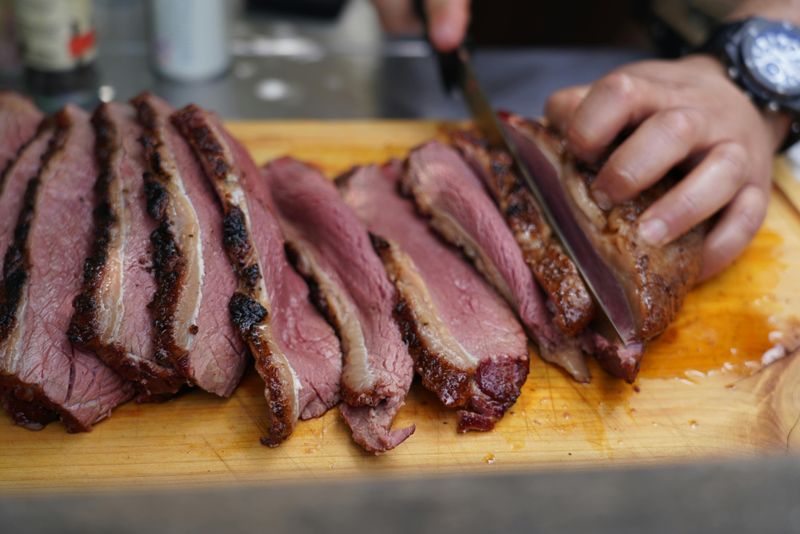
I used to chase the biggest pink smoke ring like it was a trophy. Then a pitmaster told me that the ring is chemistry, not a guarantee of flavor.
In Texas brisket, that rosy halo forms when nitric oxide from the fire binds with myoglobin in the meat, and low and slow cooks with clean smoke encourage it.
You slice in, and the edge blushes beneath the bark, looking like a promise. But here is the truth I tasted over time: a ring can be pretty while the meat tastes flat.
The real test is tenderness, moisture, and bark. Central Texas pits aim for balance first, and a good ring usually tags along, especially with post oak and patient fire.
If a slice bends and barely breaks, you are on the right track. If it crumbles or chews tough, the ring is just decoration.
When you want to sound informed, compliment the ring but ask about the cook. Did they run clean smoke and rest the brisket long enough?
I still smile when I see that blush because it feels like sunrise on the meat.
But I trust my teeth and my tongue more than my eyes. The ring starts the conversation, and the flavor gets the last word.
10. Rested Brisket
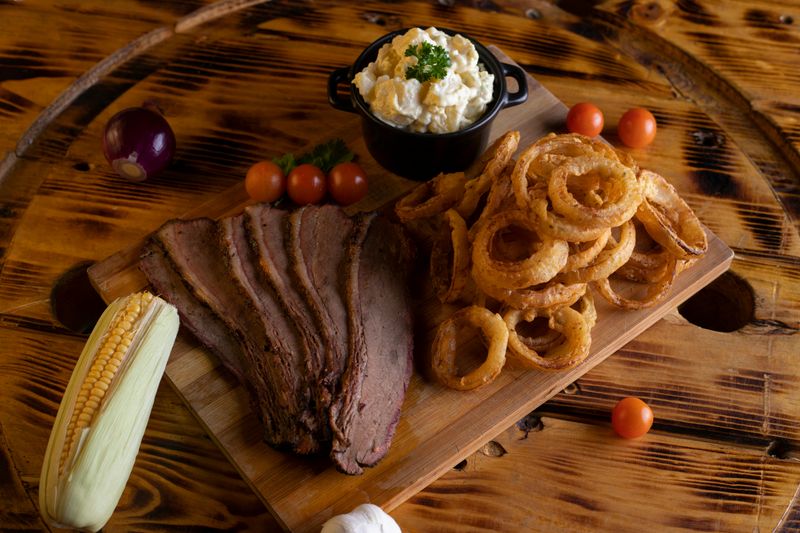
The first time I heard someone ask, “Is it well rested”, I thought we were ordering a nap.
In Texas barbecue, resting is the quiet miracle after the cook. A whole brisket comes off the pit and relaxes in butcher paper or unwrapped, letting juices redistribute while the temperature settles.
Hours can pass in a hot box or cooler. That downtime turns good into unforgettable, smoothing out textures and sharpening flavors.
I tasted the difference side by side once. The just-off-the-pit slice looked amazing but bled too quickly and chewed a little tight.
The rested one held its moisture, sliced clean, and relaxed on the tongue. Central Texas pros plan the cook backward from the hold, aiming to serve during the sweet window when collagen has calmed.
Resting turns a cook into a craft. It is the secret handshake.
To sound like you know the room, ask how long they rest briskets before slicing. The number matters less than the intention.
If they talk about timing service to the rest, you are in good hands. I always wait a beat before judging, watching how the juices glisten without running wild.
Rested brisket whispers instead of shouts. That is where the depth lives, right between patience and fire.
11. Sauce On The Side
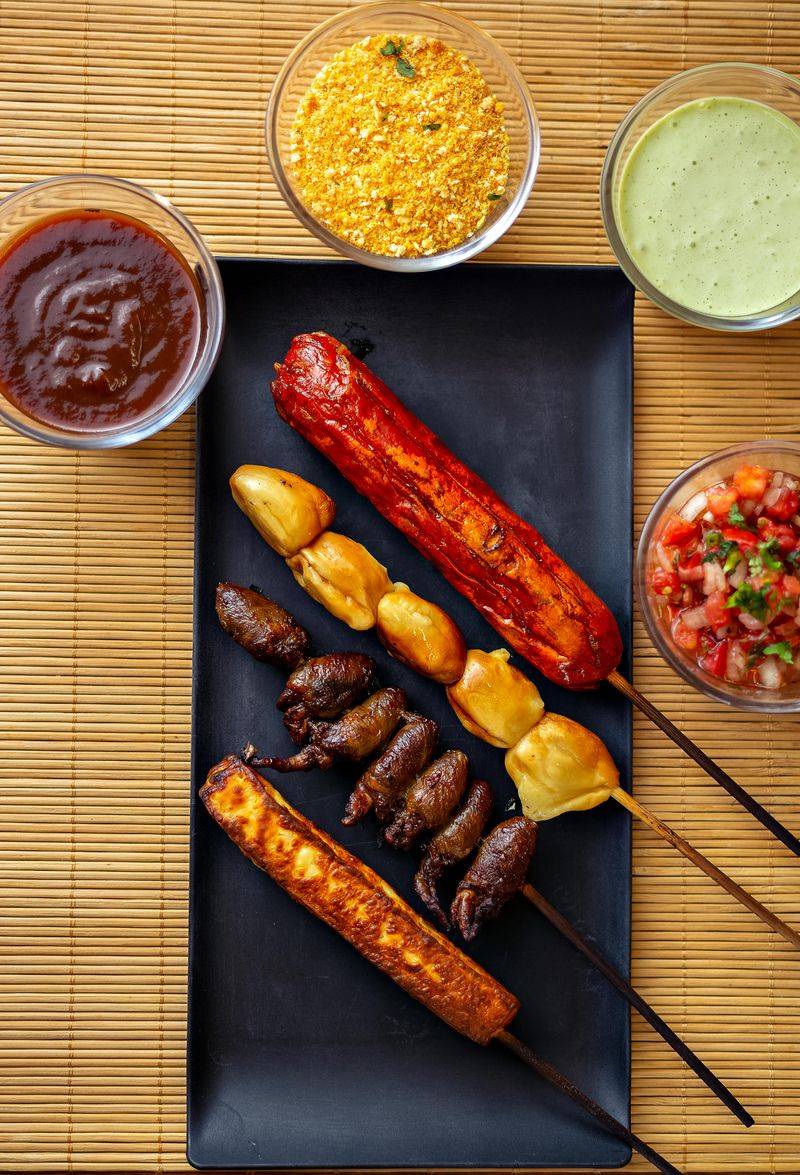
If you ask for sauce all over your brisket in Texas, you may get a polite pause. Sauce on the side is the unspoken rule, especially in Central Texas style, because the meat deserves the first word.
Bark, smoke, and fat tell the story, and sauce should complement, not cover.
I learned to dip a corner, not drown the slice, and suddenly the rub’s pepper and the post oak’s gentle smoke stayed front and center.
Good joints make solid sauces, usually tangy and balanced, sometimes with a tomato base, sometimes thinner and peppery, knowing you might want it for turkey or sausage. But brisket’s true test is mostly naked.
When it is right, you barely need anything else. Ask for sauce on the side, and you sound like someone who came to listen before remixing the album.
Here is my move: taste the lean first, then the moist, both without sauce. If the bark and smoke sing, keep the cup nearby for curiosity, and if you do reach in, start with a light touch.
Let the beef stay the headline. This approach has never steered me wrong.
Sauce on the side is not a rule for snobs, it is a promise to the cook and to your own taste buds.
Texas BBQ didn’t care where I was from, but it always knew when I didn’t belong. And once I learned the language, I realized the real secret wasn’t sounding like a local.
It was eating like one.