
This 1-Mile Hike In Arizona Takes You Through An Ancient Cliff Dwelling Village
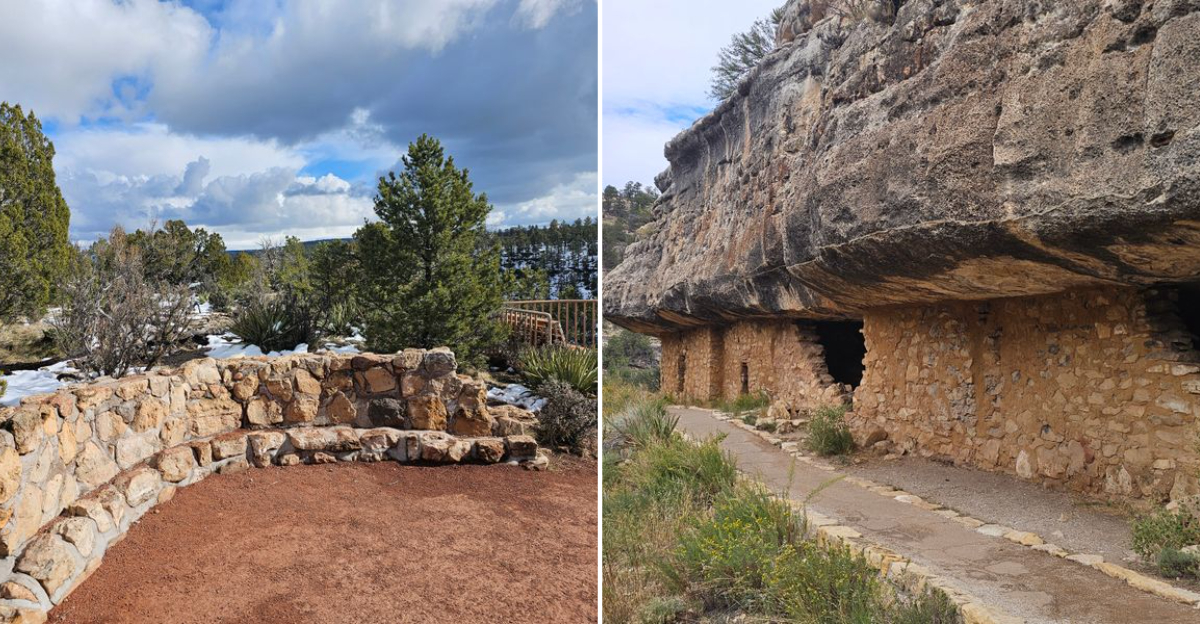
You don’t need a time machine to travel back a thousand years, you just need a good pair of sneakers and a trip to Arizona. That’s the magic of Walnut Canyon National Monument.
As I stood at the rim, looking down into the vast, crumbling canyon, I felt a thrill of anticipation. It offers visitors a rare opportunity to walk through time on a spectacular 1-mile trail that winds past 25 cliff dwellings built by the Sinagua people over 800 years ago.
This isn’t just another scenic hike. It’s a journey into the lives of an ancient civilization, where you can peer into stone rooms carved into canyon walls and imagine what daily life was like centuries before modern Arizona existed.
The Island Trail: Your Gateway To Ancient History
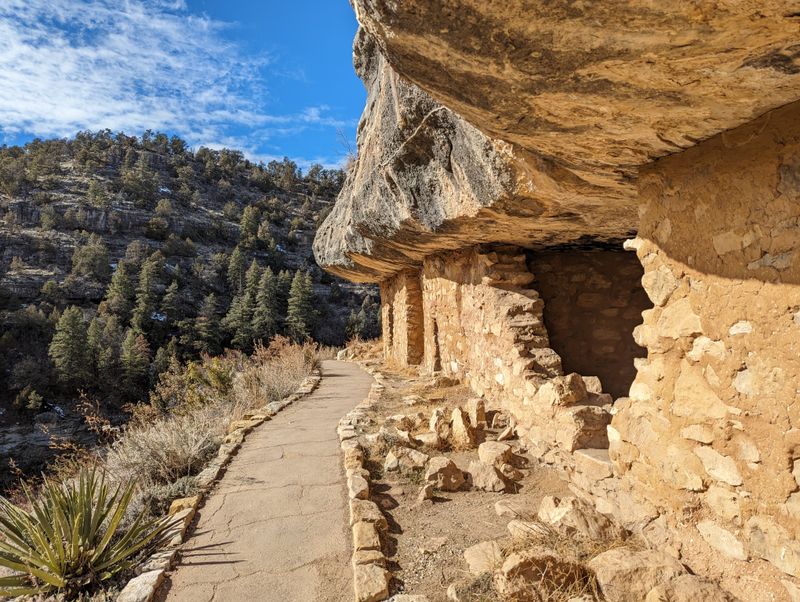
Walking the Island Trail feels like stepping through a portal into another era. The moment I descended those first few steps from the visitor center, I knew this wasn’t going to be an ordinary hike.
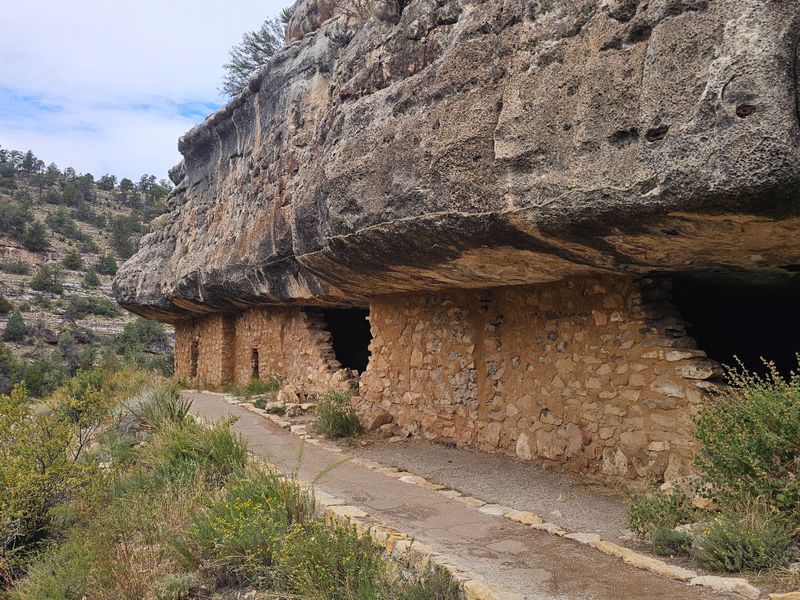
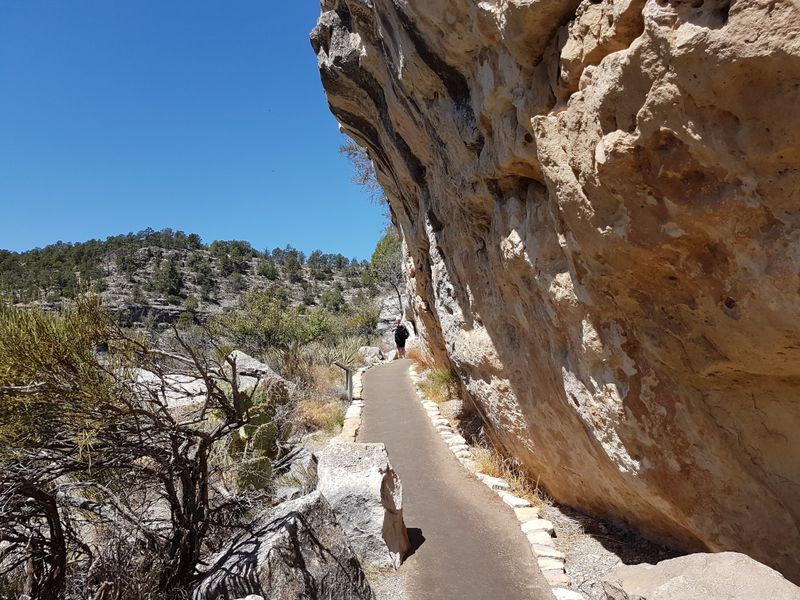
The trail loops around a natural island formation in the canyon, bringing you face-to-face with dwelling after dwelling tucked into limestone alcoves.
What strikes you immediately is how incredibly well-preserved these structures remain. The dry Arizona climate has worked magic here, keeping walls and doorways intact for centuries.
I found myself stopping every few feet, crouching down to peek into rooms where families once gathered, cooked meals, and told stories under the stars.
The path itself is paved and well-maintained, making it accessible for most fitness levels. However, don’t let that fool you into thinking it’s easy.
The elevation sits above 6,600 feet, and the thin air will remind your lungs they’re working overtime.
I had to pause several times, though I told myself it was to admire the view rather than catch my breath!
Rangers and volunteers stationed along the trail add tremendous value to the experience. They shared fascinating details about construction techniques and daily life that brought the ruins to vivid life.
Conquering The Stairway Challenge: 700+ Steps Of Adventure
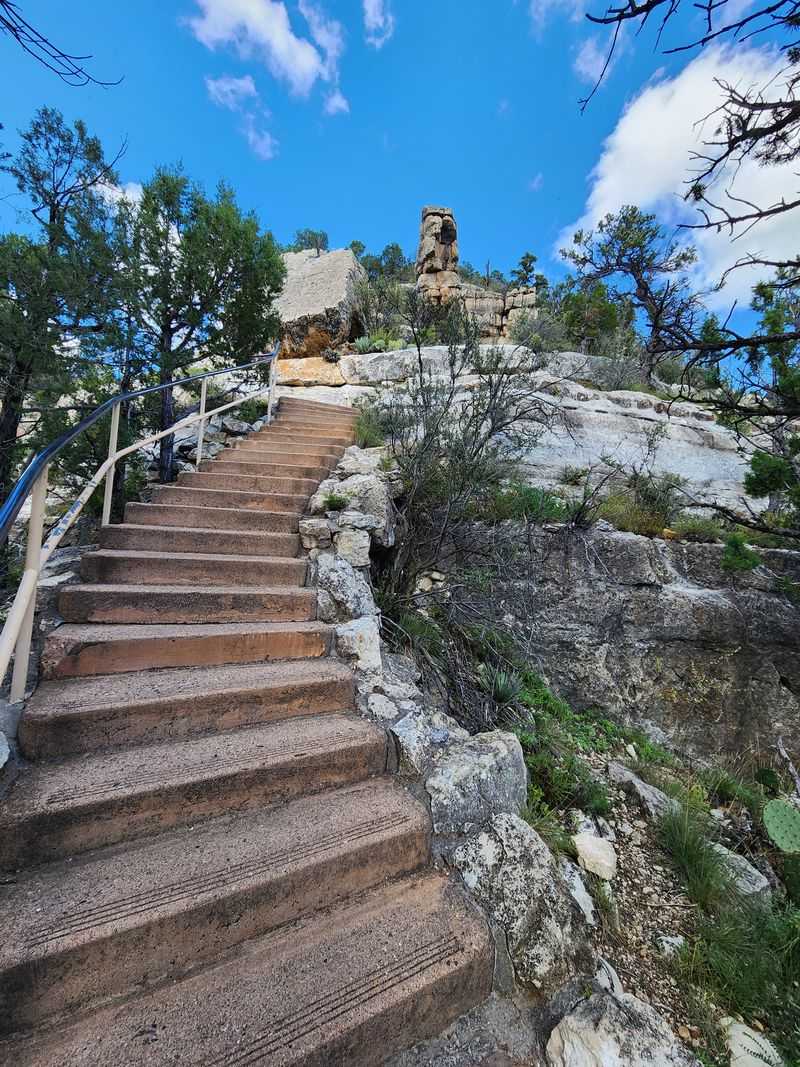
Let me be honest with you-those stairs are no joke. The Island Trail involves descending roughly 185 feet into the canyon, which translates to more than 700 individual steps throughout your journey.
My legs were definitely questioning my life choices by the time I climbed back up to the visitor center!
Here’s the thing, though: every single step is absolutely worth it.
The descent takes you deeper into the canyon’s embrace, where the temperature drops slightly and the sounds of the modern world fade away. Going down feels manageable for most people, but the return climb requires patience and persistence.
I watched families with young children tackle the stairs successfully, along with seniors who took their time and rested when needed.
The key is pacing yourself and not treating it like a race. There are plenty of spots to pause, catch your breath, and take in the spectacular canyon views.
My calves were definitely sore the next day, but in that satisfying way that reminds you you’ve accomplished something meaningful. If you have knee issues or mobility concerns, the Rim Trail offers an alternative that’s completely flat and still provides gorgeous overlooks of the dwellings from above.
Meeting The Sinagua People Through Their Architecture
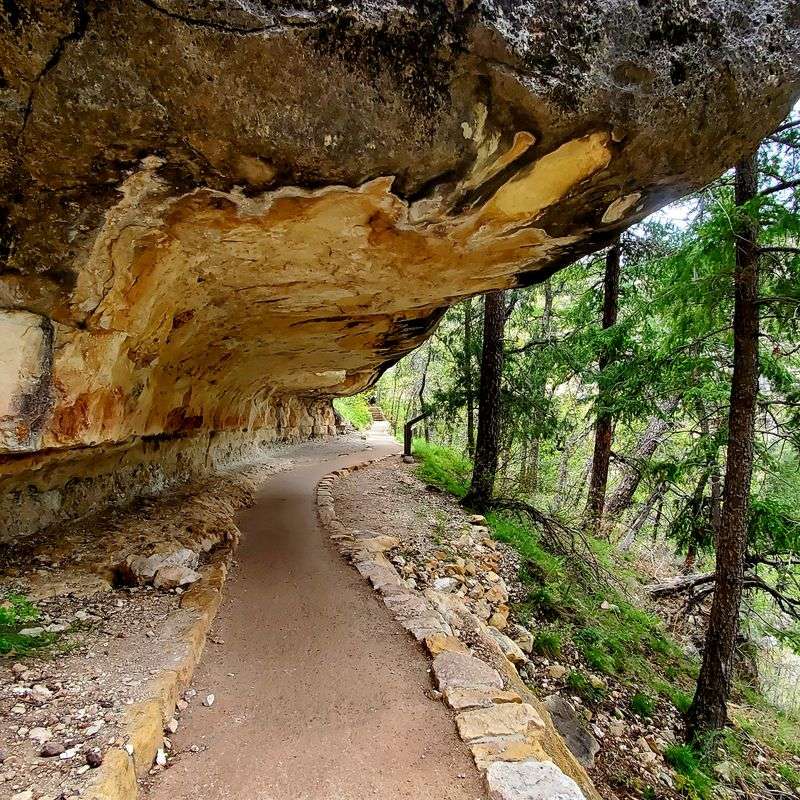
Architecture tells stories that words sometimes cannot. The Sinagua people who built these dwellings around 1100 CE were masterful engineers who understood their environment intimately.
They didn’t construct buildings-they adapted natural limestone alcoves into multi-room homes that provided shelter from harsh weather and potential threats.
Standing before these structures, I marveled at their ingenuity. The alcoves face south and southeast, capturing maximum sunlight during winter months while the overhanging cliff provides shade during scorching summers.
It’s passive solar design that modern architects would admire! The name “Sinagua” means “without water” in Spanish, which seems ironic given that Walnut Creek once flowed through this canyon.
These resourceful people farmed the canyon floor and surrounding rim, growing corn, beans, and squash while hunting and gathering to supplement their diet.
You can still see the blackened ceilings from ancient cooking fires and the smooth wear patterns on stone doorways from countless hands touching the same spots over generations.
These details transformed abstract history into something tangible and deeply human for me. I couldn’t help but imagine children playing in these very rooms while parents prepared meals nearby.
Canyon Views That Take Your Breath Away (Literally)
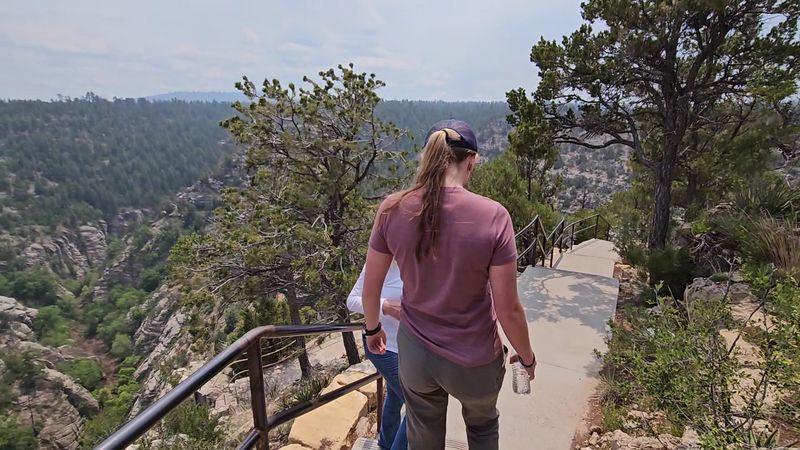
Beyond the archaeological wonders, Walnut Canyon delivers spectacular natural beauty that competes for your attention with every turn. The canyon walls display gorgeous layers of Kaibab and Coconino limestone, creating striped patterns that tell geological stories spanning millions of years.
Ponderosa pines cling to impossible-looking spots on cliff faces, their roots somehow finding purchase in tiny cracks.
I remember one particular bend in the trail where the view opened up to reveal the canyon’s full curved sweep. The morning light was painting the opposite wall in shades of gold and amber, and I just stood there, camera forgotten in my hand, soaking it all in.
These are the moments you can’t quite capture in photographs, no matter how hard you try.
The elevation and clean air create visibility that seems to stretch forever. On clear days, you can see the San Francisco Peaks in the distance, their summits still holding snow well into spring.
Hawks and ravens soar through the canyon, riding thermal currents with enviable grace.
My favorite discovery was spotting the tiny wildflowers growing in seemingly impossible locations—little bursts of color defying the harsh environment, much like the people who once called this canyon home.
The Visitor Center: Your Essential First Stop
Smart hikers don’t skip the visitor center, and I’m so glad I spent time there before hitting the trail. The center houses fascinating exhibits that provide crucial context for understanding what you’re about to experience.
Display cases showcase pottery fragments, tools, and other artifacts recovered from the site, each piece telling part of the larger story.
The staff deserves special mention-they’re genuinely passionate about sharing this place with visitors. I chatted with a volunteer who had been coming to Walnut Canyon for fifteen years, and her enthusiasm was absolutely infectious.
She pointed out details on the exhibits I would have completely missed otherwise.
There’s a relief map of the canyon that helped me understand the geological formation and trail layout before venturing out. The small theater screens a short film about the Sinagua people that’s definitely worth the fifteen minutes.
I found myself wishing I’d watched it before my first visit here years ago!
The gift shop offers quality books about Southwest archaeology and Native American history, along with locally made crafts. Restrooms here are clean and well-maintained—important information since there are no facilities once you’re on the trail.
Stock up on water at the fountain before you head out, especially during warmer months.
Planning Your Visit: Timing And Practical Tips
Timing can make or break your Walnut Canyon experience, so plan strategically. The monument opens at 9 AM daily, and arriving early offers significant advantages.
The parking lot is surprisingly small for such a popular attraction, and by mid-morning on weekends, it can fill completely.
I learned this lesson the hard way on my second visit when I had to wait twenty minutes for a spot!
Early morning also provides the best lighting for photography and more comfortable temperatures during summer months. Plus, you might have entire sections of the trail to yourself for a few precious minutes—a rare gift that lets you connect more deeply with the place.
The entrance fee is reasonable, and your National Parks Pass works here, covering admission for seven consecutive days.
Spring and fall offer ideal weather conditions, with temperatures mild enough for comfortable hiking without the summer heat or winter ice concerns.
Winter visits are possible but require caution-those stairs can become treacherous when icy. Summer means starting early to avoid afternoon thunderstorms that roll through with surprising speed.
I always bring more water than I think I’ll need because that high elevation and dry air are dehydrating. Sturdy shoes with good traction are non-negotiable given all those steps.
The Rim Trail: An Alternative Perspective
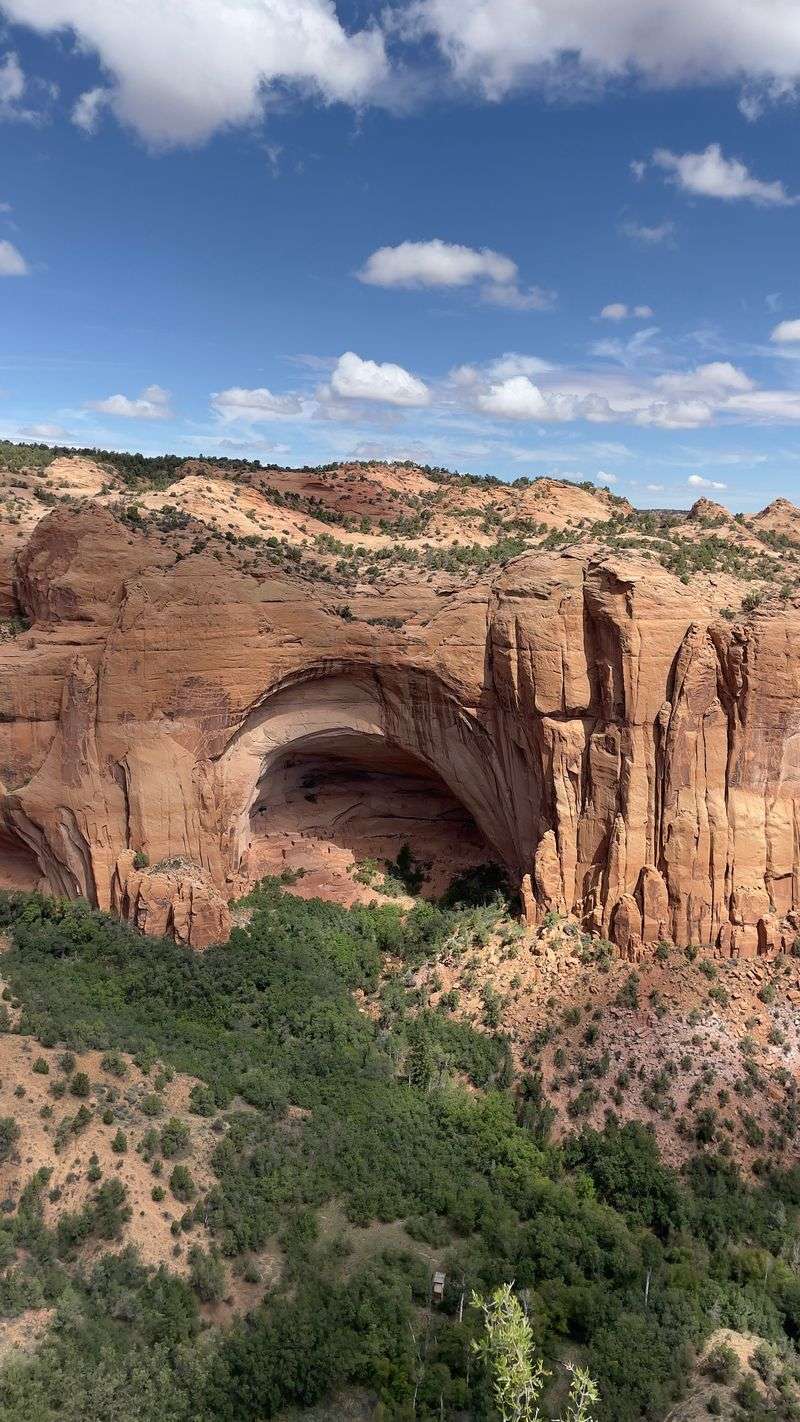
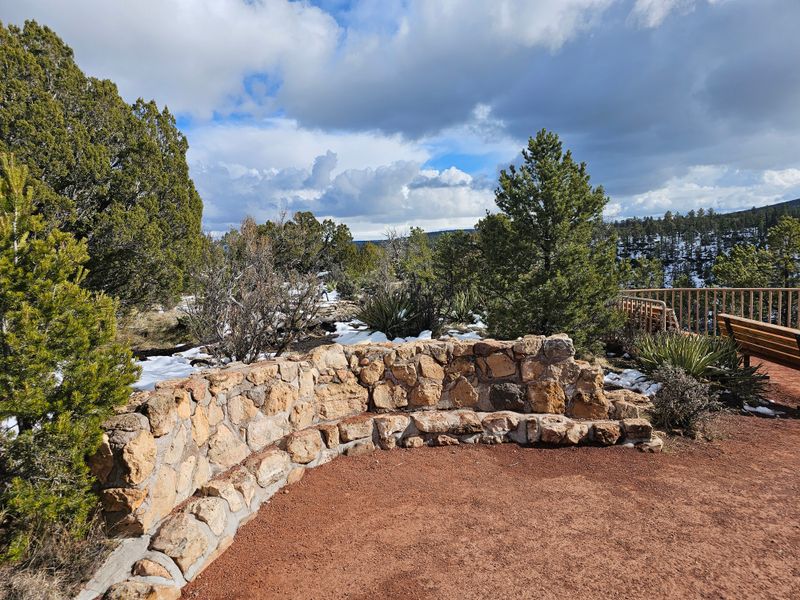
Not everyone can or wants to tackle those 700+ stairs, and that’s where the Rim Trail becomes a wonderful option. This shorter, completely flat paved path extends about 0.7 miles round-trip from the visitor center and offers spectacular overlook views of the canyon and cliff dwellings from above.
I walked it after completing the Island Trail and discovered it provides a completely different perspective.
From the rim, you gain appreciation for the canyon’s overall scale and the strategic locations the Sinagua chose for their dwellings.
You can see multiple structures at once and understand how the community was laid out across the canyon walls. It’s like viewing a puzzle from above after examining individual pieces up close.
The trail is wheelchair accessible and perfect for families with small children or anyone with mobility limitations. Interpretive signs along the way explain geological features and point out dwellings you might otherwise miss.
I watched a grandmother in a wheelchair enjoy the entire trail with her family, everyone equally engaged in the experience. One spot along the Rim Trail offers a particularly stunning vista where the canyon curves away into the distance.
I sat on a bench there for probably twenty minutes, just watching the light change and the shadows shift across the canyon walls. Sometimes the best experiences come from simply being present in a beautiful place.
Why This Place Matters More Than Ever
Walking through Walnut Canyon left me with profound thoughts about resilience, community, and our connection to those who came before us. The Sinagua people thrived here for roughly 150 years before abandoning the canyon around 1250 CE.
Archaeologists debate the reasons-drought, resource depletion, or perhaps opportunities elsewhere-but the mystery adds poignancy to the experience. These weren’t primitive people struggling to survive.
They were sophisticated communities with complex social structures, trade networks extending hundreds of miles, and deep knowledge of their environment. The pottery fragments show artistic sensibility, while the dwelling construction demonstrates engineering expertise that served its purpose for centuries.
In our modern rush toward constant newness, there’s something grounding about touching walls built by human hands 800 years ago. It puts our brief individual lives into humbling perspective while connecting us to the continuous human story.
Every visitor I encountered seemed affected by this, speaking in quieter voices and moving more thoughtfully through the spaces.
Walnut Canyon reminds us that civilizations rise and fall, but the human drive to create homes, raise families, and build communities persists across time.
Protecting and sharing places like this ensures future generations can experience these same powerful connections to our shared human heritage.