
These Are The Most Charming Communities In Ohio You Just Have To Visit
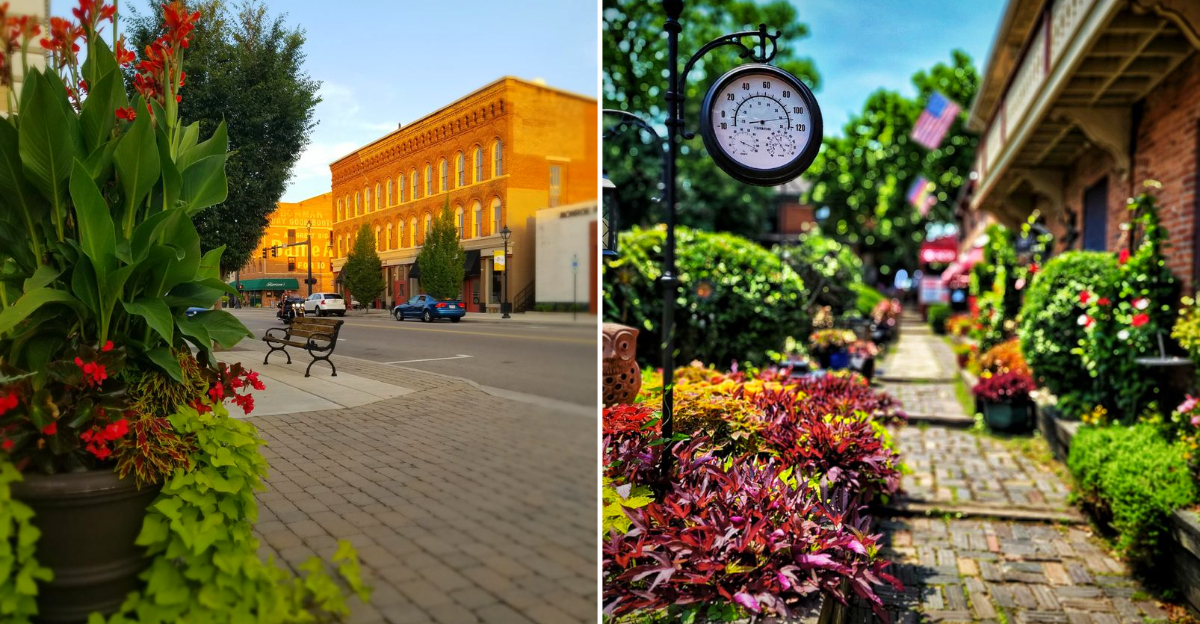
Ohio might not be the first place that pops into your head when you think about storybook villages and picture perfect getaways, but trust me, this state has a collection of communities that could charm the socks right off your feet.
Tucked between rolling farmland, lakeshores, and forested hills, these towns offer waterfalls in the middle of main streets, covered bridges around every corner, and downtown districts that feel like they were designed by someone who really understood the value of a good porch and a friendly wave.
Whether you are craving riverside history, artistic energy, or simply a place where you can slow down and breathe, Ohio delivers in ways that will surprise you.
1. Chagrin Falls
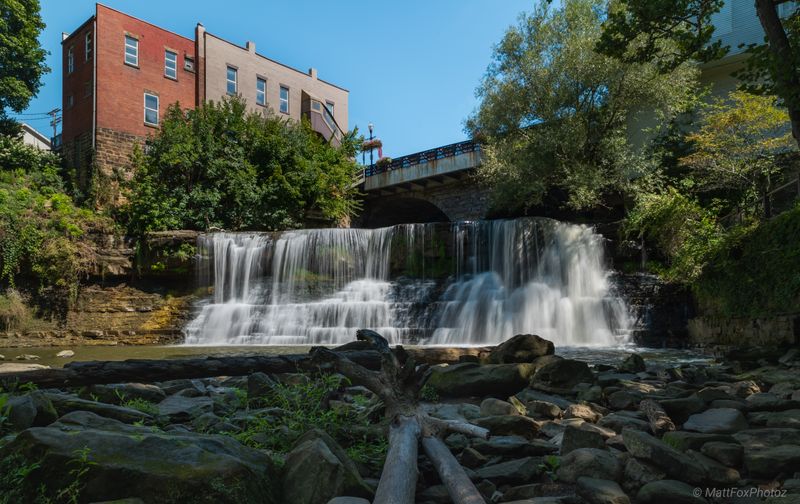
The first time I heard the rush of water under the Main Street bridge in Chagrin Falls, it felt like the whole town was gathered around its favorite conversation topic.
Here, the falls sit right in the middle of downtown, with stairways and viewing decks that let you get close enough to feel the mist while still being a few steps from boutiques, cafés, and the famous popcorn shop.
The streets are lined with historic brick buildings, locally owned restaurants, and more than seventy independent businesses that keep the place buzzing without losing that small scale feel.
I grabbed an ice cream and found a bench overlooking the water, watching kids lean over the railing while shoppers drifted from gallery to gallery above the gorge.
When the light softened and the sound of the waterfall blended with evening chatter, Chagrin Falls felt less like a side trip and more like the kind of village you secretly start daydreaming about moving to.
2. Yellow Springs
Before I ever saw the welcome sign for Yellow Springs, I could already tell from the tie dye shirts and bike racks that this was not a sleepy little village.
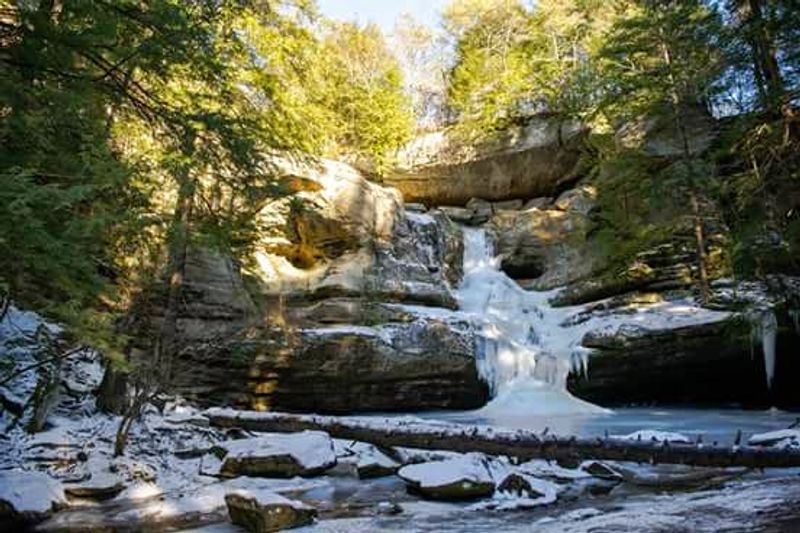
This village near Dayton blends a free spirited, artsy downtown with quick access to serious nature, including Glen Helen Nature Preserve and nearby Clifton Gorge with miles of trails, waterfalls, and the namesake mineral spring.
Colorful storefronts house indie shops, record stores, and cafés, and you are just as likely to see a street musician as a student from Antioch College walking to class.
I spent a morning hiking through Glen Helen, then wandered right into town still wearing muddy shoes and fit right in among tie dye displays and chalk art on the sidewalks.
By the time twilight stretched across the murals and string lights, Yellow Springs had worked its way into that small group of places that feel less like a destination and more like a mood you want to revisit.
3. Granville
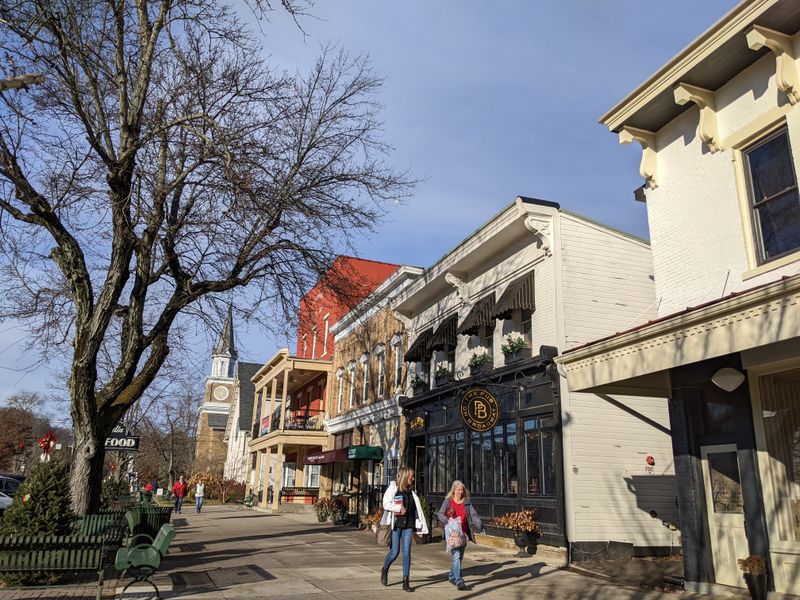
Rolling into Granville for the first time felt a little like stumbling across a New England postcard that someone quietly tucked into central Ohio.
The village sits east of Columbus and is known for its New England inspired architecture, historic inns, and the presence of Denison University, which brings a steady stream of students and cultural events.
Landmarks such as the Bryn Du Mansion and the Robbins Hunter Museum add a layer of history and grand architecture, from Greek Revival facades to sprawling grounds used for community gatherings and art shows.
I found myself wandering from the village green to quiet residential streets, passing stone walls and carefully kept gardens that made every side street feel worth exploring.
Later, perched on a bench near the center of town with a bakery treat in hand, I realized Granville has that rare mix of polish and warmth that makes a weekend visit feel pleasantly too short.
4. Marietta
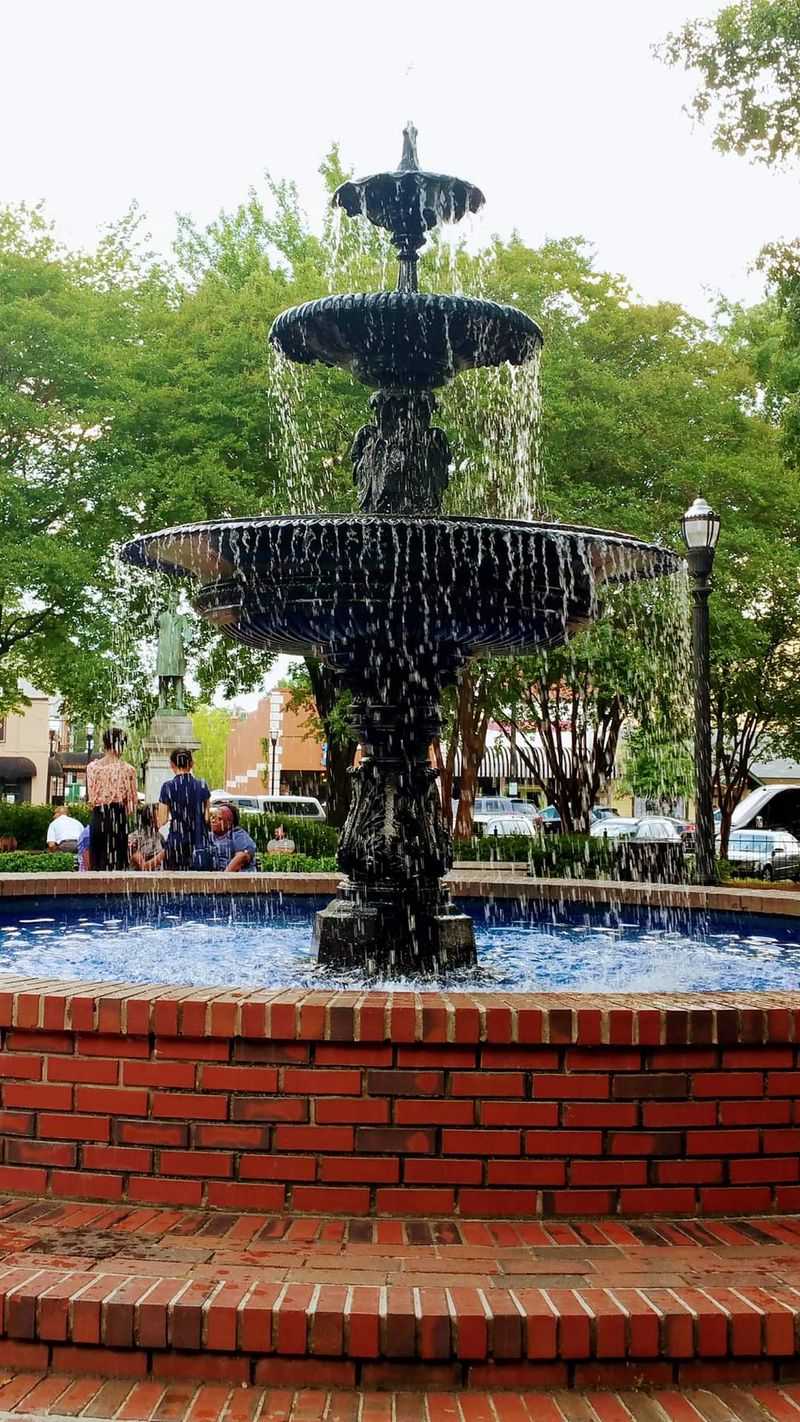
The first time I stepped onto Marietta’s riverfront, it felt like the town had pulled up a chair right next to the Ohio River and never stood back up.
Located at the meeting point of the Ohio and Muskingum Rivers, it holds the honor of being the first permanent settlement in the Northwest Territory, and its role in early westward expansion still shows in the historic homes, museums, and carefully preserved streets.
Brick lined downtown blocks are shaded by large trees and framed by Victorian houses that overlook the water, while the annual Ohio River Sternwheel Festival fills the riverfront with historic boats, music, and crowds every late summer.
I spent an afternoon walking along the levee, watching the reflection of old warehouses and church spires ripple in the water, then ducked into small shops that still feel proudly local.
When the evening settled in and the river mirrored the town lights, Marietta felt like a place that knows its story and invites you to linger long enough to learn a few chapters.
5. Loveland
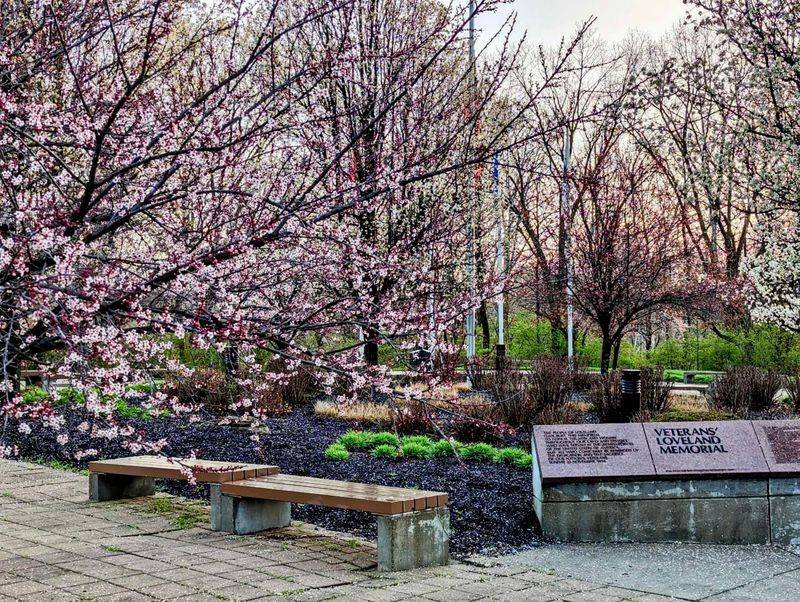
My first clue that Loveland was something special came when I saw bikes lined up beside the river and heard someone casually mention a castle down the road.
Set along the Little Miami River northeast of Cincinnati, Loveland anchors a popular stretch of the Little Miami Scenic Trail, often called the Loveland Bike Trail, which runs for dozens of miles through parks and small towns.
Historic downtown buildings sit right beside the trail, filled with shops, cafés, and ice cream spots that seem almost designed for post ride rewards, while the medieval style Loveland Castle perches above the river as one of Ohio’s more unexpected attractions.
I rented a bike, rolled out along the tree shaded path, and kept stopping not because I was tired but because every bend in the river offered another photo worthy view.
After wandering the stone halls of the castle and circling back to a lively downtown, Loveland felt like a community built for easygoing days that somehow still manage to stand out in your memory.
6. Geneva-on-the-Lake
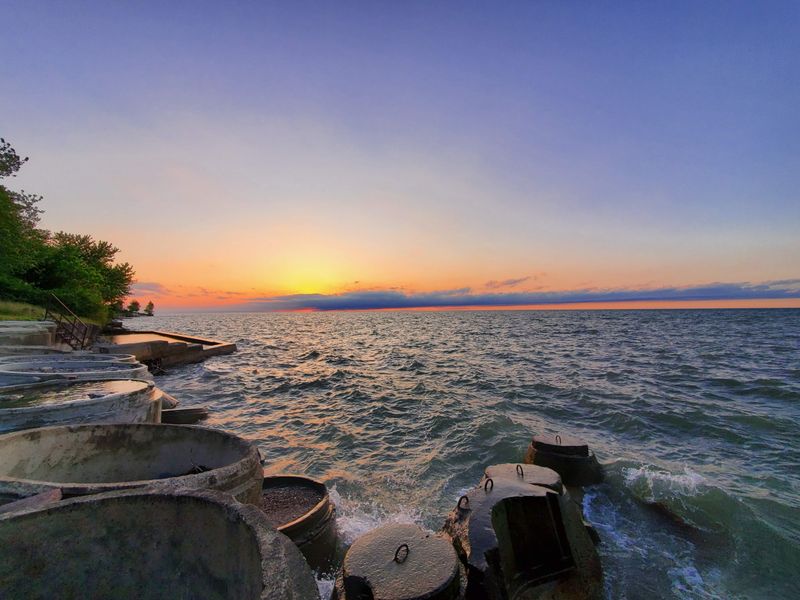
The moment I saw the glowing signs and heard arcade sounds drifting toward Lake Erie, I knew Geneva-on-the-Lake was firmly in summer mode.
Often called the state’s oldest summer resort, this Lake Erie village is famous for The Strip, a mile long main drag lined with arcades, mini golf, bumper boats, family attractions, and stands selling sweets and souvenirs with a distinctly retro vibe.
Just beyond the bright lights and classic signs, you can head to the shoreline for swimming, fishing, or simply watching the waves roll in from one of the lakeside parks.
I spent a day collecting arcade tickets I absolutely did not need, riding go karts, and then wandering down to the beach with a cone that melted just fast enough to remind me I was on vacation.
As the sunset blended neon against the lake’s horizon, Geneva-on-the-Lake felt like one long, easygoing summer evening that you wish you could bottle and reopen in January.
7. Put-in-Bay
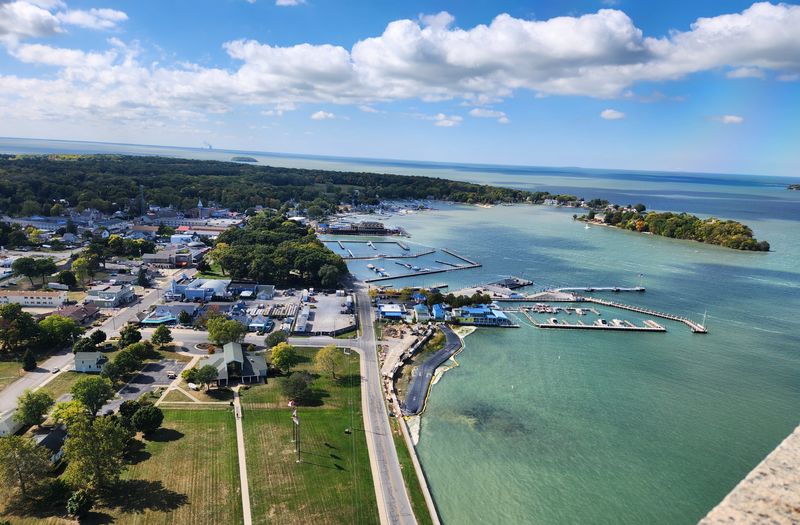
Catching sight of Put-in-Bay from the ferry felt a bit like watching a small skyline rise out of Lake Erie just for the day’s visitors.
Set on South Bass Island in Lake Erie, this resort village draws hundreds of thousands of visitors each year who come for the harbor views, island history, and a relaxed, walkable layout that trades freeways for golf carts and bikes.
The shoreline is dotted with parks, lakeside paths, and lookouts where you can watch boats slip in and out of the natural harbor that first attracted explorers and early travelers.
I rented a small cart, circled the island at a lingering pace, and kept stopping at overlooks where the lake stretched out in every direction and the mainland felt much farther away than the map suggested.
On the ride back as the island lights faded into the distance, Put-in-Bay settled into my mind as one of those rare spots where a single day feels full but still leaves plenty to come back for.
8. Marblehead
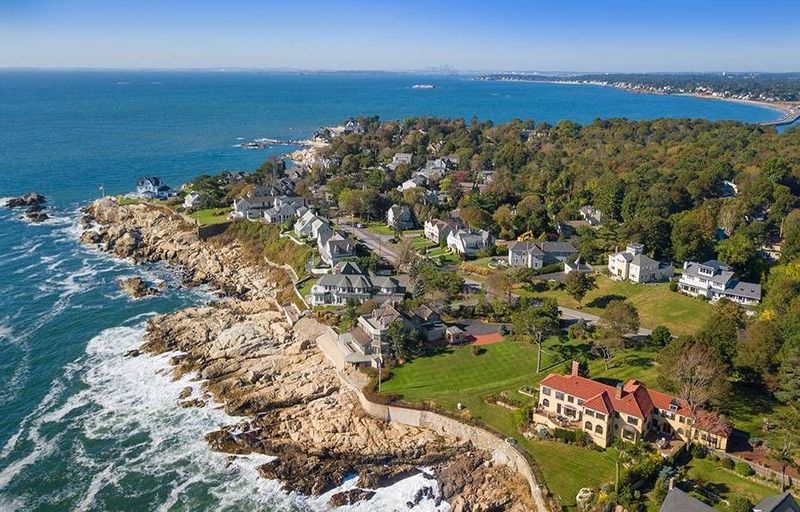
The first time I rounded the bend and saw Marblehead Lighthouse standing over the lake, it felt like the shoreline had dressed up for a portrait.
Located on a peninsula that divides Lake Erie from Sandusky Bay, Marblehead is home to Marblehead Lighthouse, one of the best known and oldest continuously operating beacons on the Great Lakes, now preserved as a state park with wide open lake views.
The village itself offers quiet streets, hometown restaurants, and small shops that lean right into the coastal atmosphere, with frequent glimpses of water between houses and marinas.
I climbed around the rocky shoreline below the lighthouse, watching waves break against the point while visitors snapped photos from the manicured lawns above.
Later, after wandering through town with the beacon still visible over rooftops, Marblehead felt like a place that keeps its pace slow on purpose so you never rush through the views.
9. Oberlin
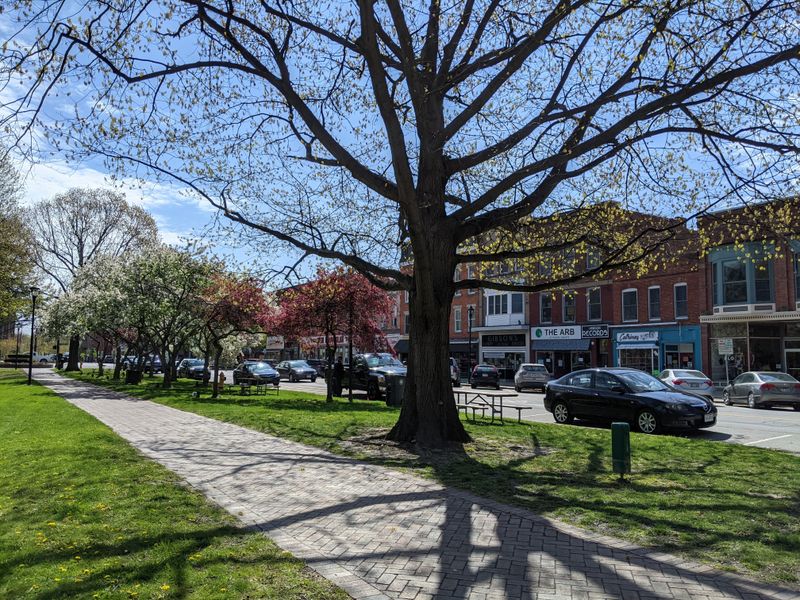
I knew Oberlin was serious about creativity when I heard live music floating through the air before I even found a parking spot.
Home to Oberlin College and its renowned conservatory, the community hums with music, lectures, art exhibits, and student life, all wrapped in a compact, walkable downtown.
Historic homes and leafy streets surround the college green, and you can drift from an art house film to a quiet bookstore to a campus recital without ever needing to move your car.
I spent an afternoon sitting near Tappan Square, listening to a group of students practice an ensemble piece while others biked through or sprawled out with sketchbooks and notebooks.
As the sky darkened and warm light spilled from gallery windows and practice rooms, Oberlin felt like a community that treats everyday life and the arts as parts of the same ongoing conversation.
10. Tipp City
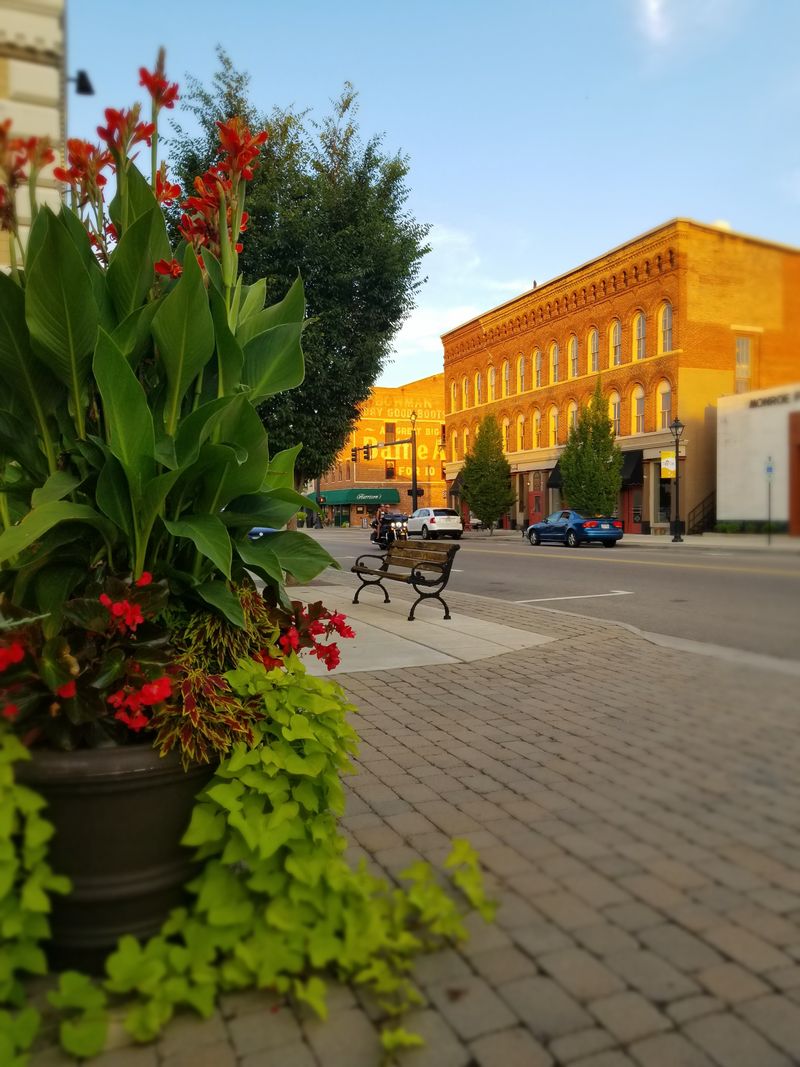
My introduction to Tipp City started with a simple walk down Main Street and turned into a slow tour of canal era history dressed up in small town charm.
North of Dayton, this community grew up along the Miami and Erie Canal and is now known for its historic Main Street district, lined with brick storefronts, local restaurants, and shops that lean into the town’s heritage.
Decorative signs, old style façades, and restored buildings give the center of town a very photogenic look without feeling manufactured.
I wandered between antique shops and cafés, noticing how often someone held a door for a stranger or pointed out a favorite place to eat without being asked.
Heading back past the canal related historic sites as the streetlights switched on, Tipp City came across as the sort of town that happily wraps visitors into the same easy rhythm locals enjoy every weekend.
11. German Village (Columbus)
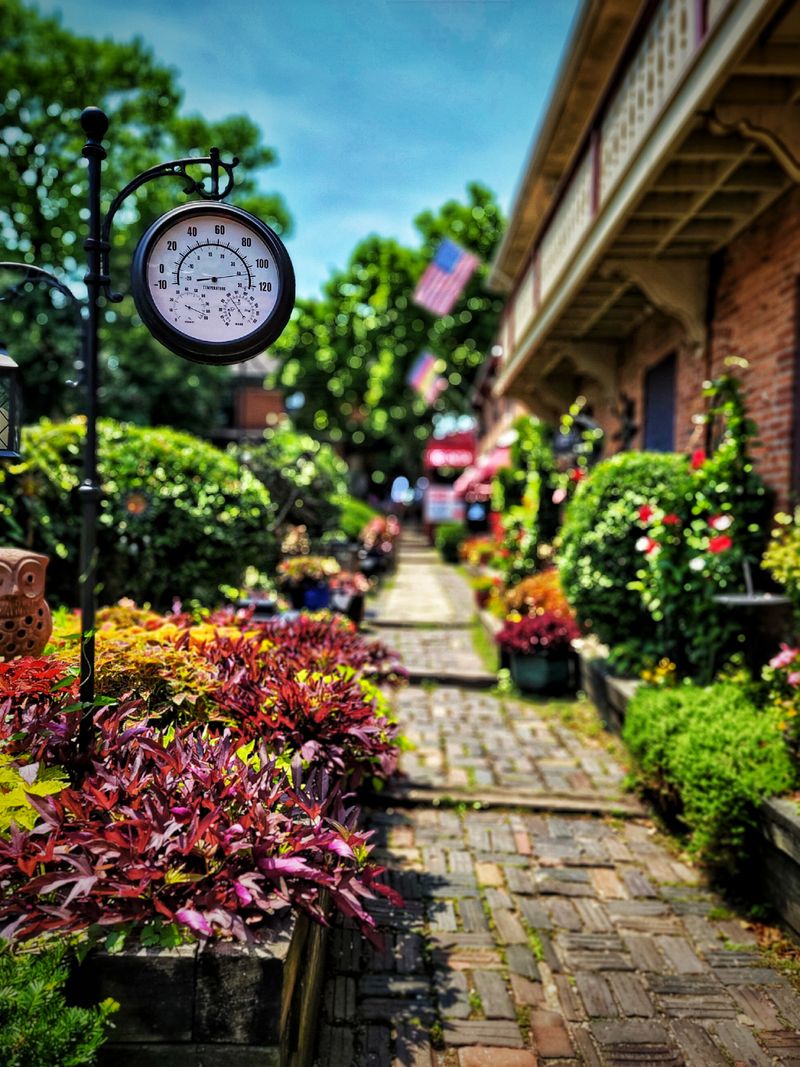
Walking into German Village felt less like entering a Columbus neighborhood and more like stepping into a carefully kept little storybook.
Just south of downtown, it is known for narrow brick streets, restored 19th century homes, and an atmosphere that feels distinctly European in its scale and detail.
The area blends leafy residential blocks with destination spots such as the 32 room Book Loft, cozy pastry and coffee shops, and Schiller Park, a beloved green space that hosts outdoor performances and everyday dog walks.
I spent most of a day simply walking, letting the bricks and window boxes guide my route, stopping whenever a courtyard or garden caught my eye.
Settling onto a park bench with something sweet from a nearby bakery, I realized German Village has a way of making even a short stroll feel like a little getaway tucked inside the city.
12. Ashtabula
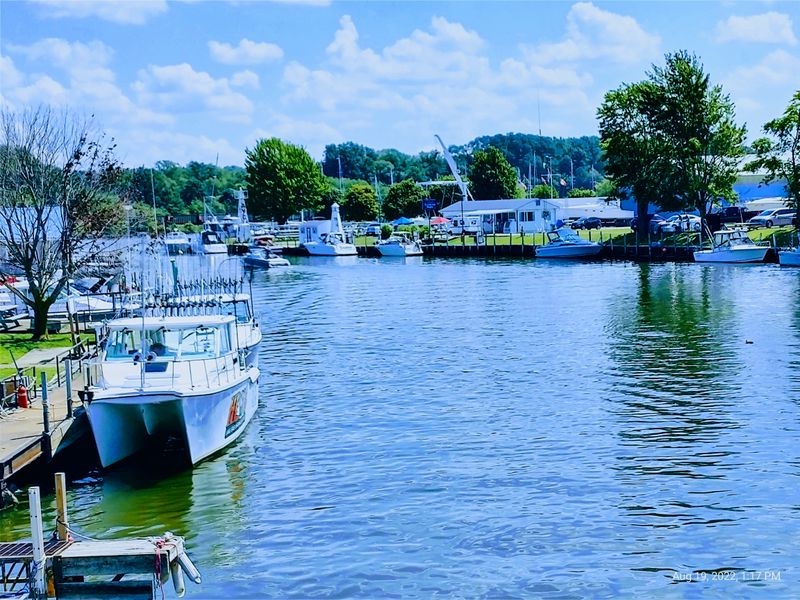
I first knew Ashtabula was more than just another lakeside town when I saw a covered bridge on one side of the map and a busy harbor district on the other.
Perched on the Lake Erie shoreline in Ohio’s northeast corner, Ashtabula sits in a county known as the covered bridge capital of the state, with nineteen of these structures scattered through the countryside.
Down by the riverfront, the historic harbor area has warehouses and port buildings that have found second lives as shops, eateries, and galleries, and the waterfront paths offer broad views of the lake and river traffic.
I split my time between wandering the harbor boardwalk and taking short drives out to find bridges tucked among farms and wooded hills.
Driving away with sand on my shoes and more bridge photos than I expected, Ashtabula felt like a friendly basecamp for anyone who wants their coastal getaway with a side of exploration.
13. Sugarcreek
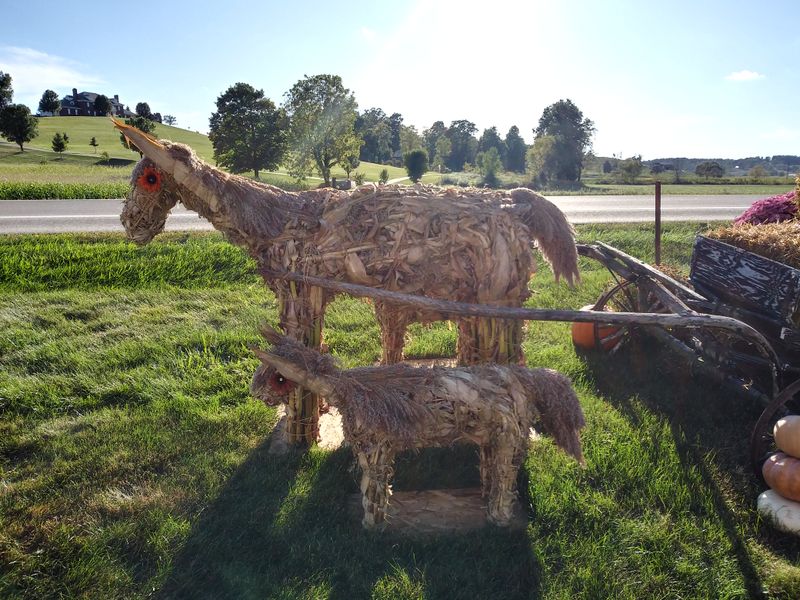
Sugarcreek announced its personality before I even parked, thanks to Alpine style façades and that giant cuckoo clock waiting in the middle of town.
Nicknamed the Little Switzerland of Ohio, this village in Amish Country blends Alpine inspired architecture with Amish, Swiss, and German heritage, from decorative façades to the famous giant clock in the center of town.
Shops carry local cheeses, handcrafted items, and other regional specialties, while the surrounding countryside offers rolling hills, farms, and quiet back roads.
I watched the clock put on its little show, then spent the rest of the afternoon browsing storefronts where decorative murals and traditional patterns turned simple walls into something to linger over.
As the day wound down and the streets grew quieter, Sugarcreek left me with the comfortable sense of a place that wears its heritage naturally, not as a costume, and invites you to appreciate it at your own pace.
14. Millersburg
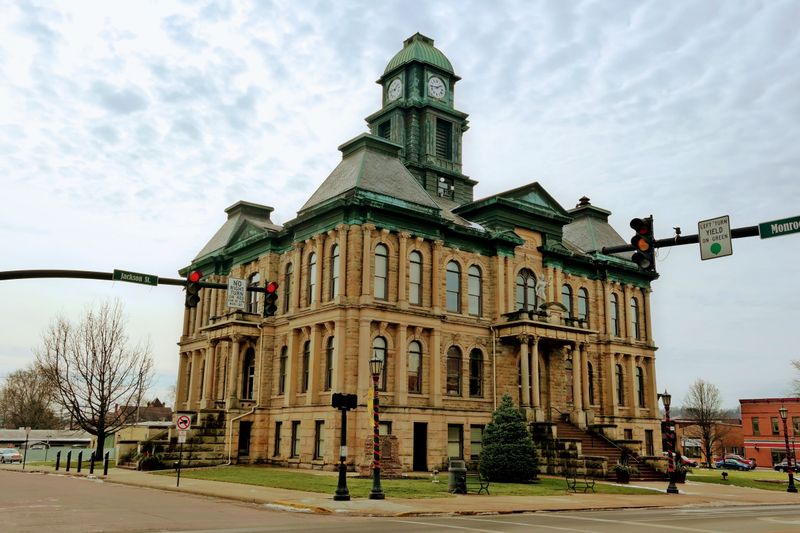
My first look at Millersburg’s downtown was from the crest of a hill, where church spires and brick buildings lined up like an open invitation into Amish Country.
As the county seat of Holmes County and a recognized gateway to Amish Country, Millersburg has a historic district listed on the National Register of Historic Places, with 19th century buildings, a long running hotel, and streets filled with artisan shops and antique stores.
Beyond town, farms, markets, and countryside attractions highlight the broader region’s culture and craftsmanship.
I spent a morning stepping in and out of storefronts, then detoured onto the nearby Holmes County Trail, where bikes and horse drawn buggies share a companion path that feels uniquely local.
By the time the lights began to glow in second story windows above the shops, Millersburg felt like the kind of place that quietly rewards anyone who gives it more than just a quick pass through.
15. Hudson
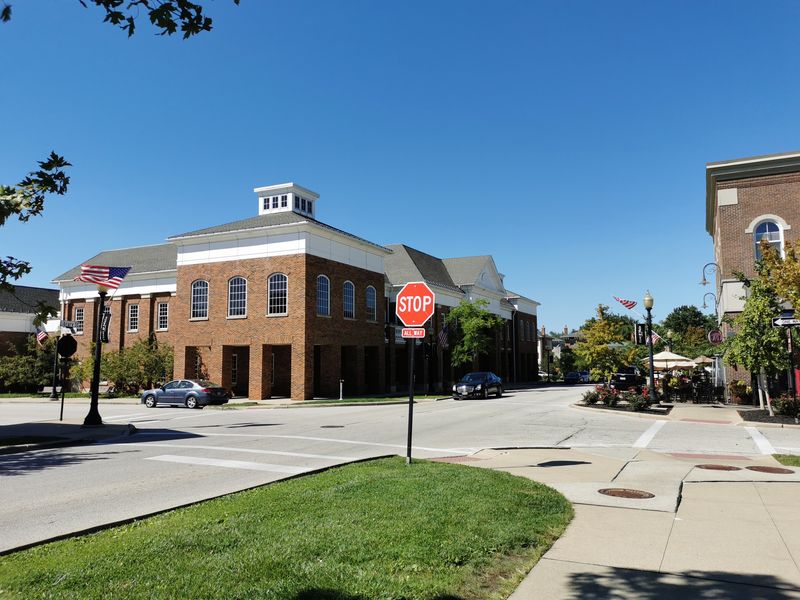
Hudson won me over before I even reached the center green, thanks to streets that seemed designed for slow drives and slower walks.
Located in northeast Ohio, this small city is known for its tree lined streets, preserved 19th century architecture, and a downtown that mixes independent shops and dining with open village greens used for events and everyday gatherings.
Western Reserve Academy, one of the state’s oldest private schools, anchors part of the community and adds stately brick buildings and landscaped grounds to the town’s already photogenic core.
I wandered from the clock tower to side streets where historic markers quietly told stories about early settlers, then circled back to the green where kids played while adults chatted on benches.
Finishing the day with a last loop past softly lit storefronts, Hudson struck me as a place that has learned how to stay polished and welcoming without feeling the least bit staged.