
This Epic Michigan Road Trip Covers Over 100 Miles Of Jaw Dropping Scenery
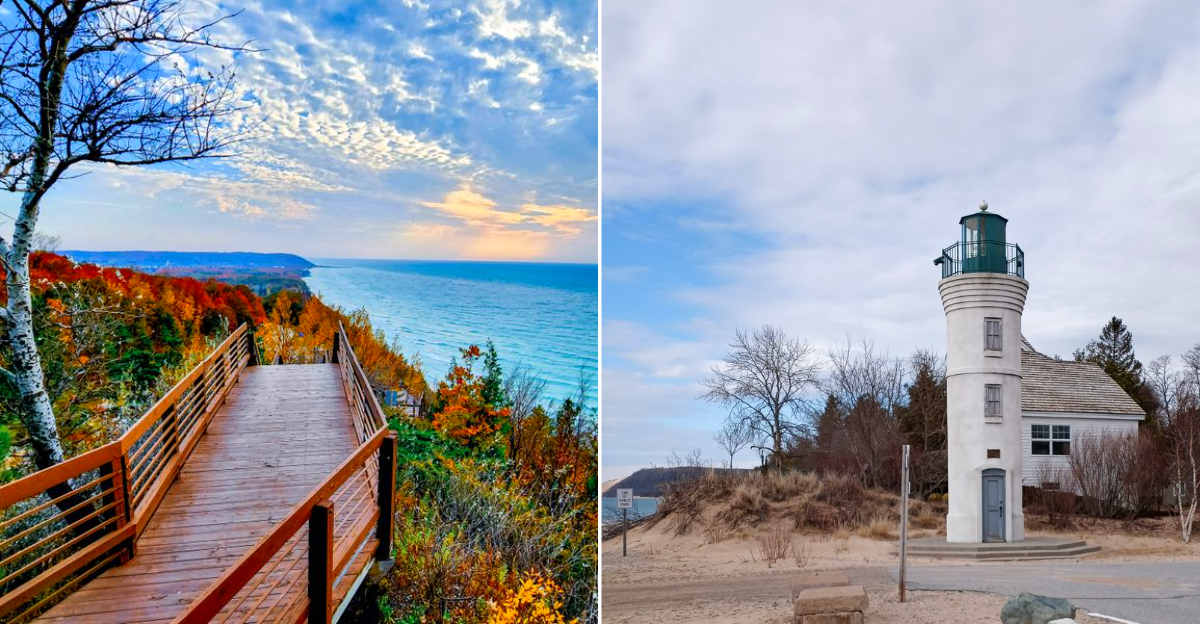
Point your compass toward the pinky finger of the Mitten, where the air suddenly turns sharp with the scent of wild cedar and the bracing, cold-shampoo fragrance of Lake Michigan. This drive is a 100-mile cinematic loop where the rhythmic hiss of waves against sugar-sand dunes provides the soundtrack to your escape.
The atmosphere is a intoxicating blend of “up north” luxury and rugged, salt-free grit, where the light hits the white pines with a clarity that makes your smartphone camera feel inadequate.
Michigan’s northwest coastline offers the most scenic road trip in the Midwest, connecting iconic Sleeping Bear Dunes with charming harbor towns and historic lighthouses along Lake Michigan.
Expect to find your car smelling like sun-warmed upholstery and tart cherry pie before the day is done. To navigate these coastal curves like a local, pack your layers and prepare for those inevitable moments where the horizon demands you pull over and just breathe.
Manistee
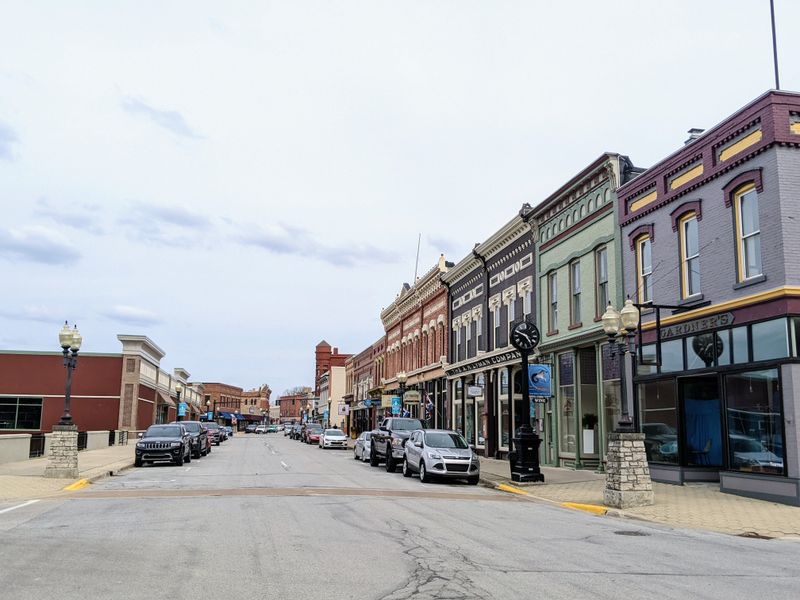
Wooden boardwalk planks thrum softly underfoot as gulls circle the Manistee River channel, and the North Pier Light stands like a clean white bookmark on the horizon. Downtown’s 19th century brick storefronts keep their measured rhythm, with the Ramsdell Theatre quietly announcing its James Earl Jones pedigree.
The vibe is unhurried, the kind that makes coffee taste fuller, and it invites you to slow your steps without thinking about it.
Sawmills powered this place, and the Victorian homes hint at that era’s confidence without shouting. The Manistee Riverwalk stitches marina life to Main Street, and parking is easy within a few blocks of the core.
Consider timing your arrival near sunset so you can stroll the catwalk toward the lighthouse, then loop back for a view of massive freighters sliding past.
Onekama
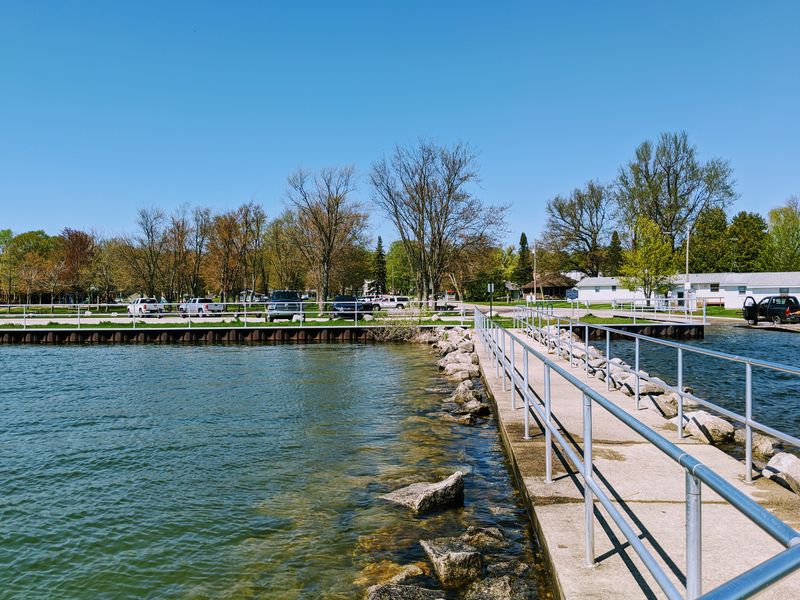
Morning fog hangs low over Portage Lake, and the channel to Lake Michigan breathes cool air like a sleeping animal. Little diners open early, their windows fogging as locals swap fishing reports between coffee refills.
Everything here feels scaled for conversation rather than spectacle, with a calm that makes the shoreline feel close.
Onekama grew around Portage Lake’s changing water levels and a re cut channel that tied it firmly to the big lake. You can launch a kayak easily at public sites and skirt reed beds where cranes step like metronomes.
Swing by the community park, then follow the curve of M 22 north, and pause at the channel mouth to watch the color shift from jade to deep blue.
Arcadia Overlook
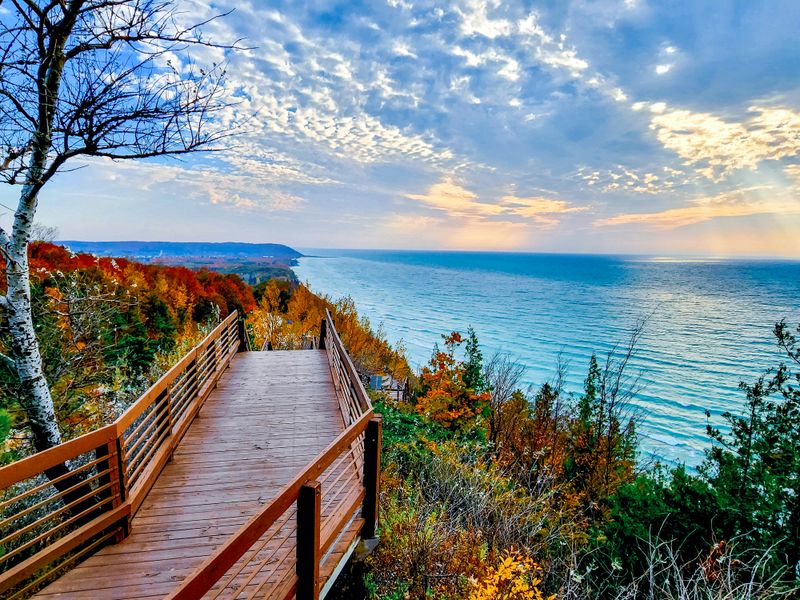
The first step onto the overlook stairway brings a rush of pine scent and a glimpse of the lake that just keeps widening. Up top, the platform sits like a gentle cliff note above an unbroken horizon, the wind pressing your shirt flat.
Conversations drop to murmurs without anyone asking, and you can feel the whole group listening to the view.
This is officially Inspiration Point on M 22, a roadside stop elevated by ambition and a helpful handrail. The stairs are sturdy, though you should pace them and bring water on hot days.
Parking is limited but turnover is steady, so stay long enough to watch light bands crawl across the lake, then scan south for the tidy grid of Arcadia.
Frankfort
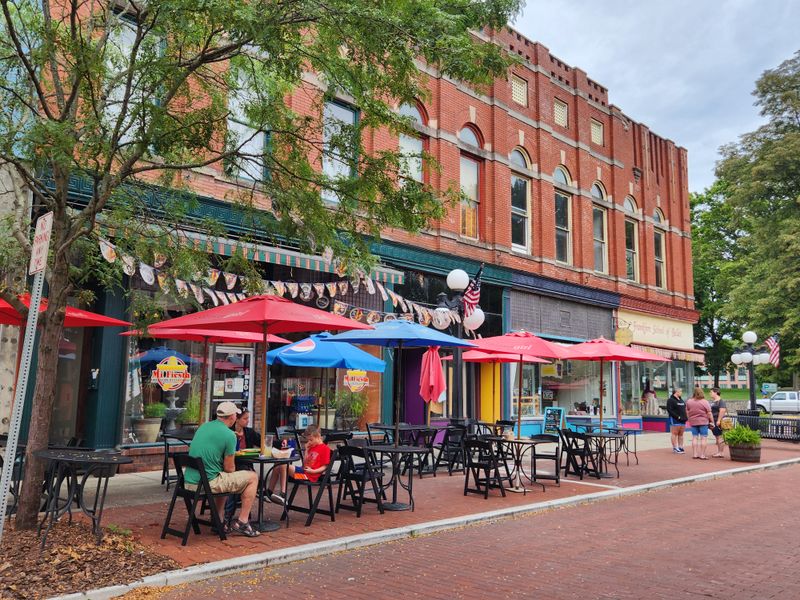
Waves slap the breakwall with a steady drumbeat while the Frankfort North Breakwater Light throws bright white geometry against the sky. Main Street does an easy saunter from ice cream shops to indie bookstores, with bikes leaning against lamp posts like punctuation.
The harbor feels both working class and welcoming, and it holds your attention even when you are just passing through.
Frankfort’s shipbuilding past shadows the marinas, and the harbor’s protective arms still matter on stormy days. Walk the pier when conditions are safe, mind slick spots, then beachcomb for Petoskey Stones on the wide strand.
Parking lines the lakefront, but evenings fill fast in summer, so grab a snack and watch surfers catch shoulder high sets on windy afternoons.
Elberta
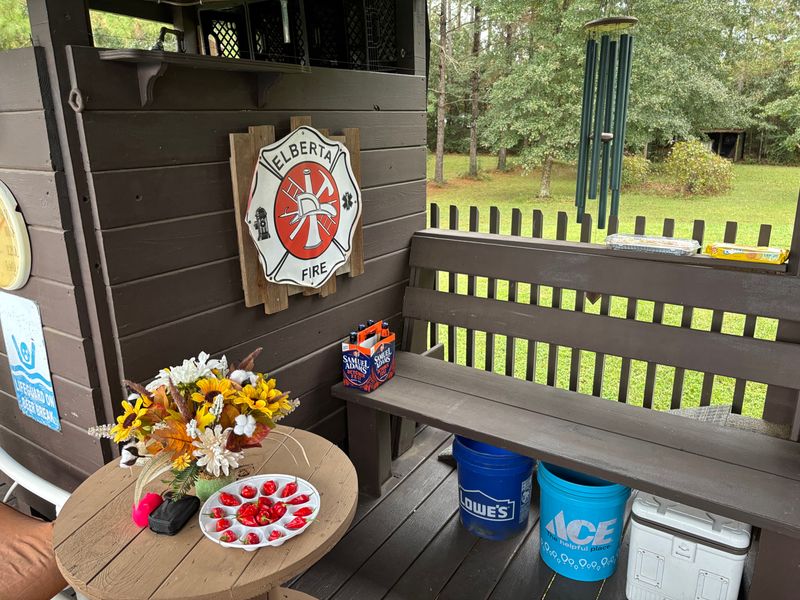
Across the bay from Frankfort, Elberta keeps its voice low, and that is the charm. The former Ann Arbor Railroad terminus left an industrial backbone, now softened by parks, murals, and a hilltop lookout.
The air carries a briny hint mixed with grill smoke from a seasonal shack, and it makes the village feel lived in.
History sits in the rail yard remnants and the old ferry connections that once shuttled freight across the water. For visitors, the Elberta Dunes South Natural Area offers a thigh testing climb to big lake vistas.
Bring stable shoes, skip slick sandals, avoid stepping on sensitive dune plants, and try the village beach for room to breathe and a view back toward the lighthouse.
Empire
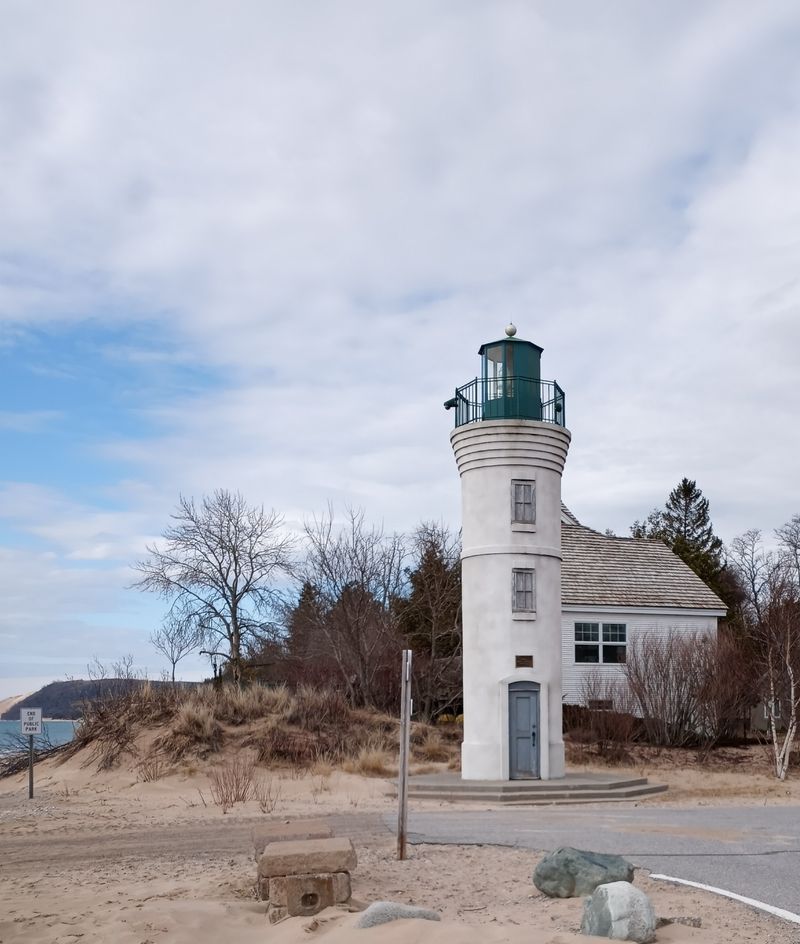
You will notice the scent of beach fires long before the village comes into full view. Empire is where Sleeping Bear Dunes National Lakeshore announces itself with a sandy handshake and a blue that feels freshly mixed.
The pace slows to wave tempo, and even the crosswalks seem polite when you are moving at beach speed.
The Empire Bluff Trail is the headliner, tracing a ridge with views that reframe the map in your head. Park at the trailhead lot, bring water, and keep to the path to protect fragile grasses.
After the hike, the village beach is a strong second act, and early evening is best when the bluff glows rust gold and talk trims itself to essentials.
Pierce Stocking Scenic Drive
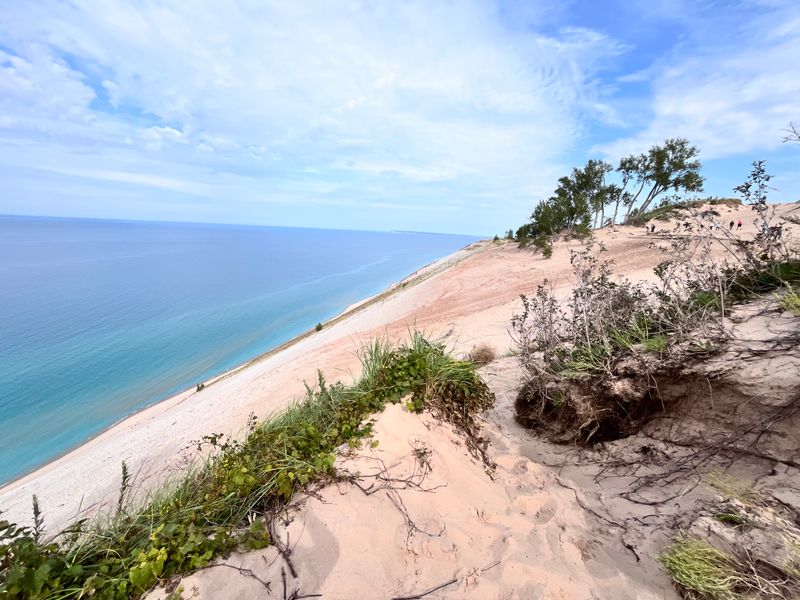
Tires hum through dappled shade as the loop rises and folds, each overlook tossing a new version of blue at your windshield. The 450 foot drop at the Lake Michigan Overlook looks like a page falling out of the Earth.
People go quiet, then cameras wake up, and the railing becomes a shared pause point.
Named for a 20th century lumberman who loved a good view, this drive is a must see. Arrive early in summer to avoid the queue at the entrance, and use designated pullouts rather than the shoulder.
The dune climb here is steep and sensitive, so treat it kindly and obey the warning signs, and listen for cottonwood leaves rattling like soft applause as you count sailboats.
Glen Haven
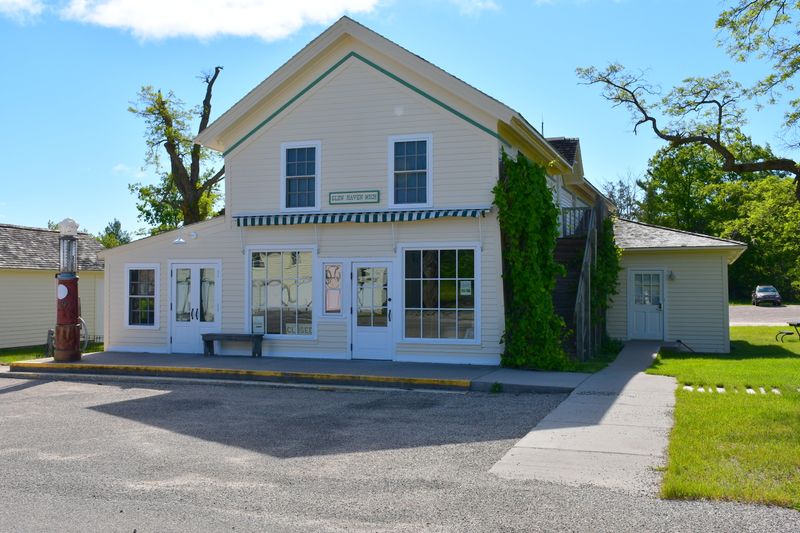
The blacksmith shop clinks and hisses, and the old cannery museum lines up vintage boats with the respect of a library. Sand drifts across the road like a friendly squatter.
Lake Michigan sits steps away, patient and level, and it makes the whole place feel quietly anchored.
Glen Haven began as a company town supporting maritime life, then the National Park Service steadied its preserved heart. Volunteers demonstrate tools and life saving gear with clear, practiced hands.
Park in the designated lot, wander the beach, read the outdoor panels for context, and notice the smell of linseed oil and old rope like a reminder of useful history.
Glen Arbor
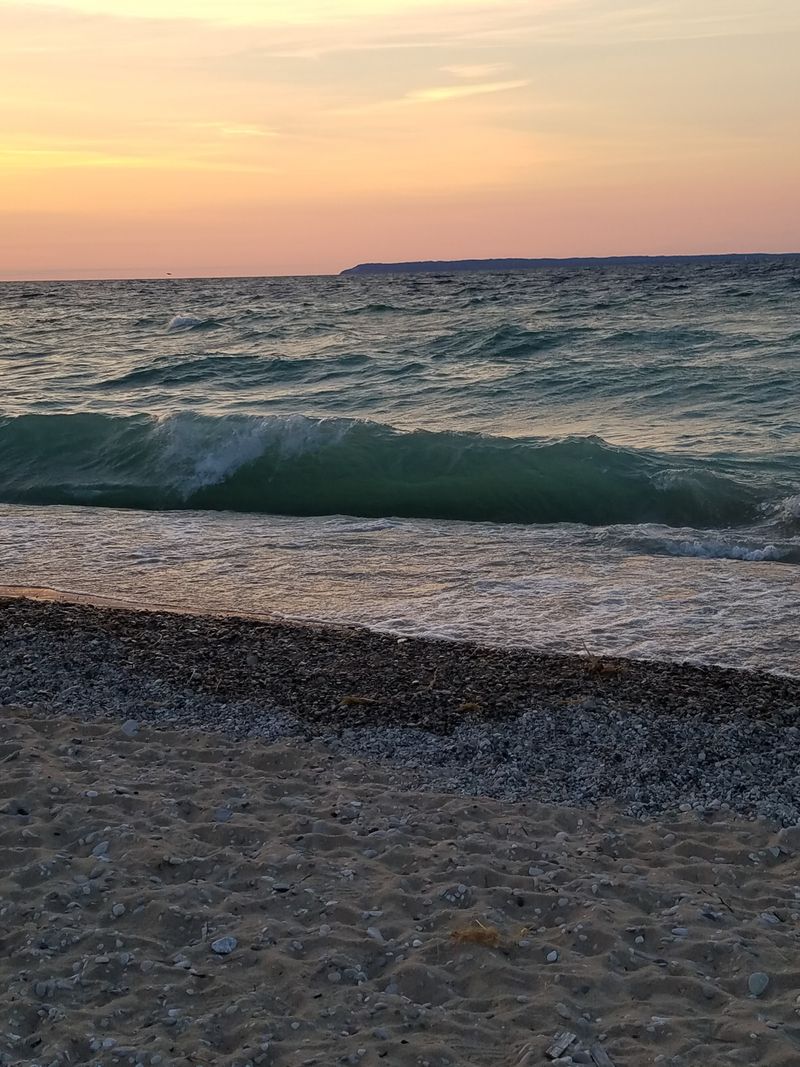
Bright kayaks stack like crayons outside outfitters, and Cherry Jam samples turn passersby into loyalists. Glen Arbor rides that tidy line between resort polish and everyday neighborliness.
The sidewalks carry a light shuffle of flip flops and hiking boots, and the town feels built for both.
Logging and homesteading framed its early years, but the current rhythm syncs with trails and water. Rent a bike for the Sleeping Bear Heritage Trail or paddle the Crystal River’s easy bends.
Parking fills quickly near the main drag, so use side streets or arrive early, then drift to the public beach and measure time by how fast Cherry Turnovers disappear.
Port Oneida Historic Farm District
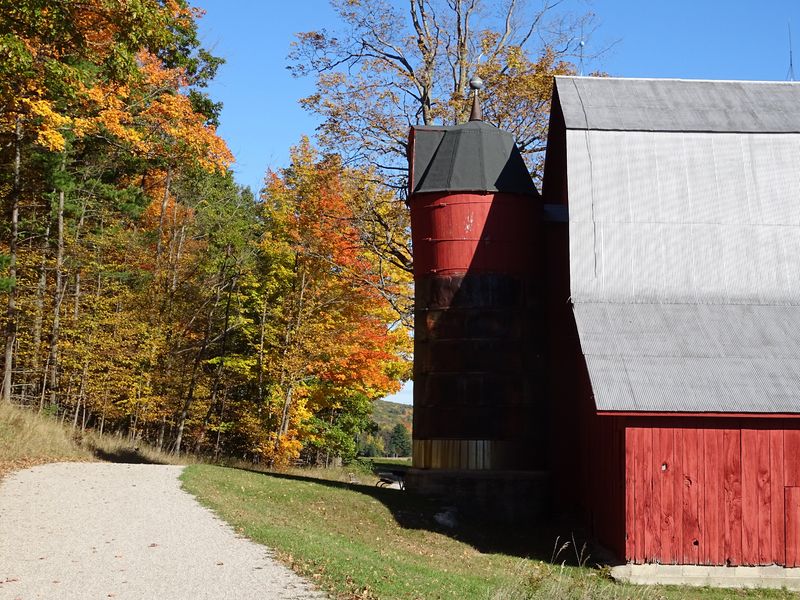
Fence posts lean with dignity along narrow lanes, and weathered barns hold their angles against the wind. The landscape feels worked, not curated, in the best way.
Birds stitch the fields with constant motion, and the quiet here has a steady, practical weight.
This district preserves 19th and early 20th century subsistence farms, telling a story of stubborn adaptation. Restoration teams use traditional techniques, and interpretive signs map families to fields.
Drive slowly, share the road with cyclists, step lightly around foundations, and if you can, visit during the Port Oneida Fair when craftspeople plane boards into useful shapes.
Leland And Fishtown
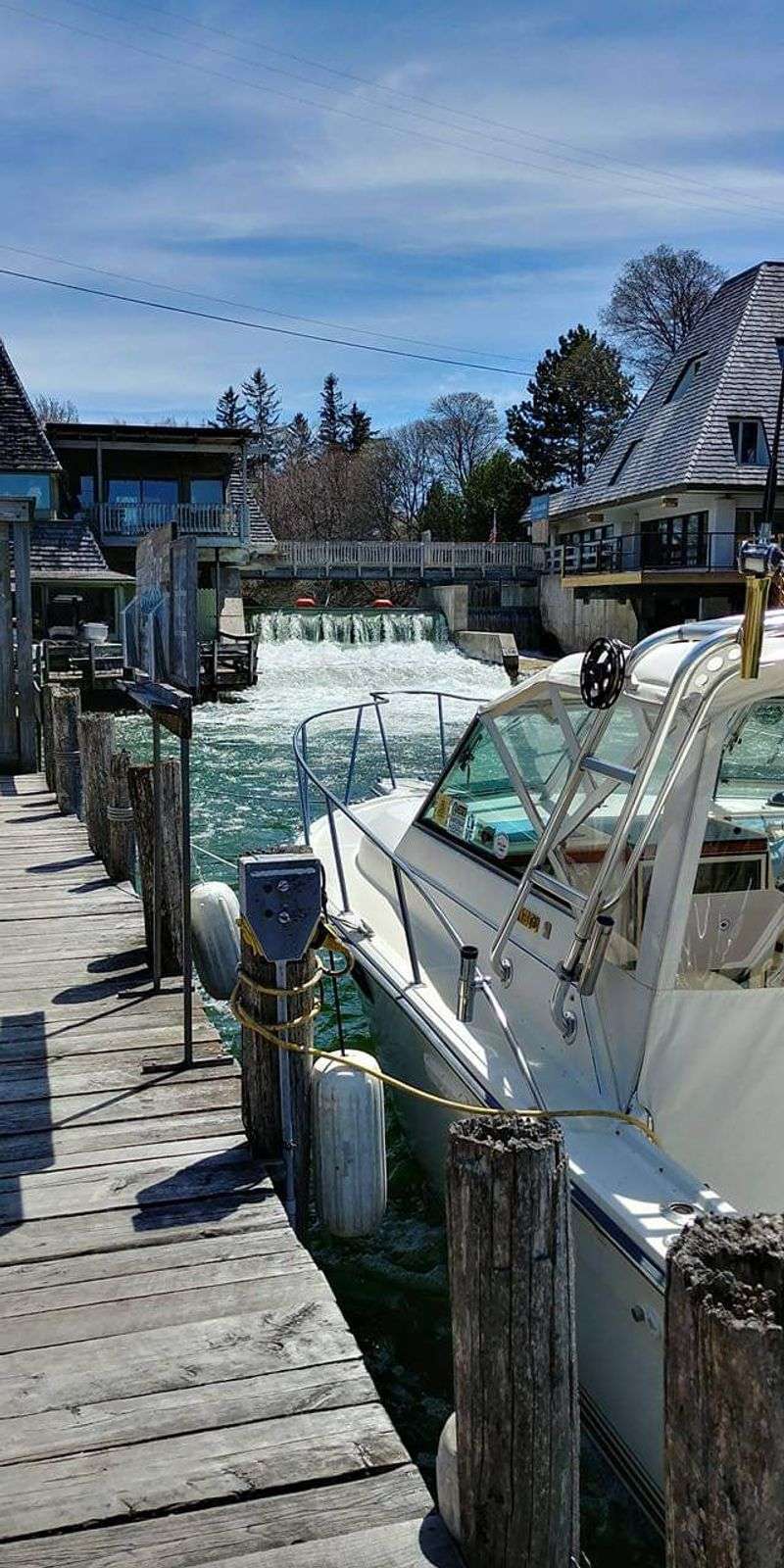
Fish shanties line the narrow channel like storybook panels, their cedar shakes silvered by decades of weather. The dam chatters in the background while charter boats edge out toward the Manitou Passage.
Smoked Whitefish perfume spills from open doors, and it makes the place feel both working and welcoming at once.
Leland’s Fishtown still runs as a working fishery and a preserved commercial district, an unusual combination that keeps it honest. Walk the plankways, mind uneven boards, and peek into the icehouse museum.
Parking can be tight in peak season, so circle patiently or arrive early, then get Whitefish Pate on crackers and eat it on the dock rail while gulls negotiate space.
Suttons Bay
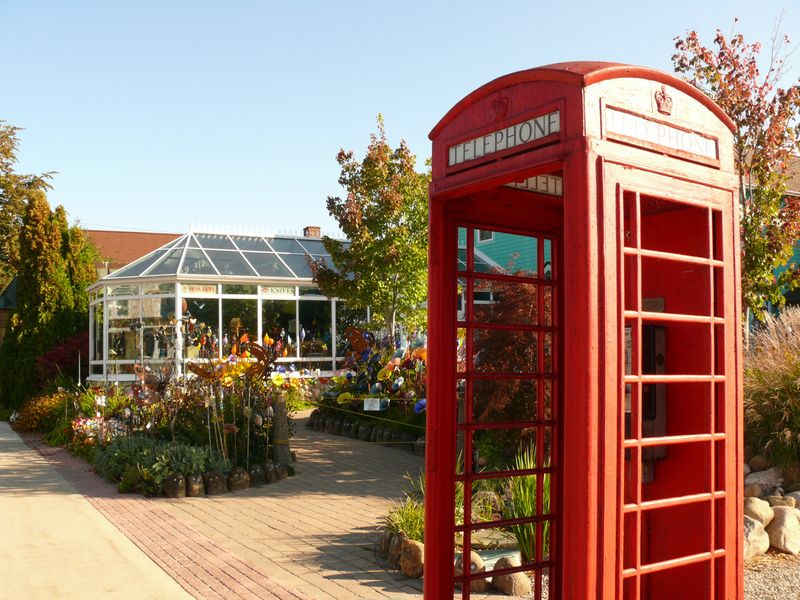
Shop windows reflect rows of vines on the hills behind town, and the bay rests like a shallow bowl of turquoise. Cafes hum without rushing, and murals add a bright wink to brick walls.
It is an easy place to walk and recalibrate after the drive, with a shoreline that always feels within reach.
Settled by fishing and strengthened by fruit, Suttons Bay leans into wine country today, with tasting rooms scattered across the Leelanau Peninsula. Consider a designated driver for a small loop of local vineyards, or stay in town and explore by foot.
Public beach access sits a short stroll from the main drag, and late afternoon is best when sailboats swing on their moorings and the light goes honey soft, like a well folded map.