
This Illinois Art Park Feels Like Walking Through A Dream
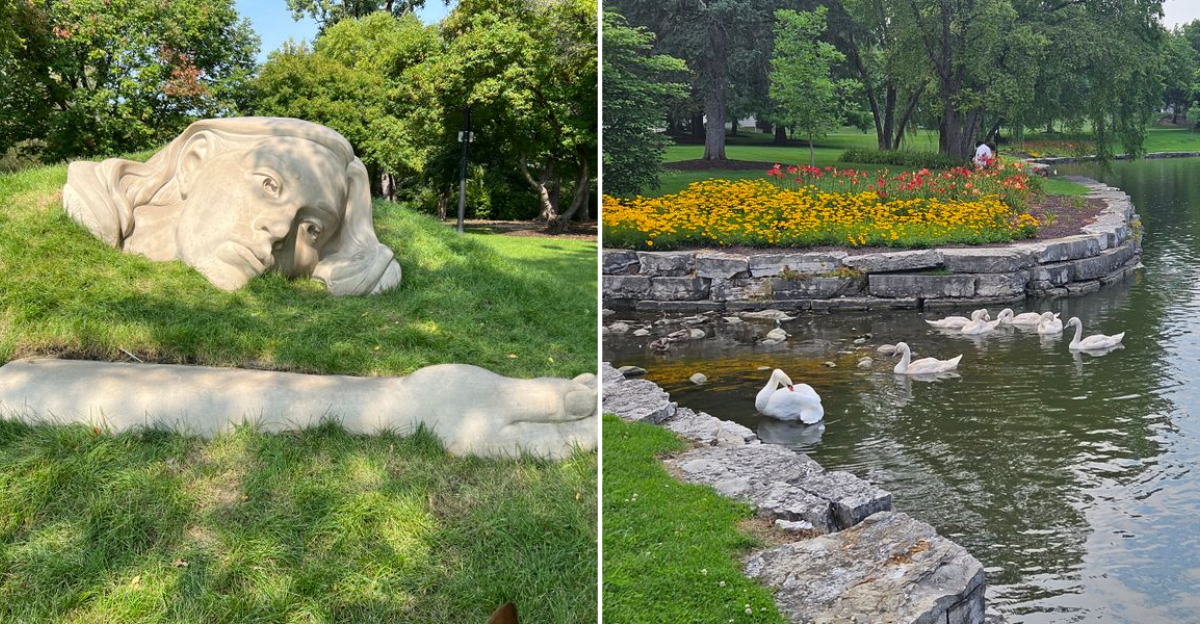
I didn’t come here looking for anything memorable. That’s probably why it worked.
Schaumburg Sculpture Park in Illinois has a way of lowering the volume without making a big deal about it. The first thing I noticed was the quiet between sounds. Wind moving through trees. Water sitting still longer than expected.
Then the sculptures started to register, not as objects to check off, but as shapes that changed depending on where I stood. One angle made sense.
Another didn’t. I kept circling back. I told myself I’d do one loop and leave. Instead, I slowed down. Stopped for no clear reason. Let my attention drift in a way it usually doesn’t.
The path didn’t push me forward or explain what to feel. It just let things unfold. By the time I headed back to the car, my thoughts felt lighter. Not fixed. Just quieter. And that’s harder to find than it sounds.
A Dreamlike First Impression
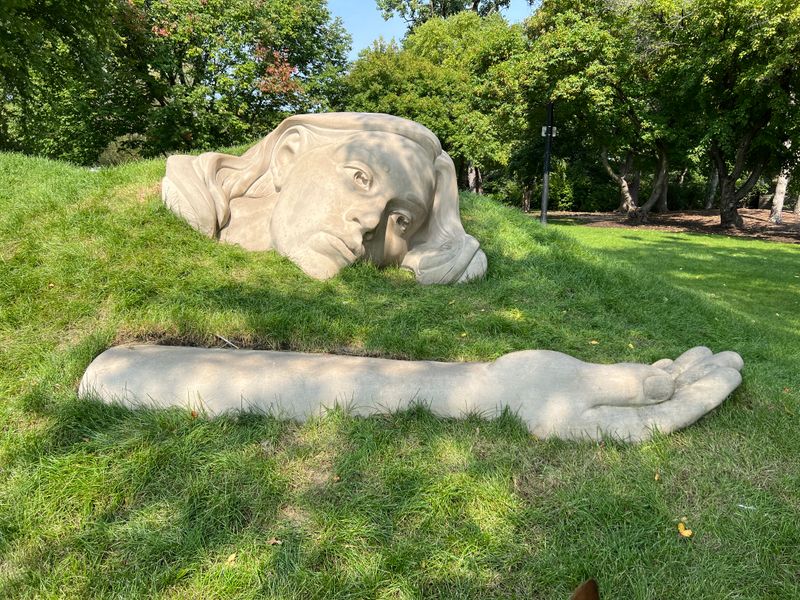
You step from the parking lot and the noise of suburban traffic fades, almost like someone turned a dial. A paved path slips between prairie grasses and maples, and first you hear birds, then your eyes catch angled steel, smooth stone, and a flash of water through the trees.
The space feels intimate without being small, like an outdoor gallery that forgot to put up walls.
Art leads you forward rather than signage bossing you around. At every bend, a new silhouette stakes its claim against the sky, and you cannot help slowing your pace.
The park is open year-round from sunrise to sunset, so early mornings are deliciously quiet, while late afternoon throws warm light that makes everything glow.
There is a simple joy in this layout. Sculptures sit close enough to read, far enough to breathe.
You can wander for 30 minutes or stay for two hours, looping the main paved path, then ducking onto a quieter woodland spur where leaves rustle underfoot and the city falls away.
Nordic Voices In The Midwest
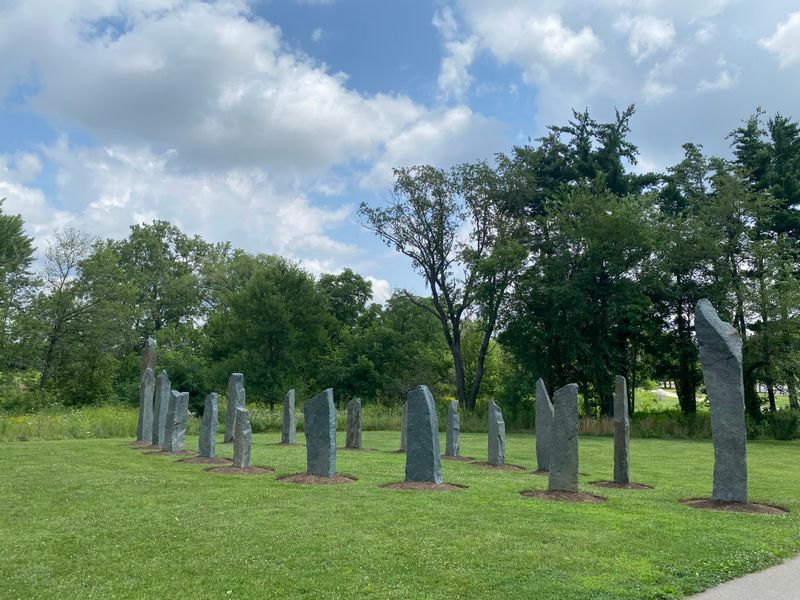
One of the quirkiest joys here is how the Midwest hosts a conversation with the Nordics. You will spot names from Iceland, Norway, Sweden, and Finland, their works cool and deliberate, resting among Illinois oaks.
It feels like a cultural handshake, Scandinavian restraint meeting Midwestern welcome.
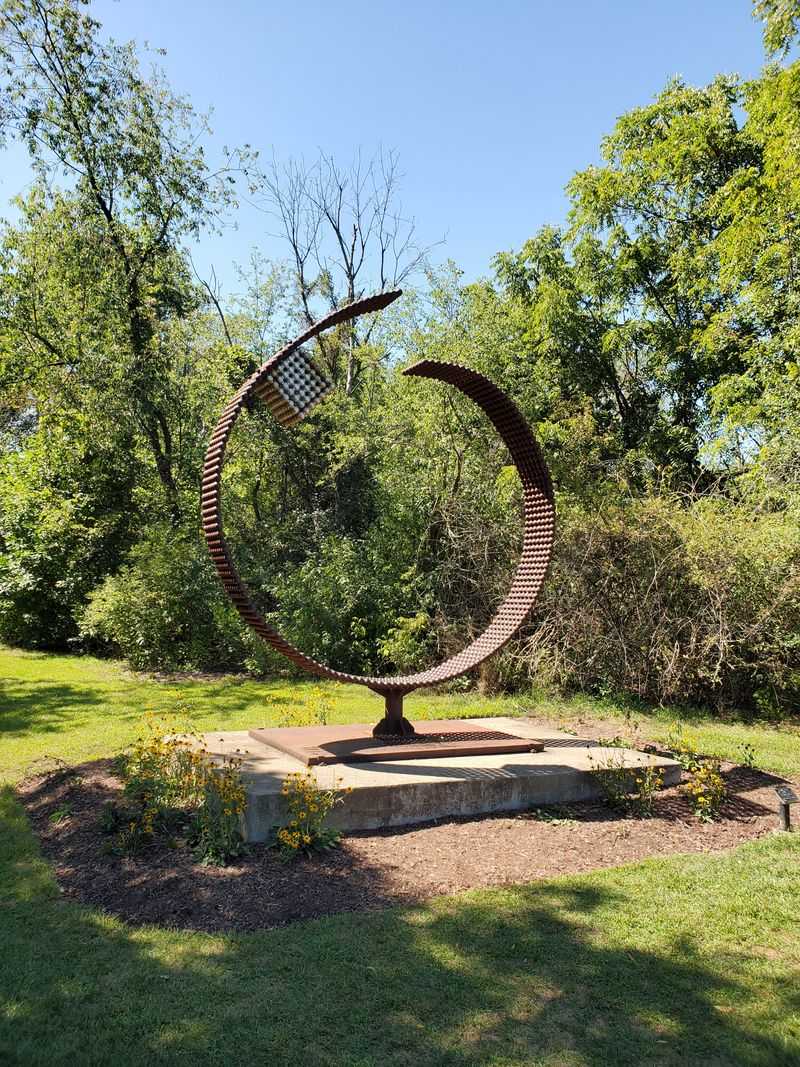
Many pieces reward patience. Stand close to a metal structure and edges align into hidden shapes.
Move a few steps and the composition opens like a camera aperture. Pieces from American artists join the exchange, creating a small but sincere international lineup that keeps your curiosity sharp.
Bring your phone and the park website to look up artist notes as you go. The site is not always easy to zoom, but it adds context without weighing you down.
When you read about methods, then step back to feel the wind slide through welded slits, the art stops being distant and starts being personal. That blend is rare and worth your time.
Follow The Path Like A Story
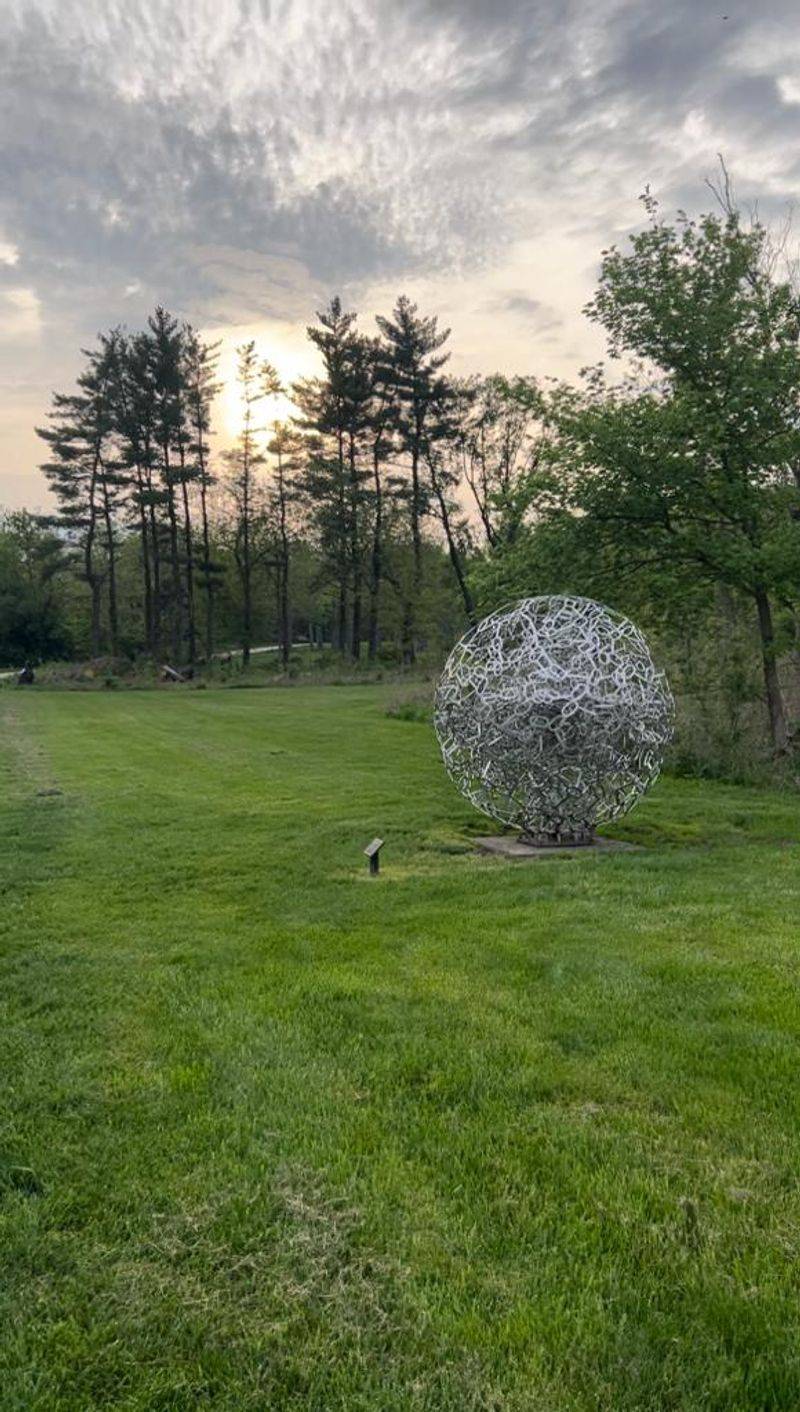
The main path is paved and gentle, looping past works at an easy strolling pace. Think of it like chapters, each curve bringing a fresh reveal.
You do not need to power walk here. Drift, pause, circle back.
The journey feels designed for discovery rather than efficiency.
Wayfinding can be simple, though the entrance signage sometimes nudges you the wrong way. No stress.
If a turn feels off, pivot. The park rewards detours with new angles and quieter corners.
I like to open the village website on my phone for the self guided notes and then pocket it so the sculptures can speak first.
Allow an hour if you enjoy reading plaques and contemplating shapes. Add another half hour if you plan to scan QR codes or hunt for the pieces tucked near the cultural center.
The loop is welcoming to most mobility levels, with benches sprinkled along the route. Your goal is not to finish, but to notice what the light does between stops.
Water, Birds, And The Hush Of Green
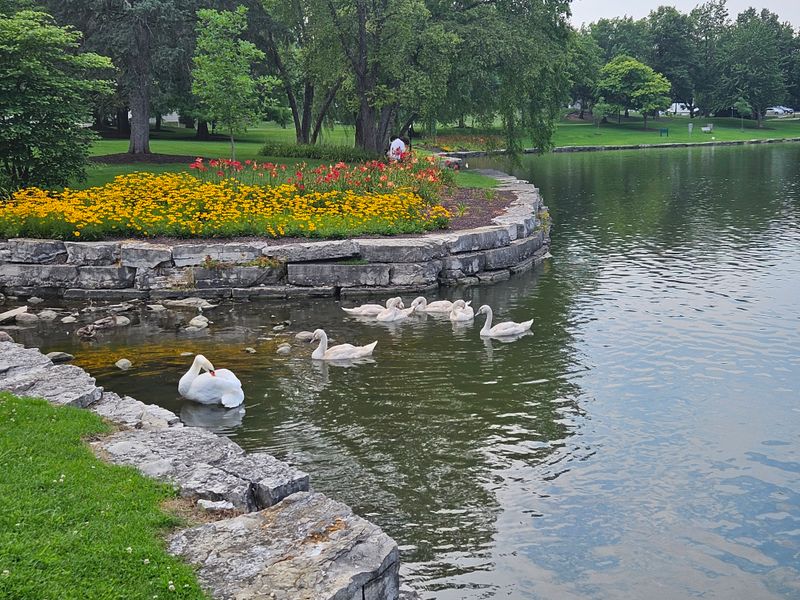
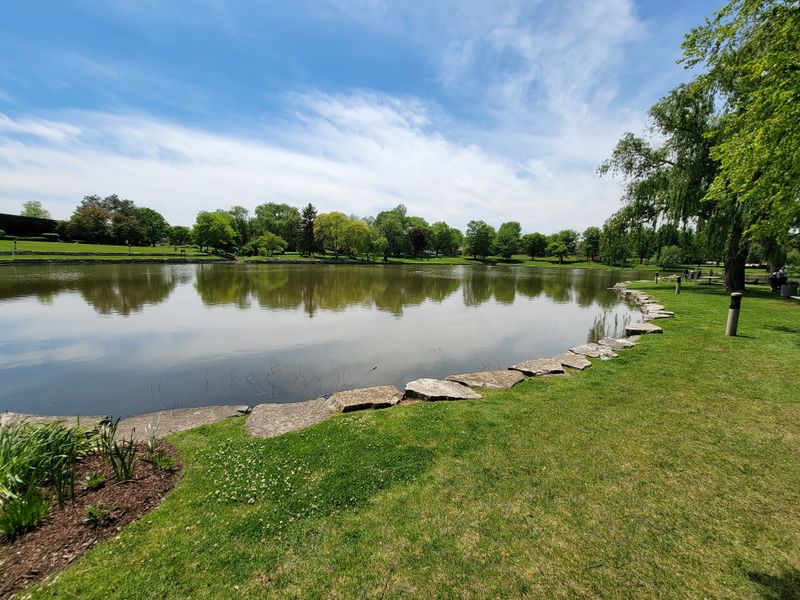
Just when you are sure the park is about steel and stone, water arrives. A pond glints between cattails, and birds stitch the air with bright calls.
Reviews often mention swans, which are typically present from early spring through fall, alongside other waterfowl tracing casual figure eights as if they are curators of the shoreline.
There is a changing soundtrack here. Wind slides across the surface, leaves shake, and footsteps soften on the path.
If construction is happening nearby, it briefly edges into the mix, but the pond usually calms everything by simple presence. The reflections double the sculptures, creating accidental installations that shift with each cloud.
Take a minute to just stand, breathe, and watch. This is the park’s reset button.
In winter, icy patterns draw quiet lines. In spring, the edges green up and the first songs return.
Summer adds warmth and dragonflies. Come fall, the color swing is dramatic, and the water mirrors the whole show.
It is easy to see why people linger.
Insider Tips For Smooth Exploring
The park is open daily from sunrise to sunset, which is a gift. Early mornings bring soft light and almost no crowd.
Evenings can be lovely, though bring a flashlight for the walk back if you plan to stay until closing light fades. There is no admission fee.
Think of it as a free, open-air museum that trusts you to wander kindly.
Parking is easy and close, which makes this a quick add to any schedule. Weekdays see fewer people.
Weekend afternoons feel busier but still peaceful. Dogs are allowed on leash except during festivals or special events, which are clearly posted.
Wear comfy shoes for paved paths and optional woodland detours.
Accessibility matters here. The main route is friendly for wheels, while the woodland spur can be uneven.
Bring bug spray in warm months, sunscreen in bright seasons, and layers for breezy days. If you want the place nearly to yourself, arrive within the first hour after sunrise.
The sculptures seem to wake up with you.
History Woven Lightly Into The Walk
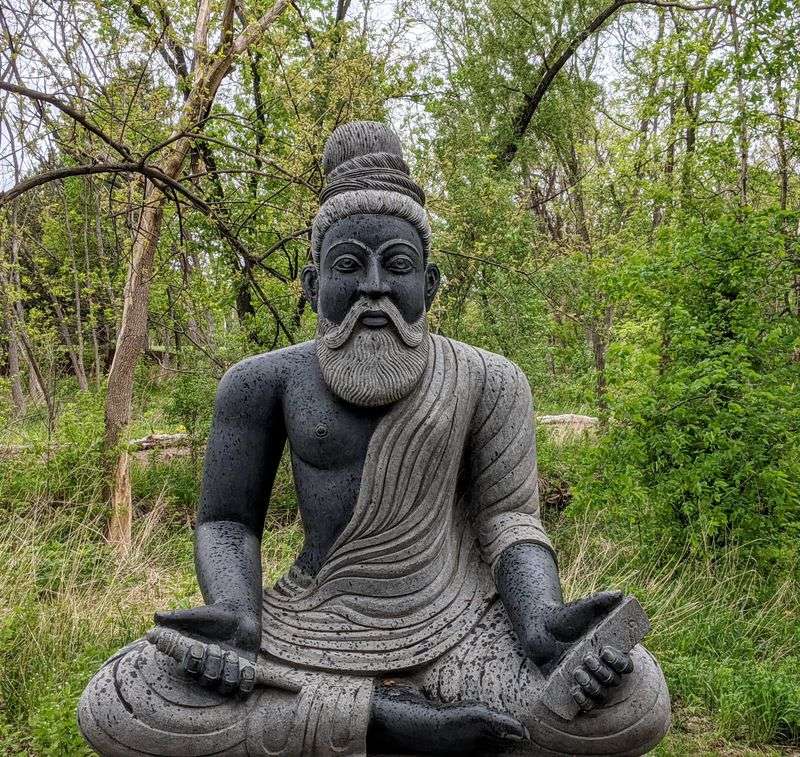
There is no heavy lecture here, just breadcrumbs of history that make the stroll richer. Many plaques list artist, material, and year, and the village website fills in stories about commissions and themes.
You will learn how certain pieces traveled, how others were sited to catch a precise slant of sun, and why minimalism thrives outdoors.
What stands out is curation that respects your time. Works are spaced to breathe, and you sense how the collection evolved with grants, partnerships, and a regional love for public art.
The Nordic presence hints at cultural exchanges that stretch beyond Chicago’s skyline and into shared values about design and nature.
If a date or detail is missing, do not sweat it. The park does not pretend to be encyclopedic.
It wants you to experience, then get curious. Read later, perhaps with a coffee, scrolling through the online guide.
You will remember more that way because the learning is tied to a breeze, a shadow, and that particular shape you could not forget.
The Woodland Trail Detour
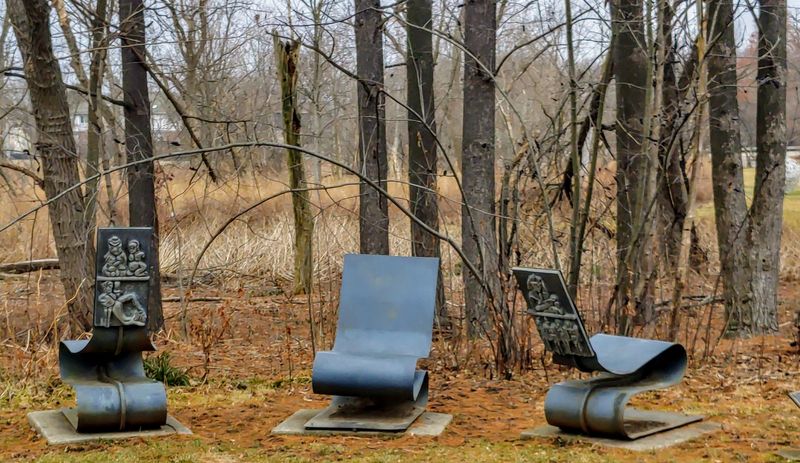
When the paved loop has you relaxed, duck into the woodland trail. The ground shifts to wood chips, the air cools, and the scent of earth rises.
It is not long, but it changes your rhythm. Birds chatter above, squirrels sprint diagonally like commuters late for a meeting, and the art peeks through branches like a secret.
This spur is less accessible for strollers or wheelchairs, so choose what suits your day. If you do step in, you will feel the contrast immediately.
The open lawn gallery becomes an intimate green tunnel, and your footsteps go soft. It is a different kind of looking, slower and private.
In summer, shade gives you stamina. In autumn, leaves gather in copper drifts, and every crunch punctuates your thoughts.
Winter pares it back to silhouettes, and spring paints everything with fresh lime. The trail sends you back to the main path reset and ready, proof that short detours can refresh an entire visit.
Finding The Outliers
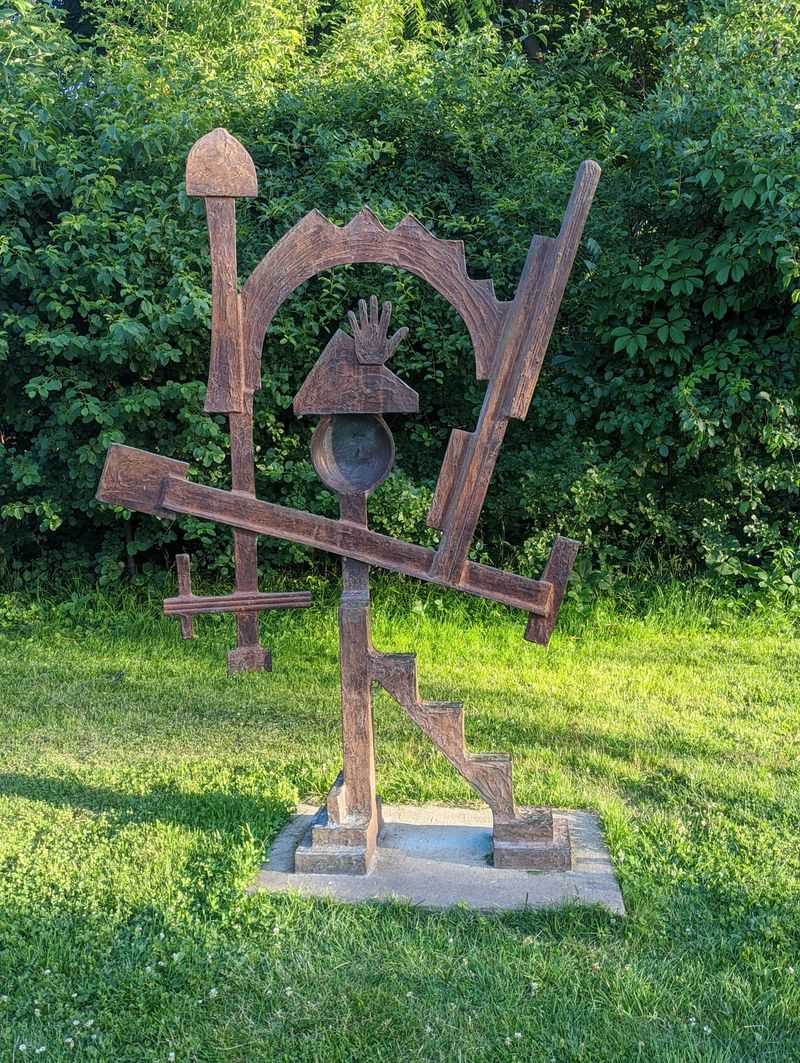
A few pieces sit beyond the obvious loop, near the performing arts and cultural buildings. Reviews mention missing them on a first pass, and I have done that too.
The trick is to keep a casual eye on the website map, then physically scout around the building edges. These outliers reward the extra steps with fresh forms and quieter space.
It is not a complicated hunt, but the route is not always signed like a museum. Take it as part of the game.
If you are with kids, turn it into a mini quest. Snap a photo when you find each one and let them announce the discovery like guides in training.
During ongoing park improvements through spring 2026, a few sculptures may be temporarily relocated or off-site for restoration, so the map can shift slightly.
You will leave feeling like you saw the whole conversation, not just the loudest voice.
Seasons That Rewrite The Art
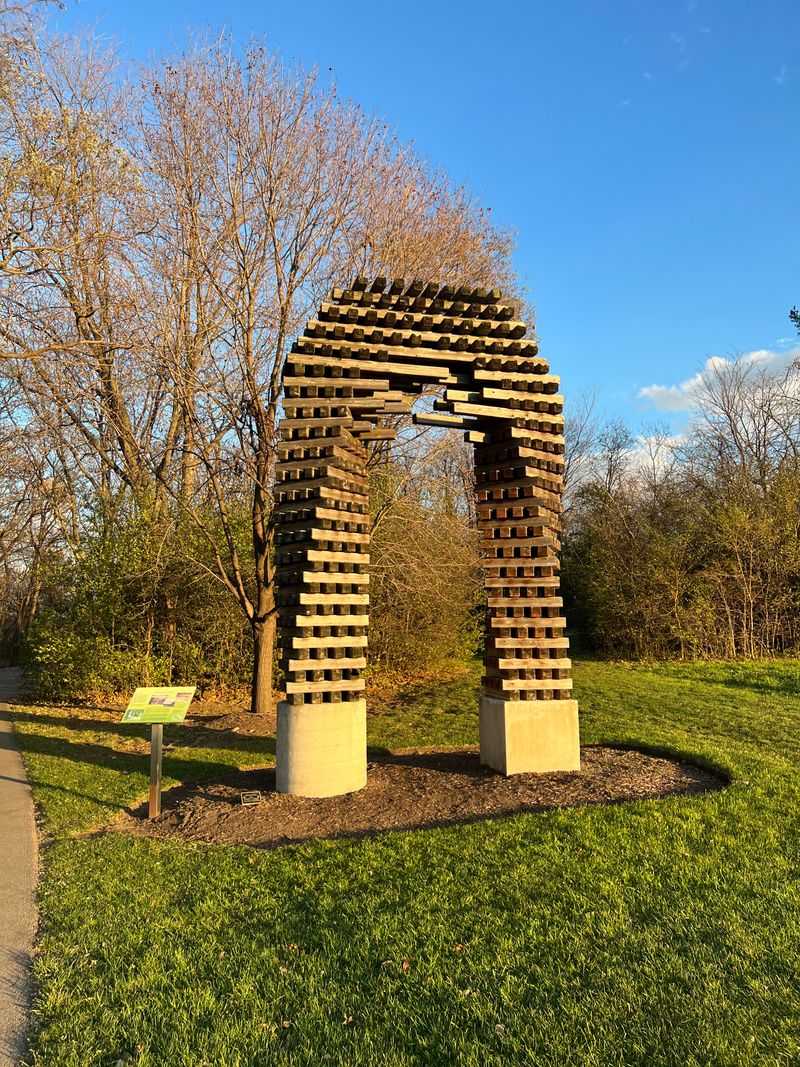
Visit once and you will think you have it. Visit in another season and realize the park shapeshifts.
Winter carves the forms into sharp relief, snow outlining welds like chalk. Spring softens everything with buds and birdsong.
Summer turns the lawn into a green carpet and adds the hum of insects. Fall catches fire, and the metal looks warm against a riot of leaves.
Because it is open 24 hours, dawn and dusk become their own seasons. Morning light is gentle and sincere.
Sunset throws amber bands that stretch sculptures like long shadows in a film. After a rain, puddles add surprise mirrors, and textures pop under cloud cover.
If you love photography, this is your playground. Bring a simple lens and let the weather choose your mood.
Do not fight it. Work with wind, overcast, or glare.
The same piece can be meditative one day and dramatic the next, and that variety keeps locals returning like it is a new exhibit every time.
Practical Comforts And Nearby Pauses
Comfort matters when you wander. Public restrooms may be available inside the nearby Prairie Center for the Arts during building hours, which are typically weekdays and daytime hours.
Benches appear often, especially near shade and views. Parking sits close, usually plentiful, and free at the time of writing.
You can pop in for a quick loop between errands or settle in with a book on a slow afternoon.
Picnics fit the mood. Pack something simple and a trash bag to keep the space tidy.
If you plan a longer day, Schaumburg’s restaurants and coffee spots are minutes away, so you can refuel and circle back for golden hour. Keep an eye out for any posted event signs that may affect dog access.
For families, the paths feel safe and open, with enough turns to keep kids curious. For solo walkers, the vibe is calm and friendly.
If you need to decompress, this is a low effort, high reward option. You leave lighter than you arrived, which might be the highest compliment a park can earn.
Why It Sticks With You
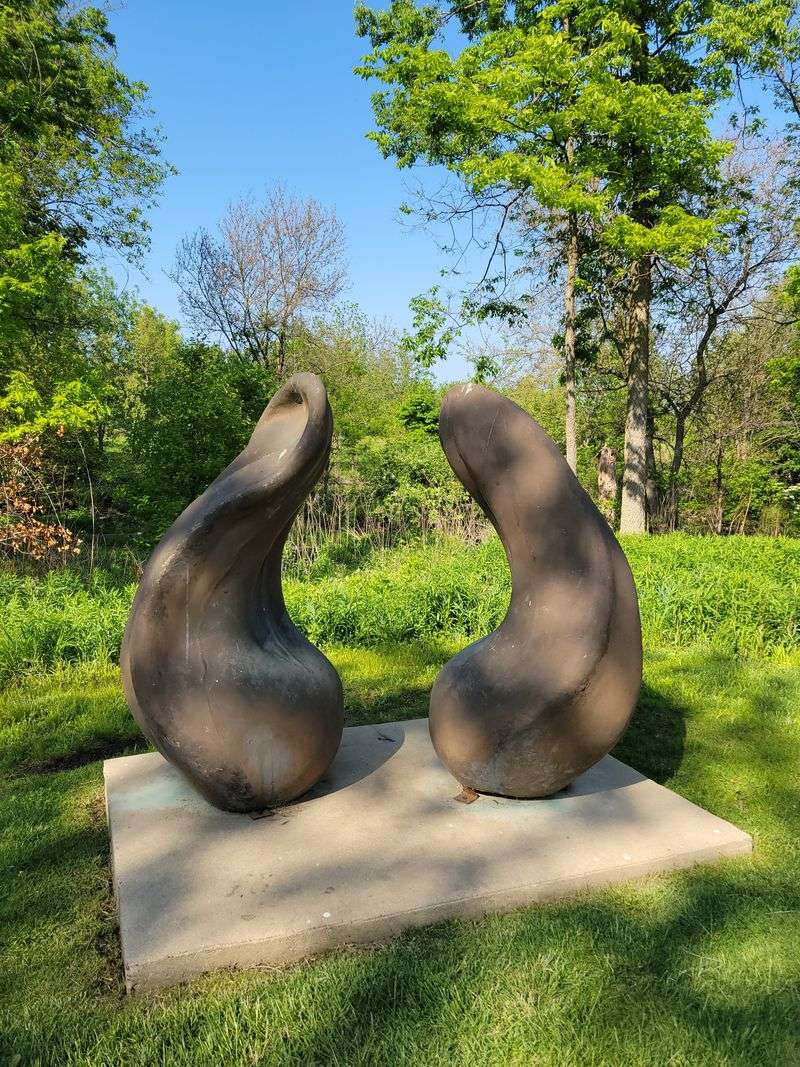
Some parks entertain you for an hour. This one changes your tempo.
The art is not showy. It is steady and thoughtful, meeting you at eye level without needing a crowd.
You feel seen by quiet forms and unbothered space, and that is refreshing in a region where life tends to hurry.
There is value in a place that asks for attention but not performance. You bring your own interpretation and leave with a clearer head.
Maybe you came for steps on your fitness tracker. Maybe you wanted inspiration for a project.
You get both, plus the bonus of wind and water doing their small miracles.
On the way back to the car, you will look over your shoulder and catch one last angle that makes the whole walk click. That moment is the hook.
It pulls you back on another day, in different shoes, under a different sky. And the dream starts again at the first bend.