
This Award-Winning Italian Restaurant In Traverse City, Michigan, Lets You Dine In An Underground Former Asylum
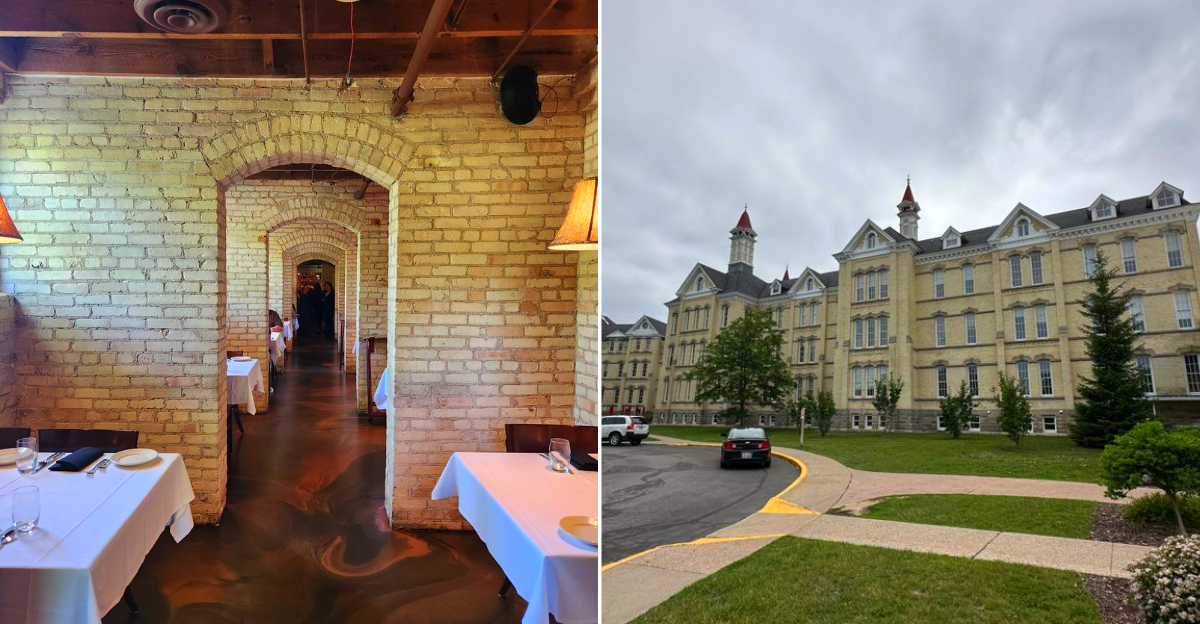
Descending into the brick-lined bowels of the former Northern Michigan Asylum, you’ll find that the air at Trattoria Stella has traded institutional chill for the intoxicating perfume of roasting garlic and simmering San Marzano tomatoes.
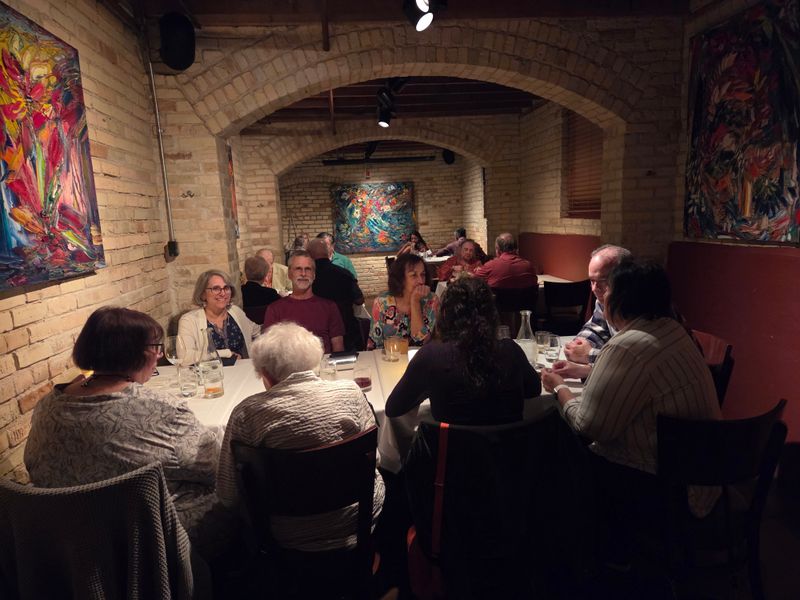
The atmosphere is a delicious paradox: vaulted stone ceilings that swallow sound and an open kitchen that provides a rhythmic, percussive soundtrack of clanging copper and sizzling pancetta.
The cool, damp scent of the historic masonry meets the warm, yeasty embrace of fresh focaccia, creating a sensory hug that demands you lean in close.
Michigan foodies consider this Traverse City gem the gold standard for authentic Italian dining, where farm-to-table ingredients meet a historic, subterranean atmosphere unlike anywhere else in the Midwest.
Every plate is a localized love letter to Italy, shifting daily with the whims of the harvest. To master this underground sanctuary, follow these tips to navigate the menu and secure your spot in the cellar.
Arrive Early To Feel The Cellar Breathe
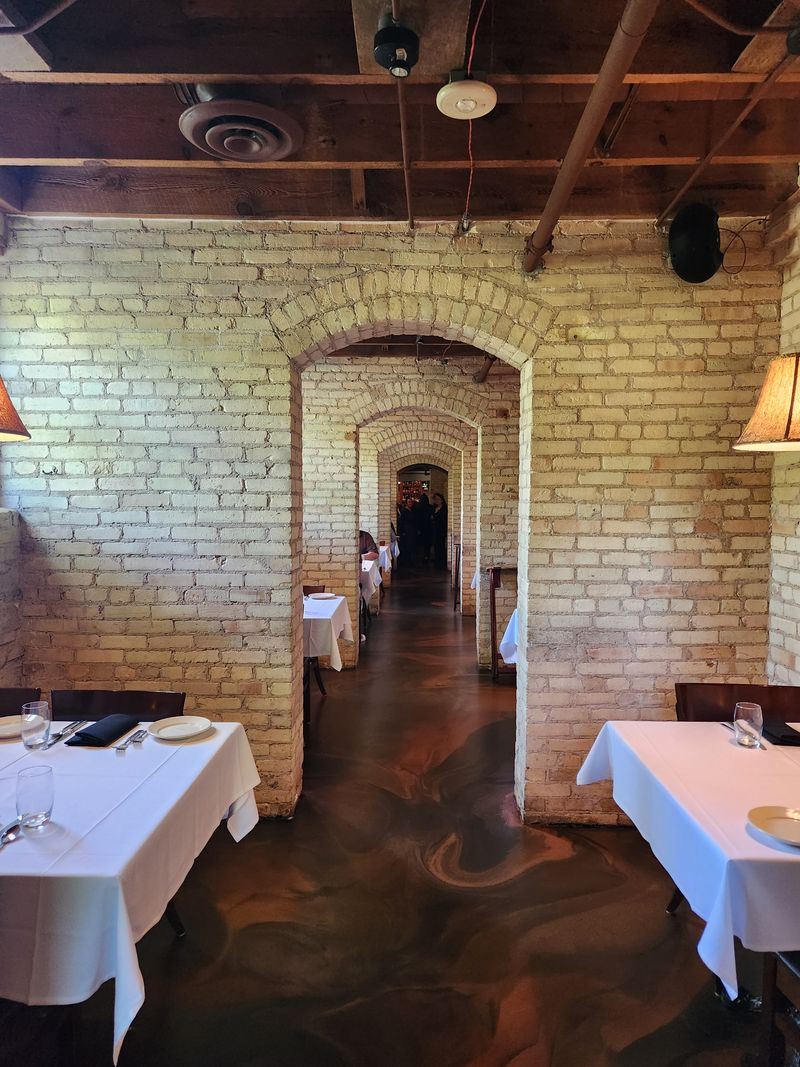
The hallway leading to the entrance smells faintly of old brick and rising dough, a pleasing contrast that sets expectations without shouting. As you enter, the lights glow low, and conversation carries softly under the curved ceiling, making the room feel like a keeping place for a century of stories.
You settle in and notice how the space naturally slows you down, encouraging you to linger over your wine and truly inhabit the moment. It is best to start your journey with the warm house bread, accompanied by high quality olive oil and a splash of balsamic, a small ritual that proves the kitchen cares about the fundamentals.
Textures matter immensely here, so pay attention to the contrast between the crust and the crumb. Ask your server what just arrived from local farms that morning, since the menu is printed nightly to reflect the freshest availability, and you will feel grounded before the first plate lands.
Order The Ravioli When It Appears
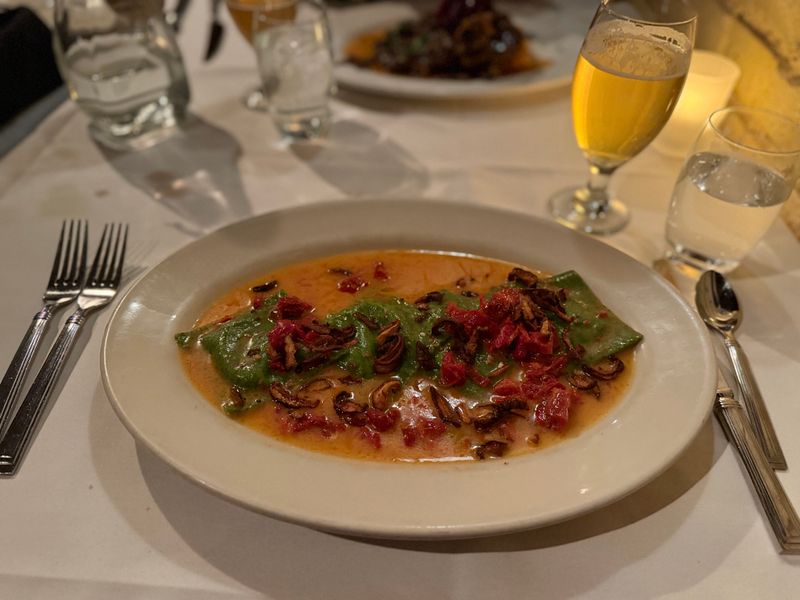
Silky pasta pillows have earned a legendary reputation at Trattoria Stella, and for good reason. While the filling changes, ranging from delicate whipped cheeses to tender, long braised meats, balance remains the unwavering throughline.
The sauces are designed to cling rather than drown, letting the hand stretched dough speak for itself. Because the menu prints daily, seeing the Ravioli listed is your cue to act, since consistency is strong but seasonal variation is the reason repeat visits stay exciting.
If you are sharing, ask for extra spoons to swipe the last puddle of sauce. Photograph the plate quickly, then dive in while it’s hot so the texture stays perfect, and expect the table to go quiet for a moment.
Watch For The Maltagliati And Other Shapes
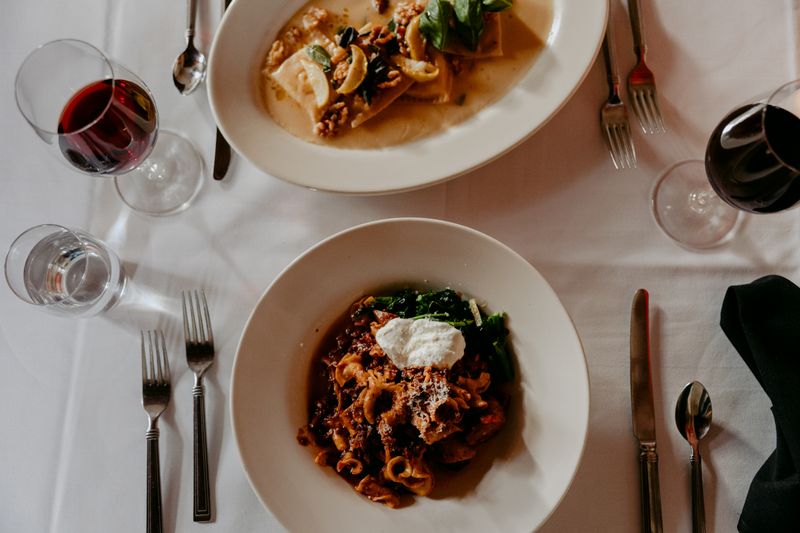
Jagged ribbons of Maltagliati often arrive with a distinct character, their uneven edges catching sauce in a way that feels intentional rather than accidental. Texture leads the conversation here, and you’ll notice how every cut of the knife gives a slightly different mouthfeel.
The dish reads rustic, yet it finishes with the finesse of a high end kitchen. Stella’s pasta program shifts with the seasons, reflecting a farm to table mindset that is baked into the restaurant’s identity, and Maltagliati itself nods to a thrifty tradition of using “badly cut” scraps well.
Before you settle on a main, ask what the day’s pasta shape is and how it is being sauced. Many visitors split a pasta course before entrees to experience range without filling up too fast, and it leaves room for a second surprise later.
Lean Into The Scallops When Listed
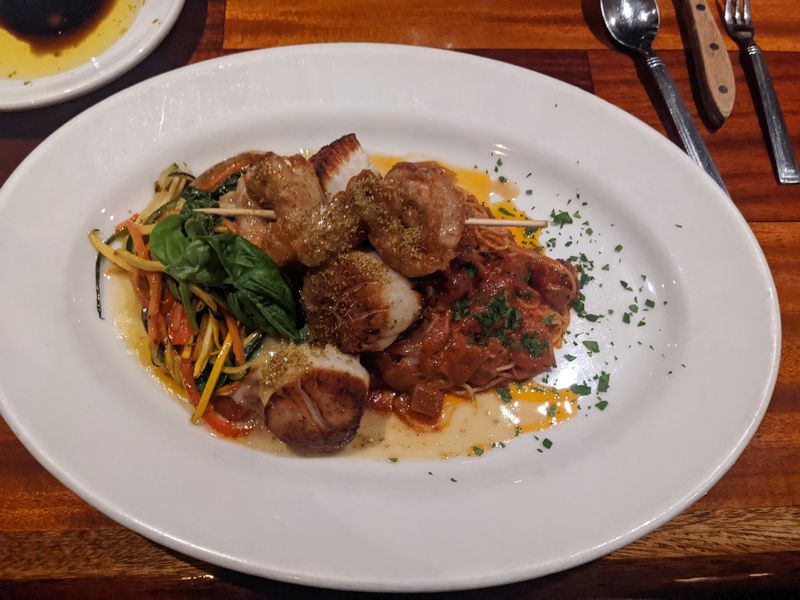
A faint, buttery sear crackles before your fork breaks the surface of the Scallops, releasing a sweetness that tastes like clean sea air. Plate composition at Stella tends to be restrained, giving the seafood and the local vegetables space to shine.
That restraint reads as confidence, and the kitchen’s approach respects technique first, then adds seasonal flourishes. These Scallops show up regularly in glowing reviews, typically cooked to an opal translucency in the middle, which is why they feel like a safe bet when the menu offers them.
Since garnishes change with what farmers bring to the back door, ask about sourcing and the day’s accompaniments. Order family style if you want range, but try one bite solo before mixing with sides so you can register the baseline quality of the sear.
Consider The Wild Boar And Other Hearty Specials
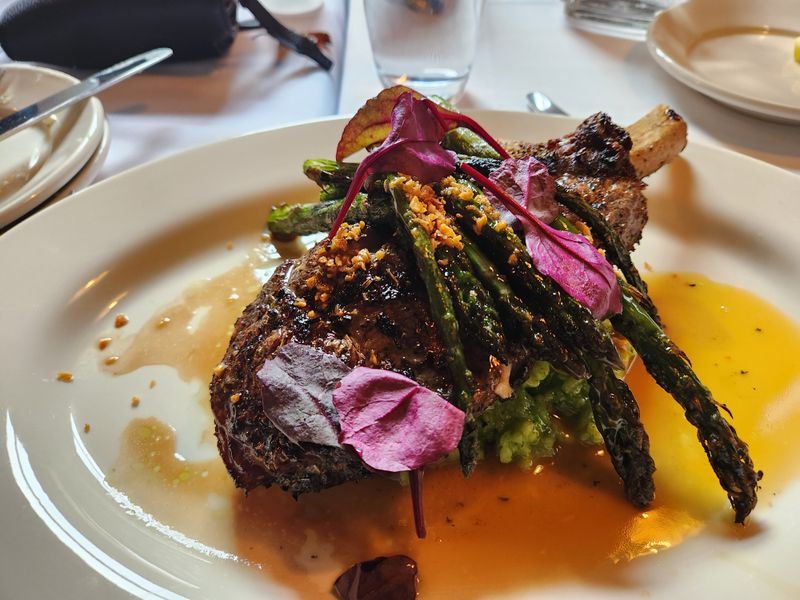
On cooler Traverse City nights, the underground room seems to hold heat near the floor, making richer, heartier dishes feel natural. Wild Boar frequently appears as a special, sometimes braised until it yields at the touch of a fork, other times ground into a robust Ragù.
The flavor leans savory and gently wild without pushing into harsh gaminess, and there is a certain historical poetry in choosing heritage meats in a farm driven restaurant. Check the daily menu print for specifics and ask about cooking time, because these sauces tend to show the patience of a long, slow simmer.
The table reaction is often appreciative silence, slow nods and bread swipes. If you are splitting plates, pair the boar with a bright, acidic salad to lift the whole set, and you will leave comfortably full rather than heavy.
Do Not Skip The White Pizza Starter
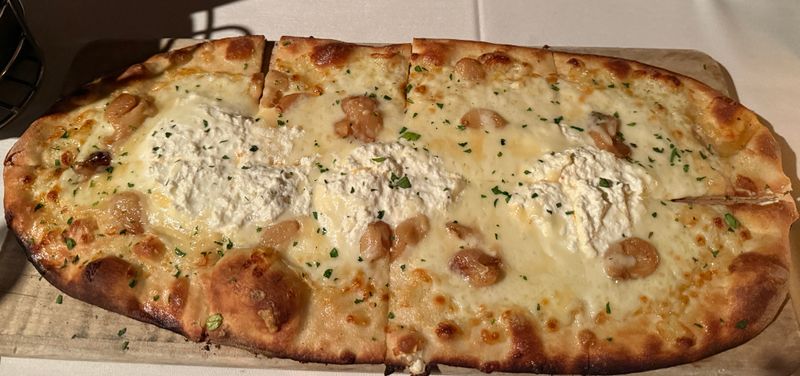
A pale, hand stretched round lands blistered and fragrant, with fresh herbs pushing up through the warmth like garden breath. The White Pizza is deceptively simple, which is exactly why it works, because salt, high quality fat, and intense heat stay in constant conversation.
While the menu rotates, this pie returns often enough that it is worth watching for it. Pizza Bianca historically served as a way to test a baker’s oven, and that humble, pleasing spirit still fits this cellar setting.
If you like a small kick to cut through richness, ask for a side of the house made hot sauce. Many guests share this as a warm up before heavier courses, and sharing a couple slices with a fresh salad helps the table keep an easy pace.
Let The Server Guide Your Path

Because the menus change daily, the staff’s fluency becomes part of the meal. You will notice quick, specific answers about how a sauce is built, what is most seasonal, and which items travel well as leftovers.
The service culture feels collaborative and genuine, not salesy, and that steadiness is part of why Trattoria Stella has lasted inside The Village at Grand Traverse Commons. The building’s history as an asylum is evident in every brick, but the guidance you get at the table is modern and pragmatic.
Ask about kitchen pacing on busy weekend nights so your courses land the way you want them. Many regulars reserve for the 5 PM opening, because it avoids the first rush and gives you first pick of specials before they sell out.
Chase The Seasonal Vegetables And Salads
First bites crackle with freshness when local Michigan farms are at peak season. A salad at Stella rarely feels like an obligation, because it often becomes the brightest, most vibrant moment on the table.
Dressings land with light intention, never sticky or loud enough to drown out the greens. Farm partnerships are the backbone of the menu, and the daily print often shows which growers supplied your greens that afternoon, which makes the “farm to table” claim feel concrete.
Regulars commonly order one salad for the table, then order a second once it disappears. Pair crisp greens with a richer, meat heavy pasta and you get balance that leaves you satisfied, not weighed down.
Respect The Pacing And Reserve Ahead

The stone walls and low ceilings invite a slower cadence that suits multi course dining. You can feel time stretch a bit as you descend, and it matches the deliberate nature of handmade cooking, so it helps to lean into the atmosphere rather than watching the clock.
Because Trattoria Stella sits in a redeveloped historic site, it remains one of the most popular draws in the area. Reservations are practically mandatory, especially Thursday through Monday between 5 PM and 9 PM, and planning ahead saves you from hovering at the host stand.
Note that the restaurant is currently closed on Tuesdays and has limited hours otherwise. After your meal, plan a short walk through the brick corridors of the Commons, since it resets the senses and lets the architecture land before you head back into night air.
Finish With A Thoughtful Dessert
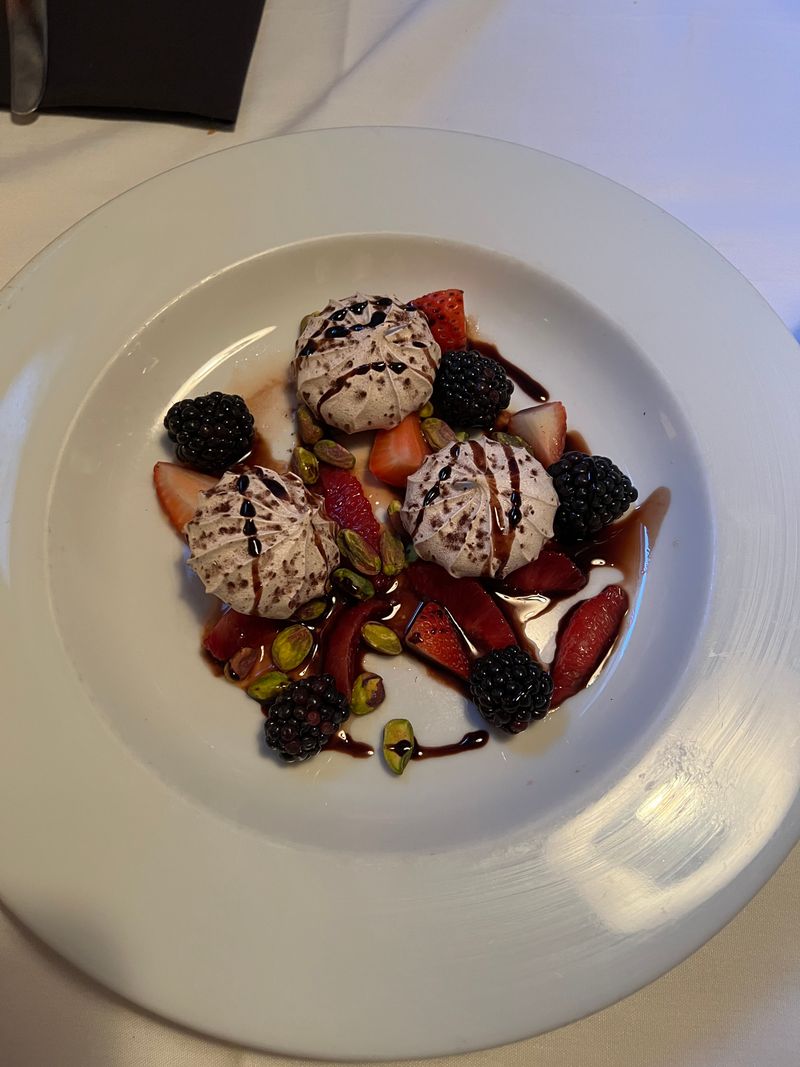
Sweet endings here avoid the typical sugar bomb, leaning instead toward a measured play on texture and temperature. The Pavlova is a frequent favorite, crisp outside and pillowy in the center, often topped with seasonal fruit that changes the tone from night to night.
On other evenings you may see artisan bon bons or a fall spiced cake that tastes like a Michigan autumn distilled. In these desserts, technique meets restraint again, and because the options rotate with the daily menu it is worth asking what the pastry kitchen is most excited about.
Staff tend to be refreshingly frank when something is extra special. A common move is splitting two contrasting desserts, one creamy and one crisp, and you will leave with the sense that nothing in the meal was accidental, least of all the final bite.