
23 Old California Dinner Table Rules That Defined Family Meals In The 1960s
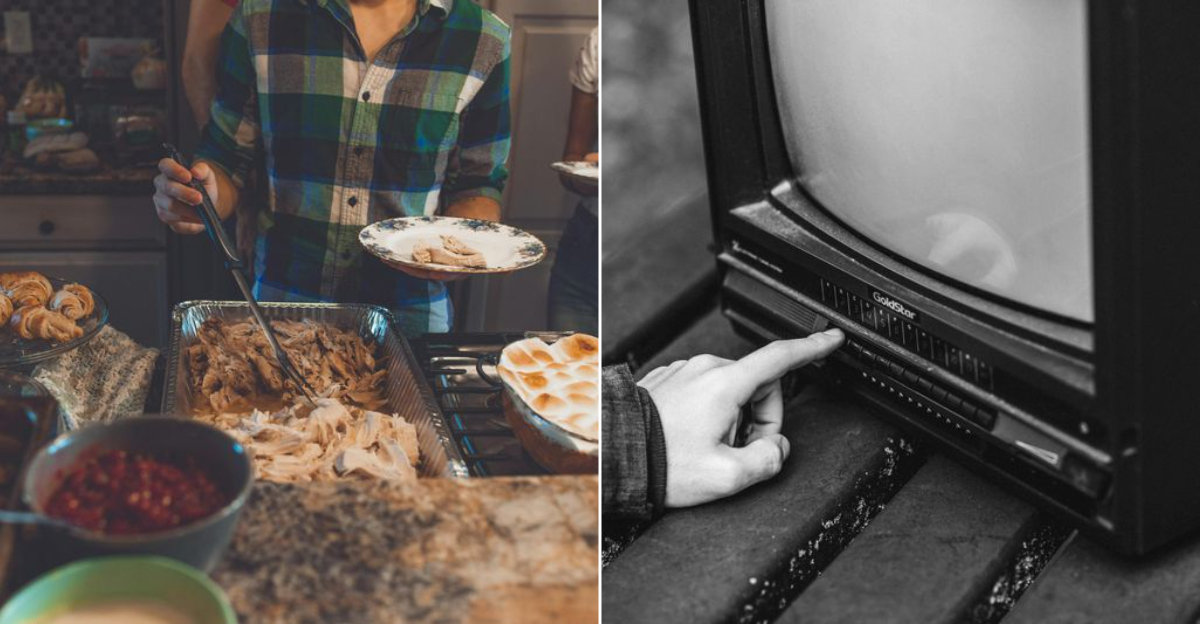
Growing up in California in the 1960s, dinner always felt like coming home, even when I had never gone anywhere. Long before nostalgia had a soundtrack, our family table had rules, and I learned them by heart. Sit down together.
Pass the plates. Listen more than you spoke.
Those meals didn’t rush you. They held you.
Now, years later, I found myself thinking about those rules the way a familiar song sneaks up on you. Warm, a little bittersweet, impossible to forget. The kind of feeling that makes you want to rewind time, back to a table where everyone showed up and no one scrolled away.
Back to when dinner meant presence, not just food. We grew up better for it.
Kinder. More patient.
More grounded. And sometimes I can’t help thinking that if today’s kids had a few of those old California dinner-table rules, they’d grow up with that same quiet sense of belonging. The kind you spend the rest of your life trying to come home to.
1. Everyone Washed Up Before Dinner

Before dinner, you washed your hands like a surgeon, no exceptions. The hallway bathroom always smelled of Ivory soap and warm tile, and mom didn’t negotiate.
Try sneaking to the table with dusty palms? Back to the sink you went.
Clean hands weren’t just hygiene, they were respect.
That ritual marked the switch from chaos to calm, like flipping a hidden light in your brain. I’d race my brother to twist the separate hot and cold faucets, then pat my face dry just to feel composed.
By the time we reached our chairs, we were in dinner mode, softened by steam, scrubbed of playground grit.
You could argue you weren’t that dirty, but the rule didn’t care. It tied us to the food, to the people who made it, and to the quiet magic of showing up.
Wash, dry, breathe, sit, and suddenly everything tasted better, because you had honored it first.
2. Dinner Started When The Father Sat Down
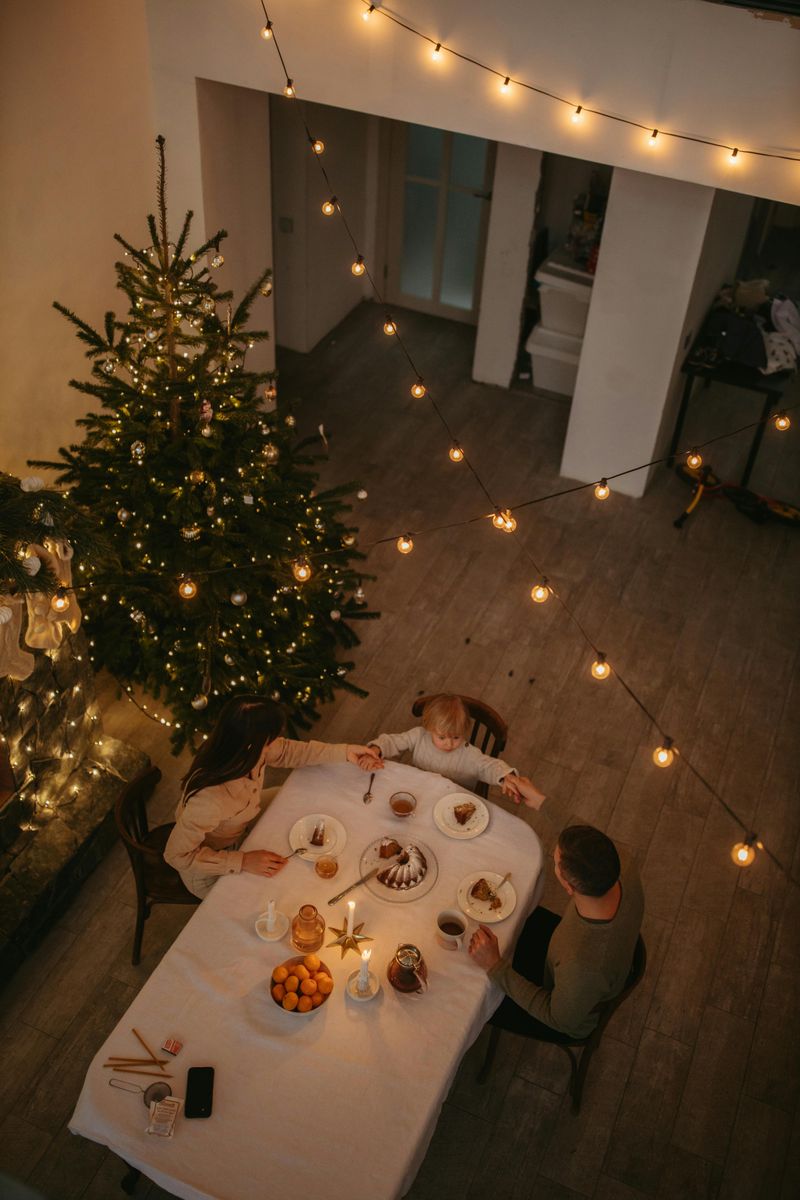
The cue to begin wasn’t a kitchen timer. It was Dad’s chair creak.
You could hear his shoes cross the linoleum like the opening note of a song, and as soon as he settled, the entire table let out a collective exhale.
He came home from work with a halo of city dust on his cuffs, but his arrival snapped the day into focus. We didn’t lift a fork before he did, not out of fear, but because tradition had its own gravity in that little dining room.
That first bite carried ceremony, like the salad had been waiting for a conductor’s baton.
I learned patience in those seconds, eyes on my plate, hands still. And even now, every shared meal waits for a silent signal.
Somehow, food tastes better when someone anchors the start, and maybe that’s why I still think of those old California dinners as the truest definition of coming home.
3. You Asked To Be Excused
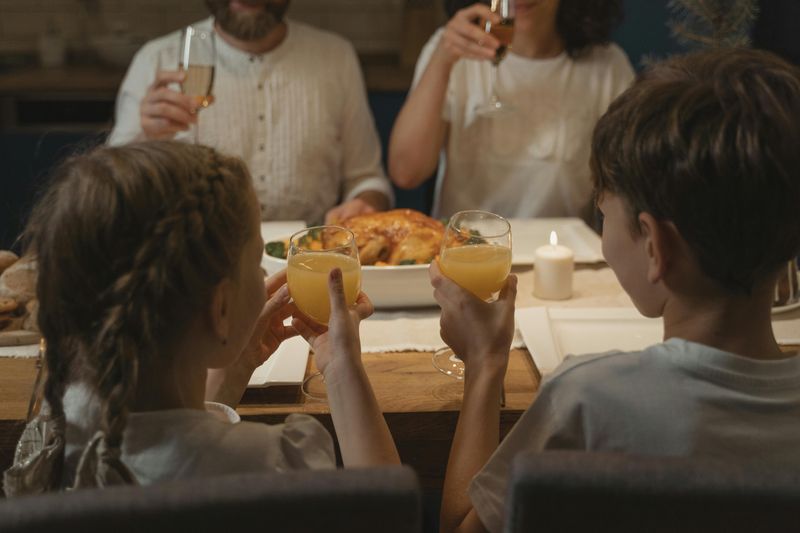
Leaving the table meant asking for permission, like stepping off a stage between acts. I waited for the lull in conversation, then tried my luck with a polite, “May I be excused?”
Sometimes Mom made me stay two more minutes, because lingering was part of digestion, and courtesy. It taught me to respect the shared time, even when homework or a transistor radio called my name from the bedroom.
The table was a small theater, and exits were marked by manners, not impulse.
Even now, I feel that tug when I gather plates after a meal, checking in before standing. It keeps dinners from unraveling into scattered footsteps and abandoned chairs.
Asking to be excused turns a personal decision into a communal moment, and that pause still tastes like the last crumb of cornbread. A quiet reminder of those California nights when coming home meant slowing down together.
4. Elbows Stayed Off The Table
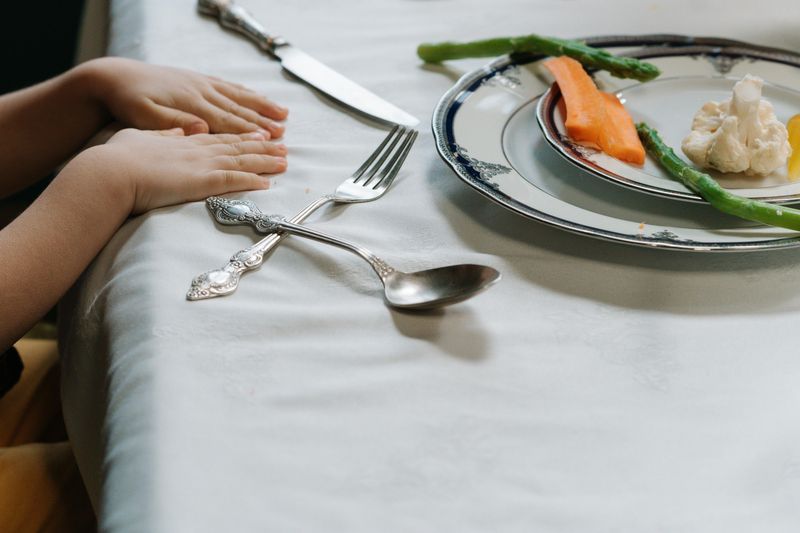
Elbows on the table set off a mild household alarm, like a squeaky screen door you couldn’t ignore. My grandmother’s voice traveled across the dining room whenever she saw bad posture.
She said elbows dragged plates toward disaster and made conversation feel crowded.
I learned to hover my forearms politely, hands relaxed near the fork and knife, shoulders dropped but alert. It felt formal at first, like wearing a sweater in August, but it made the table look crisp and intentional.
The habit gave us space to meet each other’s eyes without a wall of limbs.
Even now, I notice how elbows shift the balance of a meal, tipping it from shared to territorial. Keeping them off the wood keeps the spread open and the air easy.
The smallest adjustments in posture can open a window in the room.
And that window still invites trust, like coming home to a table that knows how to hold you.
5. You Sat Up Straight And Kept Both Feet On The Floor
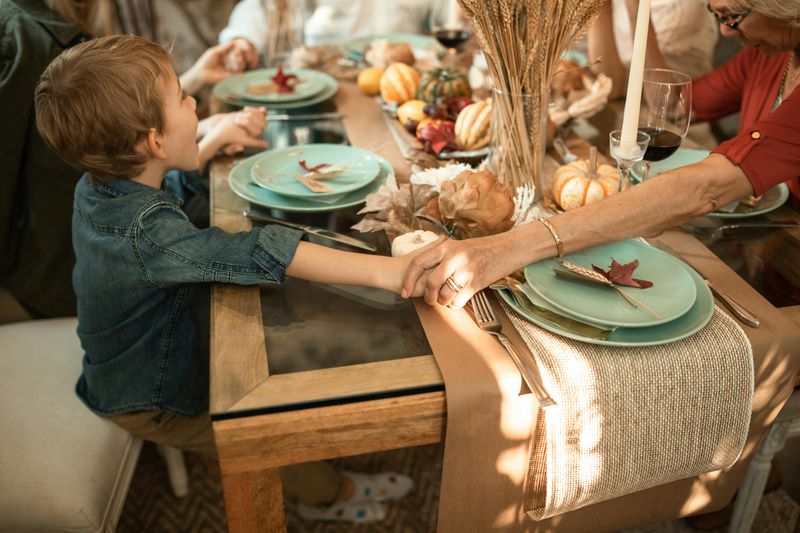
Sitting up straight wasn’t just about bones, it was about bearing. Our chairs might have wobbled if you slouched, so posture doubled as self-preservation.
Both feet grounded meant you were present, steady, ready to listen.
I learned to breathe into my ribs, to feel the chair back like a quiet coach pushing me tall. The rule kept fidgeting in check and made bites feel more intentional, as if posture flavored the roast chicken.
Without the bounce of a swinging leg, I could hear stories better, especially the low jokes traded between my parents.
Years later, I notice when a meal unravels into slumps and half-turns. Sitting up keeps the conversation forward-facing and the plates safe from accidental jabs.
Good posture is the table’s invisible spine, and it still helps every evening feel like coming home.
6. You Waited Until Everyone Was Served
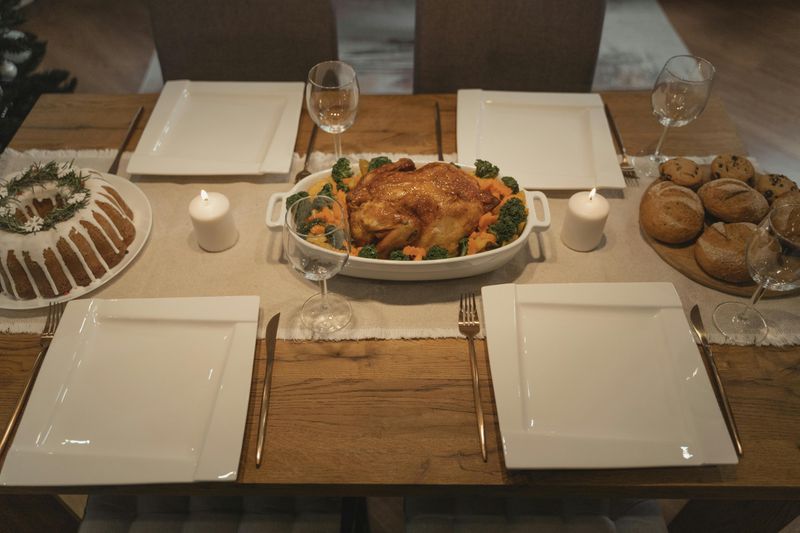
Waiting felt heroic when the garlic steam curled under your nose, but we did it. Sometimes the produce on our plates came from a nearby market, but still.
No one ate until every plate had its share.
It taught me that hunger could hold hands with patience, and patience makes food kinder when it finally lands on your tongue.
I scanned the table like a lifeguard for missing rolls or salad, then relaxed only when the last plate settled. The first bite as a group made the room feel like a single heartbeat.
This rule curbs the fluttery energy that can turn dinner into a snatch-and-grab. It folds everyone into the same tempo, which might be the gentlest way to season a meal.
Harmony tastes like ripe tomatoes and restraint, and I learned to crave both. Lessons that still make me feel like coming home every time I sit at a table.
7. You Chewed With Your Mouth Closed

Keeping your mouth closed felt like an oath to the tablecloth. Dinners needed their own quiet discipline, a little bubble of calm against the world outside.
If a question caught me mid-bite, I held it, because words and carrots were not meant to share the exit.
The pause did more than hide the mess. It gave a beat to think, to consider whether a comment helped the room or just filled space.
Conversations landed softer because they waited their turn, and the food tasted clearer without gusts of chatter.
Even now, that rule rides along to restaurants and potlucks, a small guardrail against chaos. It is simple, almost secret, but it lifts the whole table.
Close, chew, swallow, then speak, and suddenly the evening has rhythm again, a quiet reminder of those California dinners where coming home meant slowing down together.
8. Napkins Went On Your Lap
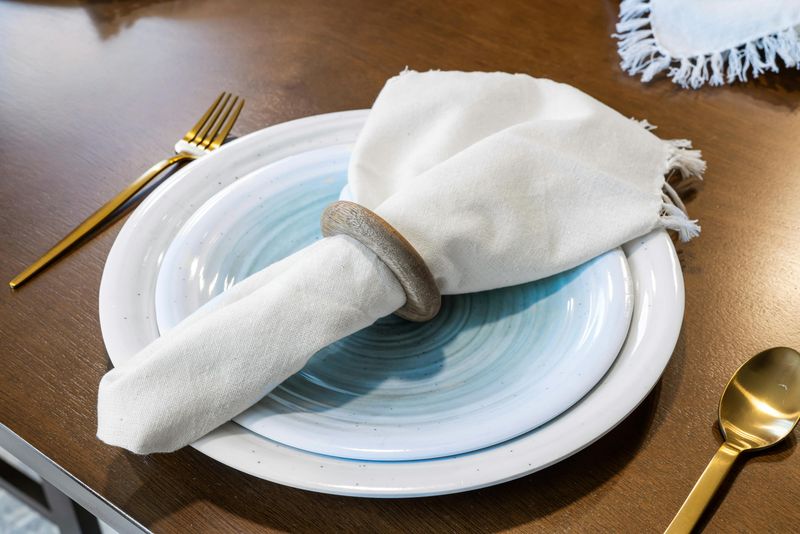
The napkin hit the lap like a curtain before the show. Sometimes the drawer stuck, adding a bit of slapstick to a formal moment, but the square of cotton always landed on knees before the first hello.
I liked the soft weight anchoring me to the chair, telling my legs to stay and my hands to behave. It spared the tablecloth, saved our Sunday shorts, and quietly said we took the food seriously.
The napkin became a silent companion, catching error without judgment.
To this day, I feel bare without that fold across my lap. It frames the meal, keeps haste in check, and signals respect for the cook.
Small fabric, big message, and those old California dinners felt tidier, calmer, and somehow more like coming home because of it.
9. Kids Didn’t Reach Across The Table
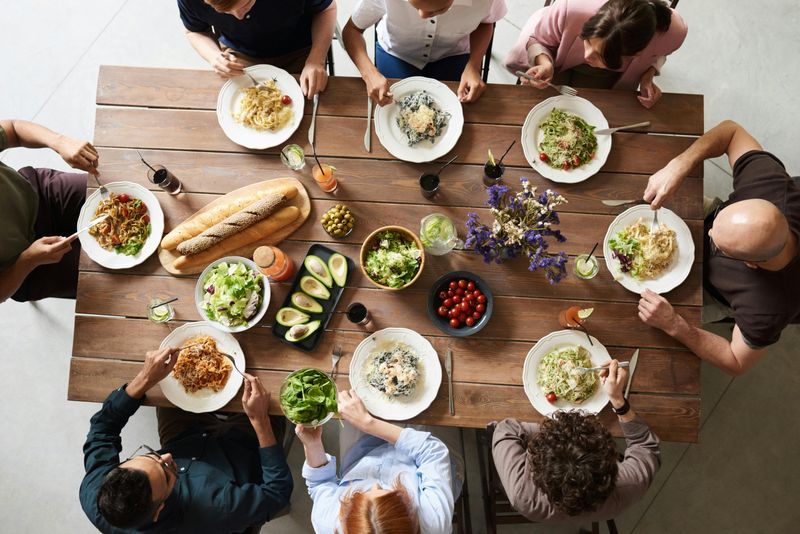
Reaching was the quickest path to spilled milk and sharp stares. The table was just narrow enough to tempt the stretch, but the rule said ask to pass, and patience won the day.
Passes turned meals into relay races with better snacks.
A bowl of green beans would glide from hand to hand, each person part of a little choreography of care. It slowed the zigzag energy that can jostle plates and kept elbows from invading personal space.
Now, when I host, the pass becomes a conversation in motion. People meet each other’s eyes, say thanks, and share the rhythm.
A quiet chain of help builds trust faster than any speech, and the green beans rarely hit the floor. A small ritual that still carries the calm, connected magic of those old family dinners.
10. You Said Please And Thank You
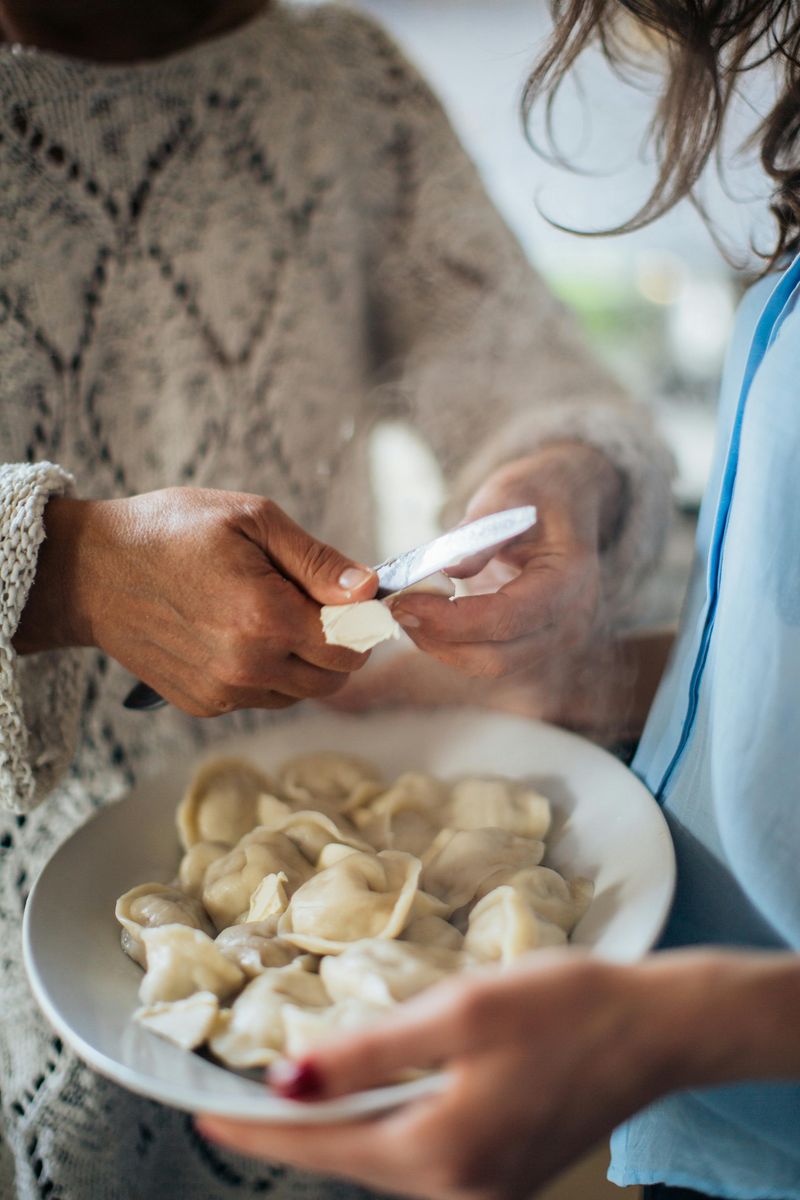
Manners weren’t garnish, they were the broth everything swam in. At our table, please and thank you came as automatically as salt and pepper.
Those small words seasoned every exchange, smoothing the tiny friction of plates and preferences. I learned how gratitude keeps a table from turning into a vending machine with forks.
Even small kids carried their words like silverware, reliable and close at hand.
When the phrases slip into habit, kindness becomes the default temperature. The food tastes just a touch brighter because respect holds the room steady.
Say it often, mean it lightly, and watch dinner settle into something generous. A quiet magic that makes every meal feel like coming home.
11. No Toys, Comics, Or Homework At The Table
The table was for food and stories, not distractions. My stack of Archie comics waited like sirens in the bedroom, and the pencils sat still in their cup.
Keeping gadgets out cleared space for eye contact and jokes that required listening. The meal stretched without clutter, and mom’s meatloaf got to be the headliner instead of background noise.
It felt strict at first, then strangely freeing, like breathing room you didn’t know you needed.
Now I treat the table like a tiny island, borders marked by plates and patience. Leave everything else on the shore, and the conversation becomes the entertainment.
The food remembers how to shine when nothing competes for attention.
12. No TV During Dinner

The television glowed like a forbidden moon from the living room, but it stayed off at dinner. Sometimes you could hear neighbors laughing at The Beverly Hillbillies down the hall, but at our table, we stuck with voices and forks, choosing live programming instead.
Without the flicker, the room breathed at a human pace.
We caught the small details in each other’s faces that a laugh track would have flattened. The silence wasn’t solemn, just uncluttered, and you could taste the oregano more clearly.
That habit still guards my evenings. Turning screens off recruits your attention back to the people right there.
Food and stories both improve when the only glow comes from the window and the stove.
13. You Didn’t Interrupt Adult Conversation At The Table

Interrupting was like stepping on someone’s shoelace mid-stride. Adult conversation sounded like a train schedule I wanted to decode, and I learned to hold questions until the pause, then slip them in like a respectful guest.
Waiting sharpened listening skills I didn’t know I had. I caught nuance, caught jokes, caught the difference between a story warming up and a story landing.
When they turned to me, I felt invited rather than wedged in, and my words behaved better.
The rule wasn’t about shrinking kids, it was about rhythm. Conversation moves like music when everyone hears the beat.
Let it play, then join, and the whole table keeps time with kindness.
14. You Didn’t Complain About What Was Served
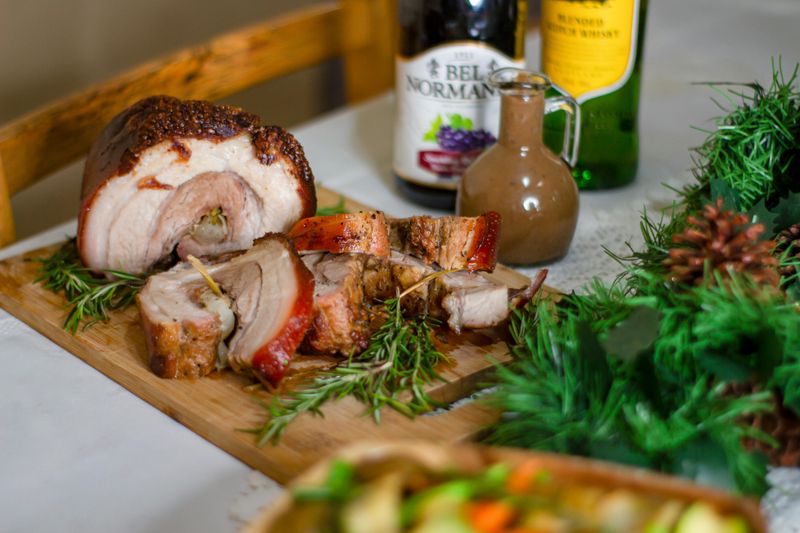
Complaining about dinner was a fast track to regret. Our kitchen turned pantry leftovers into small miracles, and that effort earned respect.
If liver and onions appeared, you kept a straight face and paced yourself.
Silence taught me curiosity, weirdly enough. When complaining wasn’t an option, I explored flavors like a detective with limited clues.
Some nights delivered revelations, others delivered endurance, but both sharpened gratitude for full plates.
I still avoid turning meals into a critique session. Honest preferences matter, but timing matters more, and the cook deserves gentleness.
Appreciation tastes better than snark, and the table stays generous when complaints take the night off.
15. You Ate What You Were Given Or You Went Hungry
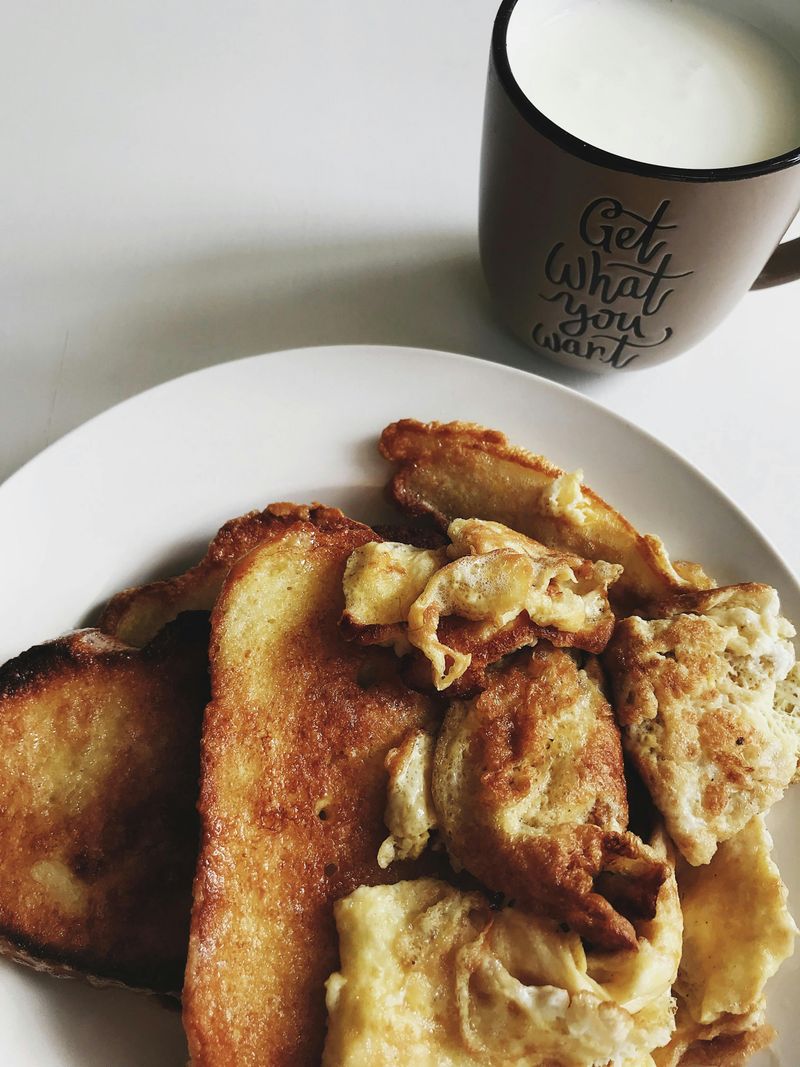
Options were for cafeterias, not our weeknights. At home, the plate arrived, and you met it where it stood.
There was a blunt mercy in the rule.
It simplified the evening and taught the stomach to negotiate with the mind. I learned to identify one friendly patch on the plate and start there, especially when something wobbly stared back.
That steadiness still serves me. Trying a bite before declaring defeat has saved many dinners and conversations.
Sometimes hunger needs a boundary to learn the flavor of patience, and that boundary sits right on your plate.
16. You Cleaned Your Plate
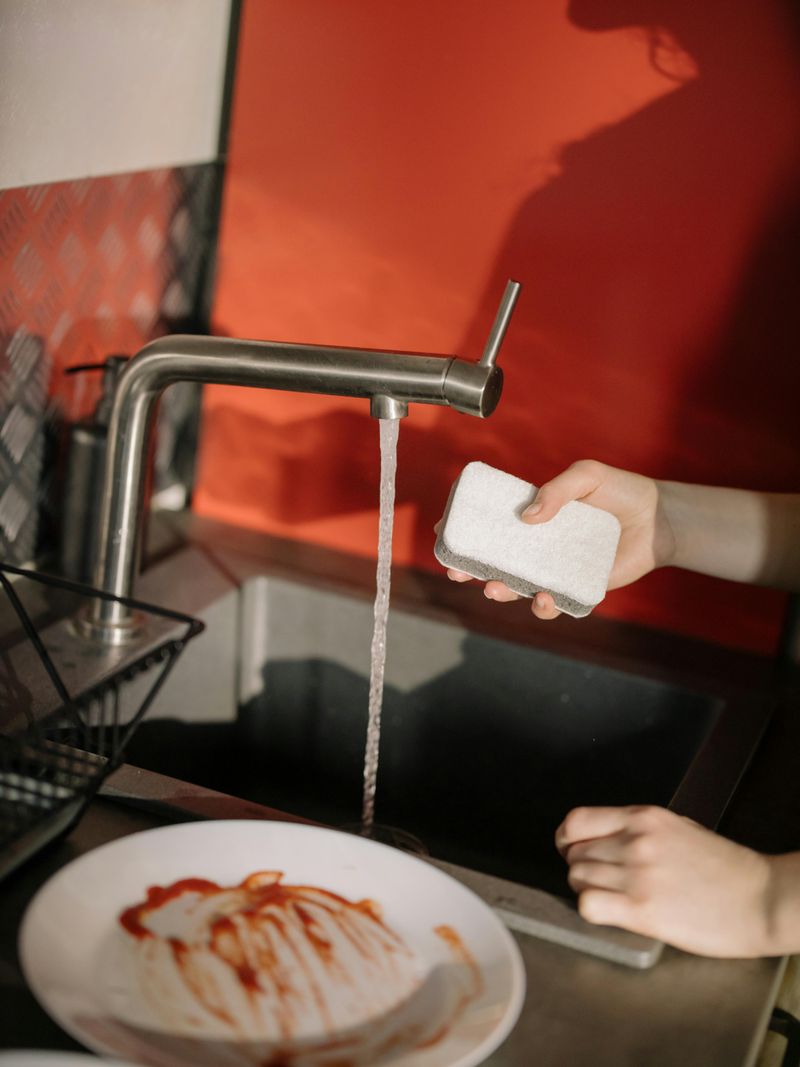
Clean plates felt like a neighborhood pact. Leftovers were a trust, not a burden, and scraping a plate into the trash sounded like a door closing on somebody’s effort.
I learned to portion carefully, to start modest and refill honestly. A clean plate meant you respected the farmer, the grocer, the cook, and the gas bill that simmered the pot.
The last pea counted, not because of rules, but because gratitude wanted proof.
Now I let portioning lead and waste stay tiny. The table looks prouder when it ends tidy, and the sink seems to smile.
Finishing what you took is a small ceremony that tells the day it mattered.
17. Seconds Were Allowed Only After Everyone Had A First Serving
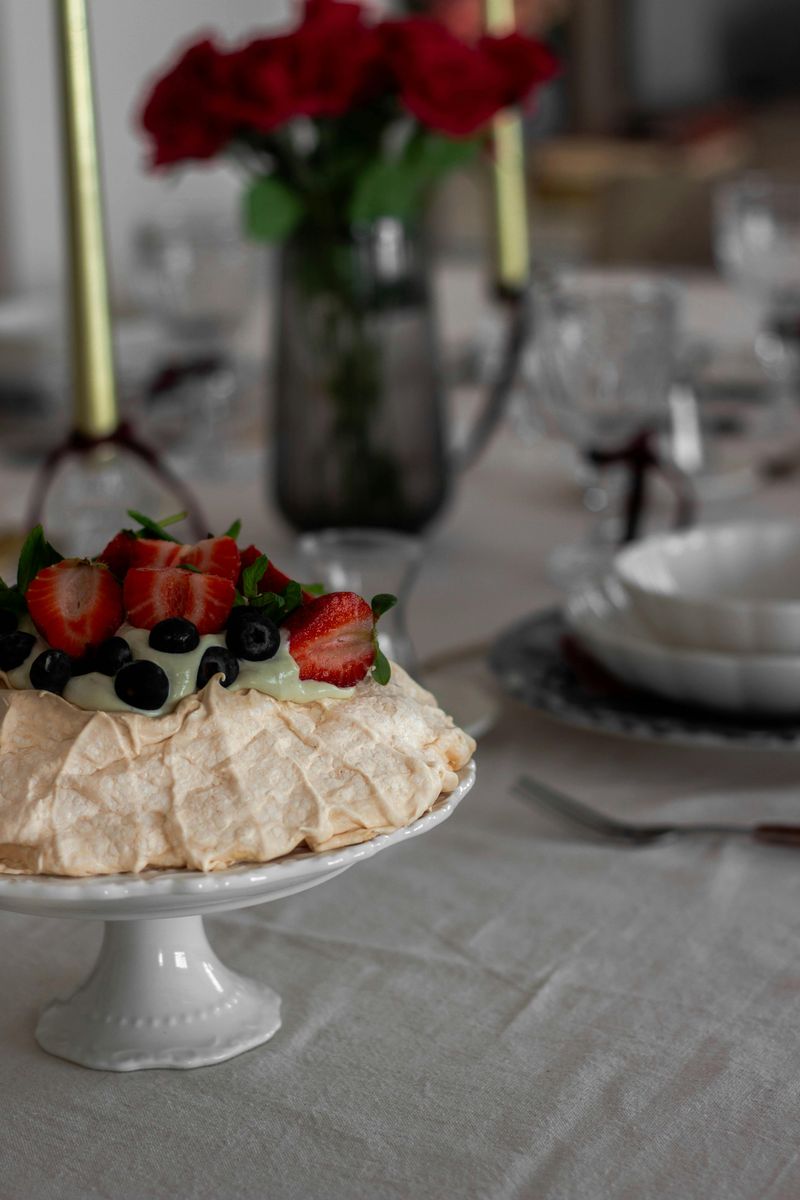
Seconds were a privilege, not a sport. After softball or a long day, the casserole waited, but the rule said everyone had to take their first helping before anyone went back for more.
It built fairness into our appetites, reminding the hungry that generosity comes first. I’d eye the pot, willing it to stay plentiful, while checking if my little sister had enough.
The second scoop tasted better precisely because it followed equity.
Today, that order still feels right. Refill after everyone has started, and the meal turns into a shared celebration.
The pot might empty, but the room fills with a sweetness no recipe can teach.
18. You Didn’t Start Dessert Until The Dinner Dishes Were Cleared
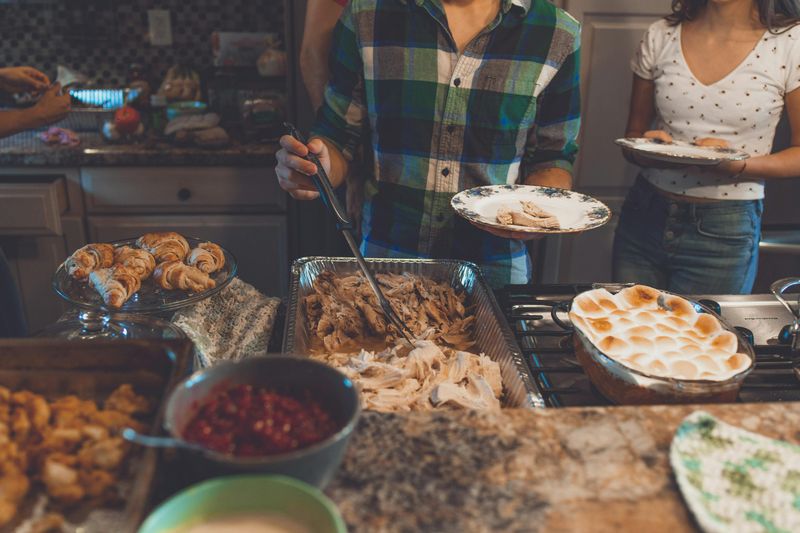
Dessert waited politely in the wings, even if it perfumed the room from the counter. The rule was simple: clear the dinner dishes first, then invite the sweets to the stage.
Clearing plates reset the table, turning hunger into anticipation. We stacked carefully, ferried forks to the sink, and wiped crumbs like erasing chalk lines.
When dessert finally landed, the table felt fresh enough to deserve it.
I keep that ritual now, and it works like a palate cleanse for the room. Make space before the treat, and the treat gains sparkle.
A tidy table makes sugar taste earned, and that shine lingers longer.
19. Dessert Was Earned

Dessert wasn’t a birthright, it was a mood. Sweets didn’t appear every night, and that scarcity made each cookie sparkle brighter.
Some nights the answer was no, and the sky did not fall.
Calling dessert earned helped me notice the meal that came before it.
Finishing vegetables, helping serve, and clearing plates all put little coins in the jar. When the jar sounded full, a cobbler appeared, and the victory tasted like sunshine.
Even now, I love a surprise dessert more than a scheduled one. The gap between craving and reward pours honey on gratitude.
Skipping sweets keeps the thrill alive, and the table learns to savor without guarantees.
20. Milk Or Water Were The Default Drinks

Our glasses held milk or water unless it was a birthday. At home, we kept things plain, and dinner felt calmer for it.
Milk hugged the edges of the plate, playing nice with everything from spaghetti to tuna casserole. Water kept flavors honest and mouths ready for conversation.
The absence of fizz made meals less jumpy, like turning down a loud radio.
Now I default to simple drinks when I want the food to lead. It saves money, saves squabbles, and keeps the table grounded.
Plain glass, clear mind, and the flavors get their full say.
21. You Helped Set The Table Before The Meal
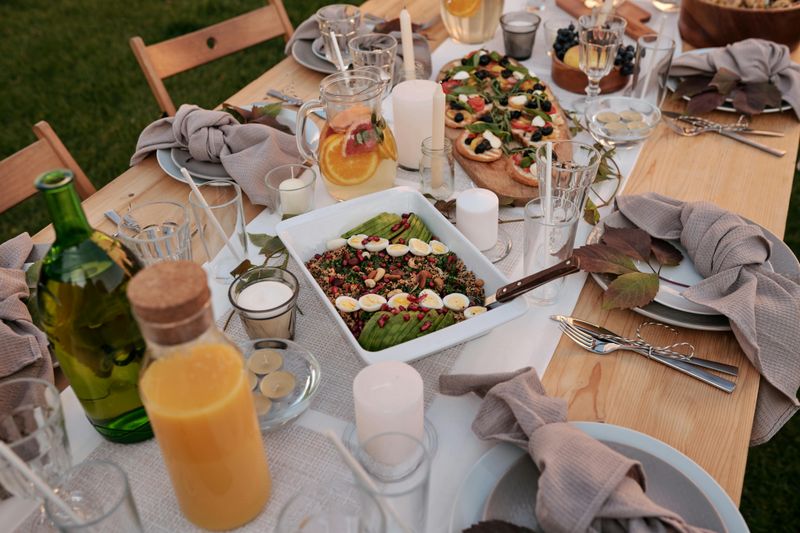
Setting the table was the pregame warm-up. Plates first, then silverware, then napkins folded like tired cranes, and just like that, the room felt ready to hold us all.
That work stitched me into the meal before the first scent hit the hallway. I loved the geometry of it—the way knives faced inward like respectful guards.
And the quiet rhythm that turned the table into a little California stage.
Helping set the table still flips a switch from day to dinner. It quiets the rush, gives hands a job, and tells everyone to gather.
When the table stands ready, people follow, and the food finds its stage.
22. You Helped Clear The Table And Carry Dishes To The Sink After
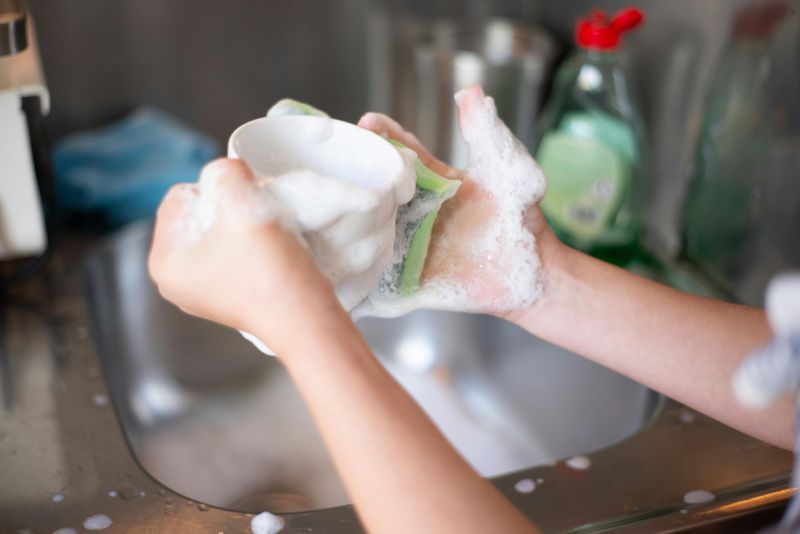
Clearing wasn’t punishment, it was the closing credits. I’d hum a little tune while stacking plates, and everyone took a corner of the chore, lightening the clatter.
Carrying dishes taught coordination and courtesy.
We learned to scrape plates gently, angle glasses so nothing splashed, and thank the cook with movement instead of speeches. The kitchen felt like a small orchestra pulling off a tidy finale.
To this day, the fastest way to honor a meal is to help undo it. Shared clearing erases hierarchy and leaves the room soft with gratitude.
You exit together, and the evening keeps its shape even after the last crumb disappears.
23. You Stayed At The Table Until Everyone Was Finished
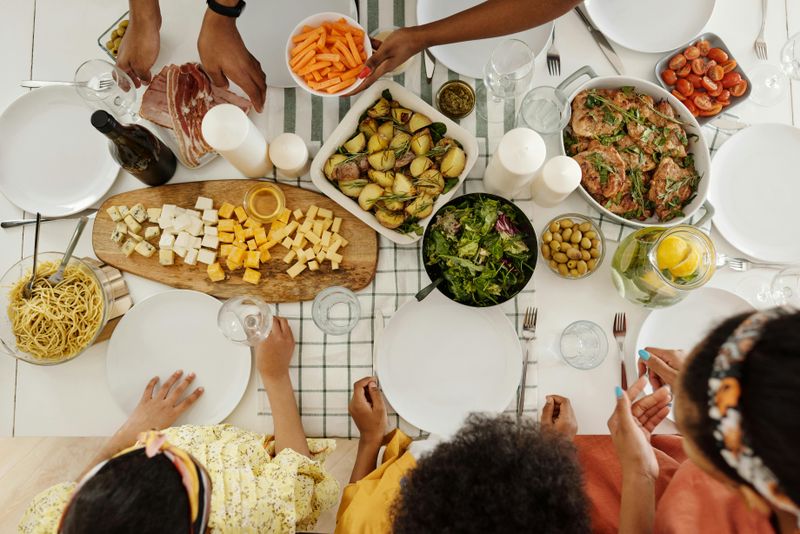
Leaving early felt like walking out during the best scene. Dinner was a mini festival, and the final act mattered.
We waited for the slow eaters like they were roasting the last marshmallow of the night.
Staying put kept the conversation from shredding into hallway echoes. It granted dignity to varied paces and protected the cook from a vanishing audience.
The table released us as one, which made the room feel generous.
I keep that habit with friends now, letting the last bites steer the landing. It’s patience, yes, but it is also joy.
Finishing together sends everyone back into the evening with the same warm coat.
And reminds me that the little rituals, the care, and the shared rhythm of a meal are what make a house feel like home.