
This Pennsylvania Spot Is Home To The East Coast’s Only Geyser
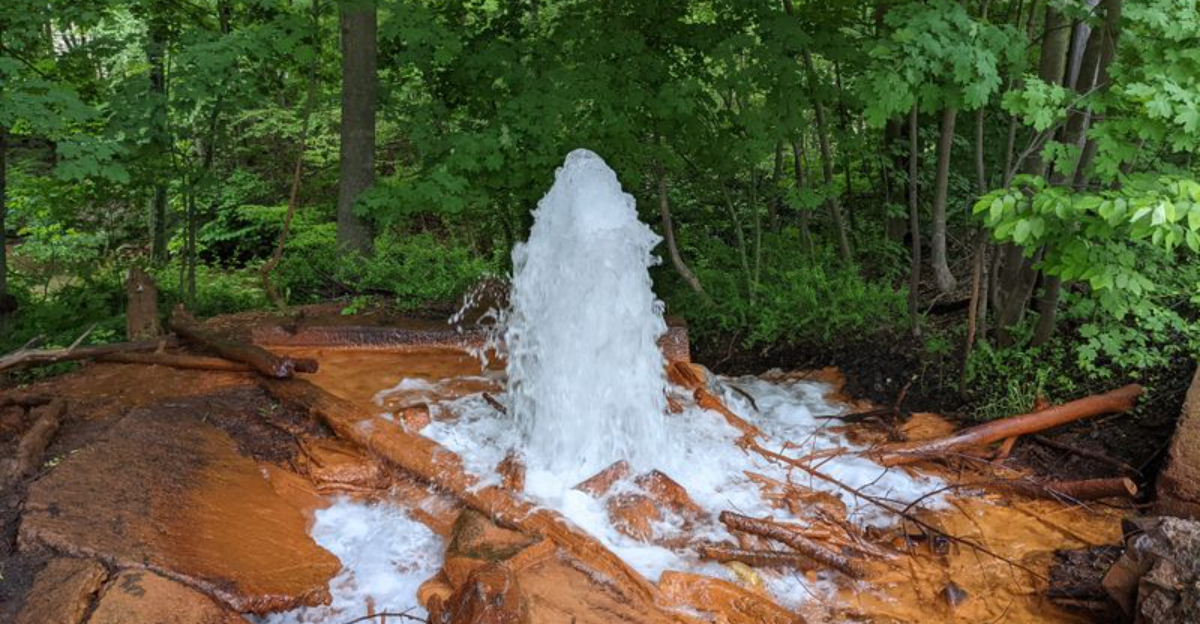
Pennsylvania has plenty of roadside surprises, but this one feels like you accidentally stumbled into a nature documentary.
Big Mine Run Geyser near Ashland is the East Coast oddball that actually shoots water into the air, turning a quiet patch of woods into a blink-and-you-miss-it spectacle.
One minute you are driving along a back road, next minute you are standing there watching a steady blast of water roar up like it has someplace important to be.
Calling it a geyser comes with a twist, no bubbling hot spring drama here.
Pressure from an old mine setup creates the effect, which somehow makes it even cooler, like the land is pulling off a practical magic trick.
Splashy, loud, and totally unexpected, it is the kind of stop that makes kids grin and adults start asking, “Wait, how is that happening?” My favorite part is the instant mood shift.
A simple drive turns into a mini adventure, and suddenly everyone is leaning in for a closer look, smiling like they just discovered a secret level in Pennsylvania.
It’s Not Really a Geyser, But That’s Part of the Fun
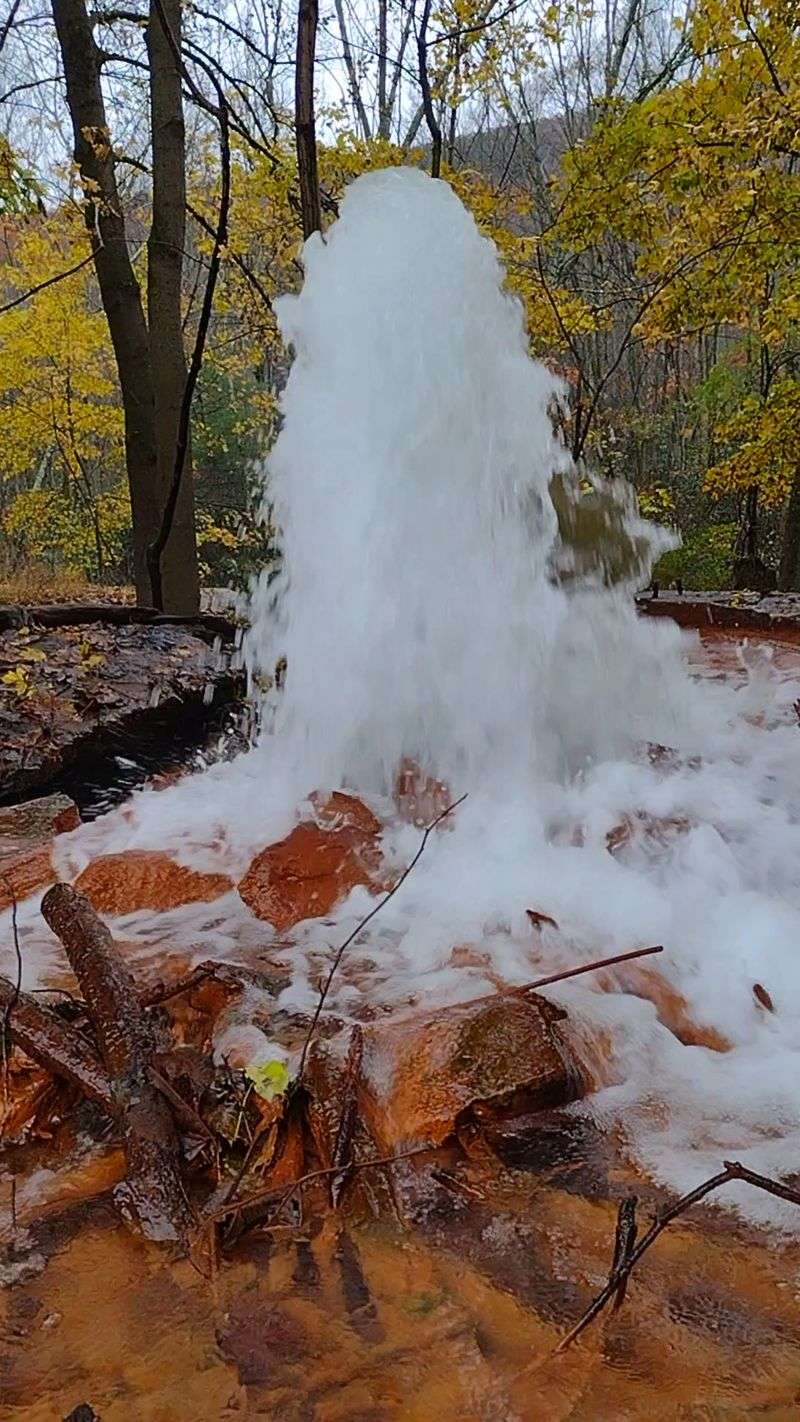
Most geysers form when underground water heats up near volcanic activity and explodes to the surface. Big Mine Run works differently.
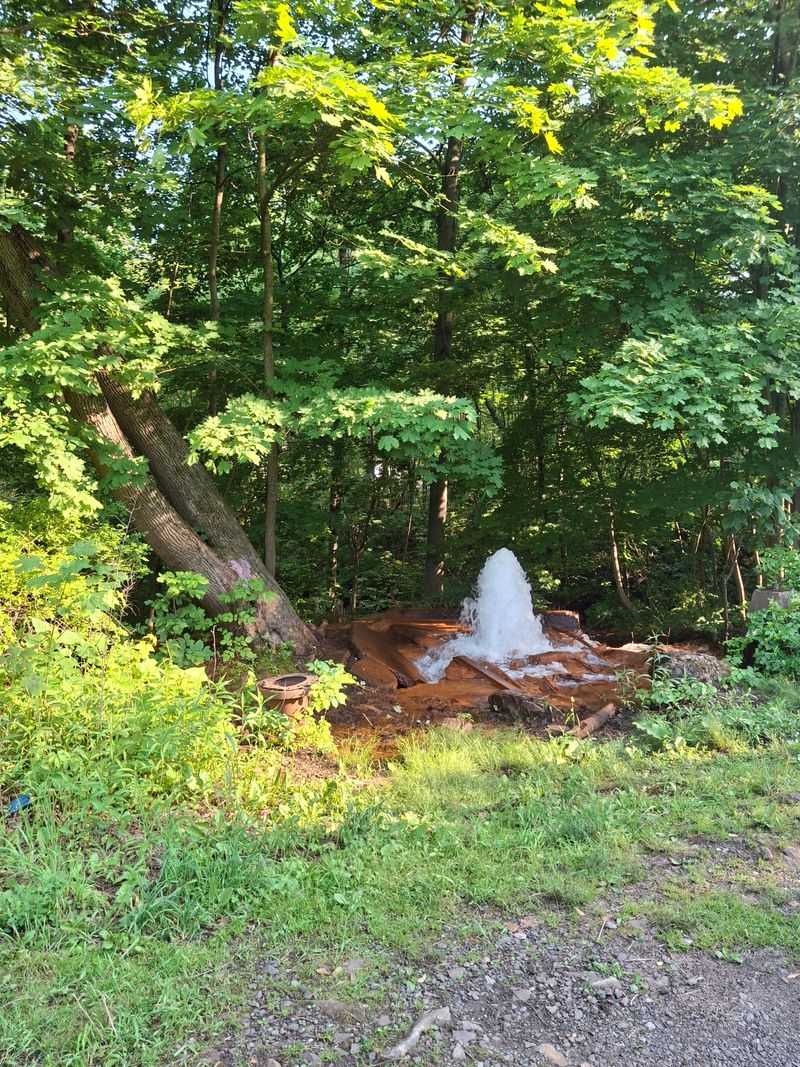
Water from a flooded coal mine system 300 feet below pushes upward through what used to be an air ventilation shaft for miners.
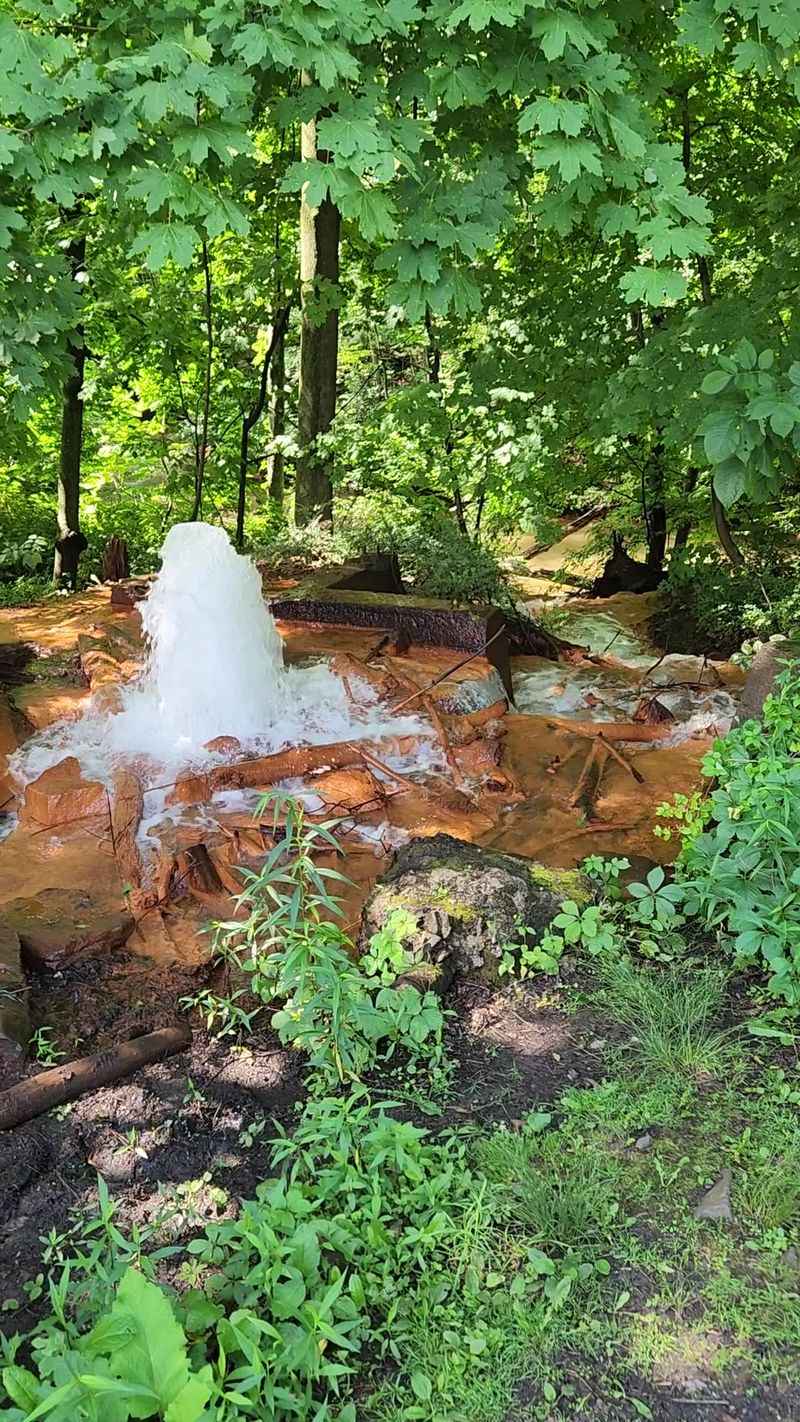
Pressure builds until it forces the water out in steady spouts that mimic a true geyser’s behavior.
The orange mineral stains around the opening give the whole scene an otherworldly look that photographs beautifully.
Technically, geologists call this a “spring under artesian pressure,” but locals and visitors prefer the catchier name.
When I first saw it, the spray reached about four feet high, and the sulfur smell hit me before I even opened my car door.
The distinction between real and fake matters less when you’re standing next to something this visually striking and unusual for Pennsylvania.
Zero Admission Fees and Open 24/7
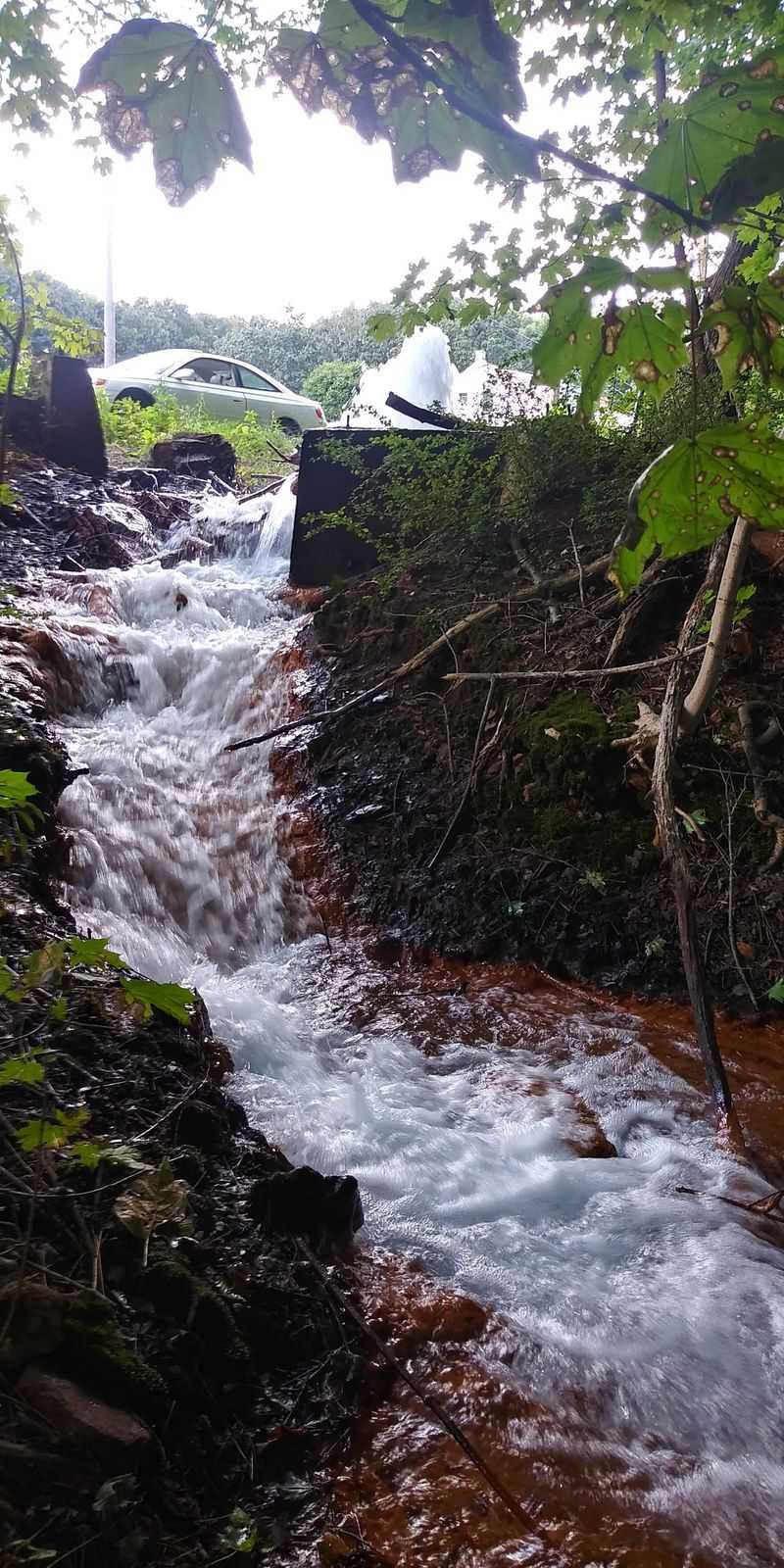
Finding free attractions gets harder every year, but Big Mine Run delivers without asking for a single dollar. You can visit any hour of any day without worrying about tickets, entrance fees, or operating hours.
The geyser sits right along Big Mine Run Road, visible from your vehicle if mobility issues prevent you from getting out.
Most people park in the tiny pulloff area and walk the fifteen feet to get a closer look and snap photos.
The whole experience takes maybe five minutes unless you’re a photography enthusiast who wants shots from multiple angles.
This accessibility makes it perfect for road trips where you need a quick leg-stretch or families traveling with young kids who have short attention spans.
I’ve passed by twice, once at sunrise and once near midnight, and both times the geyser was doing its thing without any crowds or restrictions. Just respect the private property surrounding it, and you’re golden.
Height Varies Wildly Depending on Rainfall
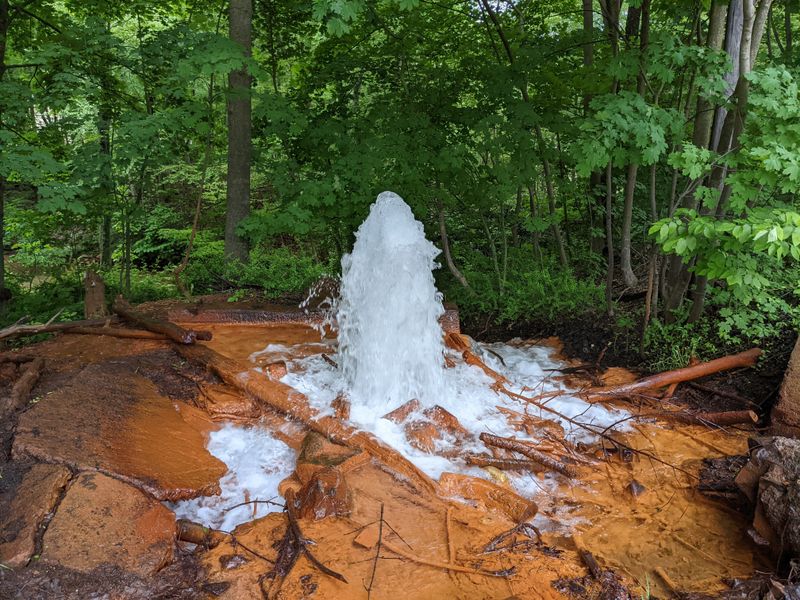
Forget predictable eruptions like Old Faithful. This geyser’s performance depends entirely on Mother Nature’s mood.
After heavy rains, the geyser can shoot water over ten feet into the air, creating a dramatic spectacle that locals brag about online.
During drought conditions, it might reduce to a trickle or disappear completely, leaving visitors disappointed if they time their trip poorly.
The water flow directly correlates with how much rain has fallen recently, since that determines the pressure building up in the flooded mine shafts below.
Checking recent weather patterns before you visit makes sense if you want to catch the geyser at its most impressive.
Spring typically offers the best shows after snowmelt and April showers fill the underground chambers.
Summer droughts can turn the geyser into nothing more than a damp spot on the rocks, though the orange mineral deposits remain photogenic year-round.
Sulfur Smell Comes With the Territory
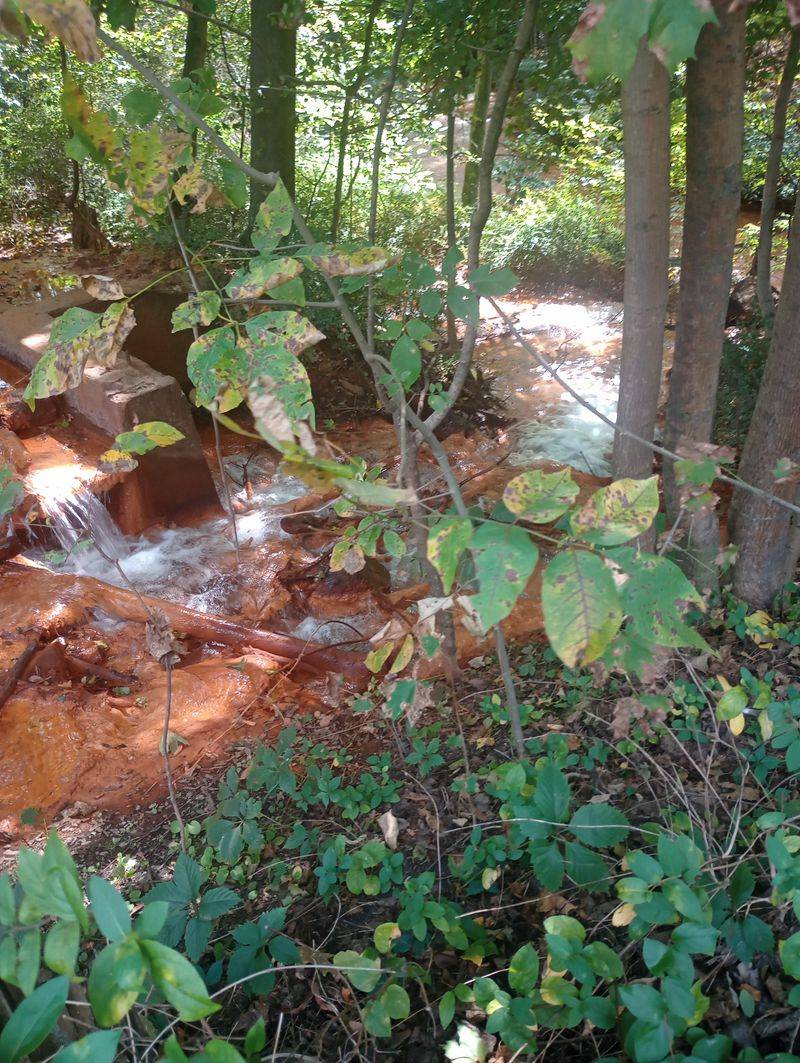
That distinctive rotten-egg odor hits your nostrils before you even exit your vehicle. Sulfur compounds dissolved in the mine water create the smell that some visitors love and others find overwhelming.
The scent intensity varies with wind direction and how actively the geyser is spraying. On calm days, the smell concentrates around the immediate area, while breezy conditions disperse it quickly.
Some people find it nostalgic or interesting, connecting them to the industrial coal mining history of the region. Others wrinkle their noses and snap their photos from maximum distance.
One reviewer joked about sulfur “cleaning your nose out,” and honestly, they’re not wrong about the pungent experience.
If you’re sensitive to strong smells or have respiratory issues, you might want to limit your exposure time.
The sulfur content also contributes to those striking orange mineral deposits that make the geyser so photogenic, so the smell and the beauty come as a package deal.
Connected to Centralia’s Underground Coal Fire
Big Mine Run shares geological DNA with nearby Centralia, Pennsylvania’s famous underground coal fire that’s been burning since 1962.
Both phenomena stem from the region’s extensive coal mining history and interconnected mine shaft networks.
The same flooded mine system that feeds the geyser connects to the broader network of abandoned coal operations throughout this part of Pennsylvania.
While the geyser’s water comes from groundwater pressure rather than fire-related heat, the proximity to Centralia makes for an excellent two-stop road trip exploring the area’s mining legacy.
Visitors often combine both attractions in a single afternoon. I drove from Centralia to the geyser in about ten minutes, making it super convenient to see both oddities.
The contrast between Centralia’s eerie smoking ground vents and the geyser’s active water spray illustrates different consequences of disturbing underground coal seams.
Both serve as reminders of how mining shaped this region’s landscape and continues affecting it decades after the last miners left.
Orange Mineral Deposits Create Alien Landscape
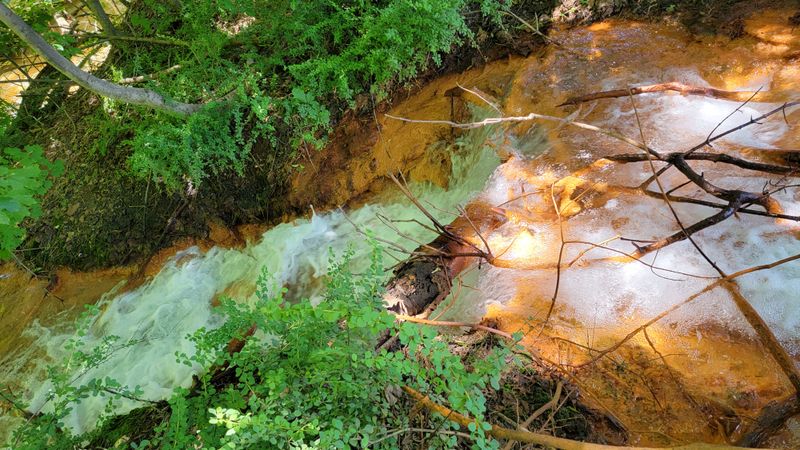
The rocks and soil surrounding the geyser glow with intense orange and rust-colored mineral deposits that look transplanted from Mars.
Iron compounds dissolved in the mine water oxidize when exposed to air, creating these vivid stains.
Photographers love these colors, especially during golden hour when the light enhances the already dramatic hues.
The minerals have built up over years of continuous water flow, coating everything in layers of orange, brown, and rust that contrast sharply with the surrounding green vegetation.
Small streams carry the colored water downhill toward the creek below, leaving orange trails through the landscape.
These deposits aren’t just pretty; they tell the geological story of what’s happening underground.
The specific colors and patterns reveal which minerals are present in the flooded mine water and how long they’ve been precipitating out.
Even when the geyser’s flow reduces during dry periods, these mineral formations remain as evidence of the water’s constant work.
No Historical Markers or Information Signs
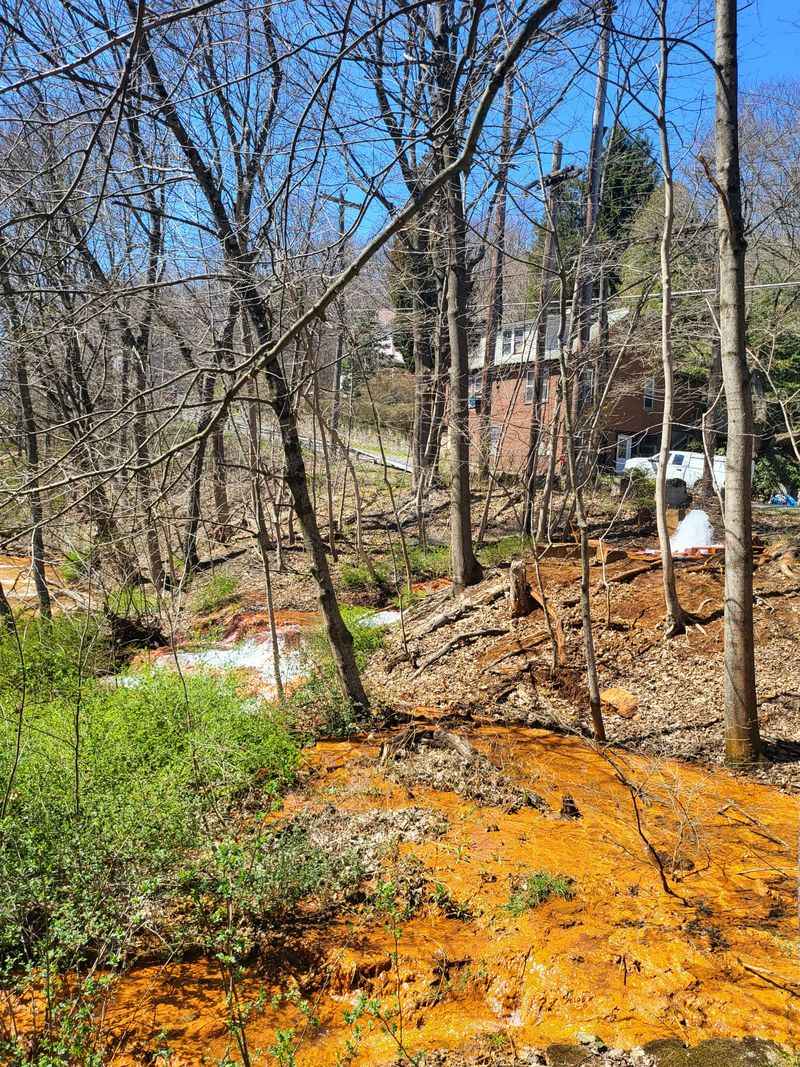
Don’t expect interpretive signs, historical plaques, or educational displays when you arrive.
The geyser exists in its raw, unmarked state, which some visitors find disappointing and others appreciate for its authenticity.
You’ll need to research the backstory online before visiting if you want to understand what you’re seeing and why it matters.
The lack of official recognition means no maintained trails, no informational kiosks, and no context for first-time visitors who stumble across it.
This bare-bones presentation keeps the site free and accessible but leaves education entirely to individual curiosity.
Some reviewers specifically complained about the absence of markers or parking infrastructure, expecting more from the “East Coast’s only geyser.”
Others enjoyed the unpretentious, take-it-as-it-comes nature of the attraction. The site occupies a weird space between official tourist destination and quirky local secret that happens to be publicly accessible.
Bringing your own knowledge enhances the experience significantly, so do your homework beforehand.
Glass and Debris Require Careful Footing
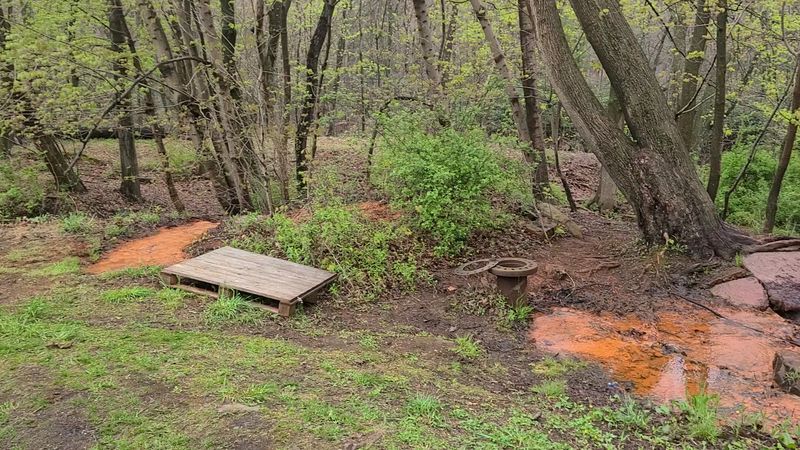
The unfortunate reality of an unsupervised roadside attraction shows itself in scattered trash and broken glass around the viewing area.
Visitors over the years have left behind glass bottles, food wrappers, and various debris that makes careful footing essential.
Watch where you step, especially if you’re wearing sandals or bringing kids who might not notice hazards.
The paths on either side of the geyser that lead to better photo angles pass through areas with litter problems.
Some conscientious visitors have tried cleaning up, but without regular maintenance, trash accumulates again quickly.
This messiness represents the downside of free, unrestricted access to natural attractions. Nobody owns responsibility for upkeep, so the site’s condition depends entirely on visitor behavior.
Bringing a small bag to pack out any trash you find would help, and definitely don’t add to the problem by leaving your own garbage behind.
The property owner’s continued tolerance of public access depends on people treating the area with respect it currently isn’t receiving.
Perfect Quick Stop on Pennsylvania Road Trips
Road trip itineraries need those unexpected gems that take almost no time but create lasting memories. Big Mine Run delivers exactly that kind of experience.
The five-minute commitment means you can easily work it into drives between larger destinations without derailing your schedule.
Families appreciate attractions where everyone can pile out, see something unusual, snap photos, and get back on the road quickly.
The geyser’s 24-hour accessibility means it fits any travel timeline, whether you’re early risers or night owls.
Multiple reviewers mentioned how this quick stop became their favorite story from longer trips through Pennsylvania.
Something about the geyser’s quirky nature and easy access makes it more memorable than attractions that require hours of commitment.
I’ve recommended it to friends planning Pennsylvania routes, and they always report back with surprised enthusiasm about how cool it was despite low expectations.
It punches above its weight class for creating positive travel memories with minimal investment of time or money.