
This Abandoned River Town In Illinois Holds A Dark, Fascinating Past
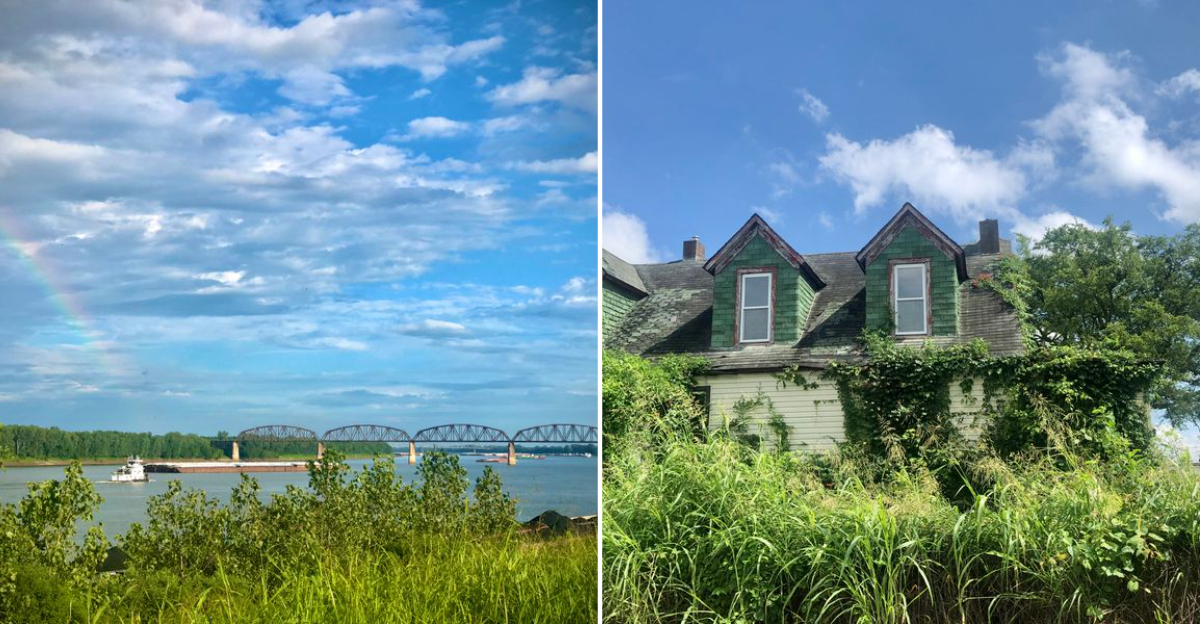
The road gets narrower, the noise fades, and suddenly you’re standing at the point where Illinois feels like it’s about to spill into the river. Cairo.
It sits right where the Ohio and Mississippi rivers meet, a place that feels both like the edge of the world and a gateway to everywhere else. The streets are quiet, but they’ve seen a lot.
The buildings? They’re not just walls and windows, they’ve got stories, if you know how to listen.
Trust me, there’s something about this town that sticks with you long after you leave. Let’s take a walk and see what Cairo has left to say.
Where Two Giants Meet
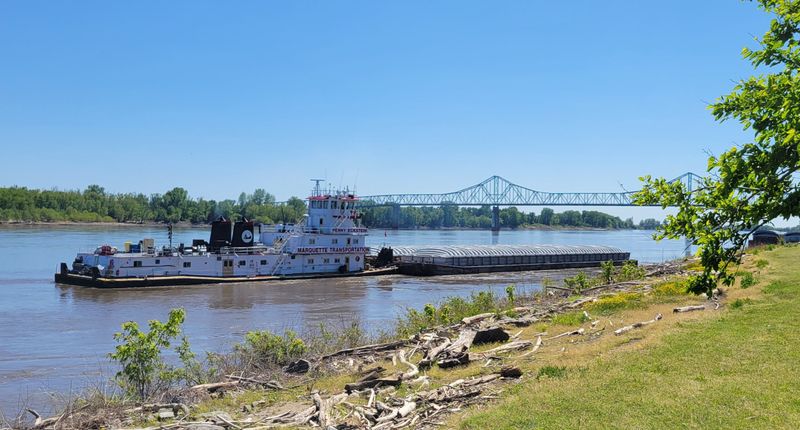
Stand at the tip of Illinois and watch two great rivers merge into one restless current. The Ohio arrives broad and confident, the Mississippi rolls in muddy and muscular, and together they churn like a conversation that never stops.
You feel wind on your face, smell damp earth, and hear barges groan against the pull. It is humbling, like standing beside a living boundary that drew maps before people did.
The confluence shaped Cairo’s fate, making it a launchpad for goods and stories traveling north and south. There is a small overlook you can reach by car, with parking on gravel and room to turn around.
Bring sturdy shoes if you want to explore the riverbank, as the ground can be uneven and slick. Check river levels before you go, especially in spring, when the water runs high and moods change quickly.
On a clear morning, the light turns the water steel-blue and the banks bronze. In fog, it feels like a stage waiting for a story, only the tugboat horns speak.
You will want to linger, but the current nudges you onward. Cairo always has.
Levees That Hold The Line
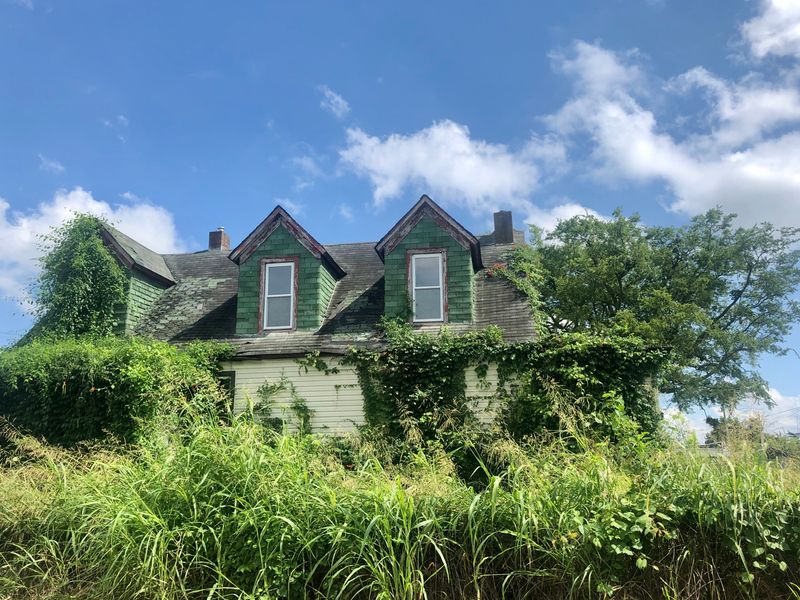
Cairo is circled by levees, tall earth-backed walls that feel like a quiet promise. Walk along the maintenance road and you will see wild grasses brushing your calves, warning signs spaced like metronomes, and the town’s rooftops peeking shyly below.
These levees are not decoration. They are muscle and memory, built after hard lessons in high water and reinforced to keep the rivers in their lanes.
Up here, the wind is stronger, and the horizon stretches like a thought you cannot quite finish. You can access certain stretches by car, though some gates may be closed for safety or maintenance.
If you go on foot, watch for gravel slips and keep to the designated paths. Sunrise brings long shadows and the crisp smell of wet clay, while late afternoon softens everything into warm gold.
Locals will tell you the levees are the reason Cairo still breathes. They also shape how the town feels, a basin held in careful hands.
You stand on the crown and see water one way, streets the other, and understand why people here read the sky like a schedule. It is protection and reminder, all at once.
Downtown’s Ghostly Brickwork
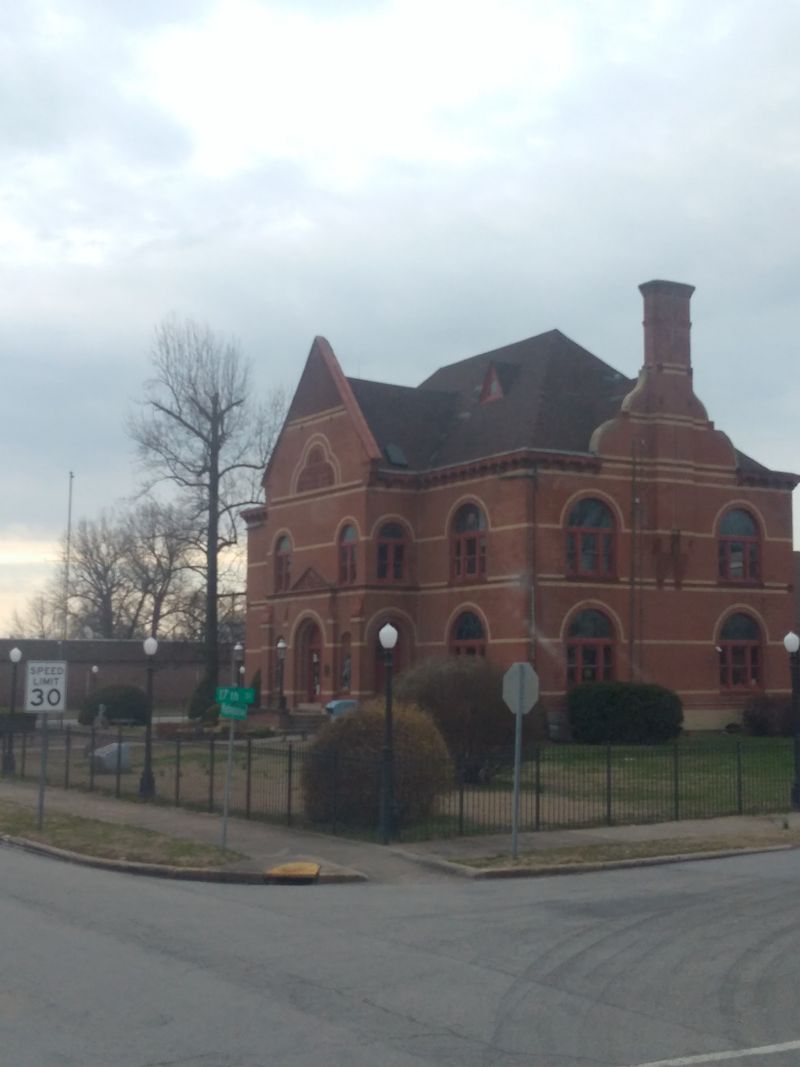
Downtown Cairo greets you with rows of brick that wear time like a coat. There are hand-painted ads fading into the mortar, arched windows half-blinded by boards, and cast iron columns that still show off.
When a breeze moves through, it stirs loose leaves and memory at the same time. You will find yourself reading the details like a diary without dates.
Many storefronts are empty, but the architecture remains surprisingly elegant, especially along Commercial Avenue. Some buildings are private, some fragile, so look with respect and keep to public sidewalks.
There is street parking near most blocks, and it is usually easy to find a spot. Early afternoon light picks out the textures in the brick, making every chip and seam feel deliberate.
The mood here is not despair. It is a quiet awe at what remains, and a wish for what could be.
If you listen, you might hear the clink of long-ago glasses or the rumble of wagons that once brought cotton, lumber, and news. Take your time, keep your camera steady, and let the street tell you the chapter you did not expect.
Civil War Crossroads And Camp Stories
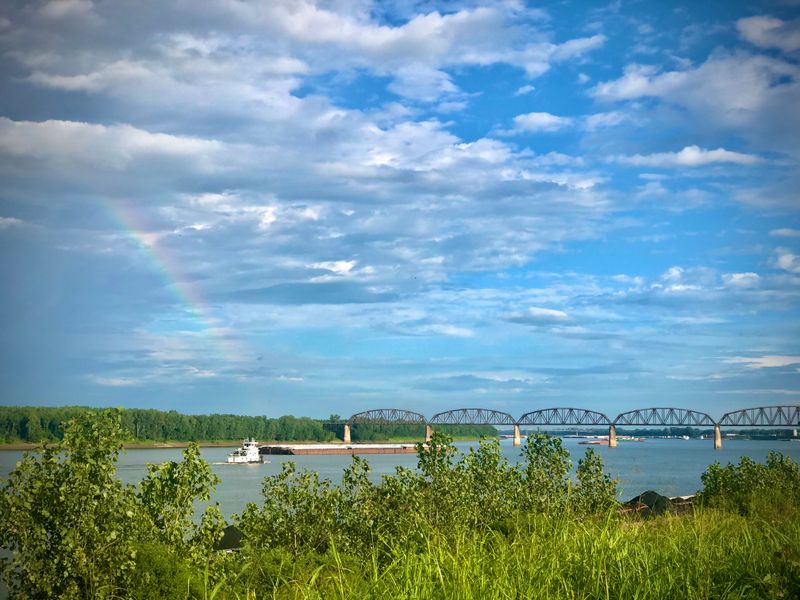
In the Civil War, Cairo mattered. Its position at the rivers made it a Union supply hub and staging ground, a place where rail met water and men learned to march.
Imagine tents lining the levee, stacks of crates, and the clatter of telegraph keys tapping out orders. The town’s quiet now keeps the echoes close.
Not every site is marked, but the story survives in plaques and the way the landscape behaves. You can trace the logistics with your feet: river landing, rail spurs, warehouses that once pulsed with movement.
If you are a history fan, plan a few hours to wander, read, and compare maps on your phone. There is no ticket booth to clear, just patience and curiosity.
You might feel a tug when you picture soldiers writing home while the river breathed behind them. Movement defined Cairo then, and somehow still does.
The currents trained people to look ahead, plan supply lines, and watch the horizon for news. Walk carefully, imagine generously, and let the present-day emptiness act like open space on a chalkboard.
You can sketch the past without filling in what is not there.
The Gem Theater And Faded Marquees
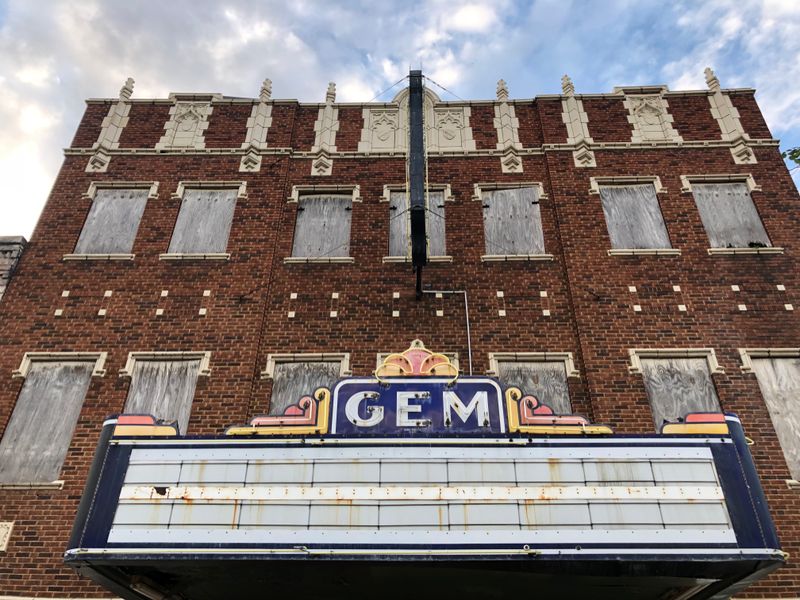
Look for the old theater signs that still cling to corners downtown. The Gem Theater and other marquees whisper about double features, first dates, and popcorn salt that stuck to your fingers.
Even when the bulbs are gone, the shapes feel lively, like a grin that refuses to fade. You stand there and almost hear ticket windows slide open.
These buildings are fragile, and access varies, so your best view is usually from the sidewalk. Bring a camera with a fast lens if you want those dusky, cinematic shots.
Street parking is easy, and golden hour sets the brick and metal aglow. If doors are closed, respect that boundary and let the outside tell its story.
Once, crowds spilled onto the curb, laughter brushing past the next showtime. Today, the quiet is not empty.
It is an invitation to remember how a town gathers, how light draws people in, how a marquee makes ordinary Tuesday evenings feel special. You cannot buy a ticket here now, but you can stand beneath the sign and hear the applause stored in the walls.
It lingers longer than you would think.
Fort Defiance
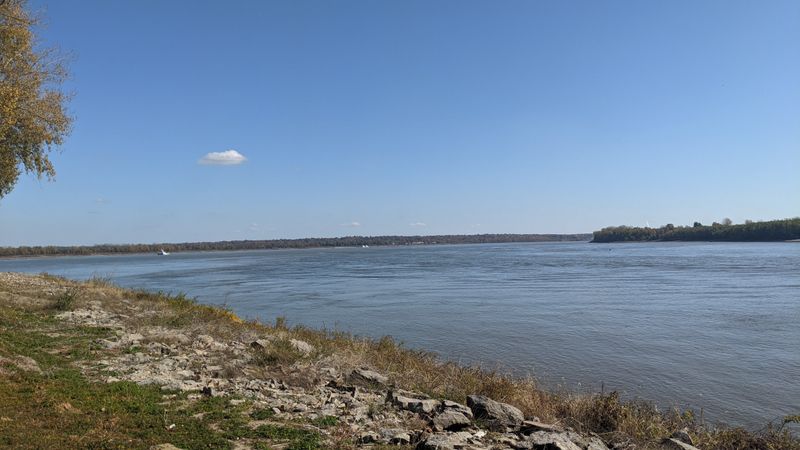
Fort Defiance sits at the very point where Illinois ends, a quiet park with powerful geography. You walk shaded paths toward the lookout, pass modest signs, and arrive at water meeting water.
There is usually a breeze carrying river smell and a coolness that feels earned. The park is simple, and that is part of its pull.
Hours can shift with seasons and maintenance, so check ahead if you are planning a sunset linger. There is parking near the entrance and spaces that work for larger vehicles, though surfaces can be uneven.
Bring bug spray in summer and a jacket in spring. It is not a long hike, more a slow reveal.
Here, Cairo’s story condenses. River pilots watched this junction like hawks, soldiers paced it, and travelers still come to step on the map’s last inch of Illinois.
If you enjoy collecting edges and corners of states, this one feels special. Stay long enough to watch the current lines knit together into one broad flow.
You will leave feeling slightly rearranged, like the map moved inside you.
Rail, River, And The Old Bridge Silhouettes
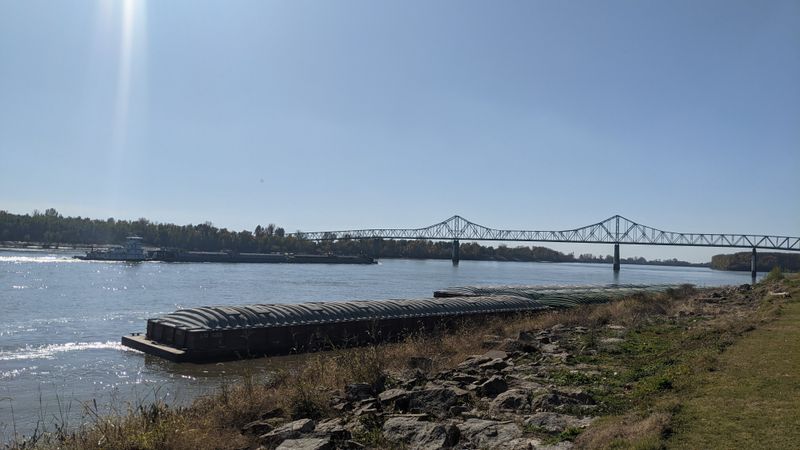
Steel trusses cut a jagged line across the sky near Cairo, and you cannot help staring. Bridges here were built for work, not pretty, yet they end up beautiful by accident.
At sunset, the metal turns ink-black and the river takes the color of a coin. You can feel the weight of freight and time on every rivet.
Some spans are active, others retired, and access varies, so mind posted signs and keep to public viewing areas. You can pull off at designated spots to frame the silhouettes with the water behind them.
Early evening is best for color, and you may catch a barge sliding by like a slow paragraph. The sound is a low hum that settles in your ribs.
Bridges tell you how a town connects, how it sends and receives. In Cairo, they also hint at what moved away and what remains.
If you are into industrial photography, bring a tripod and patience. If you are not, bring your curiosity.
Either way, the lines in the sky will serve you a clean, quiet kind of awe.
Magnolia Manor’s Genteel Echo
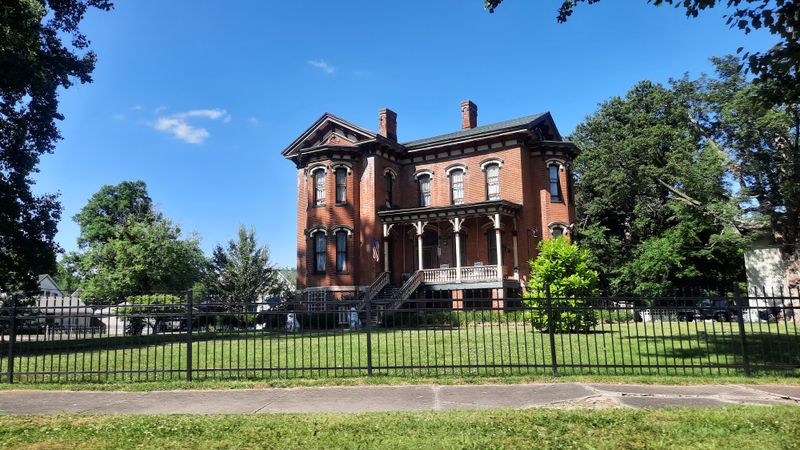
Magnolia Manor looks like a gracious pause in the middle of a hard-working town. The Italianate lines, the cupola, and the porches make you straighten your posture a little as you walk up.
The house tells of a time when river fortunes dressed themselves in gingerbread trim. You can almost hear skirts rustle and glasses clink, even if the day is quiet.
Tours may be seasonal and sometimes by appointment, so check schedules and expect approximate admission around the cost of a casual lunch. The steps are manageable, but if mobility is a concern, call ahead about access options.
Parking is street-side and close. Guides, when available, speak with care about what is known and what is guessed.
Inside, if open, you will notice woodwork that feels hand-steadied and rooms arranged for conversation. If closed, the exterior still rewards a slow walk and a respectful look.
Magnolia Manor is a reminder that Cairo carried elegance alongside industry. It gives the town a softer register, and you leave with that note ringing.
River Industry Past
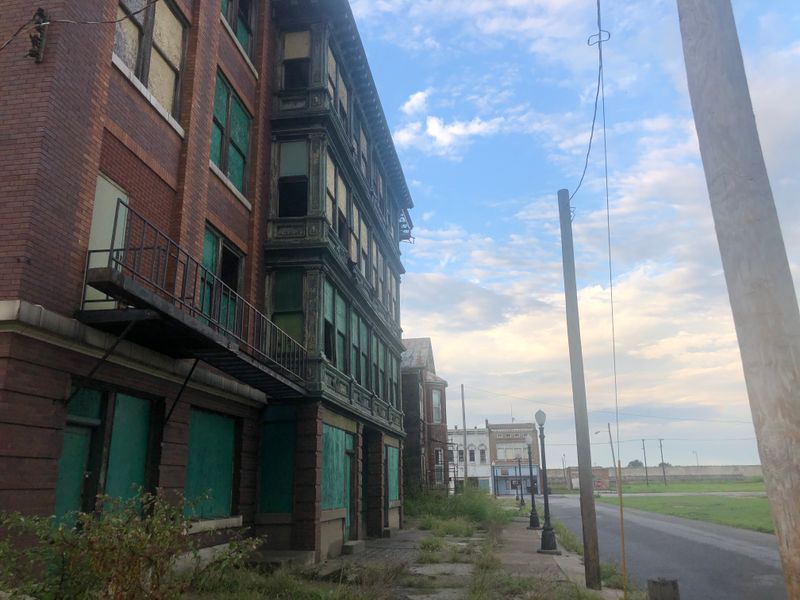
Walk along the old riverfront and you will spot clues to Cairo’s working life. Brick warehouses keep their broad shoulders even when their windows sleep.
Loading docks step down like tired stairs, and rusted rails hide in concrete like fossils. Everything whispers of cotton bales, timber stacks, and the crisp snap of rope against bollards.
Much of this area is best viewed from public roads, and some spots are private or unsafe to enter. Keep a respectful distance, and you will still see the story.
Morning light drops into gaps between buildings, drawing lines like a draftsman. On overcast days, textures bloom and every surface seems to exhale.
If you like imagining the choreography of work, this is your stage. Barges once nosed up here, crews moved like clockwork, and whistles set the tempo.
You can park nearby and walk short stretches, but wear shoes you do not mind scuffing. Cairo’s industrial bones are still strong, and they deserve your attention.
The river may have the last word, but the docks wrote paragraphs that remain readable.
Church Steeples And Stained Glass Surprises
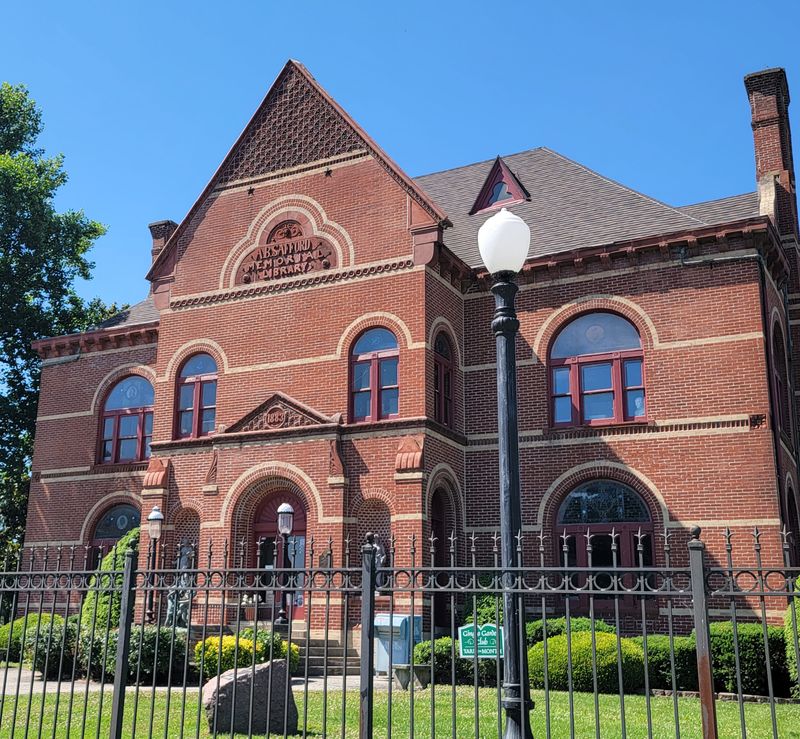
Turn a corner and a steeple will find you. Cairo’s churches carry both modesty and pride, with stained glass that throws jewel colors across pews when the sun behaves.
Even from the sidewalk, you can feel the craftsmanship in brick patterns and carved doors. These buildings tell a story about community that held on through hard stretches.
Some congregations are active, others not, and access changes, so peek schedules and posted signs. Sunday mornings are busy, weekdays are quieter, and a polite knock sometimes earns a friendly hello.
Street parking is usually simple, and steps vary from gentle to steep. If mobility is a concern, look for ramps or call ahead for guidance.
Stand outside when the light slants and watch the windows glow like warm embers. It is a small magic, the kind you only catch by being there at the right minute.
These steeples mark more than addresses. They map the heartlines of the town.
Let them guide you, even if only for a few blocks, and you will feel Cairo’s pulse under the quiet.
How To Visit With Care
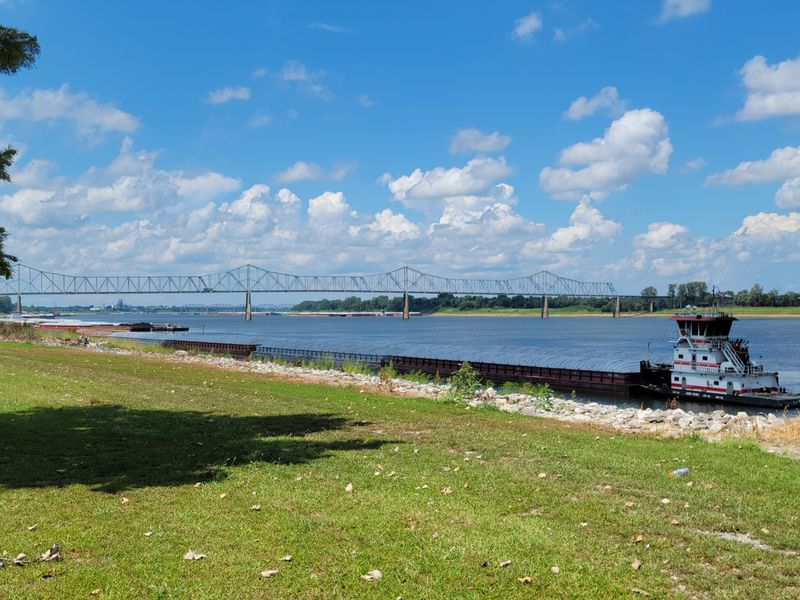
Cairo rewards patient, thoughtful travel. Plan a half day to a full day, watch the weather, and bring water, sunscreen, and shoes you do not mind getting dusty.
Many sites are outdoors or viewed from the street, so there is no single ticket to buy. If a museum or house is open, expect approximate admission like a movie ticket and be glad your dollars land local.
Hours shift with seasons, volunteers, and projects. Double check before driving long distances, and remember that river levels can change access around the levees and parks.
Parking is generally easy on streets and near parks, but surfaces can be uneven. Accessibility varies, so call ahead if ramps or restrooms are essential for your plans.
Best time to come is spring or fall for soft light and fewer bugs. Mornings feel crisp, evenings turn cinematic, and midday can be quiet enough to hear your own steps.
Be respectful with cameras, and do not enter closed or posted properties. This town has endured a lot. Visiting with care means listening first, then looking. You will leave with more than photos.