
These 10 Magical Castles In Michigan Most People Don’t Suspect Exist
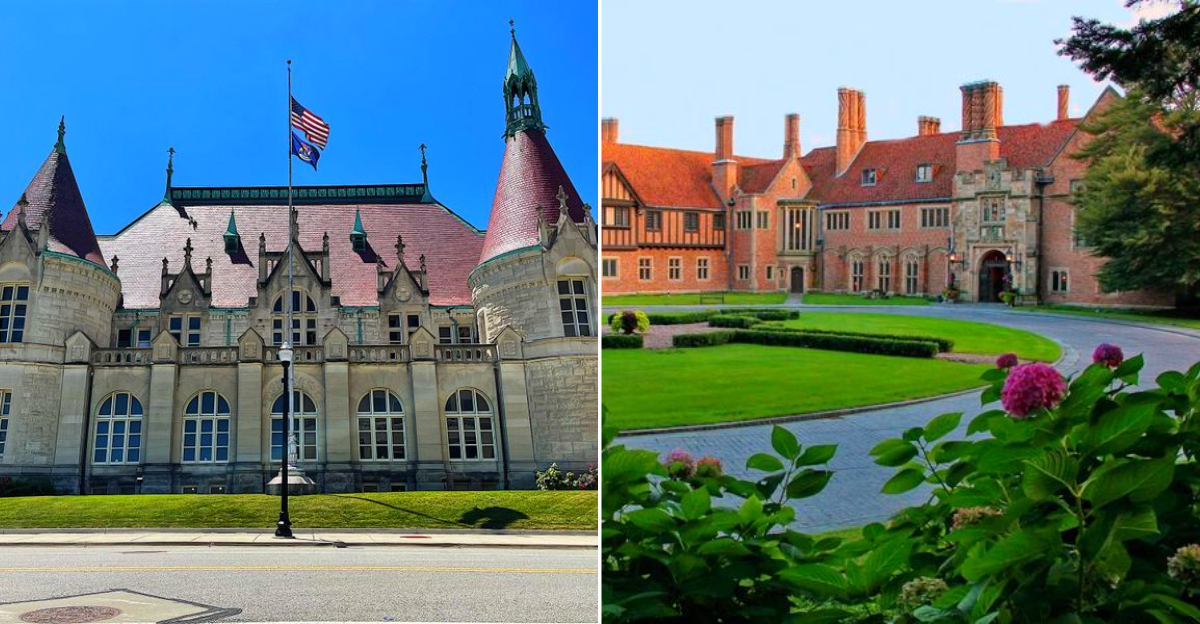
I’ve spent years wandering this state, and I still get a kick out of how Michigan hides its most eccentric stone battlements right behind a row of ordinary maple trees. Standing at the base of a Gothic giant in Detroit or a storybook turret on the coast, the air feels heavier, dampened by the muffled echoes of city traffic and the low-frequency chime of nearby steeples.
You’ll hear the grit of gravel under your boots and the occasional, sharp clack of a heavy iron latch, sounds that transport you straight out of the Midwest and into a medieval fever dream.
Michigan’s most historic castles and Gothic architecture offer a surprising journey through old-world design, featuring hidden turrets and limestone fortresses that feel like a European getaway.
To truly see them, stop looking for modern brick and start watching for the silhouettes that look like they belong in a Grimm’s fairytale.
1. Castle Farms, Charlevoix
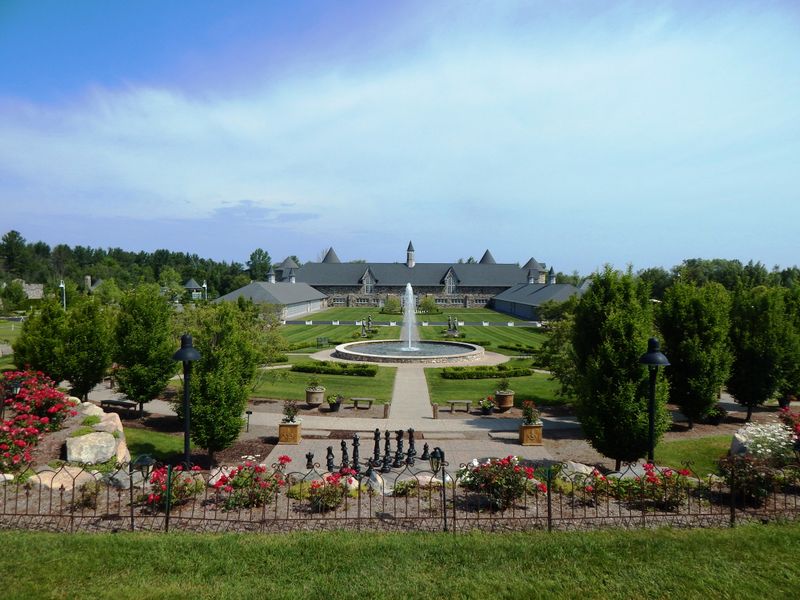
Doves flicker above limestone towers while the garden paths smell faintly of thyme and lake air. Castle Farms looks theatrical yet practical, with tidy courtyards, reflective ponds, and a Model Railroad that hums with a pleasing, rhythmic repetition.
The vibe balances fairytale sweetness and careful curation, never quite tipping into kitsch despite its grand scale. It feels composed, but not sterile, like the place is meant to be enjoyed slowly.
Built in 1918 by Albert Loeb, the acting Vice President of Sears, Roebuck & Co., it was originally designed as a model dairy farm to showcase state-of-the-art agricultural equipment. Since then, it has lived many lives, including a wild stint as a world-class rock concert venue in the 70s and 80s, before undergoing a meticulous restoration.
Today, the exhibits nod to that agricultural ingenuity and regional history without ever feeling like a lecture. Families, wedding parties, and architecture fans share the grounds respectfully, often stopping to admire the giant outdoor chess set or the lush formal gardens.
My best advice is to arrive early to catch the soft morning light for photos and to beat the midday crowds. Comfortable walking shoes are a must for navigating the gravel paths.
Before you head back to the car, stop at the gift shop for local cherry jams that actually taste like a Michigan summer in a jar.
2. Curwood Castle, Owosso
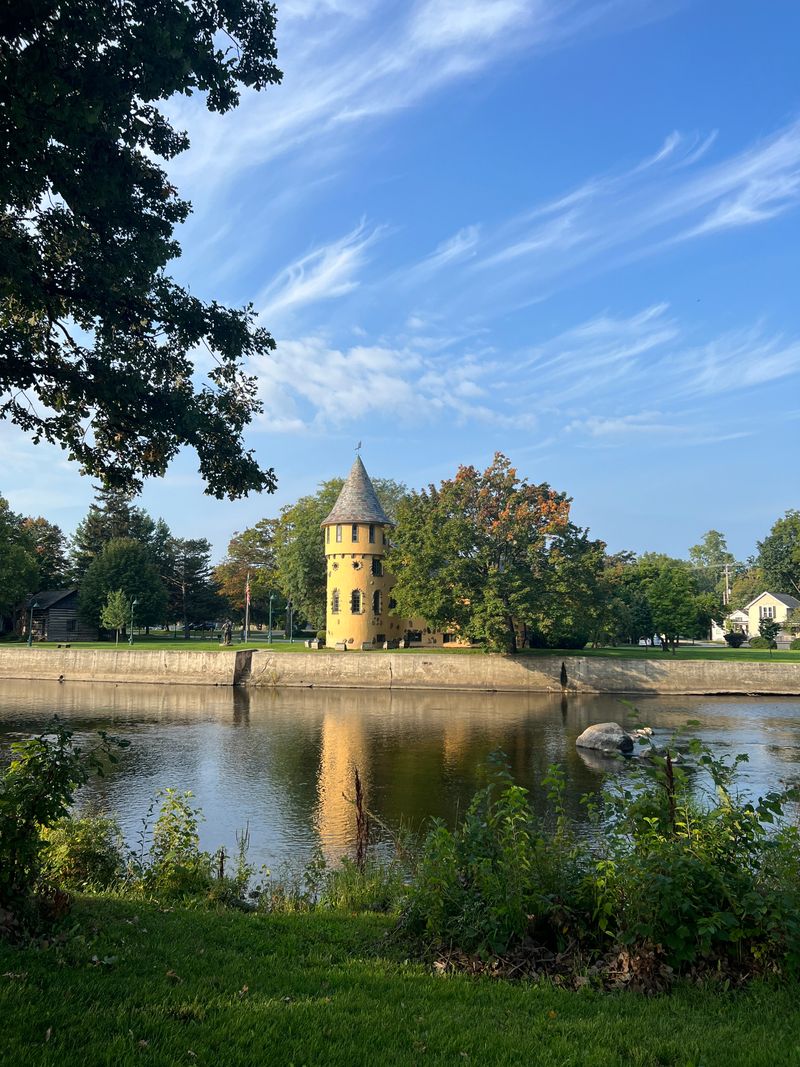
A small, turreted silhouette perches gracefully by the Shiawassee River, where the water carries a soft, rhythmic hush under the nearby bridge. Inside, Curwood Castle keeps the writer’s world tidy and immediate; you’ll find original manuscripts, trophies, and fading photographs that feel like they were just set down yesterday.
The intimate scale makes it feel like a shared whisper among the city’s bigger, louder buildings. It’s the kind of place that asks you to slow down without announcing it.
Famous adventure author James Oliver Curwood built this neo-Norman studio in 1922 as his private writing retreat. Curwood was a man of the wild, and the museum traces his transition from a hunter to a fierce conservation advocate with a clear, human touch.
His adventure stories once sold millions worldwide, and the castle serves as a shrine to that literary legacy. The local volunteers convey pride here, and they share anecdotes readily without being pushy.
Parking is generally easy along the scenic riverfront, and the modest admission price goes directly toward preserving this yellow-stone gem. Visit during the fall when the maple leaves turn a crisp orange, the view from the turrets is hard to beat.
I left feeling tempted to re-read an old Curwood novel, suddenly curious about the rugged Michigan landscapes I might have overlooked.
3. The Castle Museum of Saginaw County History, Saginaw
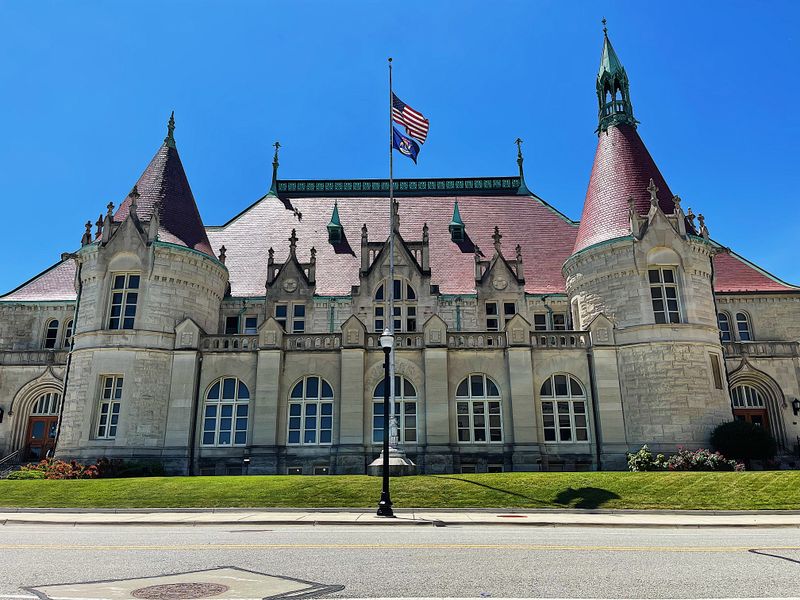
The limestone façade resembles a French chateau, but the welcome inside is strictly Midwestern practical. The galleries unfold with archaeological finds, lumbering-era artifacts, and pop culture ephemera that feels unexpectedly charming.
You’ll notice the quiet hush of well-run exhibits paired with playful hands-on corners that keep kids engaged. The mix keeps the pace light without making the history feel thin.
Originally built in 1898 as a U.S. Post Office, the building was designed in the Chateauesque style to honor the French heritage of the region’s early settlers. It narrowly escaped demolition and became the museum we see today through community advocacy and careful renovation.
The interpretive panels highlight immigration waves, the booming lumber industry, and the vital river trade. While the history is rich, the building itself, with spiraling turrets and intricate stonework, is the real star, though it never acts like a diva.
It’s worth checking their calendar for rotating shows and specialized neighborhood walking tours. Two hours is usually comfortable for a thorough visit.
Nearby coffee shops make for a great post-museum debrief, and street parking usually cooperates if you’re willing to circle the block once.
4. Henderson Castle, Kalamazoo
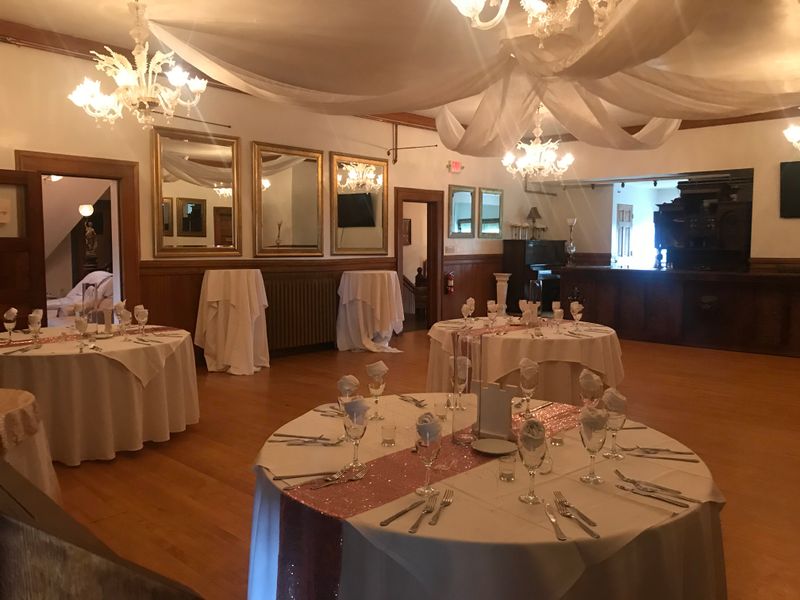
The delicate perfume of a gourmet kitchen mingles with the scent of old wood and polished banisters as you step into Henderson Castle. This place does not hide its showmanship; it operates as a boutique inn and restaurant with a rooftop deck that frames the Kalamazoo skyline.
The vibe is one part high theater and one part Victorian time capsule, and it remains one of the liveliest old houses in the state. Even small moments, like a doorway creak or a staircase turn, feel part of the performance.
Built in 1895 for Frank Henderson, a successful businessman who made his fortune in Masonic regalia, the Queen Anne exterior is a gorgeous mess of turrets, gables, and carved stone. Later owners leaned into hospitality, adding fine dining and spa amenities while retaining the original period finishes.
If you take a tour, the docents share historical facts that land lightly rather than feeling like a dry history lesson. You learn, but it still feels like you’re simply wandering through a house with a strong personality.
I highly recommend reserving a spot ahead of time for dinner or High Tea, as weekends tend to fill up quickly. Keep in mind the stairs are quite narrow, so if you’re staying overnight, pack small.
Watching the sunset from the rooftop turns the surrounding brick warm and forgiving, and conversations naturally soften along with the changing light.
5. Detroit Masonic Temple, Detroit
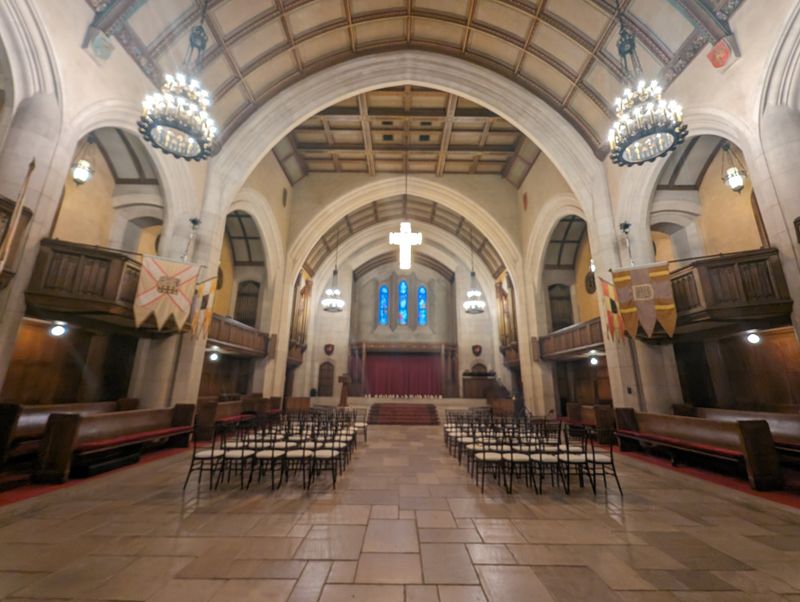
Stone ribs climb into the Detroit sky like a cathedral tuned for a grand performance. The Detroit Masonic Temple feels both monumental and oddly intimate, with vast hallways that suddenly bend into quiet, ornate chambers.
You sense the craft in every square inch, from carved bosses on the ceiling to intricate marble mosaic floors. It’s overwhelming in scale, yet full of tiny details that reward a slower gaze.
Completed in 1926 by the architect George Mason, it holds the title of the largest Masonic Temple in the world. The complex houses multiple theaters, ballrooms, and ritual rooms, all carefully maintained by a team of dedicated stewards.
It’s a miracle of architectural tenacity, and the building outlasted Detroit’s leanest years through grit and community support. The place feels like it is still doing its job, not simply posing for photos.
The public tours are the way to go here, they reveal hidden rooms and a backstage maze that feels like something out of a thriller. Be sure to check security and entry details on their website before arriving, since it’s a working venue.
Afterward, it’s a short walk to nearby Cass Corridor venues for live music or a snack. Stop and watch the limestone shift colors as the city traffic hums by at dusk.
6. Meadow Brook Hall, Rochester Hills
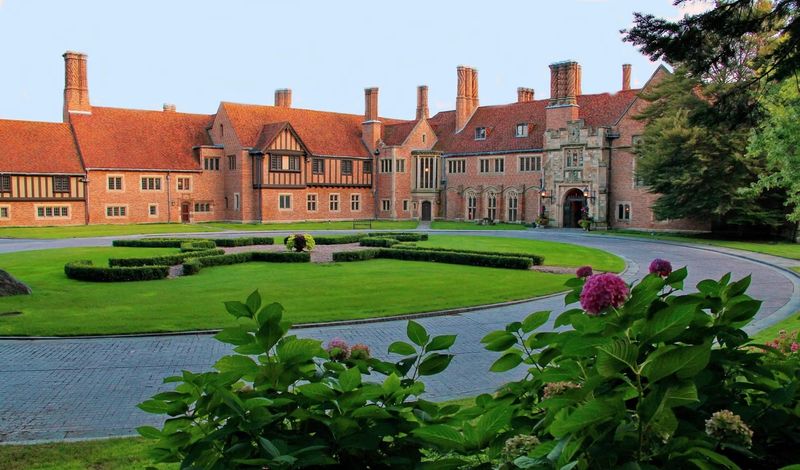
Morning light marks the half-timbering of this massive estate like careful pen strokes on a canvas. Meadow Brook Hall sits grandly yet remains surprisingly relaxed, with gardens that trade floral perfume for cool shadows and the steady chatter of birds.
The scale is meant to impress, yet it never feels cold or sterile; it welcomes slow steps and quiet observations. You can feel how the property was designed for both show and daily life.
Built between 1926 and 1929 for Matilda Dodge Wilson, widow of auto pioneer John Dodge, this Tudor Revival estate is a masterclass in artisan craftsmanship. It features over 100 rooms filled with collected art and layered domestic histories.
Because it is managed by Oakland University, the preservation is top-tier, keeping the rooms coherent and accessible to the public. The guides are fantastic, sharing stories that are crisp and human without turning the tour into a performance.
The timed tours help keep the pacing steady, and the photography rules are very clear, so you won’t be tripping over tripods. Allow yourself an extra twenty minutes just to sit in the courtyard or the loggia, where breezes loop like ribbon through the arches.
You’ll likely leave thinking about the patience required to carve every banister and hinge by hand. That thought sticks, because it explains the calm you feel while walking through it.
7. John A. And Catherine Jenkins Elwell House (Elwell’s Castle), St. Louis

A crenellated roofline peeks out from a quiet residential street in St. Louis, appearing surprisingly modest despite its castle moniker. Elwell’s Castle feels like a cherished family home that just happens to be wearing a playful stone crown.
It’s neighborly rather than grand, and you’ll often see birds scissoring between the trees while the stone façade tucks into the afternoon shade. The effect is charming because it refuses to be dramatic.
Built in the late 19th century by John A. and Catherine Jenkins Elwell, this Gothic-inspired residence reflects Victorian tastes and the local prosperity of the era. Alterations over the decades have been gentle, keeping the original silhouettes intact.
It’s a place where community memory does the heavy lifting, preserving local legends right alongside the mortar and stone. The building feels cared for, even when you are only passing by.
Because this is a private residence, there isn’t a formal tour schedule. The best way to enjoy it is to admire the architecture respectfully from the public sidewalk.
Be mindful of driveways and keep your voice soft so as not to disturb the peace. If you love architectural one-offs without crowds, this stop rewards a patient, observant loop around the block.
8. Victoria Hill Castle House
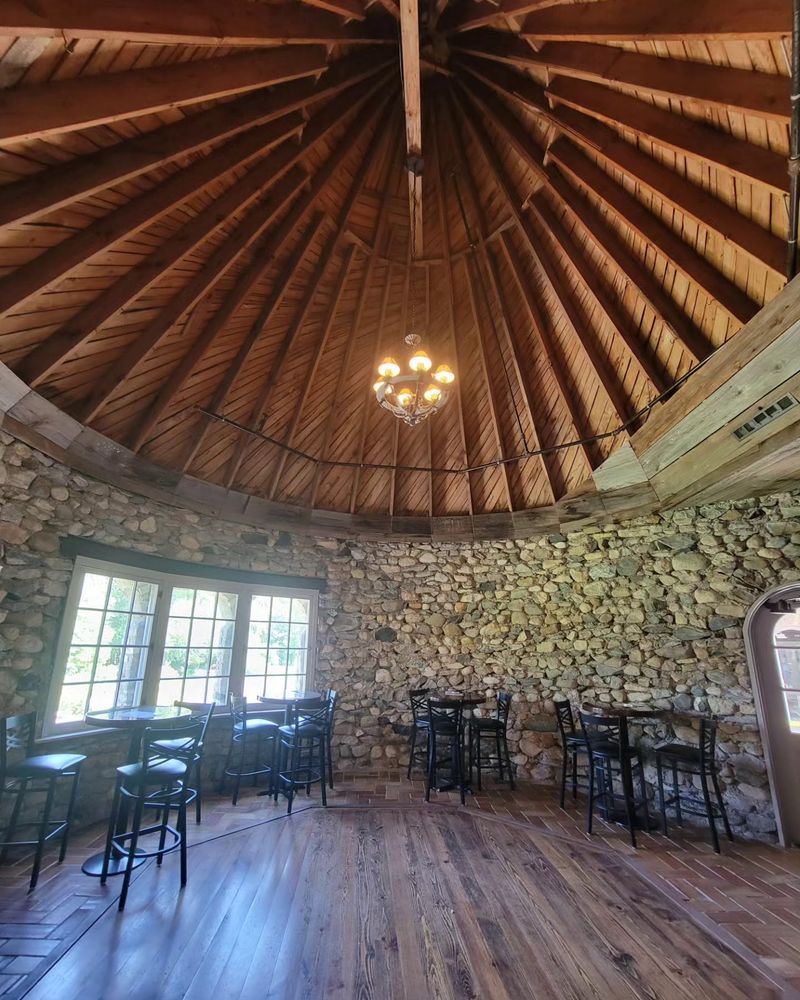
On a gentle rise in a quiet neighborhood, a solitary turret watches over a sea of mailboxes and morning dog walkers. The Victoria Hill Castle House lives in the space between a private home and a public spectacle, yet the street stays remarkably calm.
The landscaping is impeccable, softening heavy stone with clusters of lilacs and the scent of fresh lawn clippings. It feels like the house is dressed for attention, but the neighborhood is dressed for everyday life.
This private residence nods to Victorian Revival impulses that occasionally strike the Midwest, adapted through late 20th-century tastes. Its history is less about ancient nobility and more about a homeowner’s long-term commitment to a specific, whimsical vision.
The neighbors have grown used to the silhouette, and it has become a local landmark of sorts. The fascination is real, but the vibe stays respectful when people keep moving.
Because this is someone’s home, enjoy the view from the public sidewalks only. Take a quick photo to document the find, then let the property breathe without lingering too long.
There are nearby trails and parks that offer a better place to stretch your legs. They also help reset your expectations for the rest of your castle-hunting trip.
9. Gothic Castle Residence, Allegan
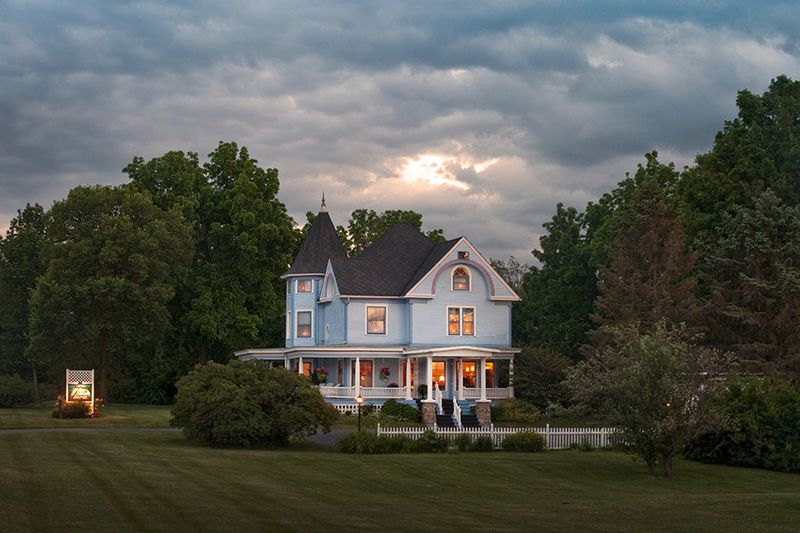
Owls settle somewhere unseen in the nearby trees as the pointed arches collect the last of the day’s light. The Allegan Gothic Castle Residence reads like a personal sketchbook of medieval ideas interpreted for a modern family.
It feels incredibly quiet, almost monastic, when viewed from the curb, tucked away from the main drag. Even the shadows seem to cooperate with the design.
Local records trace a patchwork of renovations that intensified the Gothic cues over the years, adding crenellations and windows with tracery-influenced outlines. The preservation is informal and heart-led, driven by the care of the owners rather than an institution.
The result feels idiosyncratic, deeply personal, and surprisingly coherent for such a bold design. It looks like the owners committed to the idea all the way through.
There are no public tours here, and that’s perfectly fine; some castles are meant to be seen and not entered. Park legally on the street and keep your distance, especially at dusk when the shadows make the Gothic features pop.
If you track architectural one-offs, mark a pin on your map and move along. Let the neighborhood keep its comfortable, quiet rhythm.
10. The Castle That Ray Built, Ovid
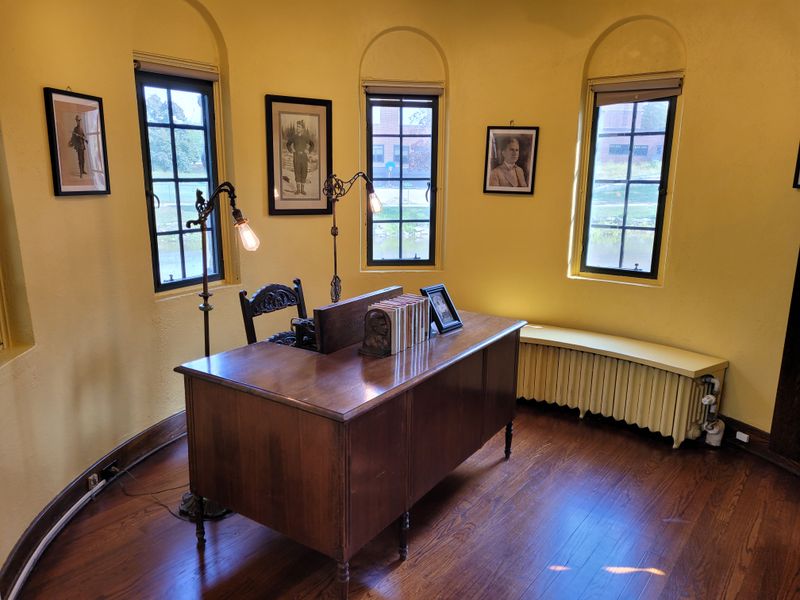
Wind skims across nearby fields while a handmade stone castle rises from the earth with stubborn, undeniable charm. The Castle That Ray Built is folk architecture at its heart, a structure stitched together from local stone, honest sweat, and dozens of patient weekends.
It looks improvised in places, yet you can tell every stone was placed with deep intentionality. The whole thing reads as a long-term conversation between vision and effort.
Local lore centers on the builder, Ray, and his decades-long project. He assembled this wonder piece by piece using scavenged materials and practical ingenuity.
The story survives through word-of-mouth from neighbors and the occasional feature in regional newspapers. It stands as a testament to the idea that persistence often matters more than a professional pedigree in architecture.
Since access can change depending on the season, check for current local guidance before you visit and respect all private property lines. A quick, admiring glance from the roadside is often the best way to take it in.
I drove away thinking about how a grand vision sometimes chooses stubborn materials. Then it proceeds to build a life out of them anyway.