
15 Michigan Attractions That Look Like They’re Straight Out Of A Fairy Tale
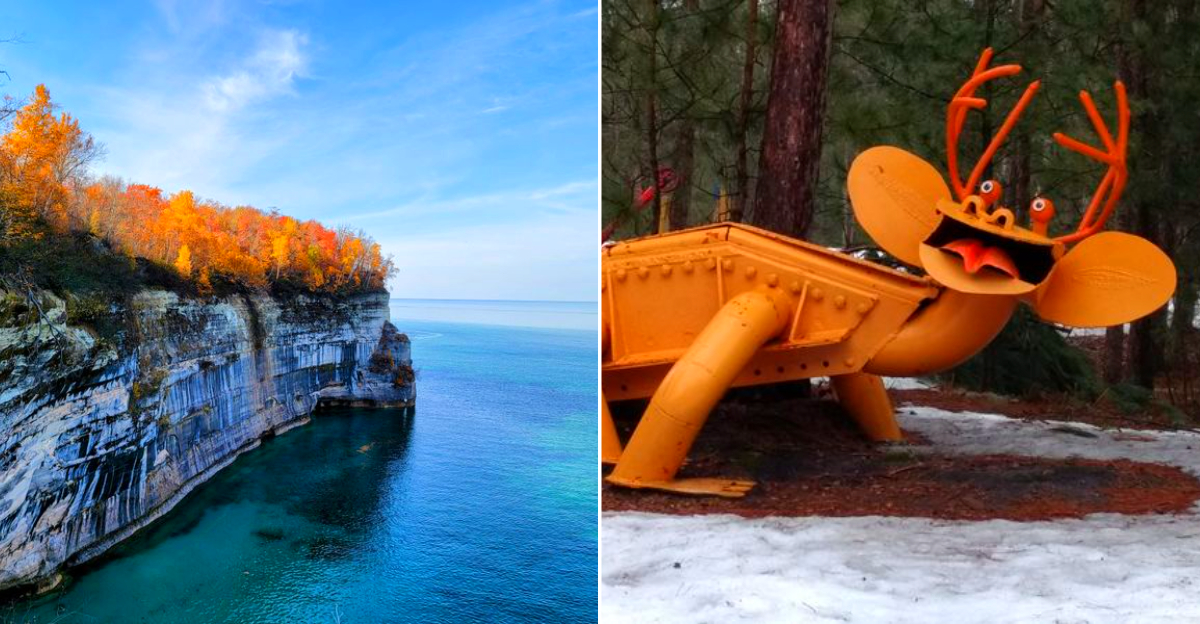
I used to think that true whimsy was reserved for European storybooks, until I spent a day wandering into Michigan’s quiet corners where the architecture looks like it was grown rather than built. There is a bizarre, beautiful defiance in a landscape where boulders are stacked into “hobbit” eaves and riverbanks are guarded by stone turrets that feel more medieval than Midwestern.
Exploring Michigan’s fairy tale locations reveals a world of whimsical architecture and enchanting natural landscapes that feel completely otherworldly. It is a world where everyday logic is replaced by the soft, golden glow of lanterns reflecting off hand-carved beams.
I’ve stood in these hidden groves and felt the strange urge to check for wood sprites behind every gnarled root. To find the magic, you have to look for the places where the roads narrow, the trees vault into emerald arches, and the buildings seem to lean into the earth as if they’re sharing a centuries-old secret.
1. Mackinac Island
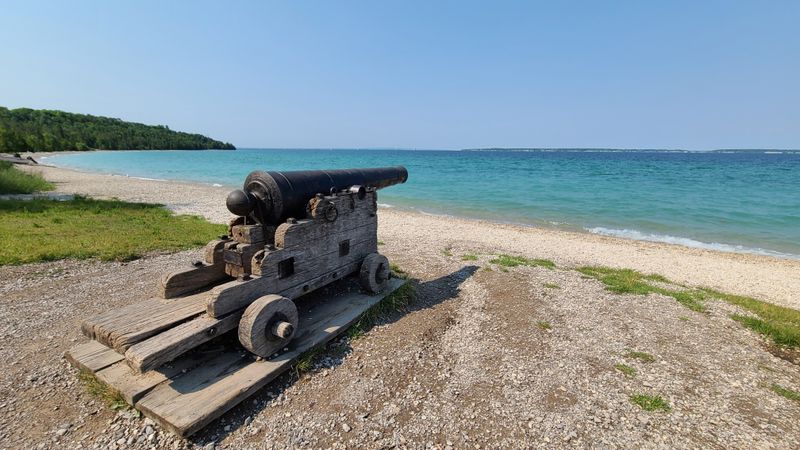
Hoofbeats, not engines, set the rhythm on Mackinac Island. Carriages clip along between pastel storefronts and tidy verandas trimmed with gingerbread woodwork.
Lake Huron presses in at every turn, turning narrow alleys into sudden glimpses of cobalt water and faraway freighters.
The island’s Victorian bones emerged from the resort boom of the late 1800s, and the famous motor vehicle ban has preserved a human-centric scale that feels like a lost century.
Fort Mackinac sits high above the town, chalk-white against the limestone bluffs, while old cemeteries and Anishinaabe stories linger in the deeper woods. You’ll want to bring decent walking shoes because steep hills tend to appear when you least expect them.
Renting a bike is the best way to circle the shore, but don’t forget to duck into the quiet side streets. You will hear church bells and gulls and realize that time has politely paused just for you.
2. Grand Hotel, Mackinac Island
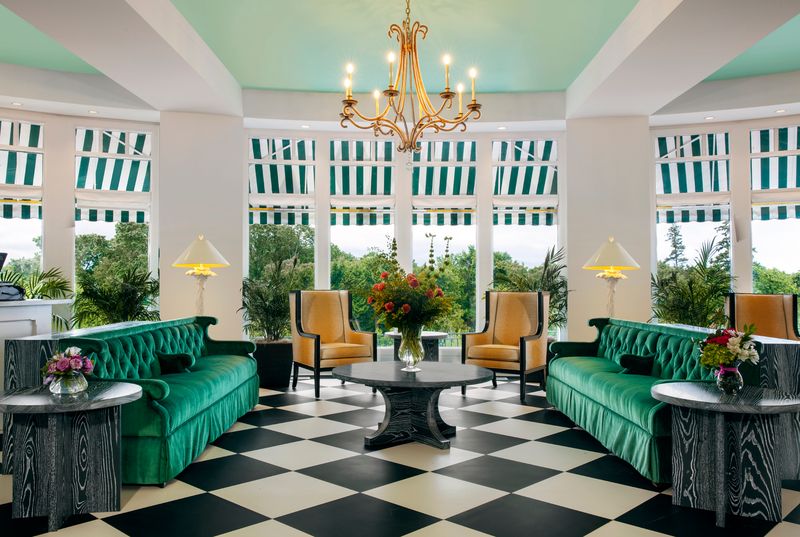
White columns rise like a stage set at the Grand Hotel, where the porch keeps going until it practically becomes the horizon. Rocking chairs line up in quiet formation, each with a lake breeze reserved for the occupant.
The geraniums deliver their own confident red—it’s practically a house color here.
Opened in 1887, the hotel is a magnificent survivor of the grand resort era, expanded and carefully maintained to keep its theatrical scale intact. Inside, the fearless interiors pop with stripes and candy colors that should feel fussy, yet read as playfully formal.
Even if you aren’t staying the night, non-guests can buy a day pass to wander the grounds, and you’ll find that dressing up in the evening is still a cherished tradition.
Pause for afternoon tea, watch the ferries stitch the straits together, and let the longest porch in the world tell you a few stories.
3. Castle Farms, Charlevoix
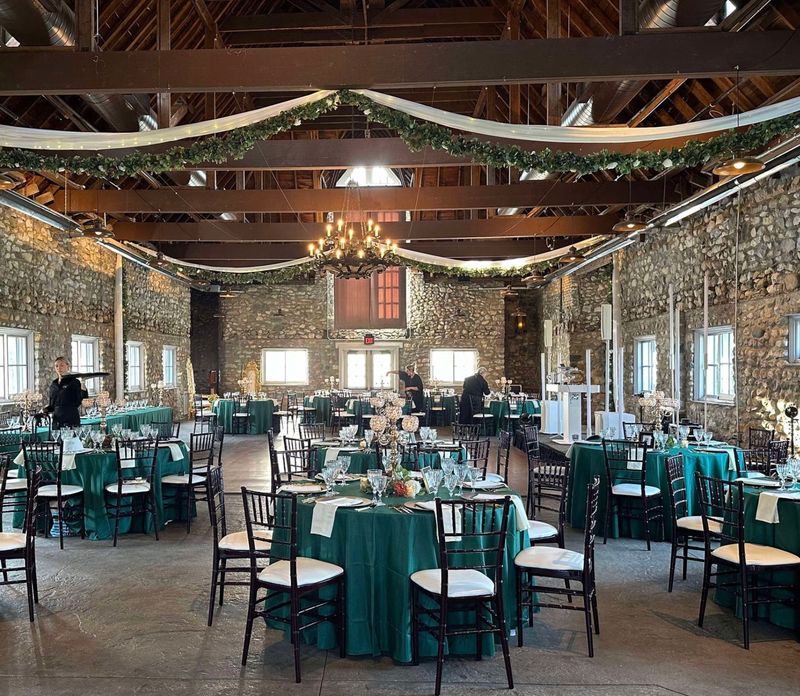
Turrets and stone walls appear in a field like a dream that decided to stay. The courtyards echo with fountain chatter and soft gravel crunch. Doves wheel above arched windows while vines try their luck along limestone seams.
Built in 1918 by Albert Loeb as a model dairy farm inspired by European castles, the complex later fell into disrepair before careful restoration revived it. The architecture balances fantasy with agricultural practicality. Exhibits nod to its farming chapter and later concert era.
Tours are self paced, so linger where the light feels kindest. Families drift toward the model railroad, and photographers chase reflections in the pools. Come early, because weddings claim golden hours with good reason.
4. Pictured Rocks National Lakeshore, Munising area
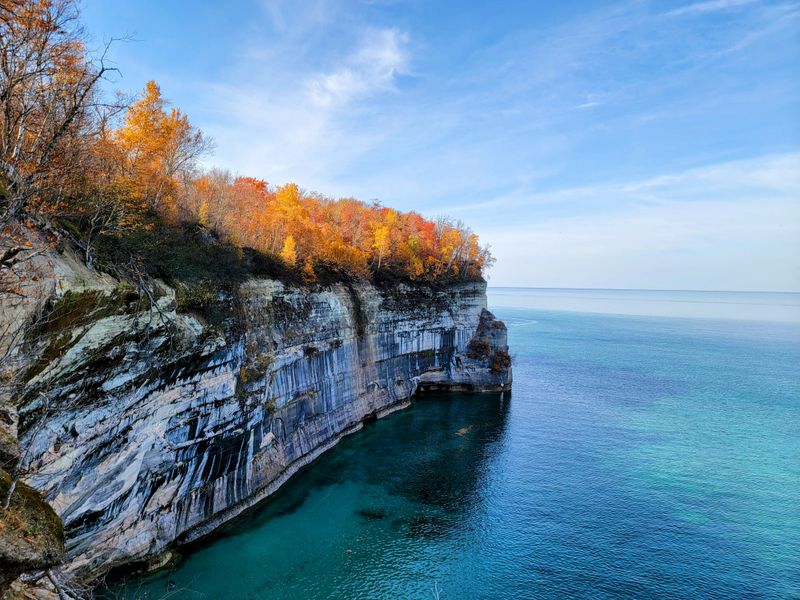
Colors run down the cliffs like watercolor left in the rain. Turquoise water slaps at caves, and the boat’s engine lowers its voice near delicate arches. The air tastes like cold iron and pine needles.
These sandstone formations wear mineral stains from groundwater seeping through layers, painting oranges, greens, and blacks. Protection as a national lakeshore since 1966 has kept development away from the most fragile stretches. Lighthouses and shipwreck stories stitch the coastline into a longer memory.
Boat tours reveal the scale, but kayaks slip into the caves when conditions behave. Check marine forecasts obsessively because Superior sets the terms. When sun breaks late, the cliffs glow with a patience that changes your pace.
5. Sleeping Bear Dunes National Lakeshore, Empire area
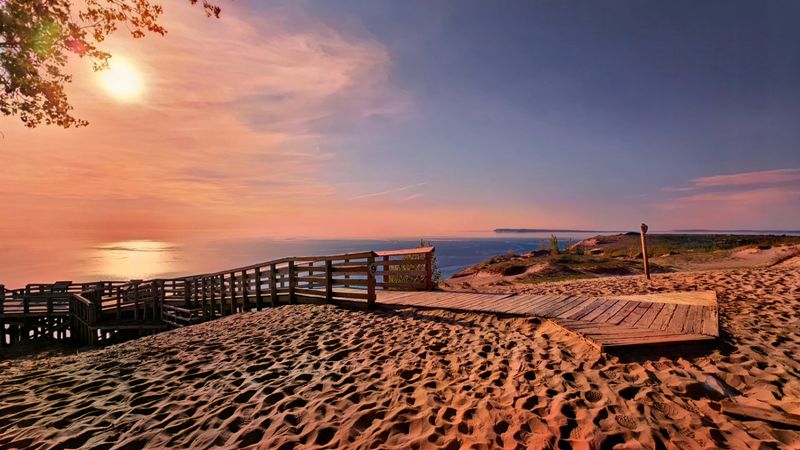
Sand climbs into the sky at Sleeping Bear Dunes, creating a mountain made of whispers. From the ridges, Lake Michigan looks impossibly deep and steady, a blue plate turning with the shifting weather.
Your footsteps will squeak in the fine sand, and dune grass draws rhythmic calligraphy across the wind.
The dunes formed over thousands of years as glacial sands shifted and piled against the shore. The national lakeshore protects more than just sand; it guards villages, forests, and historic farmsteads.
Old barns carry the practical beauty of settlers who had to balance their lives with a harsh, beautiful coast. If you want to avoid the midday heat, skip the Dune Climb and try the Pierce Stocking Scenic Drive overlooks instead.
Be sure to stay off the fragile vegetation and watch for quick weather turns. Sunset here folds the landscape into purple velvet, and conversation naturally drops to a hush.
6. Tahquamenon Falls State Park, Paradise
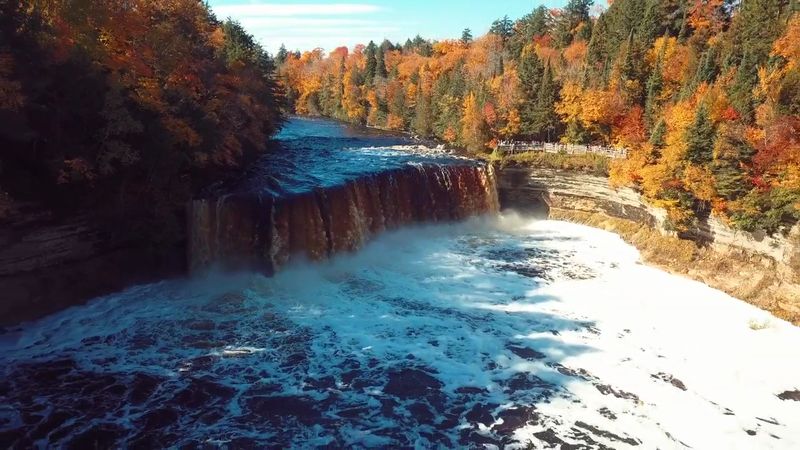
The water runs tea colored, like the forest brewed it strong. Mist rises off the Upper Falls, and every railing hums from the pour. Froth gathers at eddies, thick and caramel, while ravens comment from spruce perches.
Tannins from cedar and hemlock give the river its signature amber. The park protects both Upper and Lower Falls, with trails connecting overlooks and quieter pockets. Logging history threads through nearby towns, and winter turns the edges into sugar glass.
Wear layers because microclimates change fast near the spray. Stairs look easy until the return trip, so pace the photo stops. If hunger hits, the park’s brewery across the road answers with pasties and sturdy pints.
7. Kitch-iti-kipi (The Big Spring), Manistique area
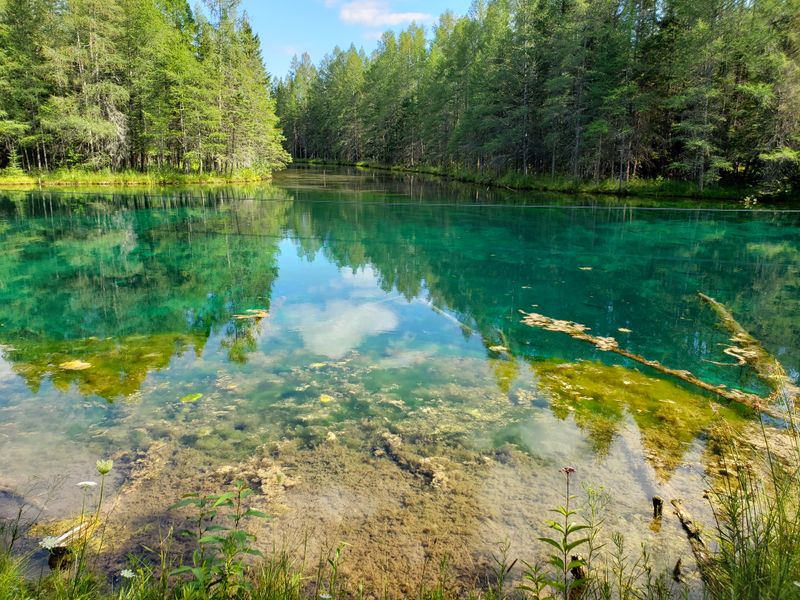
The water is so clear that depth becomes a suggestion. Sand boils bloom on the bottom where the spring exhales, and trout hover like punctuation marks. A wooden raft glides on a hand pulled chain, gentle as a page turn.
This limestone spring stays around 45 degrees year round, feeding into Indian Lake. Long a place of Ojibwe stories, it later became a state park attraction with minimal fuss. The viewing window in the raft frames the underwater theater simply.
Arrive early to avoid bus crowds and catch that glassy surface. Bring a light jacket even in July. You will watch the sand breathe and forget to count minutes, which seems like the point here.
8. Windmill Island Gardens, Holland
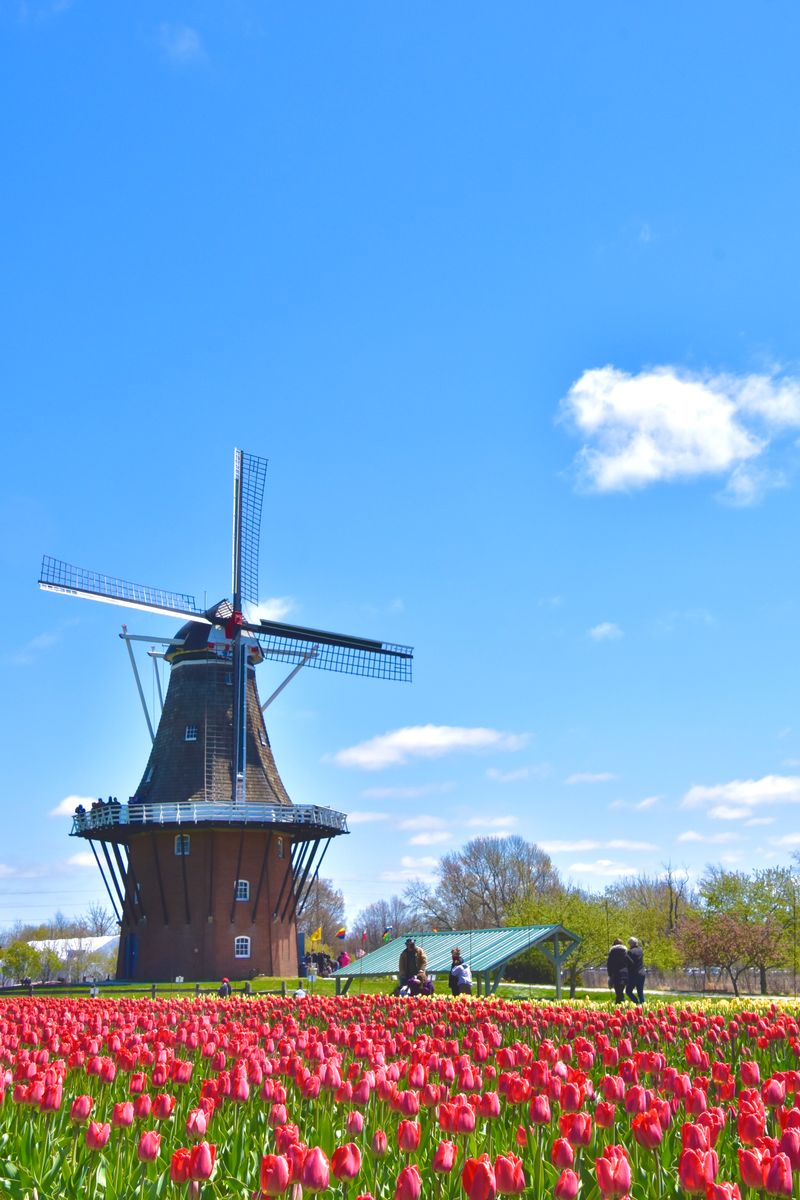
Blades turn with a steady patience that feels older than the lawn. Tulips push color into precise rows, and a canal folds the scene into tidy reflections. Interpreters in Dutch dress move between gardens and mill, practical and cheerful.
De Zwaan, an authentic 18th century windmill relocated from the Netherlands, still grinds flour when winds cooperate. The city’s Dutch heritage wraps the grounds in festivals and careful maintenance. Wooden shoes clack on boards, and small details keep kitsch at bay.
Spring is prime during Tulip Time, but summer is calmer. Climb the mill tour for gears and views, then wander the back paths. Leave space in your bag for a flour sack and fresh stroopwafels nearby.
9. Frederik Meijer Gardens and Sculpture Park, Grand Rapids
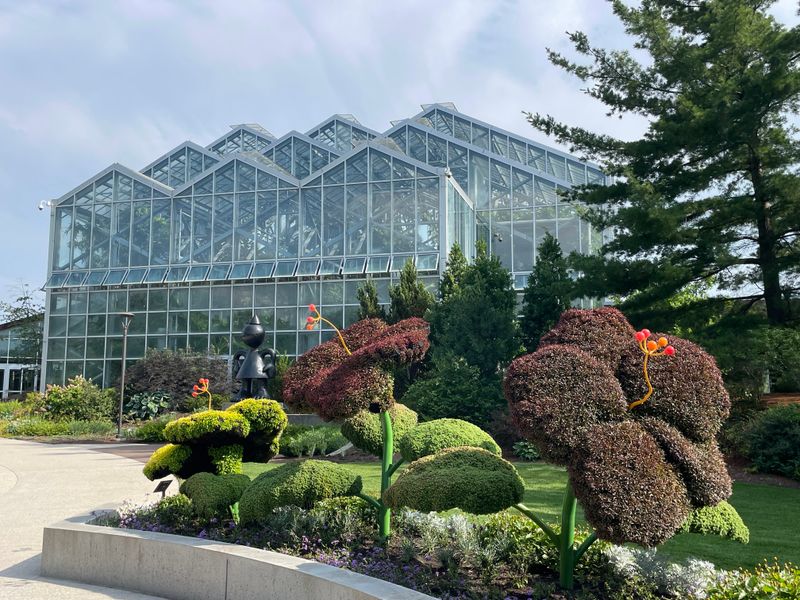
Bronze and steel share space with peonies and puddles. One moment a towering horse frames the sky, the next a quiet path bends past grasses breathing in the wind. The conservatory fogs your glasses and smells like green electricity.
Opened in 1995, the campus blends horticulture and art with serious intent. Temporary exhibitions sit alongside a deep permanent collection, and the design invites wandering rather than marching. Local families treat memberships like a lifestyle, returning with seasons.
Reserve tickets during busy shows and bring patience for the parking dance. The Japanese Garden asks for a slower stride and earns it. If rain starts, do not flee, because wet leaves sharpen the sculptures’ edges.
10. Dow Gardens and Whiting Forest Canopy Walk, Midland
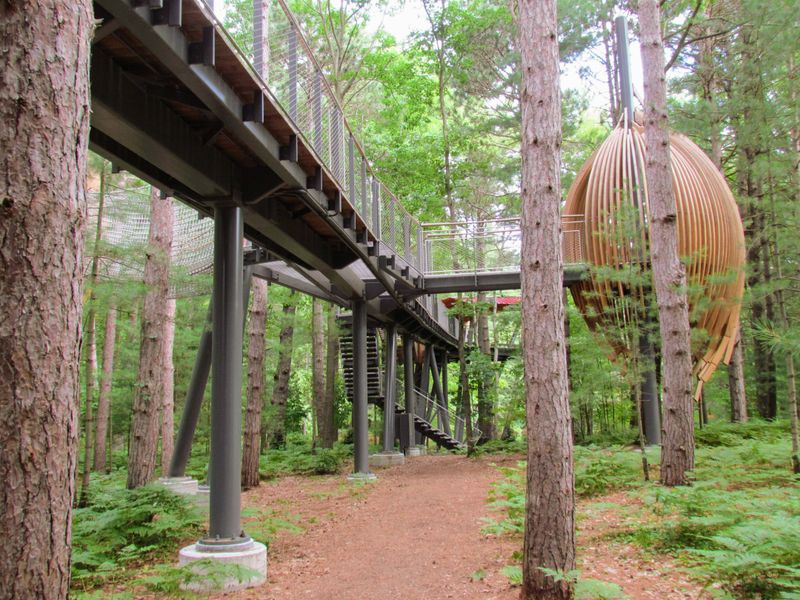
Up in the trees, the walkway swings gently and your balance pays attention. Platforms bloom like rust colored leaves, peeking over ponds and lawns stitched with paths. Down below, kids chase dragonflies while water nudges stones.
These gardens grew from the Dow family’s estate, expanded into a public landscape balancing artful plantings and playful engineering. The canopy walk claims the title of longest in the nation and feels thoughtfully built, not flashy. Local volunteers keep small facts circulating like friendly rumors.
Weekdays are quieter. Try morning light for soft views and fewer selfies at the nets. Shoes with grip help when the platforms collect dew, and the cafe’s cookies are exactly as restorative as you hope.
11. Lakenenland Sculpture Park, Marquette area
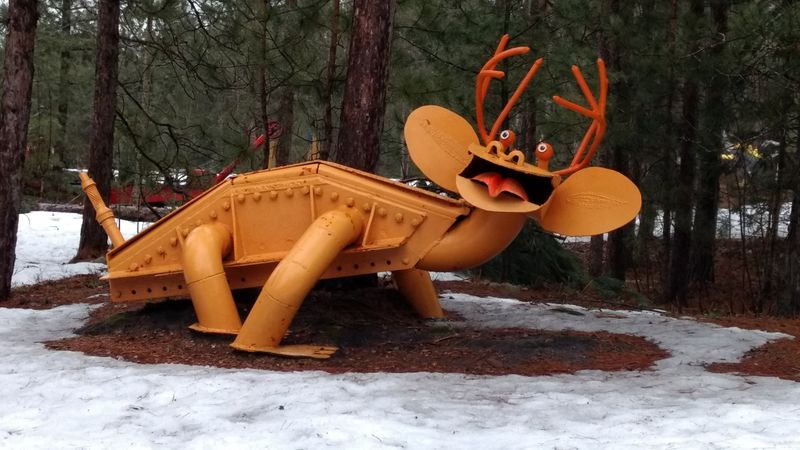
Dinosaurs, musicians, and improbable fish rise from welded scrap like they always wanted to be here. Hand painted signs crack jokes and point the way. Pines stand as amused witnesses while families roll windows down to laugh.
Created by Tom Lakenen, a local welder, the park began as a personal project and morphed into a community landmark. It is free, donation supported, and very Upper Peninsula in stubborn generosity. Winter adds hats of snow to every creature, which suits them.
You can drive through or park and wander with a thermos. Bring patience for gravel and a camera for odd angles. I left with the feeling that whimsy can be welded strong enough to weather anything.
12. Ocqueoc Falls Bicentennial Pathway, Rogers City area
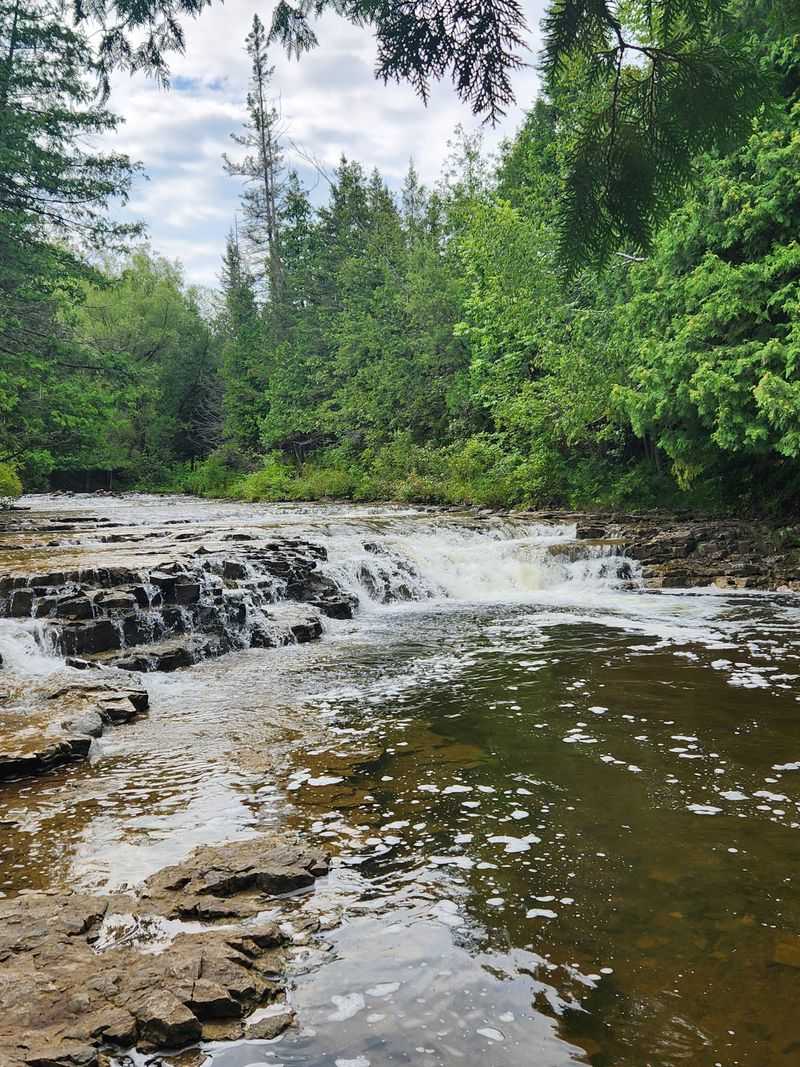
Water fans across limestone steps, more friendly than fierce. The falls are modest, which is exactly the charm, and families wade in with picnic courage. Sunlight threads through tall trees and lands in square patches on the water.
Ocqueoc is the Lower Peninsula’s only named waterfall, shaped by karst geology and a patient creek. The Bicentennial Pathway offers loops for biking and hiking, and the accessible viewing area brings more visitors into the scene. Local limestone quarries whisper a separate history nearby.
Bring water shoes and expect slippery rock games. Weekday mornings are easier for photos without inflatable floaties. End with Rogers City ice cream, because that seems to be the unspoken tradition around here.
13. Porcupine Mountains Wilderness State Park, Ontonagon area
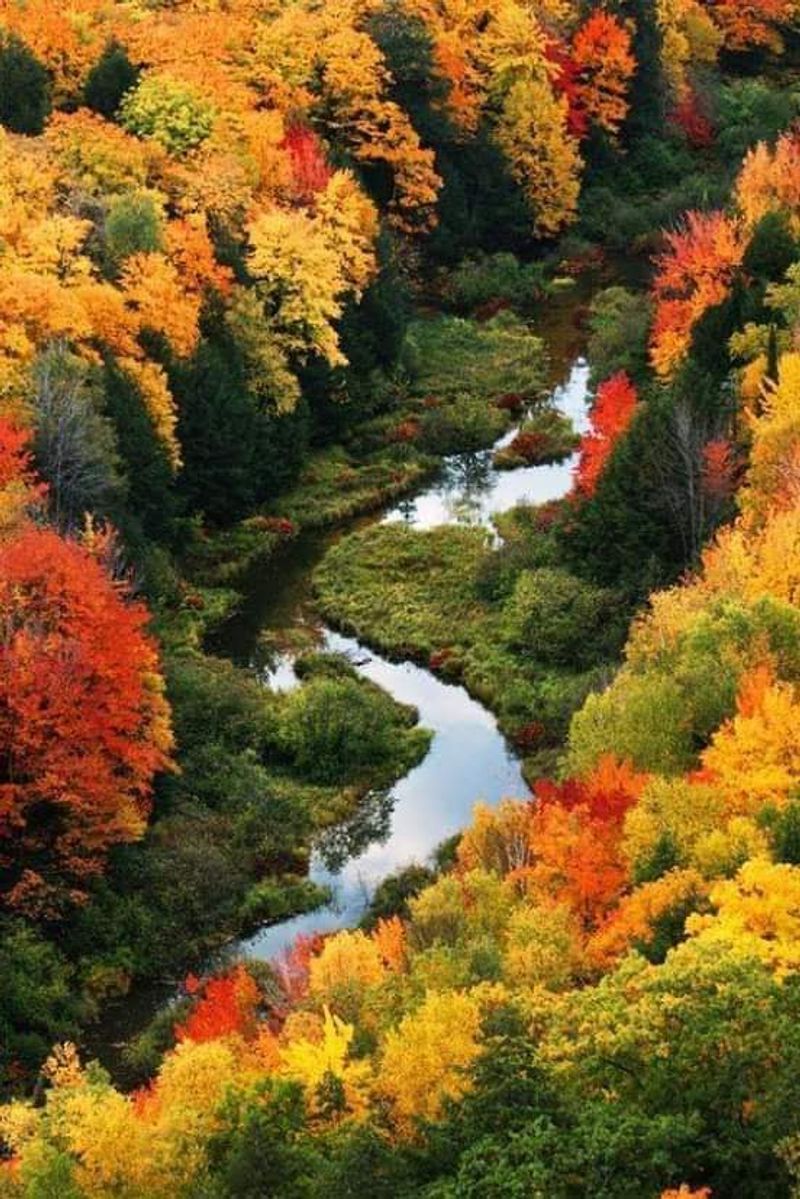
At the overlook, hills fold like a green quilt under a moving sky. Lake of the Clouds sits still while the wind does all the talking. The silence has weight, and even teenagers go quiet for a minute.
This is Michigan’s big wilderness, with old growth hemlock and maple kept intact by geography and good decisions. CCC era structures and later protections shaped access without taming everything. Mining history hides in mossy pits and cabin foundations.
Cell service is spotty, so print a map. Blackflies possess strong opinions in June, and September rewards patience with color. Backpacking permits are simple, but weather turns fast, so pack layers and an honest respect for distance.
14. Turnip Rock, Port Austin area
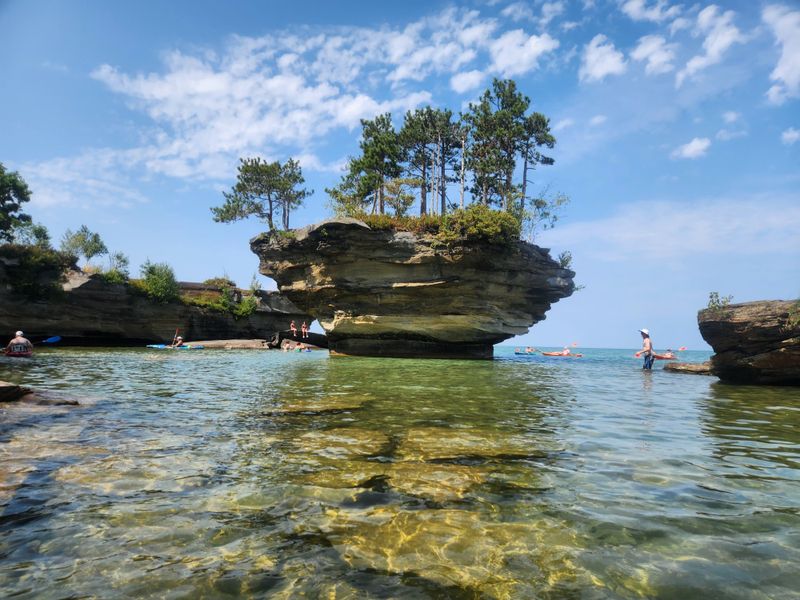
Balanced on a narrow stem of stone, the rock looks ready to tip and never does. Water shows all its shades of Huron blue as kayaks trace easy arcs around the stack. Trees cling to the top like a tidy haircut.
Turnip Rock sits on private shores, so access is by water from Port Austin. The limestone was carved by time and ice, and the shape keeps sharpening slowly. Locals guard the rules kindly but firmly to keep it open.
Launch early to dodge wind and boat wakes. Hug the coastline for shelter, and skip climbing the formation. When the lake behaves, you will coast back with shoulders pleasantly used and camera happily full.
15. Anna Scripps Whitcomb Conservatory, Detroit
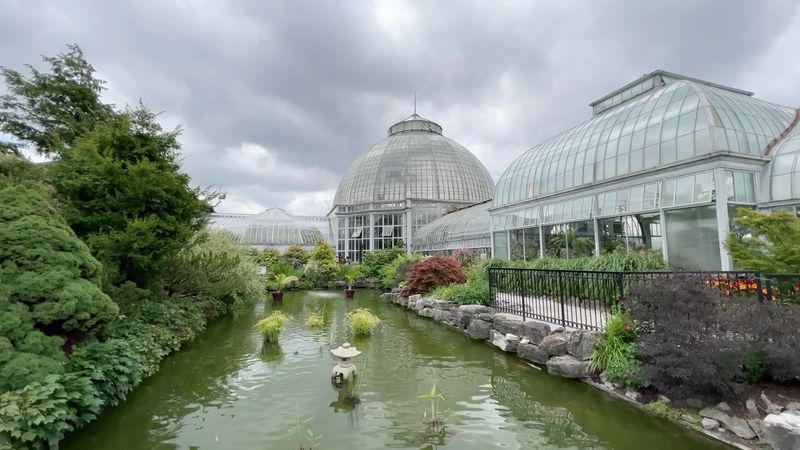
The glass dome catches Detroit’s weather and turns it into a steady climate. Palms sketch shadows on the paths, and the air tastes like citrus and soil. Outside, the island wind presses off the river with city skyline glints.
Opened in 1904 and designed by Albert Kahn, the conservatory shelters tropicals, succulents, and seasonal displays. It was named for a philanthropist who donated an orchid collection, which still feels like a generous whisper. Ongoing restoration keeps the bones elegant and serviceable.
Weekdays are calm, and winter offers a luxurious dose of green. Pair a visit with the nearby aquarium and leave time for the bridge views. You will step back outside feeling freshly watered and oddly hopeful.