
The 1950s California Drive-In Secret Tourists Never Forgot
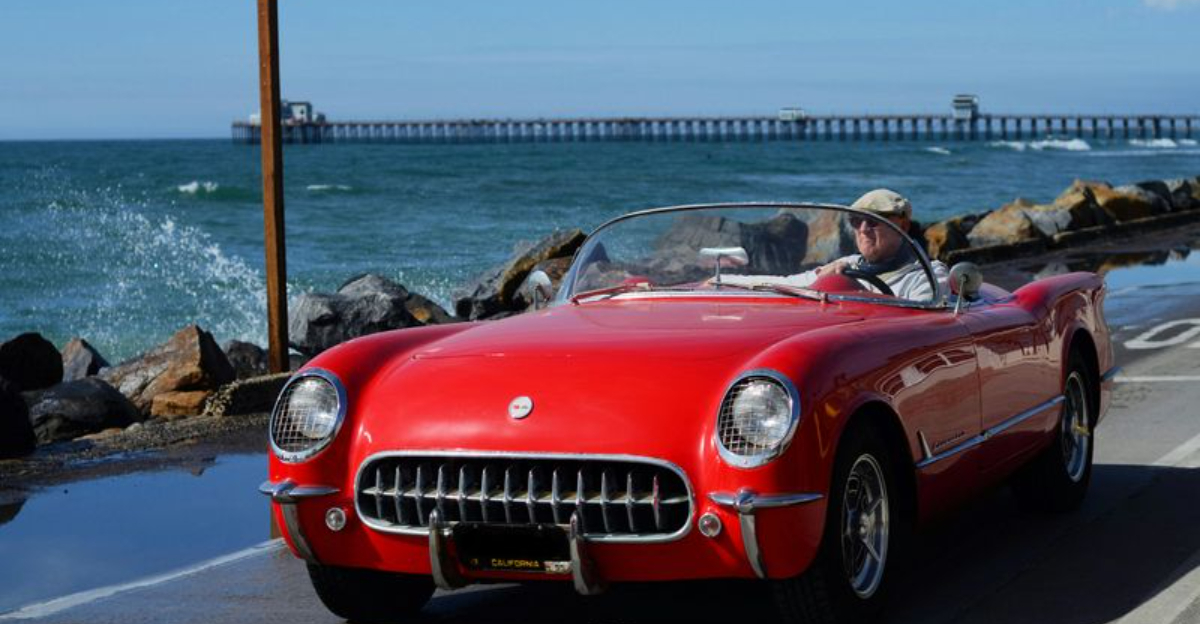
It felt like a simpler time. One I swore I could almost remember. I cruised along in my open-top Chevy, the radio shaking with Rock Around the Clock, convinced that this was exactly how life was meant to be lived.
California in the ’50s had that electric optimism: engines buzzing, neon glowing, and drive-ins becoming the heart of it all. This was the beginning of something loud and exciting!
Rock ’n’ roll taking over the airwaves, car culture ruling the streets, and the wild energy that would spill into the ’60s and ’70s. Drive-ins weren’t just places to eat.
They were social stages, symbols of freedom, and a very specific kind of cool tourists never forgot. I stepped straight into that era and soaked it all in.
And now, I’m taking you with me to see exactly what it felt like!
Cruising In, Windows Down
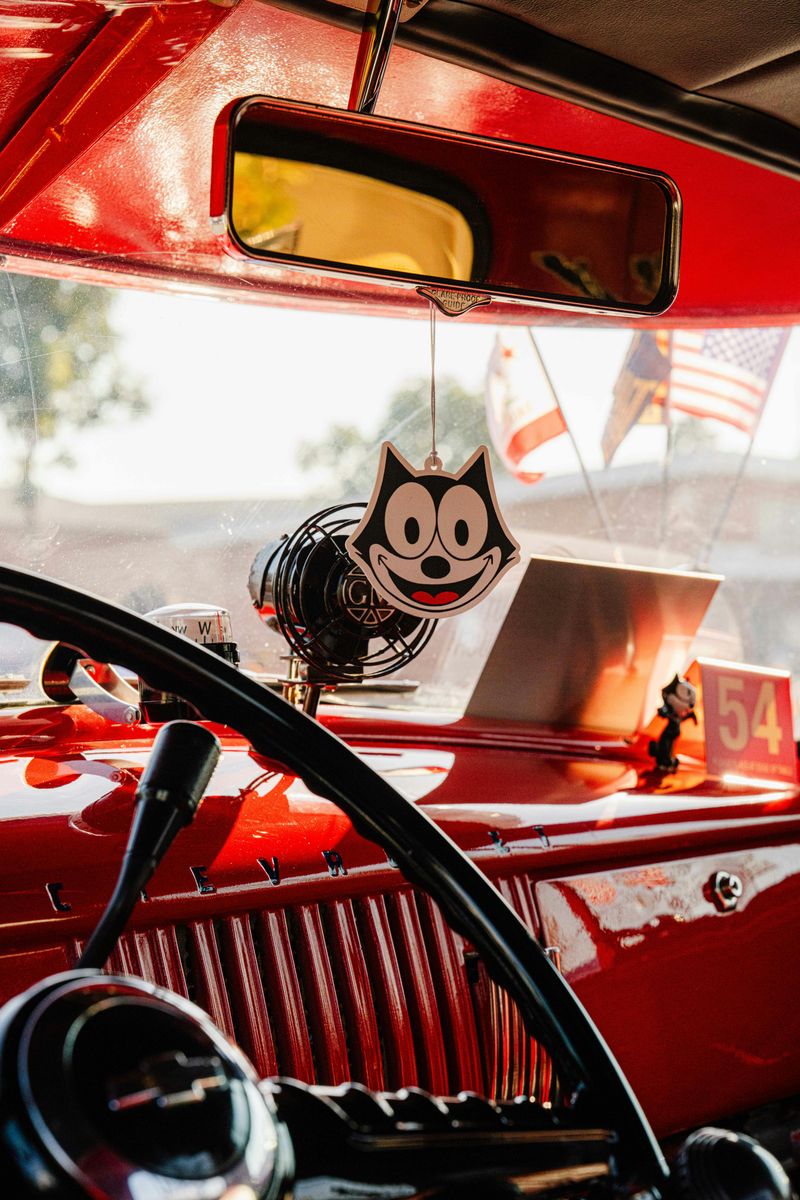
I still remember that first drive-in moment, tires buzzing over warm blacktop, windows down, radio low, and the smell of grilled onions drifting out front like a welcome sign you didn’t need to read.
California feels built for this, like the driver’s seat was always meant to double as the best booth in town. The second the car slid into a spot, the whole place clicked into focus, and the menu board glowed like a movie marquee waiting for its opening scene.
Ordering stayed easy and casual, no reservation energy, no pressure to be anything other than hungry.
The food showed up fast enough to keep the engine’s idle from getting bored, and the whole experience had this effortless rhythm, like time loosened its grip for a minute.
It wasn’t rushed, but it wasn’t slow either. It just… worked.
Neon flickered at the edges of everything, candy-colored signs popping against the dusk, the building angled toward the road like it was trying to pull you in. Even before the first bite, the scene did half the seasoning.
The best part was how the outside world stayed right there with you, cars passing, the street moving, the whole state feeling like it was rolling by while you ate.
Later, the parking lot shifts into its own social orbit. Teenagers circling, music floating between conversations, headlights and laughter mixing into the background.
Half restaurant, half hangout, and completely California, the kind of place that turns a simple meal into a memory you keep like a little token in your pocket.
Speed, Simplicity, Satisfaction
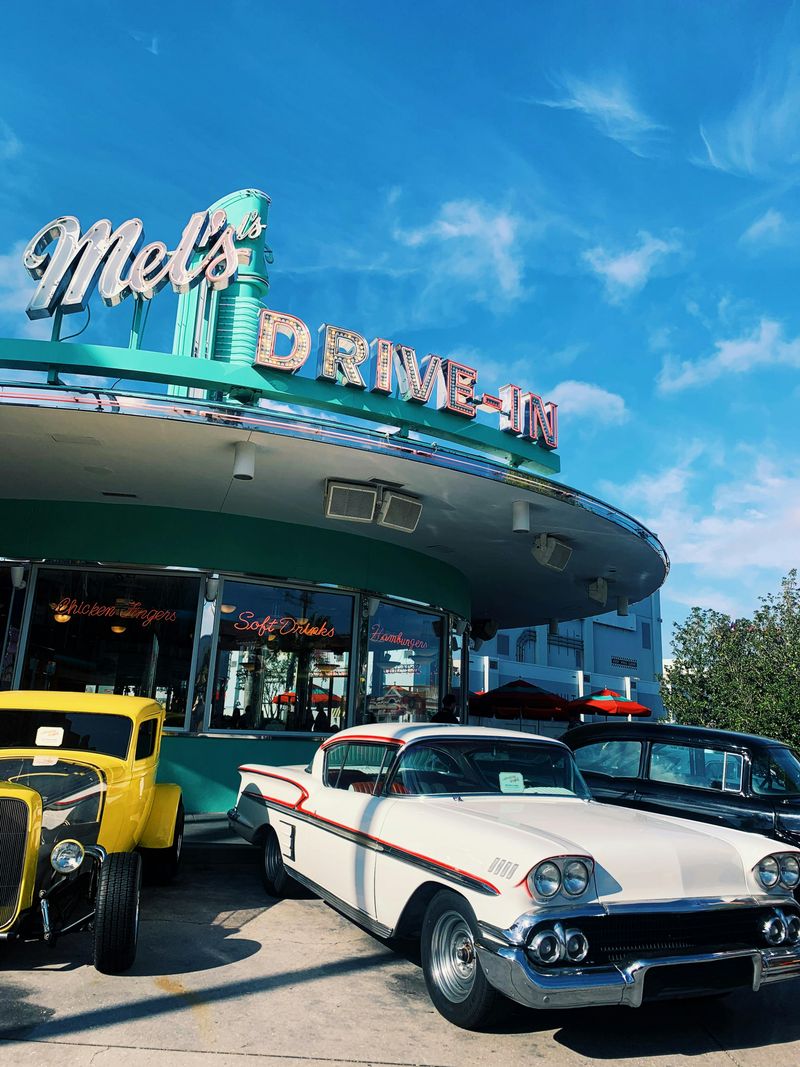
Hunger can make you a little dramatic, and that’s exactly why the drive-in worked so well. No host stand, no dress code, no awkward waiting energy, just a menu big enough to read from the road and a pace that matched the engine’s idle.
Everything about it felt built for people who wanted food now, not a ceremony later.
Ordering took no time at all, and a minute later dinner showed up like a little reward for simply pulling in. It’s the kind of setup that makes perfect sense when you’re traveling, half in motion, half trying to pretend you’re not starving.
The food meets you right where you are, seat leaned back, elbow on the door, mind already planning the next stop.
A burger, hot fries, and a shake thick enough to make the straw work for it, all landing with that pit-stop precision.
It wasn’t trying to impress you with fancy language. It was saying, eat something good, then go see something pretty.
And honestly, that’s a very California sentence.
The whole place wore its personality out loud. Neon, angles, friendly colors, rooflines tipped toward the highway like they were leaning into the spotlight.
It was architecture designed to be noticed, like the building itself was part of the pitch.
What I loved most was how consistent it all felt. Drive-ins spread, and the rhythm became familiar, which is weirdly comforting when you’re road-tired and running on vibes.
McDonald’s even started as a drive-in with carhop service in San Bernardino, proof that predictability can feel like hospitality when you’re far from home.
And then night hits, and the parking lot turns into a social map. Cars roll through like they’re on a loop, music drifts between lanes, and suddenly your car isn’t just transportation anymore.
It’s your dining room, your hangout, and your whole little address for the evening.
The Car As Your Booth
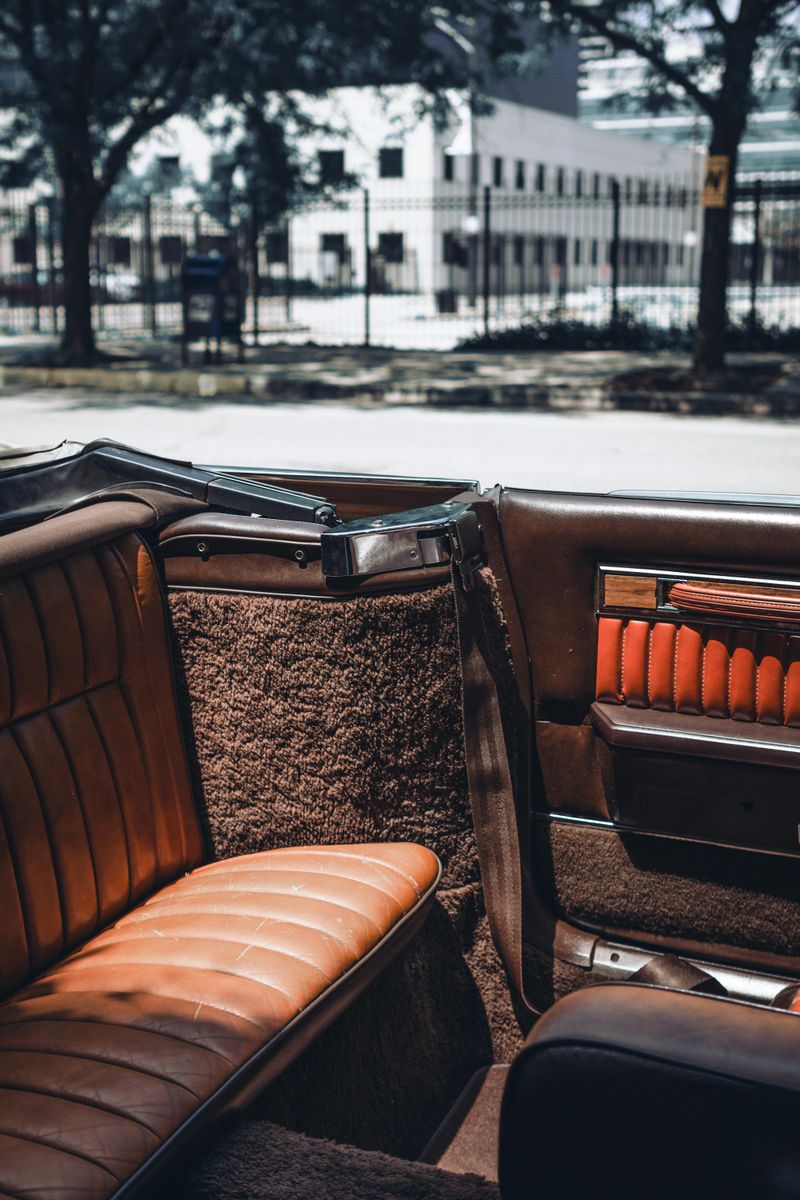
Sitting behind the wheel felt like front-row seating, except I got to control the lighting and the soundtrack with one flick of a switch.
Everything that makes California feel cinematic played out through the windshield: palm trees nodding along, headlights winking in the distance, and that classic tray clipped to the window like a cheerful co-star. Eating right there in the driver’s seat made the whole state feel portable, like the road trip didn’t have to pause for dinner.
The best part was how little effort it took to be “in it.” No getting up, no wandering around, no losing your spot.
You could talk, laugh, tweak the radio, steal a fry, and stay perfectly settled while the scene kept moving around you. The culture wasn’t just the car, it was the way the car turned into a tiny private booth with a front-row view of everything happening outside.
Even the buildings seemed to understand the assignment. Bright angles, bold color blocks, neon tracing rooflines like eyeliner, all designed to catch your eye from the far lane and pull you in.
The menu boards faced the road with confidence too, like they knew exactly what you came for.
What stayed with me felt like a built-in souvenir, the kind you don’t even realize you’re collecting until later. Steering with a knee for a second while balancing a warm paper boat, salt on your lip, a shake sweating in the cup holder, sunset streaking the dashboard like it was part of the décor.
It’s sticky in the best way, the kind of memory that clings.
Curb-Side Theater
Curbside service had a way of turning dinner into a little show, and the food honestly tasted better because of it. Something about staying parked while the whole place moved around you made it feel like you had front-row seats to the action.
Trays slipped through the lanes like they belonged there, weaving between chrome bumpers with that smooth, practiced confidence that kept everything looking effortless.
The best part was the momentum. The lot wasn’t chaotic, it was coordinated.
A few quick motions were enough to make the whole system work: a nod, a tray hooked onto the window, a fast check-in at just the right moment.
No big speech, no extra fuss, just a rhythm that made the place feel alive. And yes, I fully celebrated every time a shake made it across the asphalt without a single wobble.
Speed mattered too, but it didn’t feel rushed. Orders showed up quickly, and suddenly fries were happening, conversation was back, and hunger wasn’t steering the whole mood anymore.
The timing was perfect for the radio era, like you could be halfway through a fry cone before the next song even had a chance to start.
And then there was the neon, doing its job like a spotlight. Reds, aquas, that unmistakable electric pink outlining the roof and glowing from the tall sign like a beacon for anyone cruising by.
It was impossible not to treat the whole thing like a keepsake, the kind of moment you want to store away.
I did what every tourist secretly does and collected the memory anyway. The receipt, the paper bag, the little proof of it all.
Not just a meal, but evidence that I got to eat inside a scene.
Neon, Angles, And A Promise
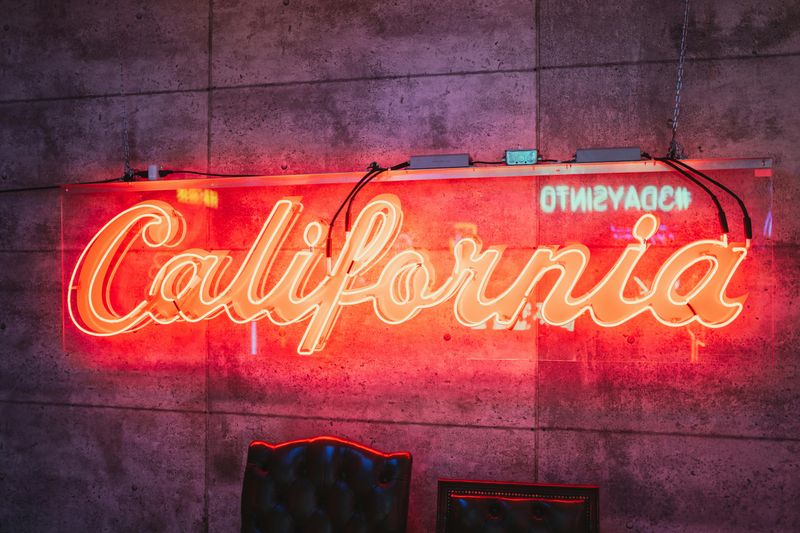
The buildings did half the inviting before you even read a menu. Big, confident angles.
Bold color blocks. Rooflines leaning toward the street like they were eager to be seen.
The signs were stacked high and bright, letters piled up like candy, tall enough to catch the attention of anyone cruising by on the highway. Even a simple awning stripe felt intentional, like it had a job to do.
Then dusk would hit, and neon snapped on like someone flipped the whole mood into “movie scene.” Red for appetite, aqua for cool, and that sunrise pink that somehow always feels like good news.
The glow didn’t just sit on the building, it spilled onto car hoods and chrome like the night decided to help with the lighting.
These places weren’t just built to cook, they were built to pull you in. A billboard you could eat at.
The design practically taught you what was good before anyone said a single word.
That’s why it stuck, especially for first-timers. It didn’t feel like stopping for a meal, it felt like collecting a tiny California postcard for your brain.
Tourists Loved The Guarantee
On the road, consistency tastes like kindness. Pulling off onto some sun-struck strip and spotting that familiar roofline shape felt like relief before the first bite even happened.
The silhouette alone told you what you were getting, how it worked, and that you wouldn’t have to overthink a single step. In a town you’d never seen before, that kind of certainty felt like a small gift.
It wasn’t just the food, it was the predictability. You knew where to park, how to order, and about how long it would take for a burger and fries to show up at your window.
That reliability was its own form of hospitality, especially when the rest of a road trip can feel like improvising all day long.
Drive-ins and early fast food spots stretched across California like a dotted line, and the choreography stayed comfortingly familiar. The speed mattered because travelers love a timeline that behaves.
In a few minutes, the tray arrived, and suddenly you were back to watching the sky do its thing outside the windshield, like it was part of the show.
The signs helped too. Neon cut through dusk like a promise, and the buildings angled themselves toward the road like they were trying to catch your eye on purpose.
From a mile out, the colors alone felt reassuring, like a little beacon saying yes, this stop will make sense.
Then night would settle in and the parking lot turned into its own friendly loop, cars drifting through, music testing the air, the whole place feeling like it came with a soundtrack already loaded.
I drove off content every time, convinced that familiarity can be its own flavor.
Cruising As Social Life
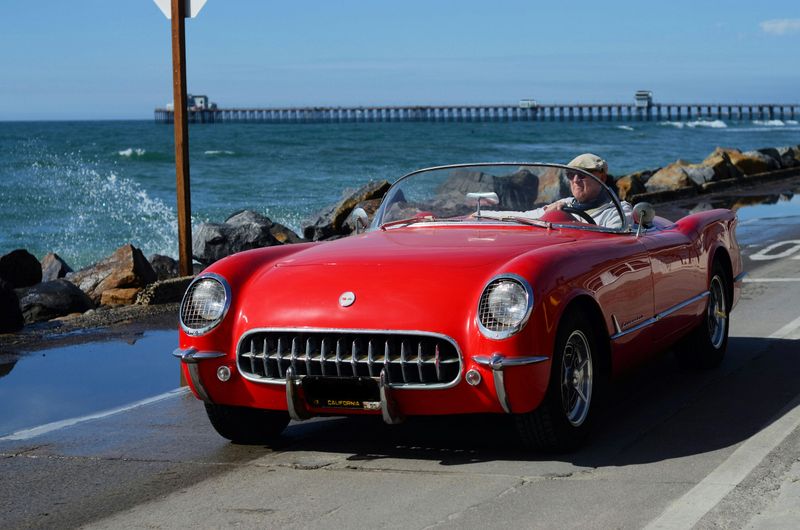
Some nights, the food was almost an excuse. I’d pull in just to watch the parking lot come alive and settle into its own rhythm.
The lanes looped like a lazy river, and teens turned the whole place into a parade that didn’t need a permit. Engines idled at conversation volume, headlights blinked like greetings, and one good song could stitch a few cars into an instant little neighborhood.
Everything moved in sync with the chatter. Orders came quick, nobody disappeared for long, and the casual vibe made it easy to talk without making it a whole thing.
A tray at the window, a fry passed across the seat, and suddenly it felt like the simplest way to spend a night without trying too hard.
There was always a bit of theater, just enough to keep it fun.
That’s what I loved most about drive-in culture. The car wasn’t just transportation, it was the venue.
Dinner stayed in the driver’s seat, the road stayed in your peripheral vision, and California felt close enough to hold with one hand on the wheel. The horizon looked reachable, like it wasn’t going anywhere until you were done.
Driving off never ended it completely. The scene kept pulsing in the mirror, smaller but still alive, like you could turn around and catch it again.
Highways, Sunshine, And Myth
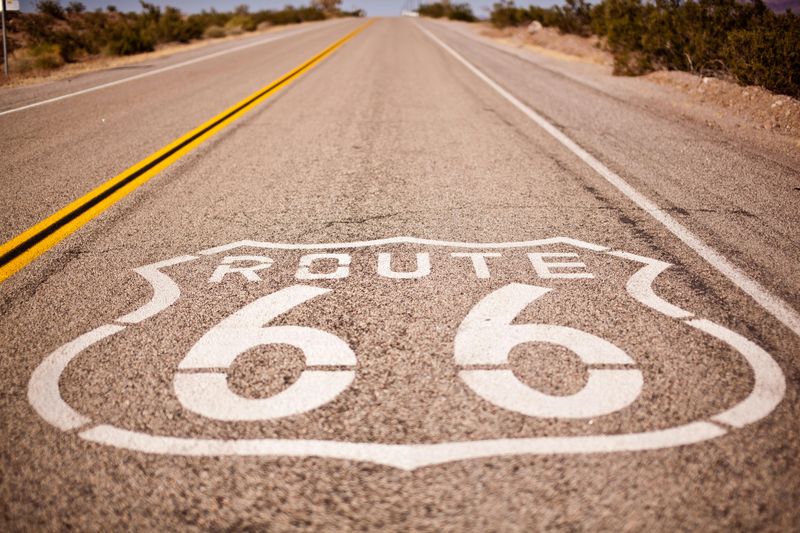
Every visit felt tied into something bigger, like California was still holding onto that postwar promise where the roads stayed open and the future looked bright.
The whole state carried that easy confidence, the idea that you could keep moving and still be taken care of. I bought into it completely the second the car slipped into park.
That’s what drive-ins did best. They made the dream edible.
You ordered fast, you stayed comfortable, and the driver’s seat turned into the best table around.
No linen, no reservations, no complicated rules, just an open lane, a little hunger, and the kind of ease that feels rare now.
Even the atmosphere knew how to sell the moment. Twilight settled in, the neon switched on, and suddenly the whole place looked like it belonged in a scene.
A burger and fries showing up at your window felt like a small win, the kind you taste immediately.
And tourists did remember it. Not because anything was fancy, but because it was so perfectly placed in time.
I can still hear the wax paper creak when I think about it, still picture that fry boat balanced just right, still feel how warm food on your lap makes a night feel simple and lucky. The memory lasted longer than the salt, and that was the point.
There was comfort in the repetition too. Town after town, familiar shapes showed up along the roadside, and you didn’t need a map to understand what came next.
The road felt friendlier when the stops spoke the same language.
By the time I drove off, I wasn’t just full, I was convinced California invented a special kind of freedom, where the best view is through a windshield and the dress code is simply yes.
A drive-in didn’t just feed you, it kept you company. And tell me you don’t still crave that first warm fry under a perfectly glowing sign.