
15 New York Deli Rules From The 1940s That Make Today’s Ordering Feel Wild
I tried skipping the rules at a New York deli last week. Big mistake. I cut in line, asked for half-sandwiches, and muttered “just a little mustard” like I owned the place.
The rules didn’t vanish, they waited. Like a seasoned deli veteran, they watched, silently judging, until my turn. Then, with a wink and a nod, the sandwich masters schooled me: how to order, how to stack, how to survive the lunch rush without losing your dignity.
By the end, I wasn’t just stuffed, I was initiated. Welcome to the wild, wonderful, no-nonsense world of 1940s New York deli rules.
1. Guard The Ticket Like Your Wallet

The first thing that hit me wasn’t the smell of pastrami, it was the feel of that tiny ticket in my palm.
In a classic New York deli, that paper slip is everything, and you hold onto it like a subway pass during a blackout. Lose it and the room doesn’t sigh, it recalibrates around you with penalties, because that little ticket is the heartbeat of the line.
I watched newcomers tuck theirs into pockets, roll it into tubes, forget it on trays, and every time I flinched like a seatbelt warning.
The cutter slid me a pastrami preview while the cashier watched the ticket journey across the counter like a baton exchange. The rhythm felt military crisp, a 1940s accountability dance where paper stands in for trust, and accountability stands in for convenience.
What surprised me most was how calming it became once I played along.
No apps, no tabs, just a tangible record that binds your order to you, old-school and airtight. When I finally paid, that ticket turned into an exit stamp, proof that the ritual works.
Guard it, because the system is the story, and in this room, stories get you fed.
2. Pastrami On Rye Means Mustard, Not Reinvention
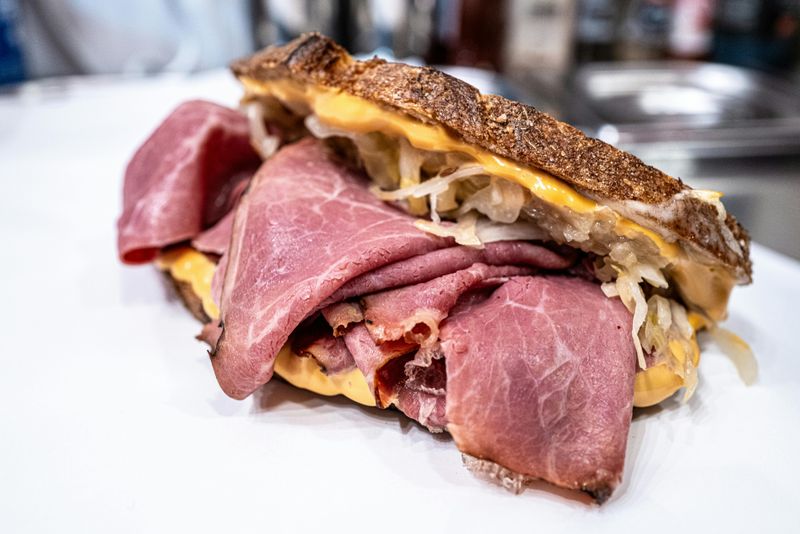
I tried ordering like a modern tinkerer once, and the counterman smiled the kind of smile that closes a door. Some deli traditions come with a default: pastrami on rye, mustard on top, pickle standing by like it’s part of the uniform.
The 1940s rule hums under the neon: you don’t reinvent the wheel when the wheel is already perfect.
That first bite explained the rule better than any lecture. Pepper crust, fat shimmering, mustard’s sharpness cutting through like a clean jazz trumpet, something Benny Goodman would have approved.
The bread held firm, seeded rye whispering spice and grounding the meat, proof that the sandwich is an equation solved decades ago.
You can ask questions, and they might guide you, but the vibe says trust the blueprint. This is not about minimalism, it is about knowing what works and respecting tempo.
When your fingers shine with pastrami fat and mustard freckles your napkin, you understand tradition is not stubbornness, it is clarity you can taste.
3. Mayo On Pastrami Is A Cultural Glitch
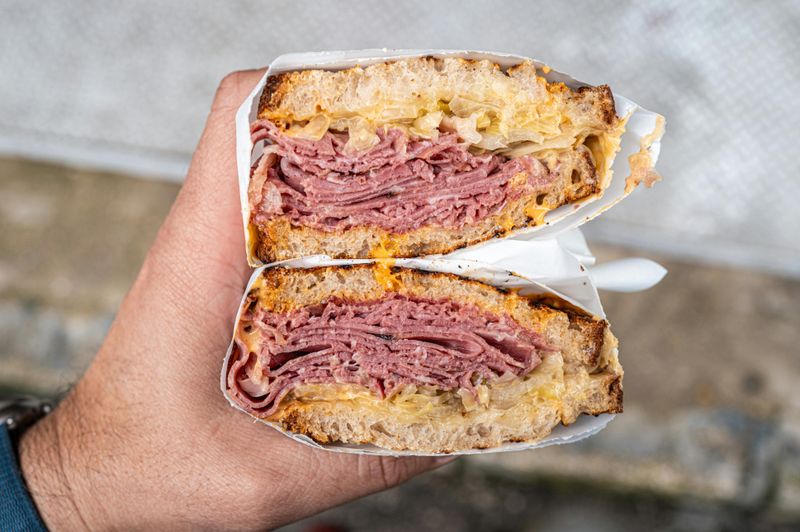
I asked once, jokingly, about mayo on pastrami, and the air changed like a record needle scratched.
In a place where the deli code feels stitched into the tiles, the response was gentle but immovable: not illegal, just not the vibe.
The 1940s palate built a language, and mayo on pastrami reads like a typo.
Mustard is the dialect here, bright and assertive, while mayo softens edges the sandwich wants to keep sharp. I tasted both for science, and the mustard version sang, the mayo version droned, like fuzz over a trumpet solo.
You learn fast that a sandwich is cultural memory sandwiched between slices of rye, not an empty canvas for every whim.
So I play by the rules and never feel limited. There is freedom in good boundaries, especially when the meat is smoked to the edge and sliced thick enough to argue back.
If rebellion is your mood, pick a different battleground, because here the mustard carries the flag.
4. Meat And Dairy Do Not Mix In Kosher Logic
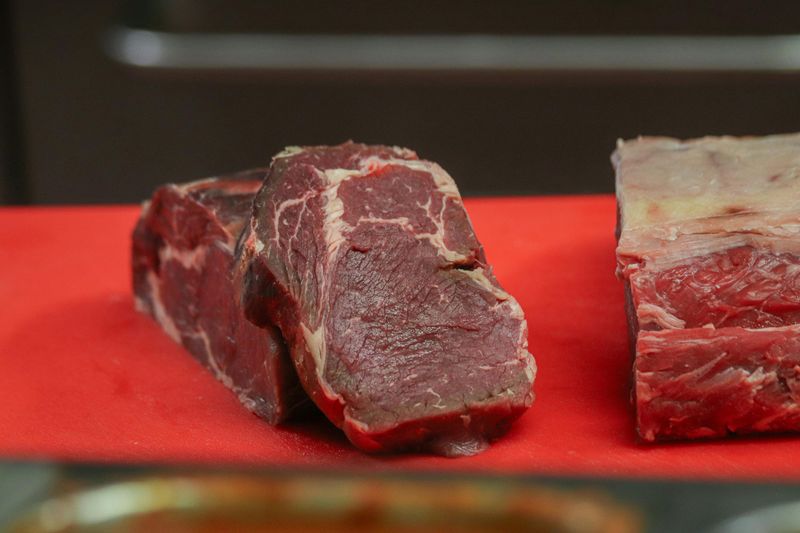
The first time I learned the rule, it clicked like a door latch. On the Lower East Side around, history still shows its seams, with meat delis on one block and appetizing shops on another.
Kosher logic says meat and dairy do not mix, so the city built its appetite along that line.
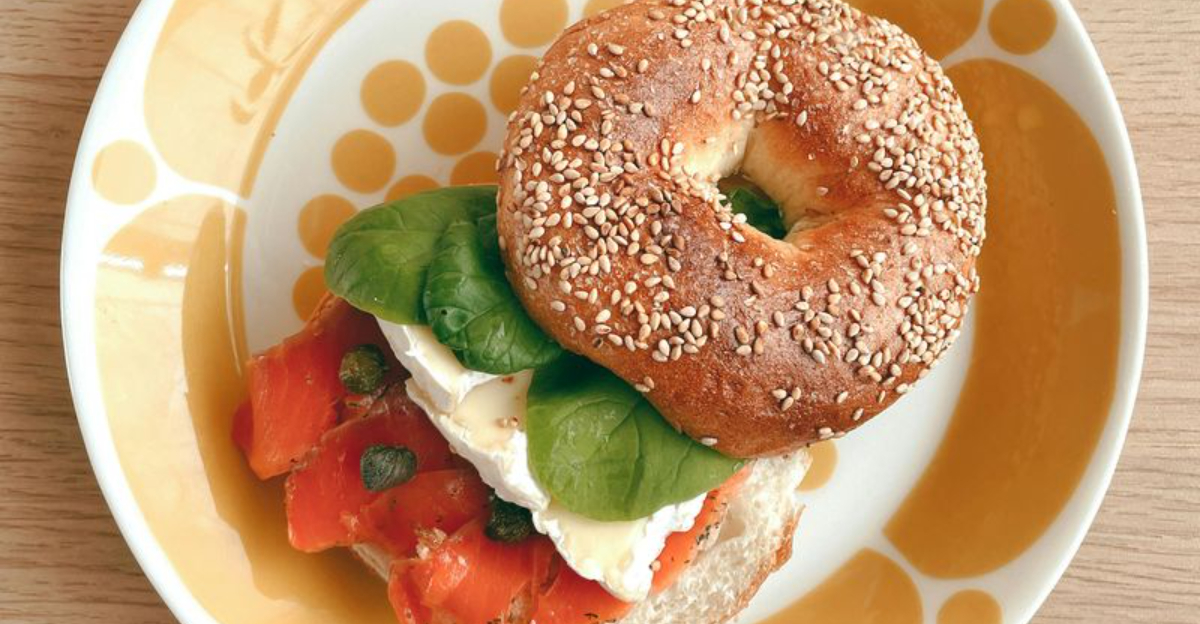
Want lox and cream cheese? You went to the appetizing store, not the meat deli, because that is literally what it was for.
I stood at the counter and felt the lineage in the glass case, silky fish, glossy whitefish salad, and bagels ready for a match made by rules, not chaos.
It is a map of restraint that makes flavor shine brighter. When you accept the boundaries, the combinations get sharper, more intentional, less muddled.
The city still respects that split, and you taste the past every time you choose a counter and stick to the lane.
5. Appetizing Stores Are The Lox And Cream Cheese Universe
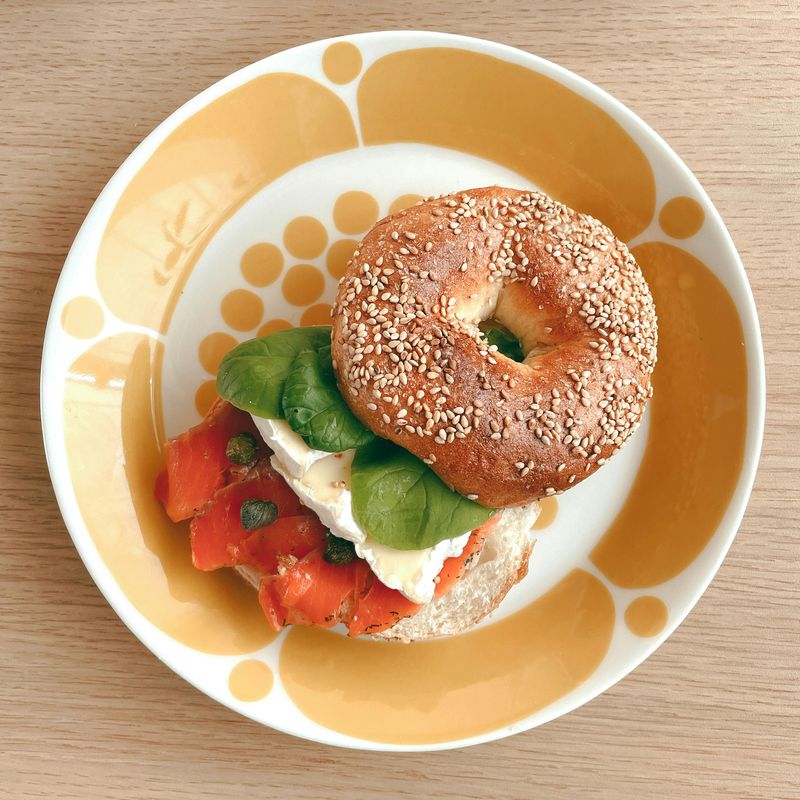
I wandered from meat to fish like changing radio stations, and the beat shifted cleanly. Here, the counter feels like a runway for lox, sable, and cream cheese in proud formation.
This is where you go when your craving speaks in salmon and schmear, not pastrami and rye.
The 1940s made this division common sense, so your order flows once you choose your world. I asked for Gaspe nova sliced thin enough to see light through, scallion cream cheese, and a bagel that fought back when pressed.
Every bite felt like a morning that refused to be rushed, the salt and fat balanced by a city that knows proportionality.
People think choice equals freedom, but sometimes freedom is knowing which door is yours. The appetizing shop is that door, and stepping through comes with its own grammar.
Speak it well, and your breakfast tastes like history with fresh air.
6. Ordering Is A Conversation With The Cutter
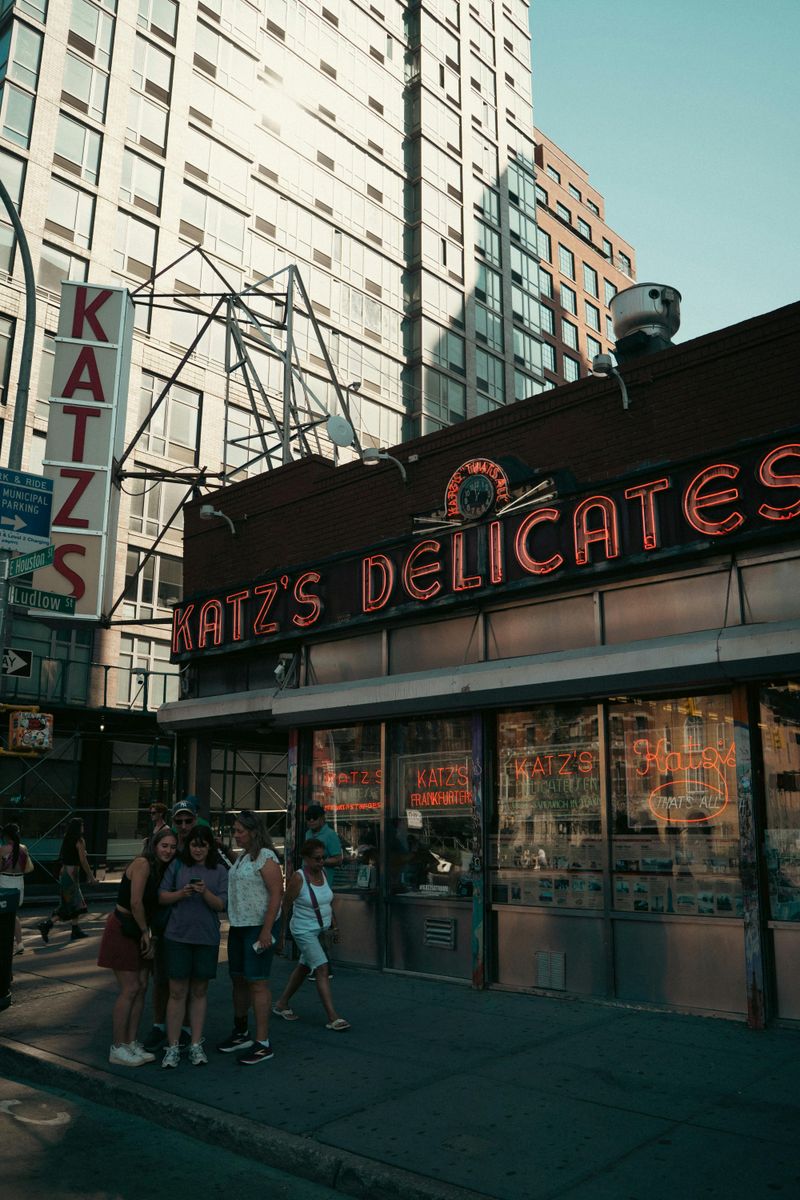
Menus used to feel like contracts, until I met a cutter who treated them like sheet music.
Here, your order is a conversation, not a checklist. You say what you want, and the counterperson steers, trimming your idea into something that actually makes sense.
I described a mood more than a sandwich, and he nodded like a therapist with a knife. Lean or fatty, rye or club, mustard heat or mild, pickle half sour or full, the questions shaped a meal that felt tailored without becoming precious.
The shop hummed like a band, and the cutter was the conductor pointing me to a better chorus.
There is trust in the exchange, and it tastes like experience. You get advice because they care about the angle of each slice, the steam, the snap.
Let the pros guide you, and your sandwich will carry the room’s wisdom straight to your table.
7. Portions Plan For Your Future Self
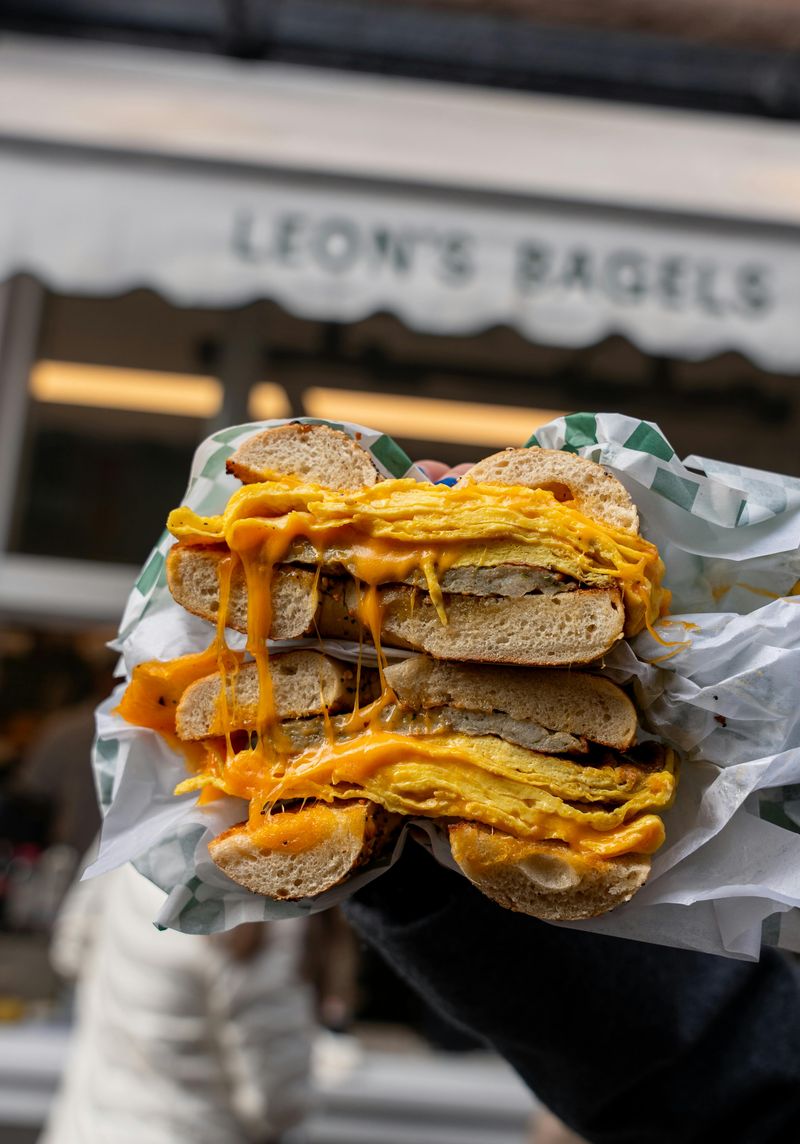
The stack arrived like a skyscraper pretending to be lunch, and I laughed out loud. One sandwich for two meals is not a marketing line, it is the way this place respects time.
I ate half while the steam still rose, then wrapped the rest with reverence, already picturing the next-day victory bite.
The 1940s scarcity mindset never fully left, so generosity now feels justified, not flashy. When meat was rationed, you protected what you had, and somehow that memory still informs how the layers stack.
The plan is embedded in the cut, the bread’s sturdiness, the way pickles refresh your pace. You do not need dessert, you need a walk around the block and a fridge waiting.
Call it practicality dressed as indulgence, and you will never feel shortchanged again.
8. Pickles Are Part Of The Contract
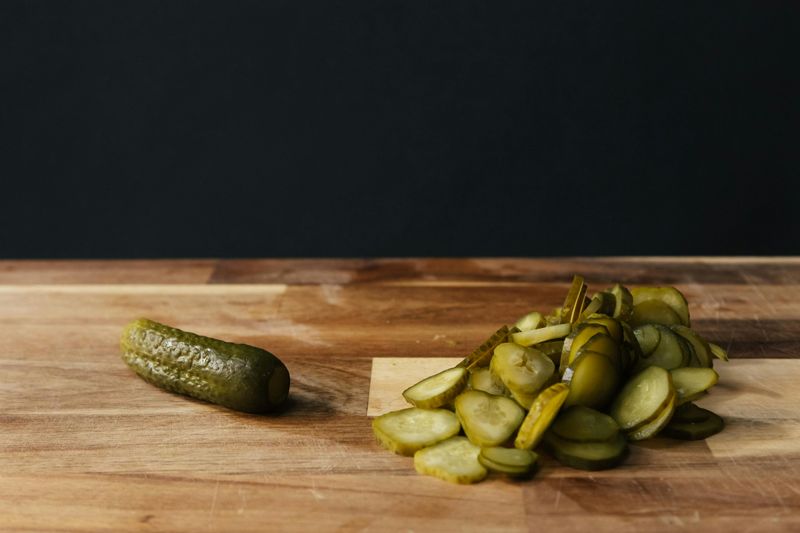
The pickle plate slid in like a handshake I didn’t know I’d agreed to. Here, the brine cuts through richness with purpose, not decoration.
Half-sour, full-sour, garlicky spears lined up like punctuation between bites. I learned to reset my palate by alternating crunch and chew, vinegar and smoke, until the sandwich found a perfect tempo.
The 1940s rule treats pickles as infrastructure, like a good sidewalk under the city’s rush.
You would not pave only half a block, so you do not serve a sandwich without its brined partner.
Ask about the sour level and watch the staff light up, because this is a serious subject. The right pickle decides your pace and mood, like a metronome you can eat.
When the bowl empties, you realize the contract was generous, and your appetite kept its end of the deal.
9. Cash Was King
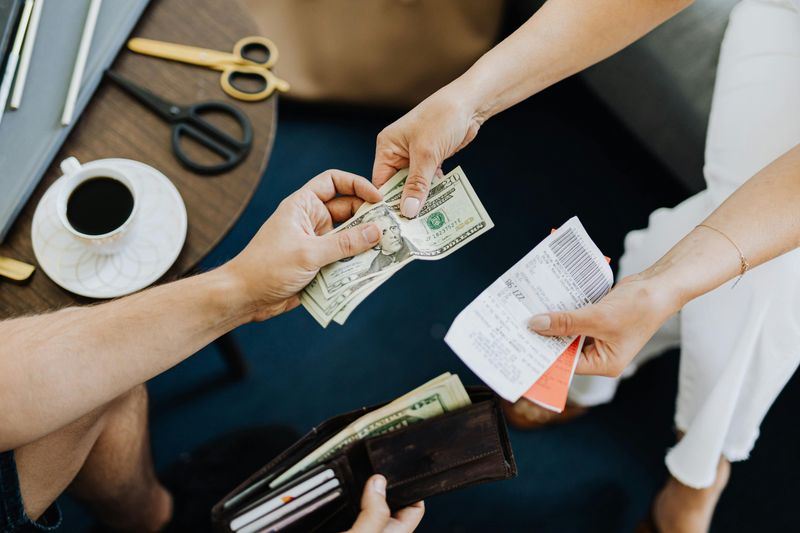
I pulled out a card once and felt the room tilt, like I’d coughed during a solo. Even when cards are accepted now, the ritual still moves with a cash-first heartbeat.
The clink of the register, the slide of a ticket, and that quick, no-fuss payment rhythm keep the whole place running on old-school momentum.
There is something grounding about settling up with as few moving parts as possible. No tapping phones, no splitting six ways with a spreadsheet, just a clear exchange that ends the story right.
The counter knows exactly where you started and where you finish, and it makes the meal feel whole.
I still carry small bills when I come here, out of habit and respect. The lines move cleaner, the exit feels simpler, and the past nods in approval.
Pay fast, step aside, and let the next character enter the scene with a fresh ticket.
10. You Wait Because Waiting Works
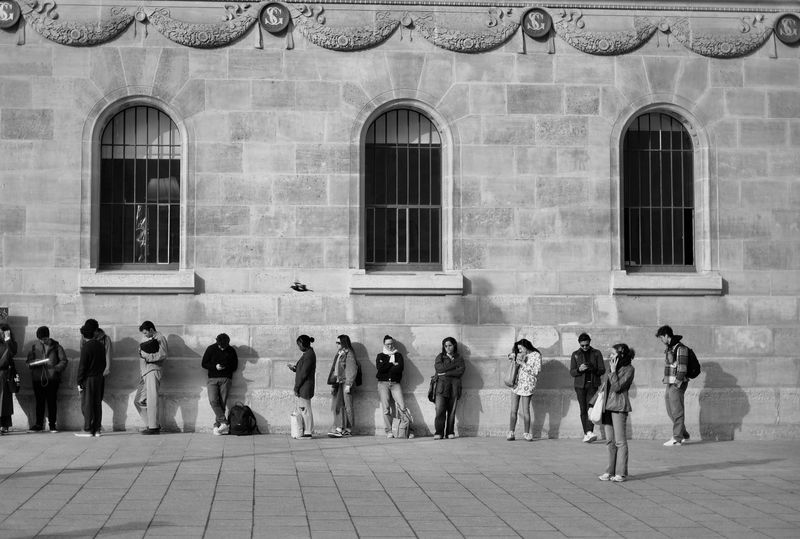
The line looked like a parade route, but somehow it moved. Waiting runs like a system, not a hiccup, a choreography of hungry people and fast hands.
No texts, no buzzers, just the logic of space and attention.
I slid forward in small triumphs, watching cutters lock into their tempo, one sandwich per beat. The 1940s knew crowd control before software, and the same rules still turn chaos into lunch.
You learn to look, listen, then step when it is your moment, because the room respects momentum.
By the time I reached the counter, the line had taught me how to order.
I knew my words, I knew my mustard, and I knew I would not clog the lane. Waiting did not steal time, it tuned me to the soundtrack that makes the place sing.
11. The Menu Changes With Supply And Season
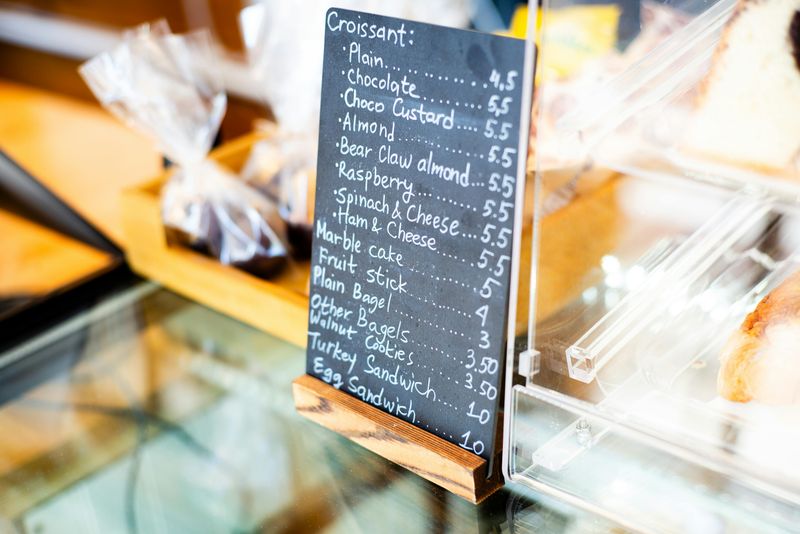
Craving tongue and leaving with brisket sounds like a plot twist, but the day felt better for it. The menu bends to the freight reality, a habit learned back when rationing rewrote expectations.
From March 1943 to November 1945, meat points decided what came home, and that muscle memory never really left.
Some days the slicer sings pastrami, others the brisket carries the solo, and nobody panics if an item steps out. You are not being denied, you are being guided by what is best right now.
The chalkboard feels honest, like a weather report for appetites.
Letting the counter lead keeps lunch aligned with quality instead of stubborn wishes. I stopped thinking disappointment and started thinking discovery, which tastes a lot like relief.
If the day says brisket, you say thank you and lean in.
12. Regulars Speak Deli Shorthand
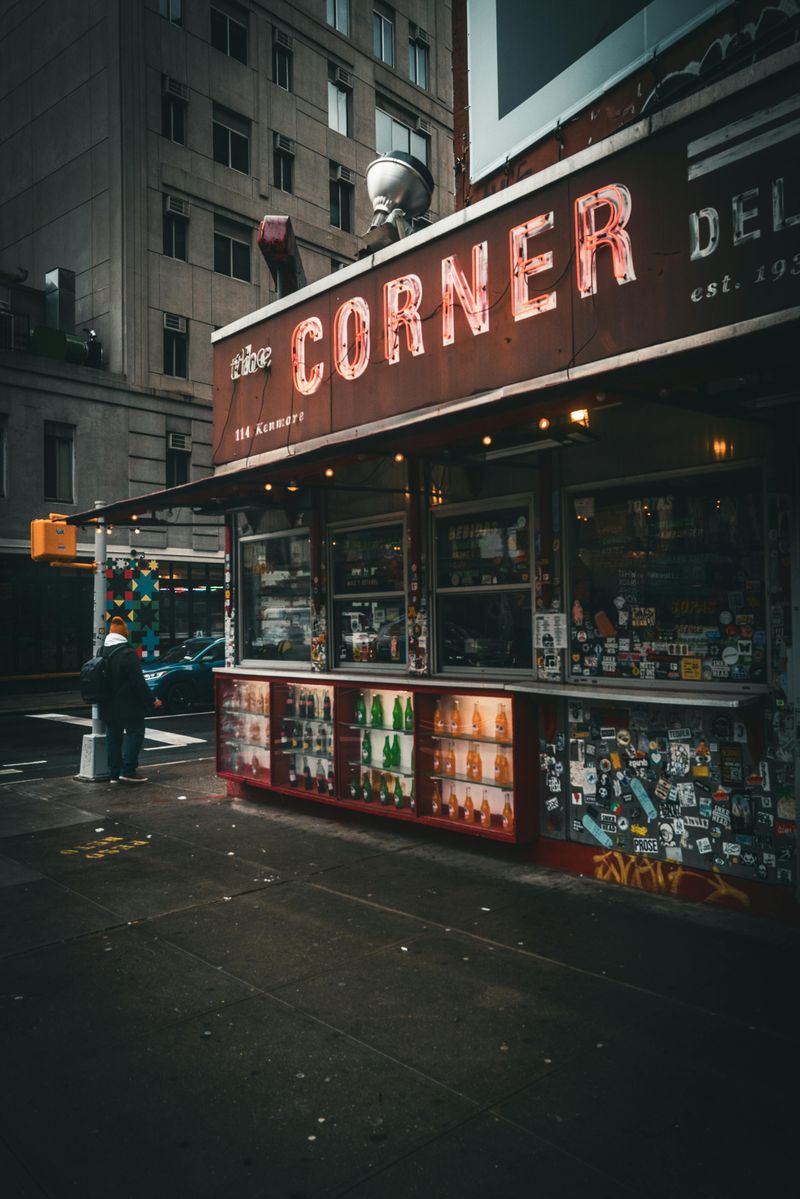
By my third visit, I had a dialect. Regulars toss out shorthand like code words, and the counter hears everything it needs.
Lean pastrami, rye, mustard, full sour, and a nod seals the deal faster than any app. That old-school rhythm still rewards brevity and clarity, like respect measured in perfectly compressed sentences.
No long explanations, no “custom build” manifesto, just the right details in the right order. I listened, practiced, and suddenly I belonged to the room’s music.
Learning the language is not gatekeeping, it is streamlining. The faster you speak, the better they can serve, and the line behind you breathes easier.
Say it clean, say it proud, and watch how quickly a perfect sandwich materializes.
13. Ration Books Shaped Deli Common Sense
Flipping through an old ration booklet once felt like the past tapping my shoulder. Back then, meat wasn’t a guarantee, it was a calculation, and points decided what landed on your plate.
If the counter was short on something, that was the end of the discussion, because nobody negotiated with math.
That history explains today’s respect for portions, substitutions, and patience when an item runs out. The deli logic formed under pressure, then hardened into wisdom that still guides a busy lunch.
You taste thrift turned into craft, with fat rendered carefully and slices measured like currency.
Knowing the past makes the present meal feel earned. Every thick cut and shared sandwich nods to a time when abundance was a plan, not a guarantee.
The rule is simple: gratitude seasons the meat better than anything in a jar.
14. Paper Tickets Keep Everyone Honest
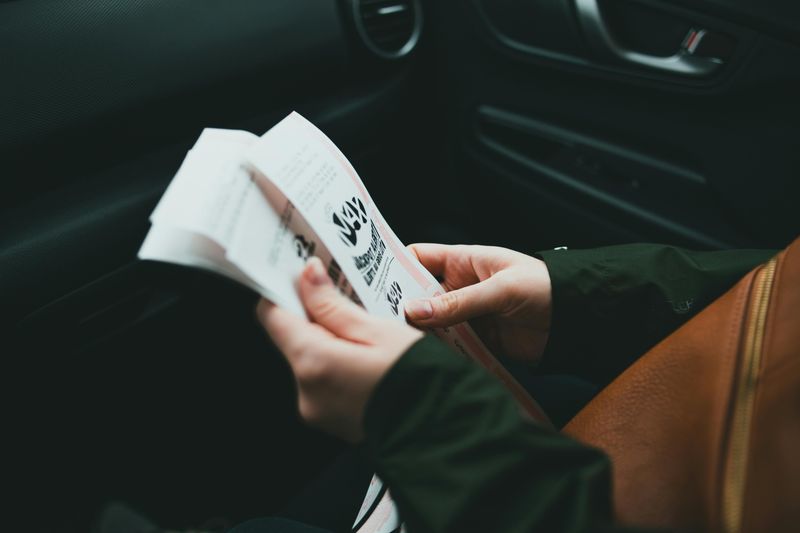
The paper system feels quaint until you watch it move at full speed. That little slip tracks your order from counter to cashier like a relay baton.
It keeps the line clean, and it keeps you safe from any mystery “wait, what did I order?” moments.
Lose it and there is a fee, not because anyone hates you, but because accountability needs teeth. The whole place balances on this tiny piece of paper, a compact forged before screens took over.
In a room this busy, simple tools shine hardest.
By the time I paid, I liked the ritual. The ticket made my meal feel coherent, start to finish, like a story with chapters and a final page.
Keep it close, and the deli will keep everything else moving.
15. Penance For Lost Tickets Is Real
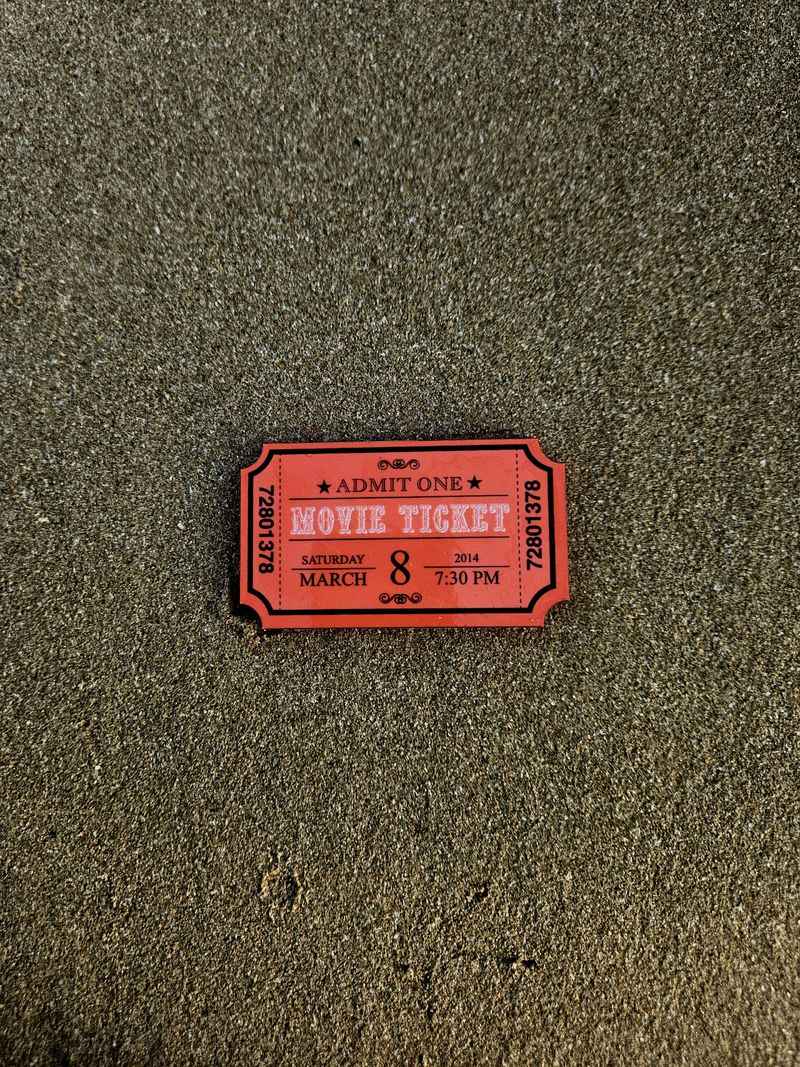
One glance at that tiny slip of paper is enough to understand the deal. The lost ticket fee isn’t a rumor or a scare tactic, it’s a real rule with real numbers attached.
Everything stays calm because the system has to stay calm, the whole place runs on momentum and accountability. It’s strict, but it’s also fair in the same way a toll feels fair when the bridge actually holds you up.
Once that clicks, the routine stops feeling harsh and starts feeling smart.
I tucked my ticket deeper into my wallet like it suddenly had its own importance.
Because in a New York deli like this, the rules don’t vanish, they wait, and they always show up right on time.